Sanyo & Sanin Travel Guide|Top Hiroshima & Okayama Attractions, Culture, and Transit Tips
Sanyo & Sanin Travel Guide|Top Hiroshima & Okayama Attractions, Culture, and Transit Tips
This article was automatically generated by AI based on previously published content. Please leave a comment if you notice anything unclear or incorrect.
Table of Contents
[Guide] Complete Sanyo × Sanin Travel Guide: Understand Hiroshima, Okayama Attractions and Culture at Once (Including Transportation, Itinerary, and Connecting to Sanin)
If you are planning a trip to San’in (Shimane, Tottori), you will most likely face the same issue: San’in has less frequent transportation than Kansai, and the attractions are spread out. Many people choose to use Okayama/Hiroshima as the entry point or add them along the way, allowing them to experience both the Seto Inland Sea (Sanyo) and the Sea of Japan (San’in) scenery and culture in one trip.
This article uses your travelogue “Travelogue 2023 Sanyo Area Hiroshima Okayama 6-Day Free Trip” (31b9b3a63abc) as a framework to upgrade the “visited spots” into a more practical guide:
What makes each place fun, the cultural and historical background, how to connect by transport, the most convenient places to stay, and how to continue to San’in.
Further Reading: Original 6-Day Travel Journal (Itinerary Details, Shops, and Daily Records)
[Travel Journal] 2023 Sanyo Area Hiroshima Okayama 6-Day Independent Trip
Further Reading: If you are actually a “San’in fan” (Shimane/Tottori as the main focus), this original 7-day solo trip record matches your itinerary better: Okayama in/out → Izumo/Matsue → Tottori → Himeji/Osaka/Kobe (including transport passes, reserved seat bookings, eSIM activation, and daily timelines)
[Travelogue] 2024 San’in Wide Area Shimane Izumo Matsue Tottori Himeji Osaka Kobe 7-Day Solo Trip
1. Clarify First: What Are the Differences Between Sanyo and Sanin? Why Plan Them Together?
Many people see “Sanyo/Sanin” for the first time and think of administrative regions, but you can actually think of them as the two sides of the same mountain range:
Sanyo (Setouchi / Seto Inland Sea side): Hiroshima, Okayama, Onomichi, Kurashiki…
The main transportation is the Sanyo Shinkansen, featuring higher city density and relatively simple travel.San’in (Sea of Japan side): Shimane, Tottori (Matsue, Izumo, Yonago, Tottori City…)
Attractions are scattered with fewer transport options, but the region offers a stronger sense of “sea breeze, mythology, hot springs, and sand dunes.”
The biggest advantage of combining both is:
You can first build the “transportation backbone” with Sanyo (Shinkansen and major cities), then extend to Sanin by limited express trains or buses, greatly improving time efficiency.
2. Transportation Strategy Summary: How to Arrange Hiroshima and Okayama Smoothly?
1) How to Choose Your Entry Point?
For Taiwanese travelers, common destinations are typically:
Okayama Airport (OKJ): A small airport with quick immigration, ideal for “using Okayama as the entry point,” then proceeding to Hiroshima/Kurashiki, and finally adding the San’in region.
Hiroshima Airport (HIJ): Located farther from the city center, with less convenient flight schedules and times.
Arrival/Departure via Fukuoka/Kansai: Transportation is convenient but requires additional Shinkansen or long-distance transfers.
Enter and exit from Okayama, timing is ideal; then use JR to travel within Sanyo. This strategy is especially friendly for those who want to explore both Sanyo and Sanin in one trip.
2) How to Choose Your Accommodation Base?
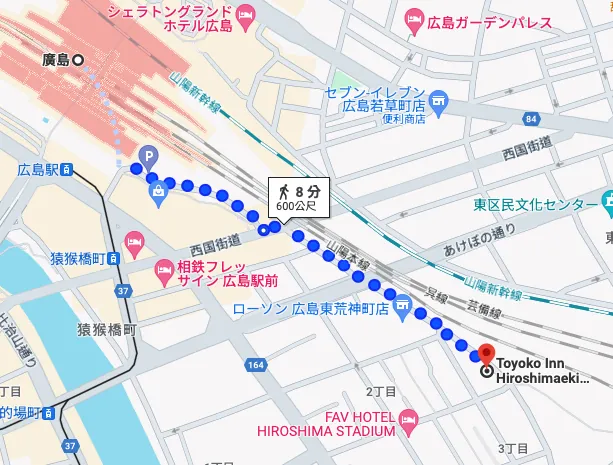
Think of “accommodation” as your transit hub. On the Sanyo side, I would suggest the following:
Hiroshima (Stay 2–4 nights): Miyajima, Kure City, and Onomichi (or Fukuyama/Tomonoura) can all be done as day trips or combined in a route.
Kurashiki or Okayama (Stay 1–2 Nights): Kurashiki is great for walking and street photography; Okayama is ideal for train travel, visiting Kibitsu Shrine, and convenient for heading north to connect to San’in.
3) Where should you connect San’in?
Conclusion first: The most reliable place to connect to San’in is “Okayama.”
The reason is simple: Okayama offers many limited express trains northbound across the mountains (to Shimane and Tottori), making the route natural and convenient.
3. Hiroshima: More Than Just the “Atomic Bomb” — The City’s Three Layers of Character
I would describe Hiroshima’s travel value with three keywords:
Faith (Miyajima) / Memory (Peace Park) / Naval Port (Kure City).
These three aspects combined define the true “Hiroshima feeling.”
If you want to handle “transportation tickets/itinerary” all at once, below are recommended Hiroshima products I compiled from KKday’s Japan destination page, most relevant to this article’s route:
Product details and usage scope are subject to the KKday product page and official announcements.
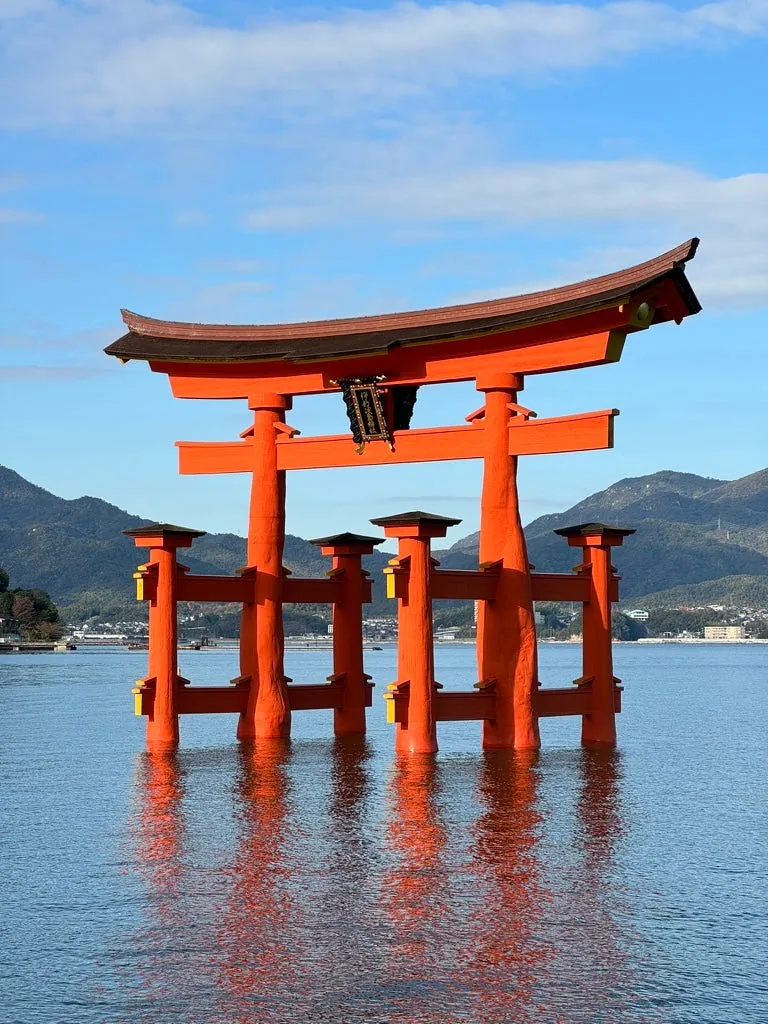
A. Miyajima (Itsukushima Shrine): The Faith and Aesthetics of the Floating Shrine
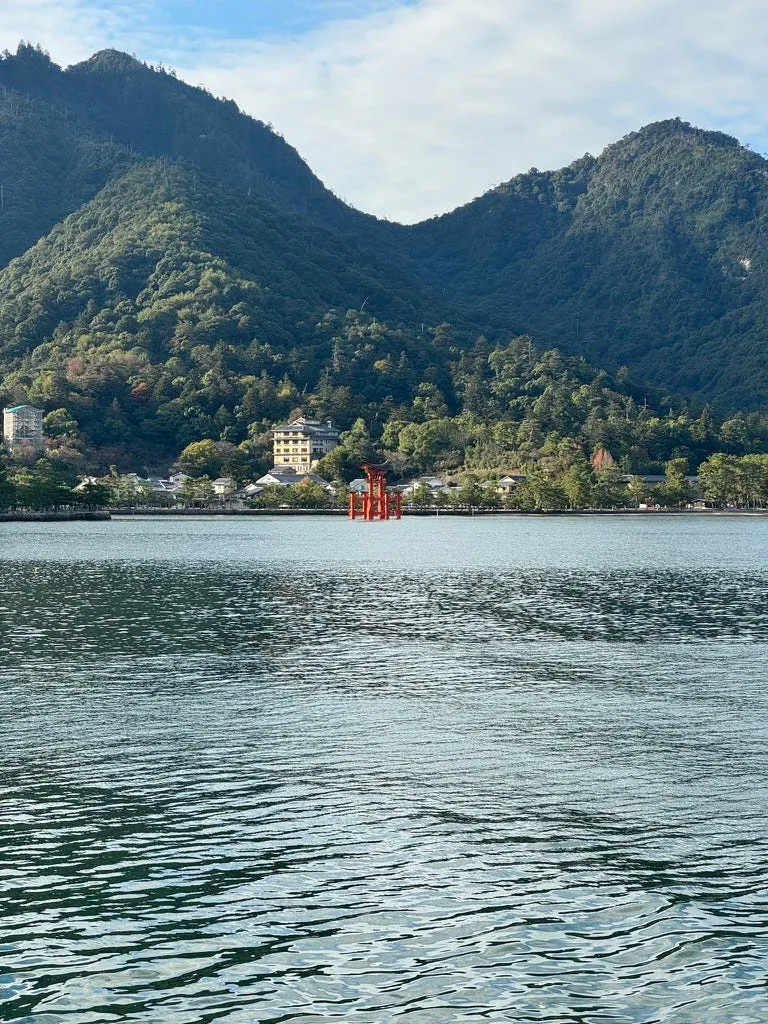
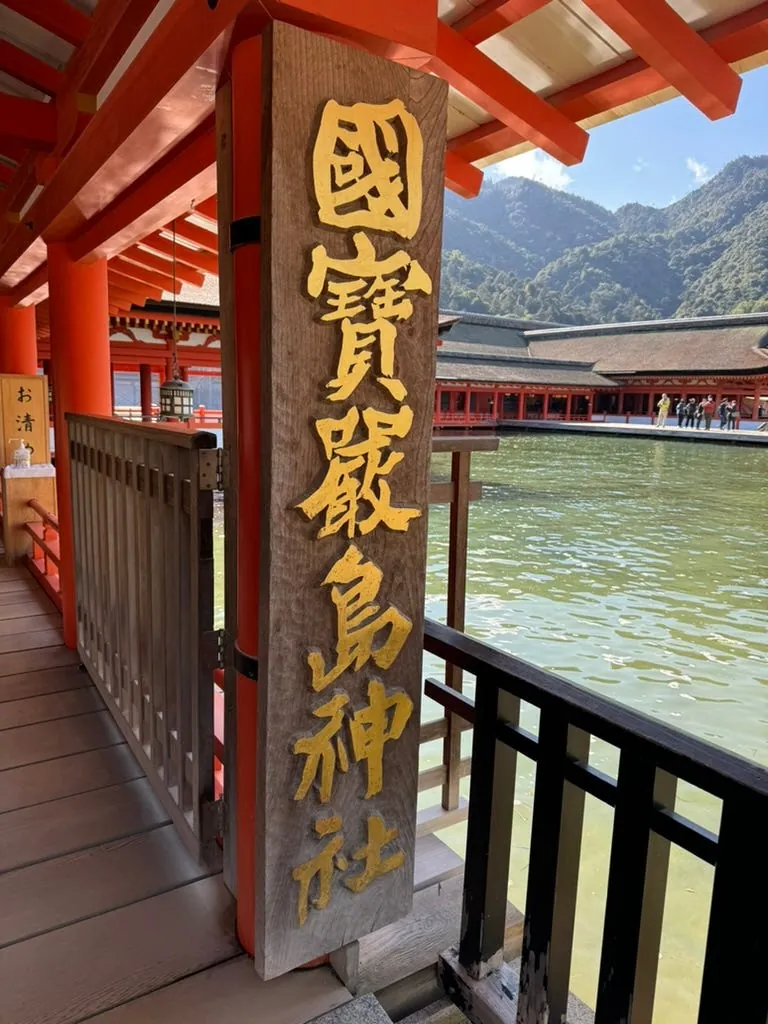
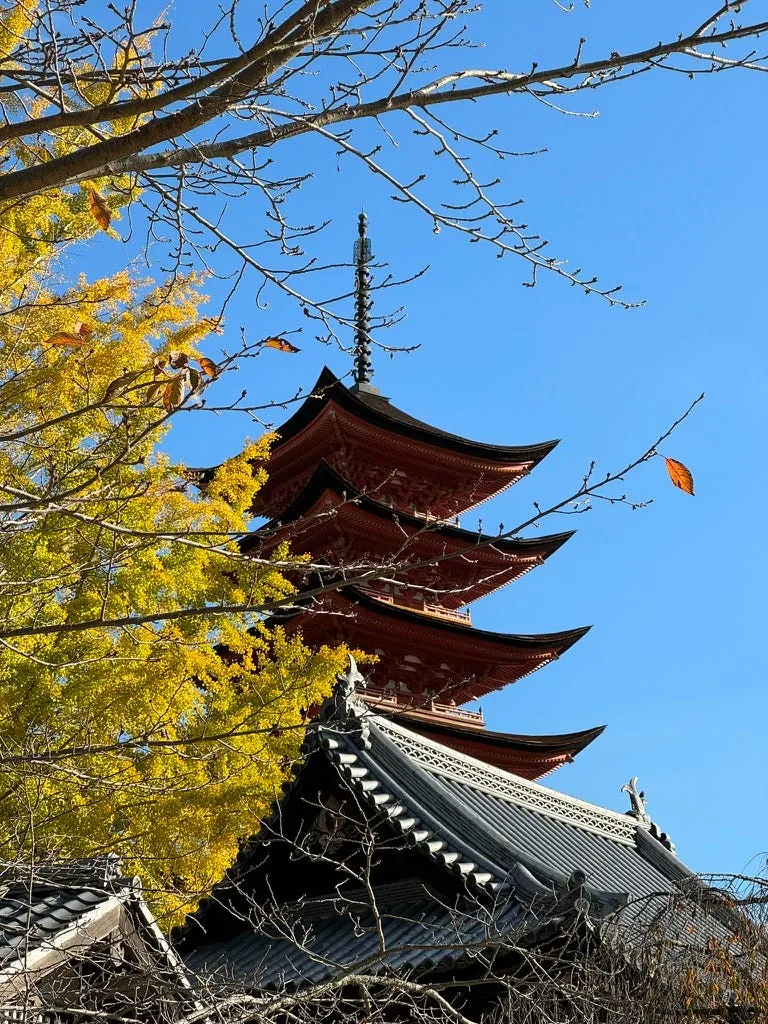
The most charming aspect of Miyajima (Itsukushima) is not just the floating torii gate, but how it turns the entire island into a “sacred realm”:
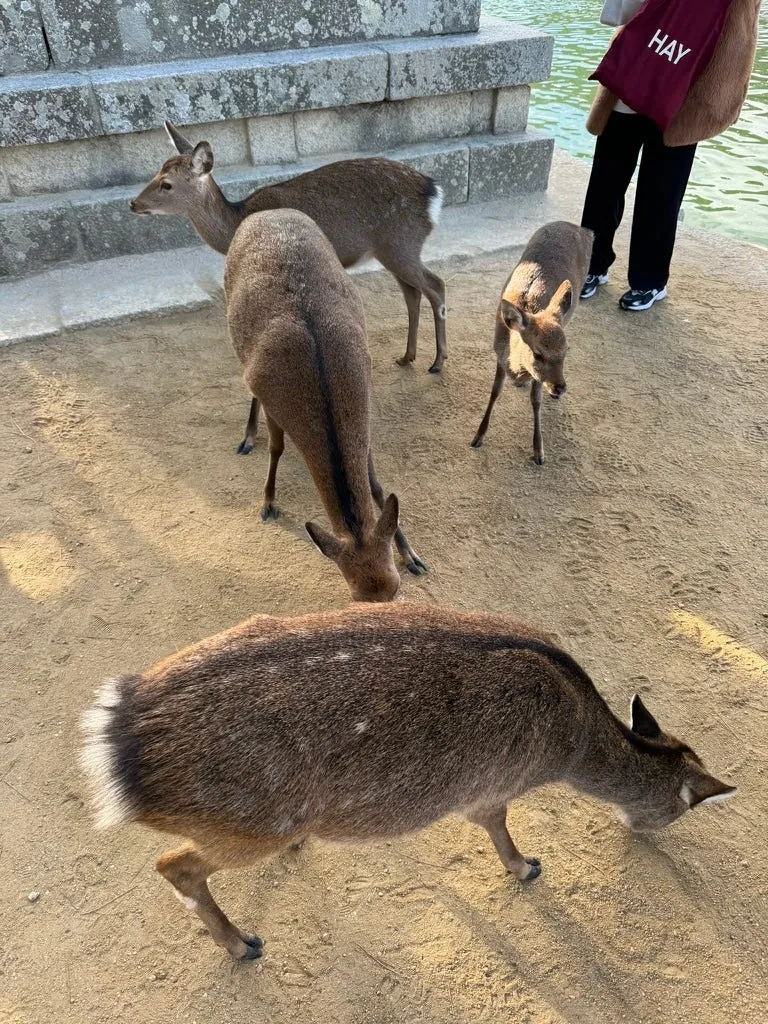
The shrine’s corridors, torii gate, tides, forests, and deer are all scenes you encounter during the same walk.
1) How to Get There (Departing from Hiroshima City)
The most common approach is:
From Hiroshima, take the JR/train to the “Miyajimaguchi” area
Transfer to the ferry to the island (short trip, very smooth)
If you use certain JR passes/tickets, there is a chance they include the “JR Miyajima Ferry” (subject to the rules of the ticket type you purchased).
Additionally, Miyajima has recently added a small “visitor tax” or similar fee, and staff on-site usually guide you on how to purchase/pay it.
2) Must-visit Route in Miyajima (Recommended Half-Day to Full Day)
If this is your first time, I recommend following this order (very efficient):
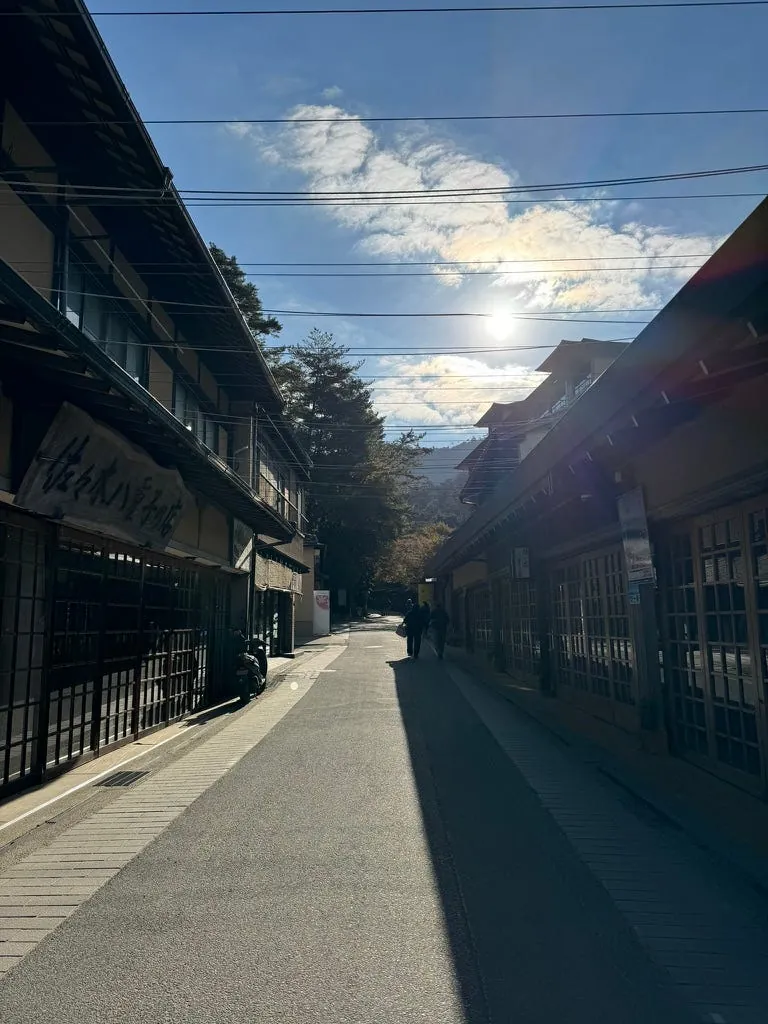
Port → Shopping Street Supply → Itsukushima Shrine (Sea Corridor)
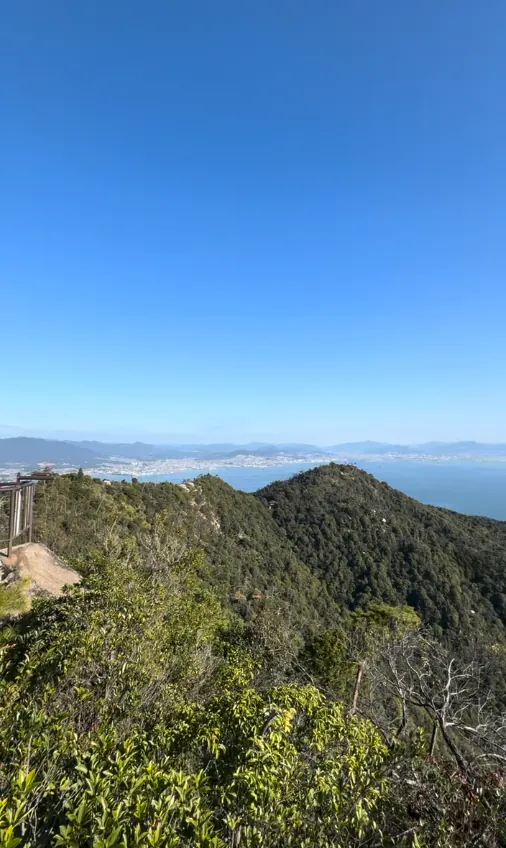
Next, go uphill: Cable Car → Shishiiwa Observatory (Around Misen)
Leisurely stroll on the way back, enjoy oysters and maple leaf-shaped manju
Key Tip: Watch the Tides (Low tide and high tide feel like two different worlds)
The two most iconic scenes of Miyajima:
High Tide: The seawater lifts the shrine, making the entire shrine appear to float on the water.
Low Tide: You can walk close to the torii gate (following local regulations and safety zones)
Please refer to the tide table for the actual low/high tide times of the day. If you want to capture the scene of “walking under the torii gate,” check the tide schedule first before planning your time to save a lot of luck.
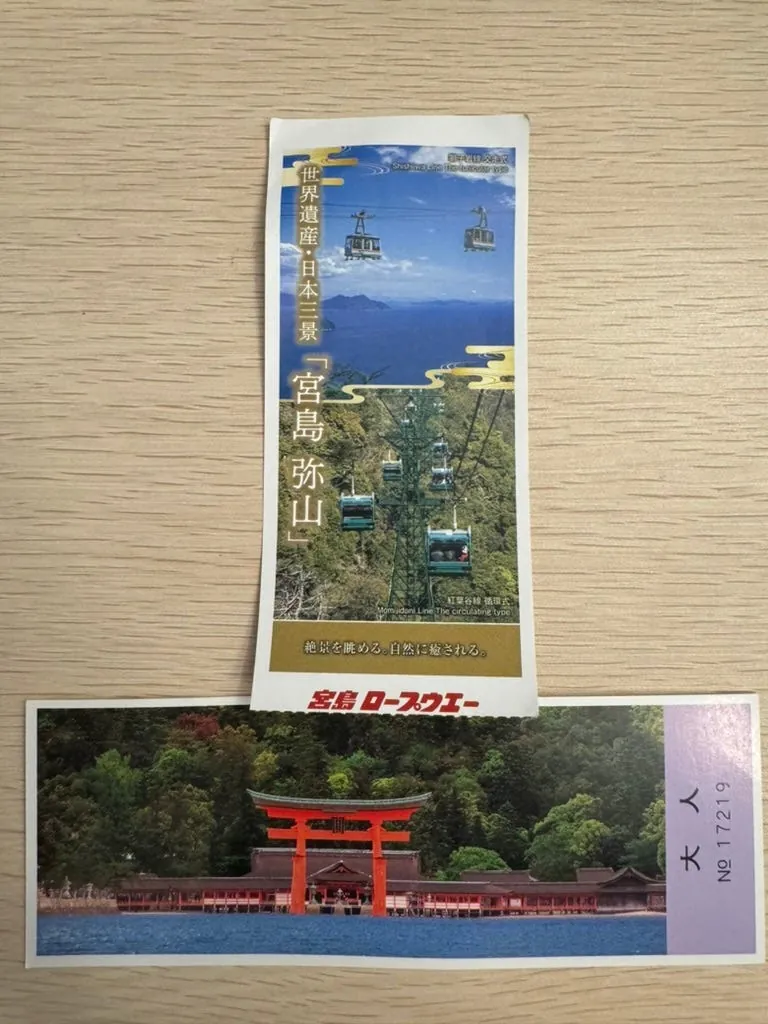
Key Experience: Cable Car + Observation Deck (Seto Inland Sea View)
The cable car usually operates in two sections. The advantage of going up early is “fewer crowds.”
Once you reach the top, the view shifts from the “shrine” to the “archipelago”: the small islands of the Seto Inland Sea look like scattered puzzle pieces, which is very soothing.
Key Highlight: Oysters (Hiroshima Specialty)
For first-time visitors to Miyajima/Hiroshima, oysters are a must-try ritual. Oyster rice and fried oysters are great options for beginners.
A small reminder: Deer are cute, but they can be quite aggressive with food.
The deer on Miyajima are very friendly but may also bite paper bags, plastic bags, or even your map.
The best practice is: Keep food out of sight and immediately put trash into your bag.
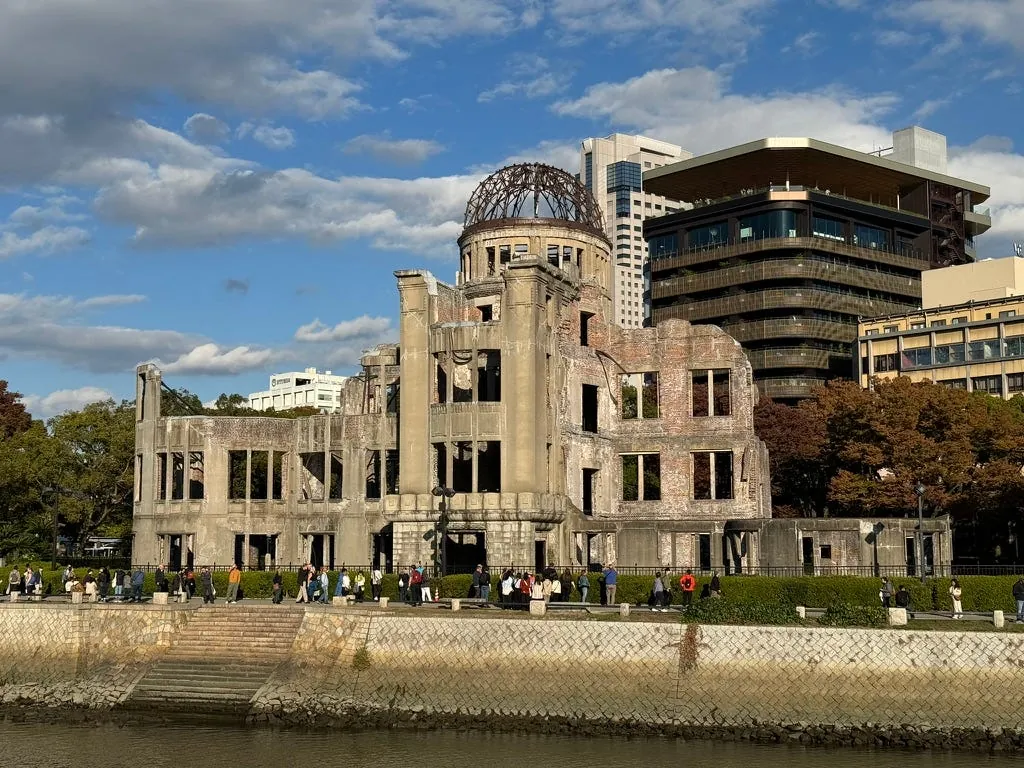
B. Atomic Bomb Dome / Peace Memorial Park: The Most Somber and Necessary Part of the Trip
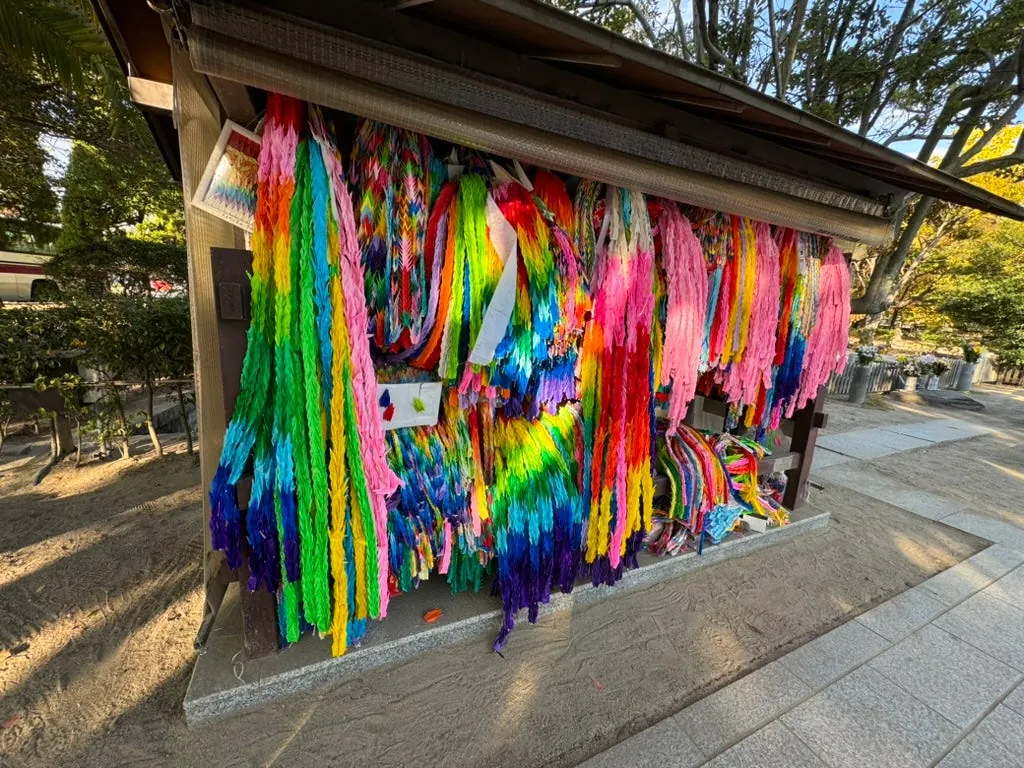
Around Hiroshima Peace Memorial Park, you can treat it as a trip “not for taking photos, but for understanding.”
If you have time, it is also highly recommended to visit the Peace Memorial Museum (it can be emotionally heavy, so allow some buffer time).
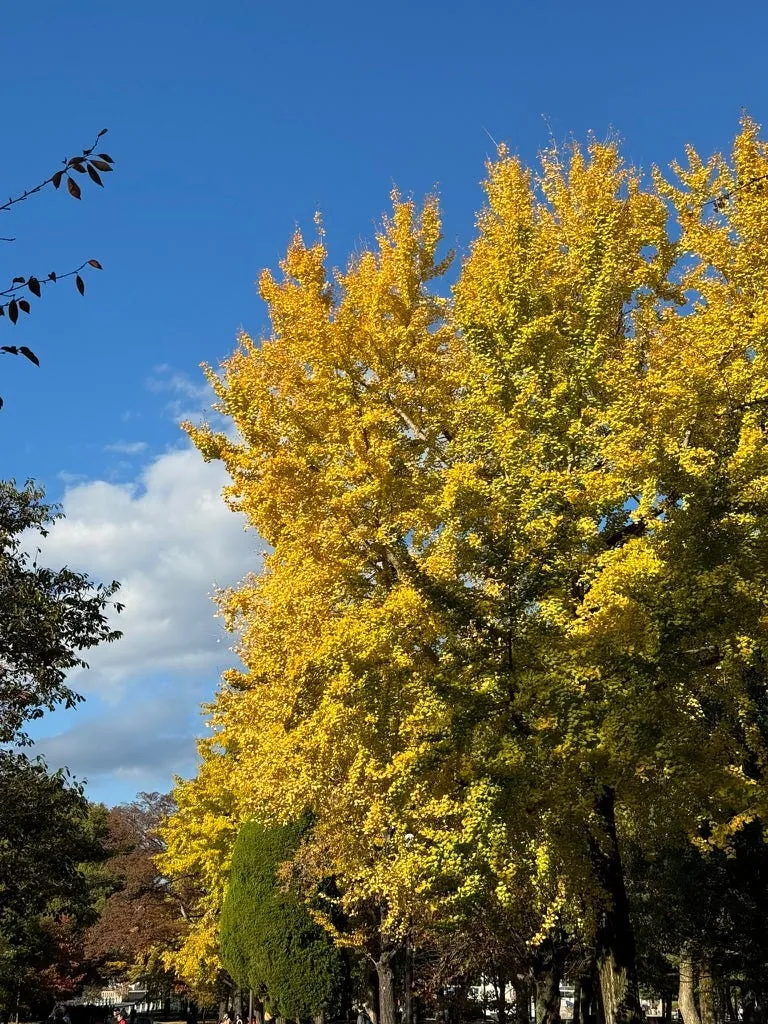
You will encounter many Japanese school field trip groups, with teachers explaining history to the children and guiding them quietly around. This approach of “integrating history into education” helps you better understand why this city chooses “peace” as its core message today.
Visiting Tips (Practical)
It is recommended to schedule this during a “mentally stable” half-day, avoiding times right before catching a train or flight.
The museum contains a lot of information; if you are easily overwhelmed, consider taking a riverside walk or visiting a café afterward to relax.
Respect the atmosphere: Speak softly and avoid exaggerated poses in front of memorial sites.
C. Hiroshima City Walk: Castle Town, Gardens, and “Hiroshima-style Okonomiyaki”
If your time is limited, I recommend focusing on just three things in Hiroshima city:
Hiroshima Castle: Understanding the Basic Layout of a “Castle Town”
Shukkeien Garden: Quickly grasp Japanese aesthetics through one garden
Hiroshima-style Okonomiyaki: Remember the City in One Meal
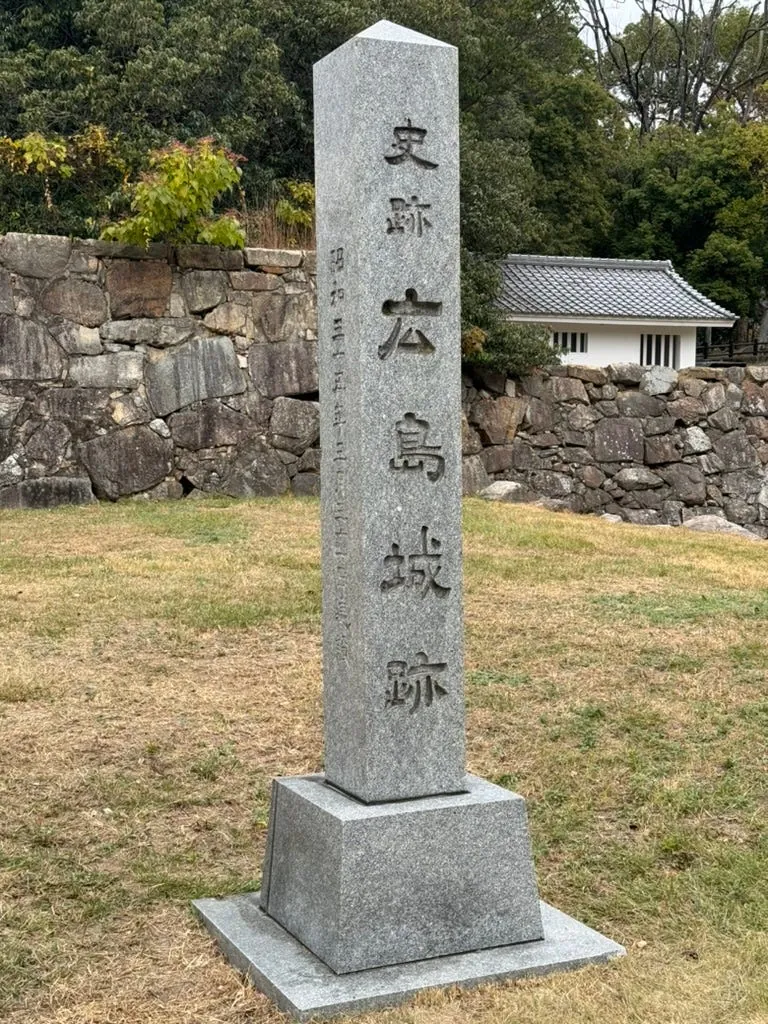
1) Hiroshima Castle: The City’s Starting Point from the Warring States to Modern Times
Hiroshima Castle is a typical “castle town starting point.” The original castle was damaged in the atomic bombing at the end of World War II, and most of it has been rebuilt today.
Even if you don’t enter the main keep, the surrounding moats, plazas, and pathways are great for understanding where Hiroshima “grew from” as a city.
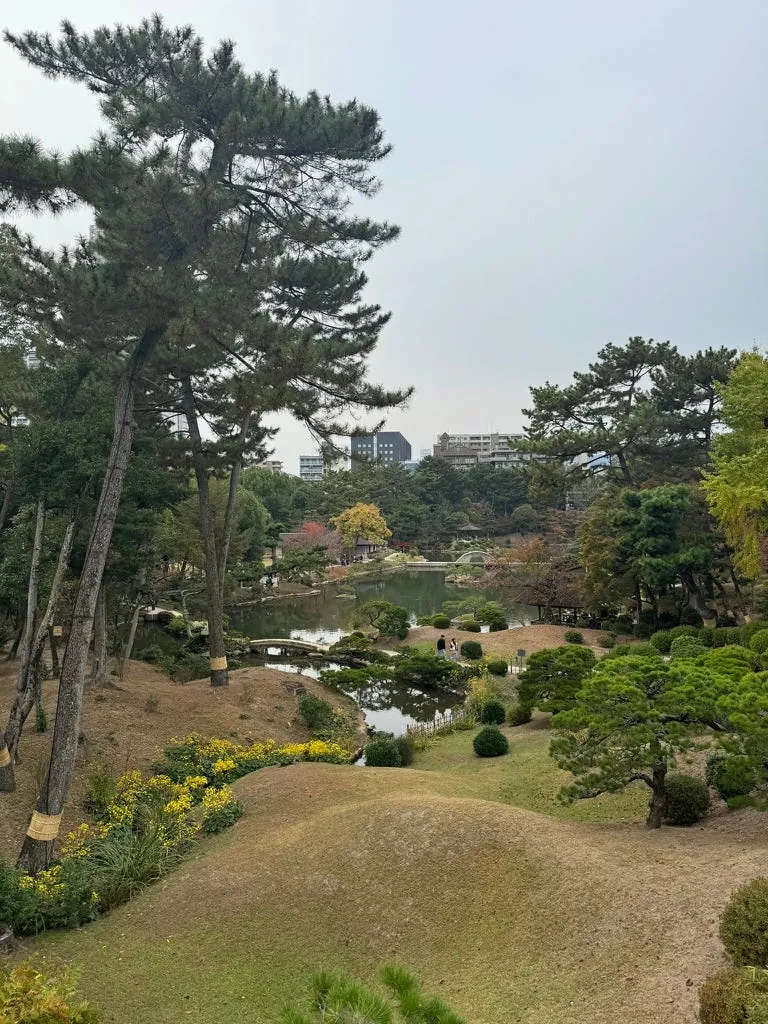
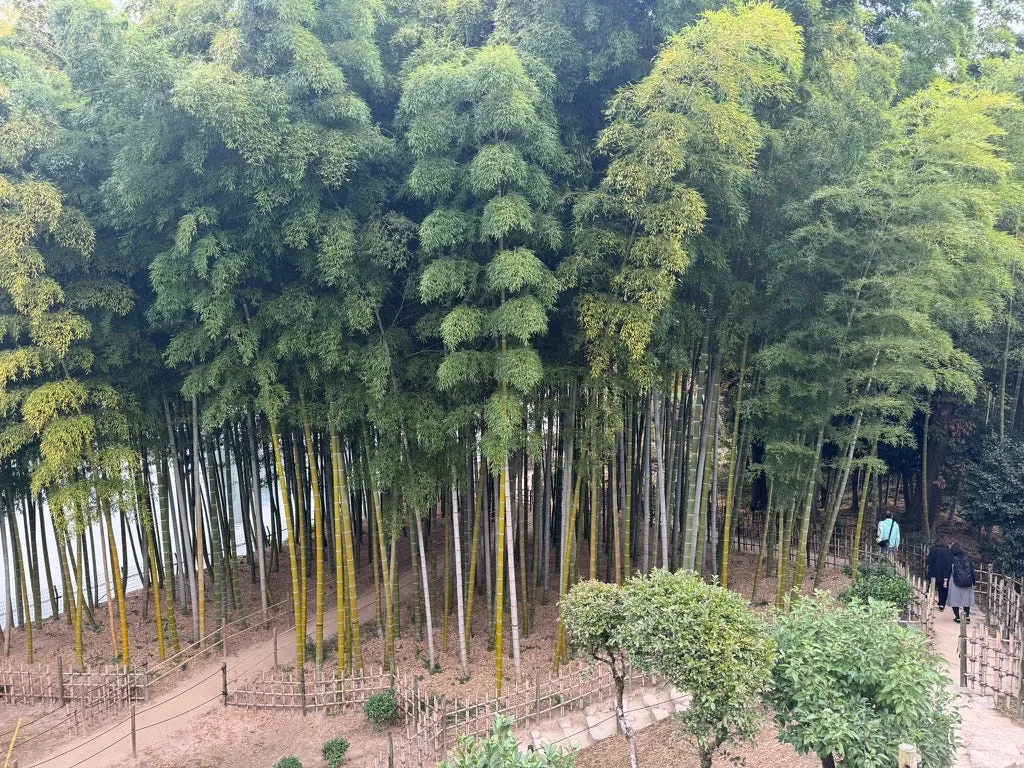
2) Shukkeien Garden: Compressing All Four Seasons into a Small Courtyard
Shukkeien Garden is a “small but exquisite” garden: bridges, ponds, trees, stones, and borrowed scenery are all well layered.
If you want to fit in a “quiet, beautiful, and comfortable walk” in Hiroshima, Shukkeien Garden is a perfect choice.
3) Hiroshima-style Okonomiyaki: Savoring the “Layers” in Memory
Many people can’t tell the difference between Okonomiyaki from Osaka and Hiroshima. The simplest difference is:
Okonomiyaki: Like “mixing ingredients into the batter and then frying”
Hiroshima-style Okonomiyaki: Like “layering batter, cabbage, noodles, and eggs”
For your first time, we recommend going to areas around the station or places like the “Okonomiyaki Assembly Building,” where there are many options and it’s hard to go wrong.
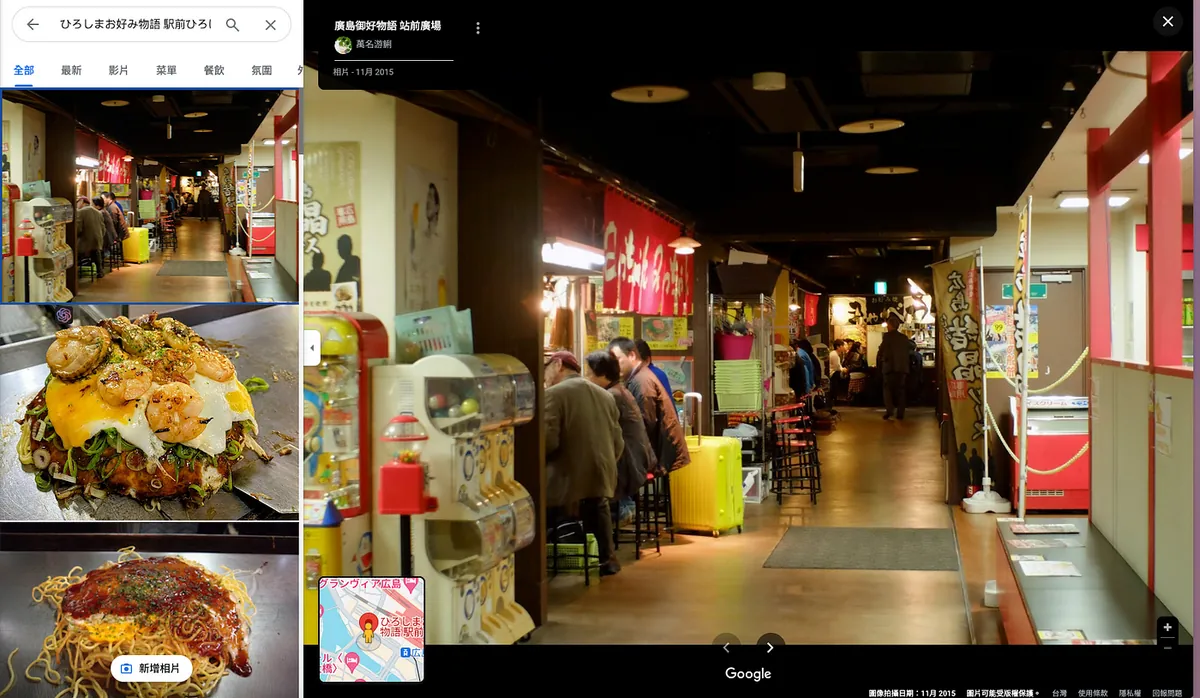
D. Kure City: Naval Port Culture, Shipbuilding Industry, and the Story of “Yamato”
Kure City has a clear identity: If you are interested in modern history, the navy, or shipbuilding, Kure will fully satisfy you.
It’s not just about museums; walking along the harbor, you can truly feel that “this is a city shaped by the navy.”
1) Yamato Museum: Condensing Modern Japan’s Shipbuilding and War History into One Museum
The Yamato Museum is the kind of museum where you can spend a long time.
There are many detailed exhibits, especially the Yamato battleship model and the industrial/military sections, making it easy to lose track of time until closing.
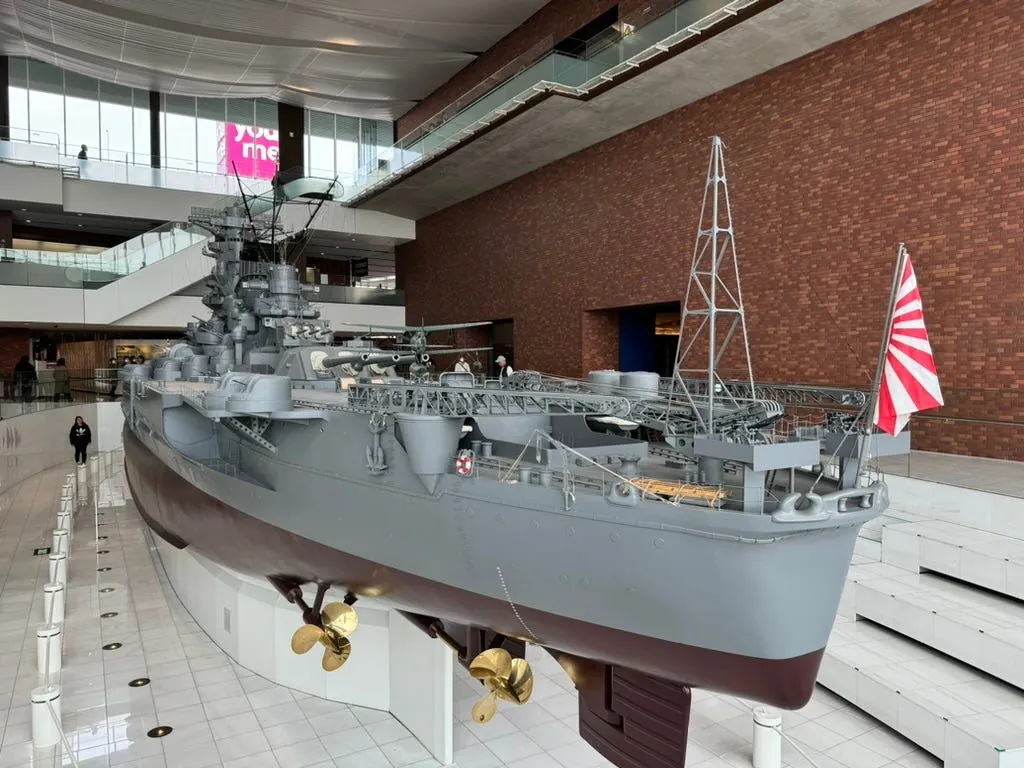
2) JMSDF Kure Museum: The Submarine Is Right in Front of You
The most memorable feature of the Kure Museum is the “real submarine.” Even if you’re not particularly interested in military matters, the sheer size alone will leave you impressed.
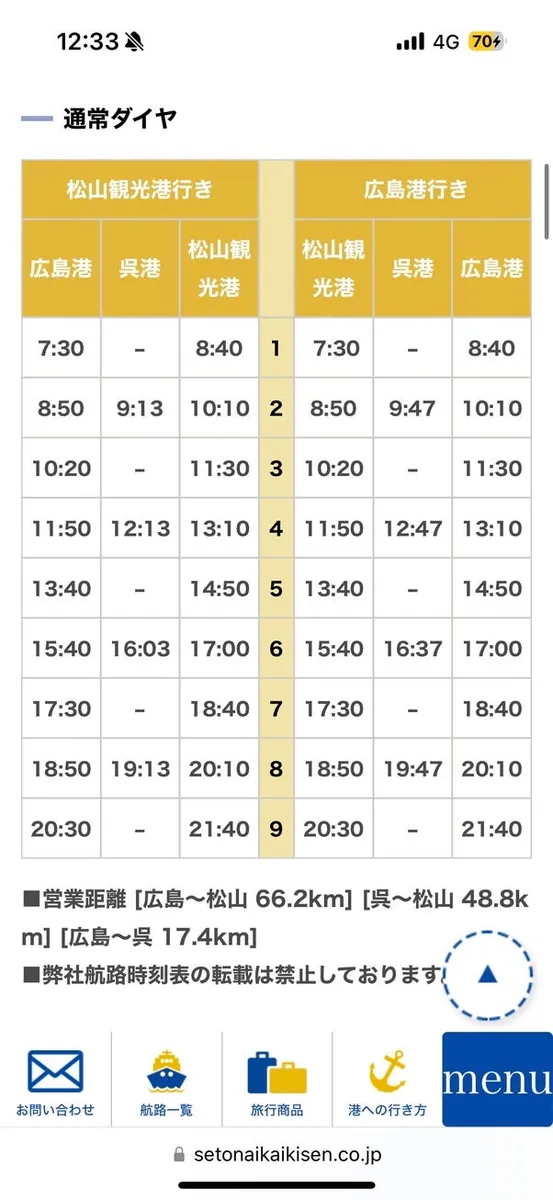
Itinerary Suggestions
Deep Experience: Spend a Full Day in Kure City (Including a Walk Along the Waterfront)
A Quick Taste: At least half a day is recommended to visit both museums without rushing
E. Onomichi, Tomonoura: The “Slopes” and “Port Town” of the Seto Inland Sea
If Miyajima is the “sacred realm” and Peace Park is the “memory,” then Onomichi and Tomonoura represent the “ancient texture of daily life”:
You will see slopes, temples, old streets, ports, and boats waiting for the tide—these are the everyday scenes of the Seto Inland Sea.
1) Onomichi: Senkoji Temple Viewpoint, Teramachi Walk, (Optional) Shimanami Kaido
The classic way to enjoy Onomichi is to “go up the mountain for the view, then down the mountain for shopping.”
Going up the mountain: Walk or take the ropeway to the Senkoji area (to see the city view and the Inland Sea)
Descent: Cat Alley, shopping street, find a small café to rest
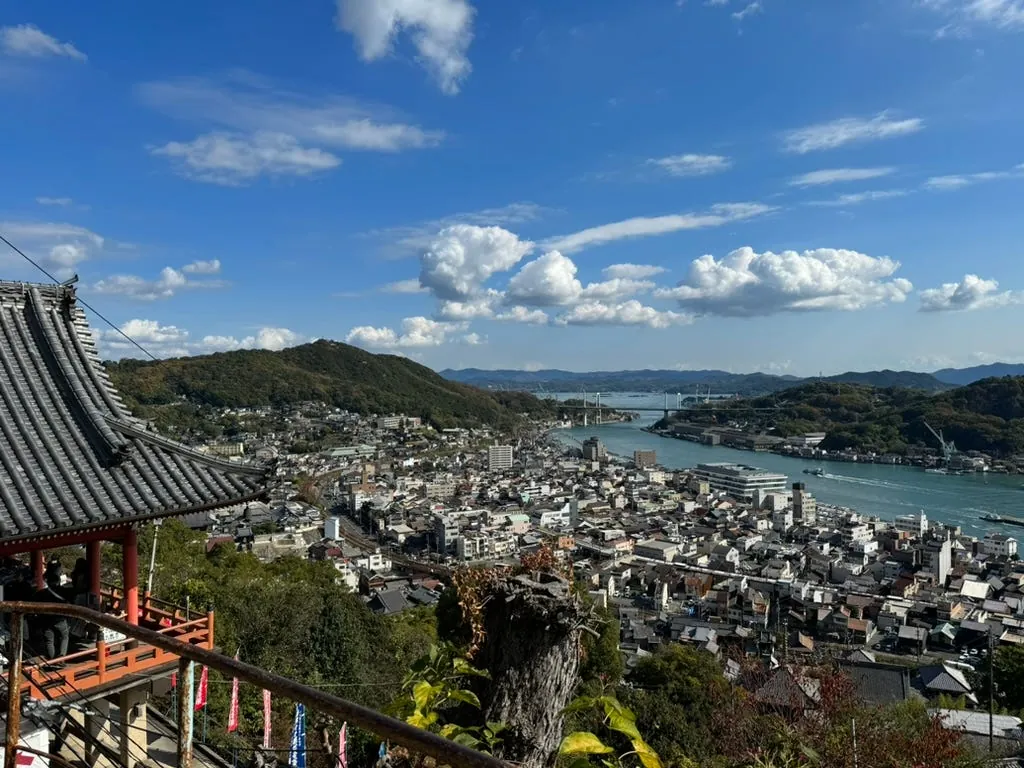
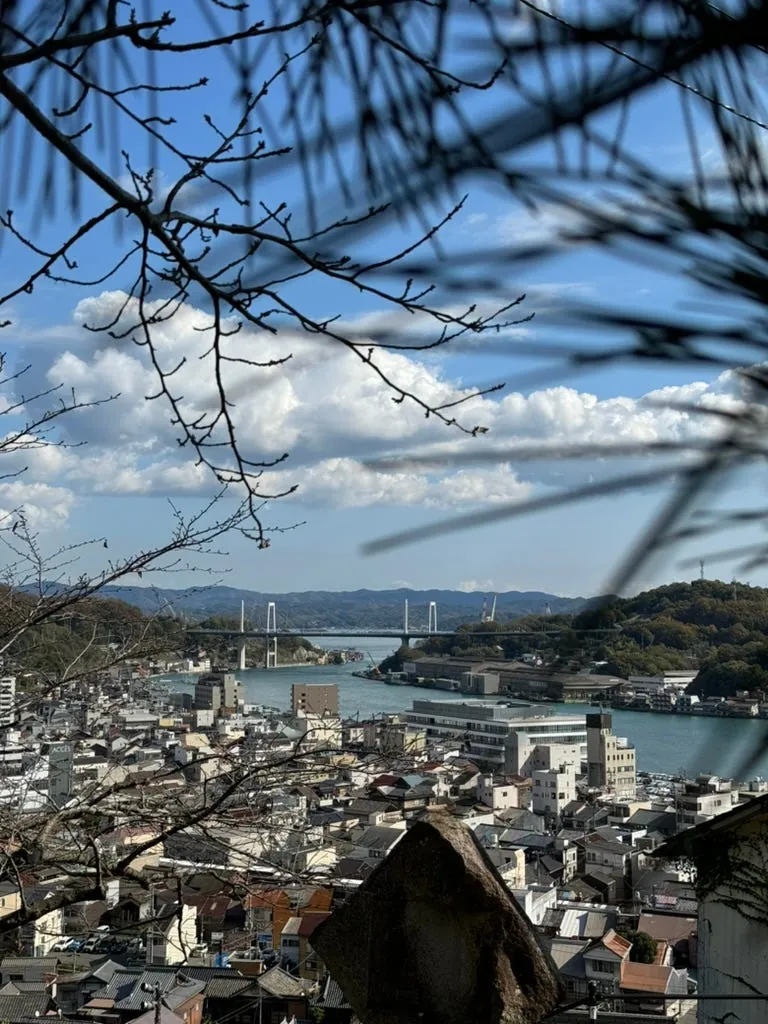
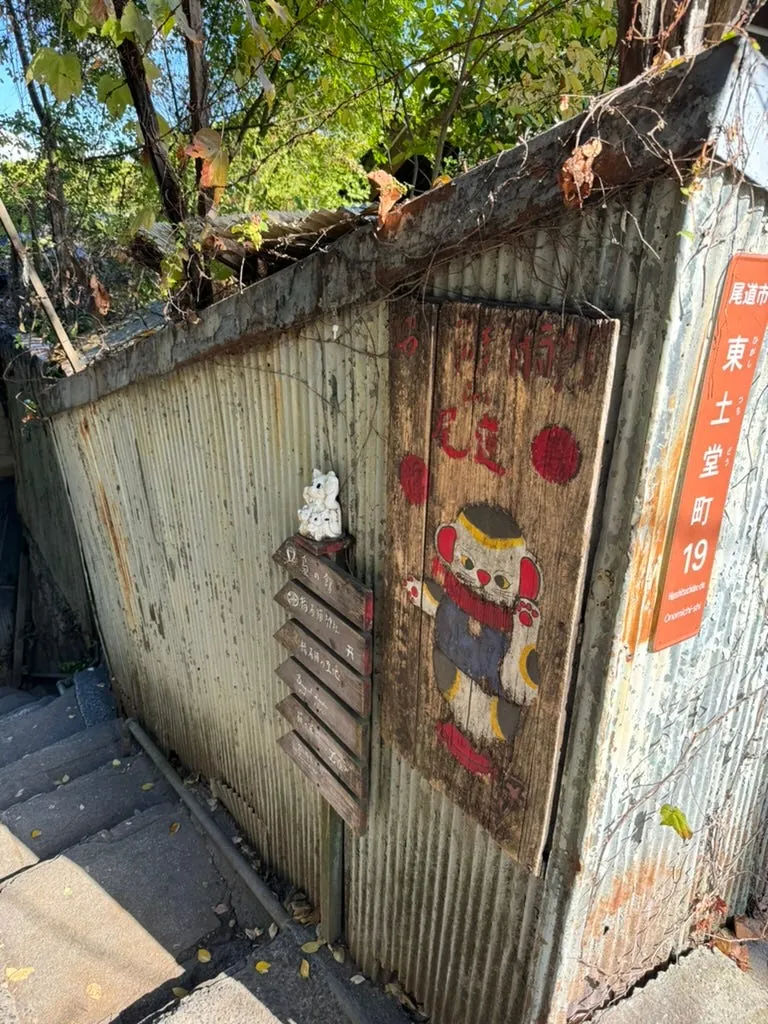
If you’re into cycling: Onomichi is also one of the starting points of the Shimanami Kaido, so you can extend your trip into a “Setouchi Sea Cycling Day.”
However, if it’s your first time and you have limited time, just fully explore Senkoji Temple and the old streets—it’s well worth it.
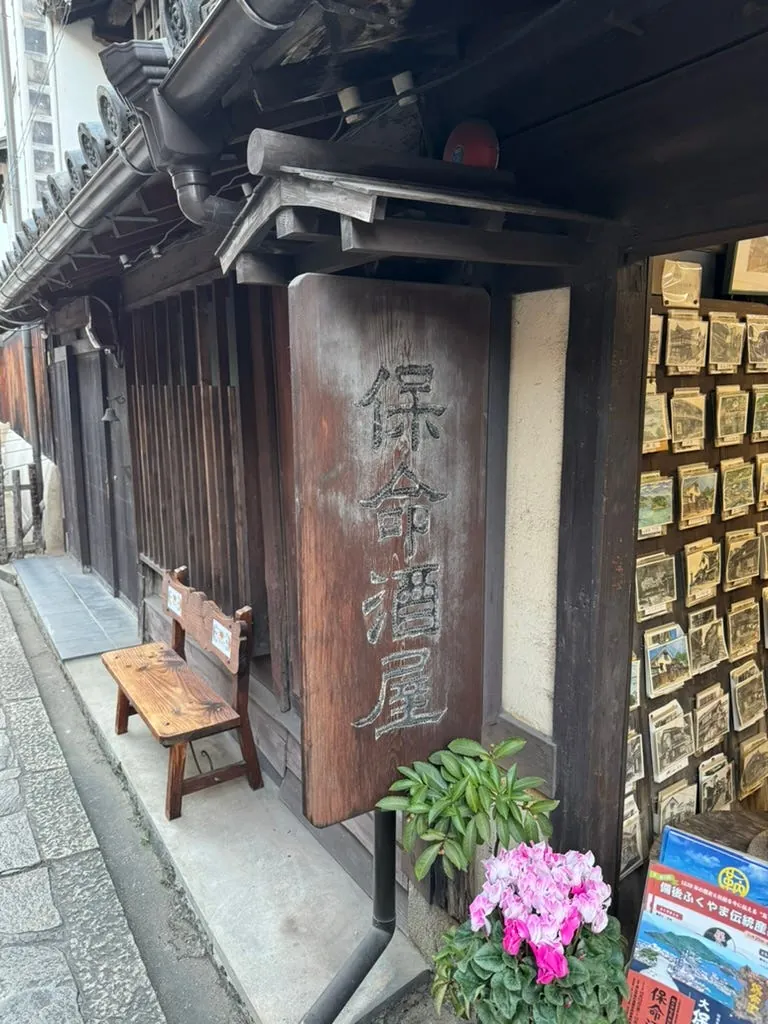
2) Tomonoura: The Tidal Waiting Port, a Historic Harbor Waiting for Wind and Tide
The charm of Tomonoura lies in its “smallness,” and it is small in a very tasteful way:
the harbor, the lighthouse, the alleys, the old houses—all perfect for a slow stroll, letting time flow naturally.
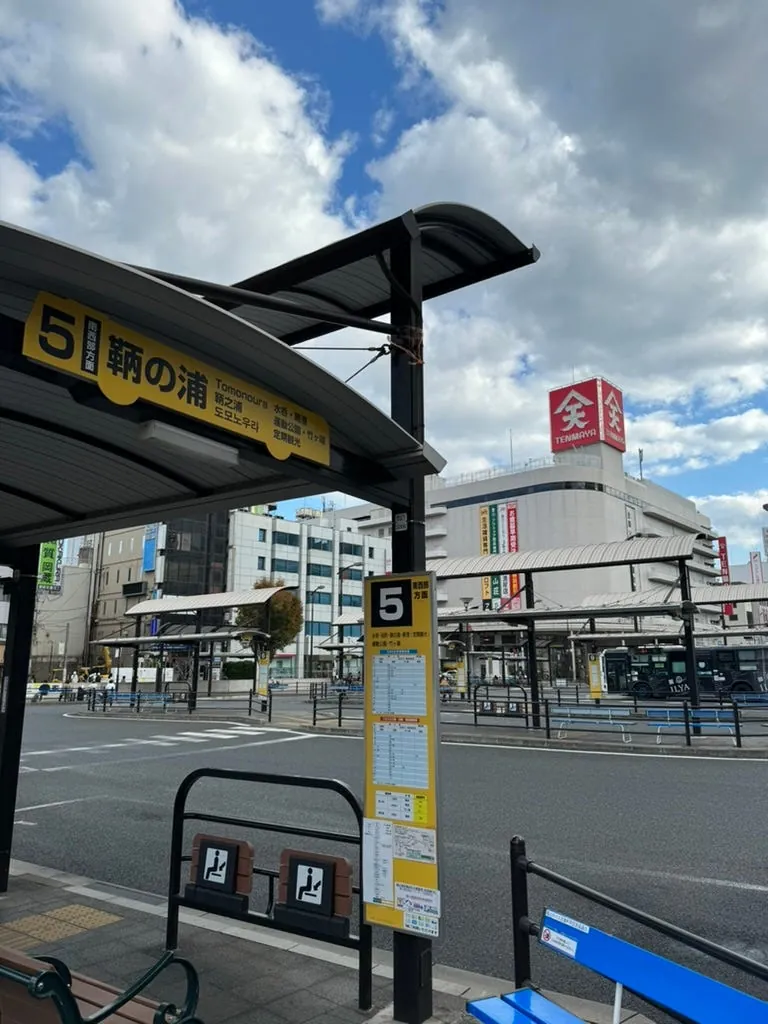
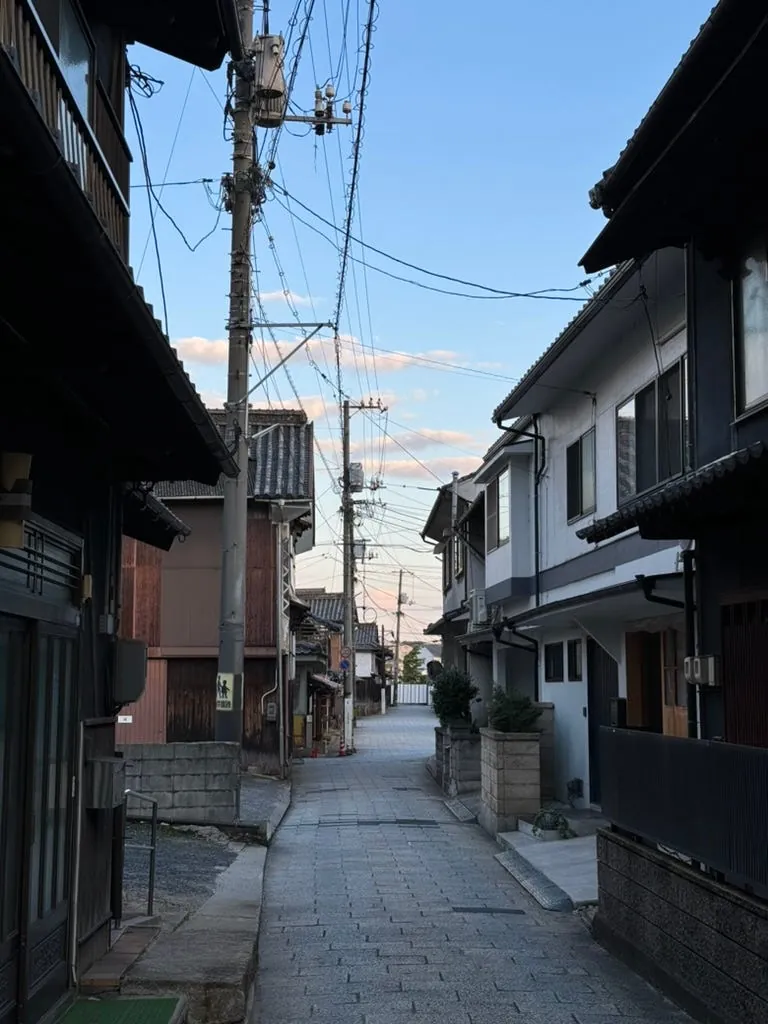
Several “historical keywords” about Tomonoura are spot on: it was an important port and is often mentioned in connection with historical figures like Sakamoto Ryoma.
Even if you’re not a history buff, you’ll be touched by its “old-fashioned daily life.”
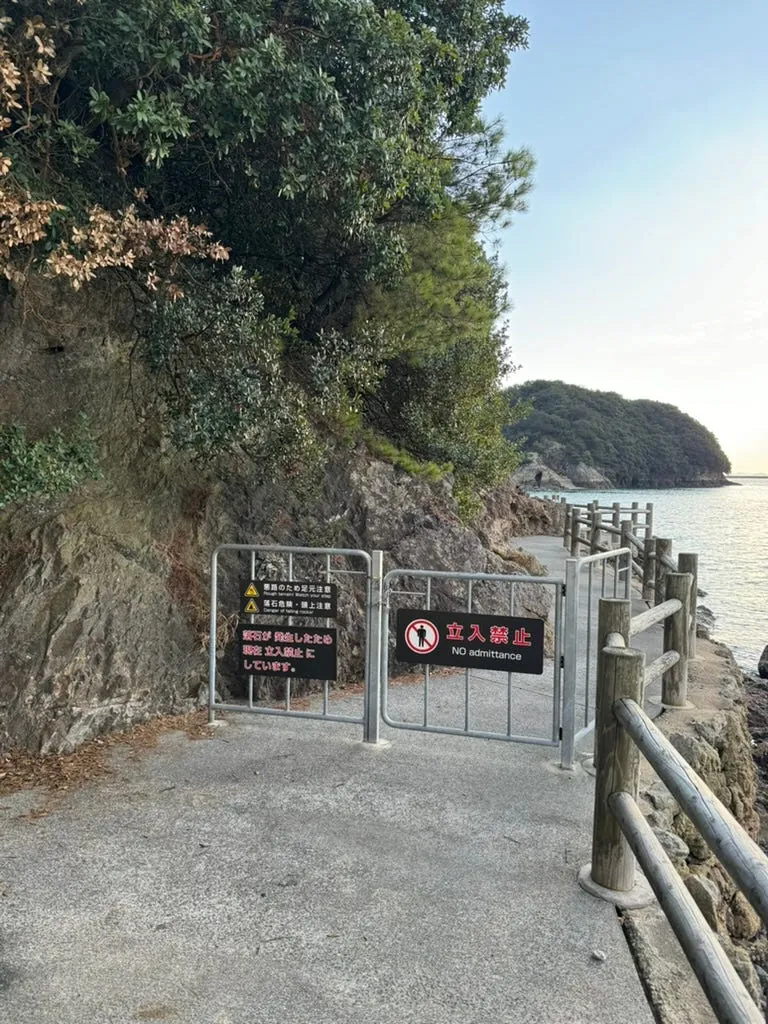
3) Sensuijima: If You Want a “Quieter Seto Inland Sea”
Walking to Senzui Island leaves a very genuine feeling: it can be quite deserted in the off-season, but the sea and wind are very pure.
If you enjoy trips with “no people, only the sound of the sea,” Senzui Island is a perfect little detour.
4. Okayama: From Castle Town to “Momotaro” — Turning History into a Walking Route
Okayama is often underestimated in Sanyo travel: many treat it as just a “transfer station” or “airport city,” but it is actually great for wrapping up your trip because it offers:
Transportation Hub (Best for Traveling North to San’in)
Famous Garden and Castle (Korakuen Garden + Okayama Castle)
Strong local atmosphere (department stores, shopping streets, and souvenir shops concentrated)
Cultural stories are easy to understand (Kibi culture, Momotaro)
If you plan to use Okayama/Kurashiki as a “supply station before San’in,” the following two KKday recommended products are perfect as itinerary accelerators:
A. Kurashiki Bikan District: White-Walled Warehouses and Canals, Capturing Edo Commercial History Like a Postcard
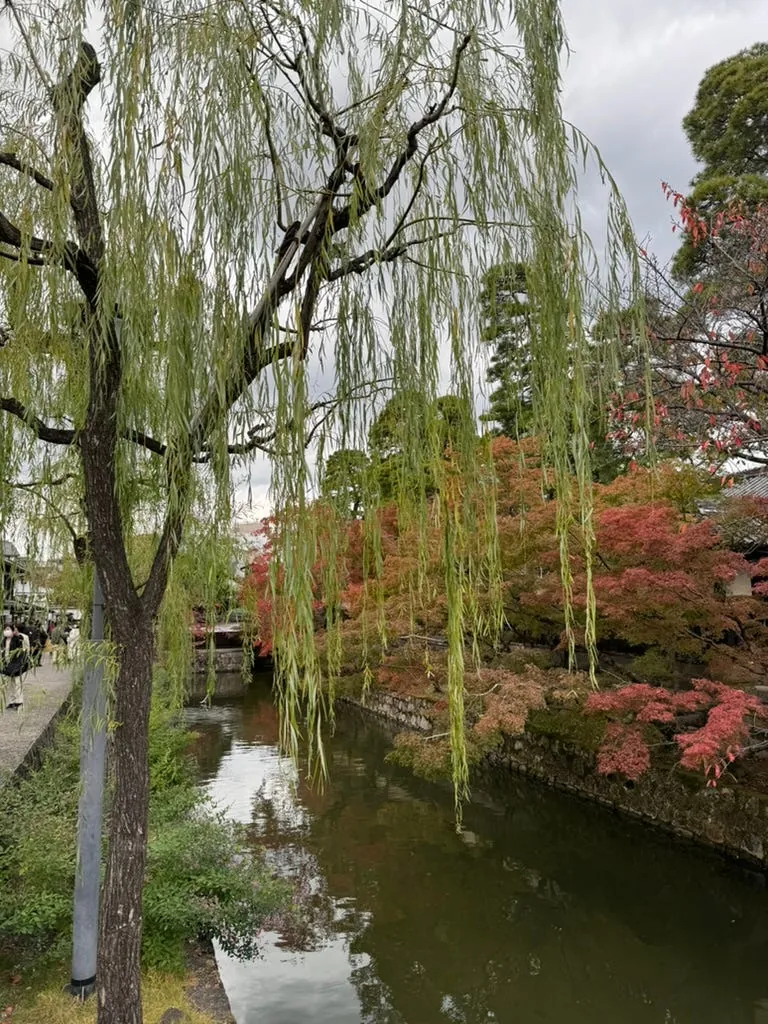
The Kurashiki Bikan District is best understood by “strolling”:
You will see white-walled warehouses, canals, and old street shops, all pointing to one thing — Kurashiki was once an important commercial and logistics hub, leaving behind a well-preserved neighborhood style.
How to Plan for Maximum Comfort
First time visit: Allocate half a day to a full day (including lunch, coffee, and leisurely strolling)
If you encounter crowds: first visit “Achi Shrine” to open up the view, then return to explore the shopping district.
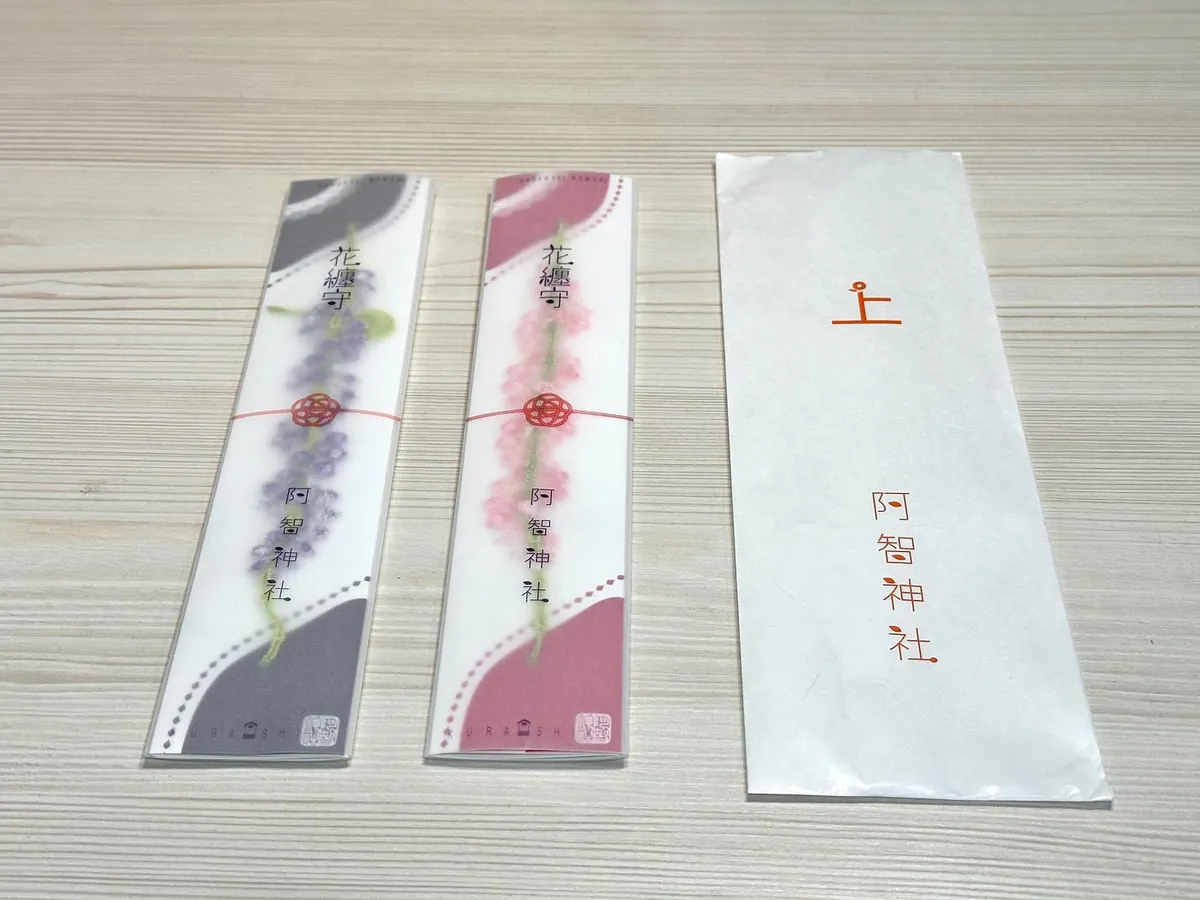
B. Okayama Korakuen + Okayama Castle: A Famous Garden Connected to a Castle
Many Japanese cities separate the “castle” and the “garden,” but Okayama has a great rhythm:
Korakuen Garden and Okayama Castle are very close, so you can think of it as a line where you “visit the garden first, then the castle.”
I happened to visit during the Korakuen Garden illumination season, which greatly enhanced the nighttime atmosphere. Even if you don’t come during the illumination season, Korakuen Garden is still well worth visiting during the day.
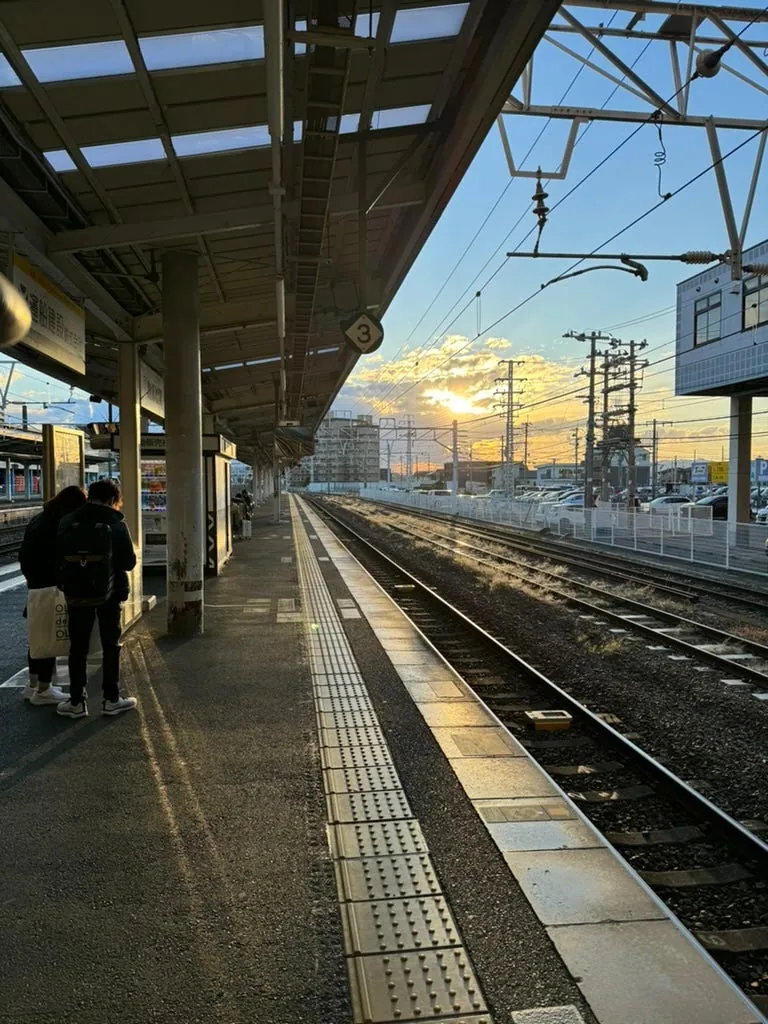
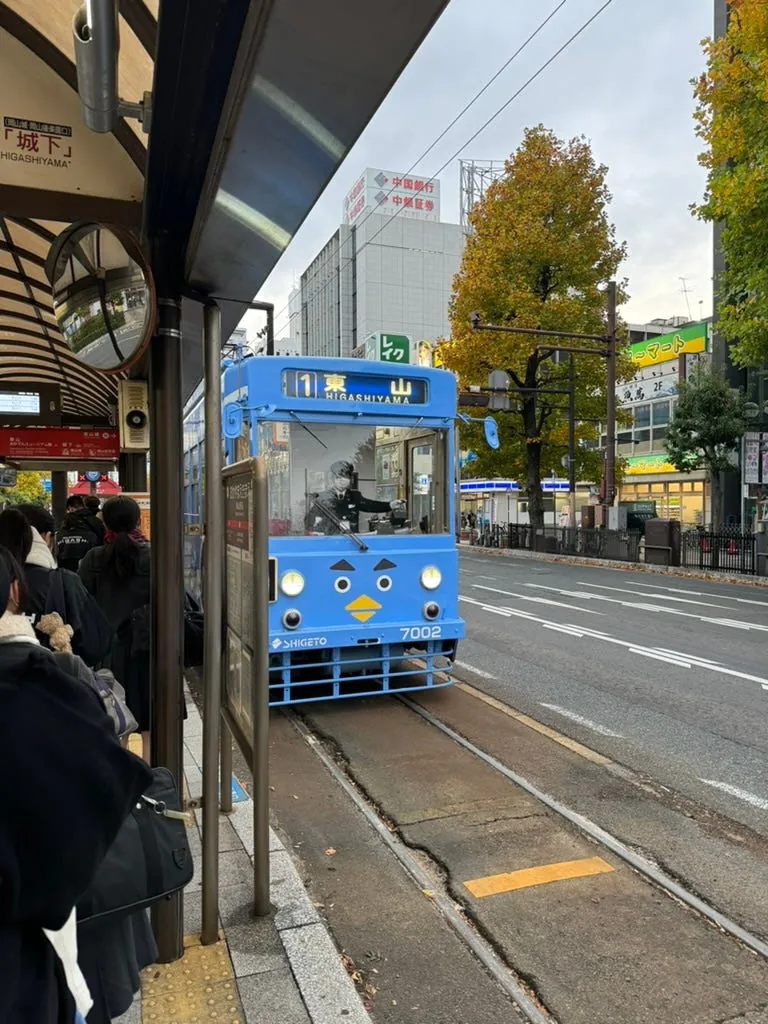
1) Korakuen Garden: Mastering the Art of “Borrowed Scenery”
Korakuen Garden is a “spacious at first glance, but increasingly layered” garden:
Your sight is continuously drawn by the grass, ponds, water reflections, trees, and distant views. This is a typical Japanese garden aesthetic: allowing you to walk inside while your eyes always see farther away.
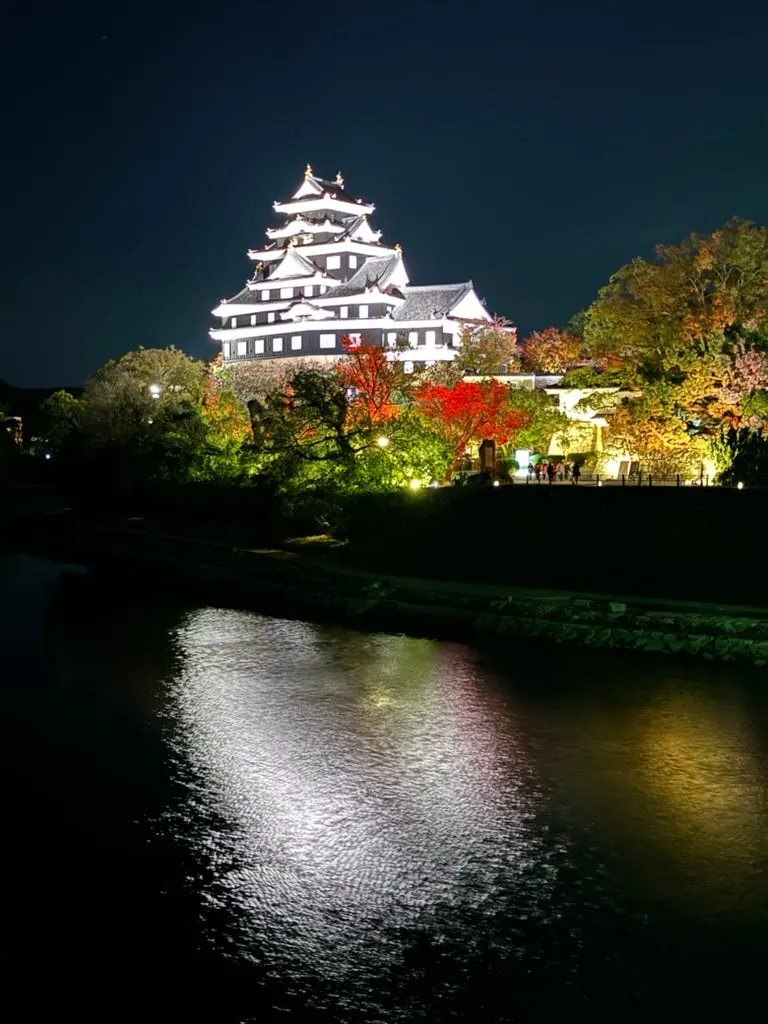
2) Okayama Castle: Night View of the Crow Castle and Imagining the Castle Town
Okayama Castle is known as the “Crow Castle” (its exterior is dark-colored). The night lighting combined with the surrounding maple leaves creates a great atmosphere.
If you want to pick just one time slot, I recommend late afternoon to evening: first take a walk in Korakuen Garden or along the riverbank, then head to the castle to enjoy the night view. It’s a beautiful way to end the day.
C. Kibitsu Shrine: Returning “Momotaro” to Its Cultural Roots
Many people know Okayama as Momotaro, but few realize that “Kibi” is one of the strong cultural backgrounds of this story.
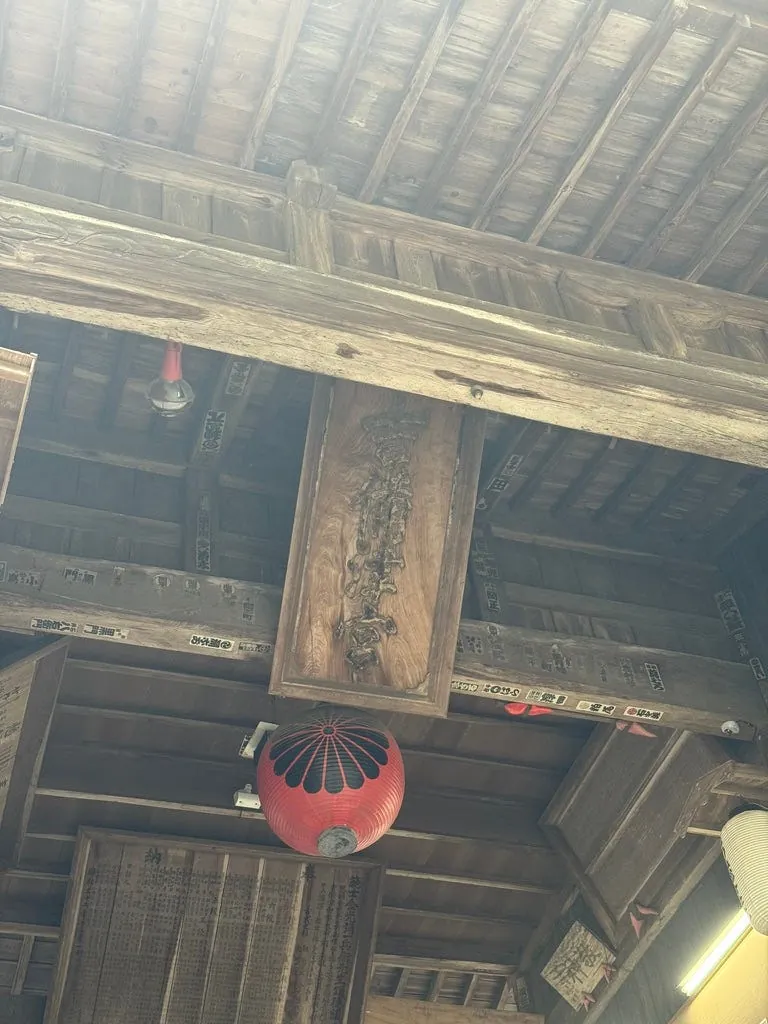
Visiting Kibitsu Shrine is perfect for a “cultural conclusion”: unlike busy shopping streets, it uses architecture, corridors, trees, and light and shadow to help you slow down your pace.

How to Include Kibitsu Shrine in Your Itinerary
If you stay in Okayama: half a day (including transportation) is just right
If you plan to continue to San’in: you can schedule it as a wrap-up on the day before your travel.
D. Souvenirs and Food in Okayama: Fruits Take the Spotlight
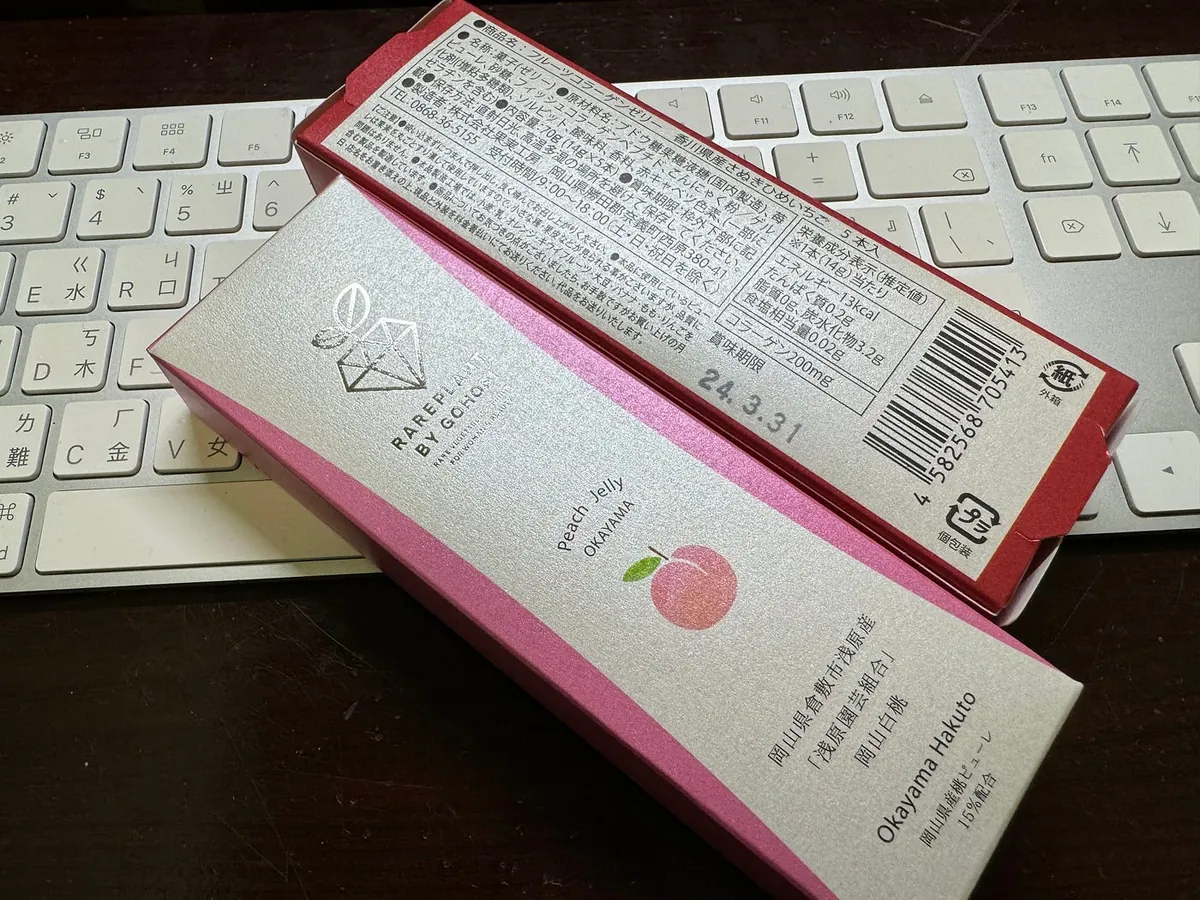
The most iconic specialty of Okayama is its fruit: white peaches and muscat grapes (Shine Muscat) are very representative.
The fruit parfait you get here is typical: it shows you what Okayama fruit tastes like with a “sweetness that makes your mouth tingle.”
If you want to buy souvenirs, I suggest concentrating your shopping at:
Department Stores and Souvenir Areas Around Okayama Station (Most Comprehensive Options)
Kurashiki Bikan District (Small but refined, ideal for unique design goods)
5. Connecting Sanyo to Sanin: Additional Itinerary Tips for Those Visiting Sanin
If your goal is to “end up in Shimane/Tottori,” I recommend using this segment as the backbone of your itinerary:
Start with Sanyo (Hiroshima + Okayama): Maximize travel efficiency using the Shinkansen and city density
From Okayama Northward to San’in: Use the Chūzan Limited Express (or highway bus) to cross the mountains and reach the Sea of Japan side in one trip
If you want a more detailed breakdown of the “San’in section” (how to connect each transportation segment, the best departure times, which spots are worth spending time on), I recommend checking the original 7-day solo travel record:
[Travelogue] 2024 San’in Wide Area: Shimane Izumo Matsue Tottori Himeji Osaka Kobe 7-Day Solo Trip
Key Points (Very Practical):
Complete Route: Enter and exit via Okayama → Matsue/Izumo → Tottori → Himeji → Osaka/Kobe (cross-prefecture travel over 1,000 km)
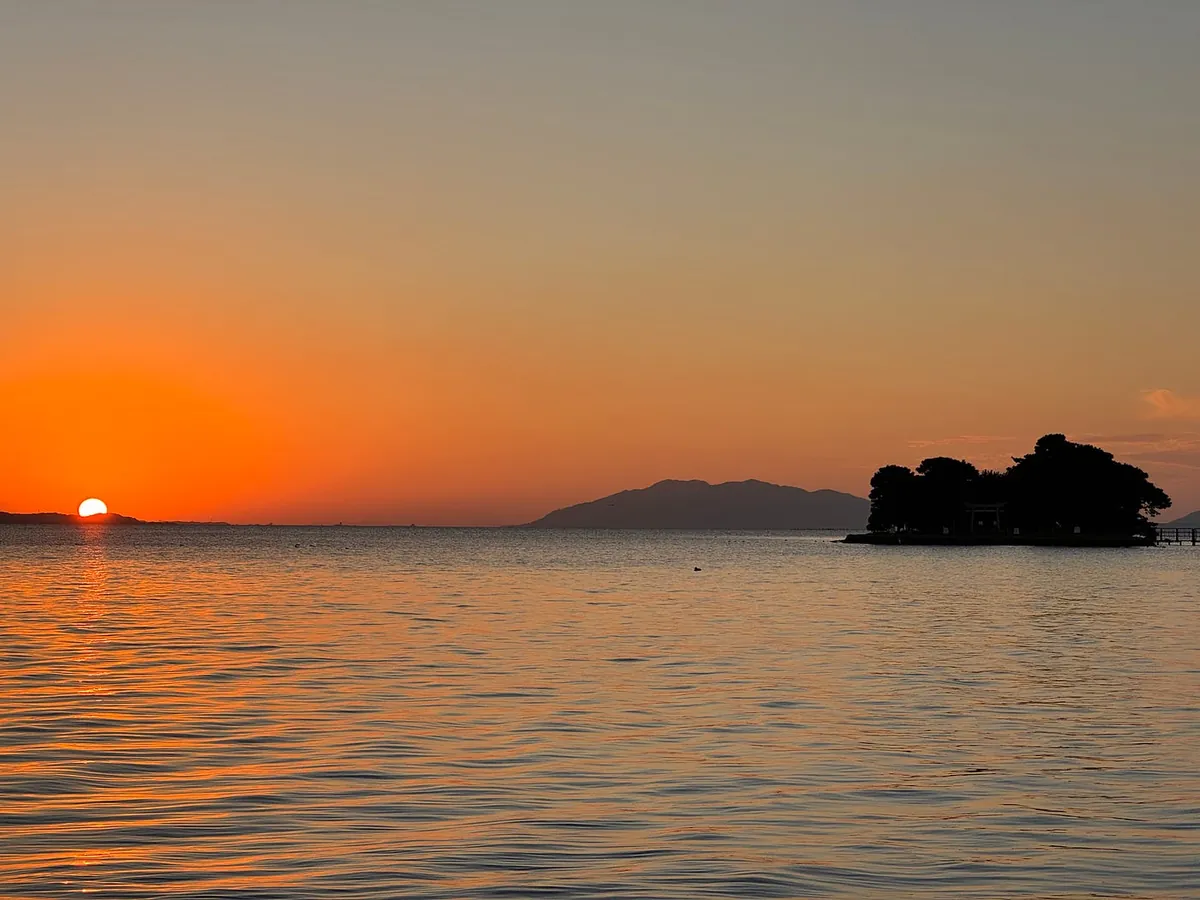
Must-visit in Shimane: Izumo Taisha, Inasa Beach, Sunset at Lake Shinji, Matsue Horikawa Sightseeing Boat, Matsue Castle, Adachi Museum of Art
Must-visit in Tottori: Hakuto Shrine, Tottori Sand Dunes + Sand Dunes Art Museum
Kansai Bonus: Himeji Castle, Shoshazan Engyo-ji Temple (including alternatives for bad weather)
Transportation and Equipment: JR PASS (Reserved Seat Booking), Airport to City Bus, eSIM Activation Guide (iPhone Example)
1) Three Common Combinations (Choose by Number of Days)
A. 6–7 Days: Focus on Sanyo, Brief Visit to Sanin
Hiroshima 2–3 Days: Miyajima + Peace Park + City Walk
Onomichi / Tomonoura 1 Day (Choose one or visit both)
Kurashiki + Okayama 2 Days: Bikan District + Korakuen/Okayama Castle + Kibitsu Shrine
San’in 1 Day: Travel north from Okayama to Matsue/Izumo or Tottori (choose one)
B. 8–10 Days: Complete Tour of Sanyo and Sanin
Sanyo 4–5 Days (Follow the Above Itinerary)
San’in 4–5 Days: Matsue (Castle Town) + Izumo (Mythology) + Tottori (Sand Dunes/Hot Springs)
For detailed itinerary suggestions, please refer directly to your 2024 San’in Wide Area 7-Day Solo Travel Record
C. Within 5 Days: Focus on “Two Major Highlights”
It is recommended not to be greedy; just choose one of the two:
Hiroshima (Miyajima + Peace Park)
Okayama (Kurashiki + Korakuen + Kibi)
2) Tickets and Transportation: How to Decide Whether to Buy a JR PASS?
A very practical decision method:
First, sum up the “long-distance trips you will definitely take.” If the round trip cost is close to the ticket price, it is usually worth it; adding “extra spontaneous stops” (such as Kure or Onomichi) makes it even more cost-effective.
Here are three common ticket options (based on JR West official information):
Okayama, Hiroshima & Yamaguchi Area Pass (Sufficient for Sanyo Side Travel)
Sanyo & Sanin Area Pass (Best for traveling directly to Sanin)
Setouchi Area Pass (Mainly covers the Setouchi Sea route, including multiple cities)
KKday Recommendation: JR PASS (Sanyo / Setouchi Travel)
JR PASS Okayama & Hiroshima & Yamaguchi Area Rail Pass 5-Day Ticket
Japan JR PASS|West Journey Setouchi Area Rail Pass (eMCO Electronic Ticket)
Ticket rules are frequently updated. Please always refer to the official website and purchase platform terms (including eligible train types, reserved seats, usage days, etc.).
6. Best Season: When Is the Most Comfortable Time to Visit?
For a November itinerary, the experience is very close to “my most recommended season”:
Spring (March–April): Cherry blossoms + comfortable weather (accommodation may be expensive, book early)
Autumn (October–November): Fall foliage + dry weather, ideal for walking tours
Summer (July–September): The Seto Inland Sea is beautiful, but it is hot and humid, so be sure to protect yourself from the sun and stay hydrated.
Winter (December–February): Fewer crowds, more illuminations, but the sea breeze feels cold (especially in port towns)