
[Travelogue] 2023 Sanyo Region Hiroshima Okayama 6-Day Independent Trip
2023 Hiroshima, Okayama, Fukuyama, Kurashiki, Onomichi 6-Day Trip
Preface
After resigning at the end of August, I immediately set off in September for a “10-day solo trip wandering Kyushu.” After resting for nearly three months, I originally planned to start work in mid-November. With the new job and new projects, and no extra leave at the new company, I have to accumulate annual leave according to basic labor laws. Therefore, I considered going on another trip (planning started at the end of October).
2024/11/03 Update:
In 2024, I visited the San’in region. Friends with enough time can also consider exploring both San’yō and San’in together!
Location — Hiroshima (Okayama)
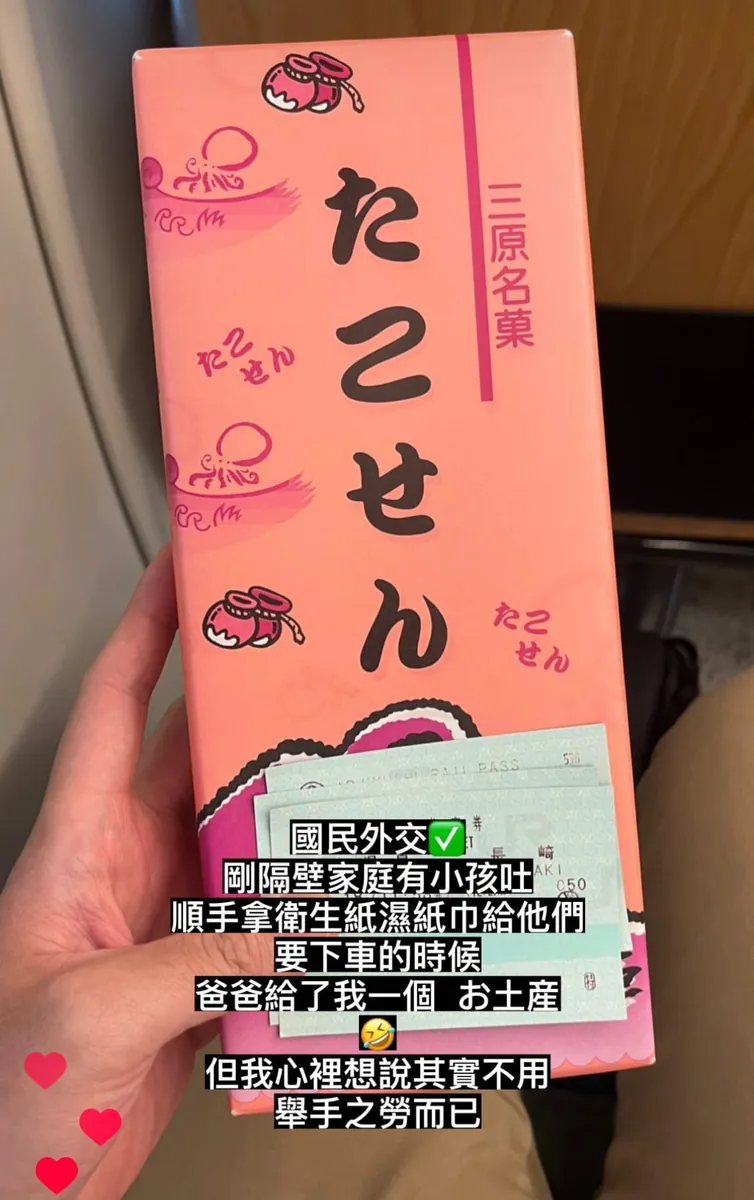
Last time on Nagasaki Road’s Unexpected Episode — I got a souvenir from Mihara City in (Hiroshima Prefecture). Since I visited the Atomic Bomb Museum and Peace Park in Nagasaki last time, I thought I could also check out Hiroshima.
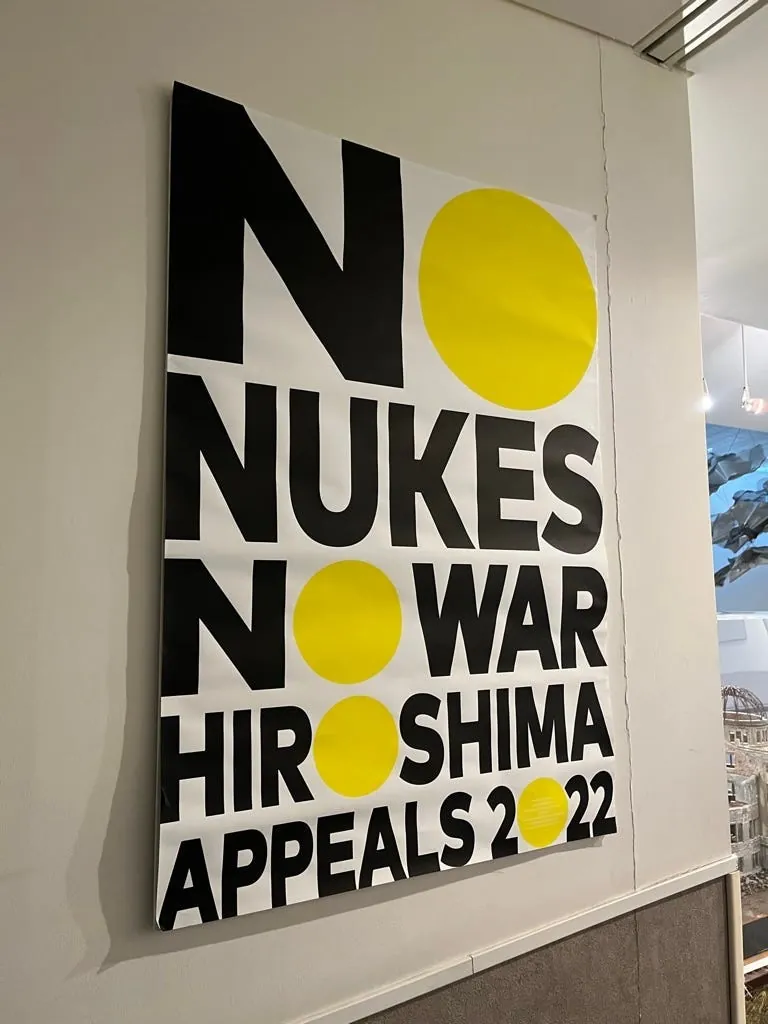
Also, friends around me highly recommend Hiroshima, which has the World Heritage site — Itsukushima Shrine, oysters, Seto Inland Sea, Onomichi, and Rabbit Island…
Since I was also traveling alone, didn’t want big cities or places I had already visited, and hoped for convenient transportation, Hiroshima was a great choice!
Dates — 11/13–18
Originally planned to return to work on 11/20 (Monday) (later postponed to 12/1). After deducting the last day for rest, the return date was set for 11/18 (Saturday).
For the departure date, I originally had plans with a friend on 11/12, so I chose to leave on 11/13 (Monday). Since my work schedule was flexible, I mainly decided based on when the round-trip ticket prices were lowest.
Twists and Turns
❌ The most intuitive way to visit Hiroshima is to fly in and out of Hiroshima Airport, but after checking, the conditions are very unfavorable:
-
Time: Late departure (17:20) and early return (09:30); no flights on Saturday, must return on Friday (11/17).
-
Location: Requires taking a shuttle bus (about 55 minutes). After arrival, the only options are 21:40 or 22:20 (last bus), so you’ll reach the station around 22 or 23 o’clock, which is quite late.
-
Price: ~=$17,000, too expensive.
❌ Entering and exiting via Fukuoka + Shinkansen is still inconvenient:
-
Time: Departure (16:30), Return (10:55), still a late departure and early return, but slightly better.
-
Location: Convenient transportation, but about 1.5 hours by Shinkansen to Hiroshima.
-
Price: ~=$12,000. For a late return (20:35), it costs ~=$17,000 or an early flight at 06:50.
❌ I later found out that for Hiroshima, you can fly in and out via Tigerair to Okayama. Motivation to go was average:
-
Time: Departure (11:10), Return (15:25), perfect timing.
-
Location: Okayama Airport also needs a shuttle bus, but the early arrival gives plenty of time.
-
Price: Includes +20 KG checked baggage round trip, about ~= $14,000.
Since I had just spent money on a “ 10-day Kyushu trip “ in September, if the airfare couldn’t be kept around 10,000 yen, I wasn’t very motivated to go, so I almost gave up on this trip.
✅ Tigerair Okayama Winter Trip Event , Departure:
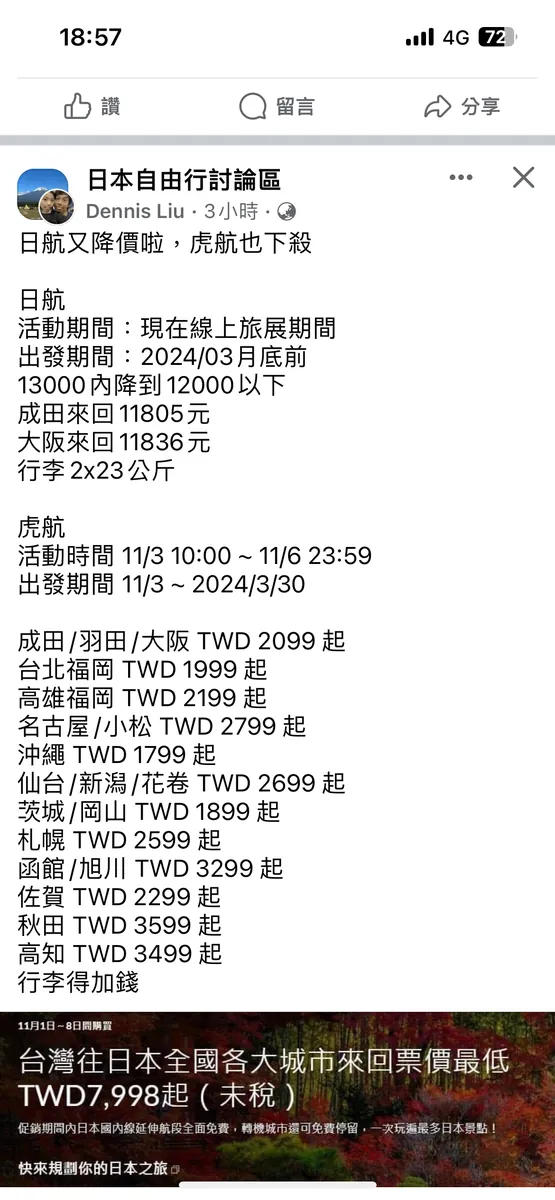
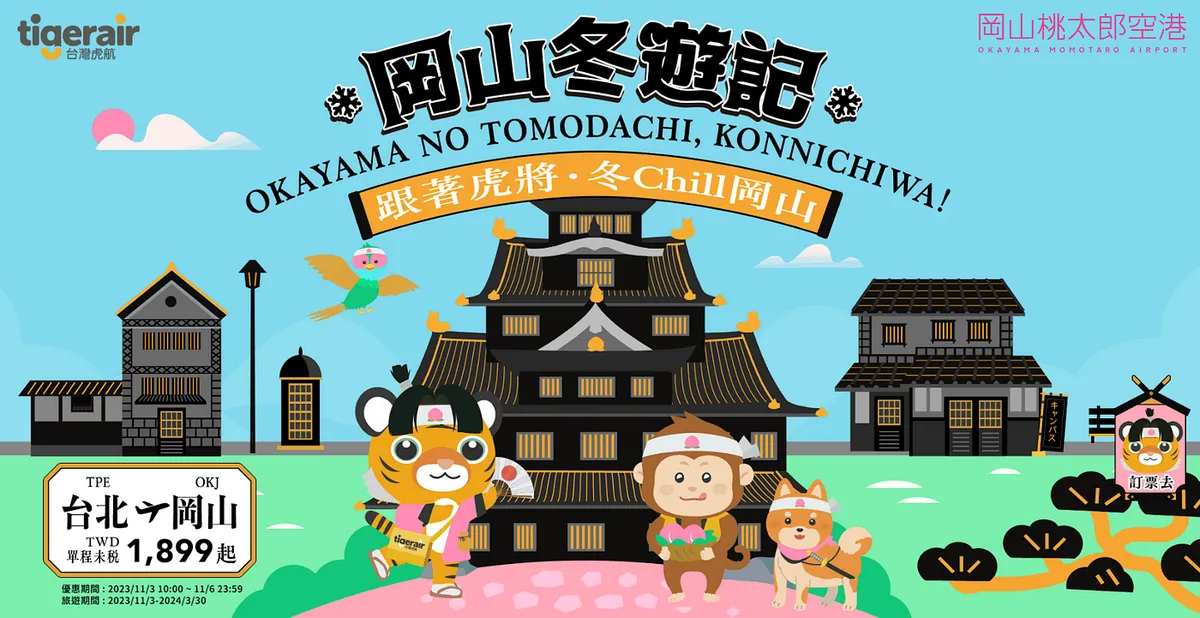
10/31 While bored scrolling on Facebook, I happened to see a post in the “Japan Free Travel Discussion Group” about airline discount promotions. I found that Tigerair had a sale from 11/3 10:00 to 11/6 23:59. Luckily, I took a go-with-the-flow attitude—if I got the discount, I’d go; if not, no big deal.
On the morning of 11/3, I was lucky to secure the best round-trip tickets (11/13–18) with the best flight times and prices, so there was no reason not to go!
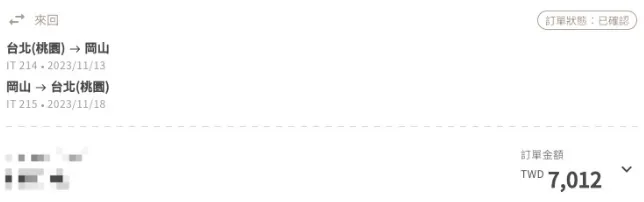
- Departure (11:10) and return (15:25), including round-trip 20KG checked baggage + seat selection + fees: $7,012
KKday Promotion 🛒
-
Japan JR PASS \| Tottori & Matsue Area Pass \| eMCO E-ticket
-
Japan eSIM Card|Daily High-Speed, Total Data, Unlimited Data Plans
-
Japan JR PASS|Sanyo & Sanin Area Rail Pass|eMCO e-Ticket (Explore the entire Sanyo and Sanin regions in one trip)
-
Japan JR PASS \| Kansai & Hiroshima Area Rail Pass \| eMCO E-ticket
-
Japan. Miyajima \| Momijidani Park・Visit Daishoin Temple, Itsukushima Shrine \| Rickshaw Experience
Preparations
After booking the flight tickets, there was only one week left before departure, so I enthusiastically started preparing.
The top places I want to visit are Miyajima, Onomichi, Kurashiki Bikan District, and Okayama Castle. So, I plan to base myself in Hiroshima for most of the trip and stay near Okayama closer to the return date.
Itinerary
JR Pass Okayama & Hiroshima & Yamaguchi Area Rail Pass (¥ 17,000, just before the price increase at the end of October 2023.)
Checking the one-way fare from Okayama to Hiroshima Station is ¥6,460, round trip ¥12,920; adding trips to Miyajima, Onomichi, Kure, etc., round trip, it’s worth it; buying the JR Pass is the most convenient.
Accommodation (5 nights)
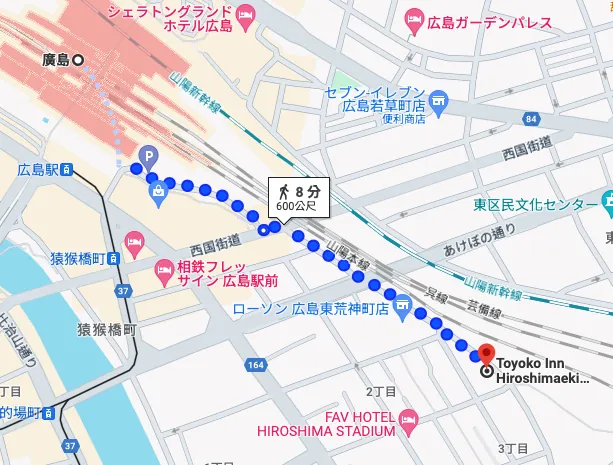
Toyoko INN Hiroshima Station Baseball Stadium Front (3 nights)
-
Price: $4,612, $1,537/night, single non-smoking room
-
Transportation: According to the map, the walking distance is quite close (actually about 15 minutes due to construction and crossing a railroad crossing). It’s not a busy area, located outside the Mazda Zoom-Zoom Stadium. There are no games currently, so the whole street is very quiet.
Toyoko INN, as always, offers great cost performance. The price and environment made it the best accommodation on this trip.
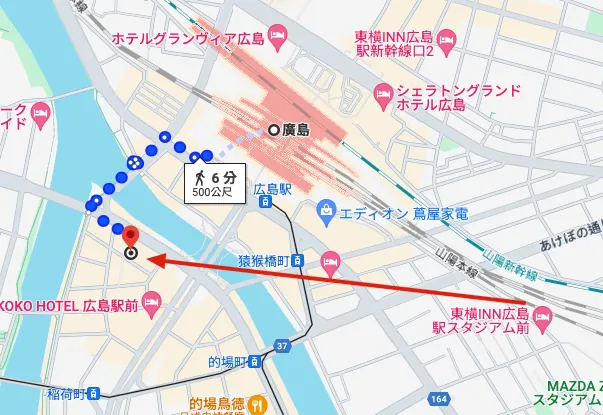
APA Hotel Hiroshima-Ekimae Ohashi (1 night)
-
Price: $2,501, 1 night, single non-smoking room
-
Location: Closer to Hiroshima Station, but still not very easy to walk to as you need to cross a main road and a bridge (about 10 minutes); about a 15-minute walk from the previous accommodation, which is quite convenient.
Since I couldn’t book four nights at Toyoko INN, I had to stay one night at APA Hotel.
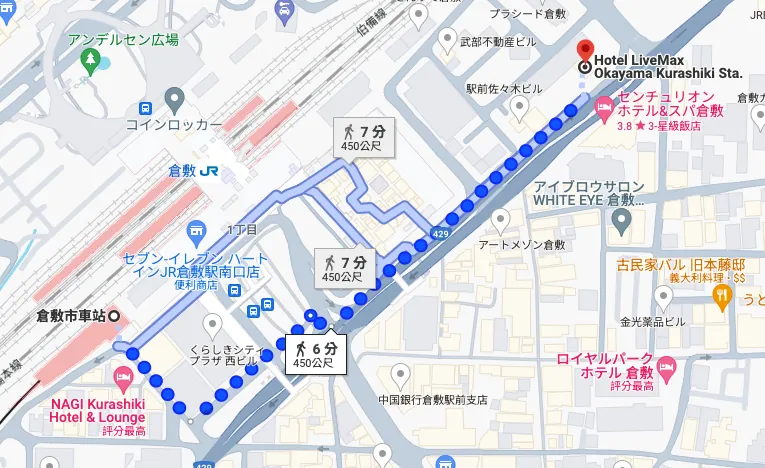
Livemax Okayama Kurashiki Ekimae Hotel Livemax (1 night)
-
Price: $3,263, 1 night, single non-smoking room
-
Location: Just outside Kurashiki Station, about a five-minute walk, very convenient.
I found Kurashiki because I couldn’t find any hotels with acceptable prices in Okayama when booking accommodation. So, I looked for hotels along the JR line nearby since Kurashiki also has shuttle buses to Okayama Airport. I decided to stay at a hotel near Kurashiki.
This hotel was also the only one in Kurashiki with available rooms, a convenient location, and an acceptable price.
Fun
The original plan was as follows:
-
11/13: Shopping and eating Hiroshima-style Okonomiyaki
-
11/14: Miyajima, Hiroshima City: Itsukushima Shrine, Momijidani Park, Miyajima Ropeway -> Shishiiwa Observatory, Atomic Bomb Dome, Peace Memorial Park, Atomic Bomb Museum, Paper Crane Tower (Hiroshima Tower)
-
11/15: Onomichi, Senkoji Temple
-
11/16: Kure City, Hiroshima City (same as 11/14), Hiroshima Castle
-
11/17: Okayama, Kurashiki: Okayama Korakuen Garden, Okayama Castle, Kibitsu Shrine, Kurashiki Bikan Historical Quarter, Kurashiki Outlet, Achi Shrine
-
11/18: Kurashiki Outlet, Return trip
Rabbit Island is too far by car and inconvenient, so it is only included as a reference.
Go!
Day 1 Departure
Flight departs at 11:10 AM, so I left slowly in the morning.
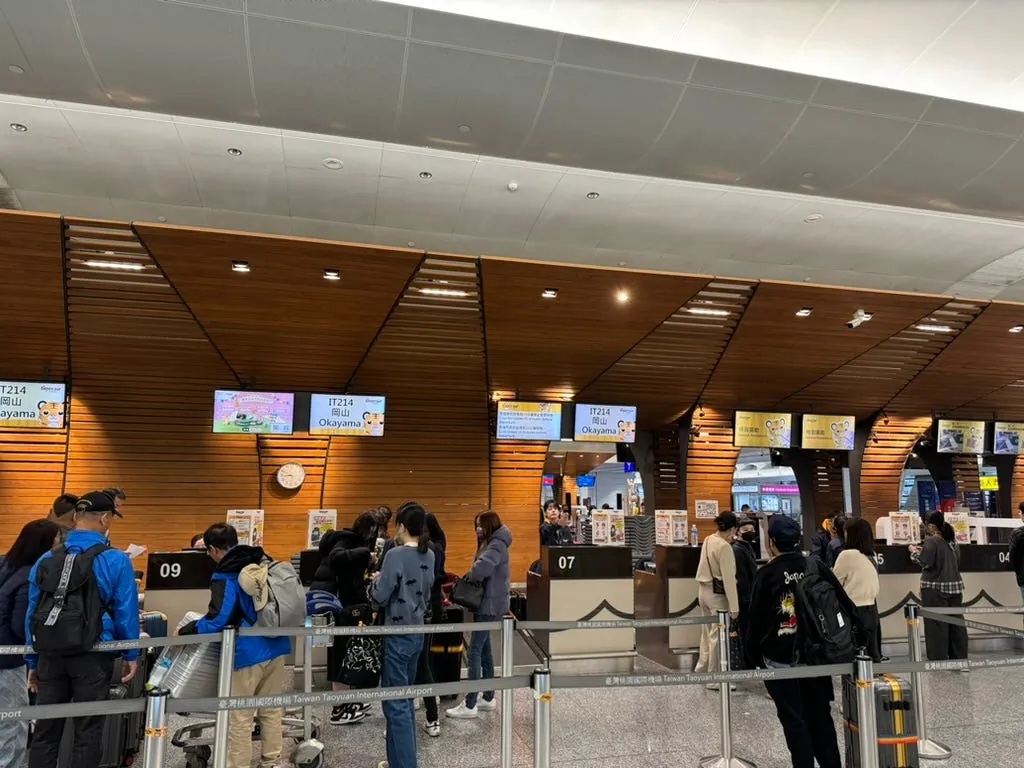
Take the Airport MRT from Taipei Main Station to Taoyuan Airport Terminal 1, arriving at the check-in counter around 08:50.
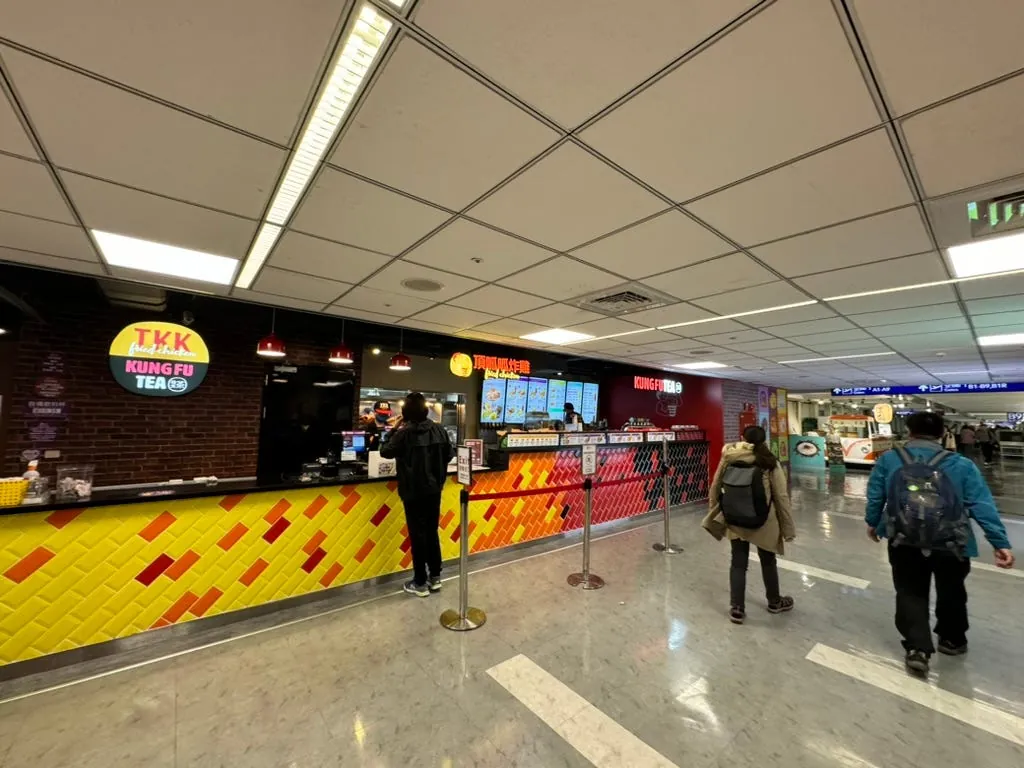
There were few people, so check-in and departure were completed quickly; Terminal 1 had little food, so I just bought a Ding Gua Gua snack and coffee before waiting for the flight.
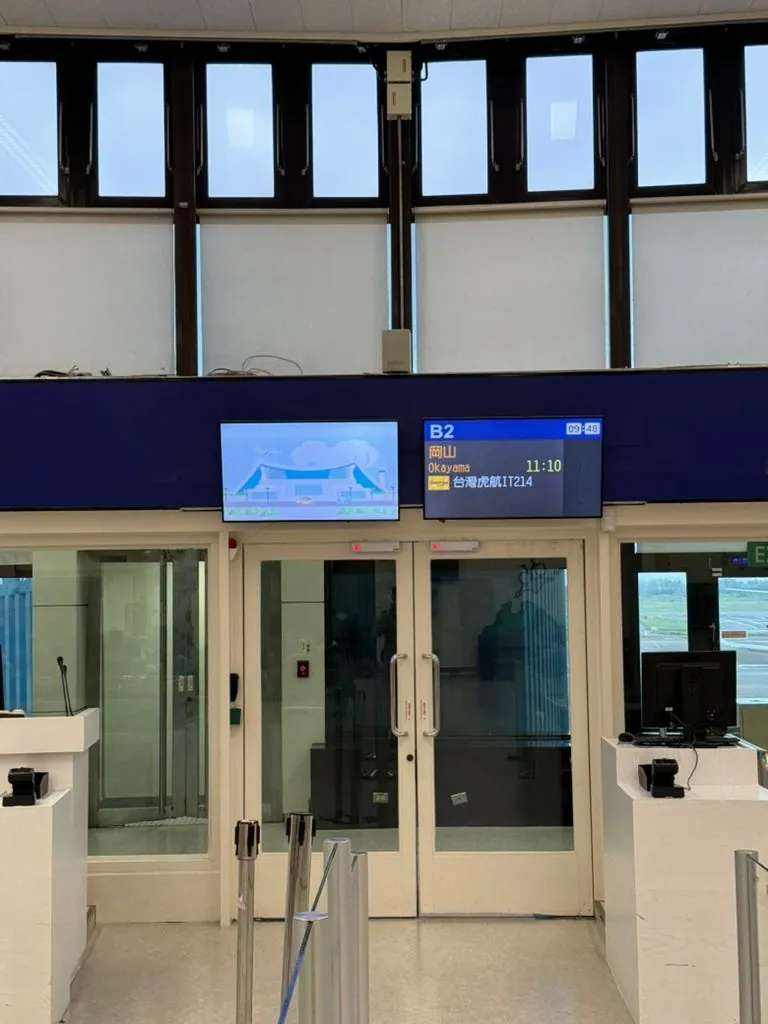
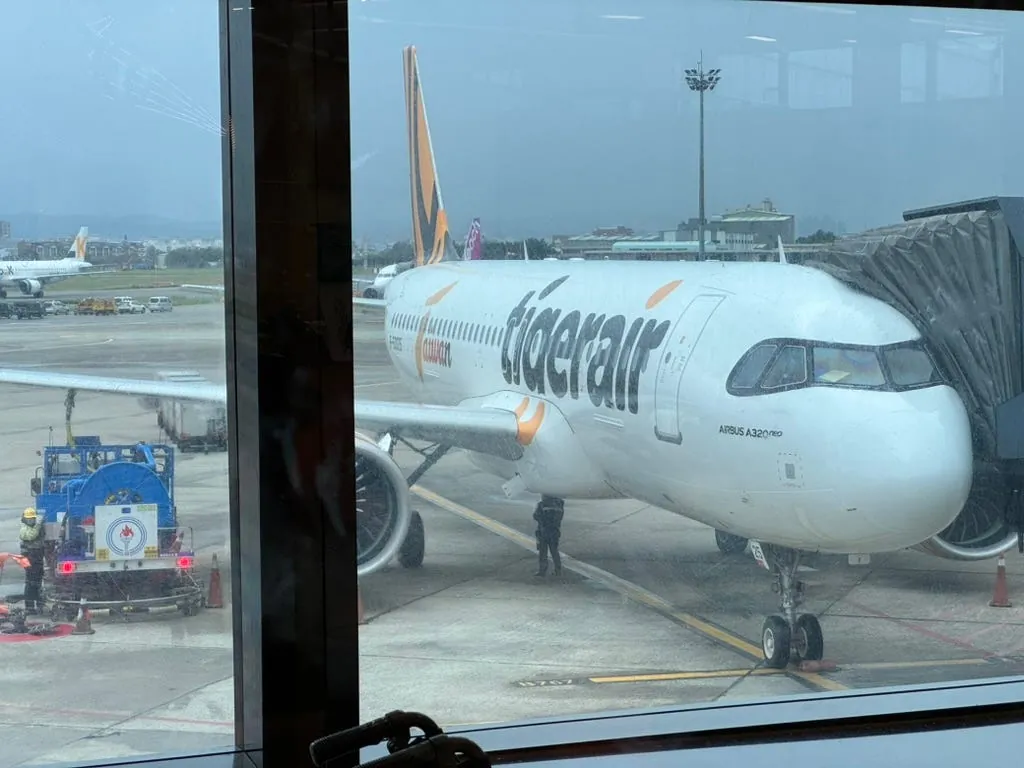
I wasn’t very hungry while waiting for the flight, so I didn’t eat the food I bought.
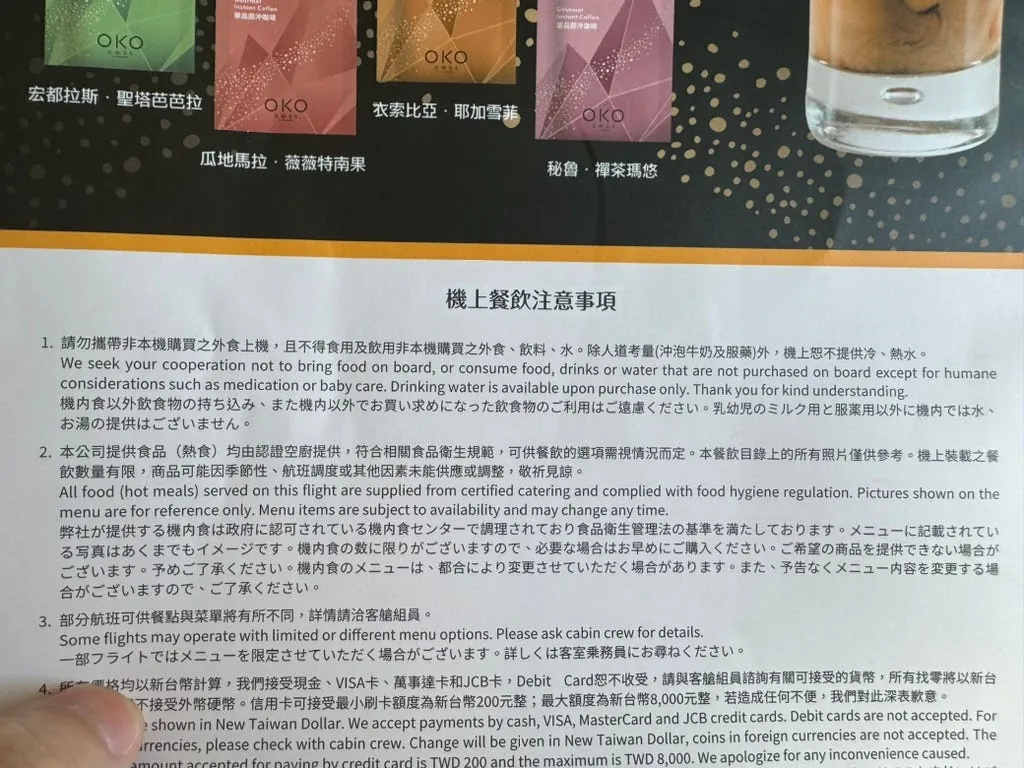
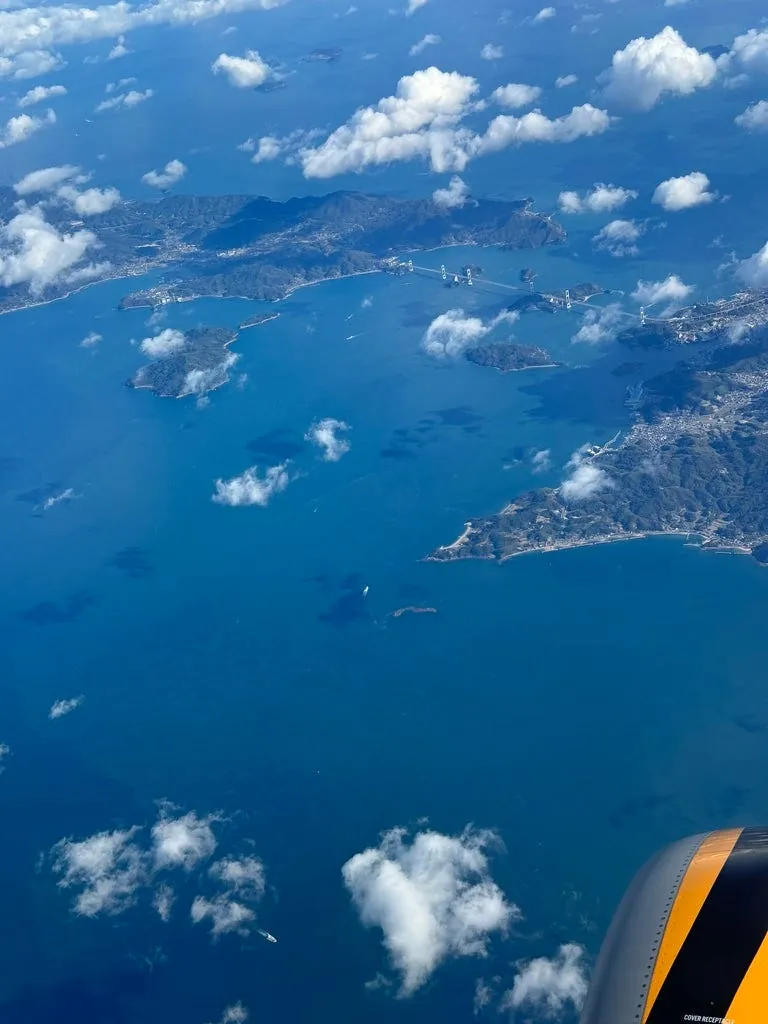
11:07 takeoff, 14:11 arrival at OKJ (Okayama Momotaro Airport); when hungry in between, I wanted to eat something but found out that Tigerair does not allow bringing your own food on the plane (Peach Airlines has no special rules), so I obediently endured it, planning to eat in a corner before immigration after landing.
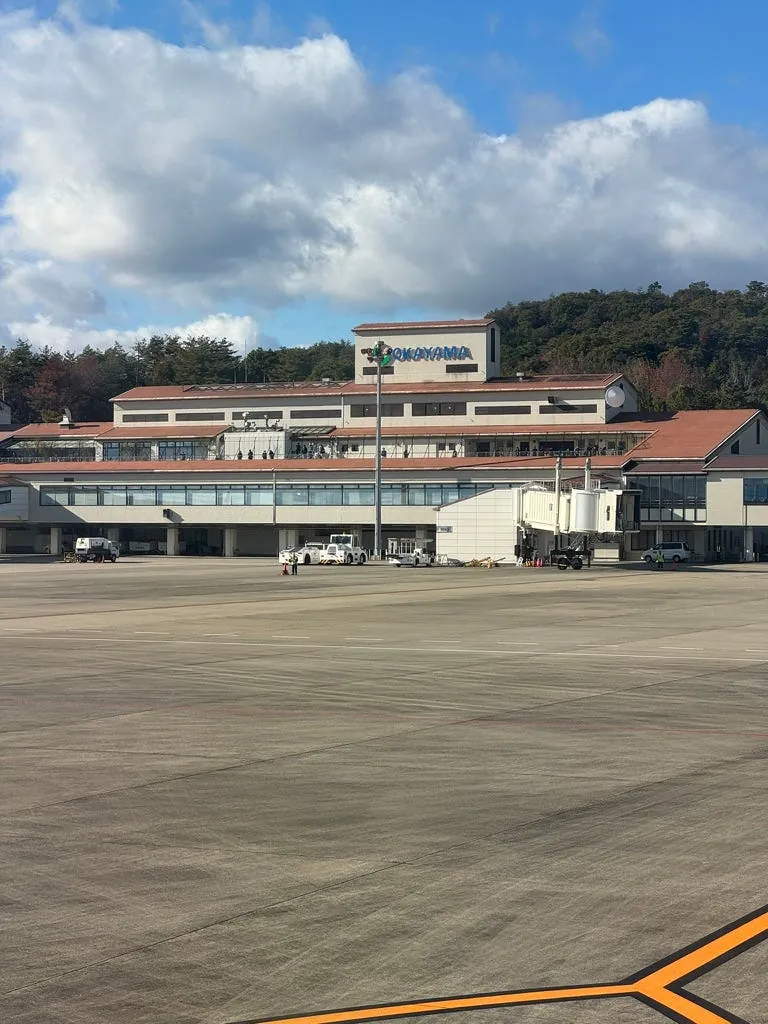
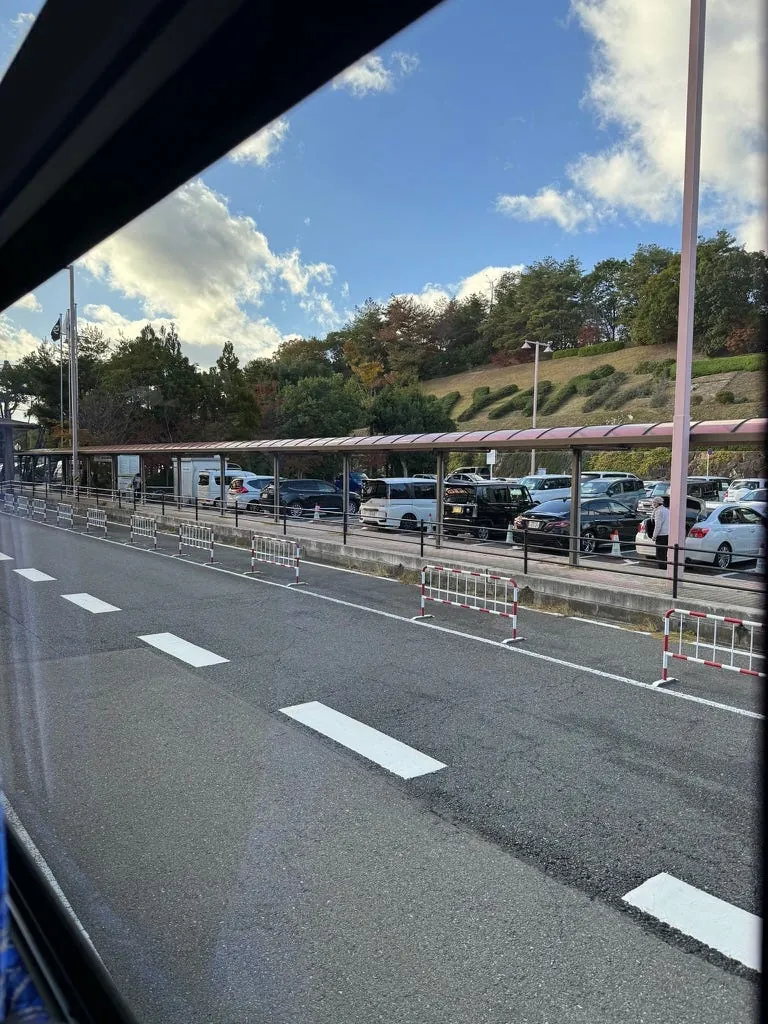
Okayama Airport is very small. Just follow the crowd, and you’ll pass through immigration and customs quickly—there’s no corner to sneak in food. Since the fried chicken from Ding Gua Gua might have quarantine issues, I handed the whole package to customs for disposal.
Around 14:40, I completed immigration and picked up my luggage (super fast). Later, I checked the flights and found that Okayama Airport has very few flights, with possibly only one international flight per day, so there were almost no people, only passengers from the same flight. Customs and quarantine dogs checked each person, but it was still very quick!
As soon as I exited, I took the airport shuttle. Possibly due to the limited flight schedule, the regular shuttle to Okayama Station only runs at 16:10; however, extra shuttles are available right outside the airport that depart once full, with more following. This thoughtful service helps save everyone’s time!
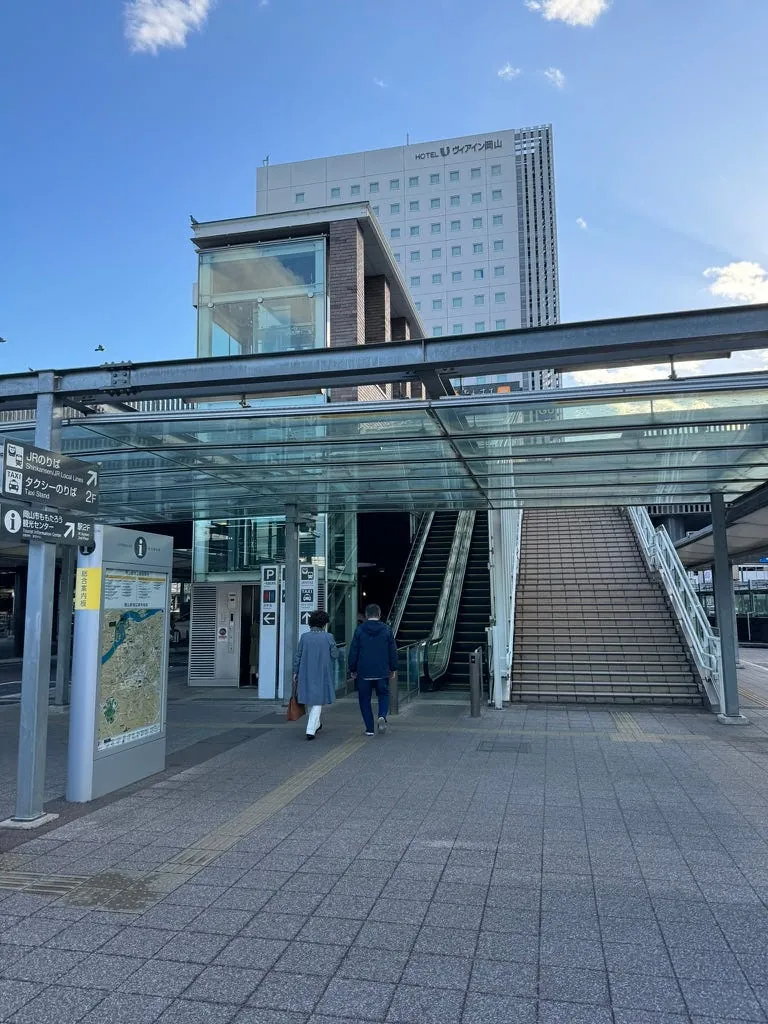
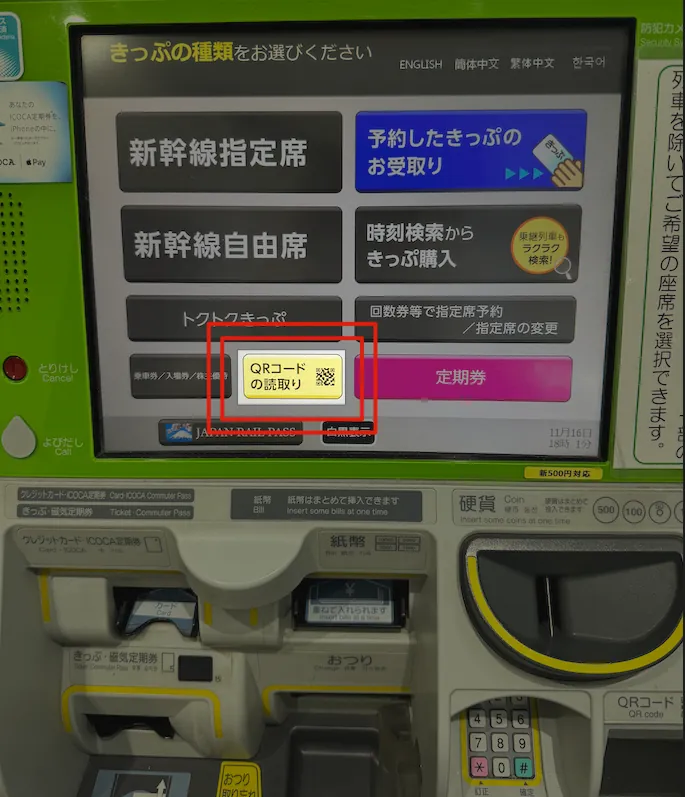
After getting off, find the escalator going up to Okayama Station. First, exchange your JR Pass at the machine labeled in green with “EXPRESS予約、5489 お受取” next to it.
Previously, I searched online for the redemption guide, which said to click the blue “予約したきっぷのお受取り” button. However, when I tried following the steps, scanning the QR code always showed a “QR Code invalid” error, and entering the order number also failed.
Finally, after several attempts among a group of Taiwanese people, we found out that we needed to use the yellow button labeled “QRコードの読取り” at the bottom left to redeem. Clicking it allowed us to scan the QR Code directly. (We guess the JR machines have been updated.)
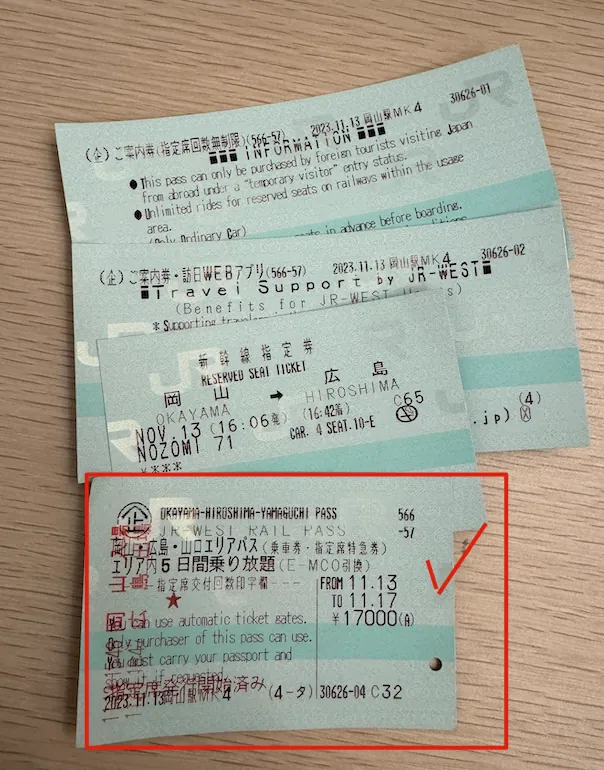
The machine will print two instruction sheets and one JR Pass (the ticket with the ✔ mark in the picture). After receiving the JR Pass, you can also insert it into completed seat reservation. Use the JR Pass ticket for entering and exiting stations. The seat reservation ticket is only for reference to the seat and time and cannot be used to enter or exit stations.
I was really hungry and hadn’t eaten anything, so I went to a convenience store to grab some food first. Therefore, I bought tickets for a later JR train.
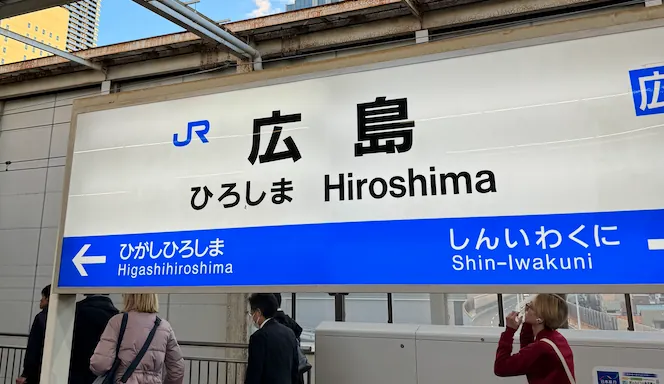
Arrived at Hiroshima Station around 16:45.
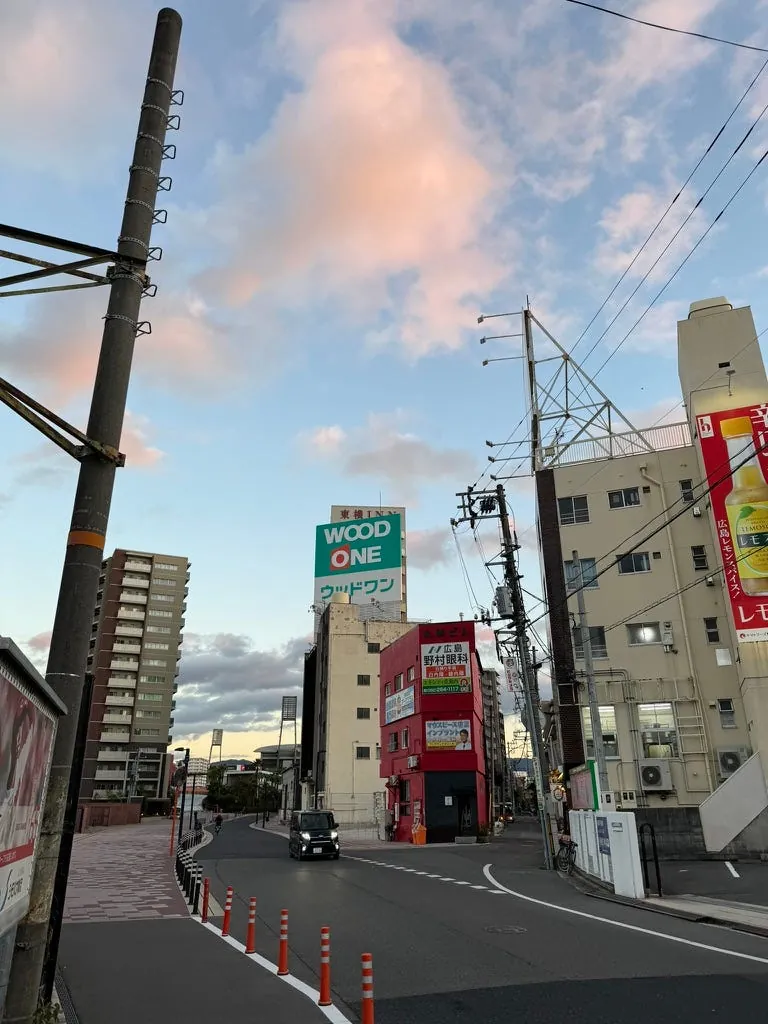
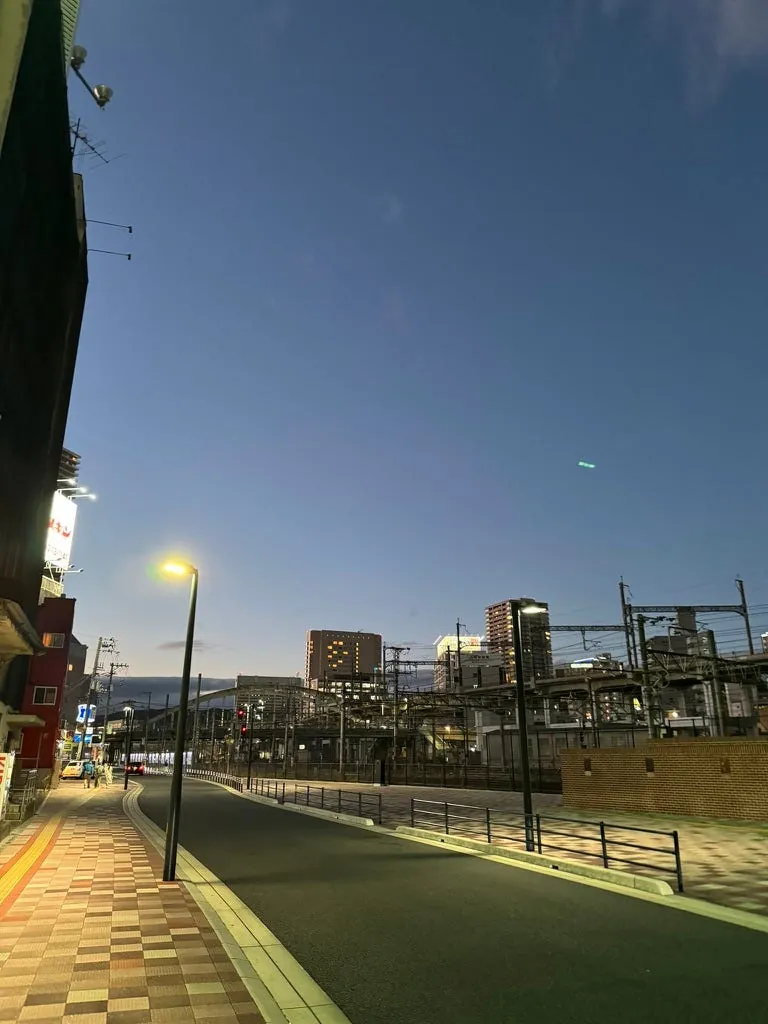
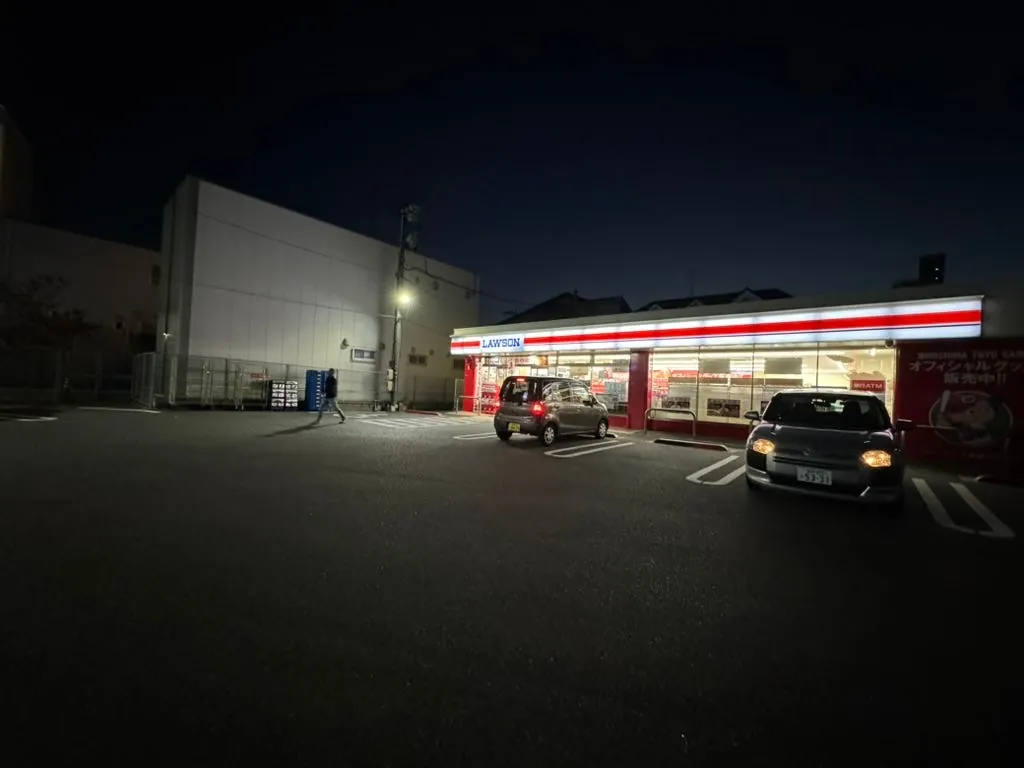
First, go to the hotel to check in and drop off luggage before heading out to find food. Without a baseball game, this street is very quiet. Right across is the railway, and there are few shops on the road, but luckily there is a large Lawson convenience store.
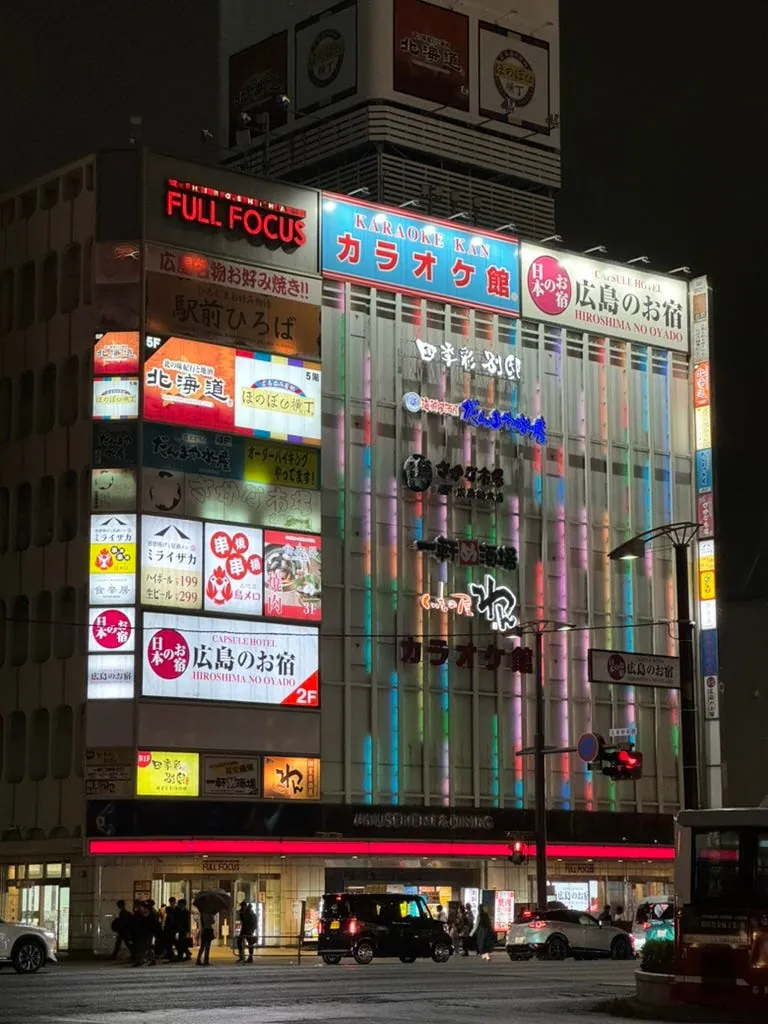
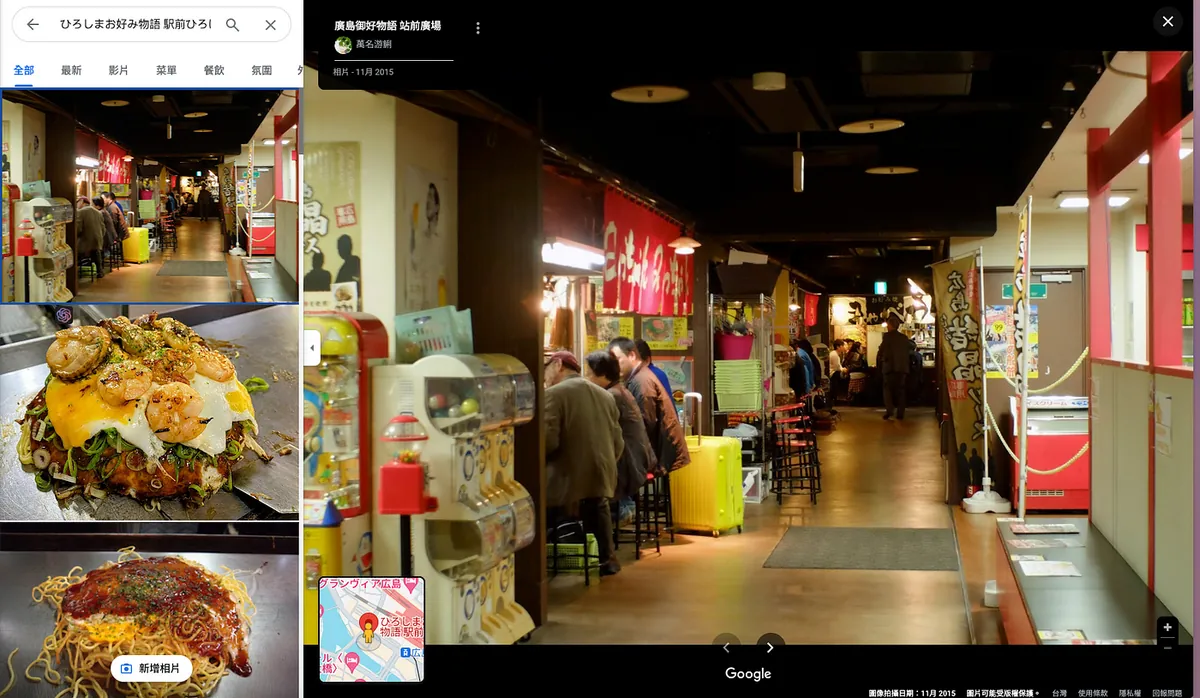
Hiroshima Okonomiyaki Story Station Square
Returning to the station to eat Hiroshima-style okonomiyaki at Hiroshima Okonomiyaki Story Station Square, located on the 6th floor to the right after exiting Hiroshima Station (next to Ekie Department Store). As soon as you get off the elevator, you’ll notice the unique atmosphere—this entire floor is filled with Hiroshima-style okonomiyaki restaurants, so you can choose your favorite place to sit.
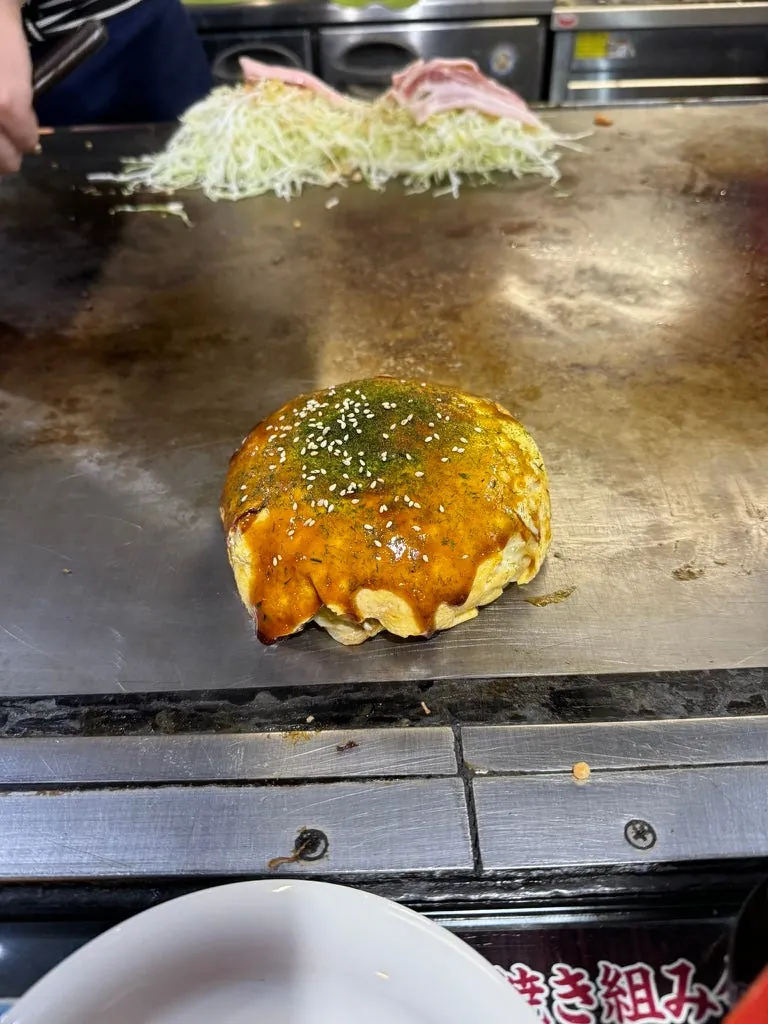
I ordered a Hiroshima-style okonomiyaki with added mochi (fried noodles inside). The taste was just okay. It had noodles and mochi inside, and I felt very full after eating.
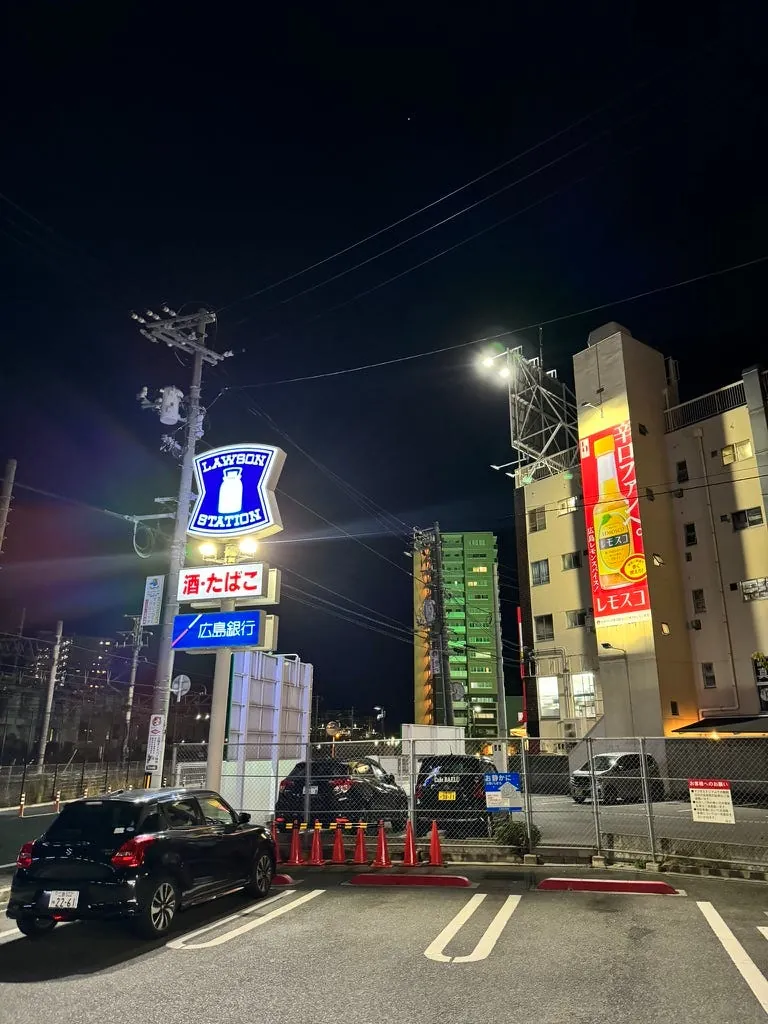
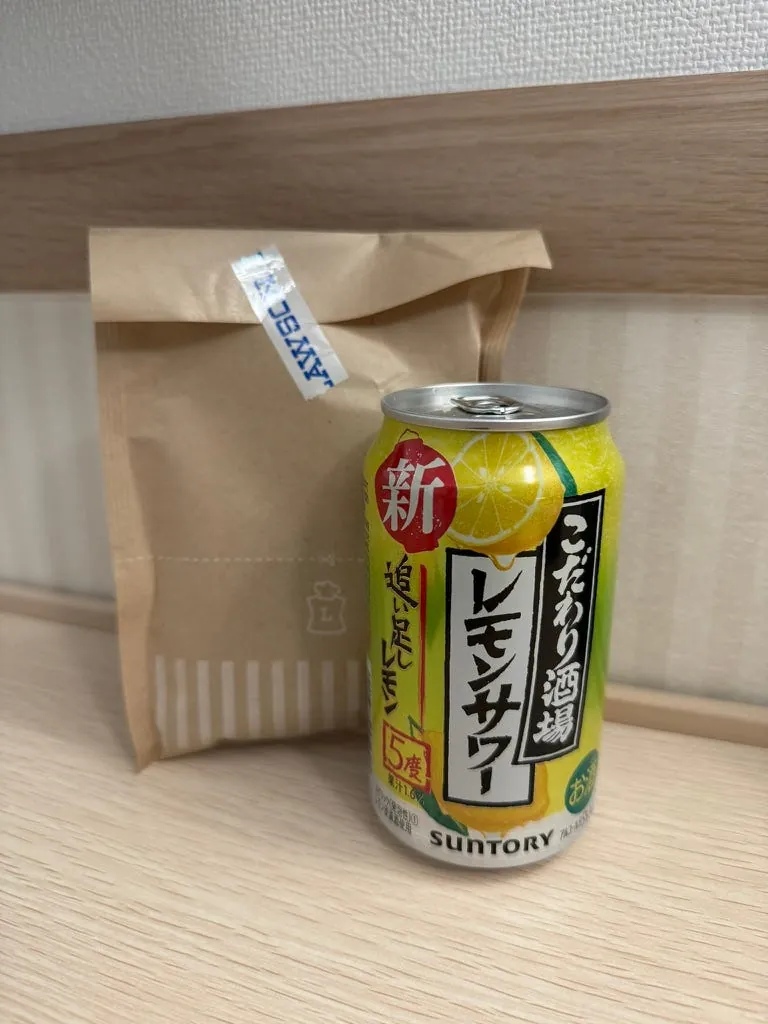
On the way back to the hotel, I bought a late-night snack to eat. The night in Hiroshima at this time is very cold, only about 4 degrees Celsius.
Room tour.
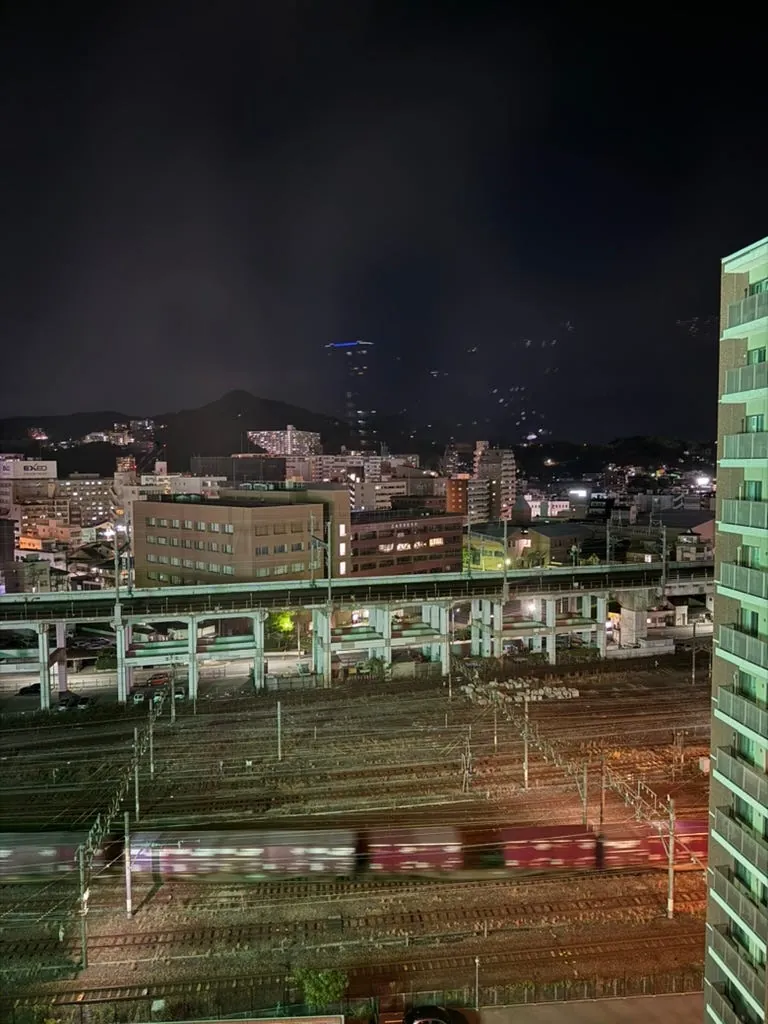
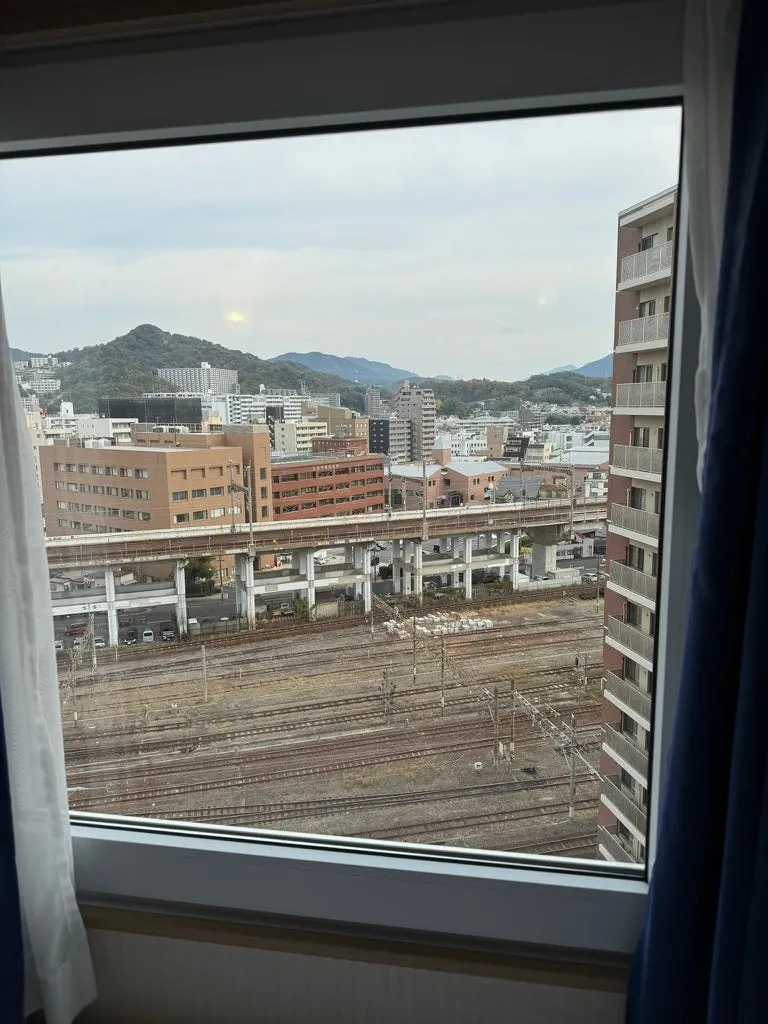
Opening the curtains reveals the railway outside (about 10 tracks, so you need to cross the level crossing quickly); the downside of the room is the clacking noise when trains pass by.
Allite A1 65W GaN Fast Charger + Allite Liquid Silicone Fast Charging Cable
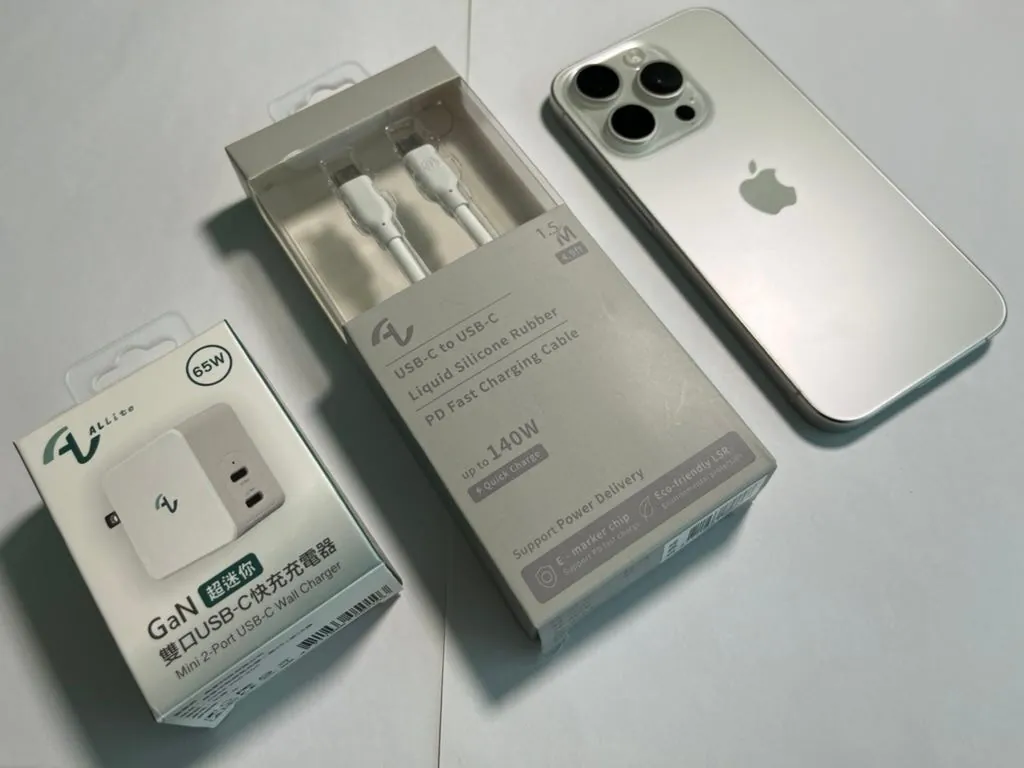
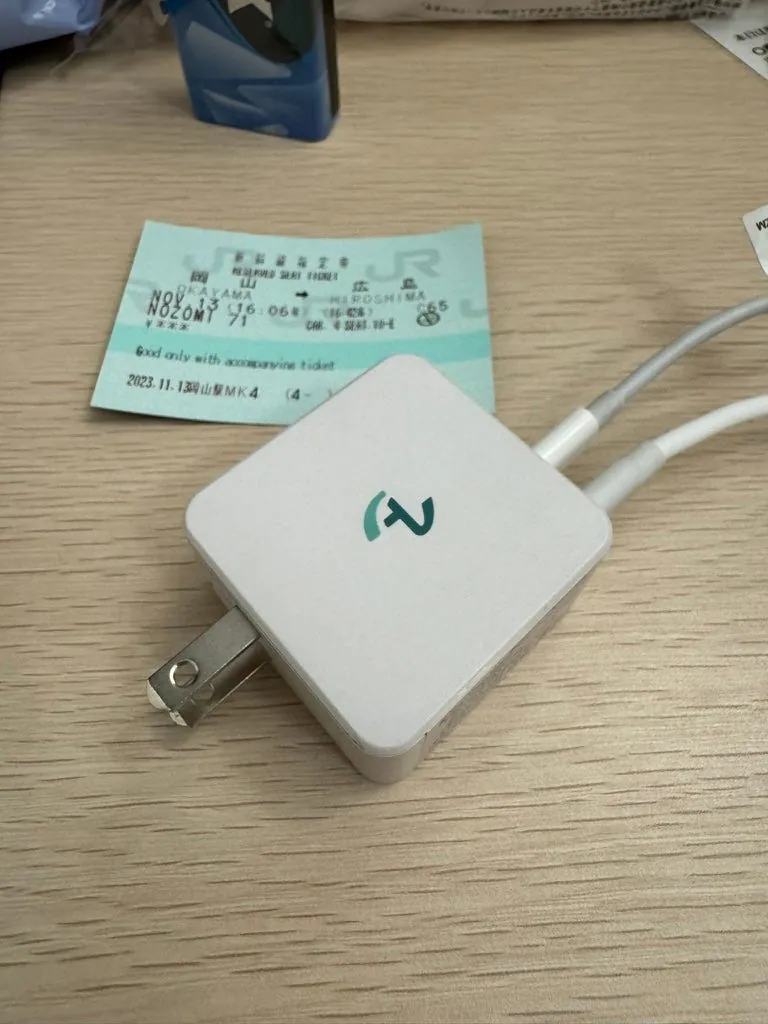
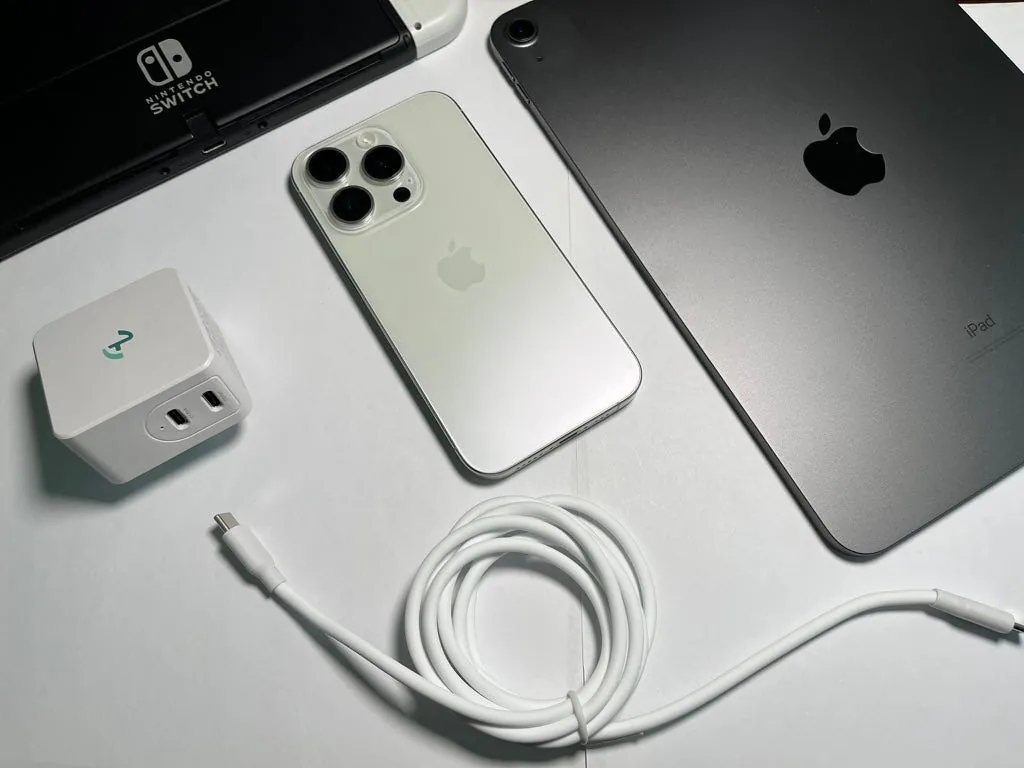
This trip, I brought the Allite A1 65W GaN fast charger + Allite liquid silicone fast charging cable combo. Since switching to iPhone 15, all my devices use Type-C ports; when traveling, just bringing a Type-C charging cable solves everything.
Allite A1 65W GaN Fast Charger supports single-port 65W and dual-port 45W+18W fast charging. Its compact size makes it easy to carry. When you see a chargeable outlet outside, just plug it in to recharge. Back at the hotel, you can charge a power bank with one port and your phone, watch, iPad, or Switch with the other, making it convenient and fast.
Allite Liquid Silicone Fast Charging Cable (1.5m) is long enough to connect directly from a power bank inside a bag. The liquid silicone material differs from regular plastic; it is skin-friendly, more flexible for easy storage, and won’t get bent out of shape.
The best charging companion for this trip.
Day 2 Miyajima (Itsukushima Shrine), Momijidani Park, Shishiiwa Observatory, Atomic Bomb Dome, Peace Memorial Park
KKday itinerary reference:
Miyajima
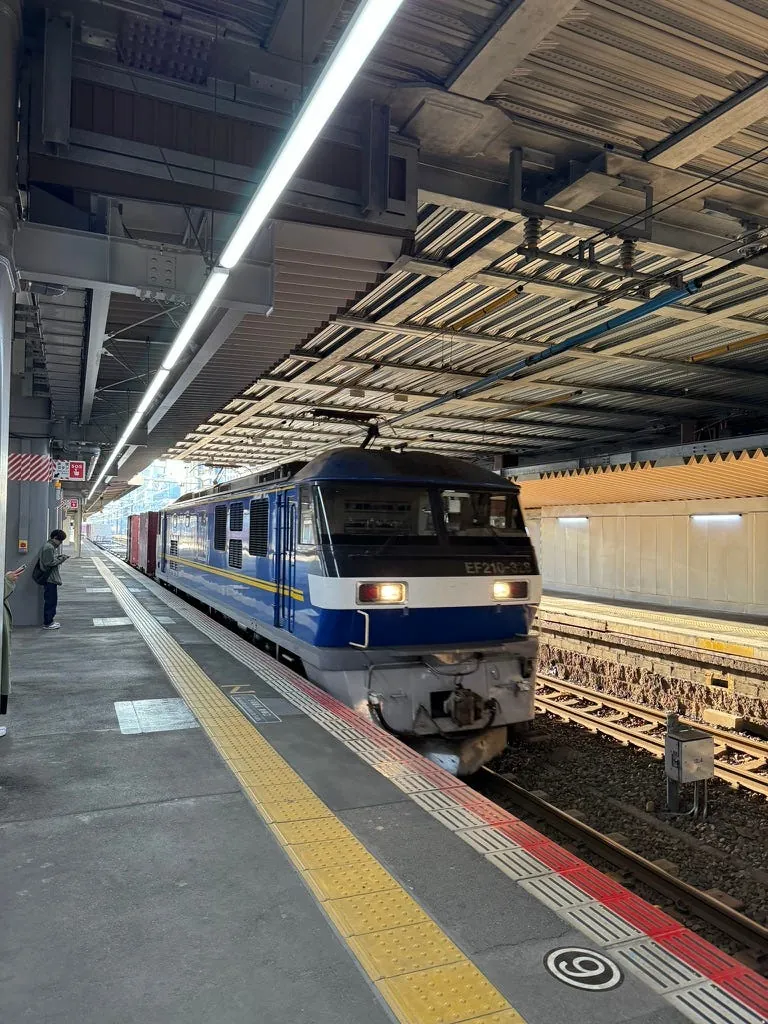
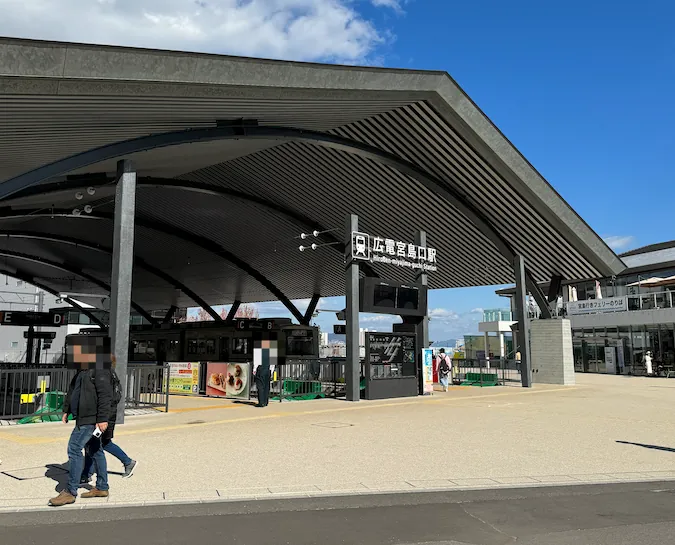
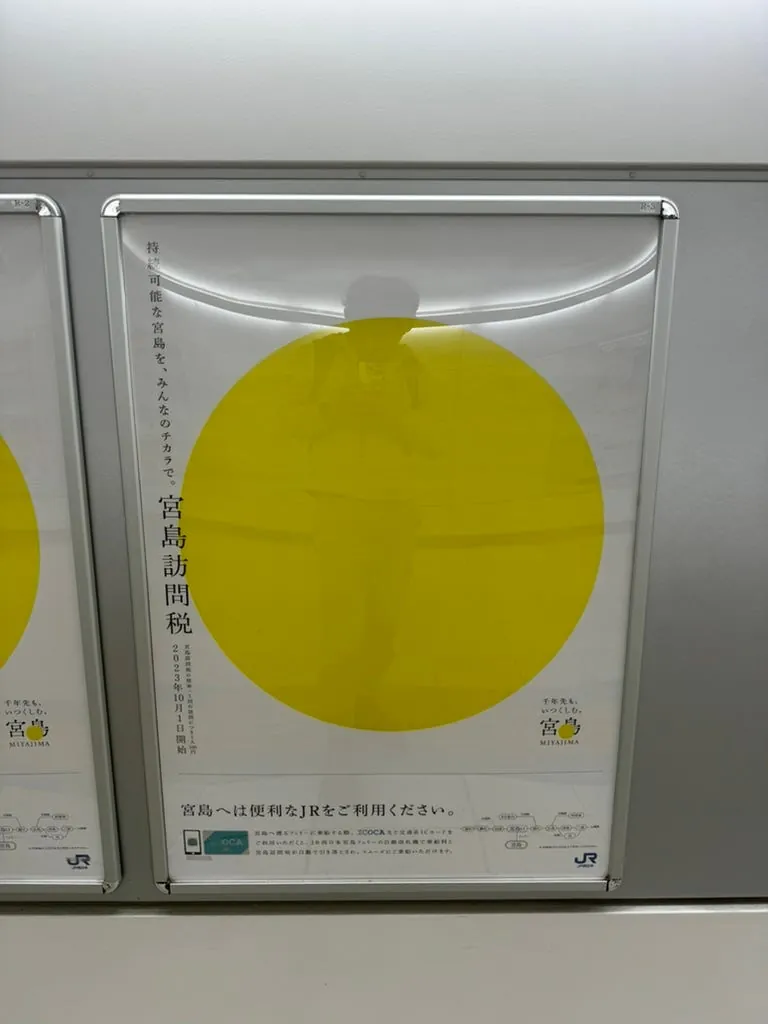
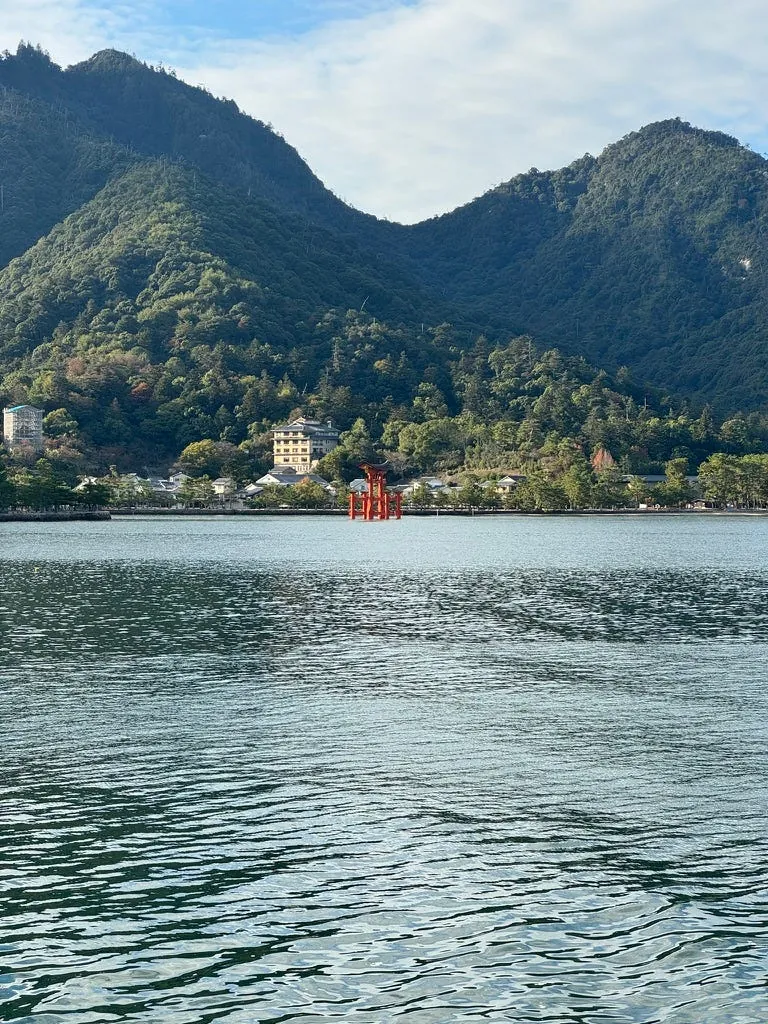
Early in the morning, take the JR train to Miyajimaguchi Station. After exiting, walk toward the pier to find the ferry terminal. The JR Pass includes the ferry ticket to Miyajima, so you don’t need to buy a separate ferry ticket. However, you must pay an additional Miyajima Visit Tax (¥100). Station staff will guide you to purchase the visit tax ticket.
You can also take the Hiroden tram to Miyajimaguchi, but I remember it takes longer.
The ferry takes about 10 minutes to reach Miyajima. It is very smooth and has no diesel smell. As you get closer, you can see the torii gate from afar on the sea!
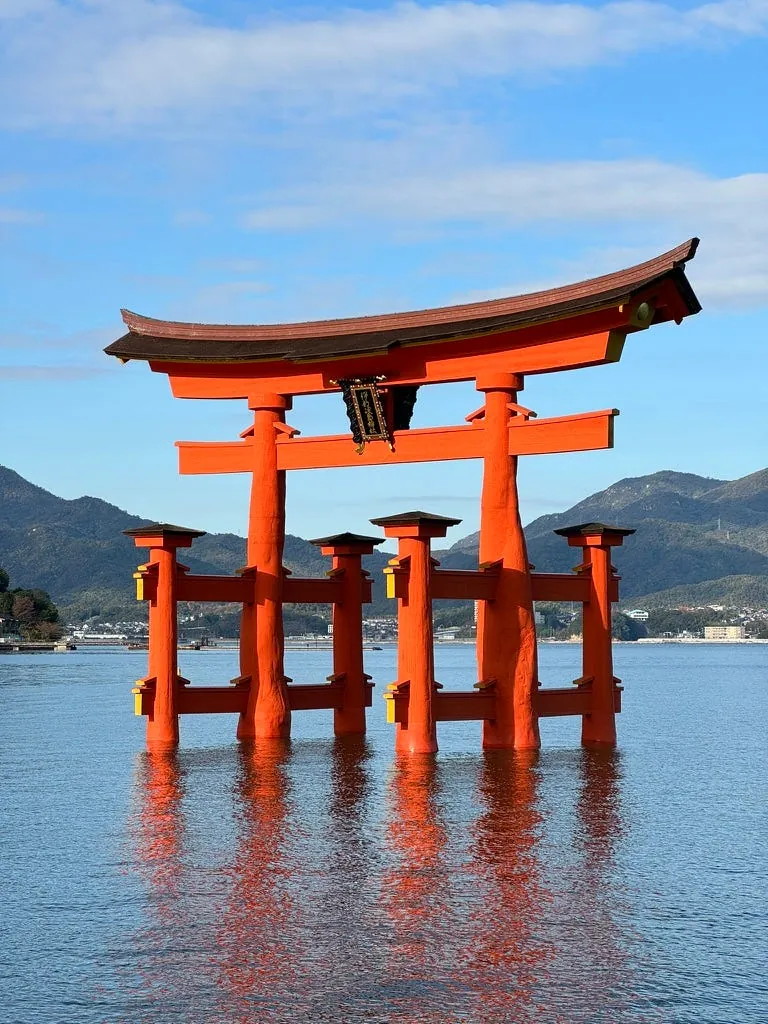
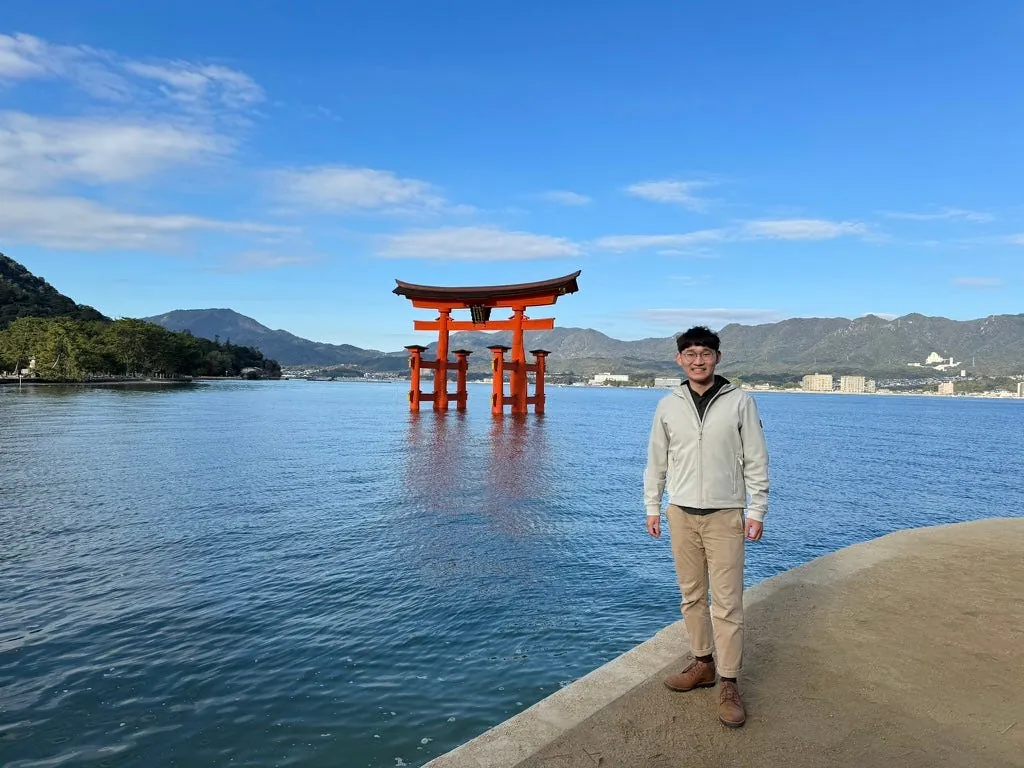
After arriving on the island, head straight toward the floating torii gate. Along the way, taking photos at the shoreline from an angle is also beautiful and less crowded.
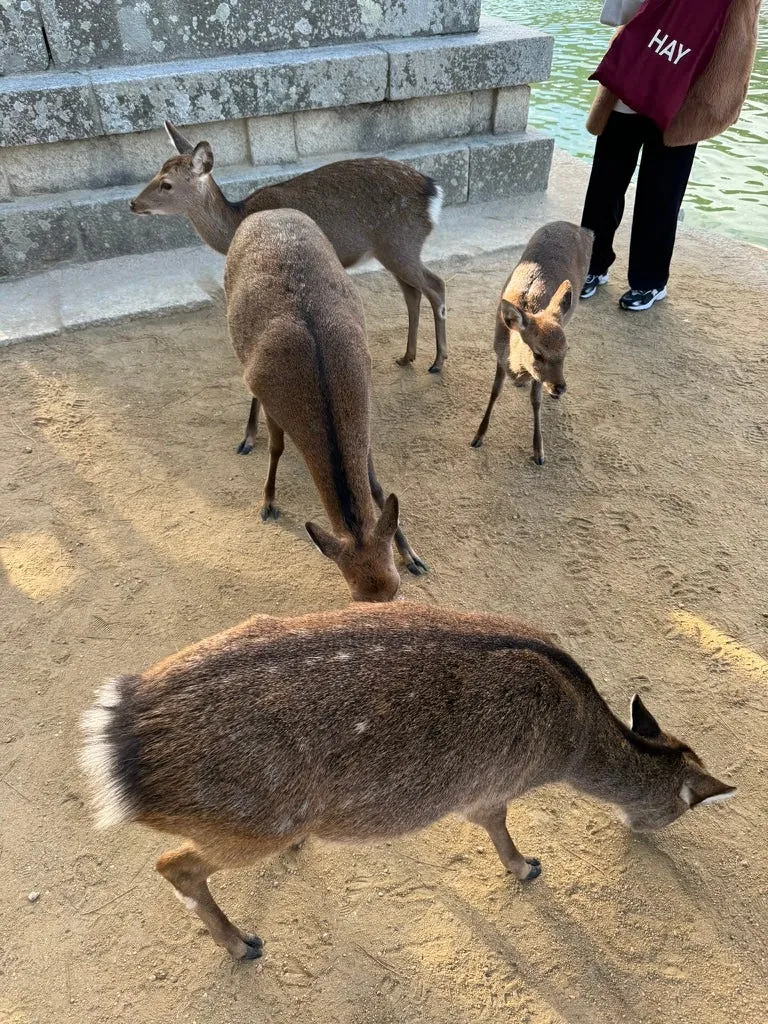
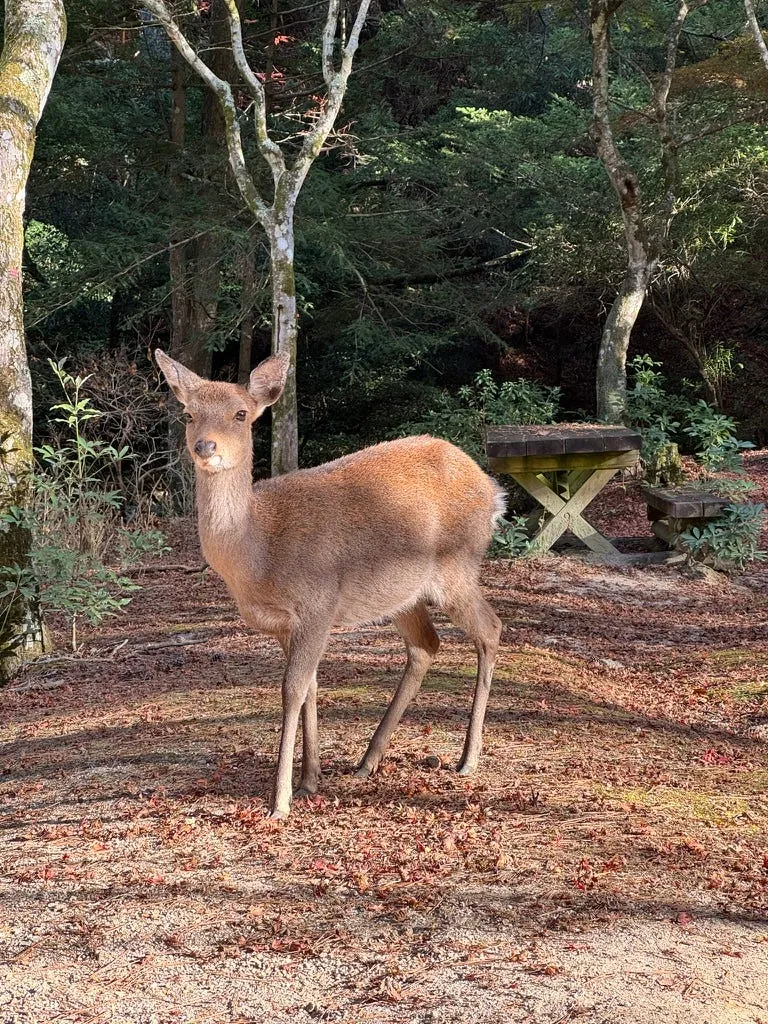
There are also many wild deer on the island, and they tend to chew on things randomly XD.
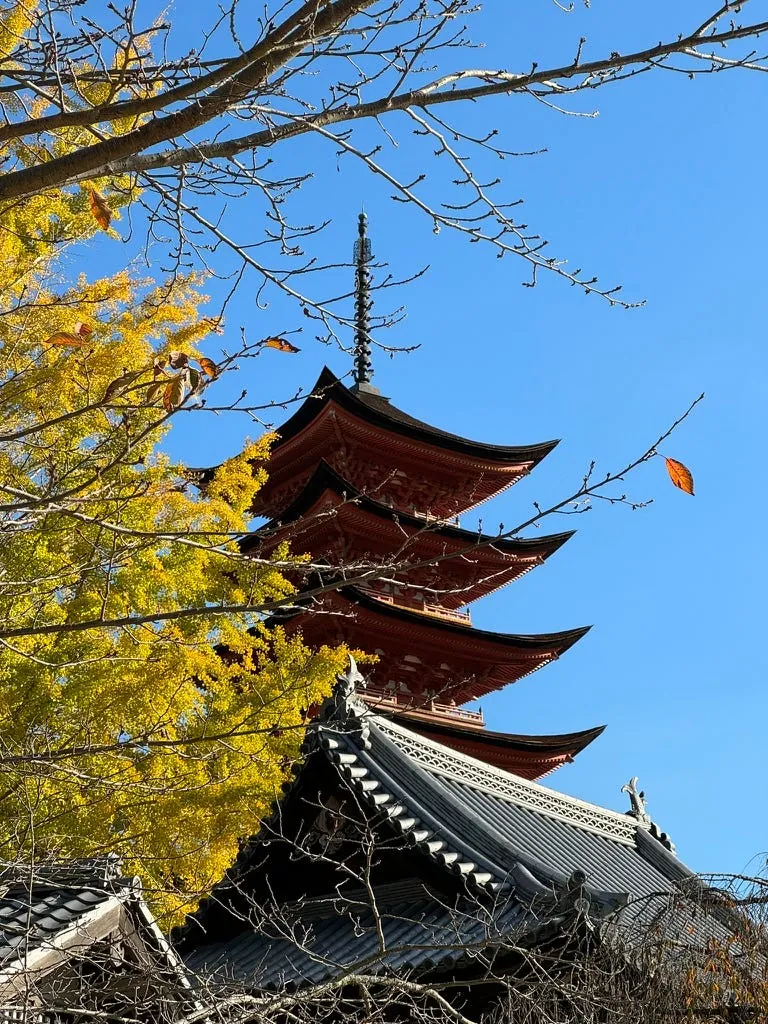
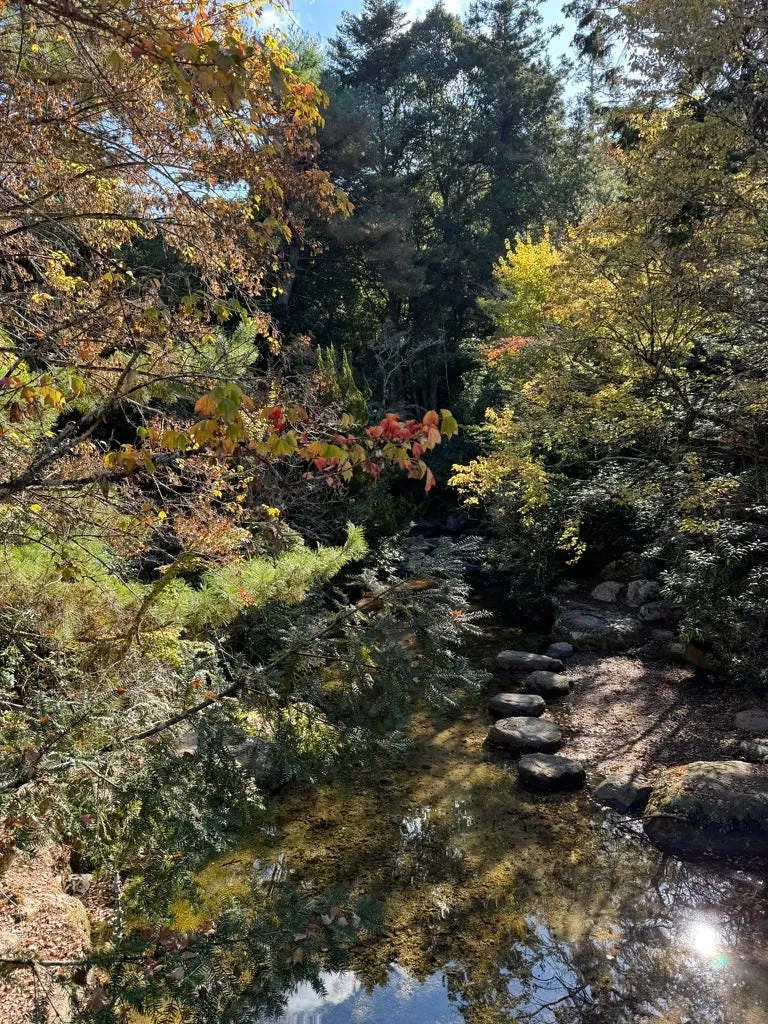
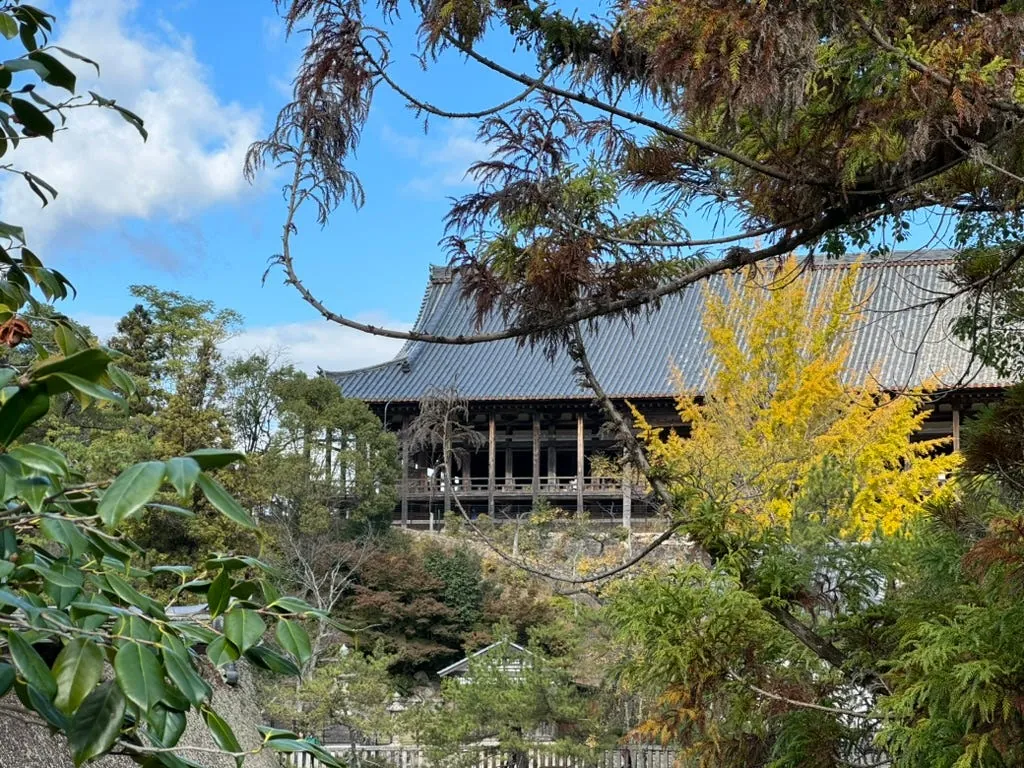
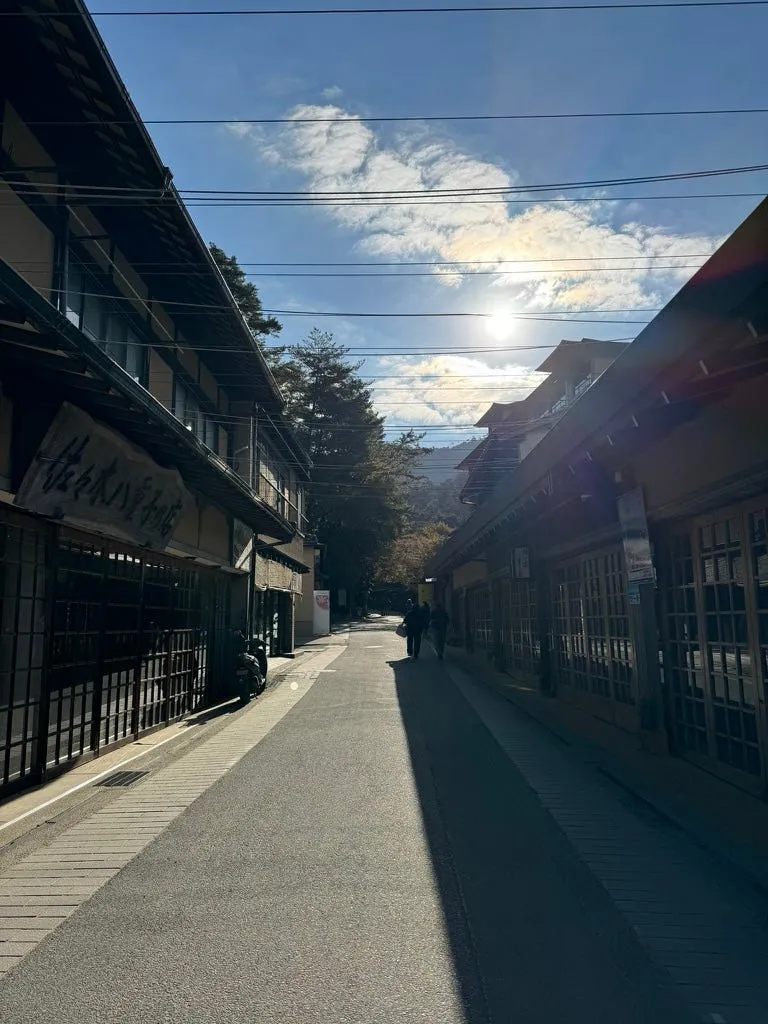
After visiting Itsukushima Shrine, head to the Miyajima Ropeway and get off at Shishiiwa Observatory.
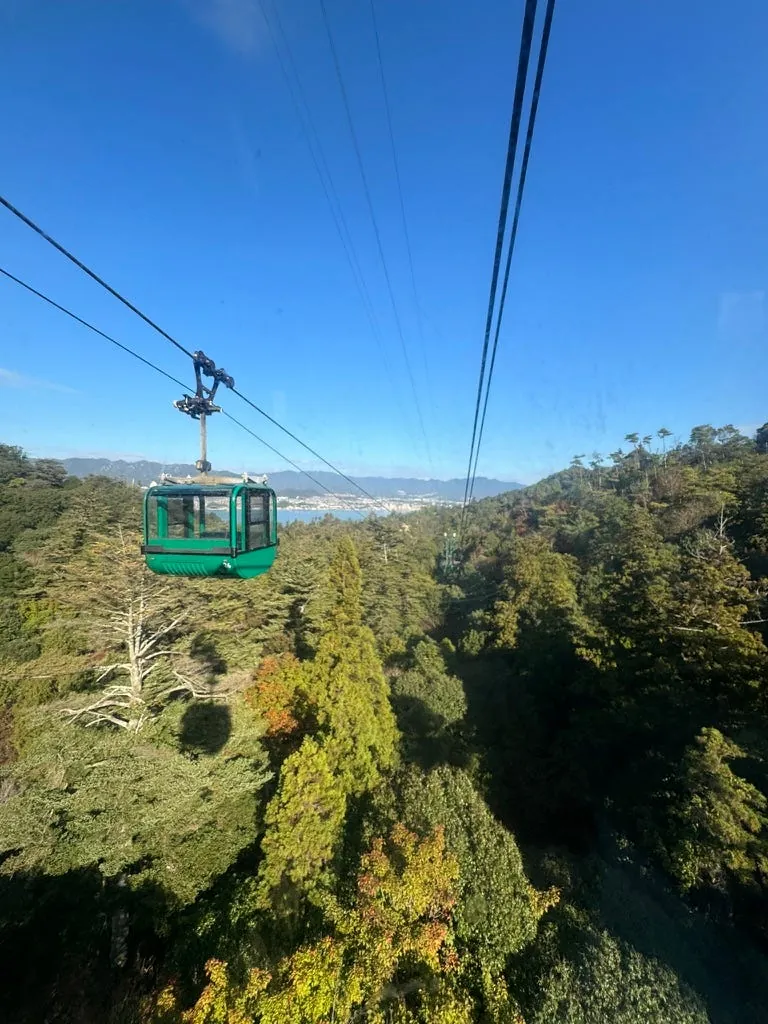
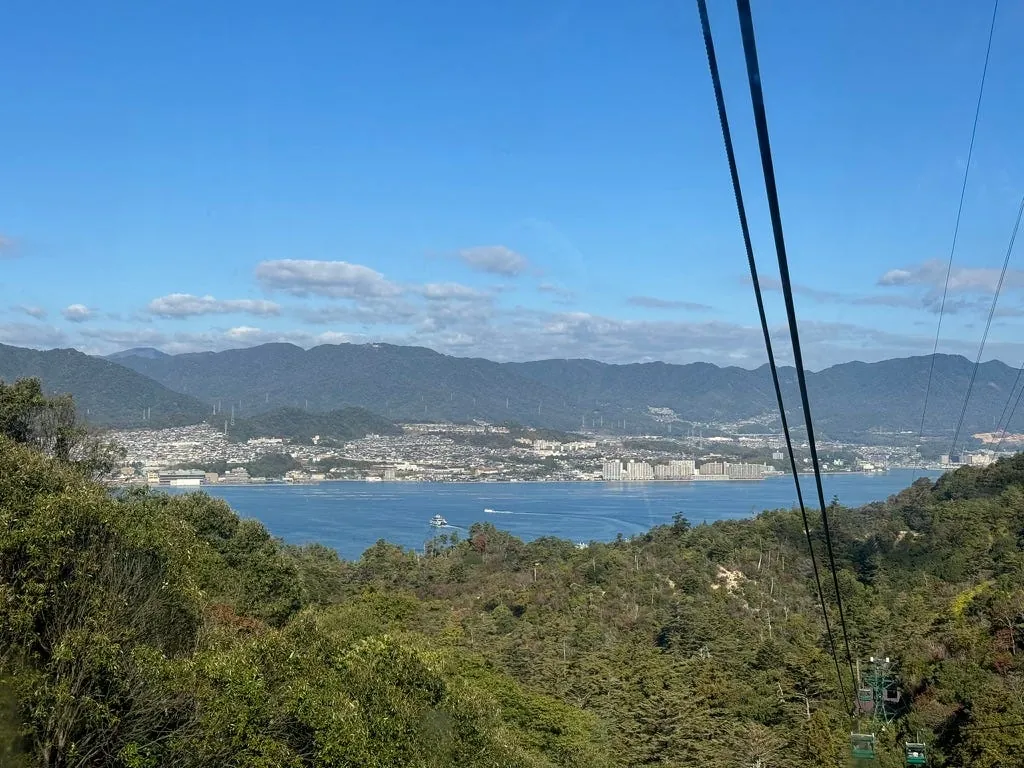
You need to take two cable cars to reach the Lion Rock Observation Deck. The advantage of heading straight to the cable cars is that there are almost no people (while there are many at the Itsukushima Shrine at the mountain base). The first cable car is a small one with a maximum of 6 people (frequent departures and longer distance). The second cable car is larger (if I remember correctly, it departs every 15 minutes, can hold about 20 people, and covers a very short distance).
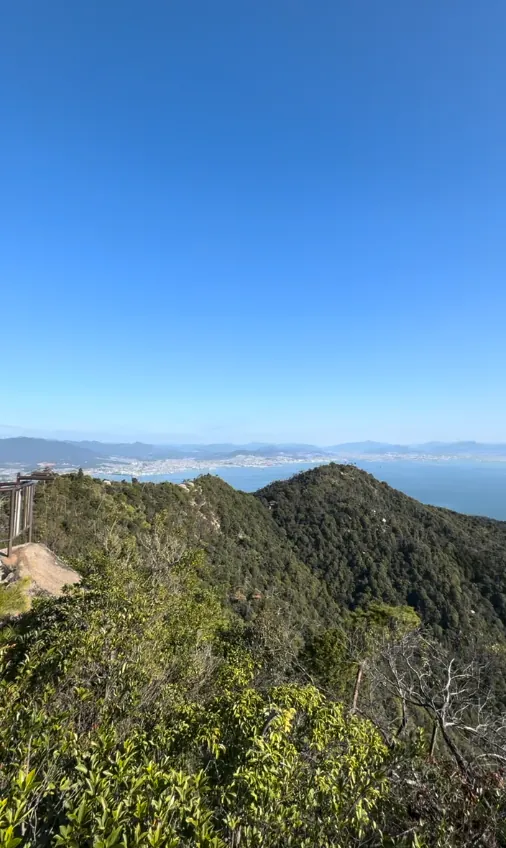
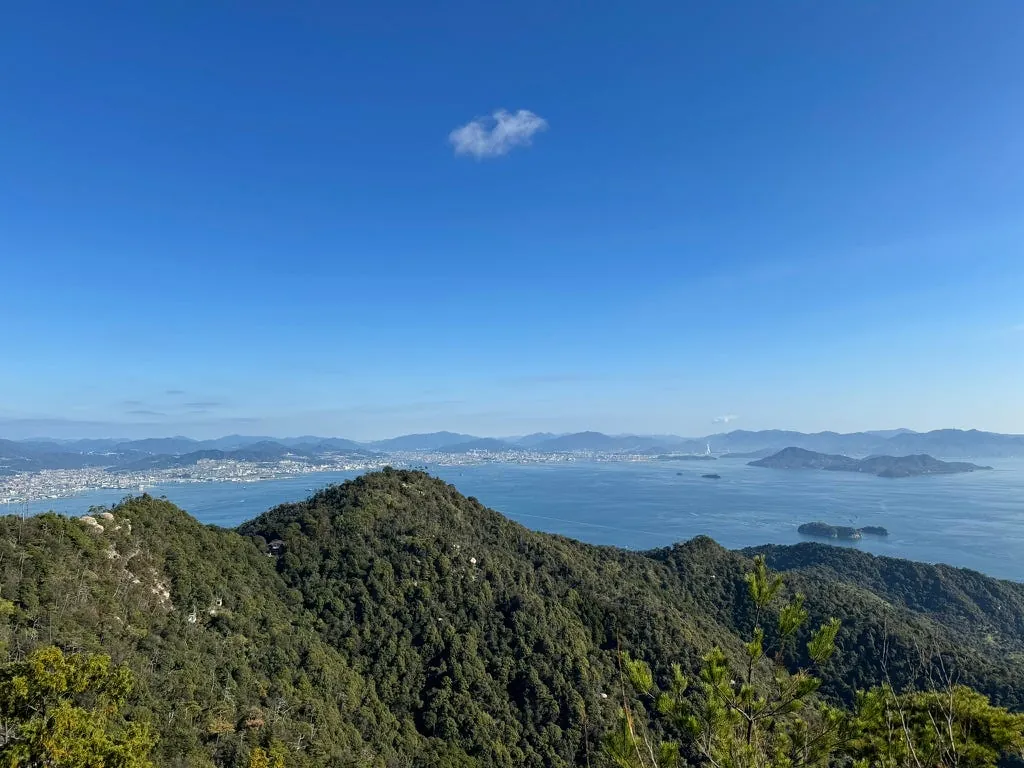
From the summit, you can overlook the entire Seto Inland Sea, enjoy the breeze, and watch the small islands—it’s very relaxing.
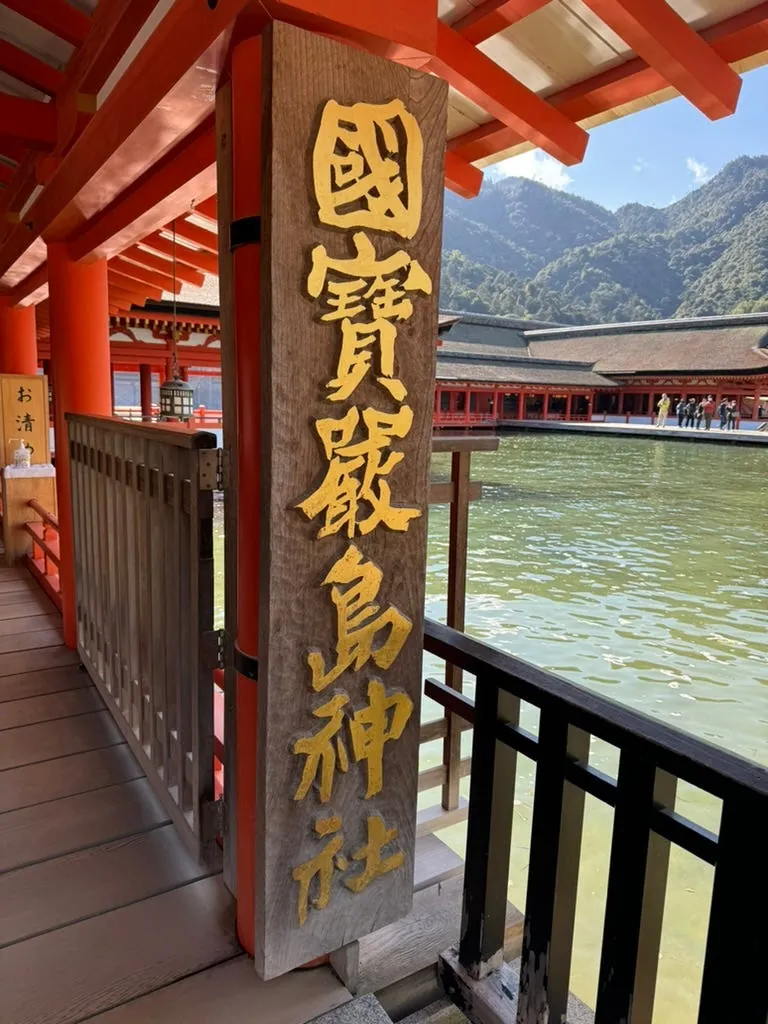
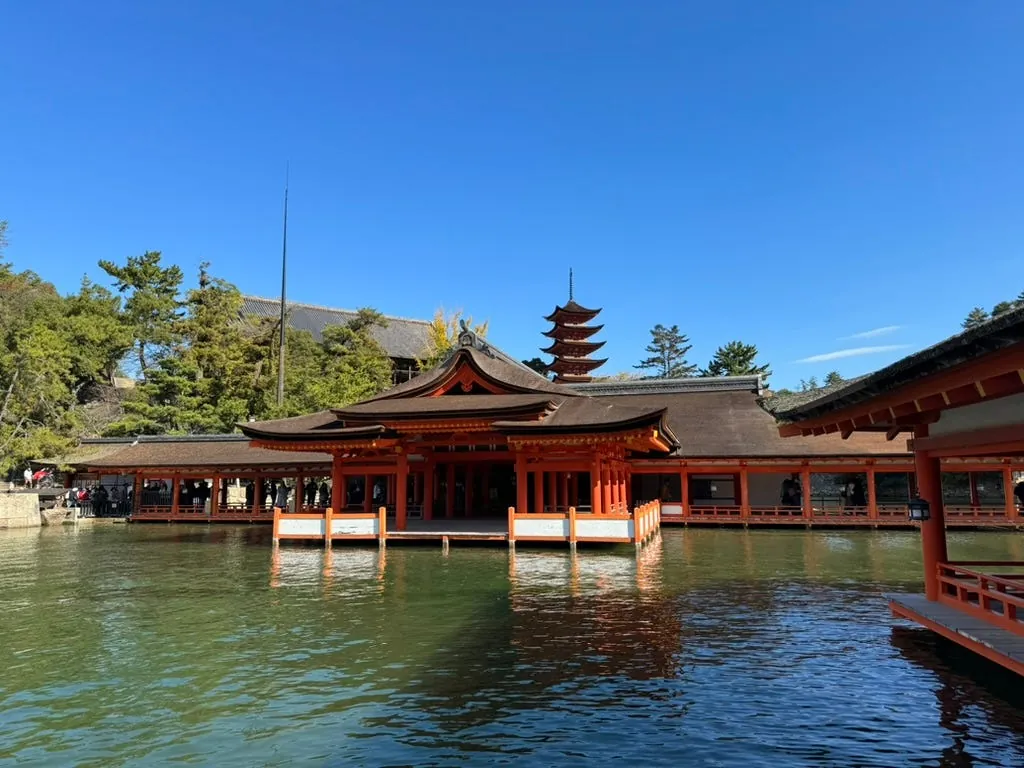
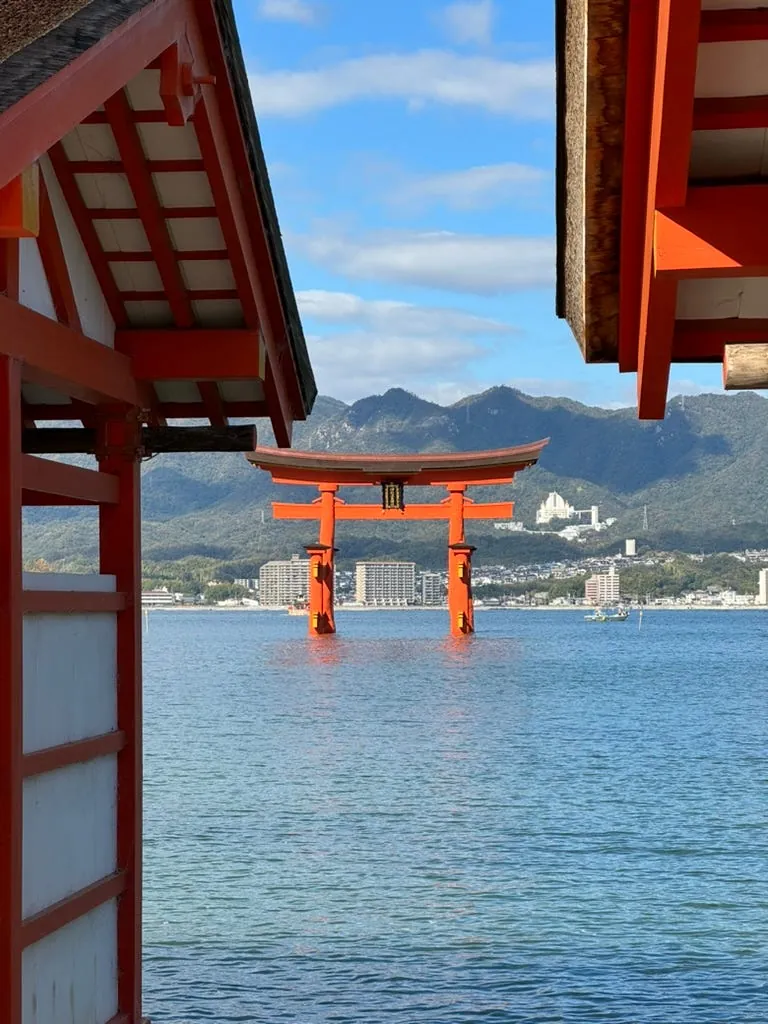
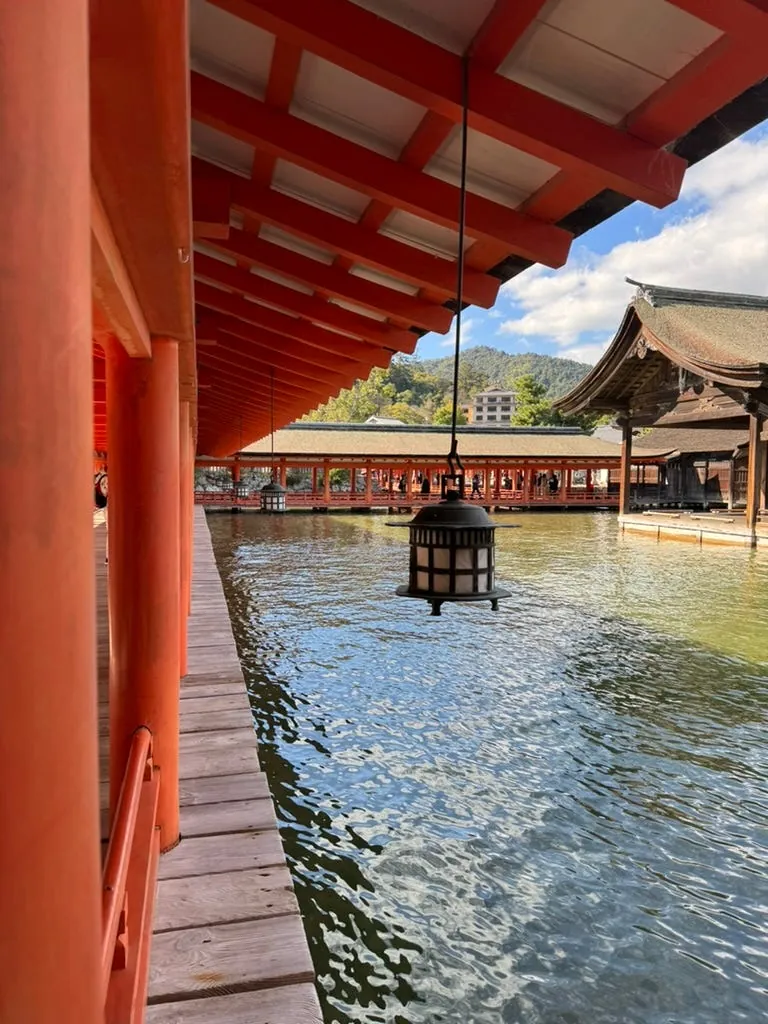
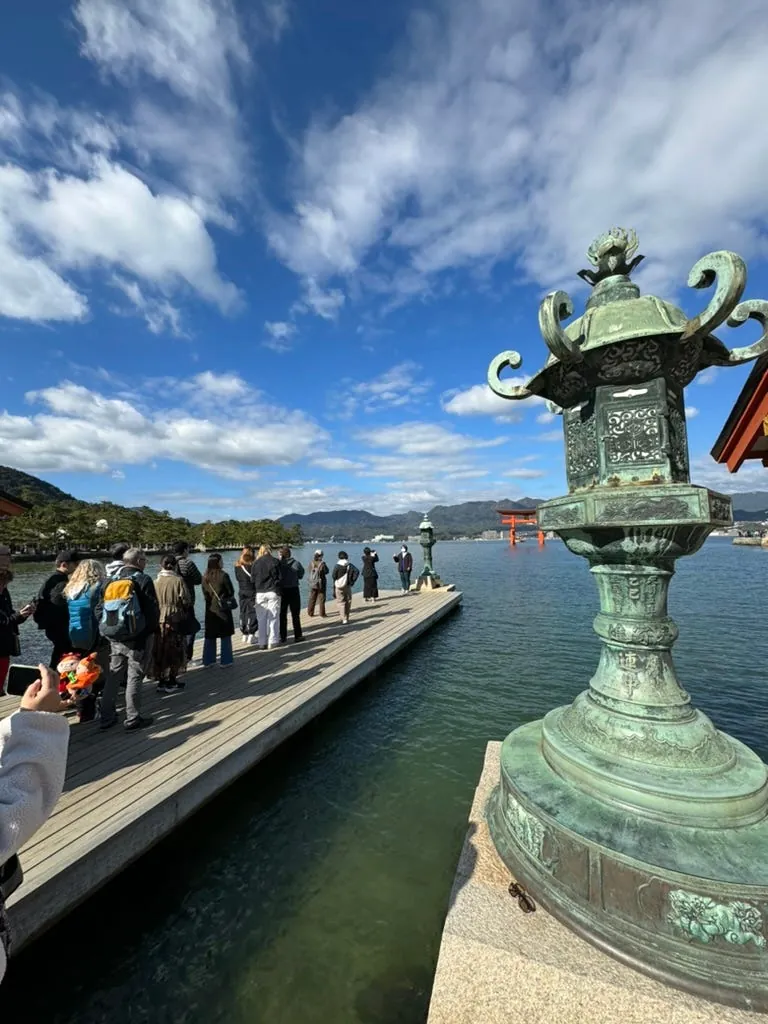
Itsukushima Shrine is built directly on the seaside, with very clean water, creating a peaceful atmosphere when walking around. You can also line up to take photos of the floating torii gate from the front.
The tide goes out around 3 AM or 5 PM during this season, so this time I didn’t get a chance to see the Itsukushima Shrine and torii gate at low tide.
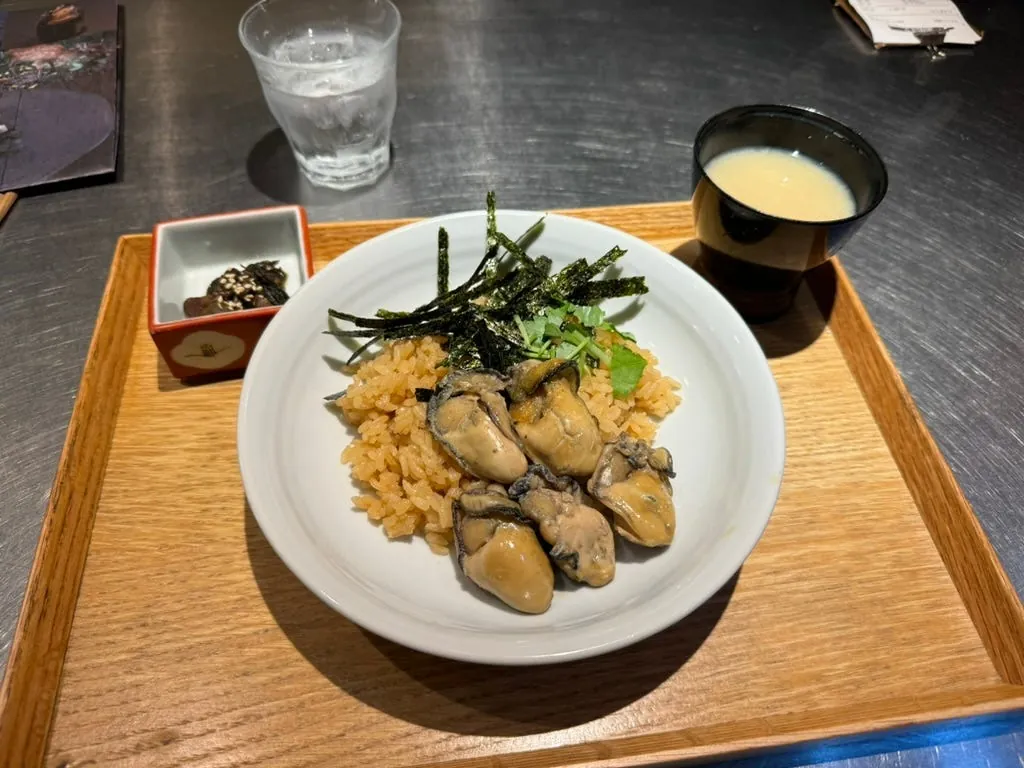
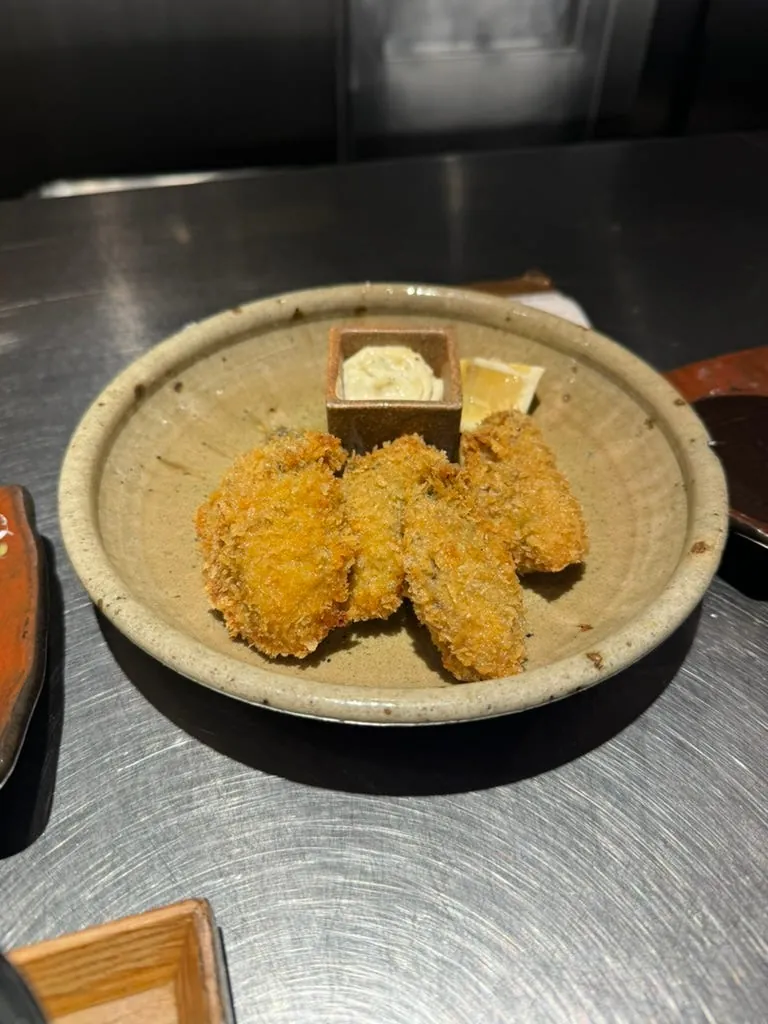
For lunch, of course, we had oysters. The oyster rice and fried oysters at Kakiya each cost just over 300 TWD. Delicious and affordable—oyster feast!
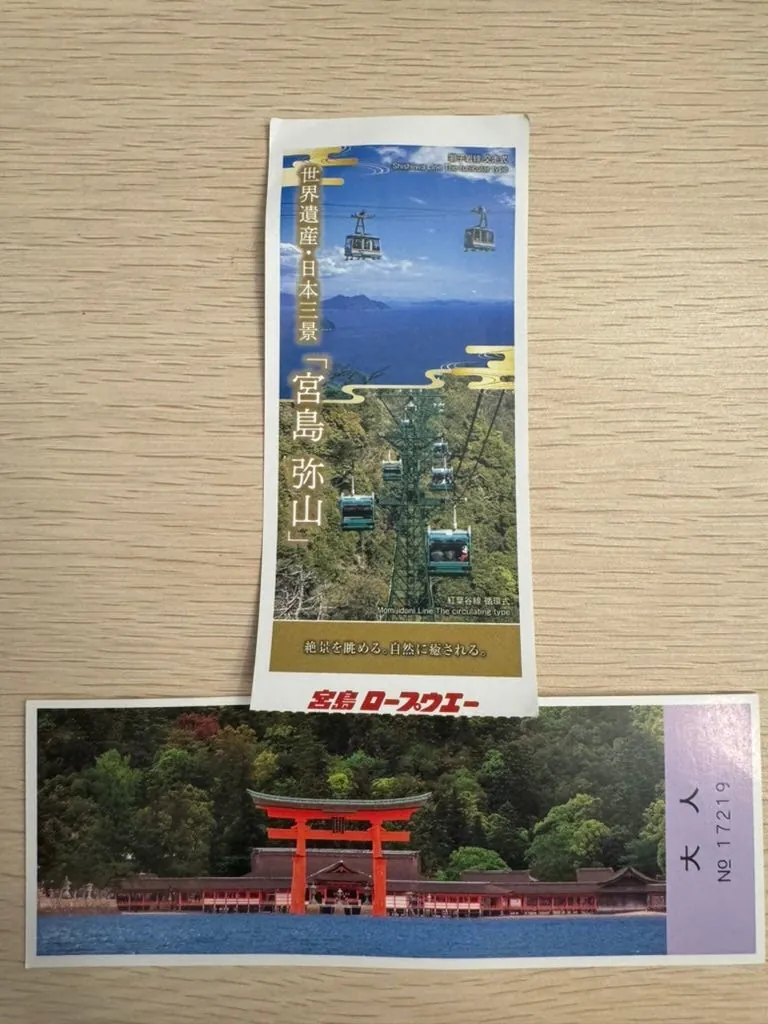
Miyajima Ropeway and Itsukushima Shrine Tickets.
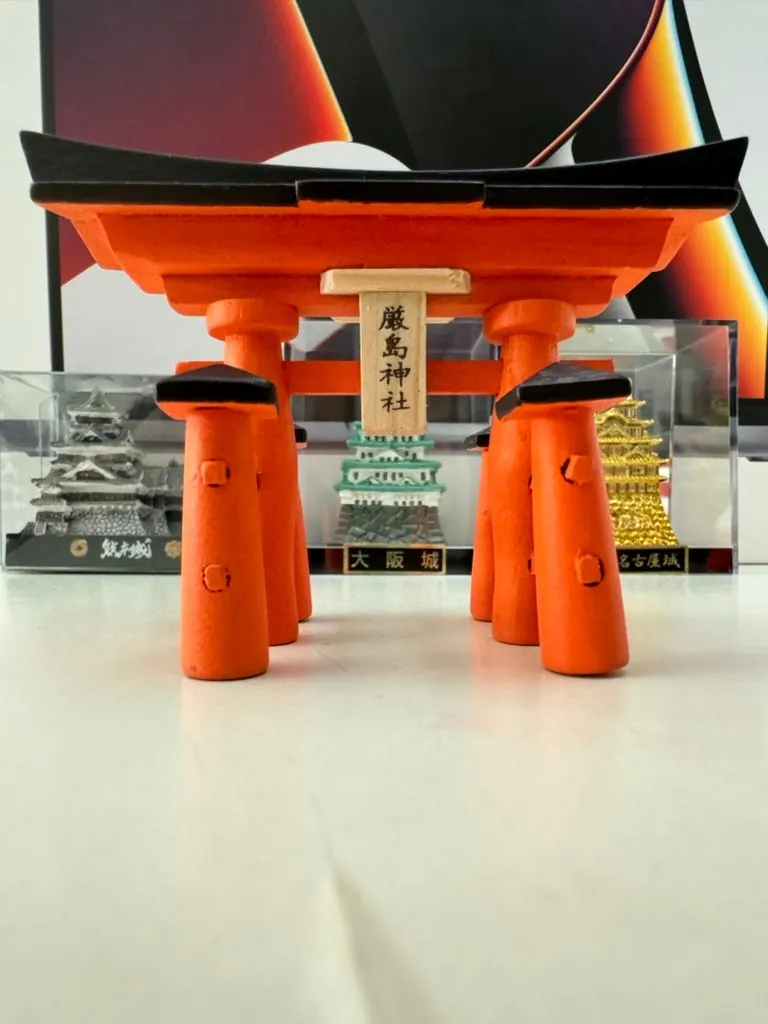
I bought a small Itsukushima Shrine torii gate to keep at home. It’s very cute!
Atomic Bomb Dome, Peace Memorial Park
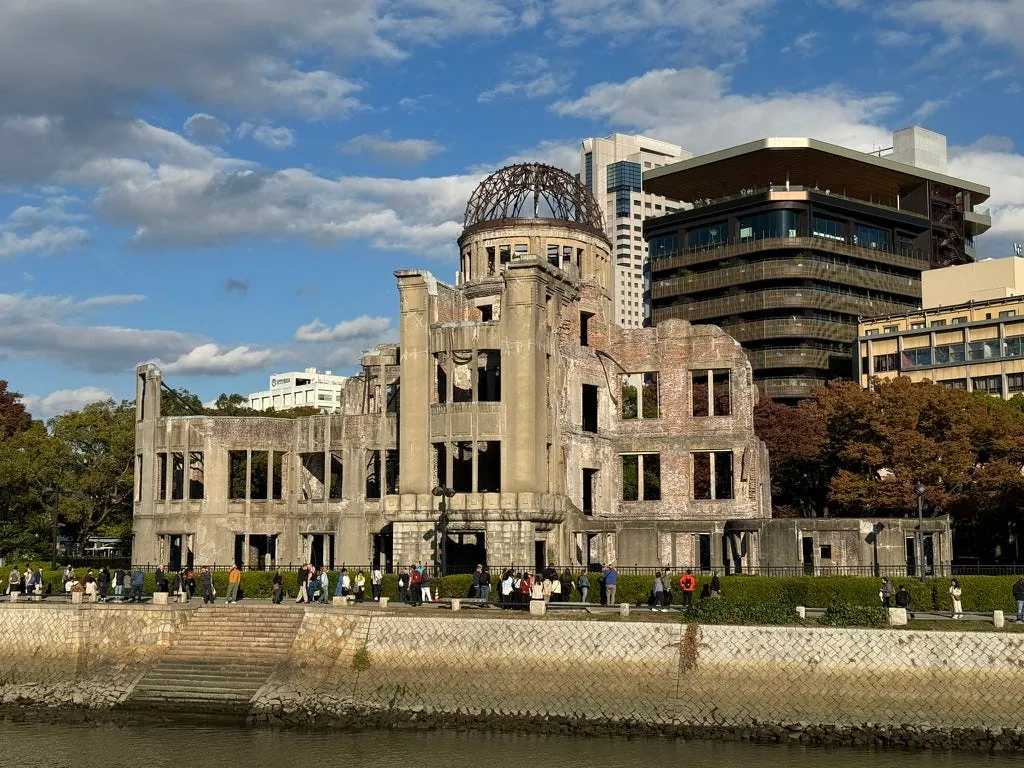
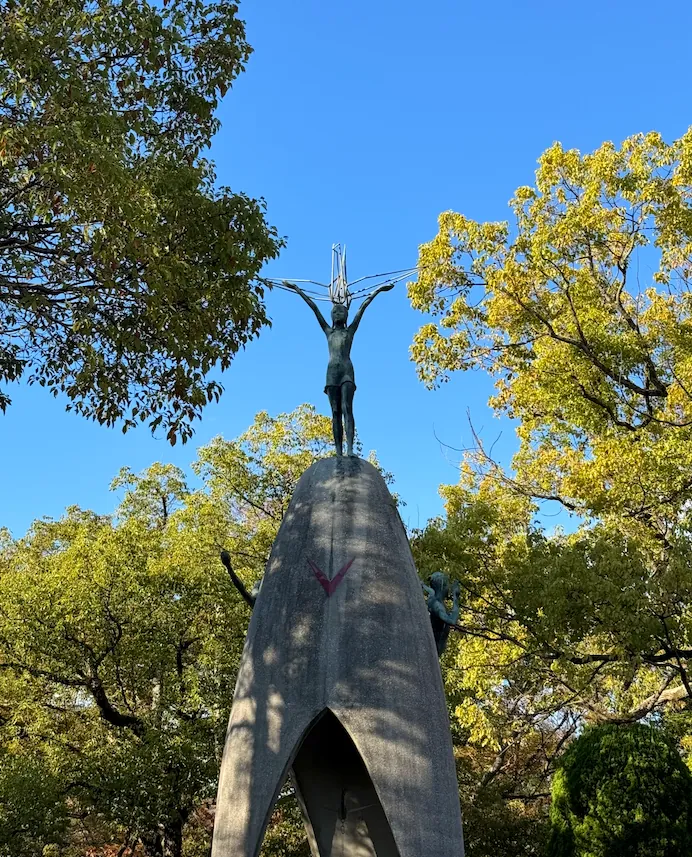
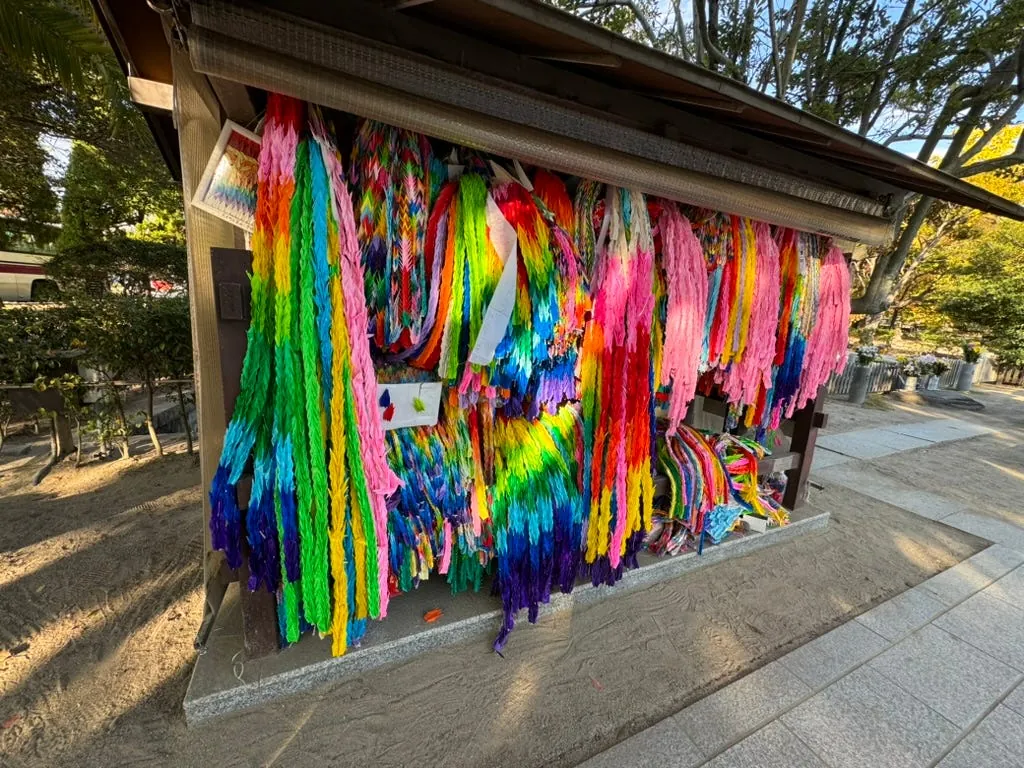
In the afternoon, return to Hiroshima city center to visit the Atomic Bomb Dome and Peace Memorial Park.
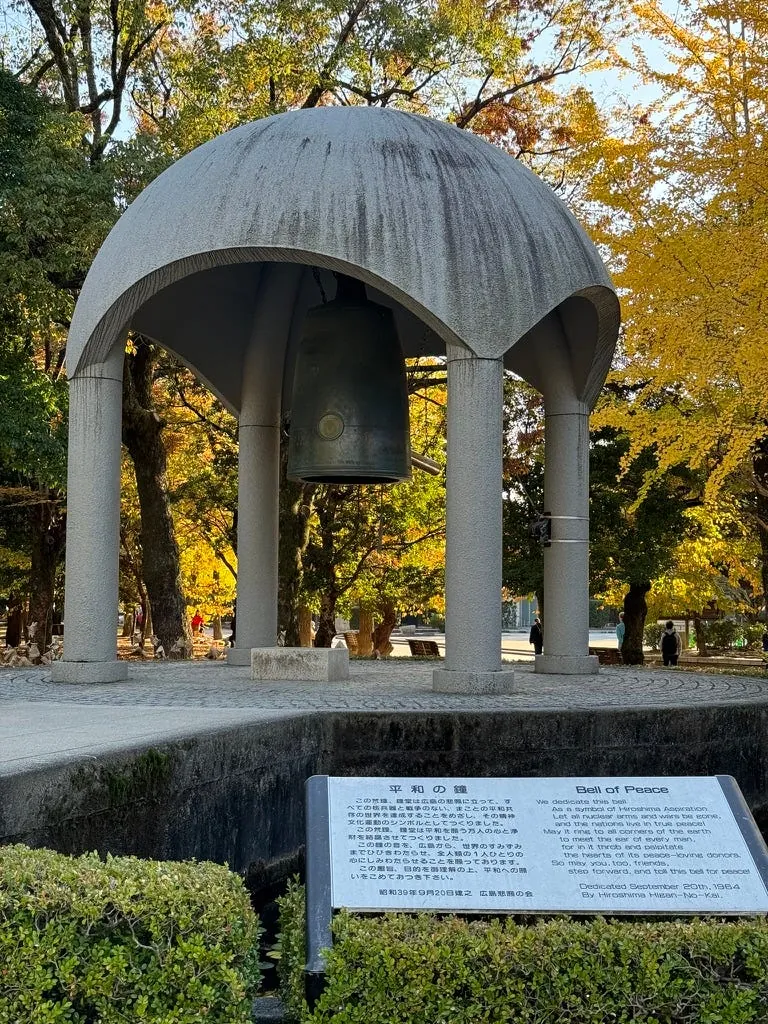
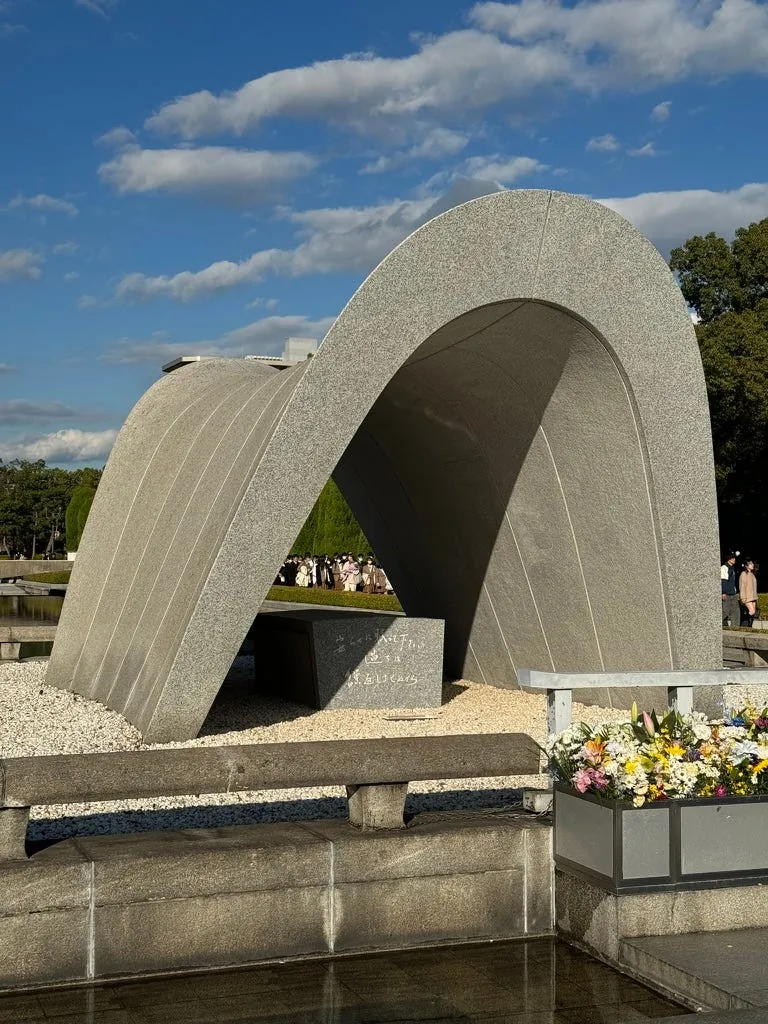
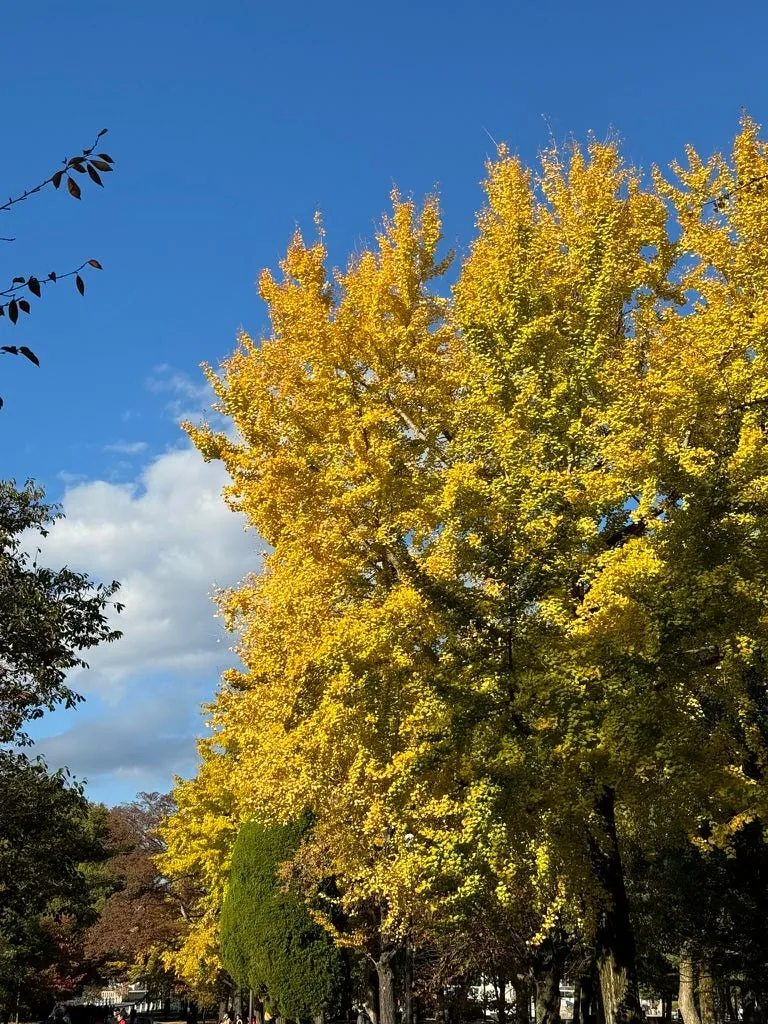
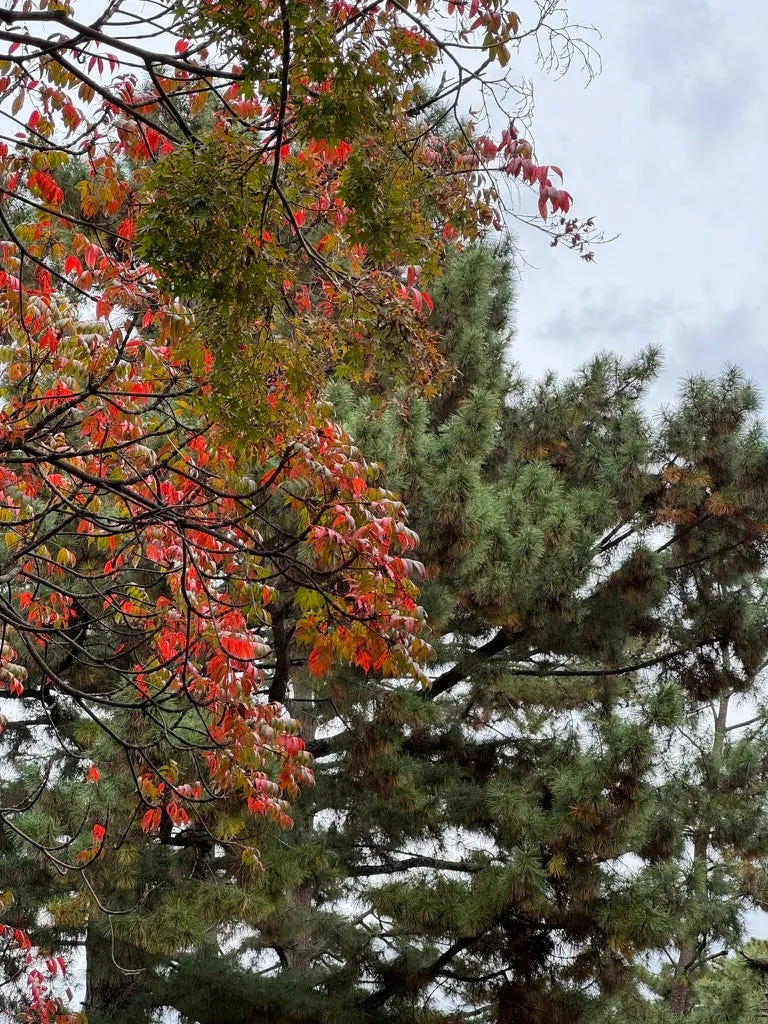
Autumn in Hiroshima features the yellow ginkgo leaves, red maple leaves, and some green foliage, all complemented by the cool autumn breeze, evoking memories of everything that once happened in Hiroshima.
At the Peace Memorial Park, I saw many Japanese elementary and middle school outdoor classes, with teachers explaining the history. It deeply impressed me how much the Japanese value historical education and heritage.
Return to the hotel
Returned to the hotel to rest near evening because I was wearing too little and it was very cold outside.
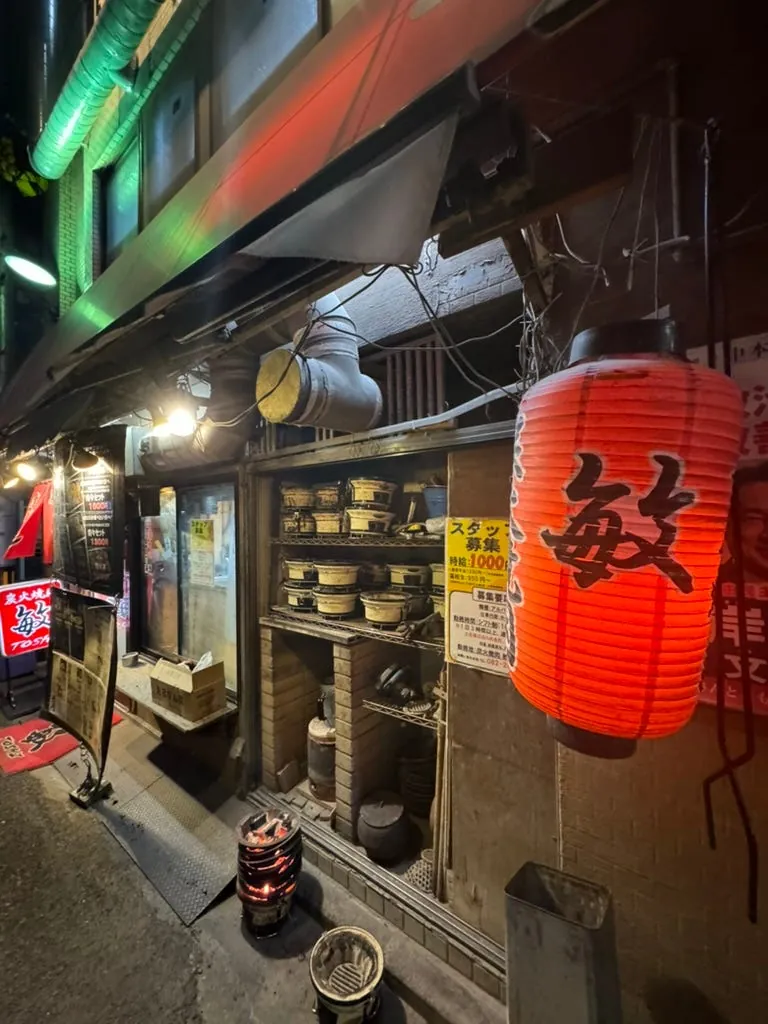
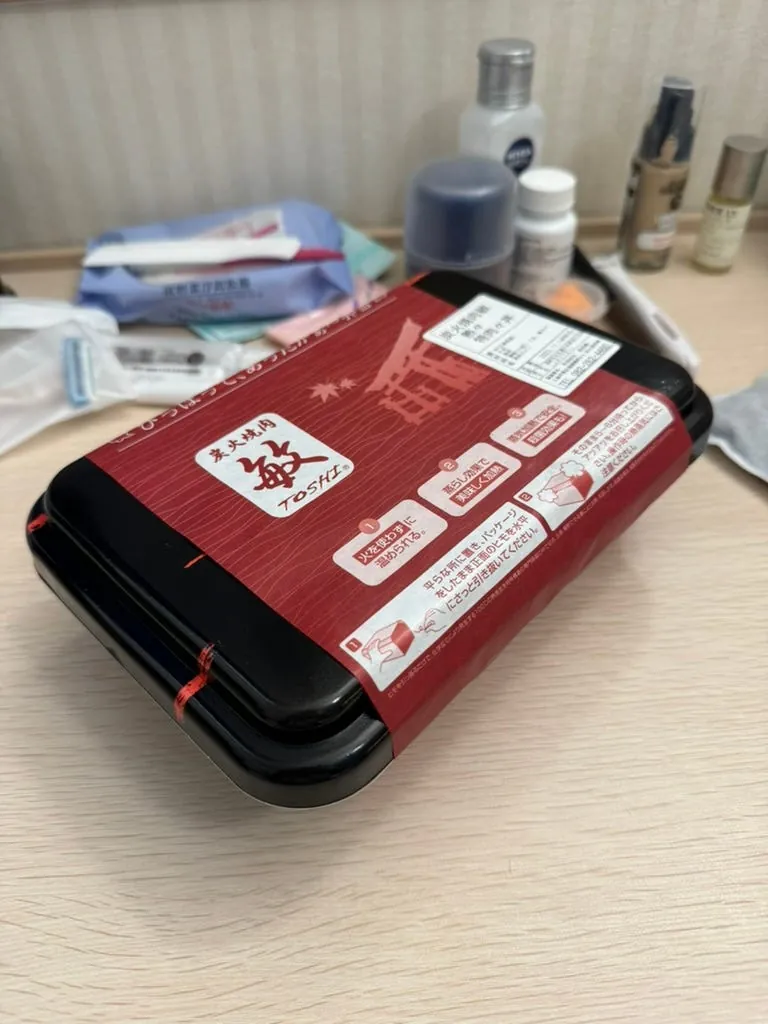
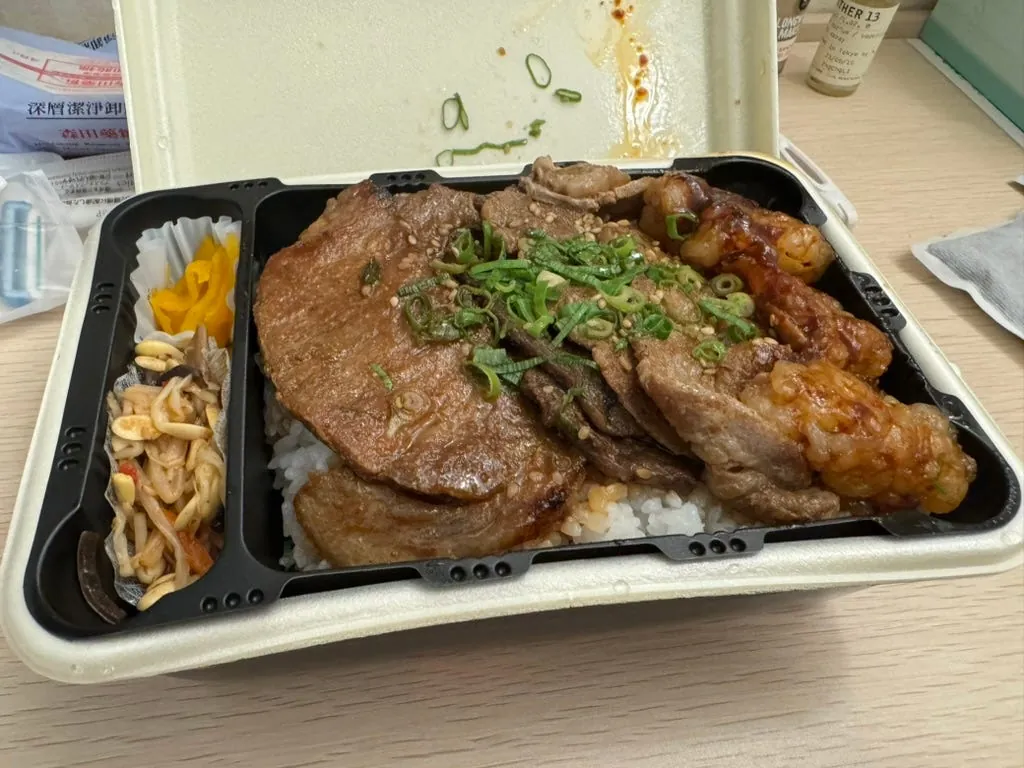
For dinner, I bought a takeout yakiniku bento from “ Sumibiyaki Yakiniku Bin Enkobashi Branch” on the way back to the hotel. What initially caught my eye was the charcoal grills displayed at the entrance, which gave off a warm feeling. I stopped to check the sign and saw they offered takeout bento, so I went inside!
Another novel feature is that his lunch box has a self-heating function. When you want to eat it back at the hotel, just pull the string, and it will start heating itself, releasing hot steam; no matter when you eat it, it feels freshly cooked and warm. Very thoughtful.
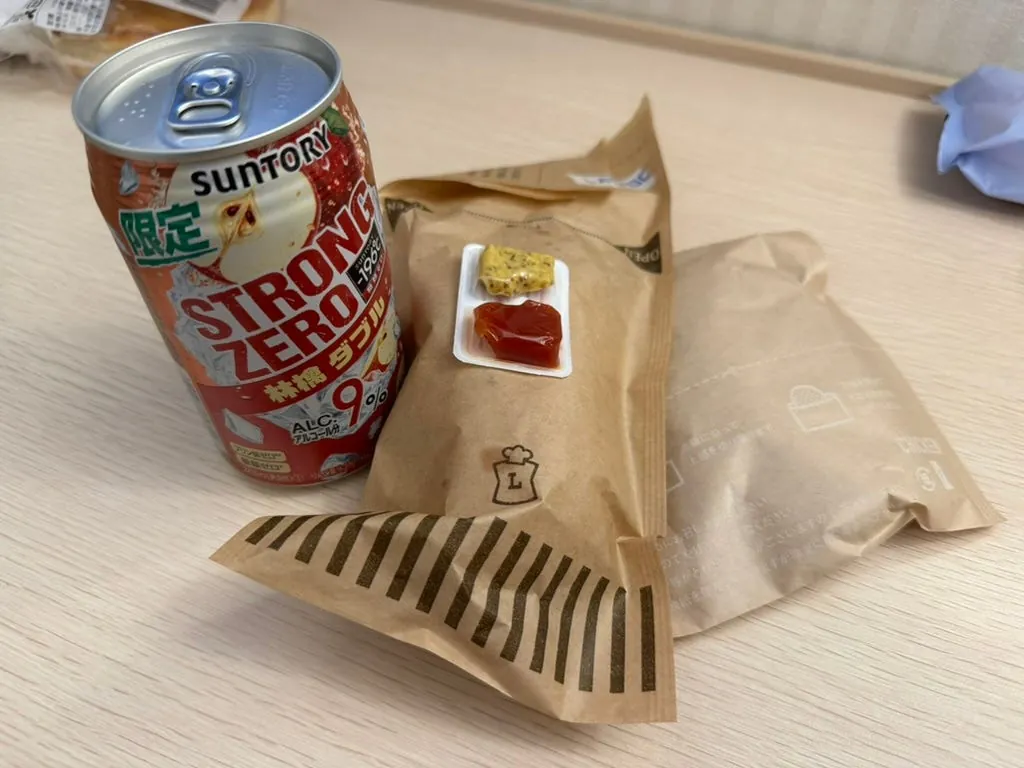
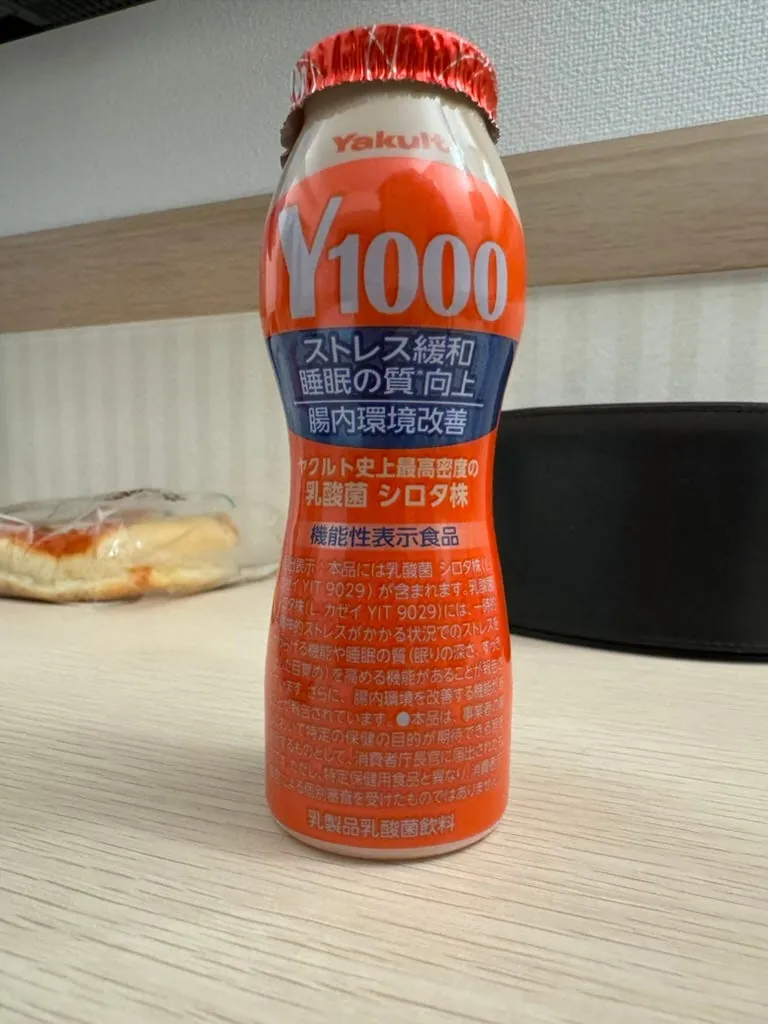
Tonight’s convenience store late-night snack: hot dog, fried chicken, Strong Zero, and I also bought a bottle of Yakult Y1000, which claims to help you sleep well after drinking it. (But after walking all day today, I was already very sleepy.)
Day 3 Onomichi, Senkoji, Fukuyama, Tomonoura
In the morning, take the Shinkansen to Mihara, then transfer to a train to Onomichi Station.
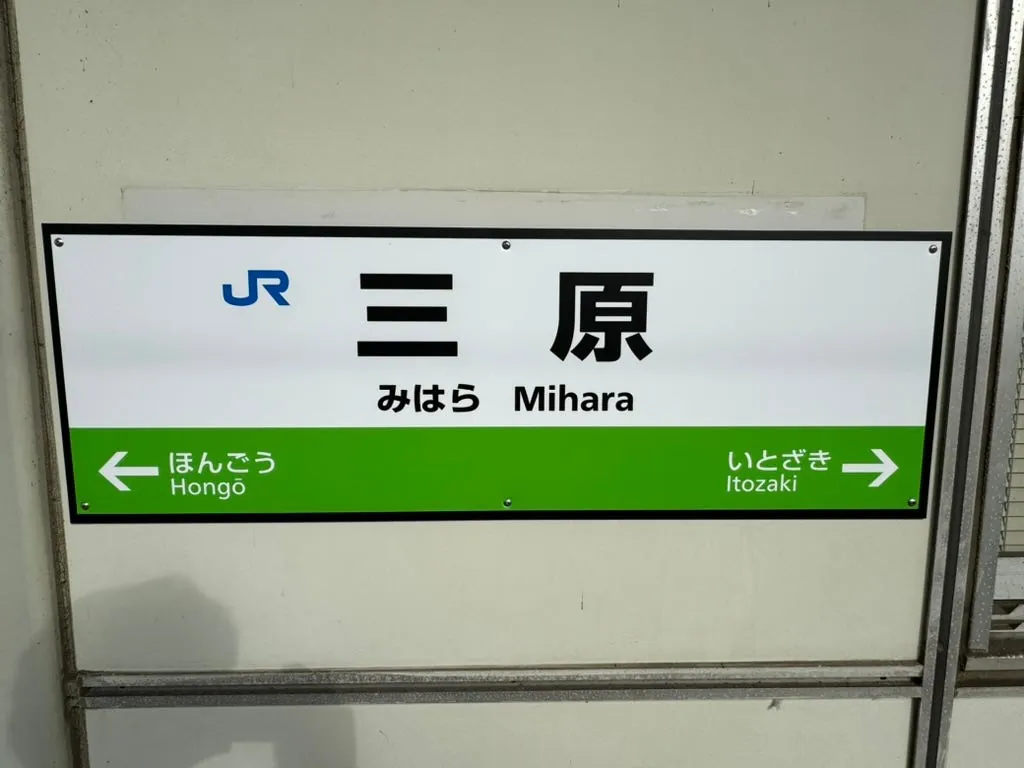
The timing was off, and I ended up waiting over 30 minutes when transferring from Mihara to Onomichi.
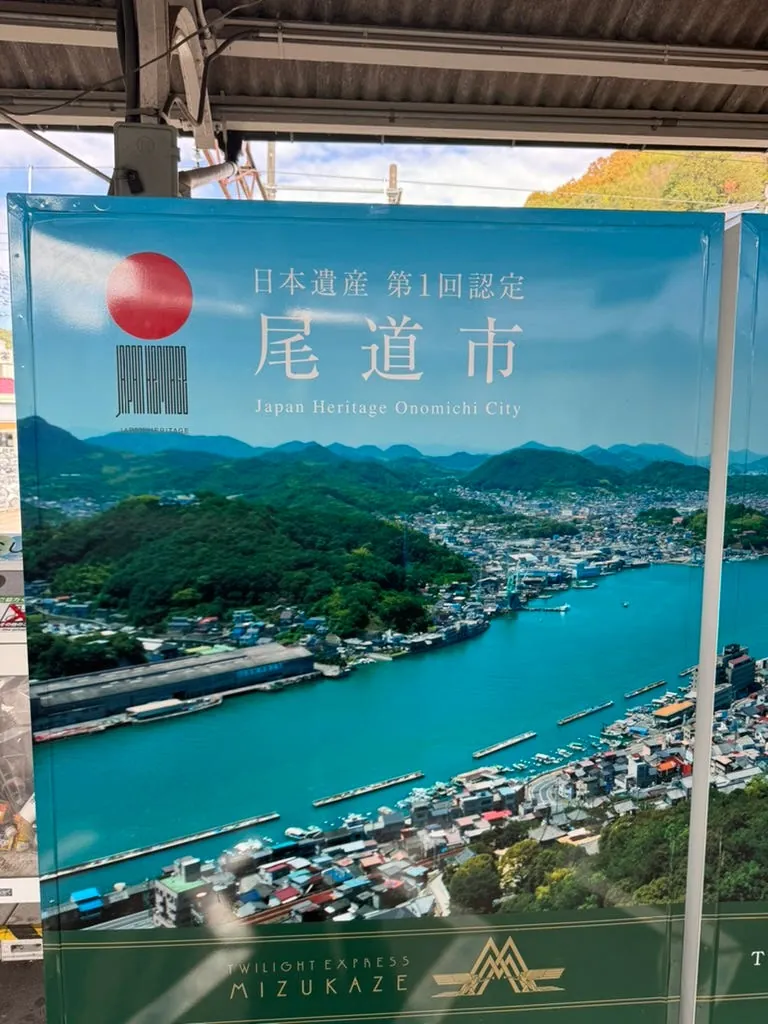
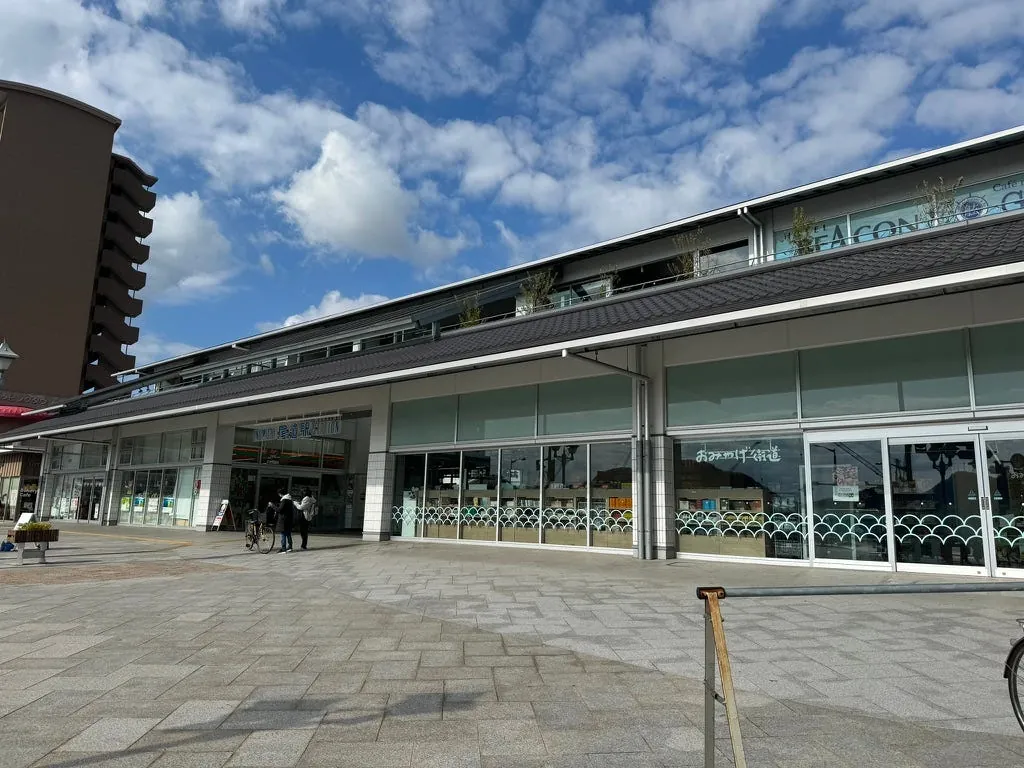
Exit Onomichi Station through the south exit and walk out the main entrance.
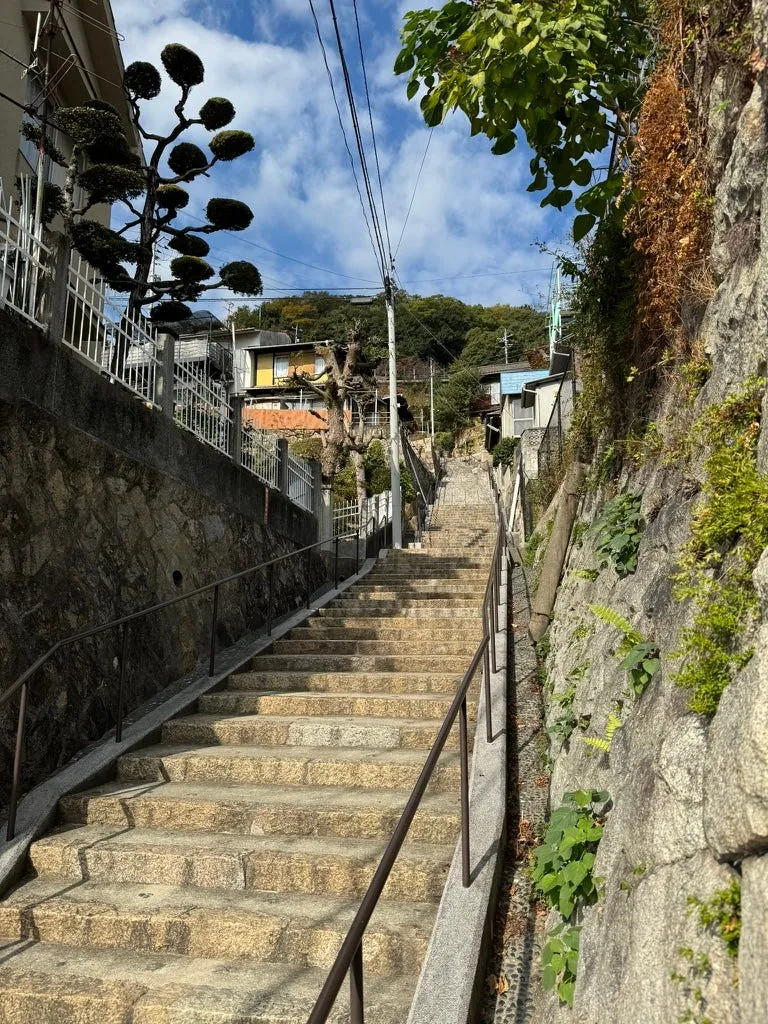
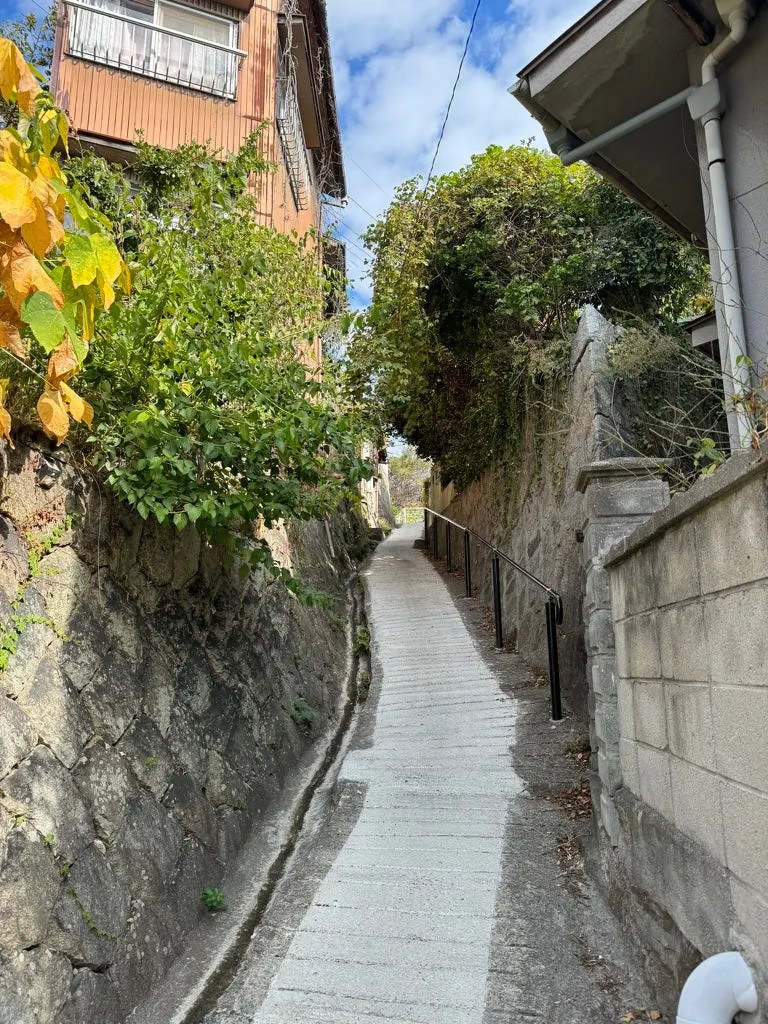
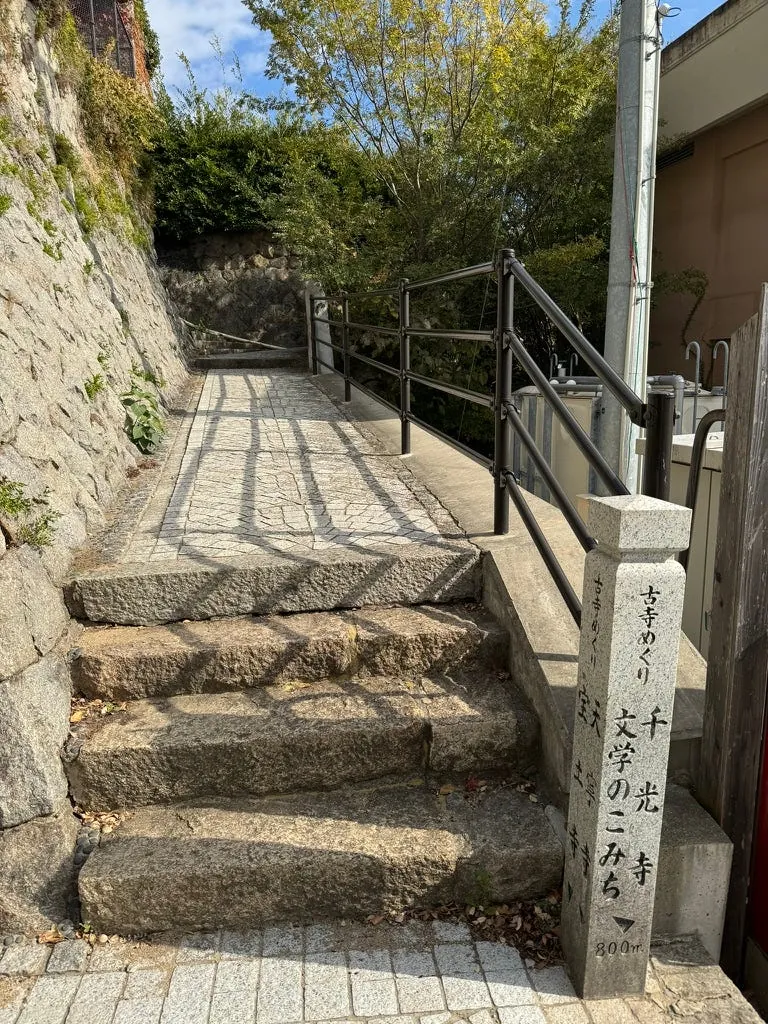
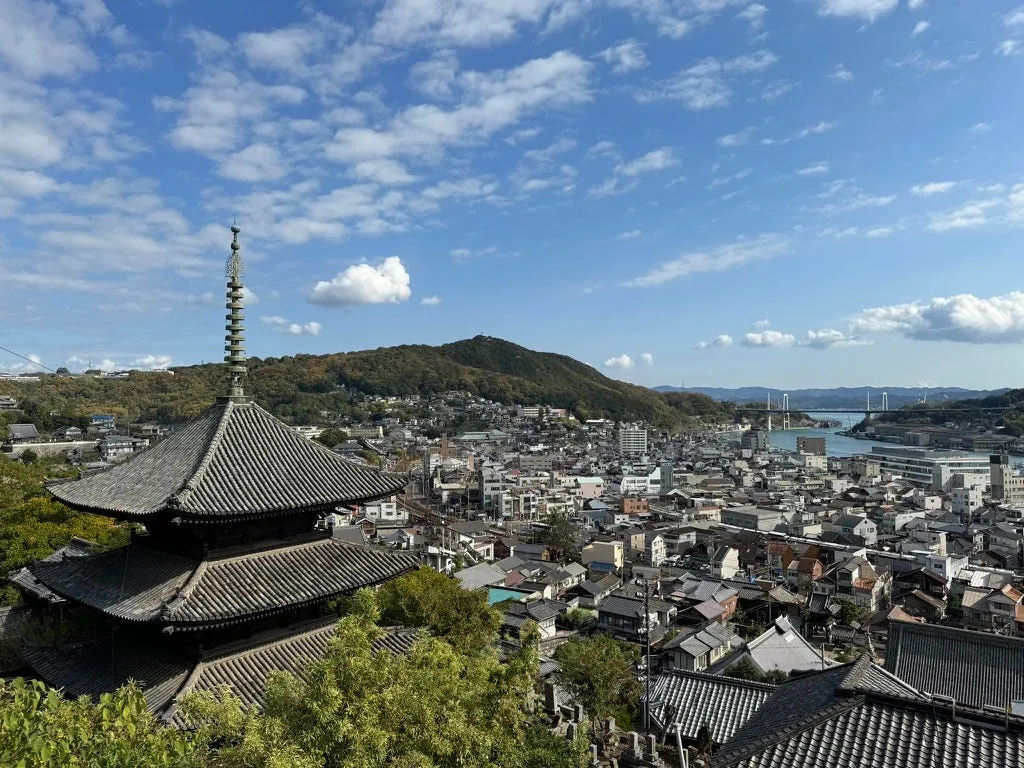
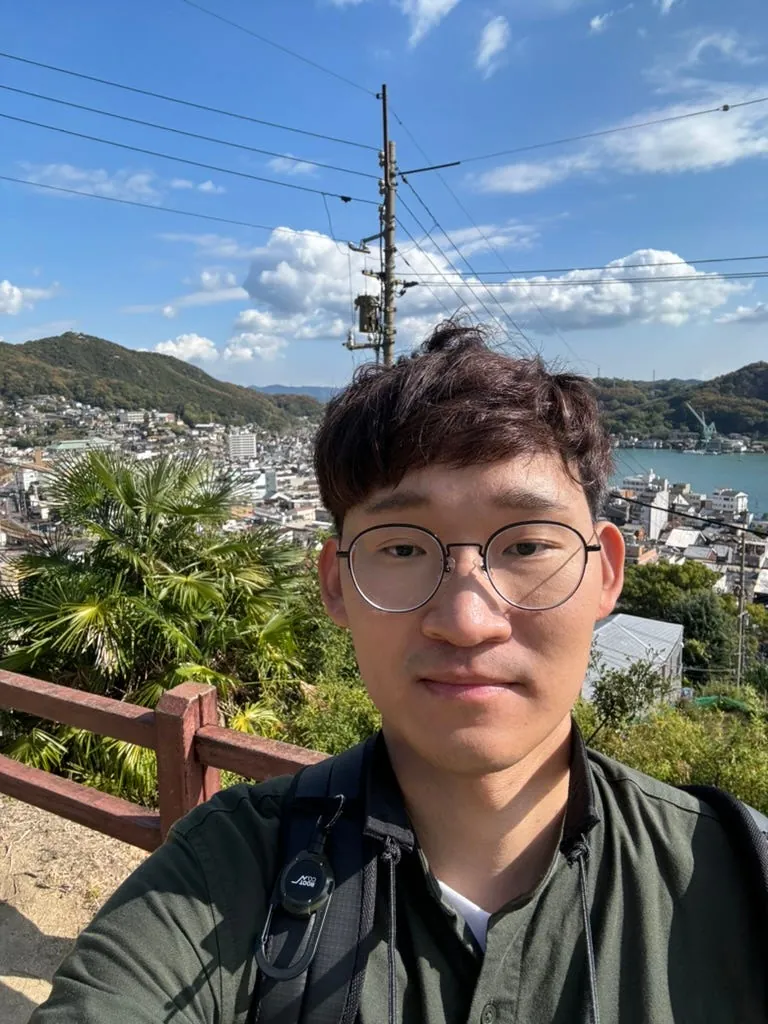
The weather was good and the temperature was comfortable. After leaving Onomichi Station, I headed straight to Senkoji Temple. Walking on the mountain side felt like being in Jiufen mountain town. The path was not easy, with many stairs and steep slopes going up. Looking to the other side, you can see the Seto Inland Sea of Onomichi, which offers a nice view.
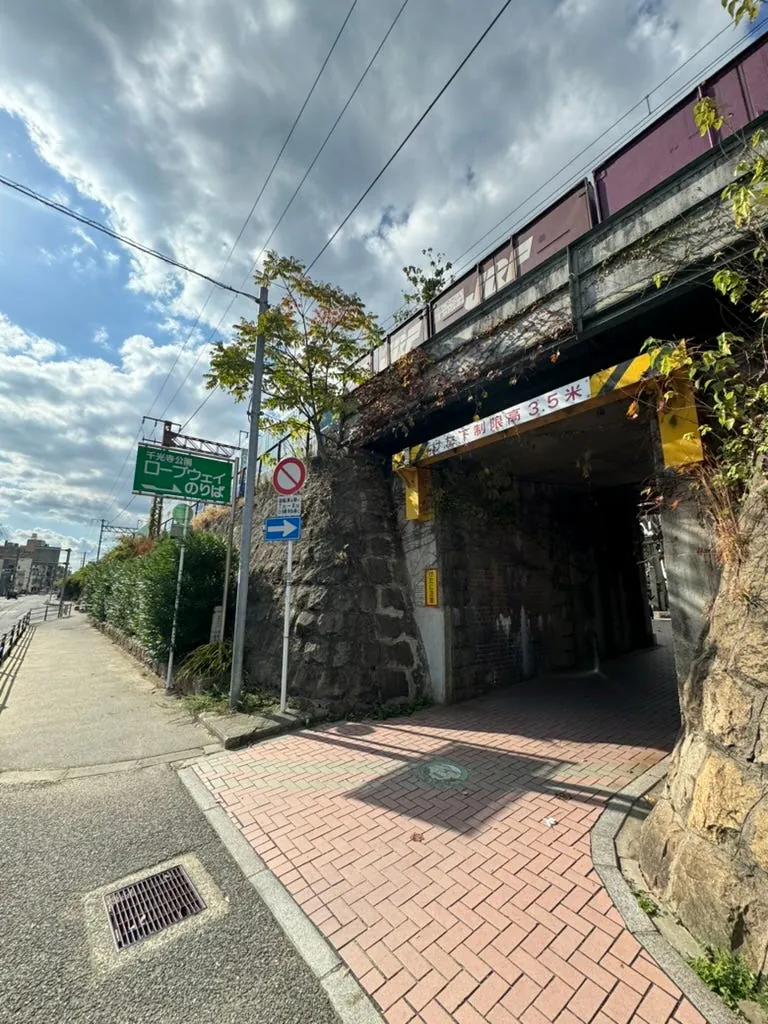
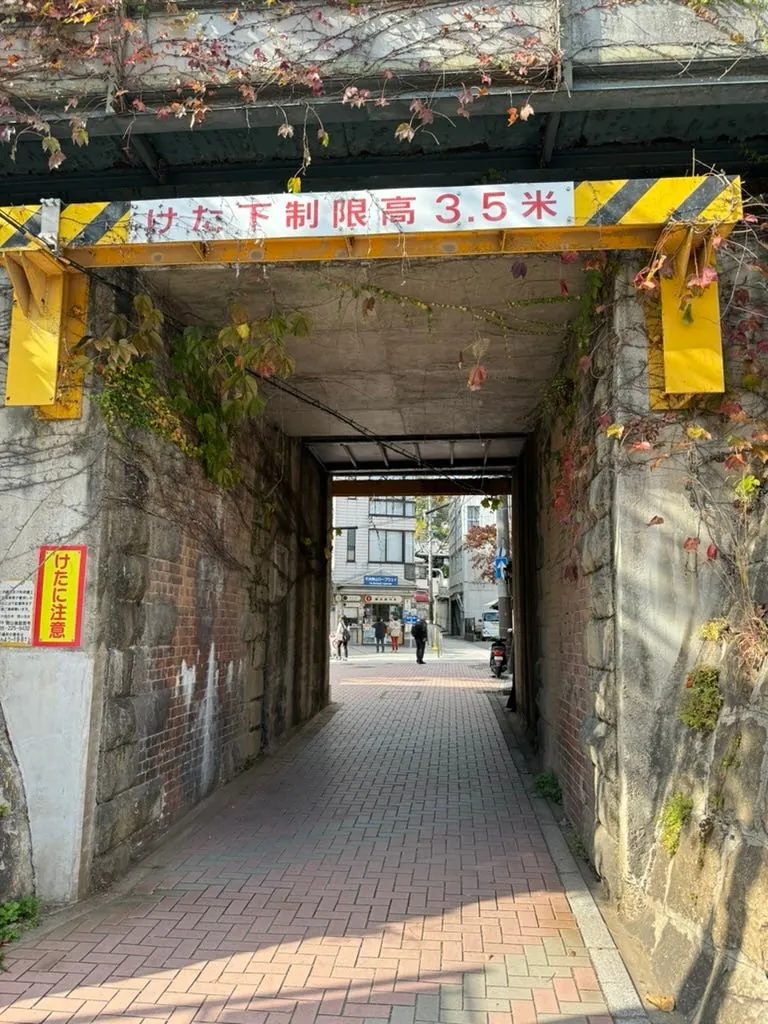
Another option is to walk along the main road until you see the sign for the Senkoji Ropeway. Turn in there, and you can take the ropeway directly up to Senkoji.
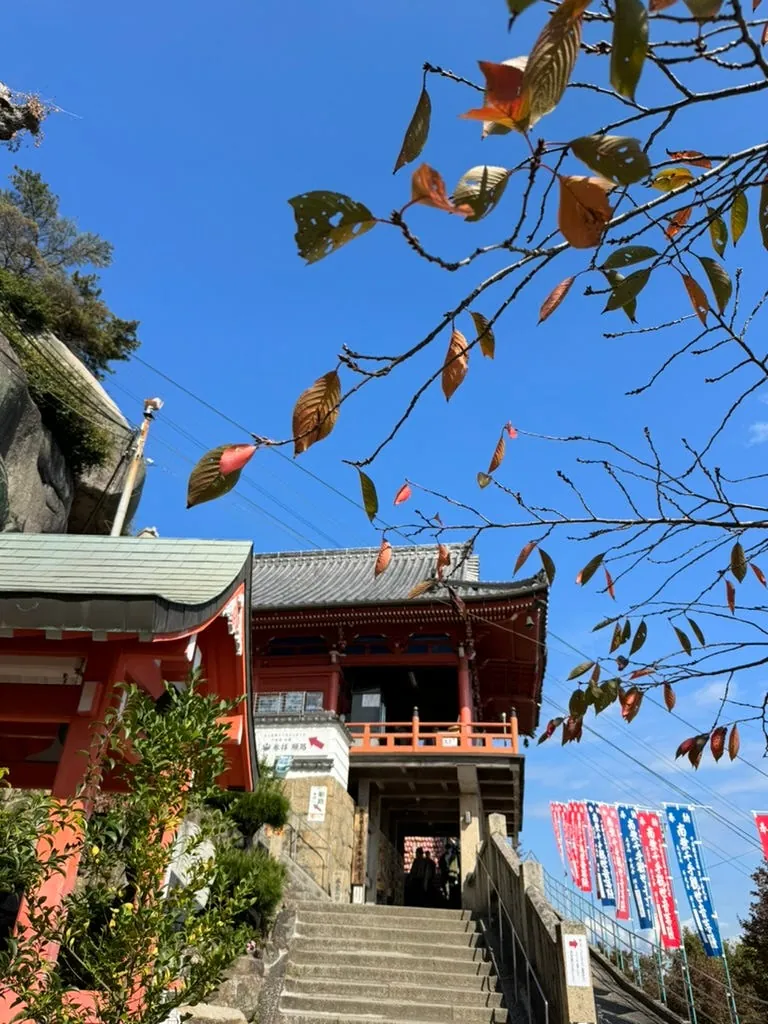
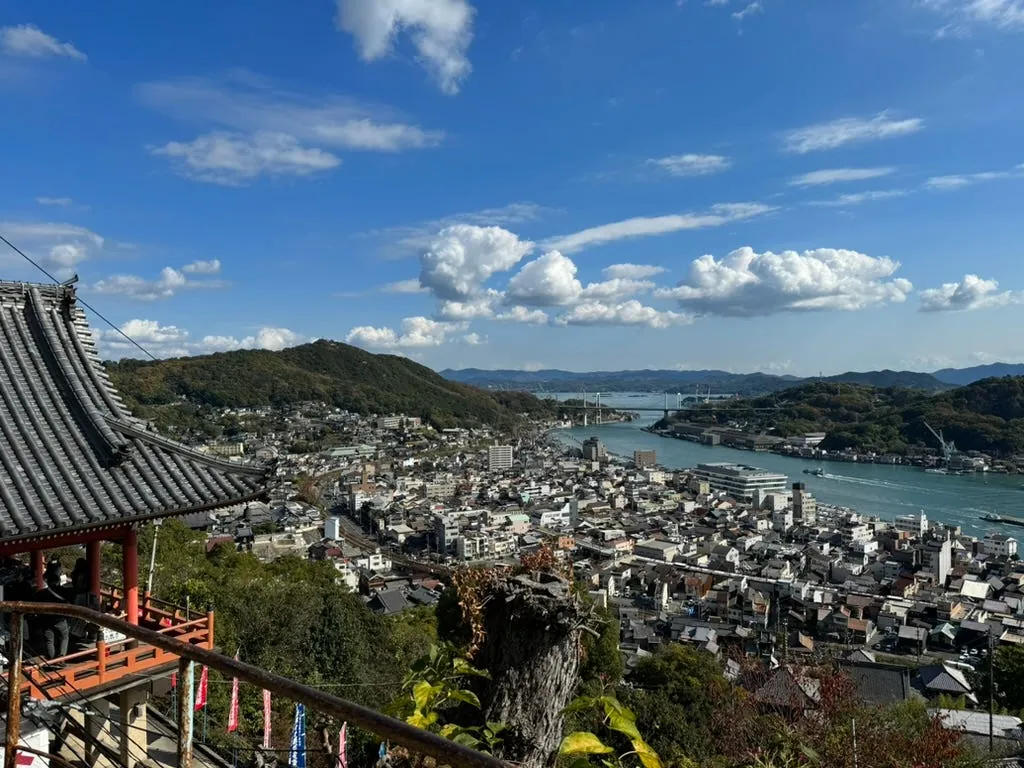
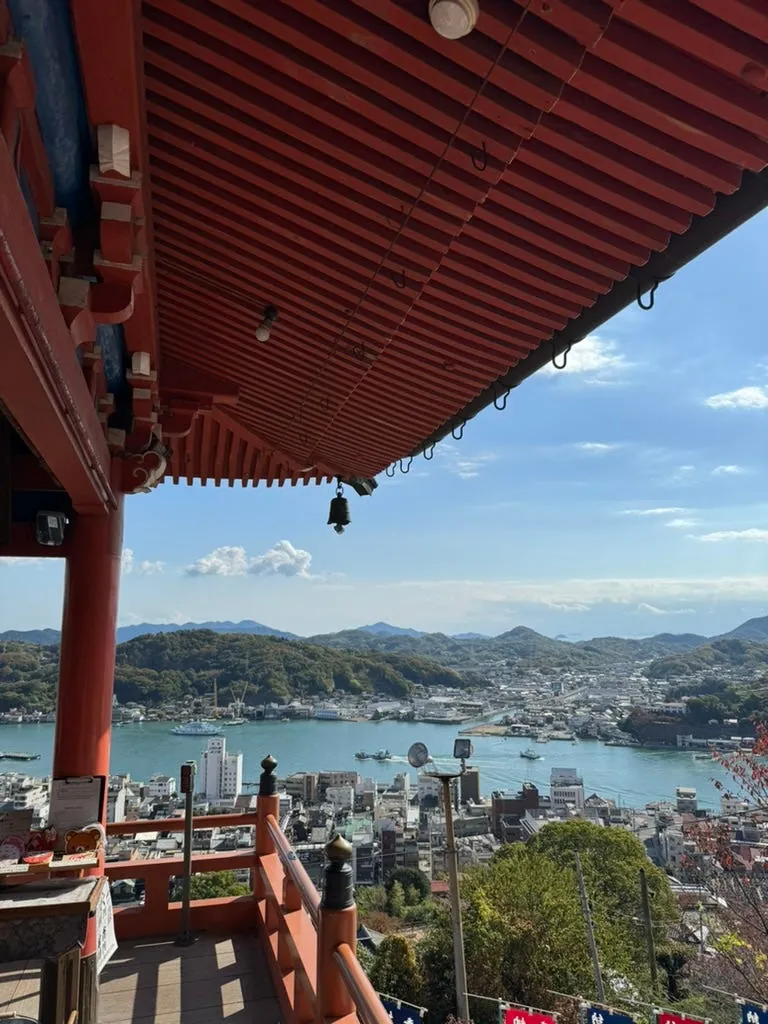
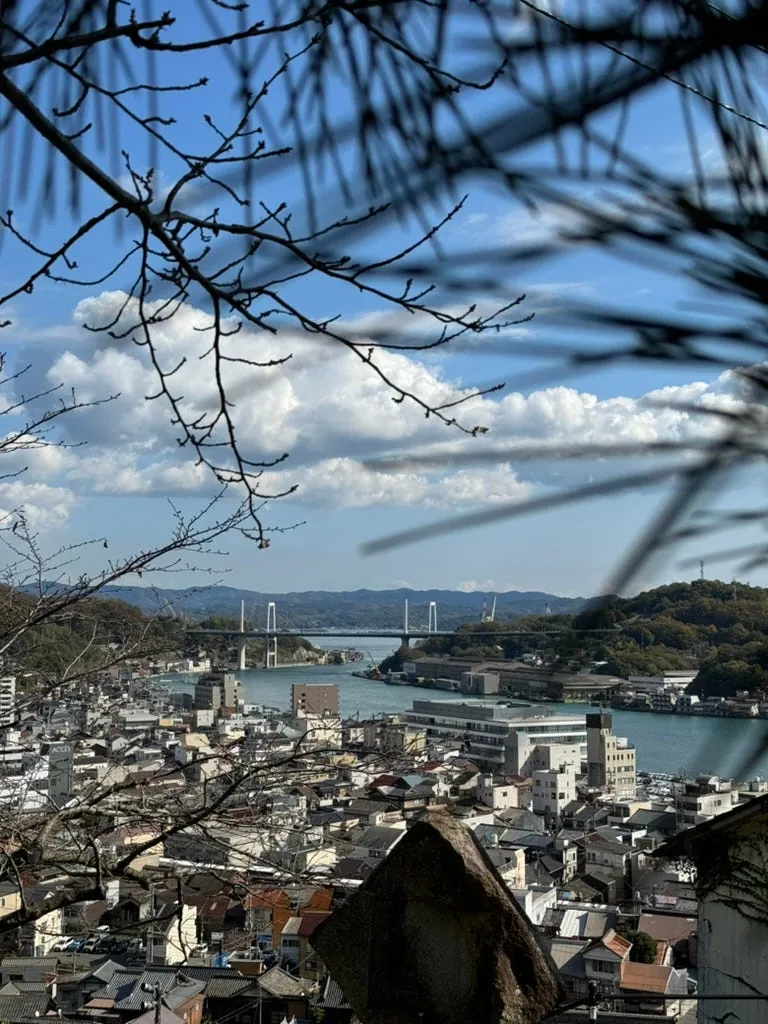
The view from Senkoji Temple is great, offering a bird’s-eye view of the entire Onomichi city and the distant Onomichi Bridge.
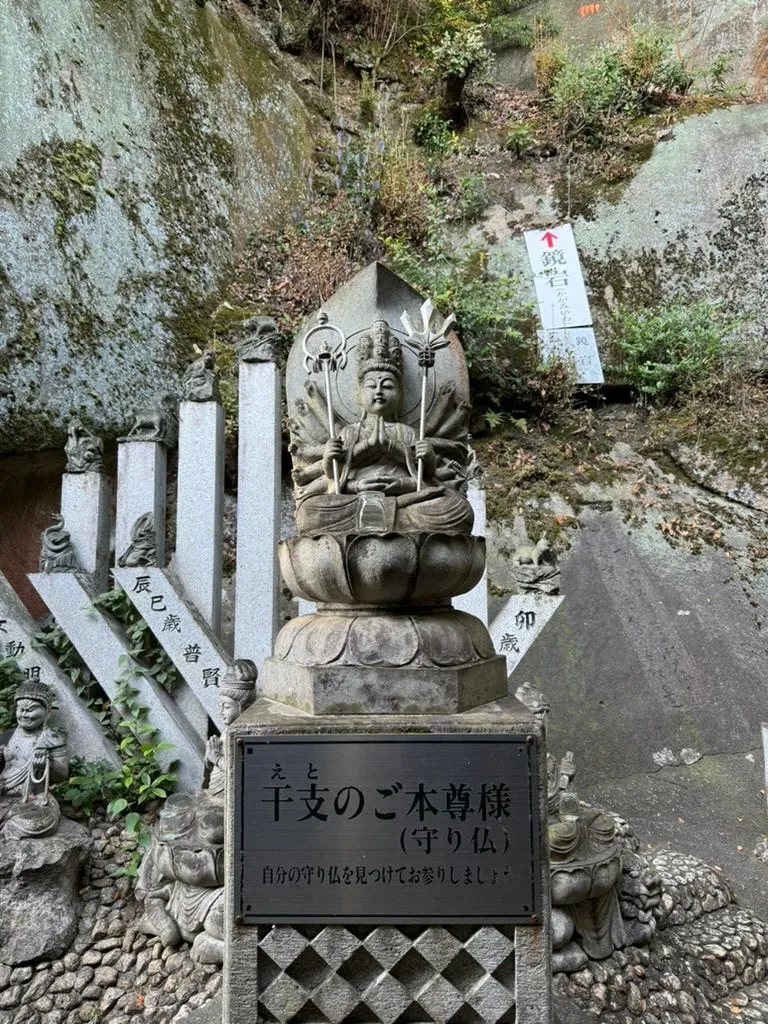
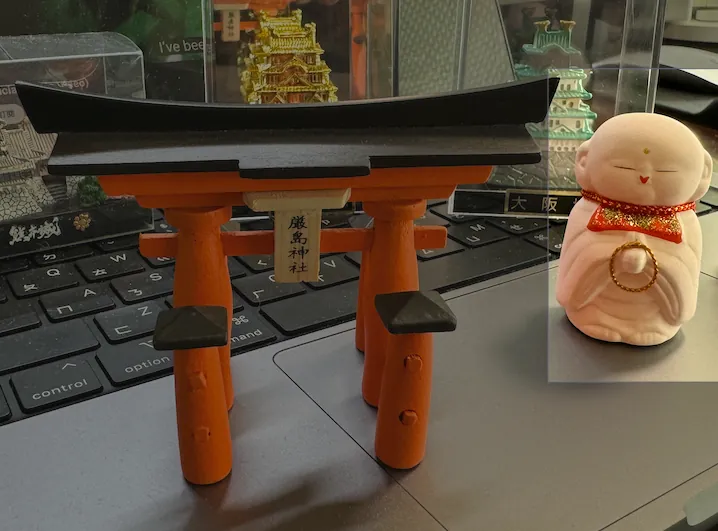
I brought home a cute little Jizo statue (you can choose to write a wish and leave it at Senkoji Temple for offering or take it home as a keepsake):
After visiting Senkoji Temple, walking down leads to the Cat Alley.
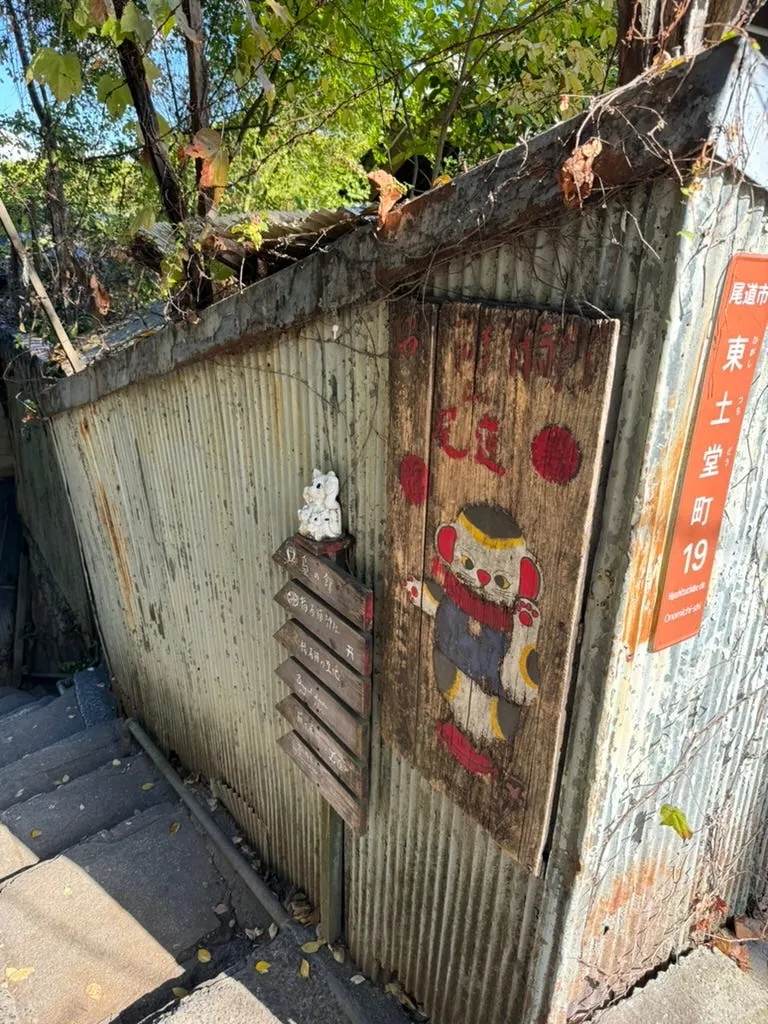
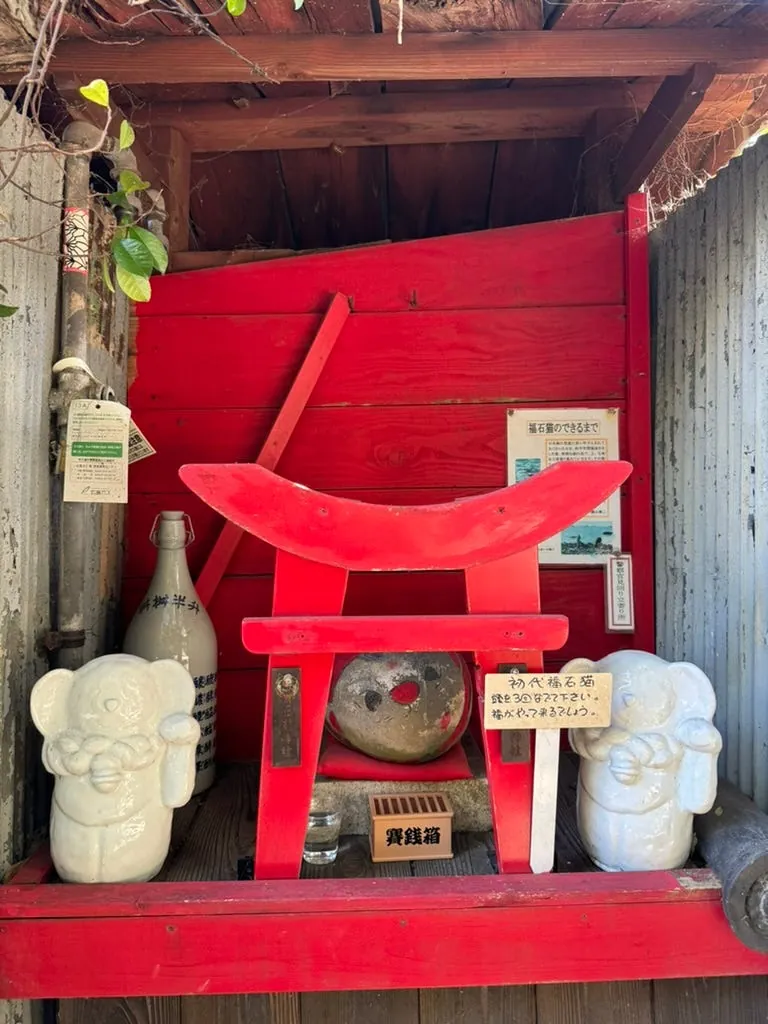
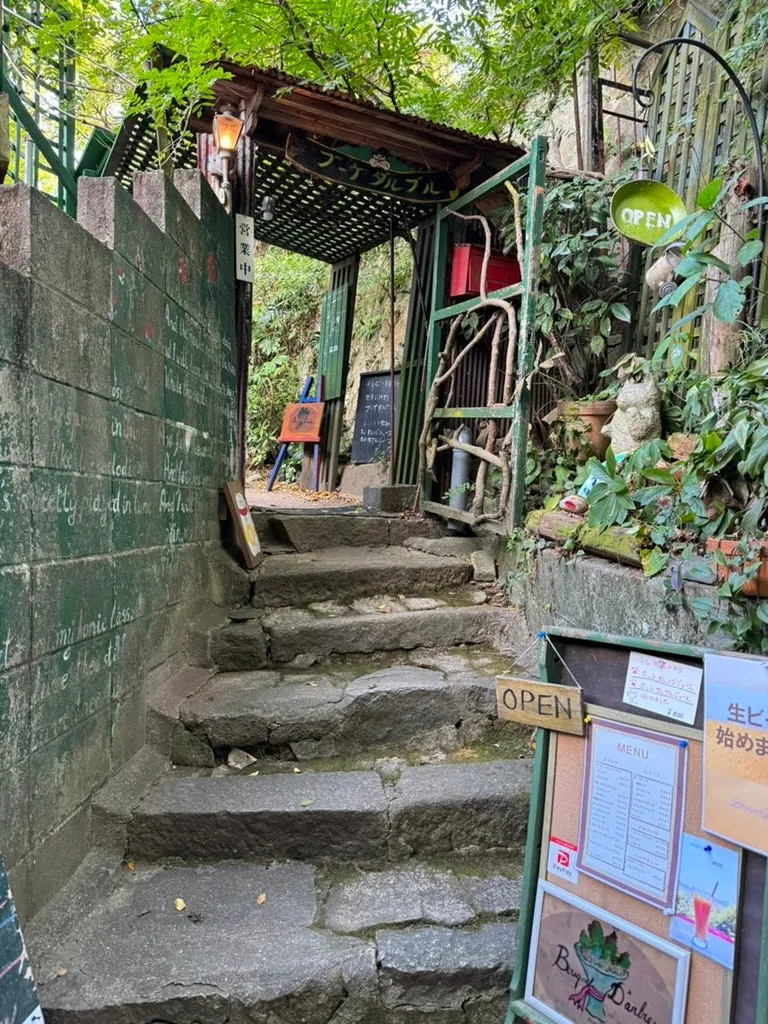
Early online articles often introduced the Cat Alley in Japan’s Onomichi, but after visiting this year, it felt different. Cat Alley is a short path descending from Senkoji Temple, and I didn’t see a single stray cat. Most of the cat cafes along the way were closed, making the walk feel a bit lonely. In the end, I found a cafe still open, “ブーケ ダルブル,” where I had a coffee and took a break.
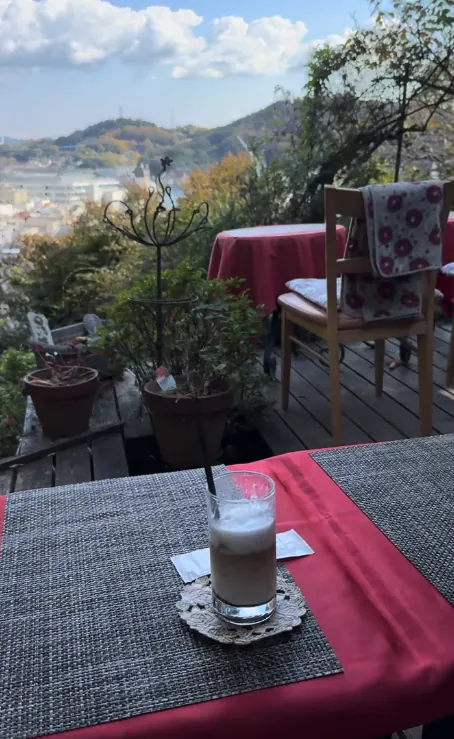
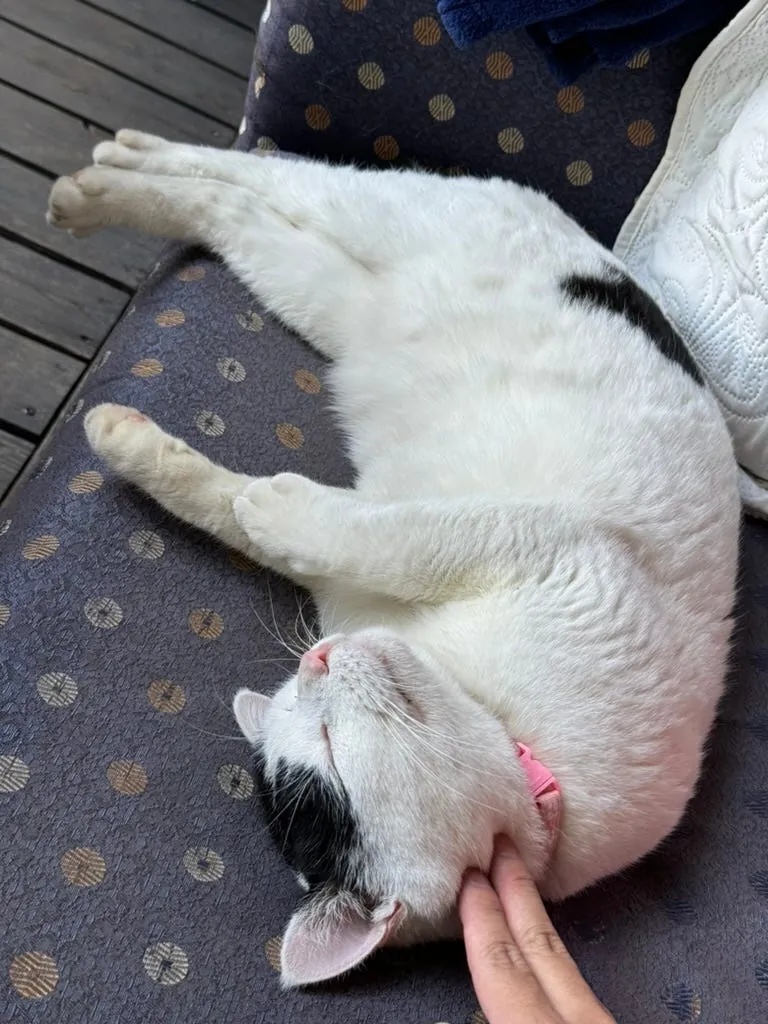
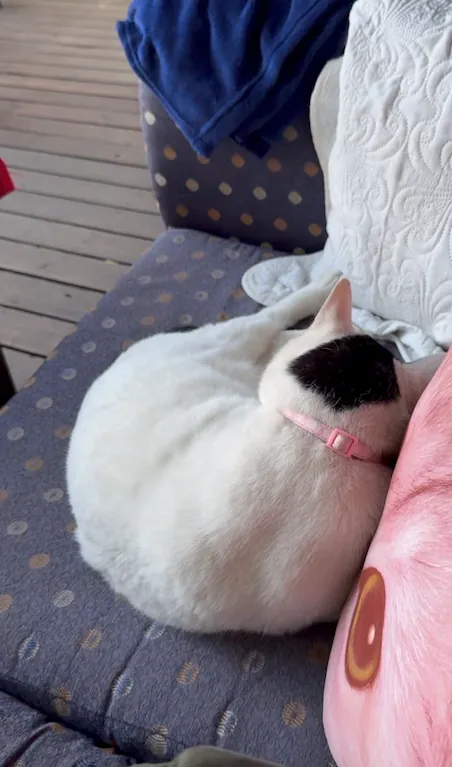
The shop has a good location, but the walk up feels lonely with overgrown weeds. Inside, there are few seats and limited menu options; however, the owner is very friendly, and the shop cat is affectionate, often coming to sit right beside you.
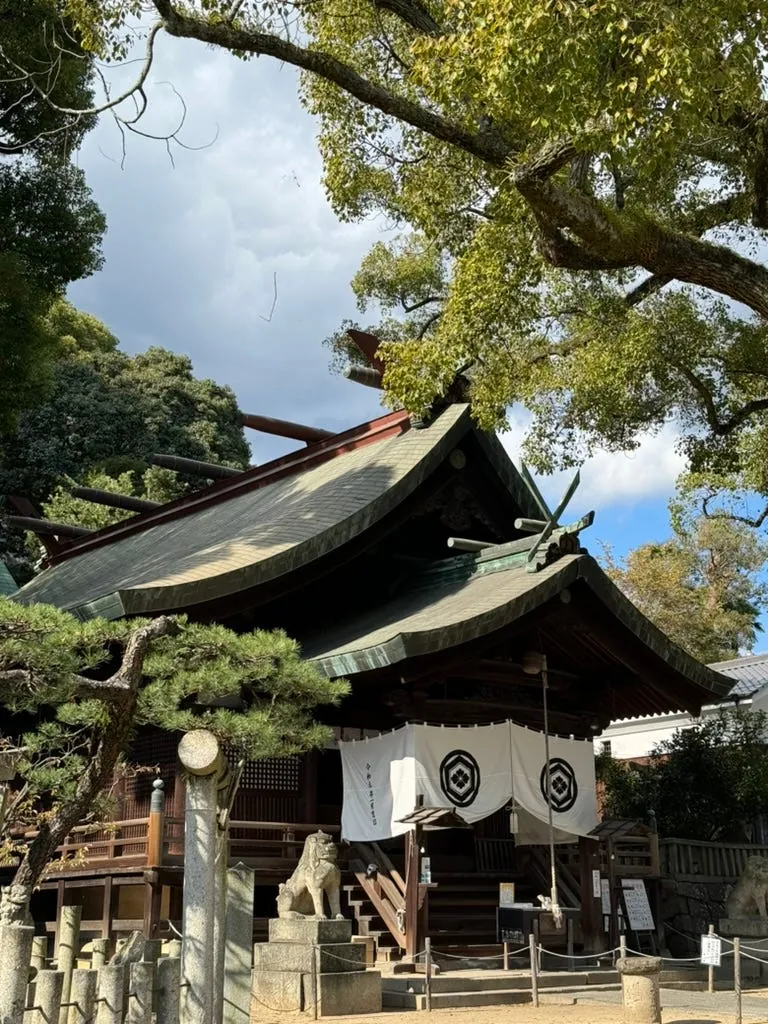
On the way back to the main street at the foot of the mountain, I came across a very quiet local shrine.
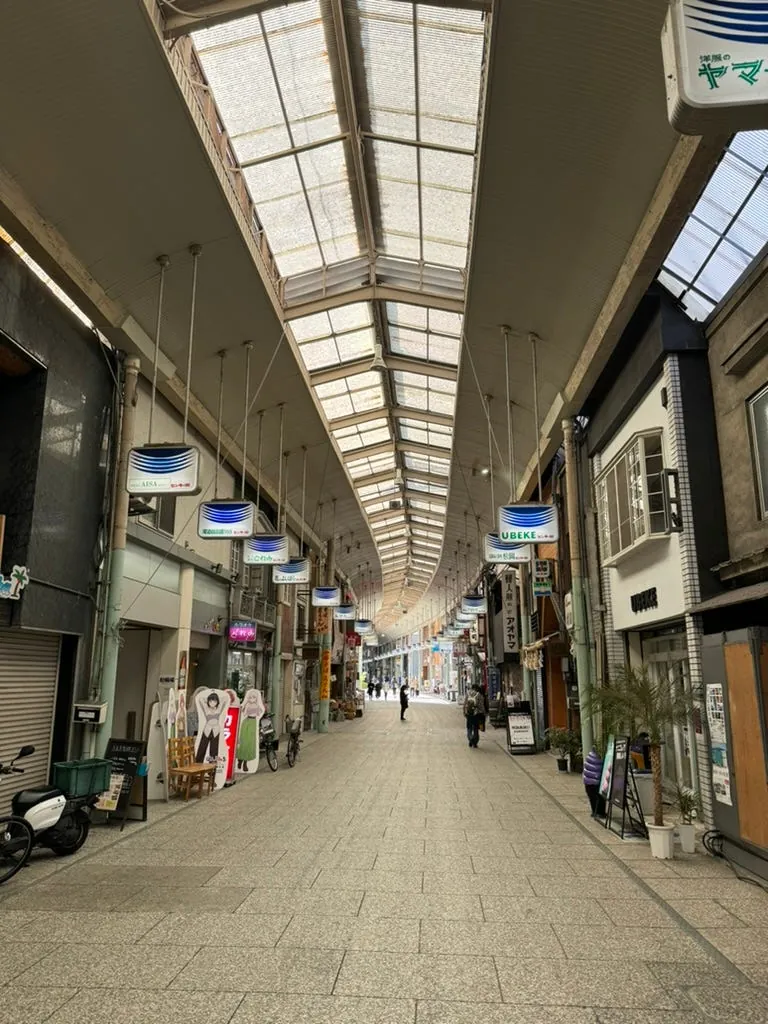
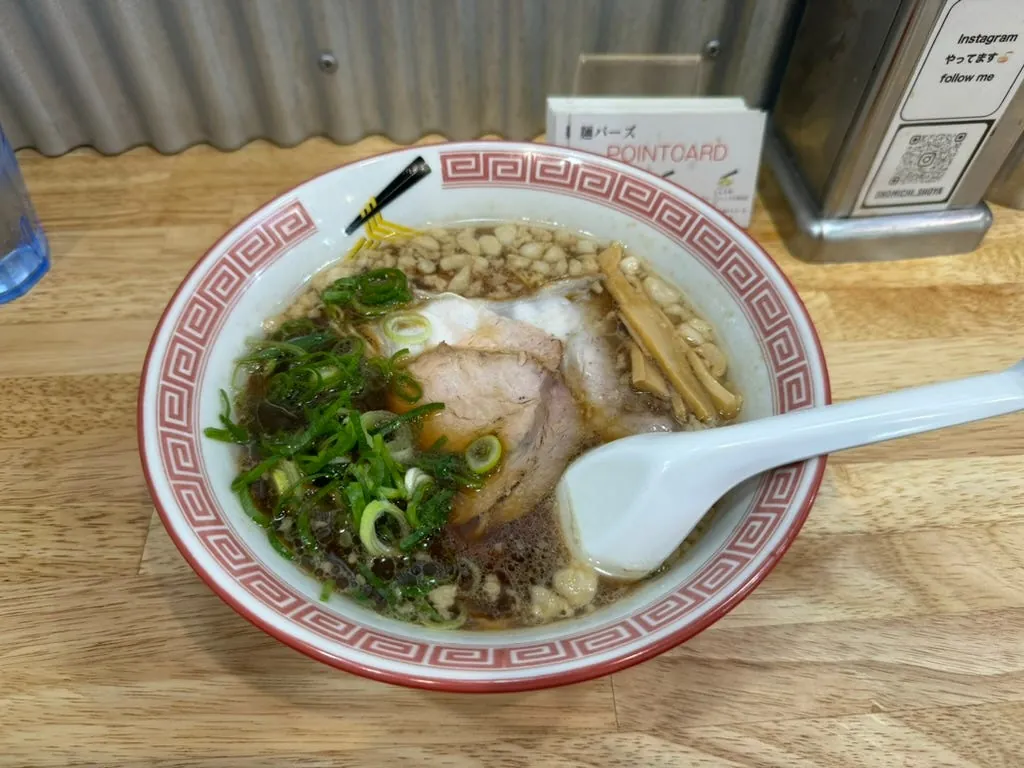
On the way back to Onomichi Station, I took a detour through the shopping street inside and had lunch at the famous Onomichi ramen — “Onomichi Ramen Shoya”.
Onomichi ramen (founded by Taiwanese) is quite special, featuring a generous layer of white pork back fat floating on top, along with bamboo shoots.
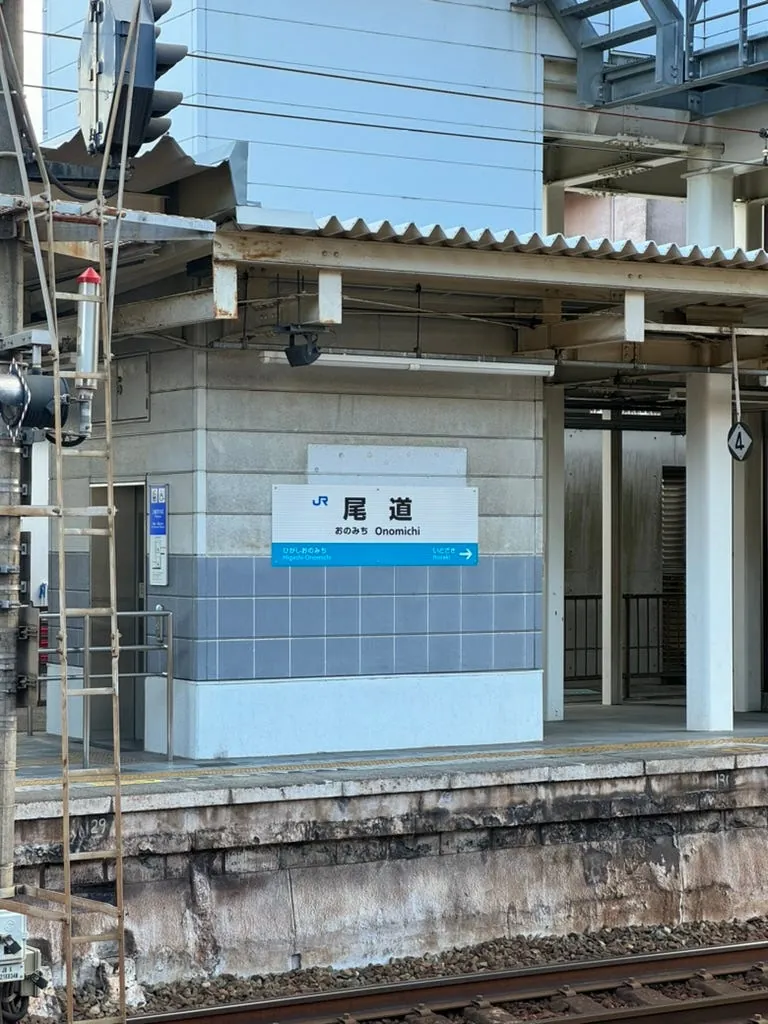
After a leisurely walk back to Onomichi Station, since it was still early, I decided on the spot to head to nearby Fukuyama City.
I miscalculated the time again and had to wait an extra 30 minutes for the bus. Friends heading to Onomichi, make sure to plan your timing well.
Fukuyama
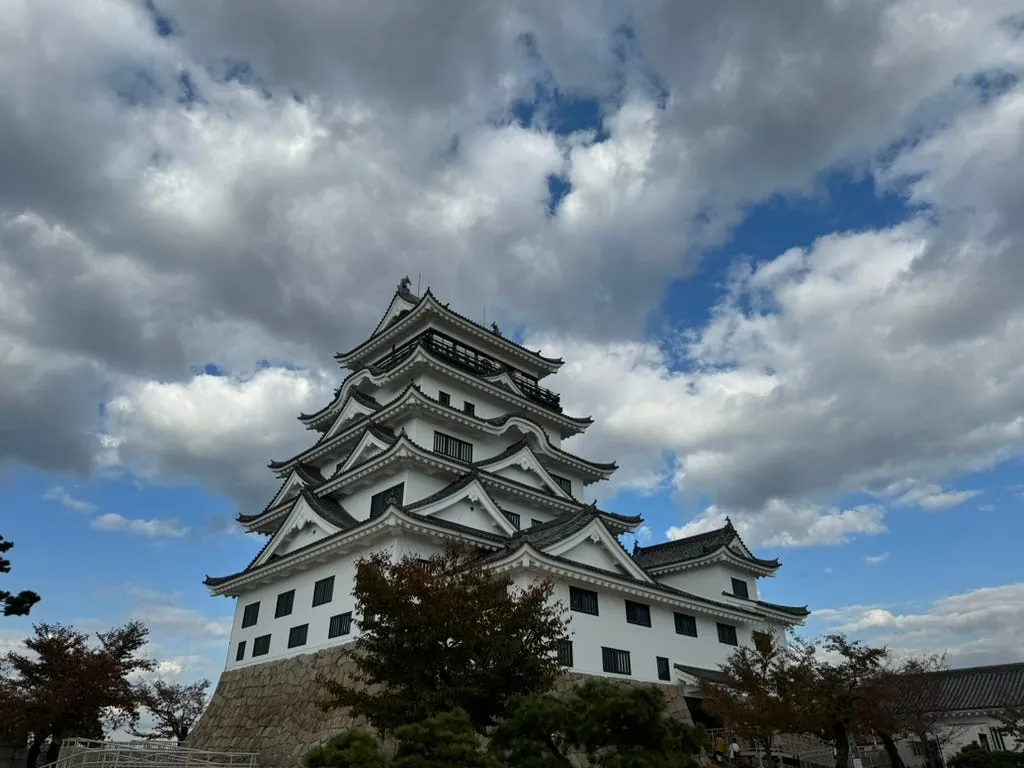
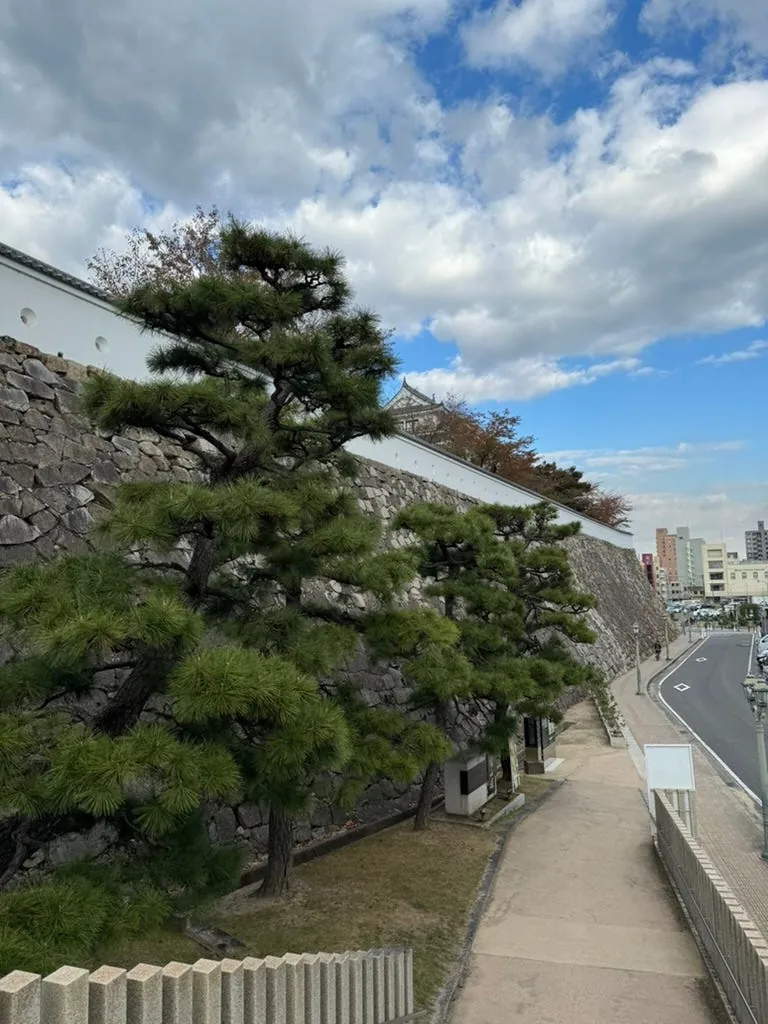
You can see Fukuyama Castle from the back exit of Fukuyama Station. I didn’t go inside, just took a photo from a distance and left.
Tomonoura
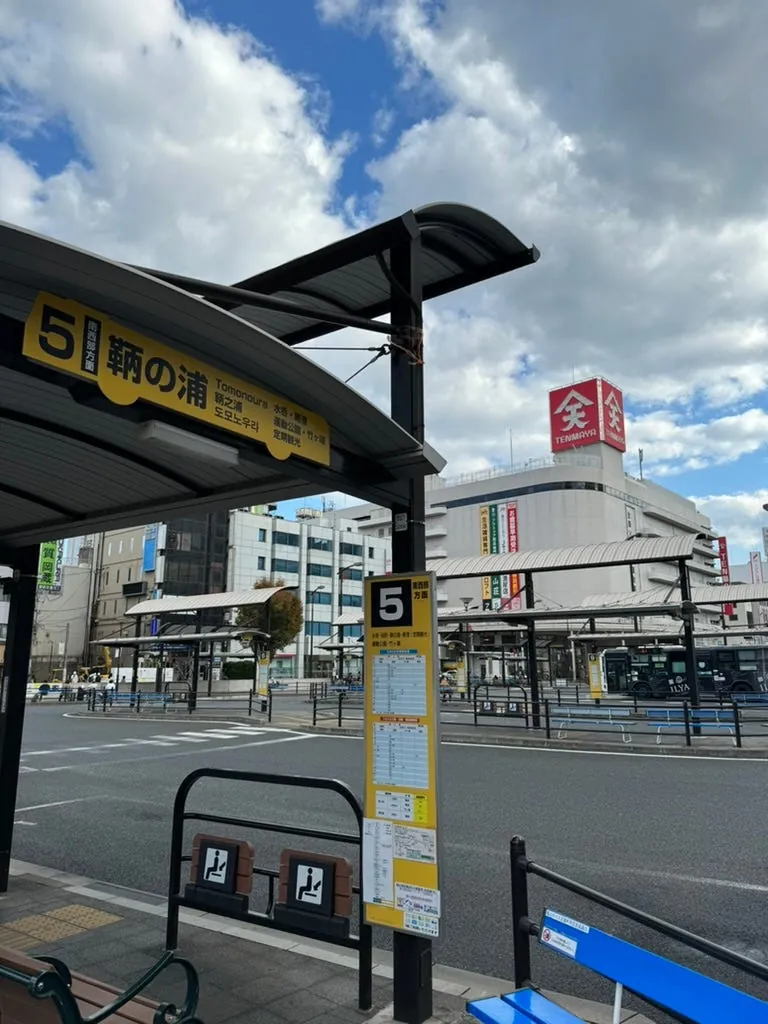
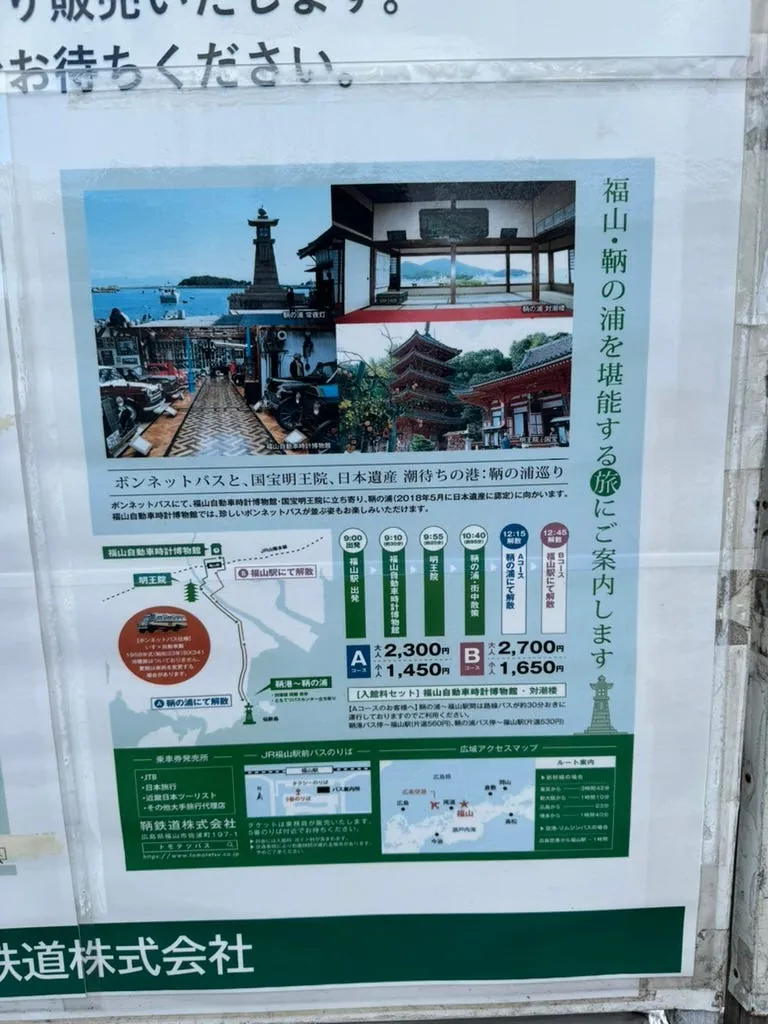
Back at Fukuyama Station Front, you can see bus directions to “Tomonoura.” At first, the map made Tomonoura seem hard to reach since it’s a seaside town, but you have to admire Japan’s tourism and transportation signs—they are very clear.
p.s. I didn’t do any special research on Tomonoura before the trip; it was a spontaneous visit.
My knowledge of Tomonoura includes it being the filming location for “Ponyo on the Cliff,” Japan’s first modern port city, a negotiation site for Ryoma Sakamoto, and a must-visit for history enthusiasts.
After boarding, stay on the bus until the last stop, which is Tomonoura (approximately 40 minutes).
Sensuijima Island
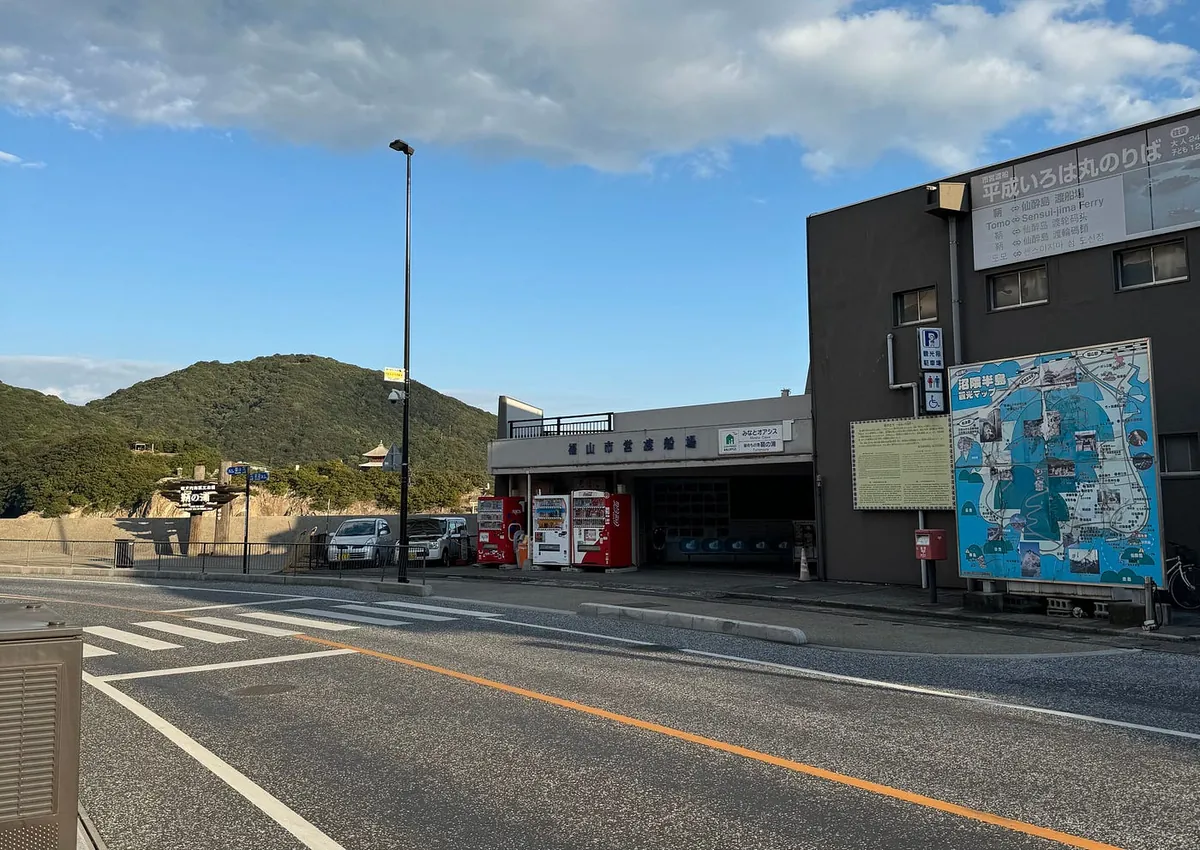
Referring directly to the local tourist map, I decided to visit Senzui Island first to enjoy the scenery.
After getting off, walk back directly to “Fukuyama City Ferry Terminal” to take the ferry to Senzu Island (about 10 minutes).
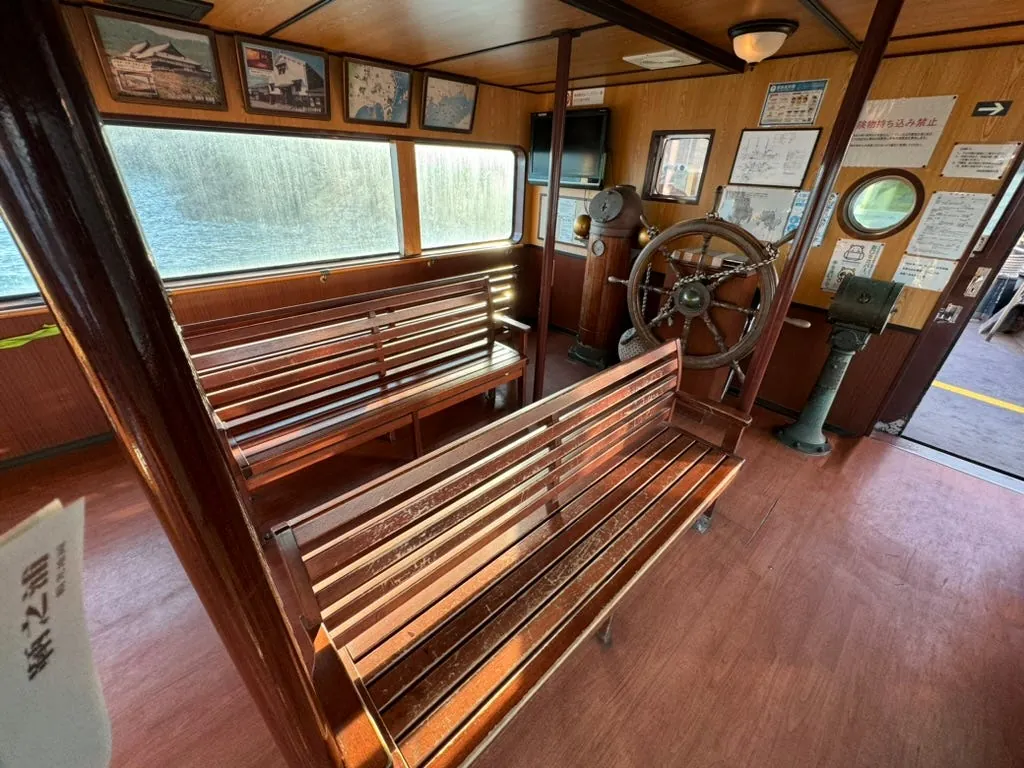
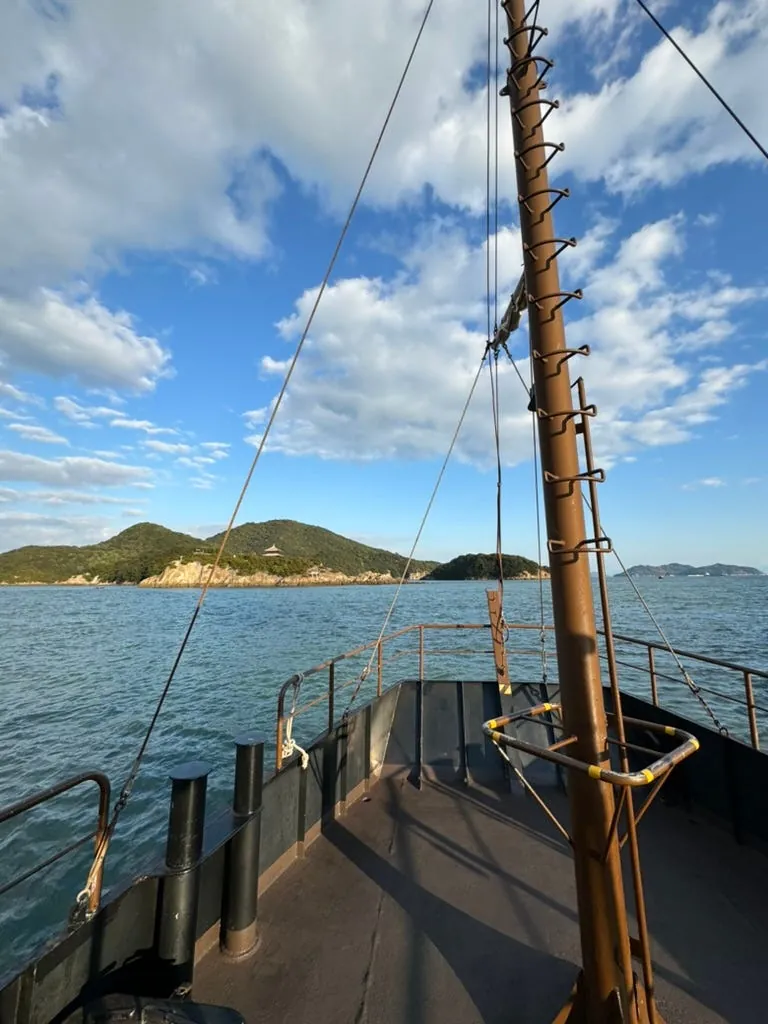
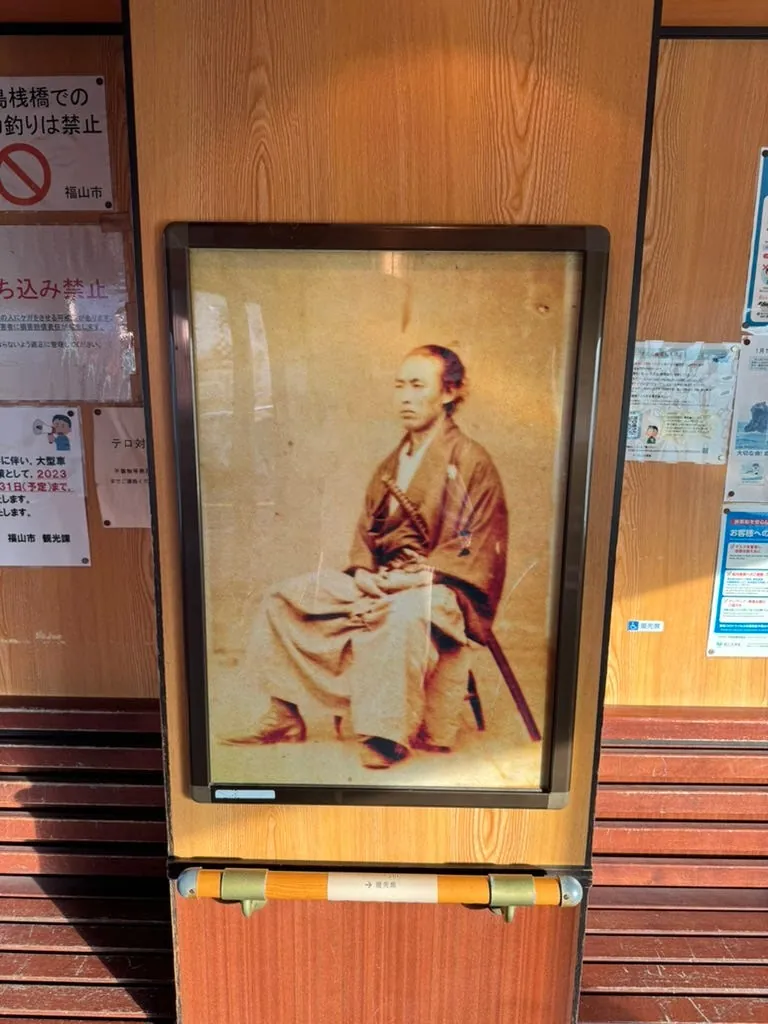
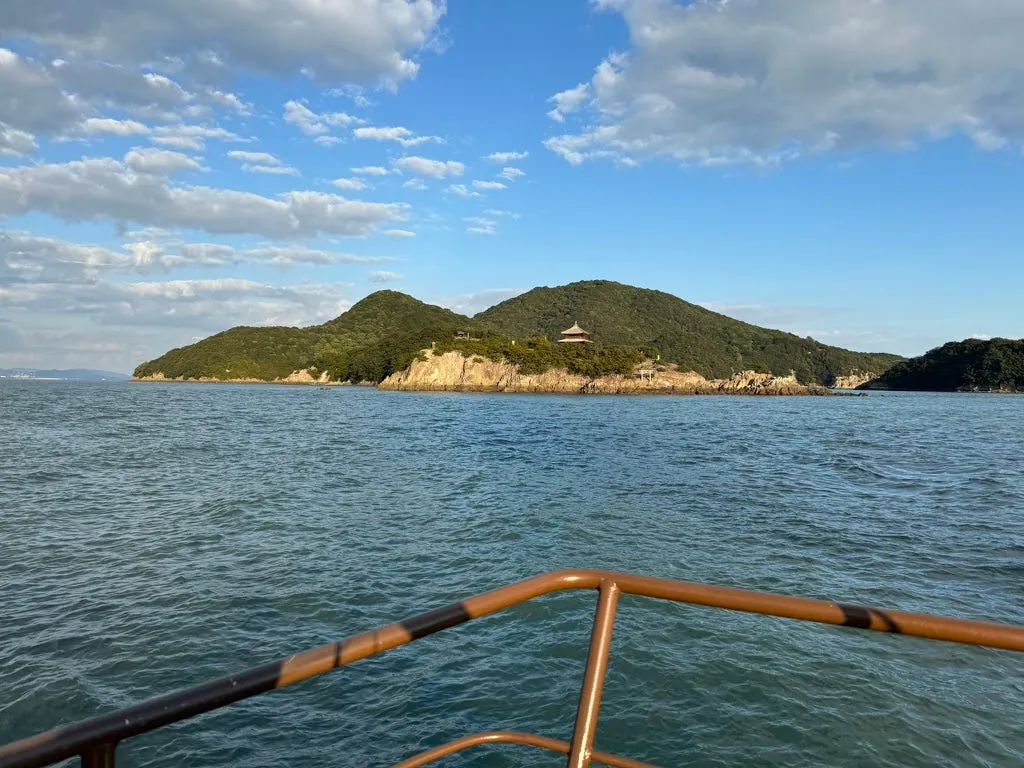
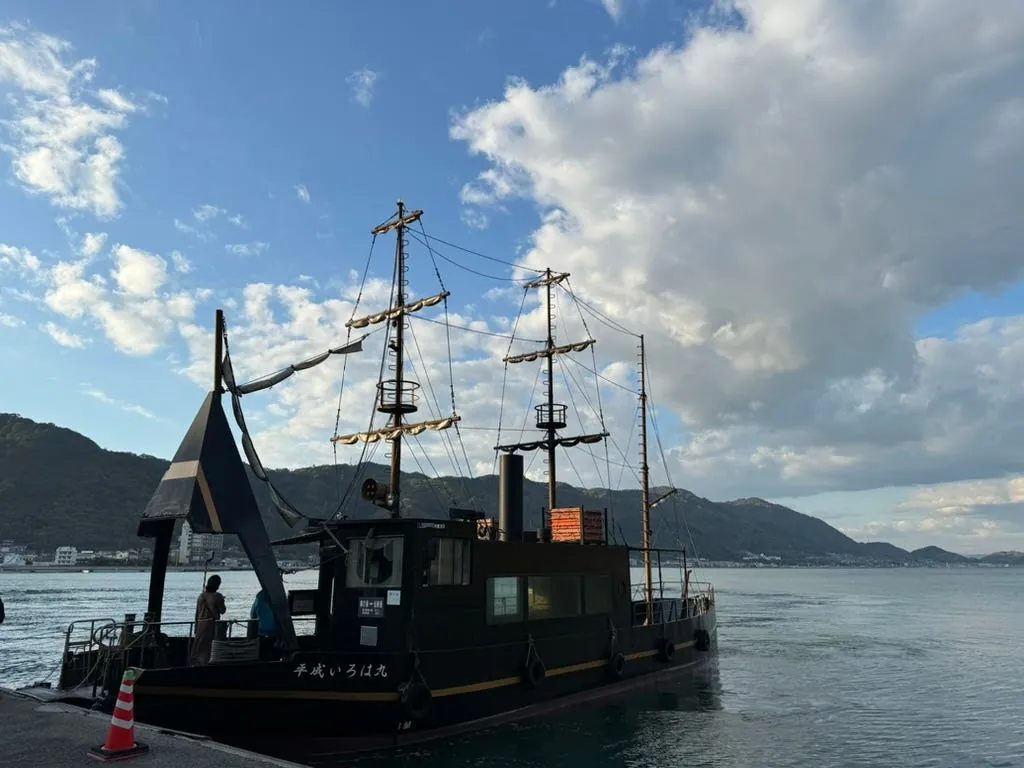
The boat has a vintage charm, giving a sudden feeling of being a pirate king. Although the trip is short, you can overlook the Seto Inland Sea and Sensuijima Island while enjoying the breeze. It’s very relaxing.
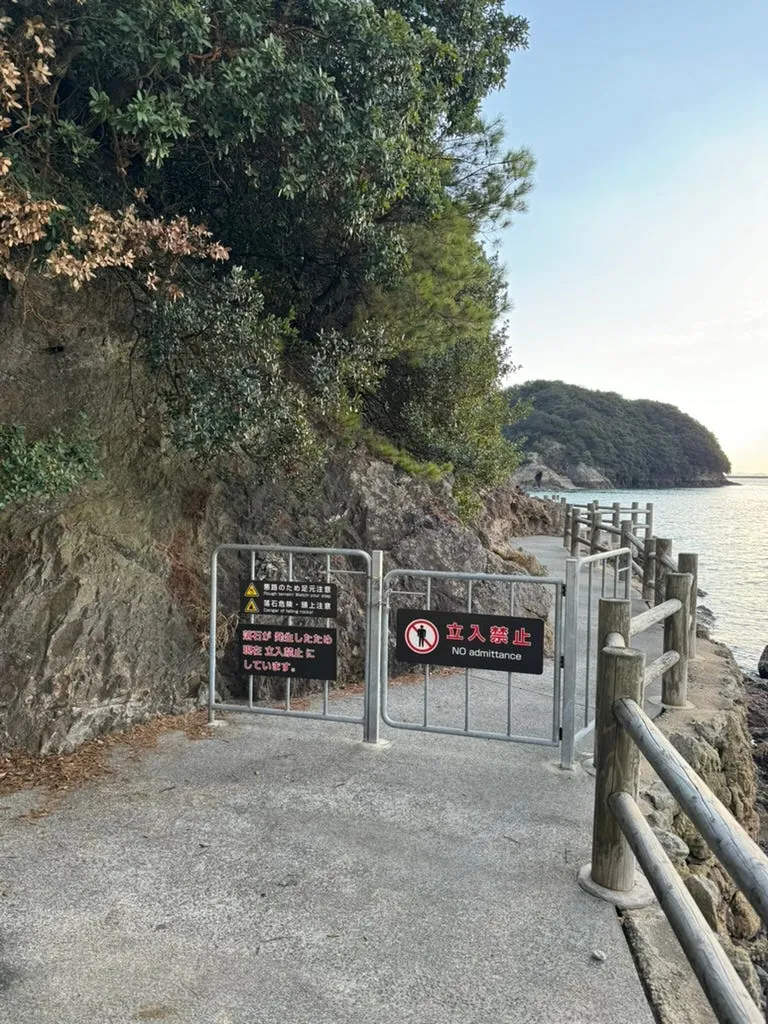
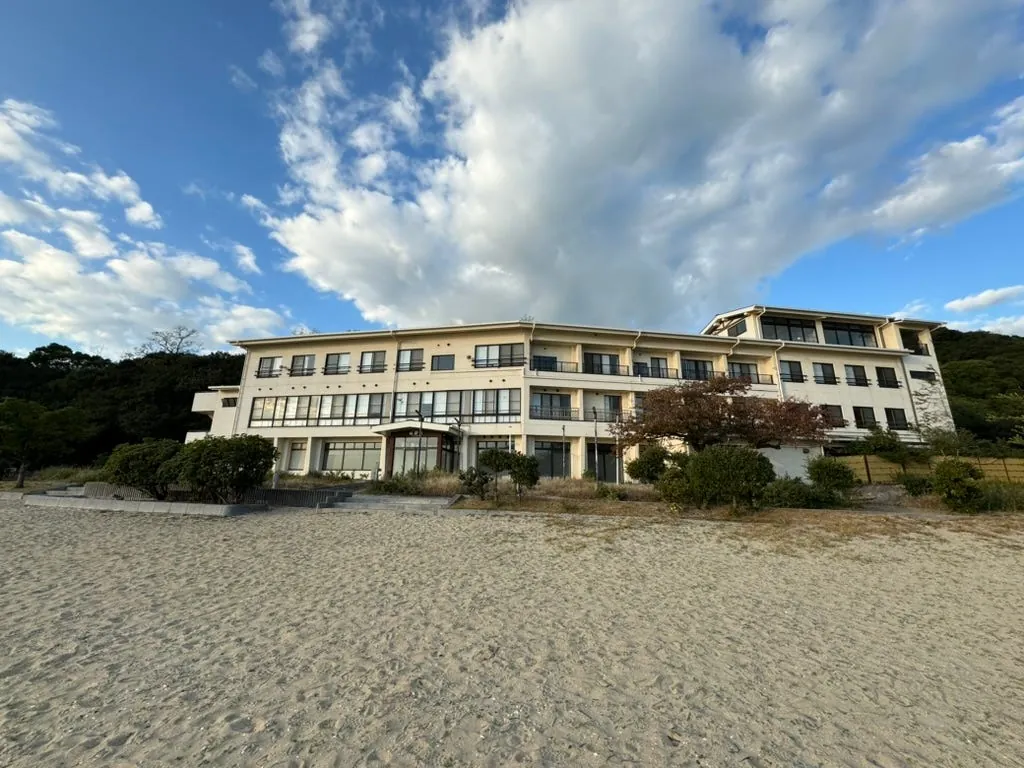
After arriving on the island, I didn’t see any pedestrians. The island was desolate. The original Tomonoura Beach Visitor Center had already closed and was preparing for demolition. The trails leading to other coastal areas up the mountain were all closed due to falling rocks. Only a bathhouse hotel near the entrance was still open.
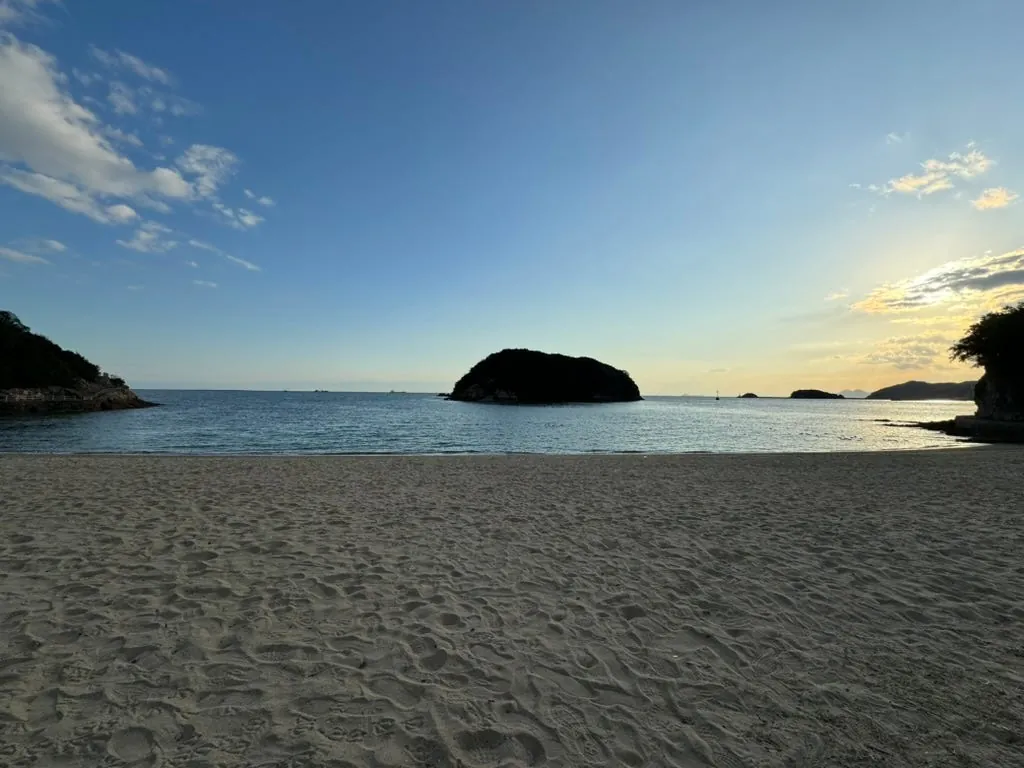
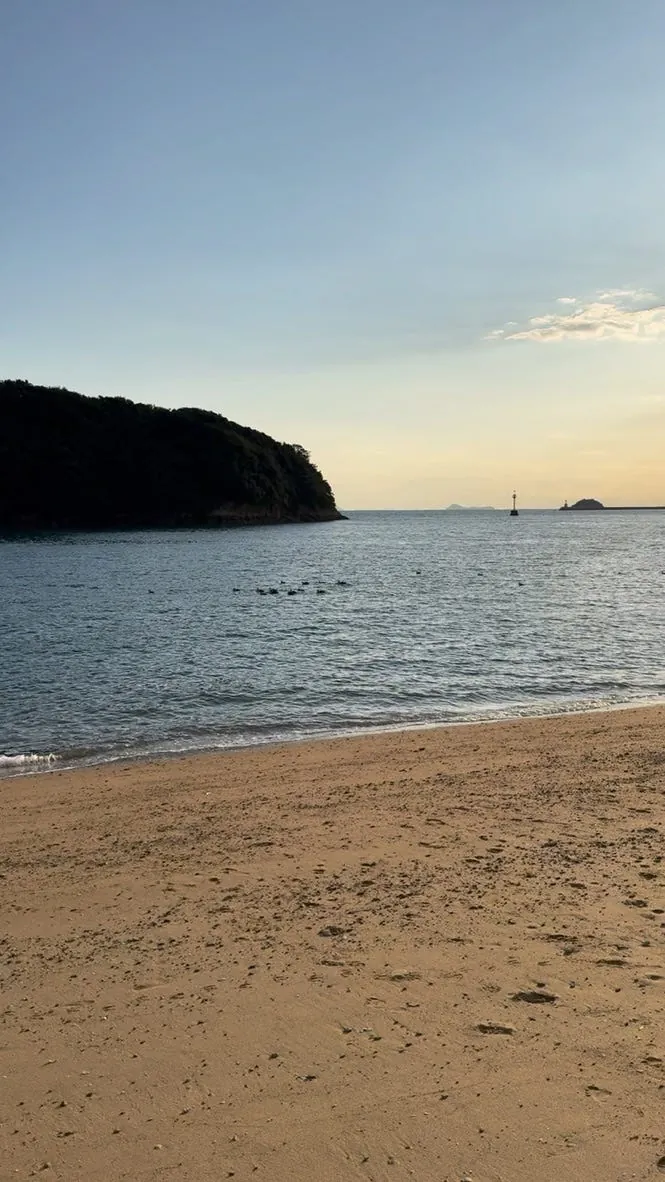
Tomo no Ura Beach now only has a vast, peaceful shoreline, with the occasional sound of a group of sea ducks playing. (It was my first time seeing saltwater ducks, not saltwater chickens.)
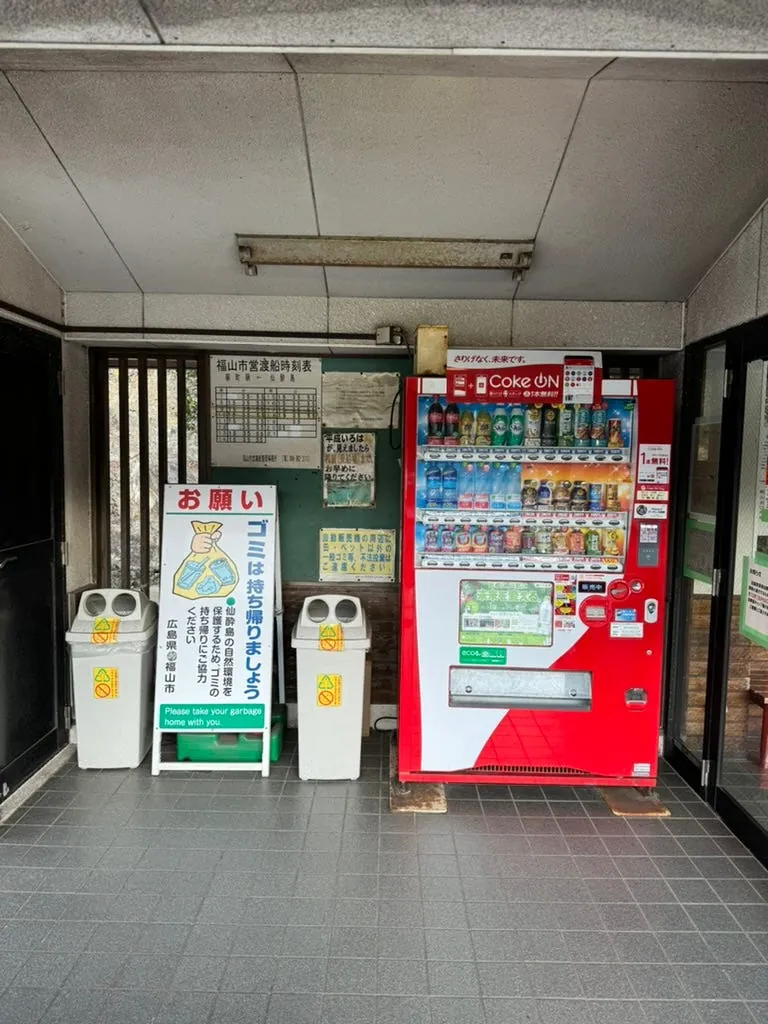
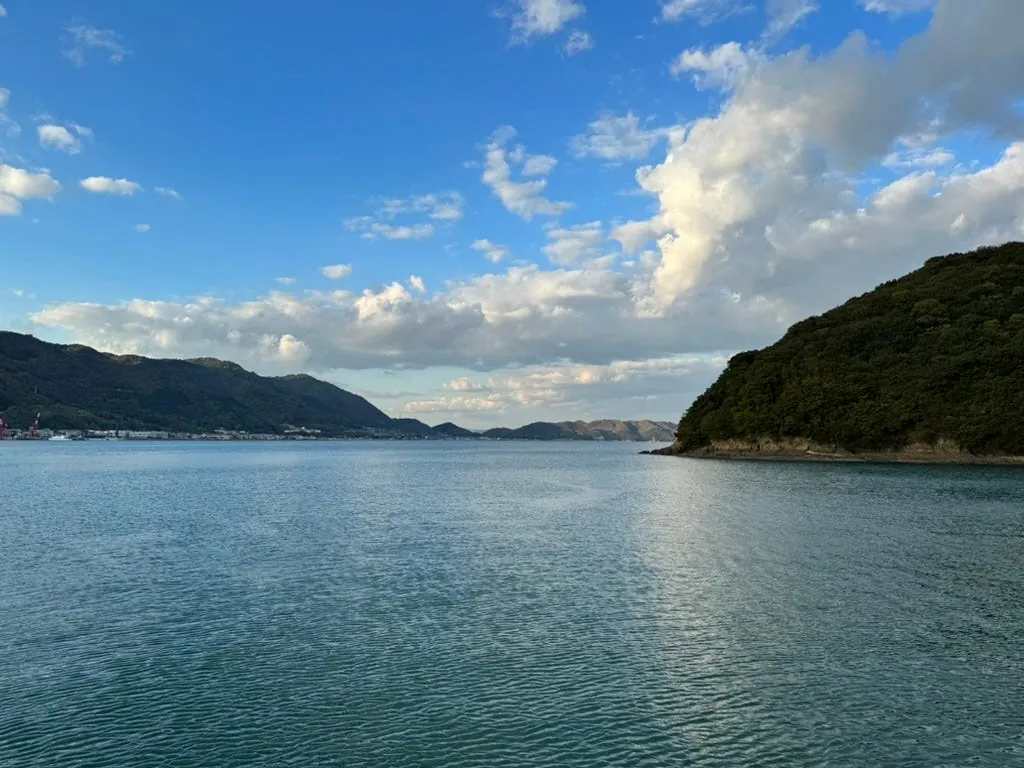
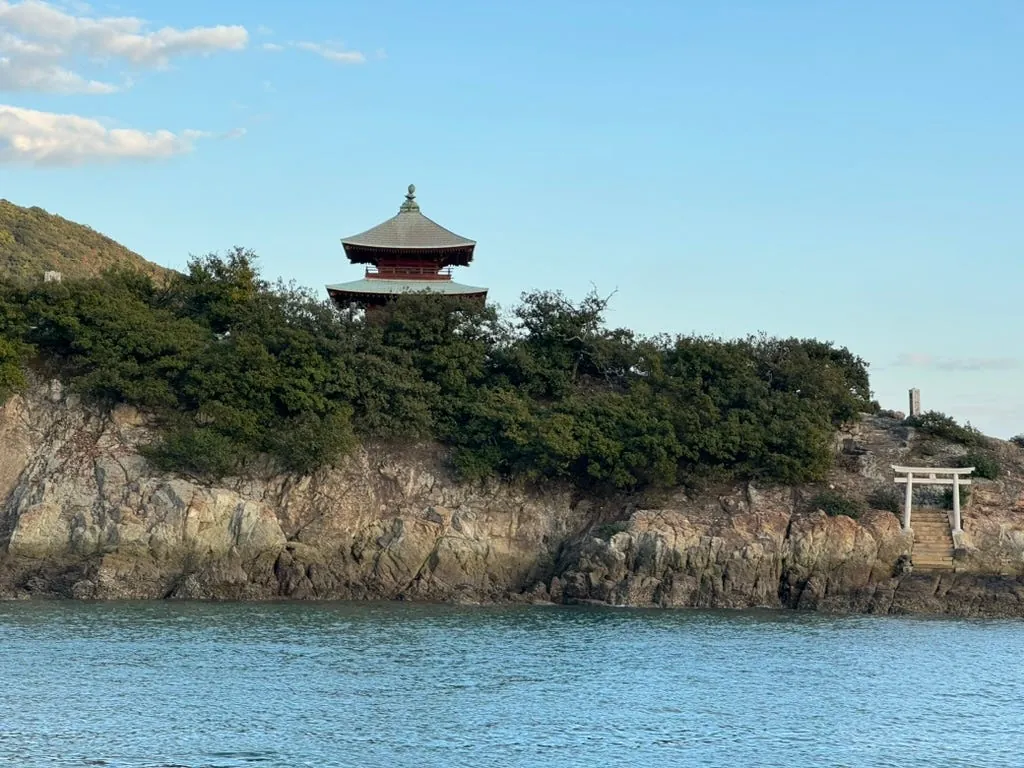
Stayed for about 15 minutes, with nowhere else to go, so waited for the ferry back; although this place is desolate, there is still a vending machine! On the way back, got a closer look at Benten Island in the distance, a lonely island standing in the middle of the sea with a torii gate.
Tomonoura
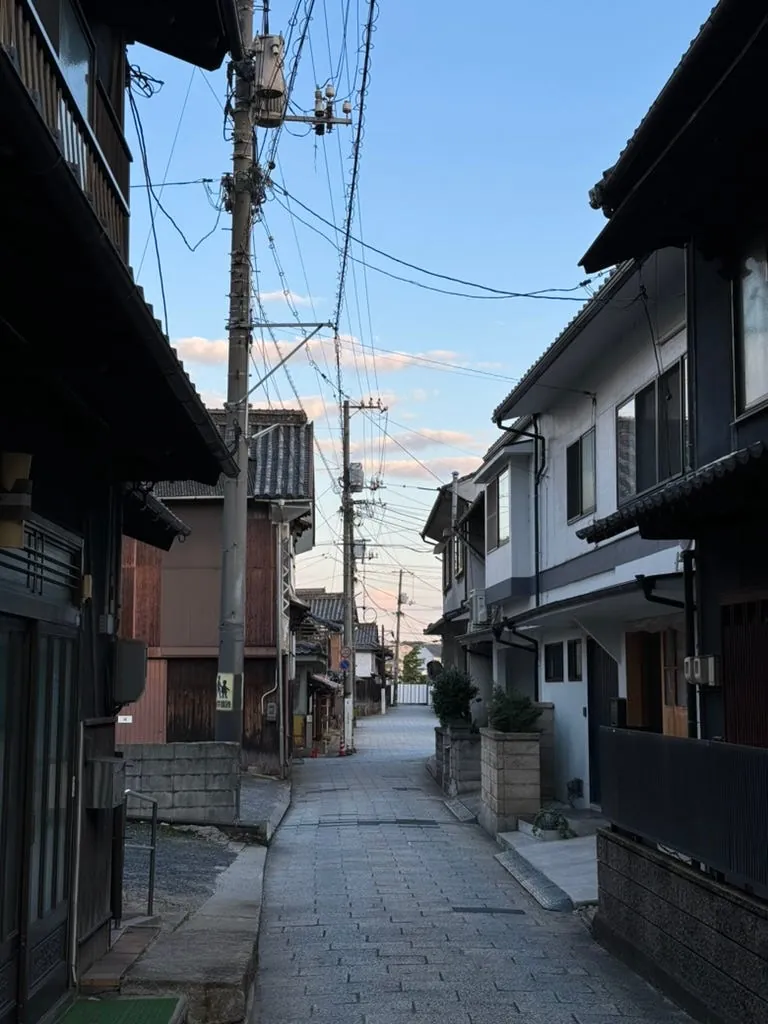
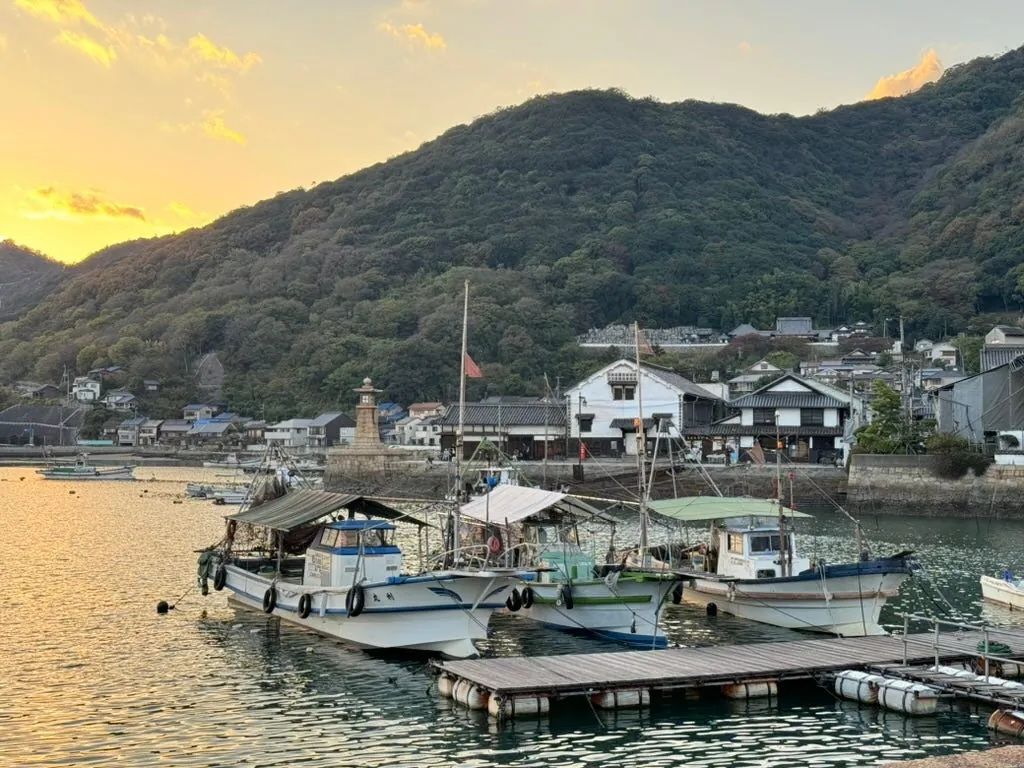
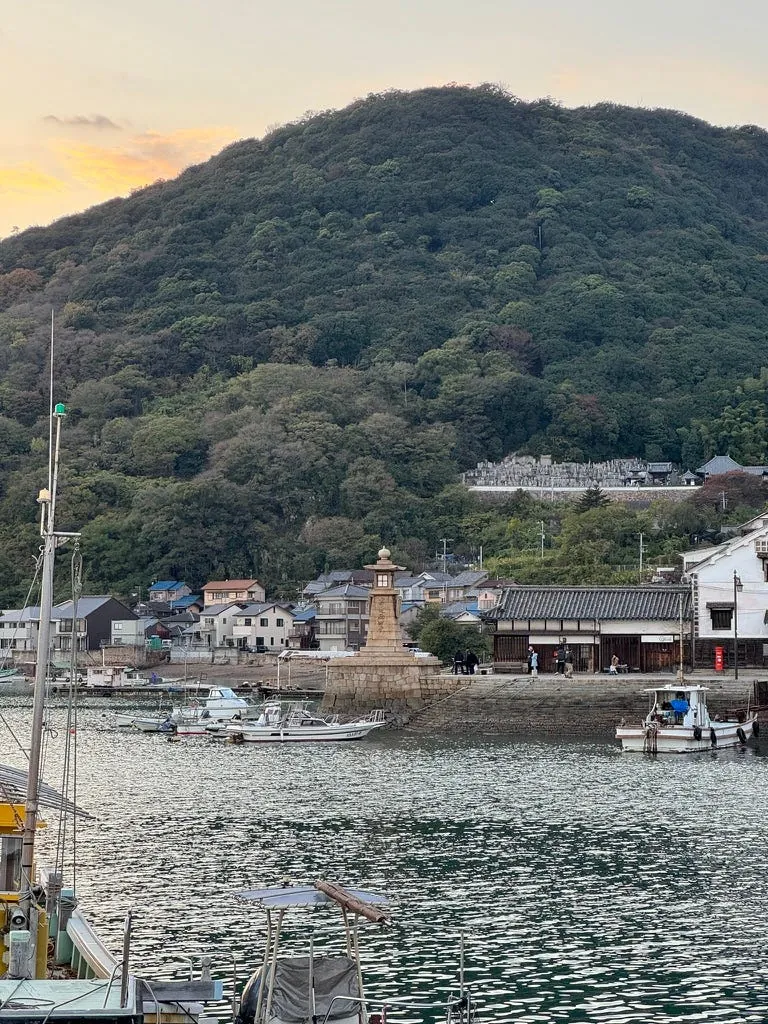
Returning to Tomonoura around dusk, I leisurely walked to the harbor to see the lighthouse and the traditional Japanese town scenery. Many locals and photography enthusiasts were already sitting on the steps by the harbor with their cameras set up, waiting for the sunset.
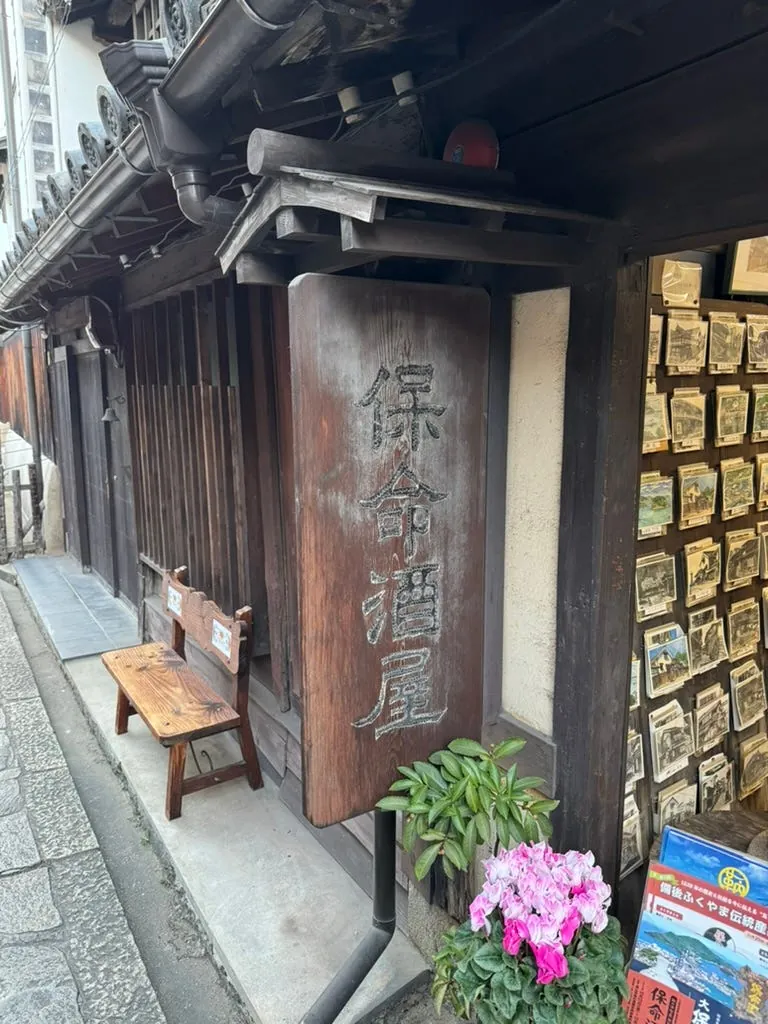
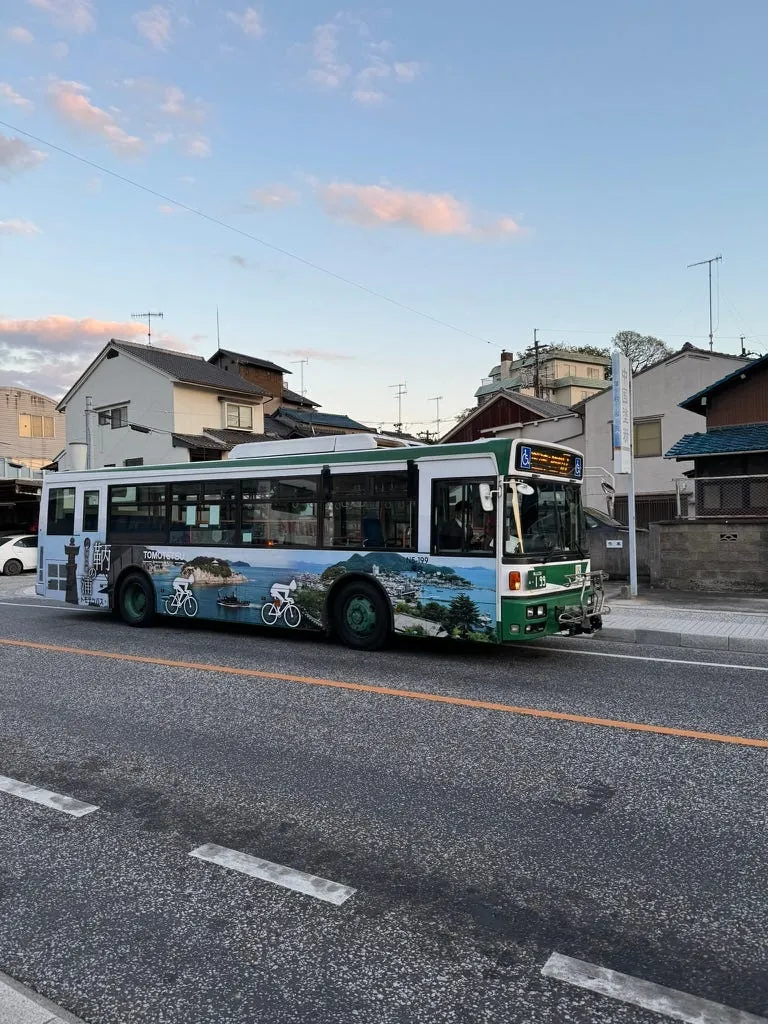
Tomonoura is famous for its nourishing health tonic, and the strong scent of medicinal liquor filled the air along the way. Since I needed to hurry back to Hiroshima, I took the bus back to Fukuyama before it got dark.
After returning to Fukuyama, I immediately boarded the train to Hiroshima, bidding farewell to this quiet and peaceful city. For dinner, I still bought a takeout grilled meat bento from the restaurant on the way to the hotel, “炭火焼肉 敏 猿猴橋店”.
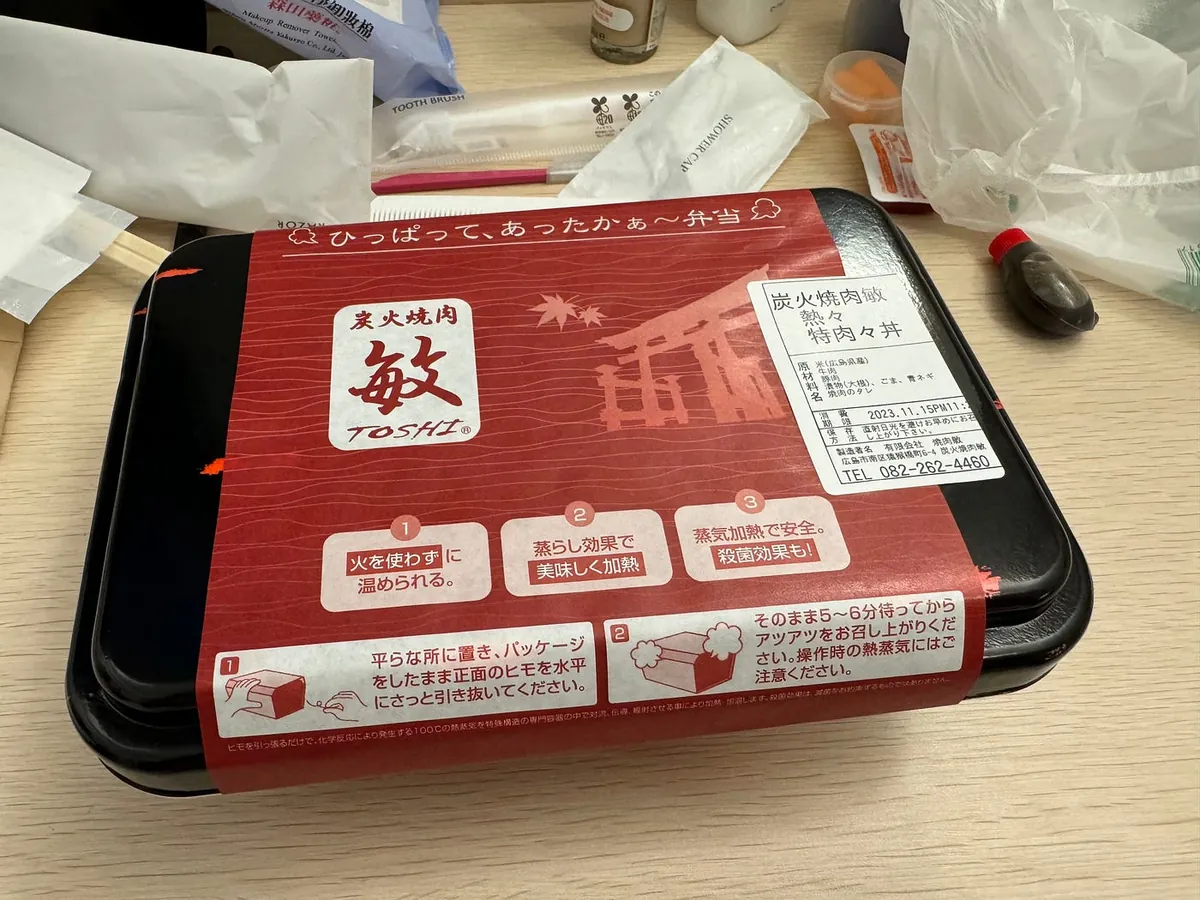
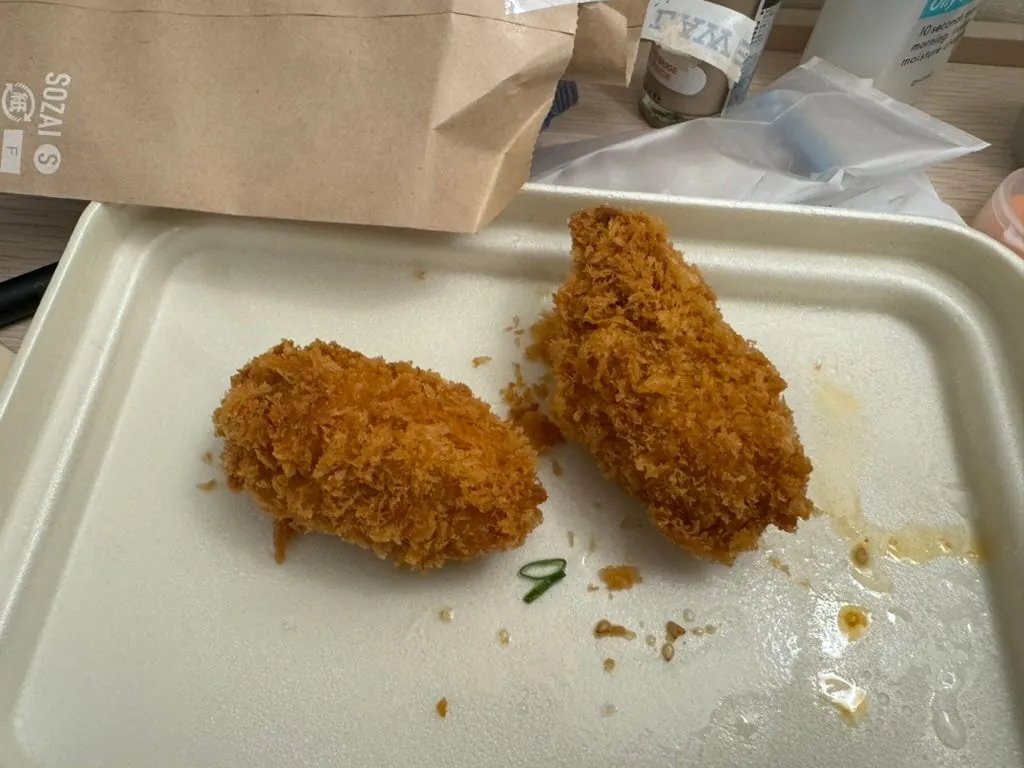
Also added two more deep-fried oysters from the convenience store (only 100 yen each).
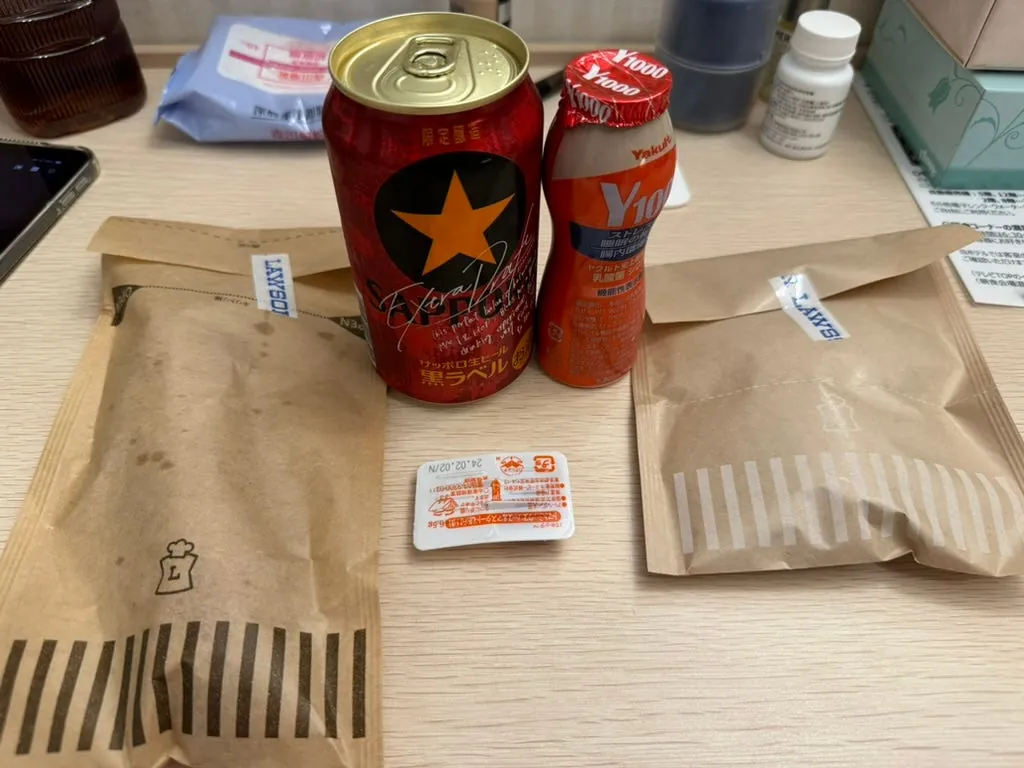
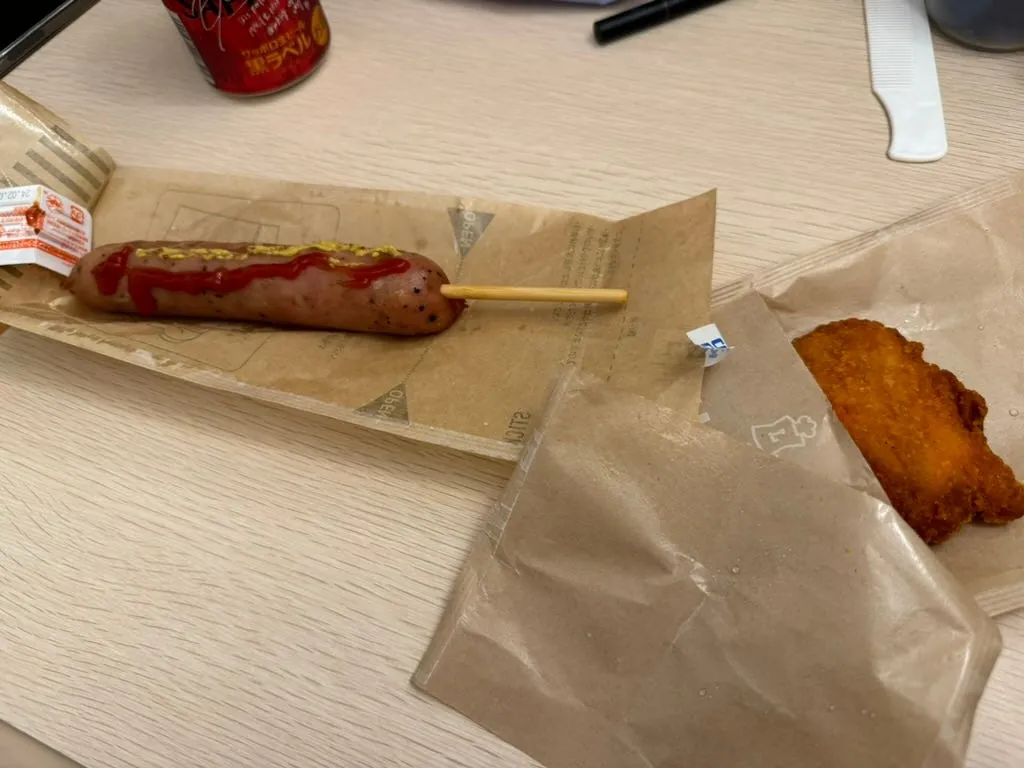
Late-night snack was still convenience store hot food over Y1000.
Day 4 Final Tour of Kure City and Hiroshima City (Hiroshima Peace Memorial Museum, Hiroshima Castle, Shukkeien Garden)
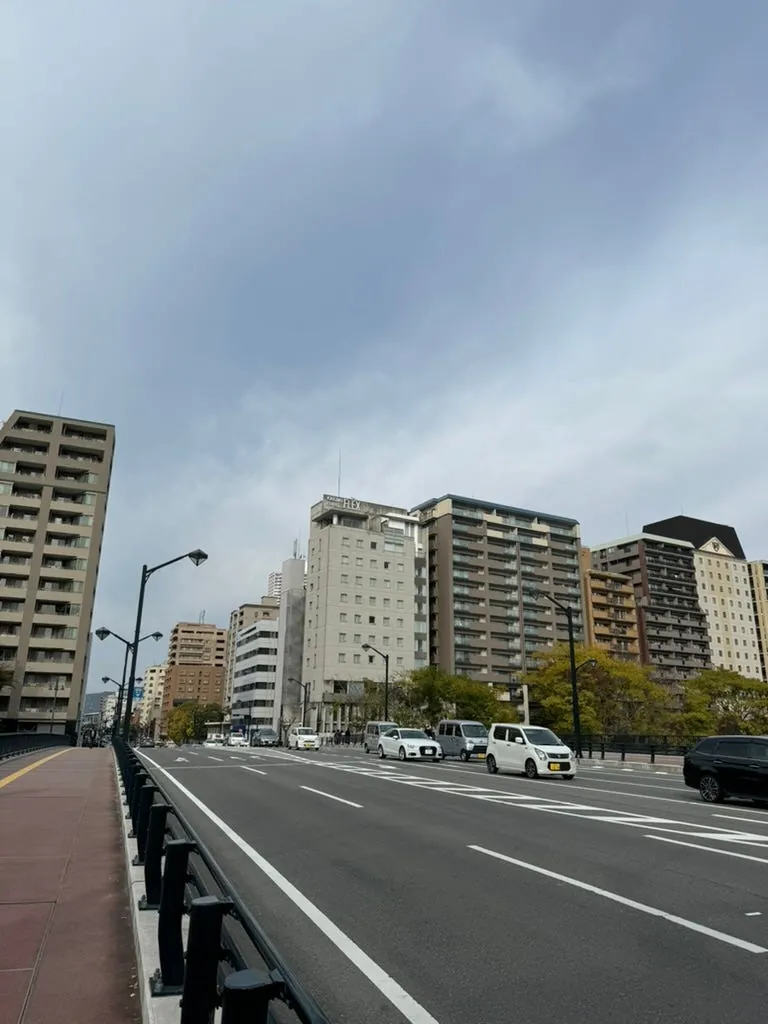
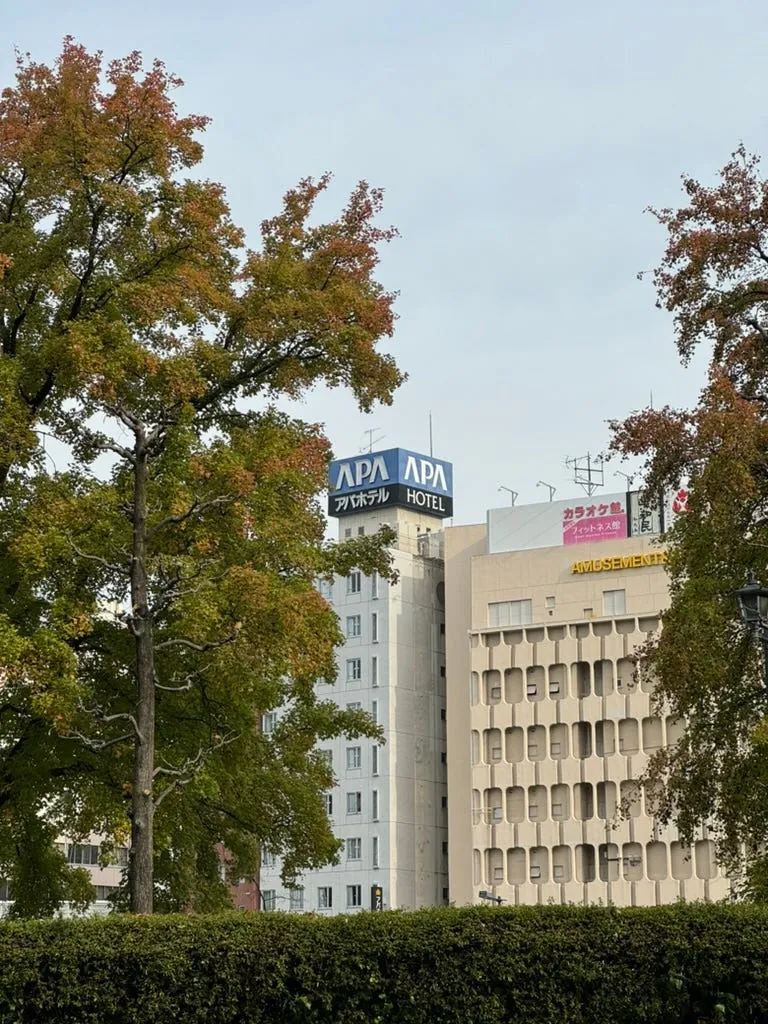
Checked out from Toyoko INN early in the morning and dragged luggage to the Hiroshima APA Hotel where I would stay overnight.
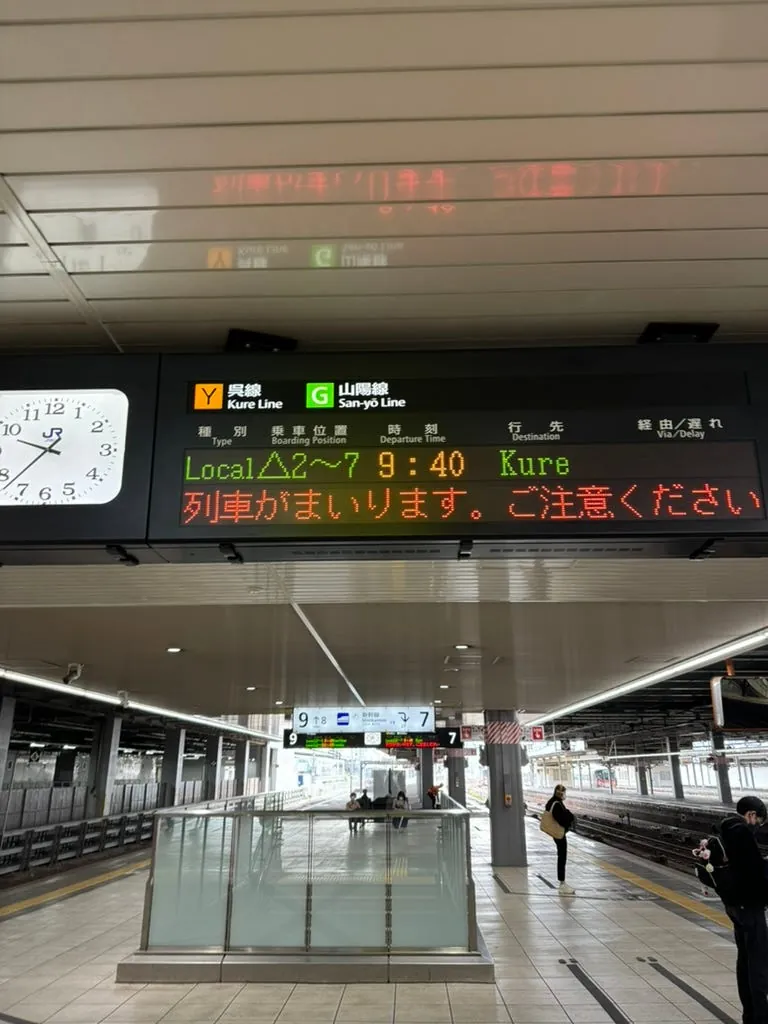
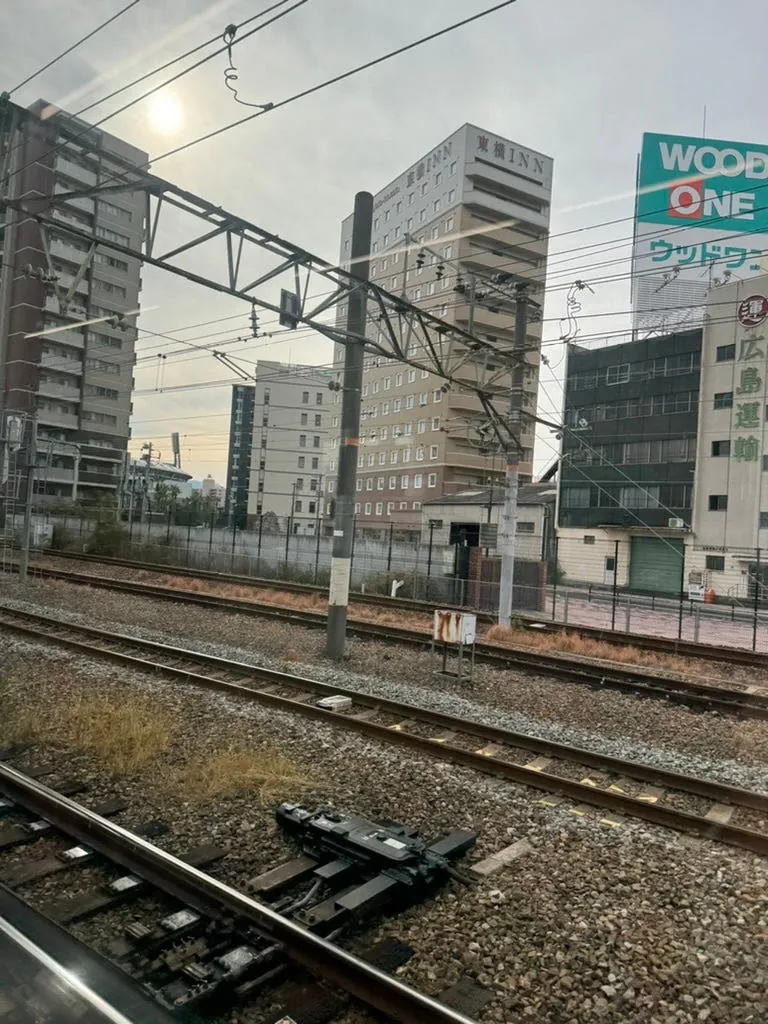
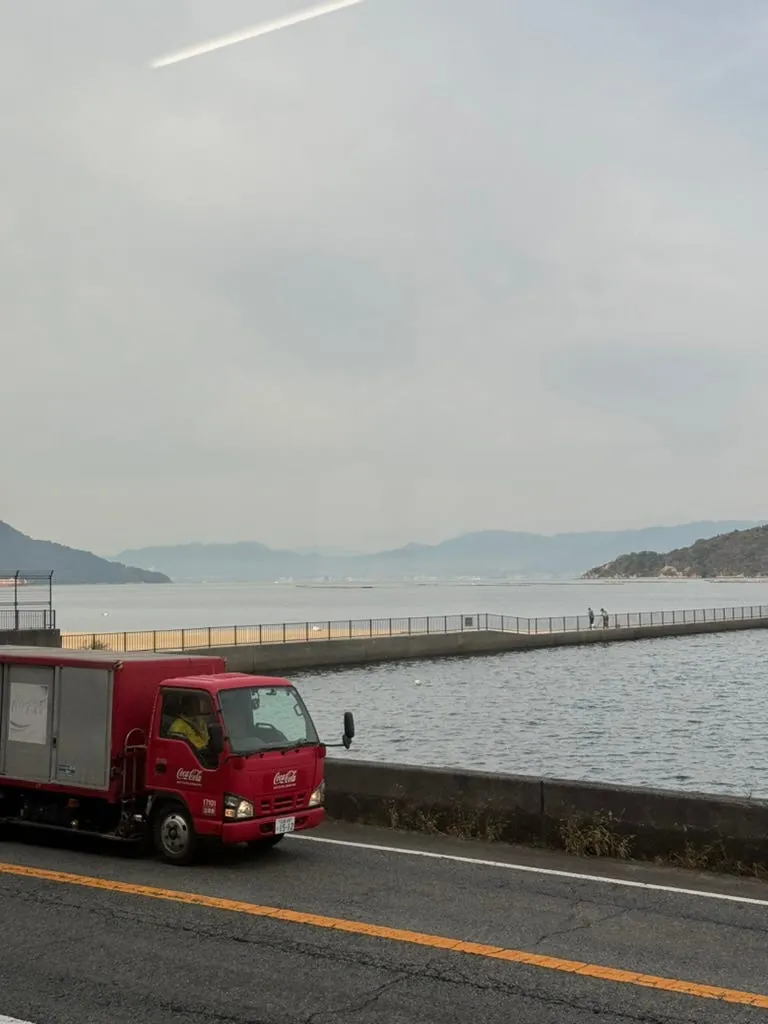
After dropping off my luggage, I walked back to Hiroshima Station to take the train to Kure City (about 50 minutes). Approaching Kure, looking out the right window gave me a feeling of being back on the Fulong to Yilan train route, with mountains on the left and the sea on the right, creating a pleasant scenery.
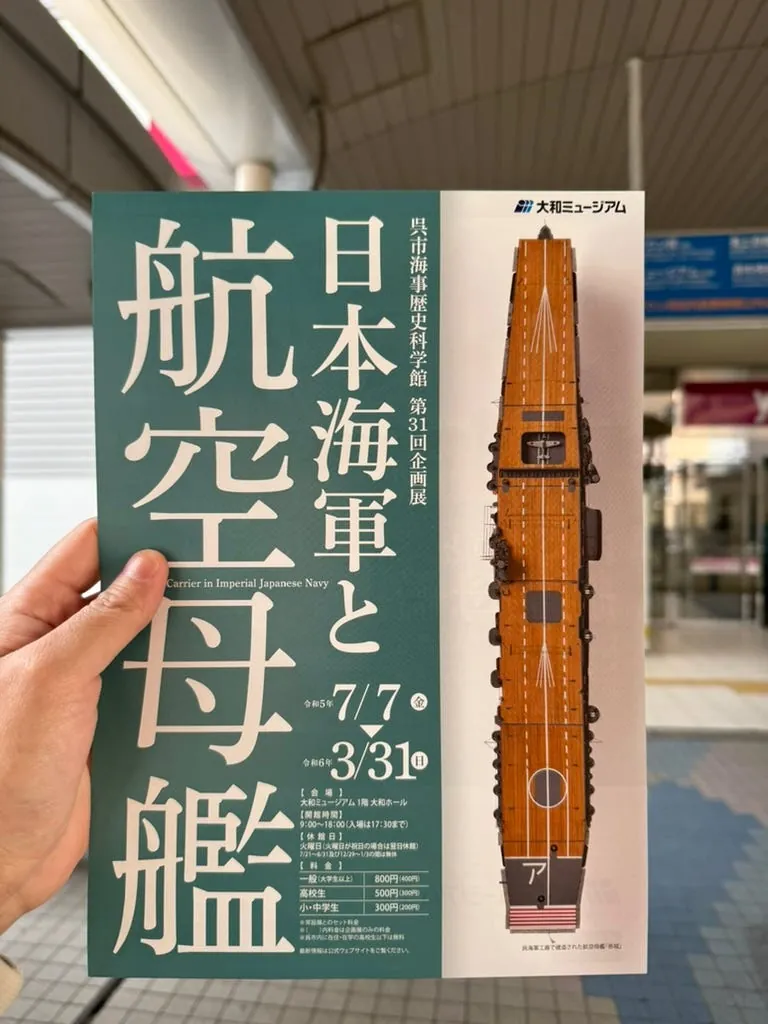
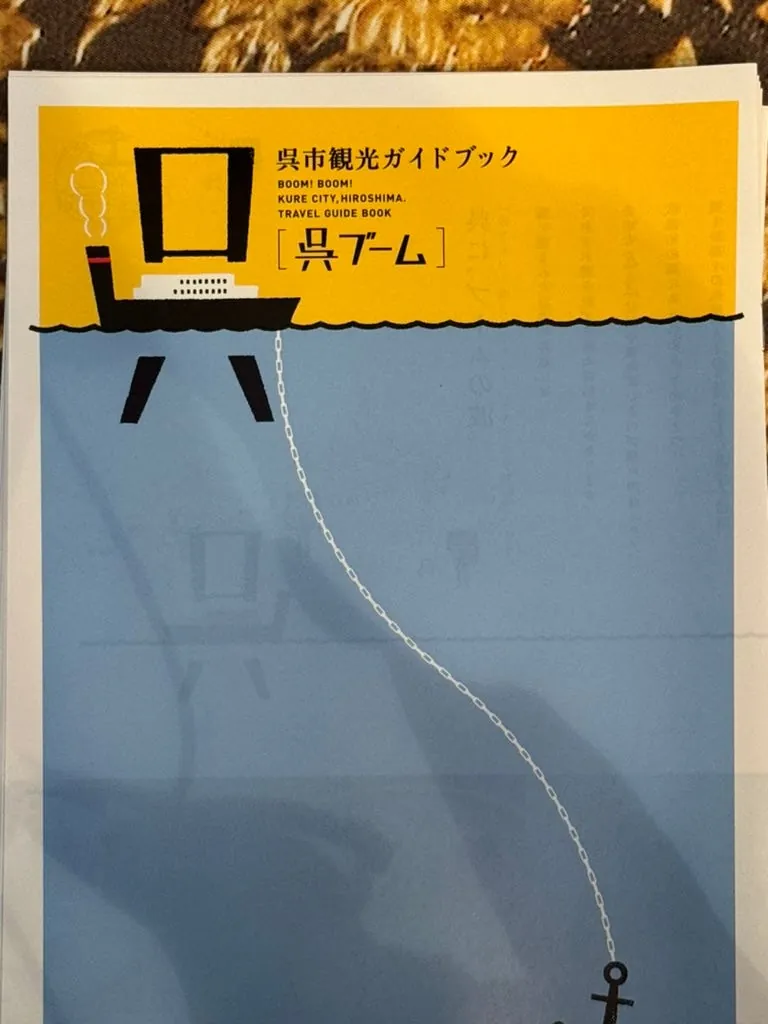
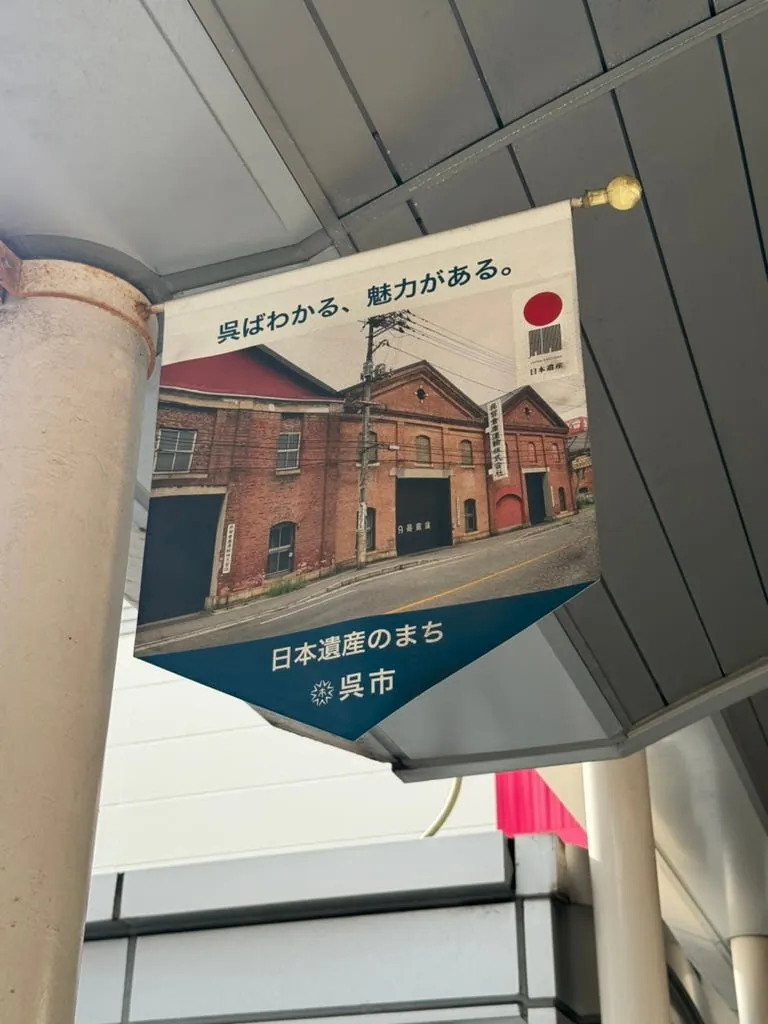
After exiting the station, you can visit the tourist information center to get a travel guide for Kure City. (I think the design is very well done!)
Following the signs, you can walk from the station via the skybridge all the way to the Yamato Museum and the JMSDF Kure Museum at the port.
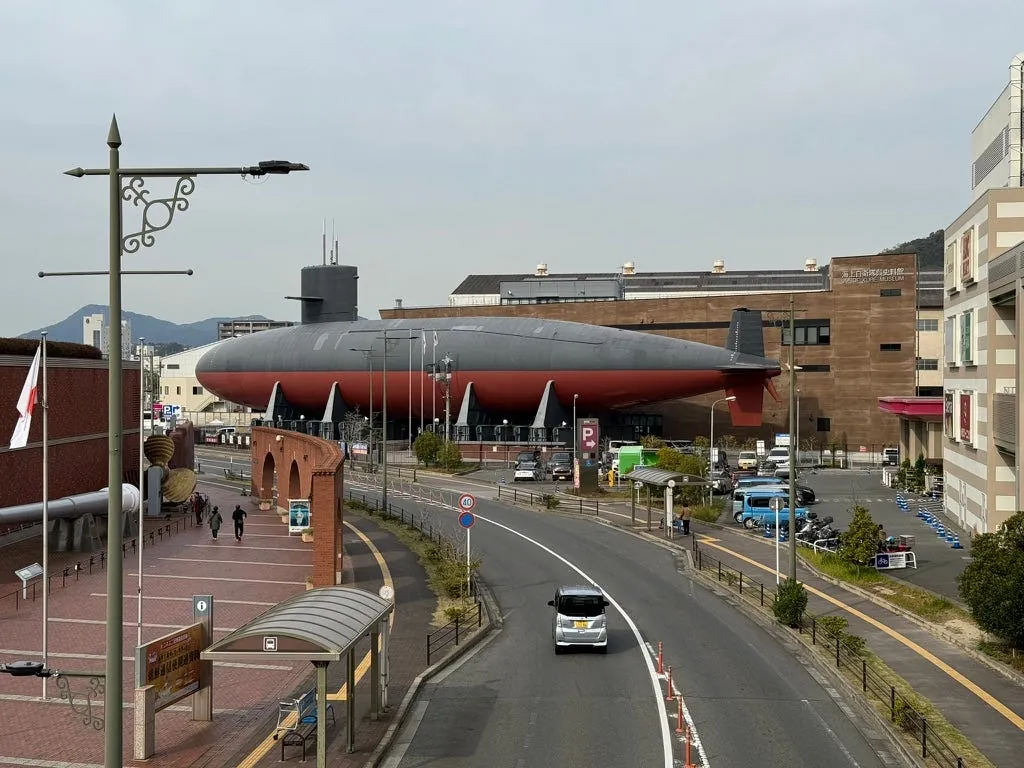
When you reach the end, don’t rush to get off the skybridge. From the skybridge, you can get a great view of the JMSDF Kure Museum — submarines.
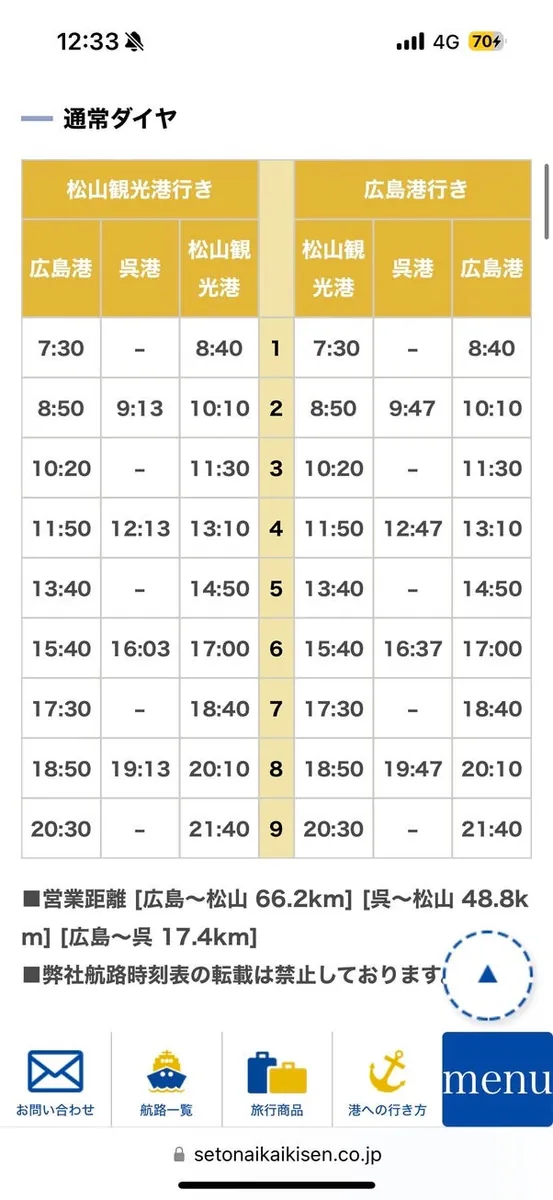
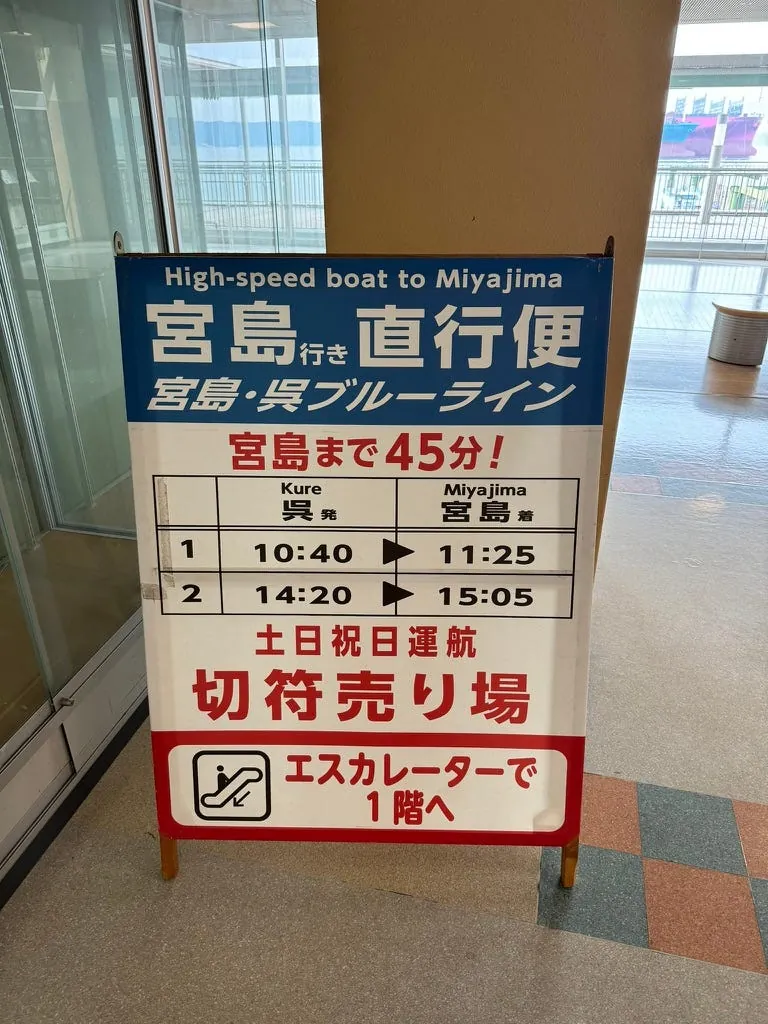
For friends planning to visit Kure City and Hiroshima, here is a suggested itinerary. From Kure City, you can take a boat to Miyajima and then return to Hiroshima by boat as well. I originally planned to take the boat back to Hiroshima, but the timing didn’t work out, so I gave up on it this time.
Yamato Museum
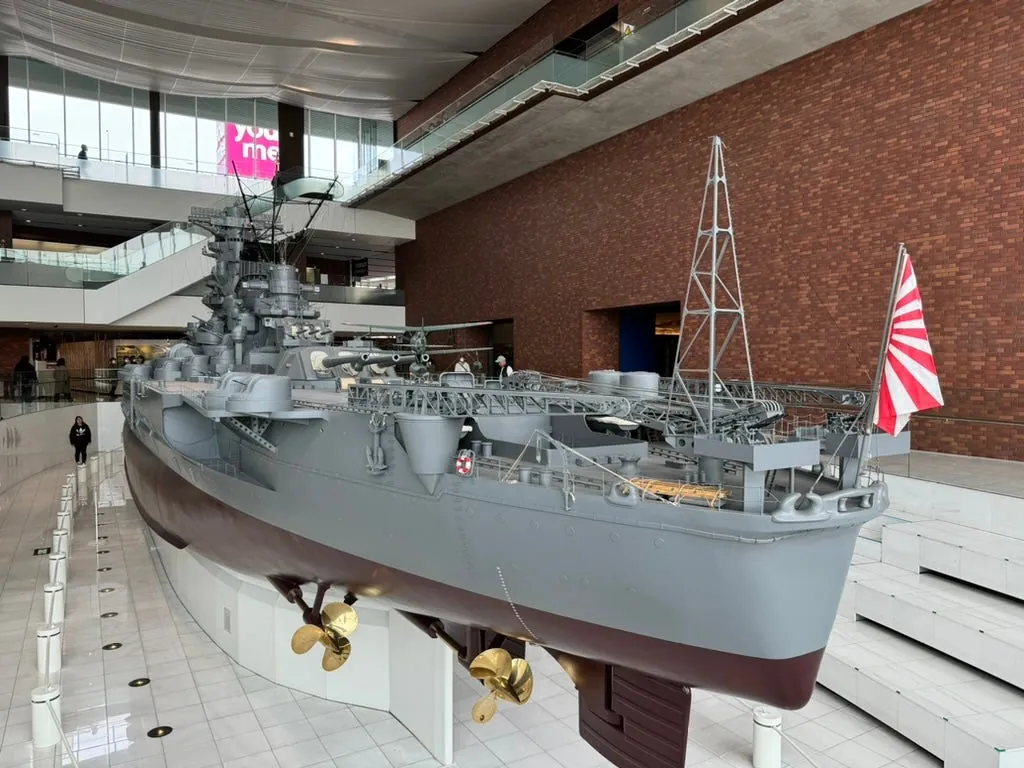
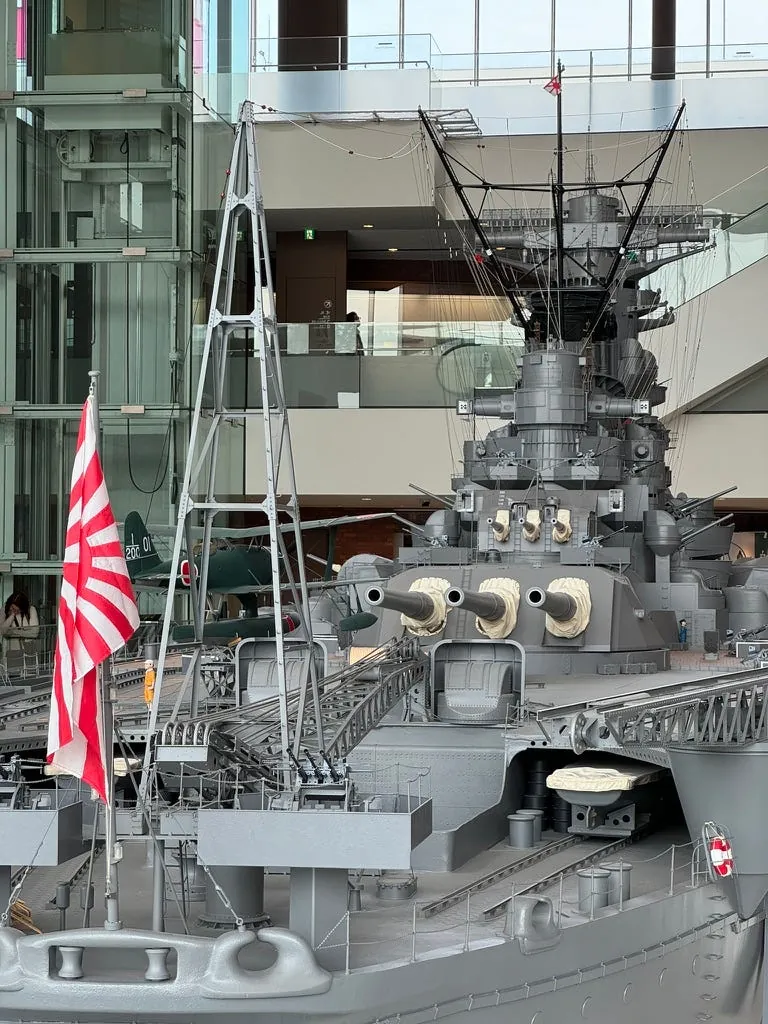
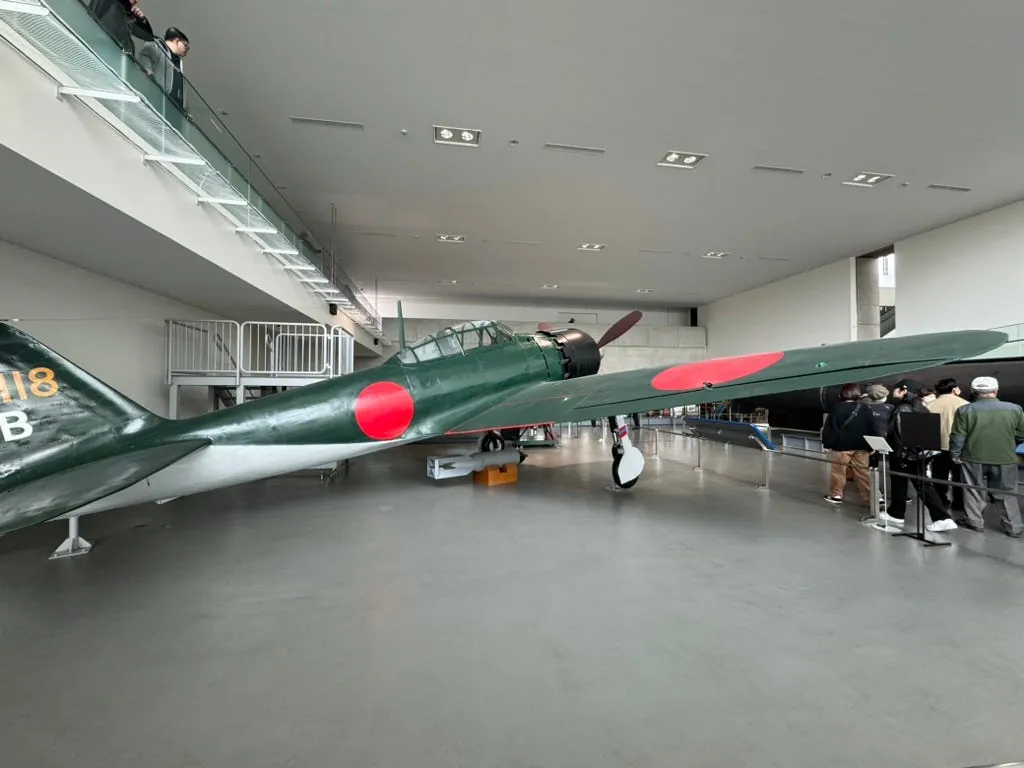
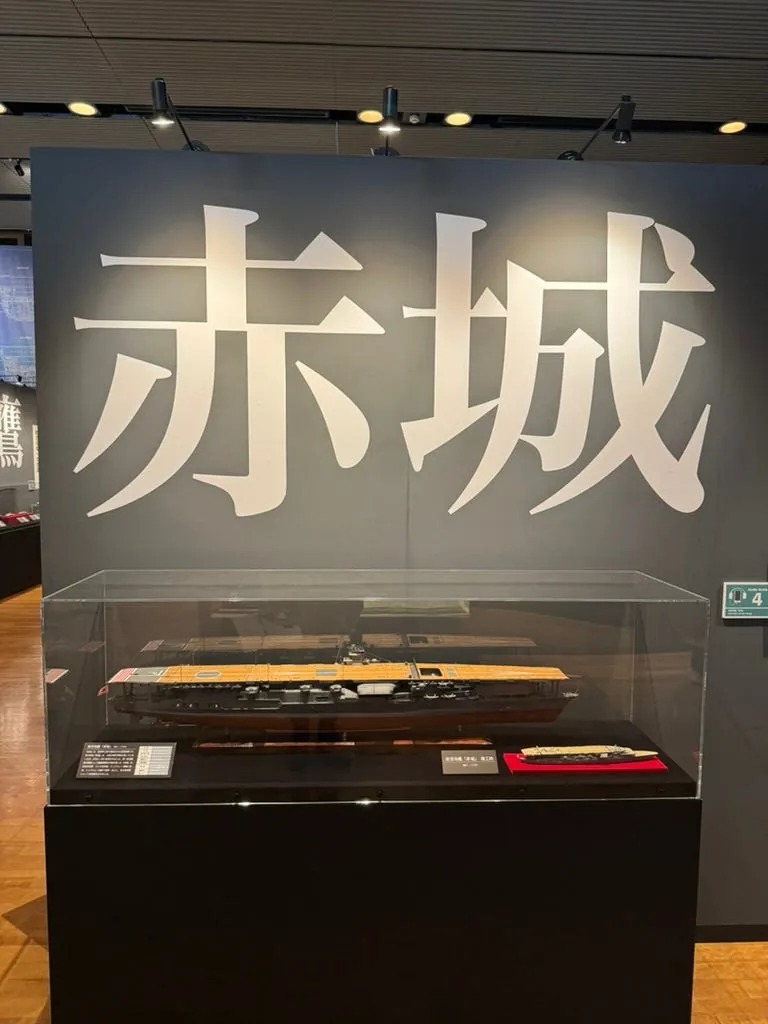
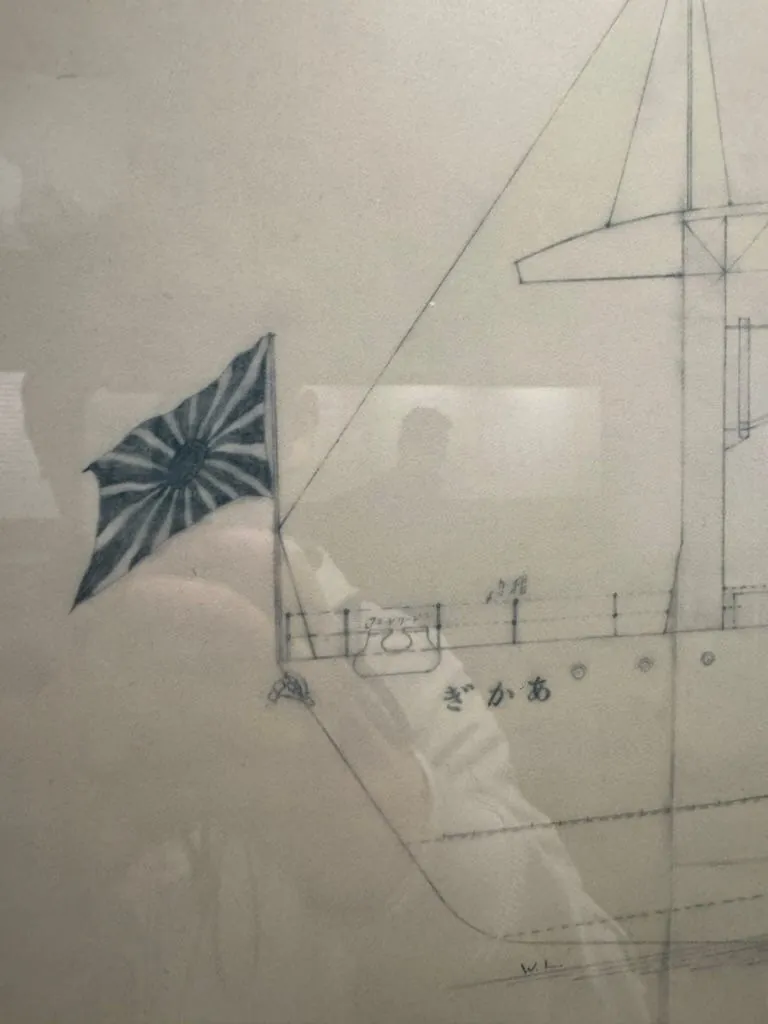
Inside, there is a Yamato battleship model that can be viewed up close in 360 degrees, with details nearly maxed out. There are also exhibits on battleships, war history, fighter planes, cannons, and more— a must-see for battleship and military enthusiasts. Additionally, there was a special exhibition on Japanese aircraft carrier design and development history, including original design manuscripts.
JMSDF Kure Museum
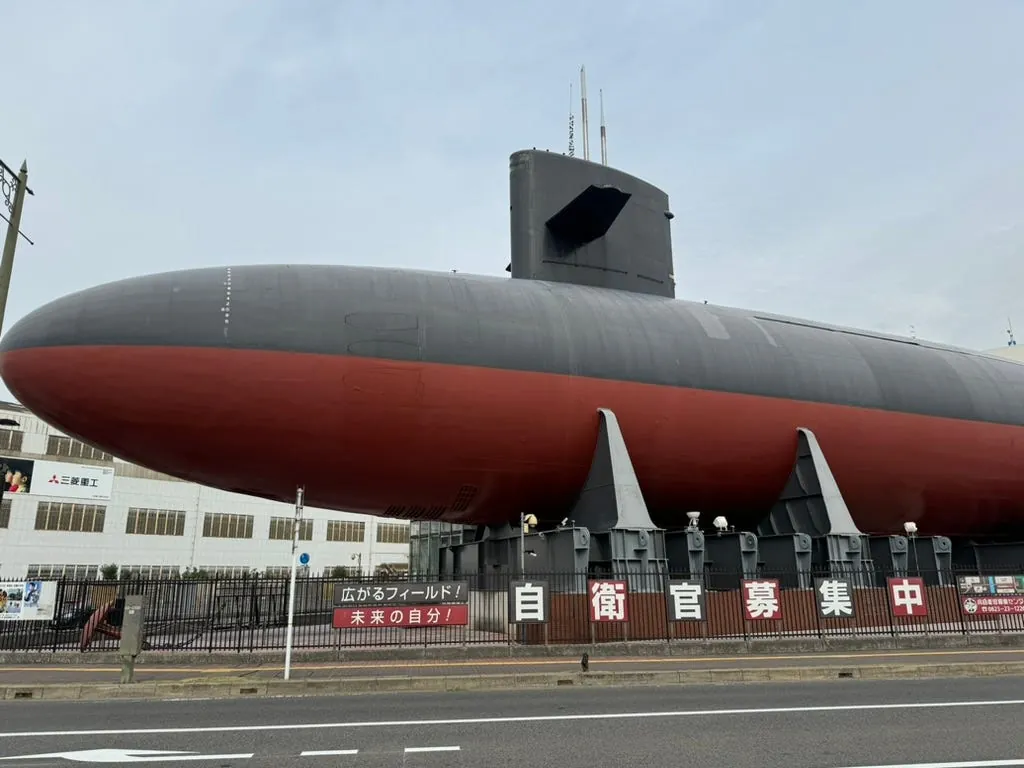
After leaving the Yamato Museum, walk further back to reach the JMSDF Kure Museum, which offers free admission.
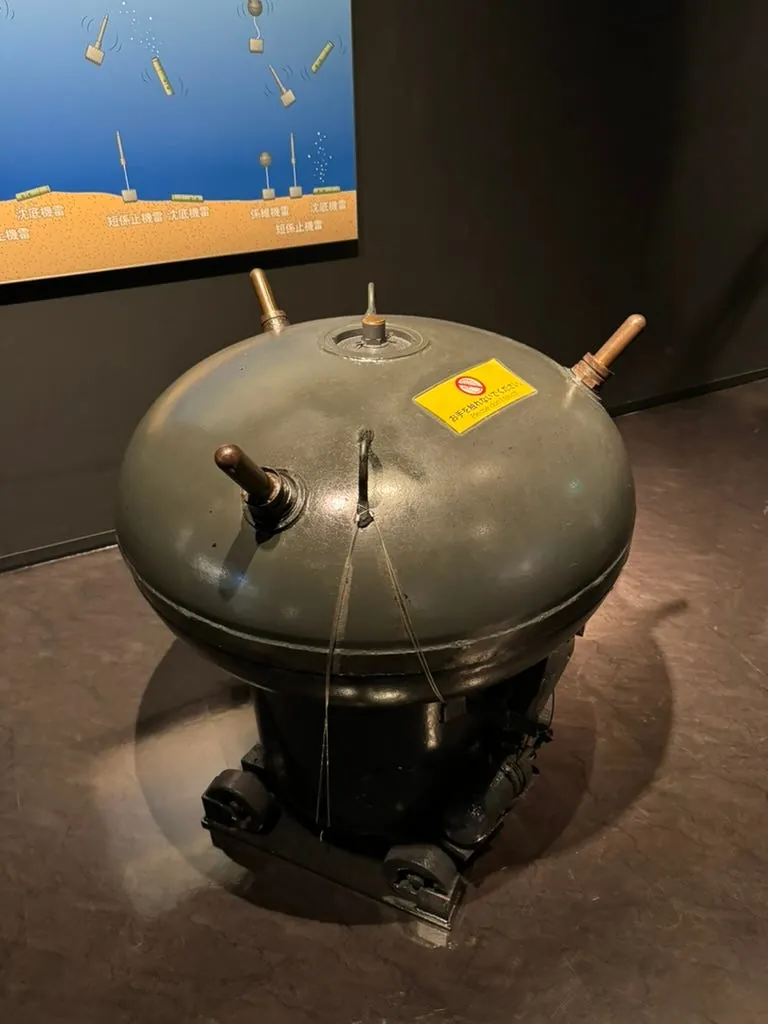
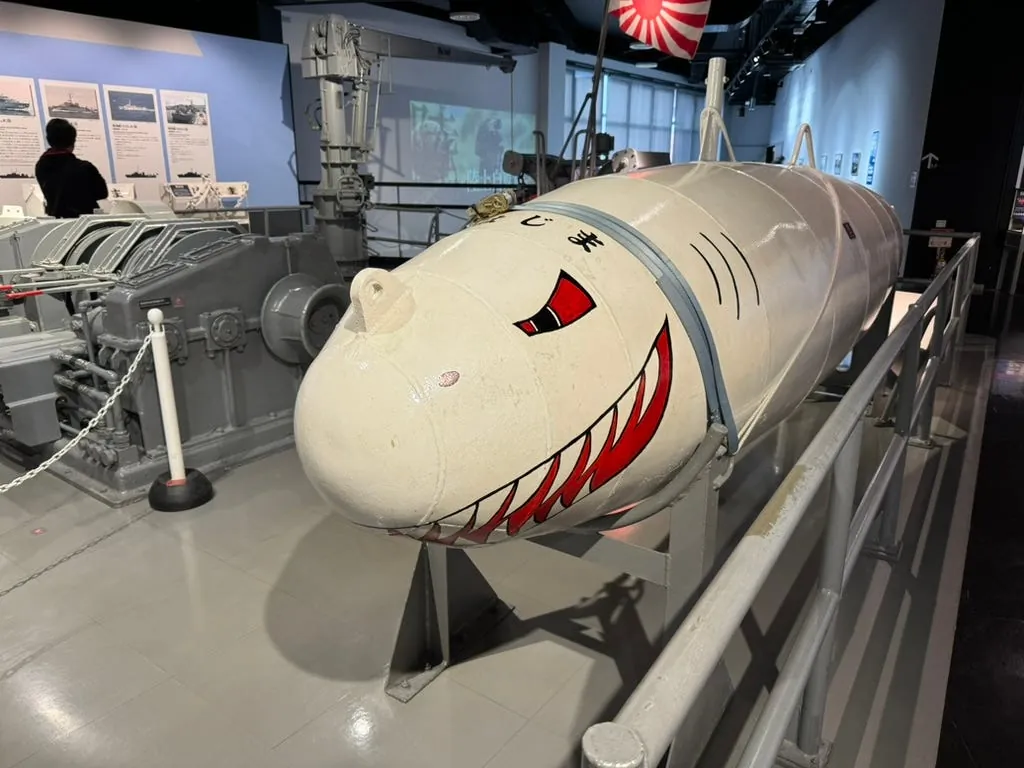
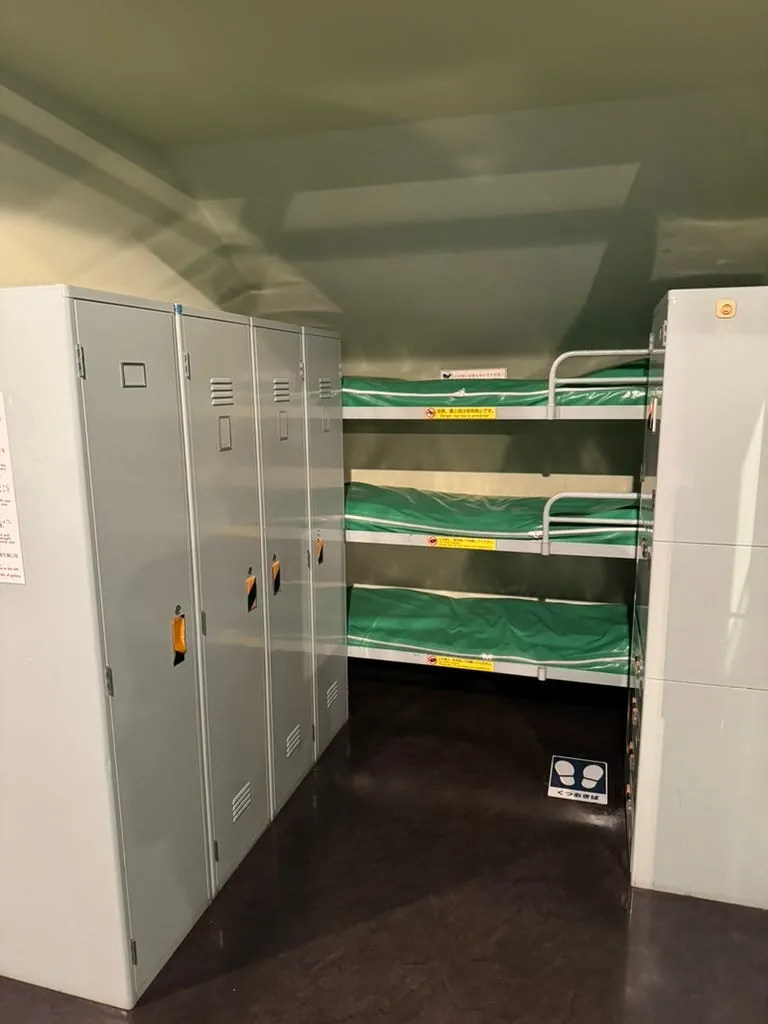
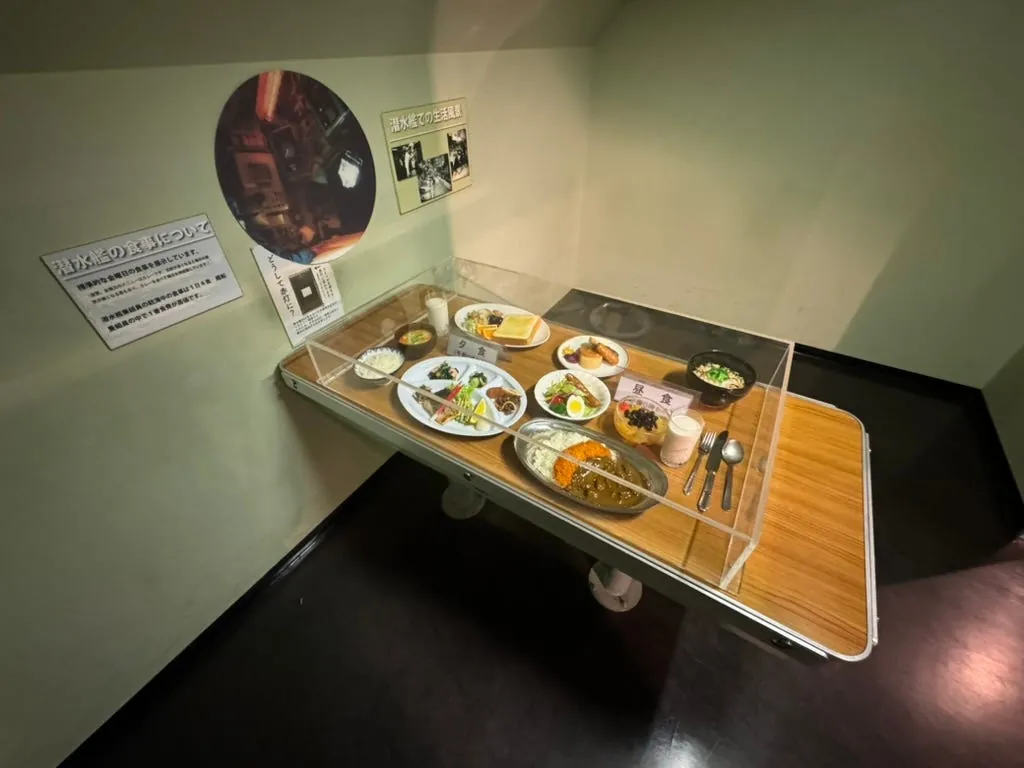
The museum mainly displays the submarine’s living environment, working conditions, engine, torpedoes, and history.
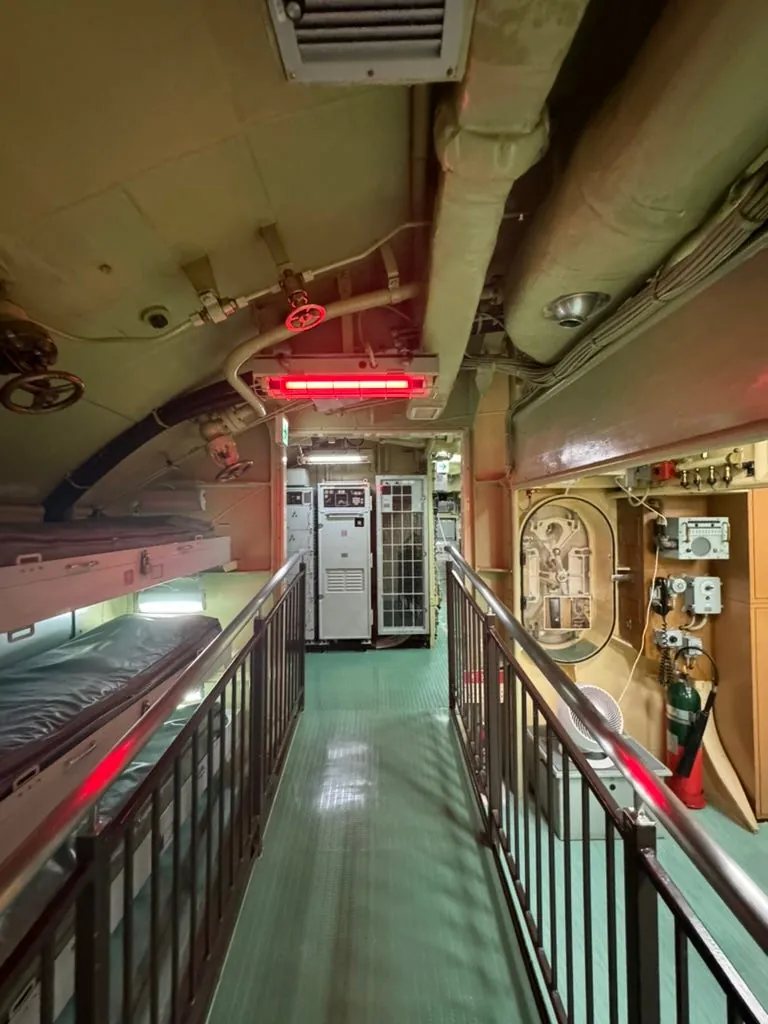
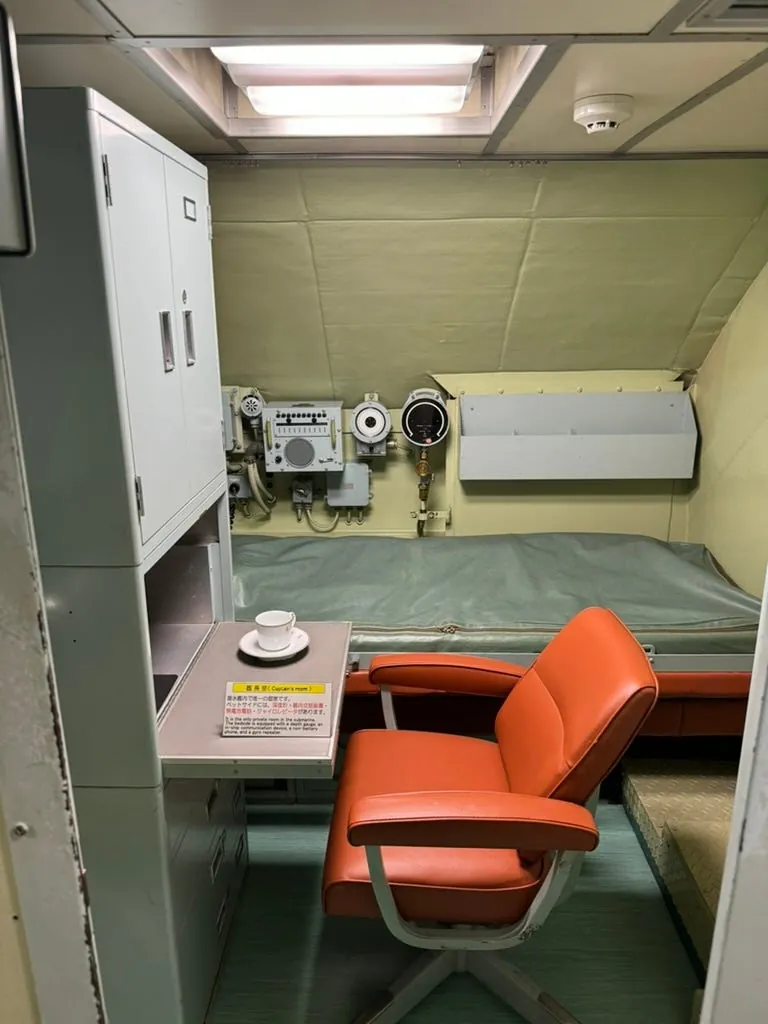
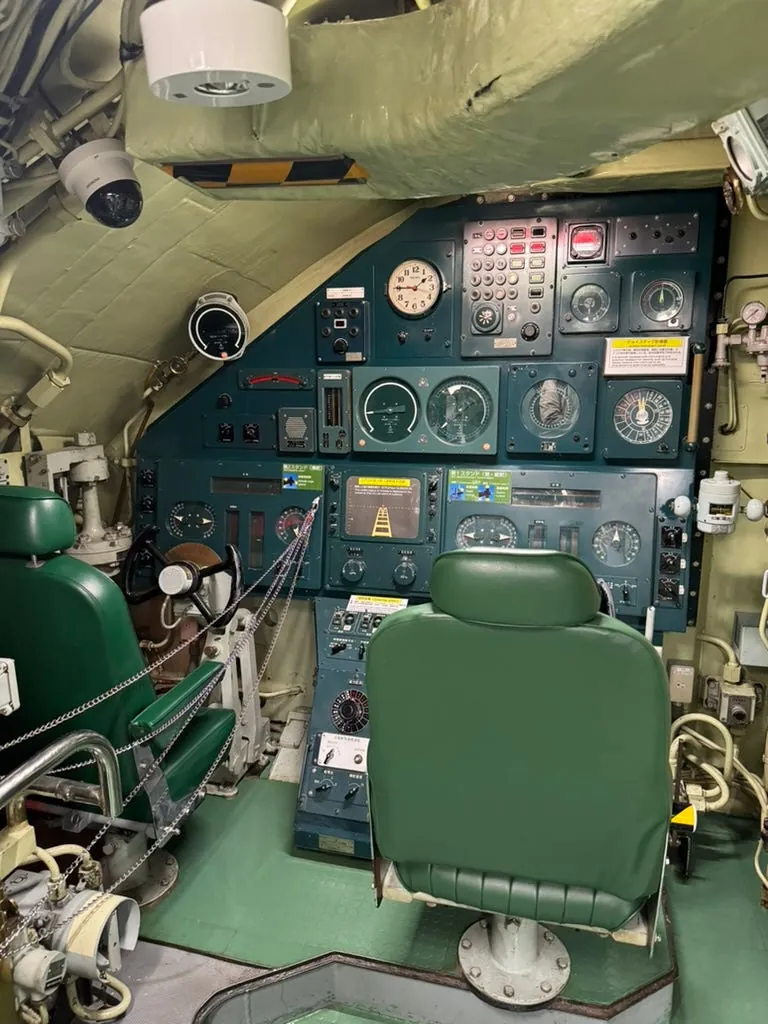
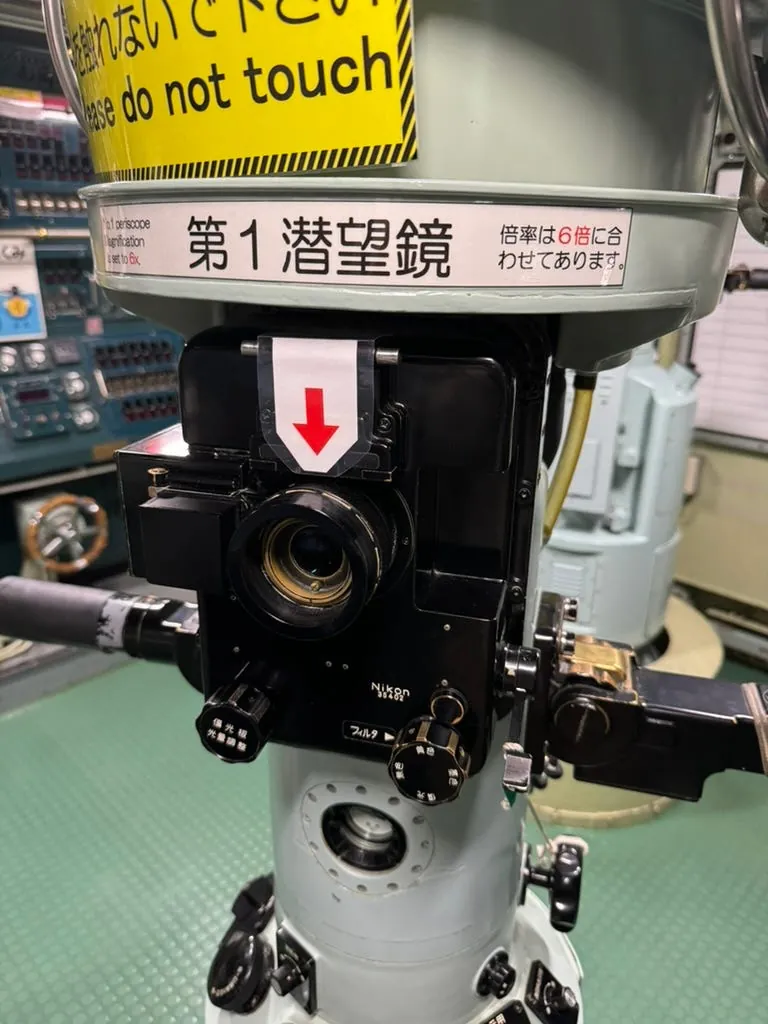
The most special part was being able to enter the submarine and visit the real engine room, dormitory, captain’s room, control room, and use the periscope to see the outside environment.
Kure City Shopping Street
After visiting the museum, it was almost noon and time to find food. I initially wanted to try Navy curry, but after checking reviews, it didn’t seem special. So, I headed back to Kure City shopping street to decide. (Actually, it was quite far in the opposite direction, and walking took nearly 30 minutes.)
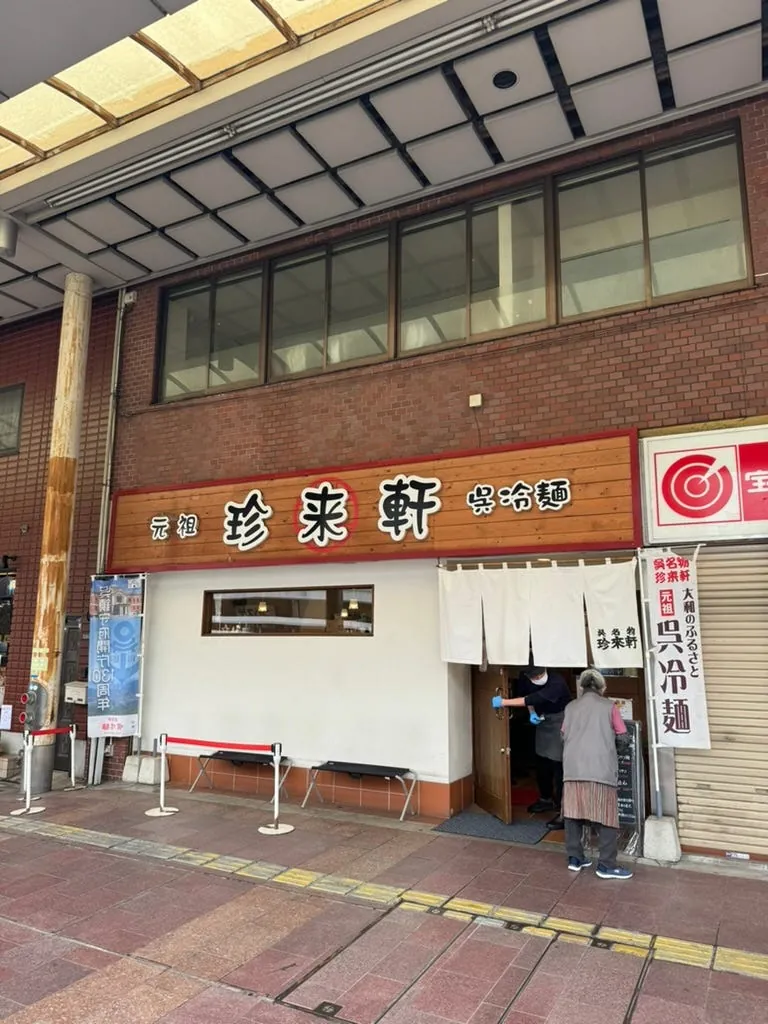
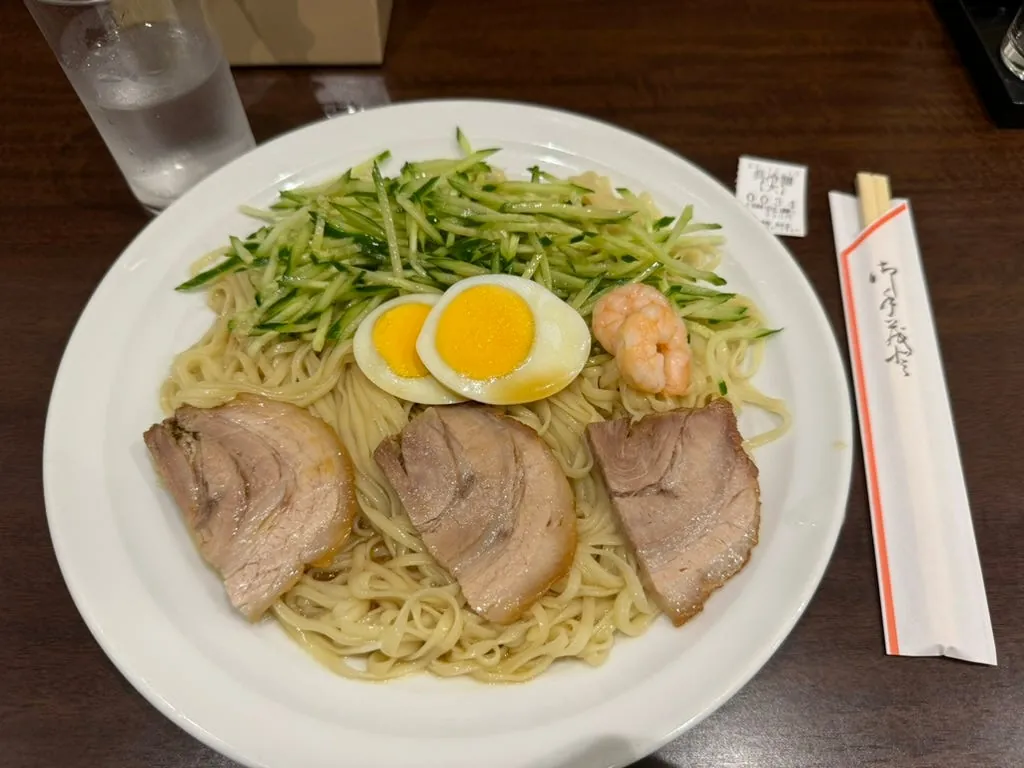
Finally, I chose to eat Kure cold noodles, which are similar to cold noodles with pork bone chashu. The noodles are chilled, giving a refreshing taste. The portion is quite large, so ordering a small size is enough.
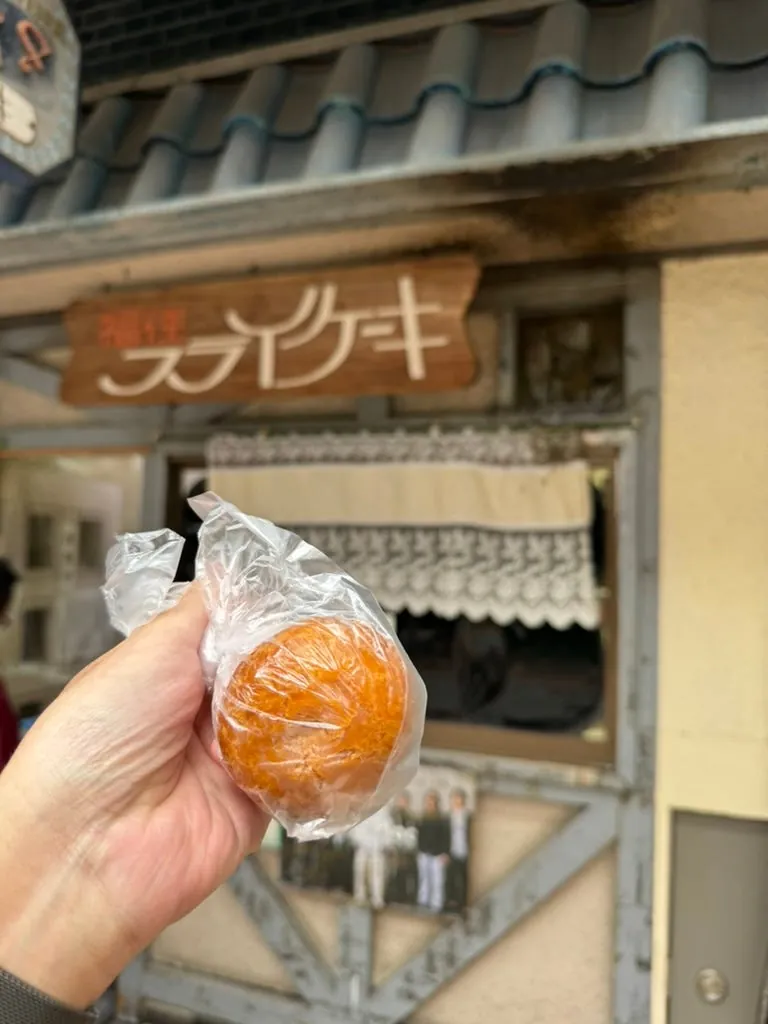
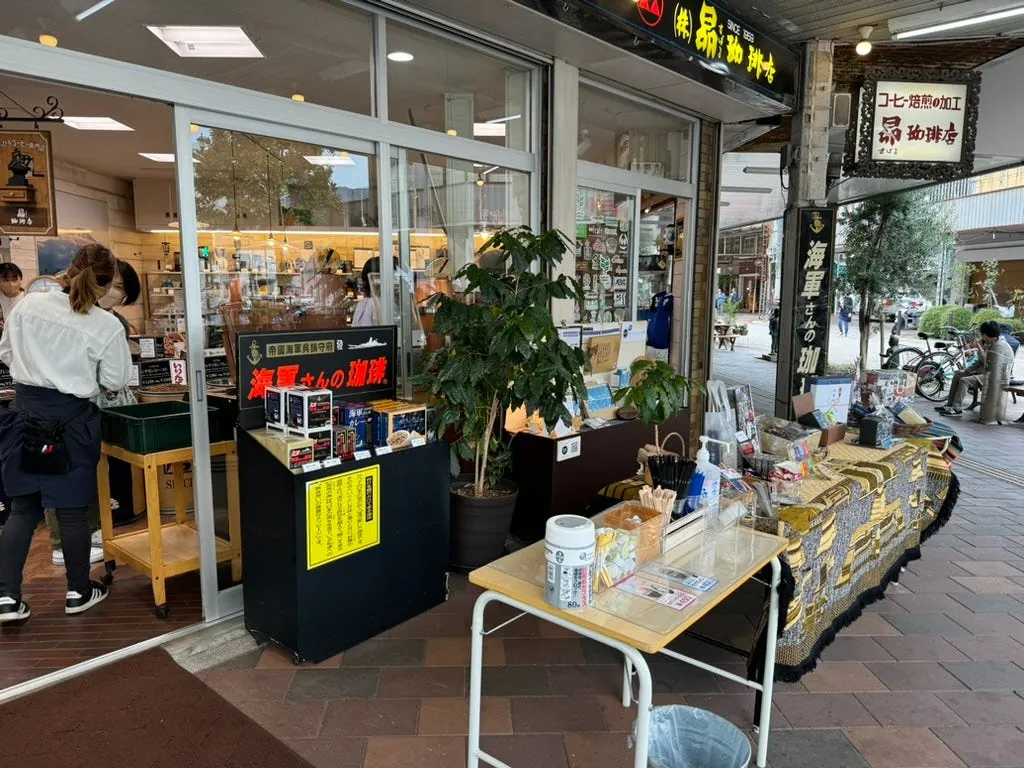
After eating, I headed back to the station and on the way bought “Fukuzumi Fried Red Bean Cake.” It was sweet and oily, tasting quite ordinary. I also picked up Navy Coffee and curry as souvenirs (subarucoffee_store/), where the staff were very friendly and enthusiastic.
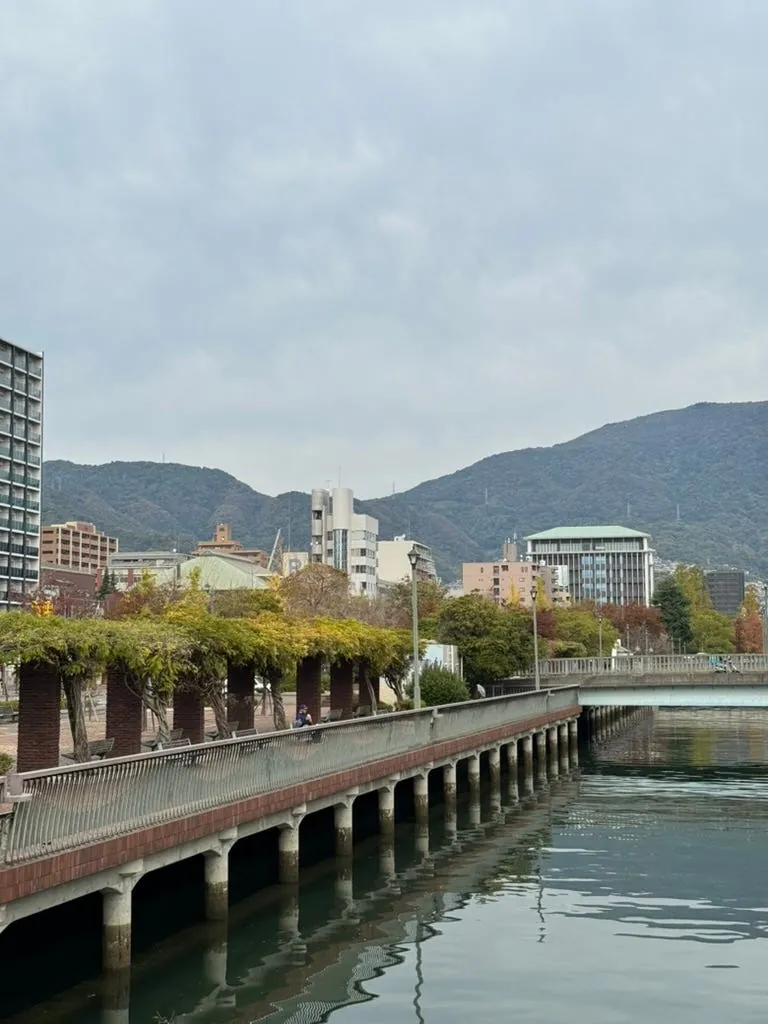
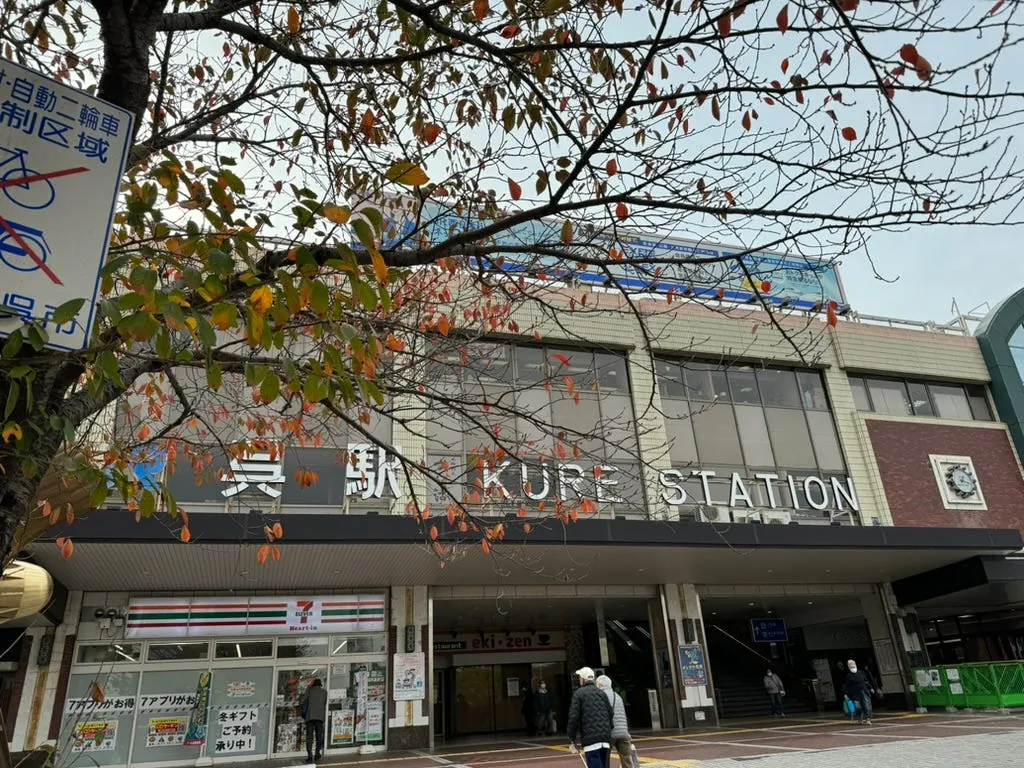
Walk all the way back to Kure Station and take the train back to Hiroshima.
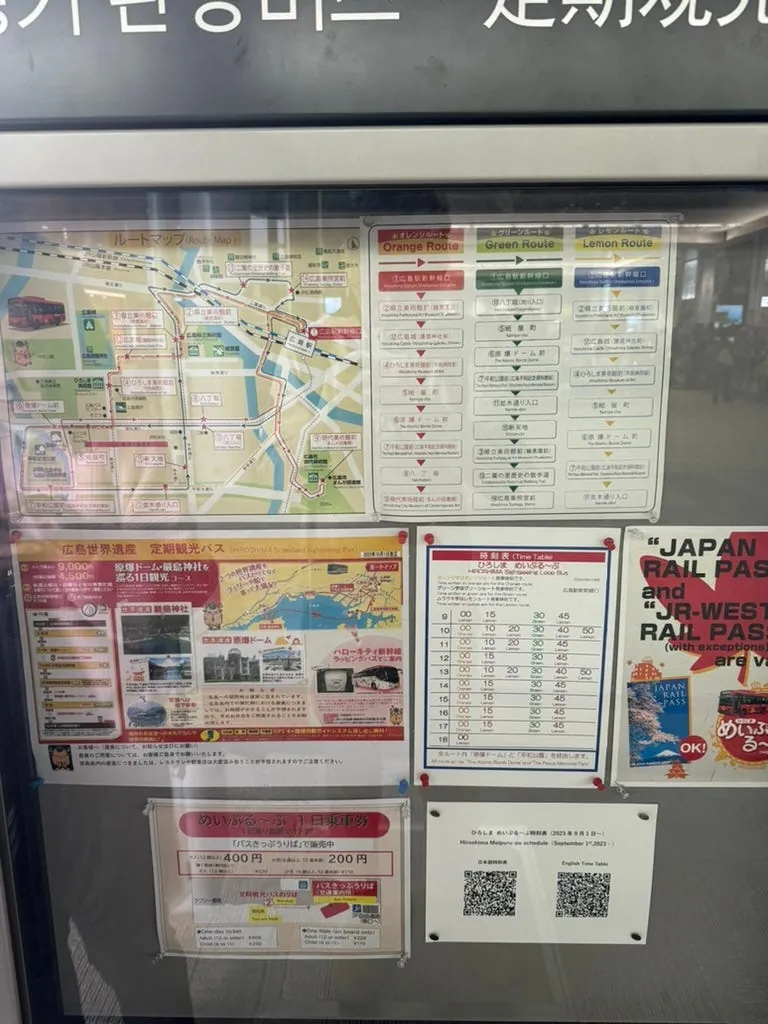
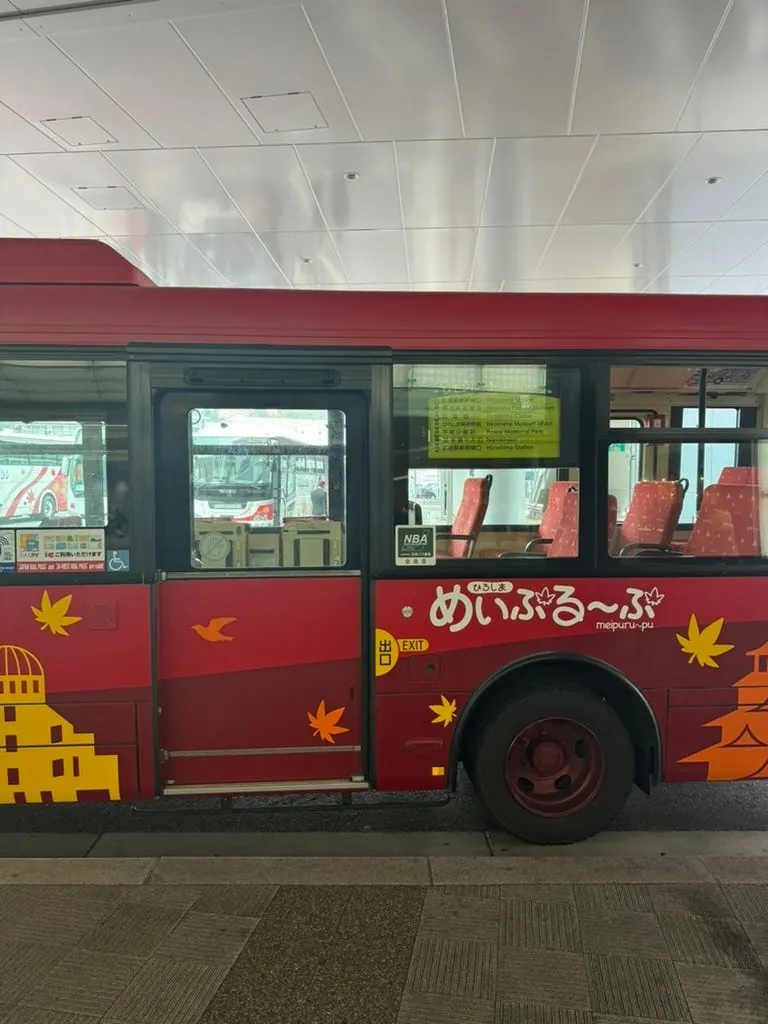
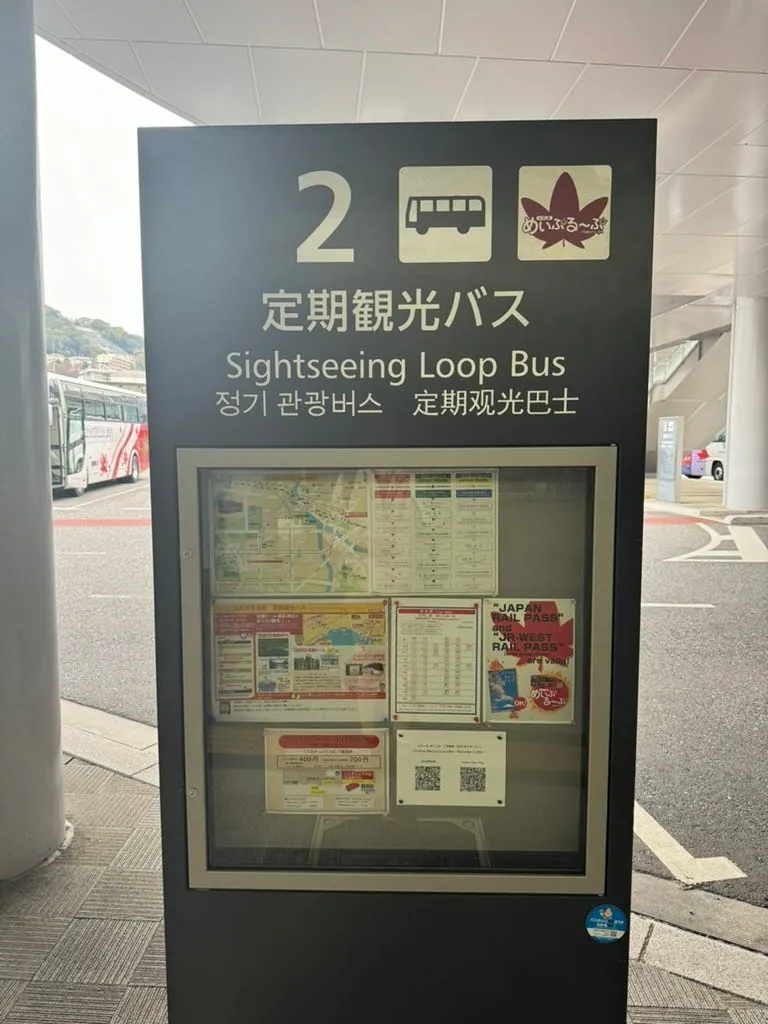
After returning to Hiroshima, the final city tour begins. Right outside Hiroshima Station, there are three sightseeing bus routes available (included in the JR Pass). You can choose based on the direction you want to go.
I wanted to visit Shukkeien (Hiroshima Museum of Art) first, so I chose to take the Red Maple Line.
Shukkeien Garden
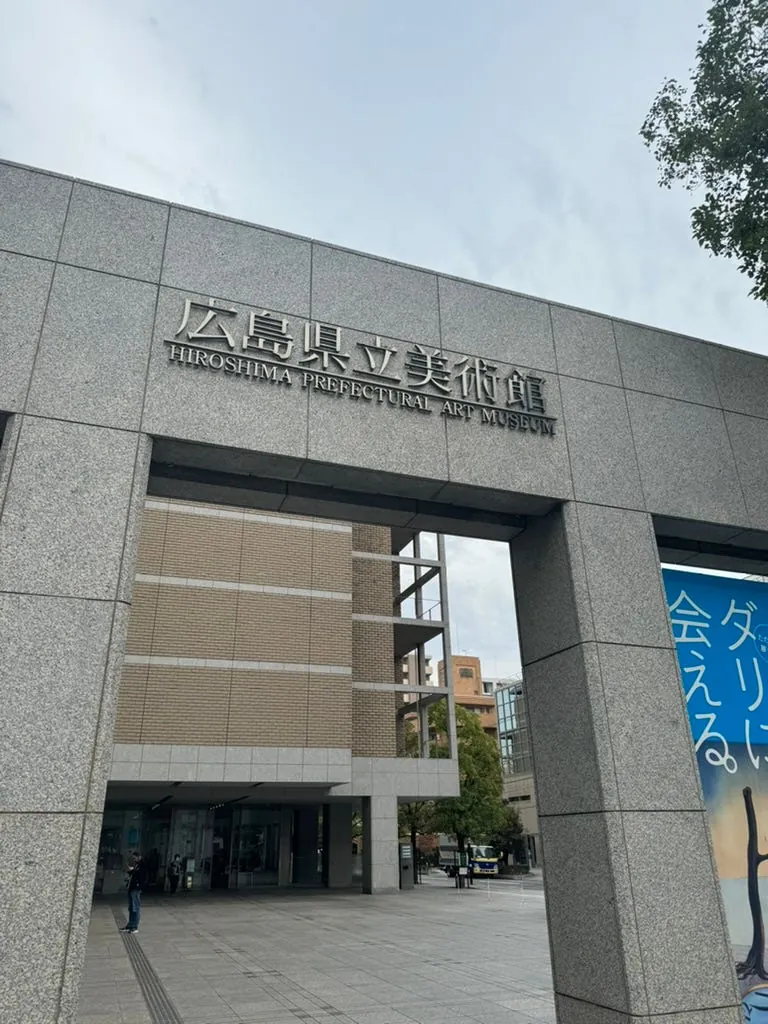
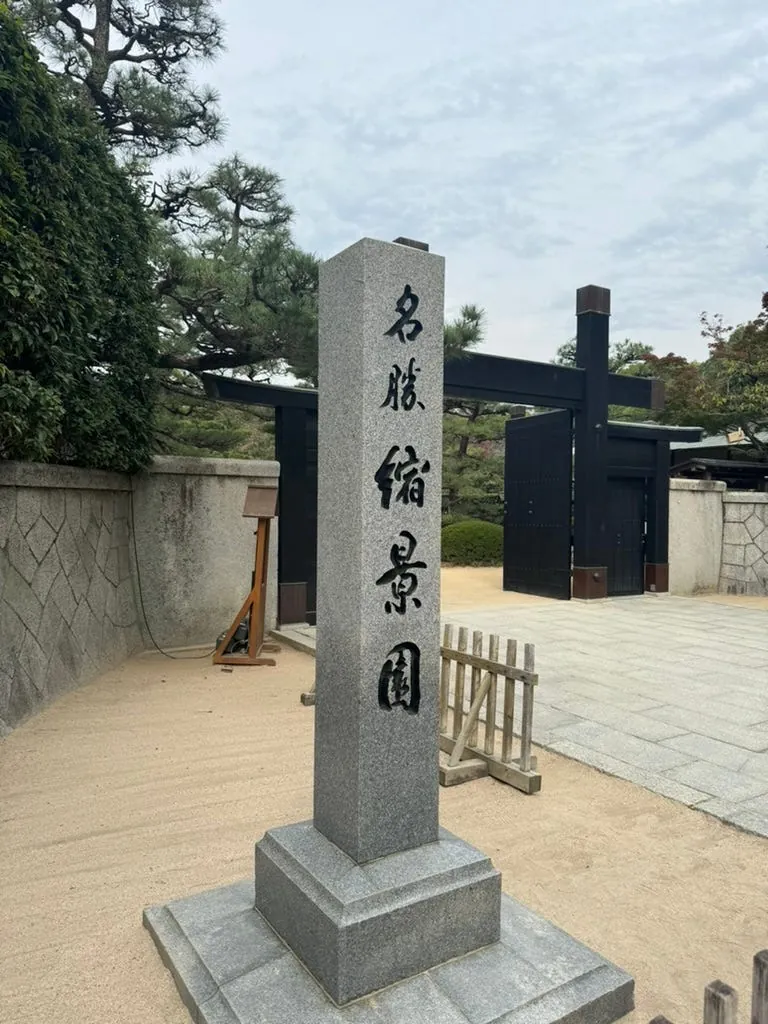
Shukkeien Garden is located right behind the Hiroshima Museum of Art. You can also buy a combined ticket for Shukkeien Garden and the Hiroshima Museum of Art.
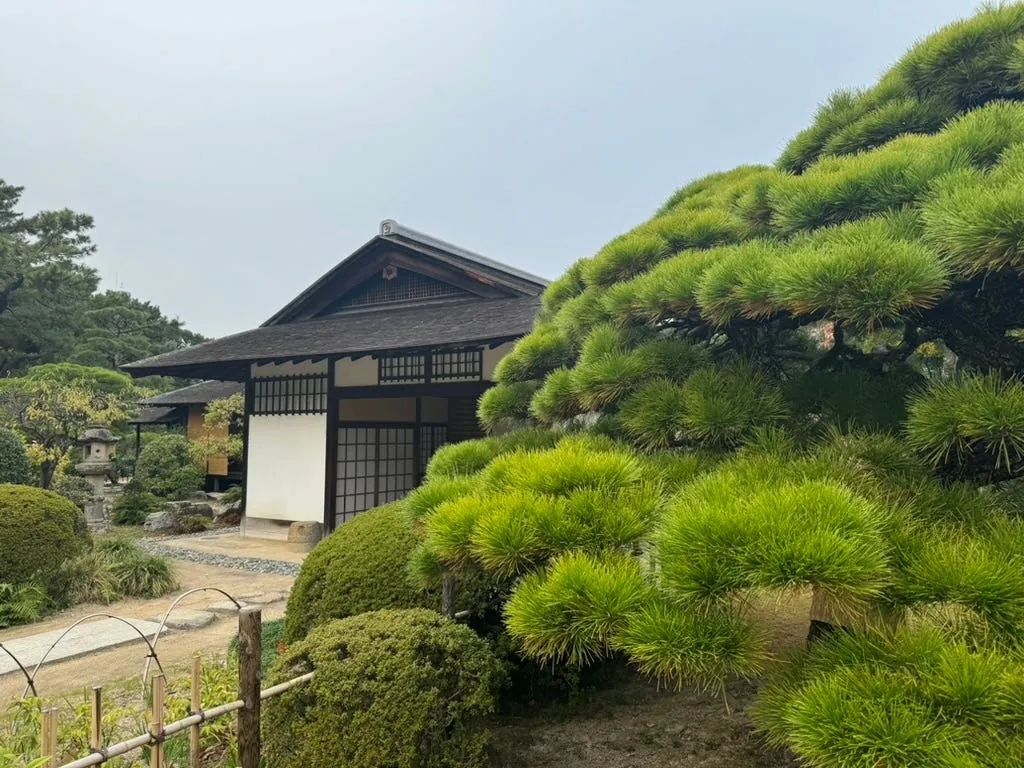
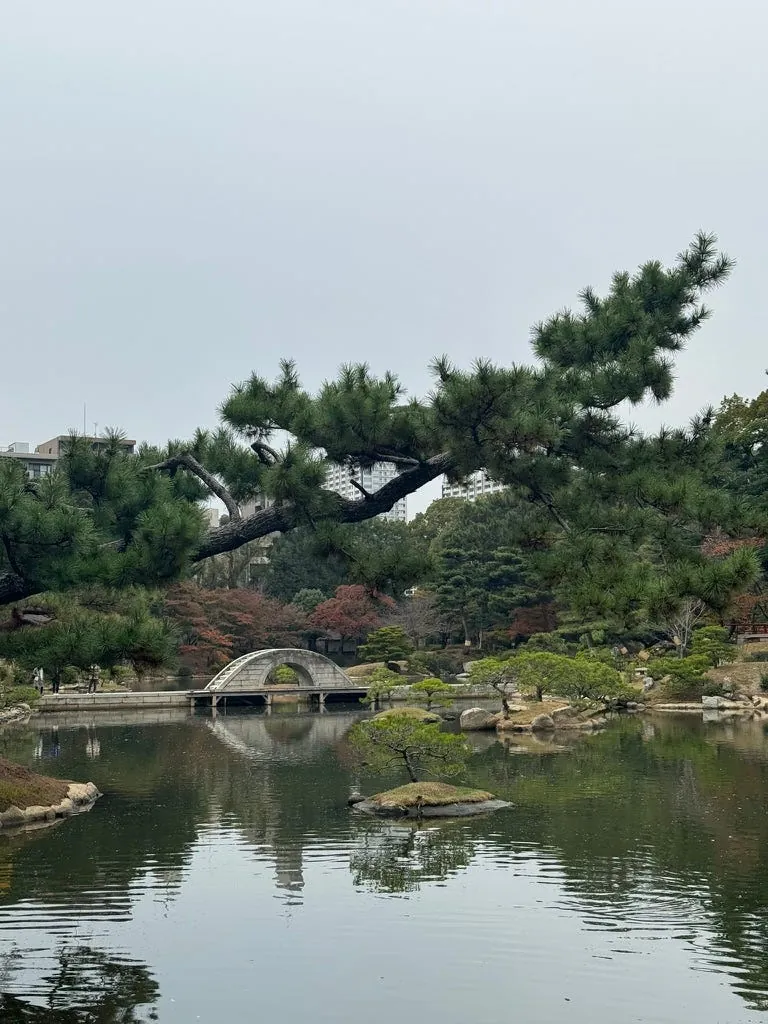
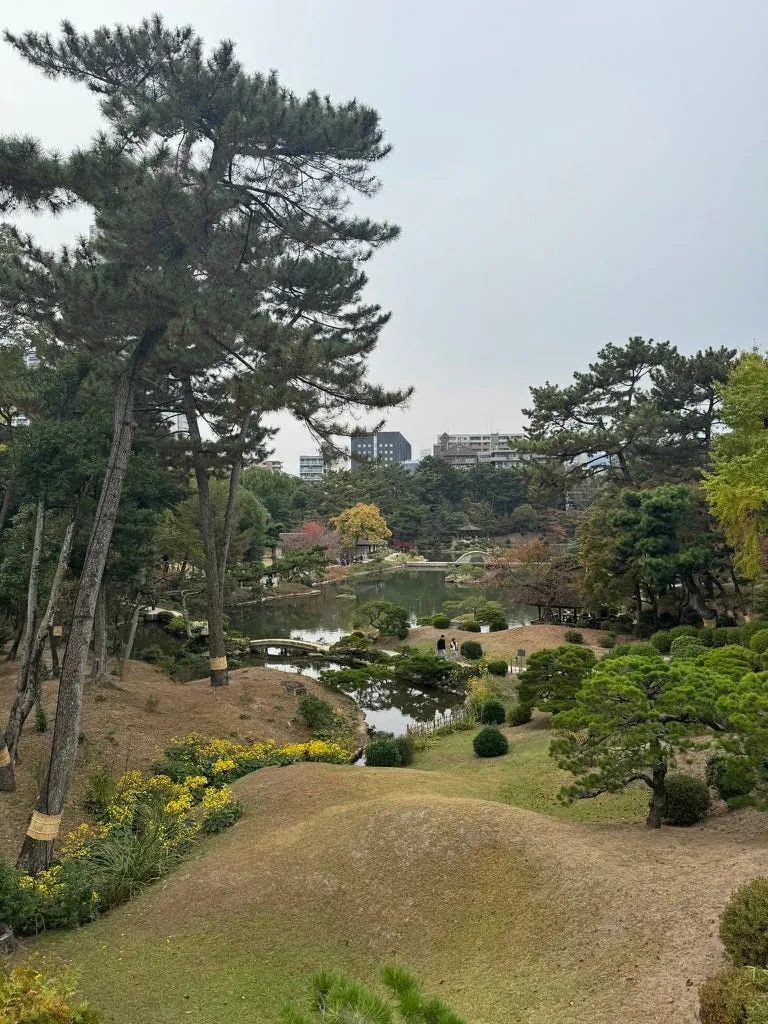
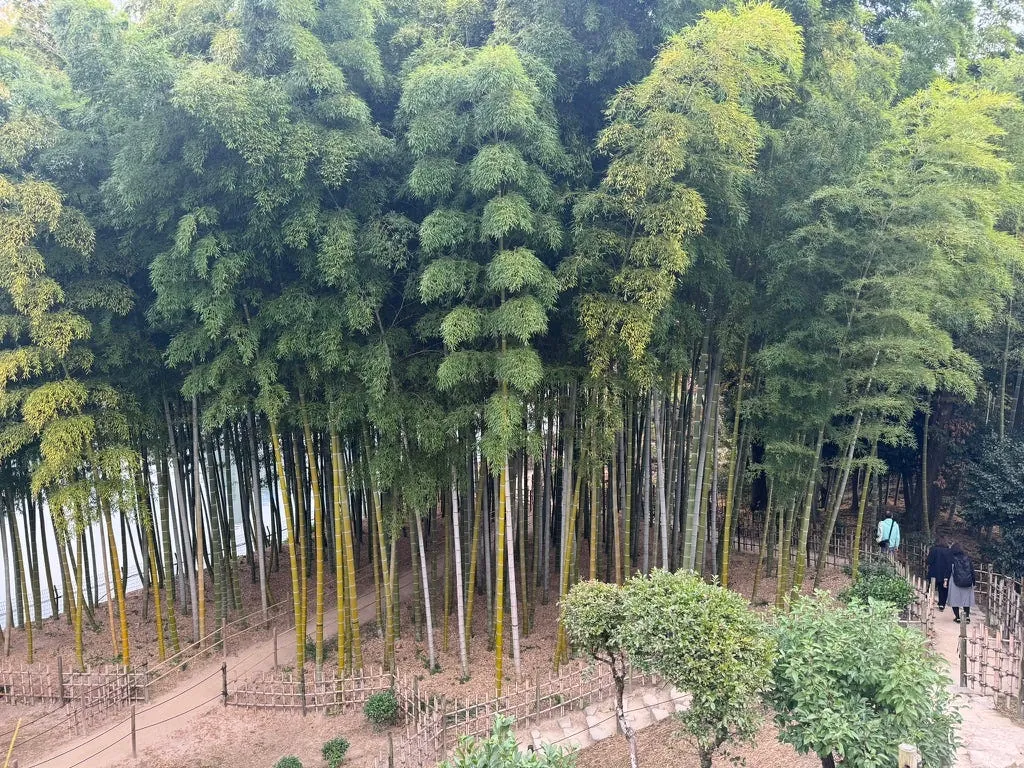
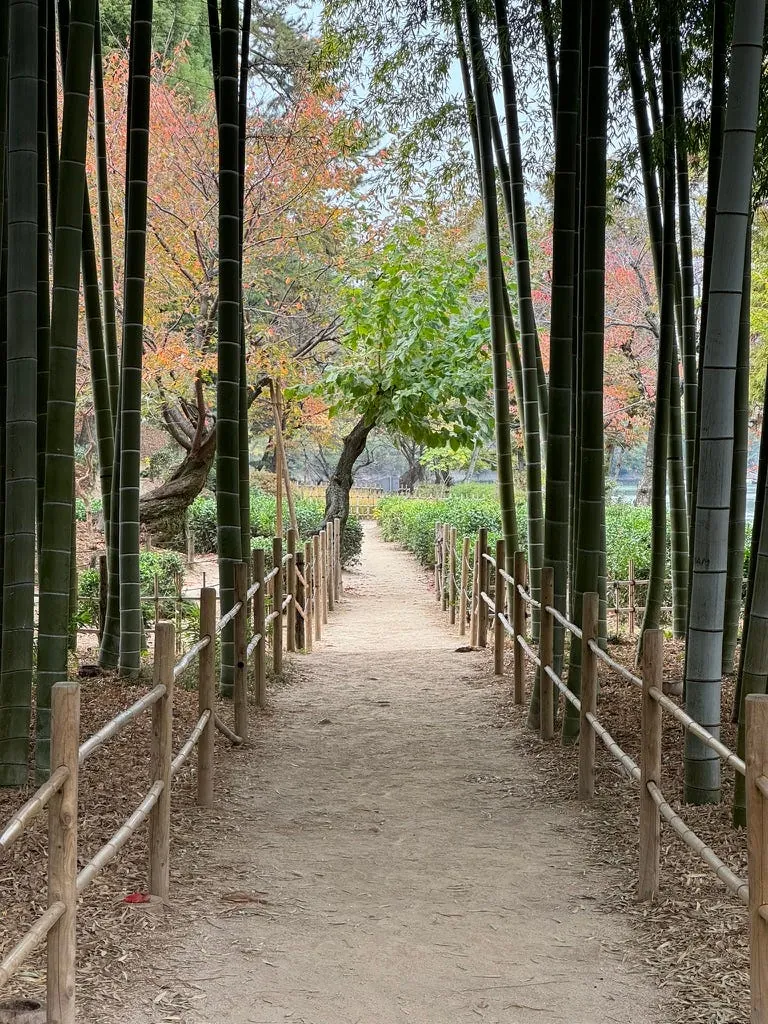
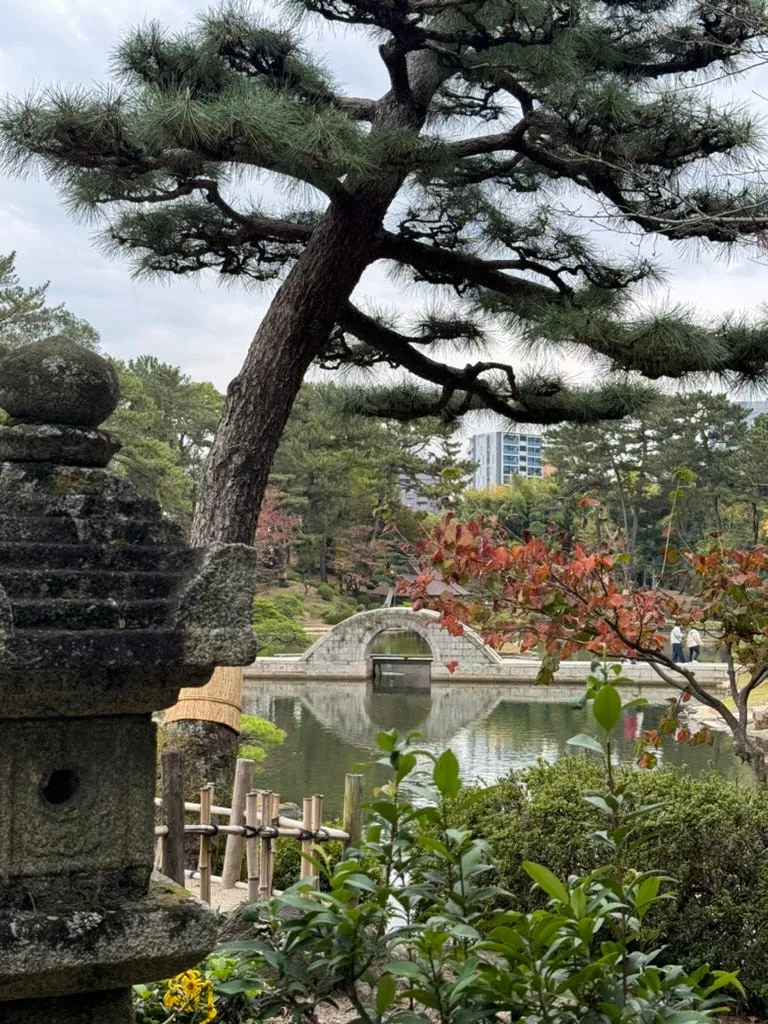
Shukkeien Garden is a charming small garden featuring many miniature landscapes, such as maple trees, small bridges with flowing water, bamboo groves, pines, and hills. It’s quite nice to stroll around and enjoy the scenery.
Hiroshima Castle
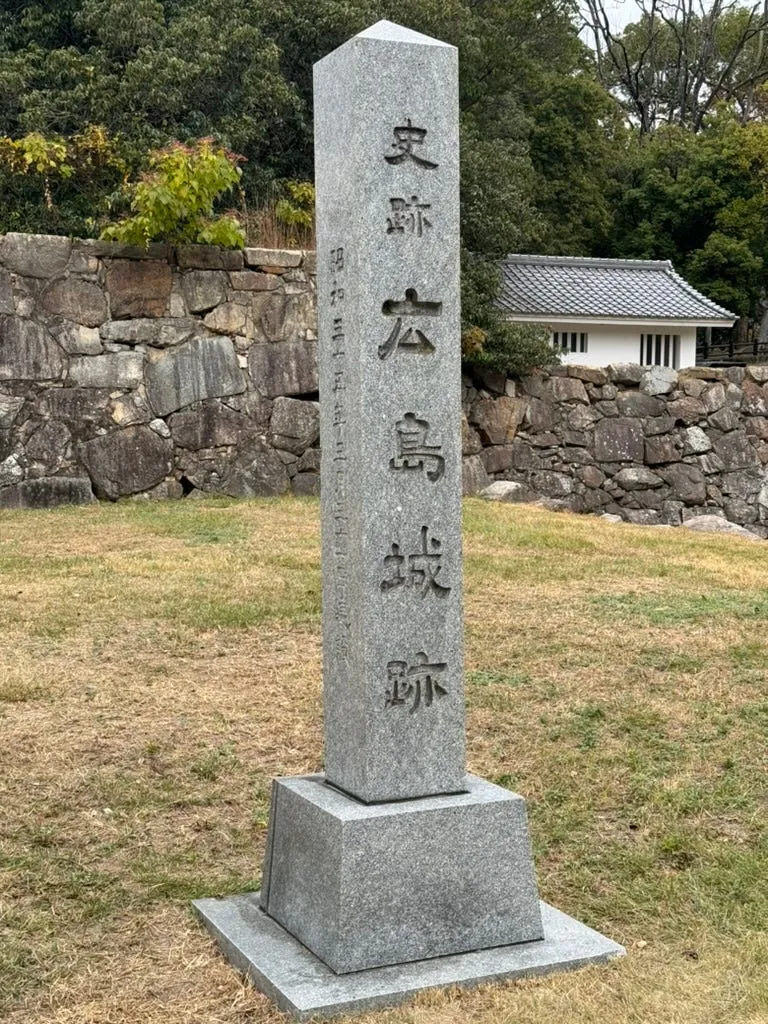
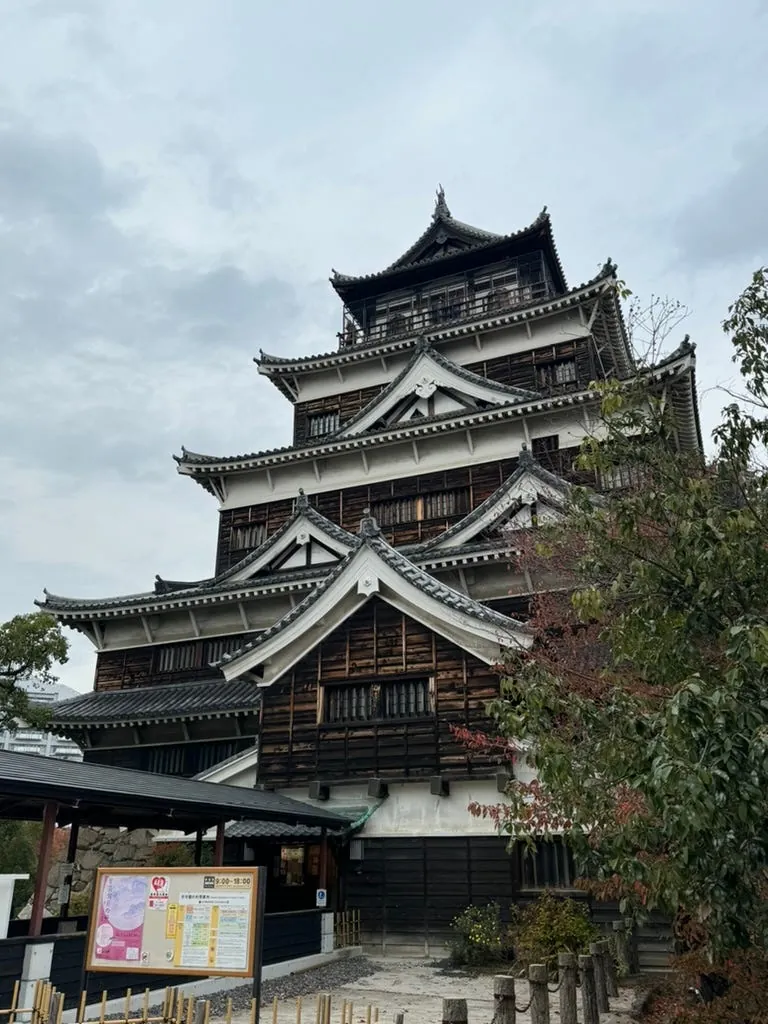
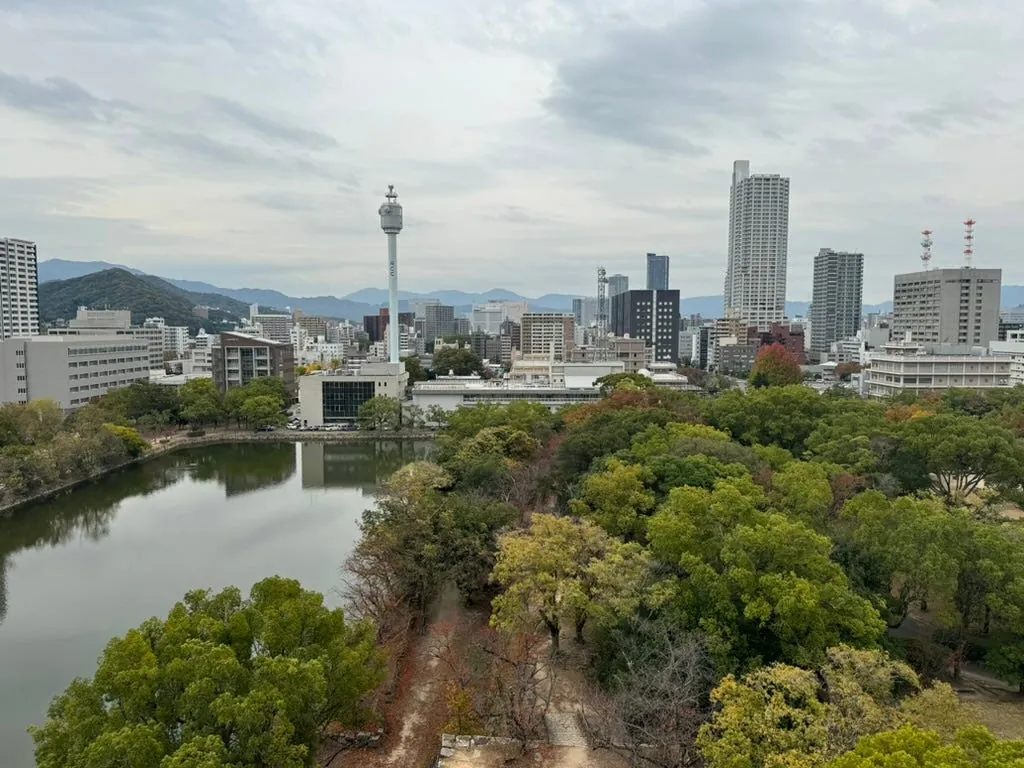
Next stop, a stroll to Hiroshima Castle. The original Hiroshima Castle was destroyed in the atomic bombing. The current castle is a reconstruction, quite new overall, and not very tall. The main keep doesn’t offer much of a view.
Peace Memorial Museum, Peace Memorial Park
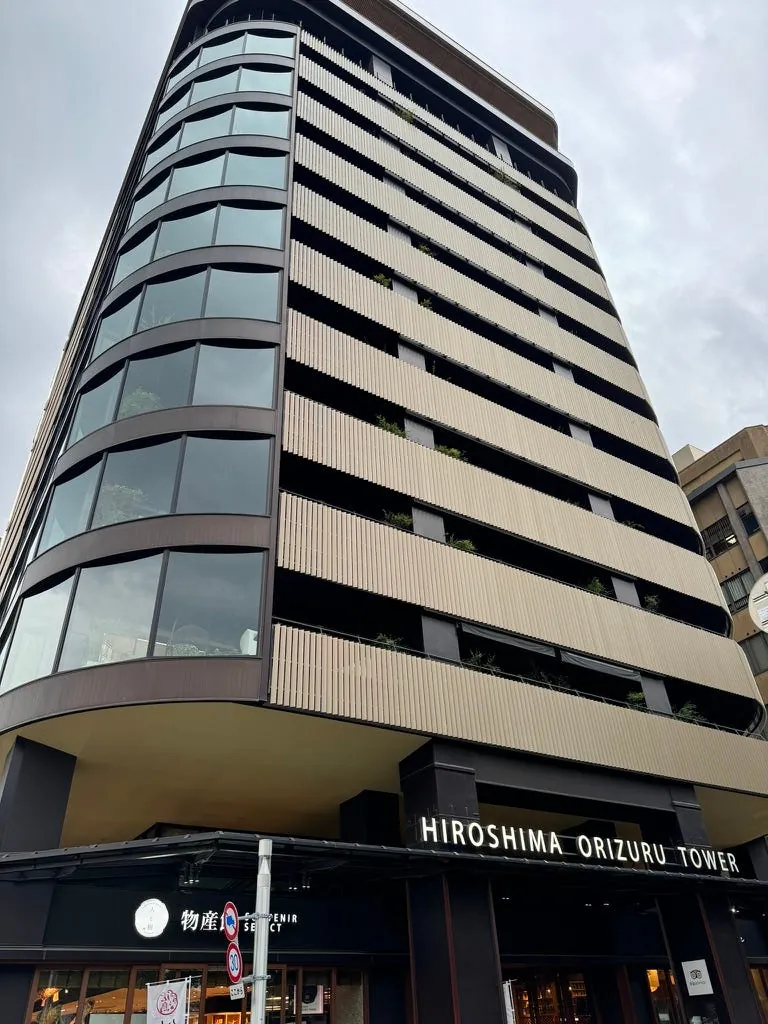
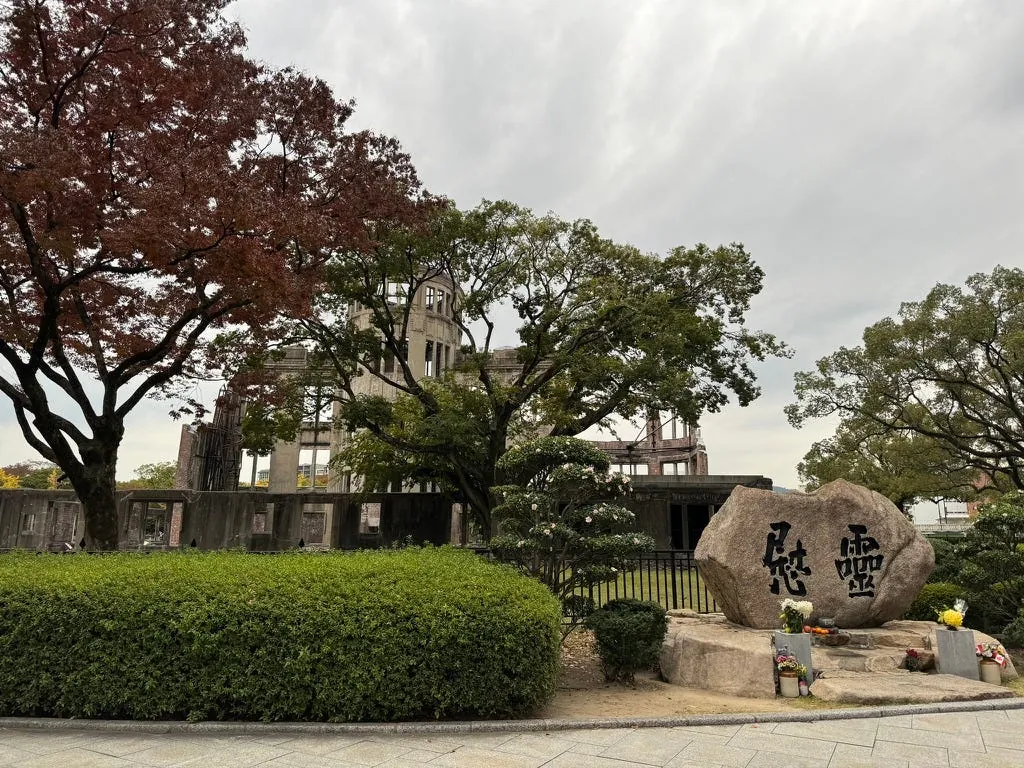
The last stop was back at the Peace Memorial Park, right next to the Paper Crane Tower (not very tall, did not go inside).
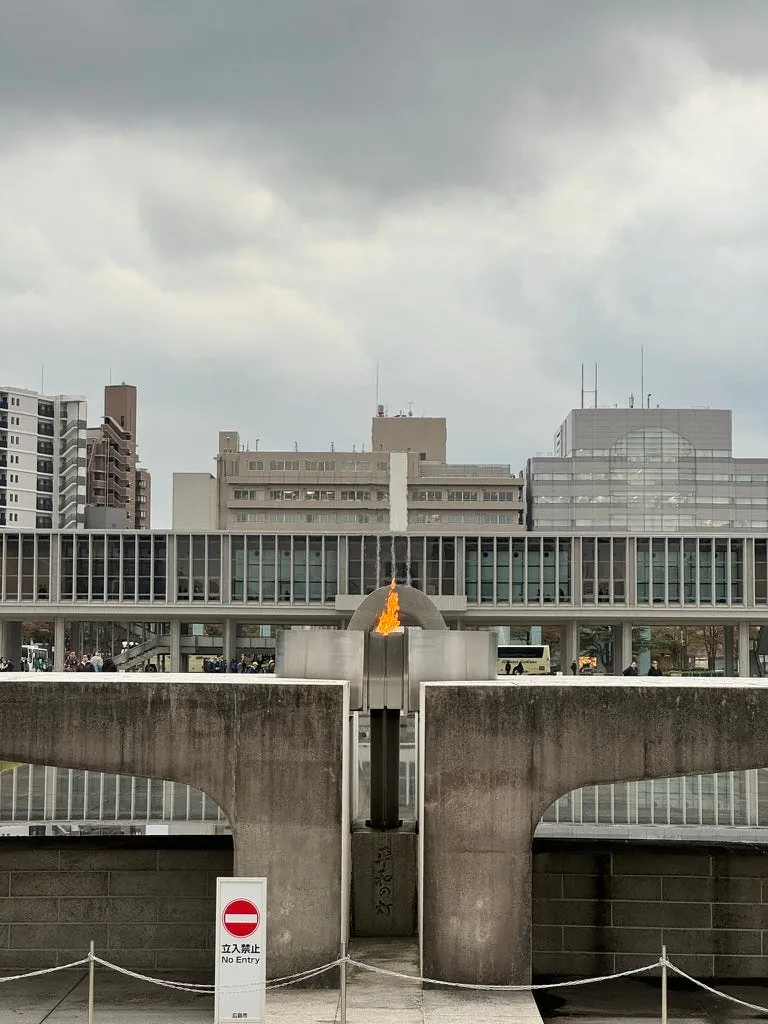
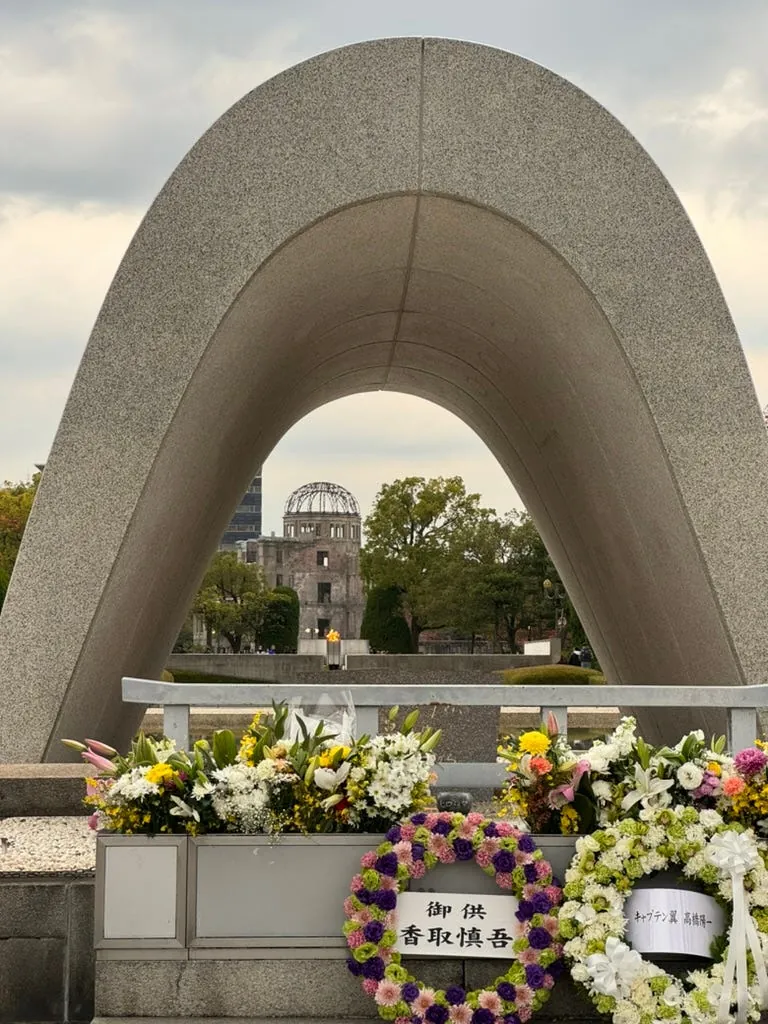
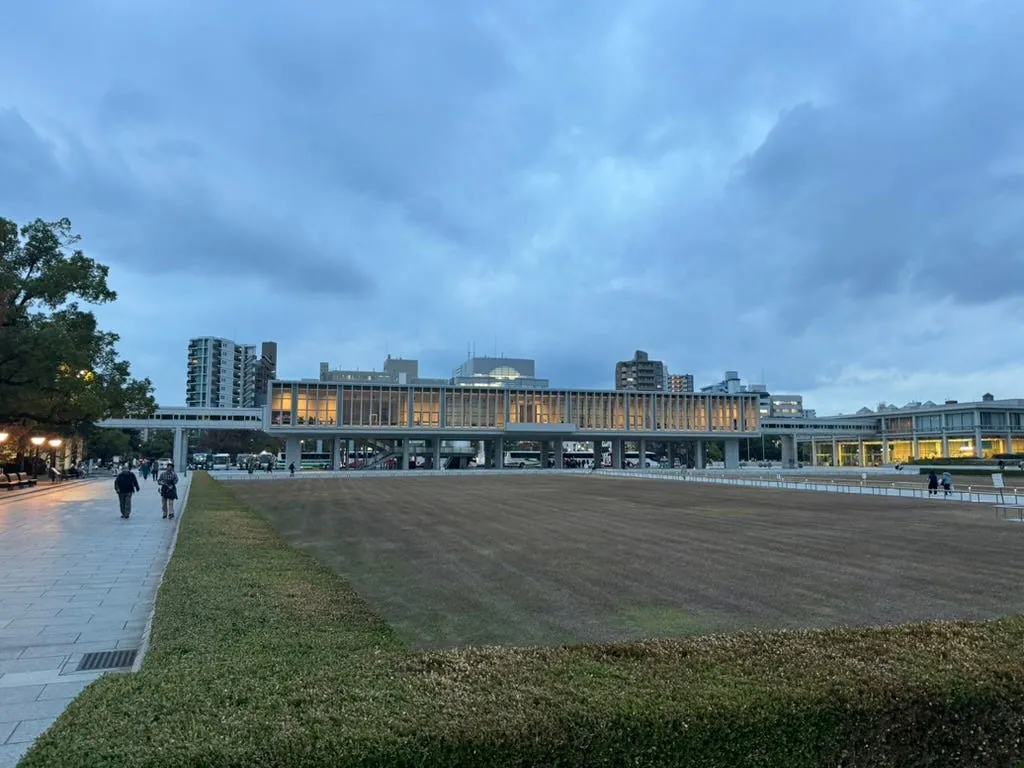
I happened to see Shingo Katori visiting in the afternoon to pay his respects.
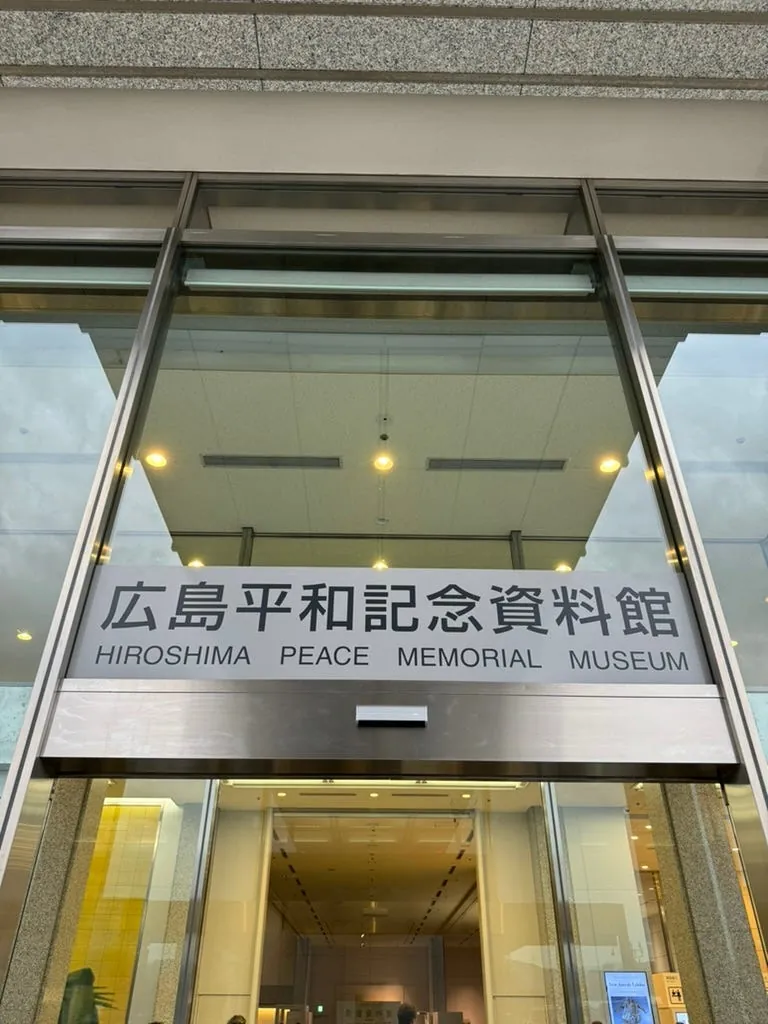
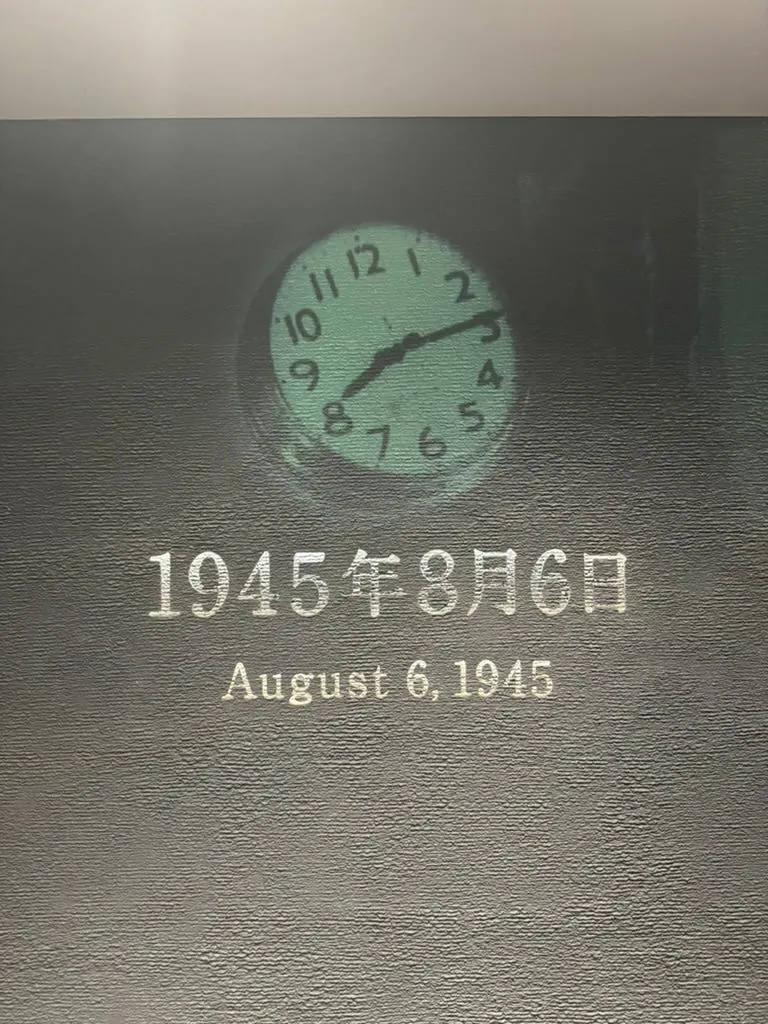
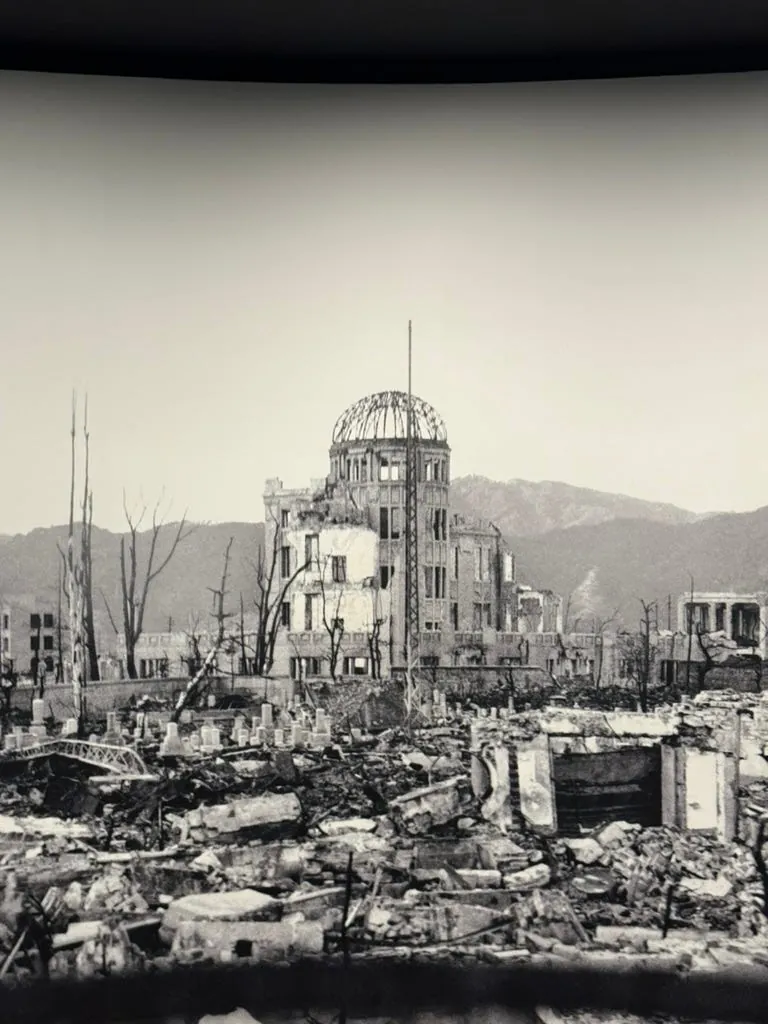
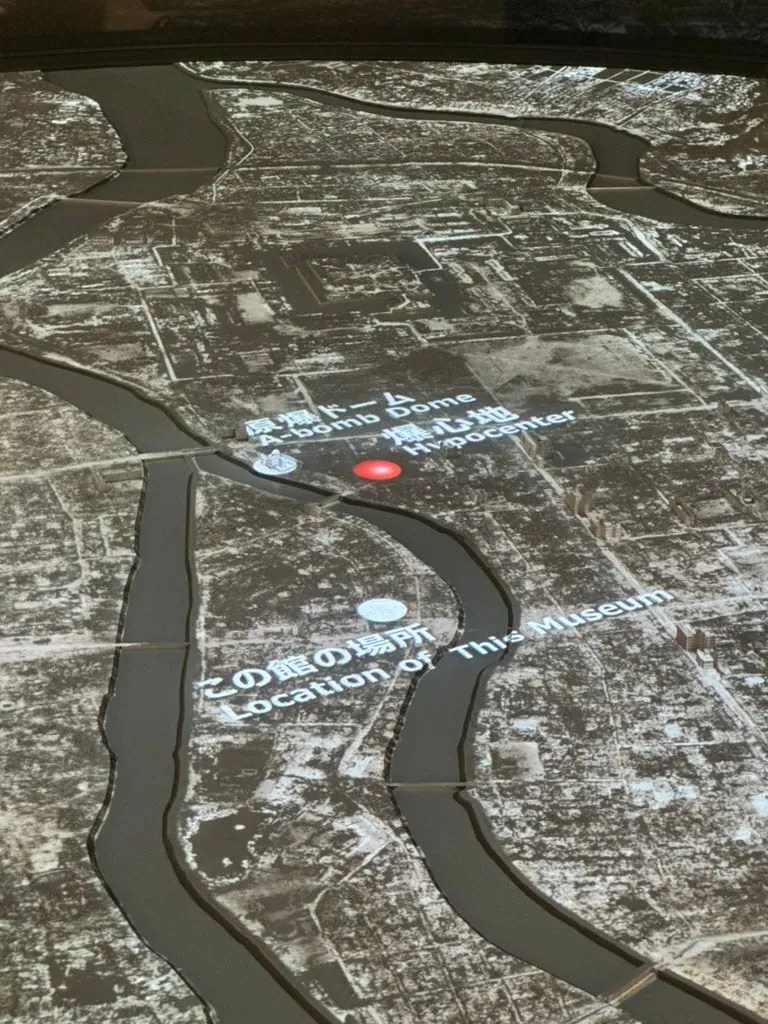
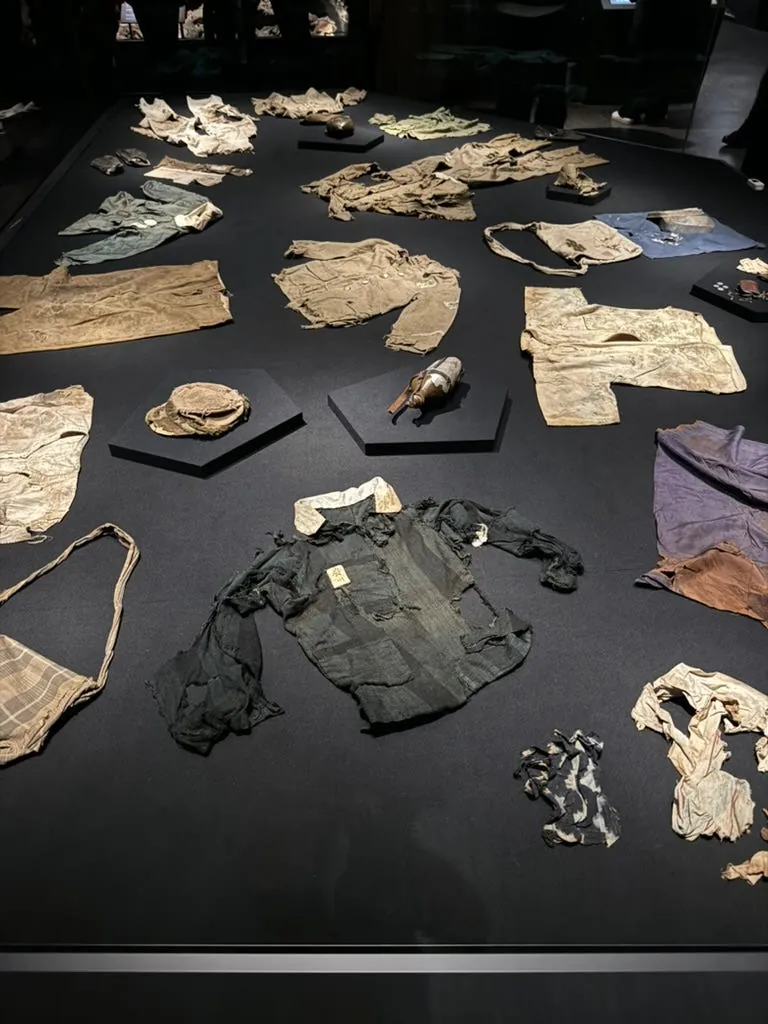
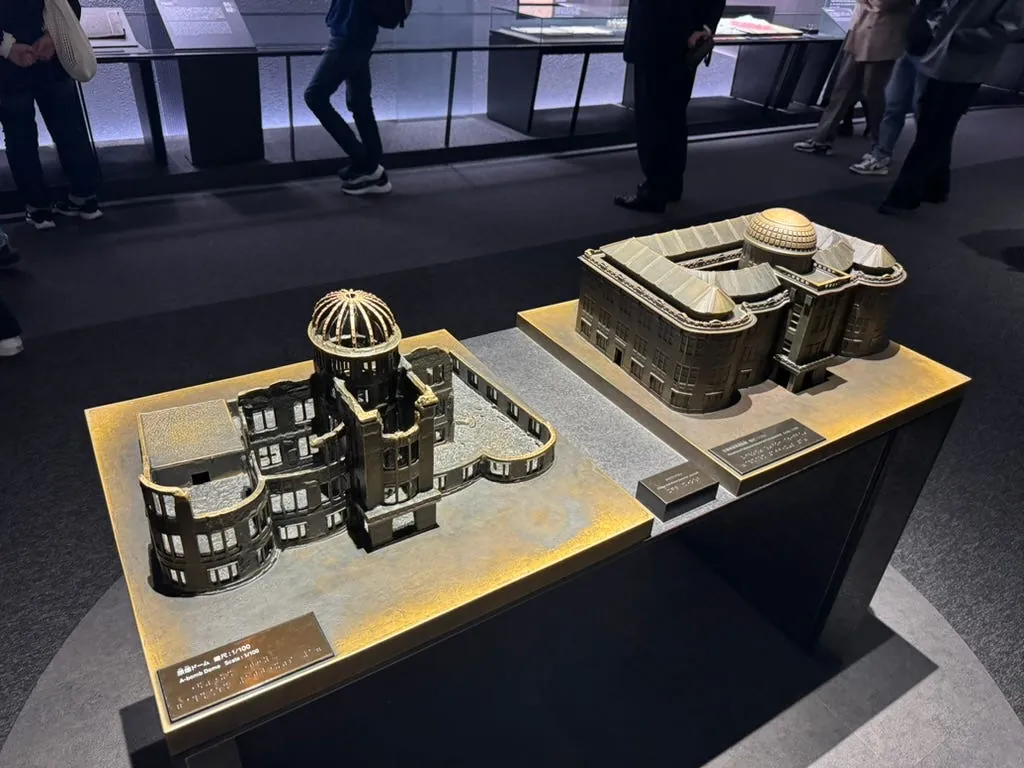
Queued to buy tickets for the Peace Memorial Museum. Inside, there is extensive information on the atomic bombing process, history, along with photos and artifacts. The overall visit is very heavy and impactful.
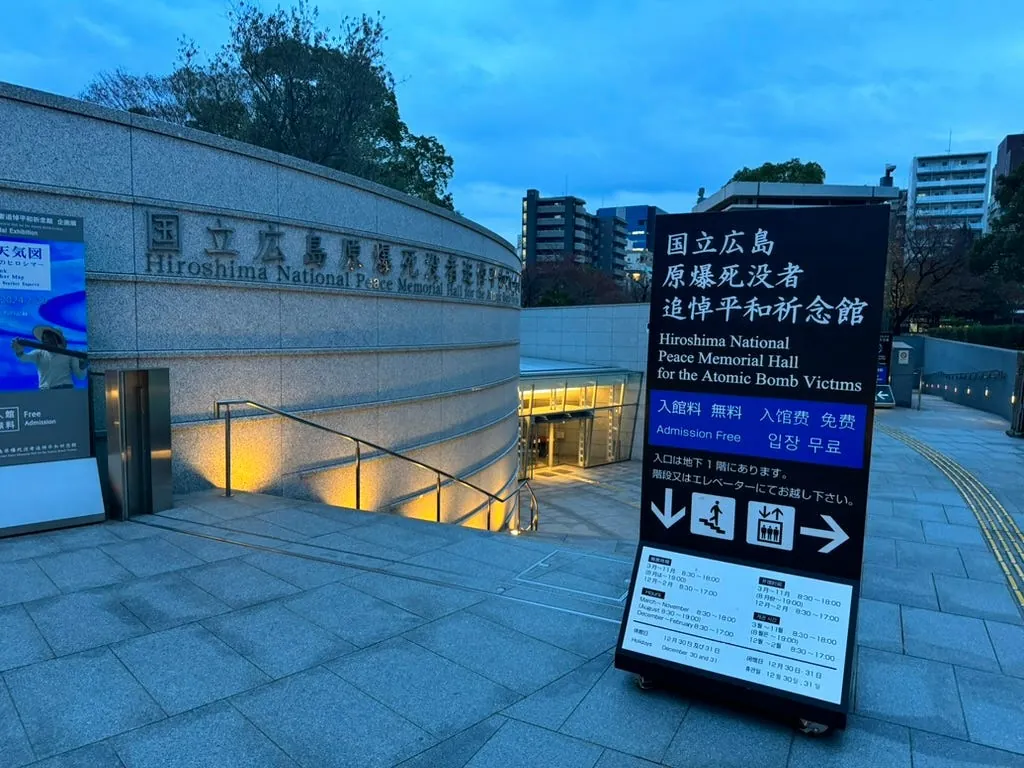
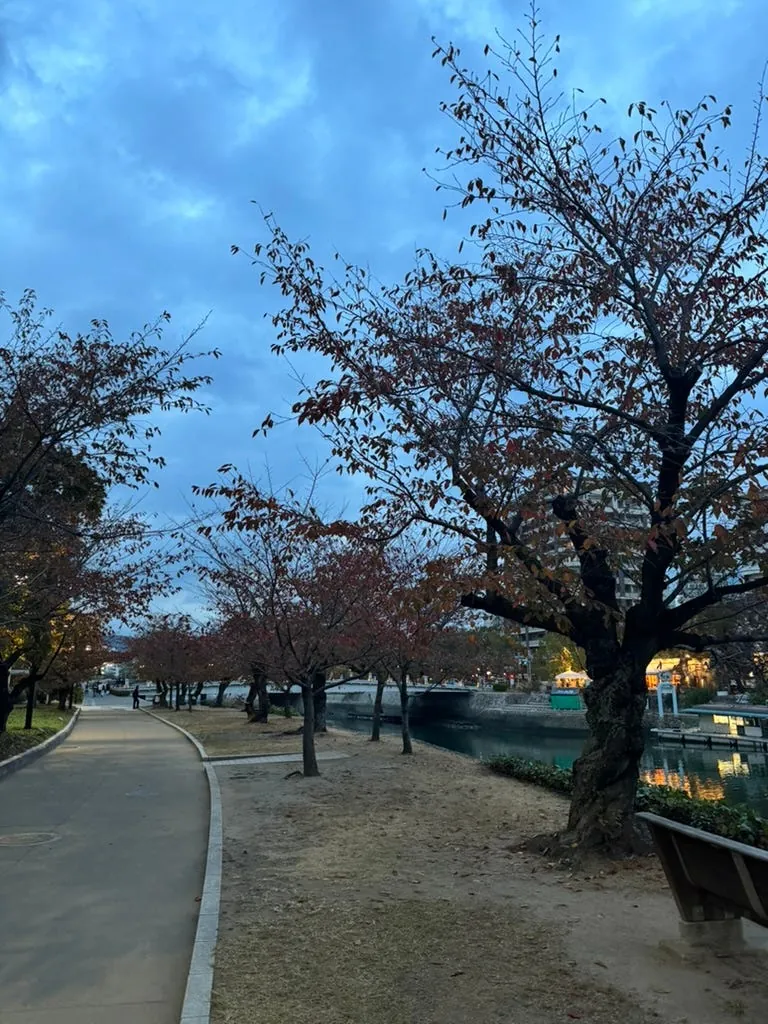
On the other side of the park, there is a Memorial Hall, but it felt too heavy, so I didn’t go in.
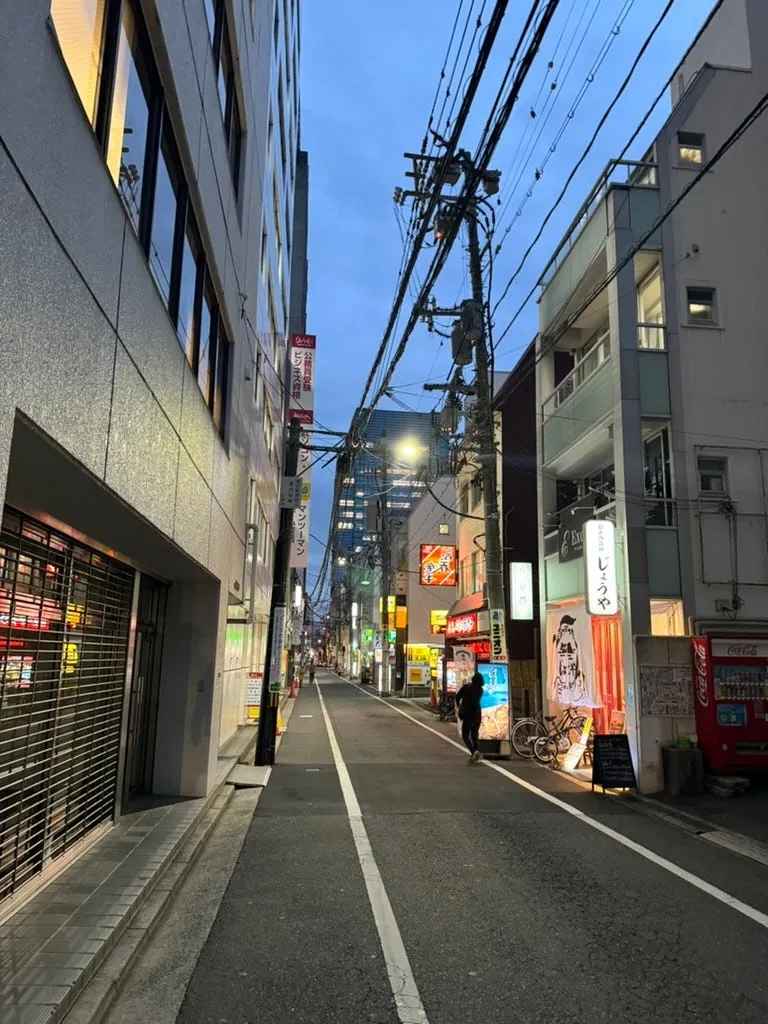
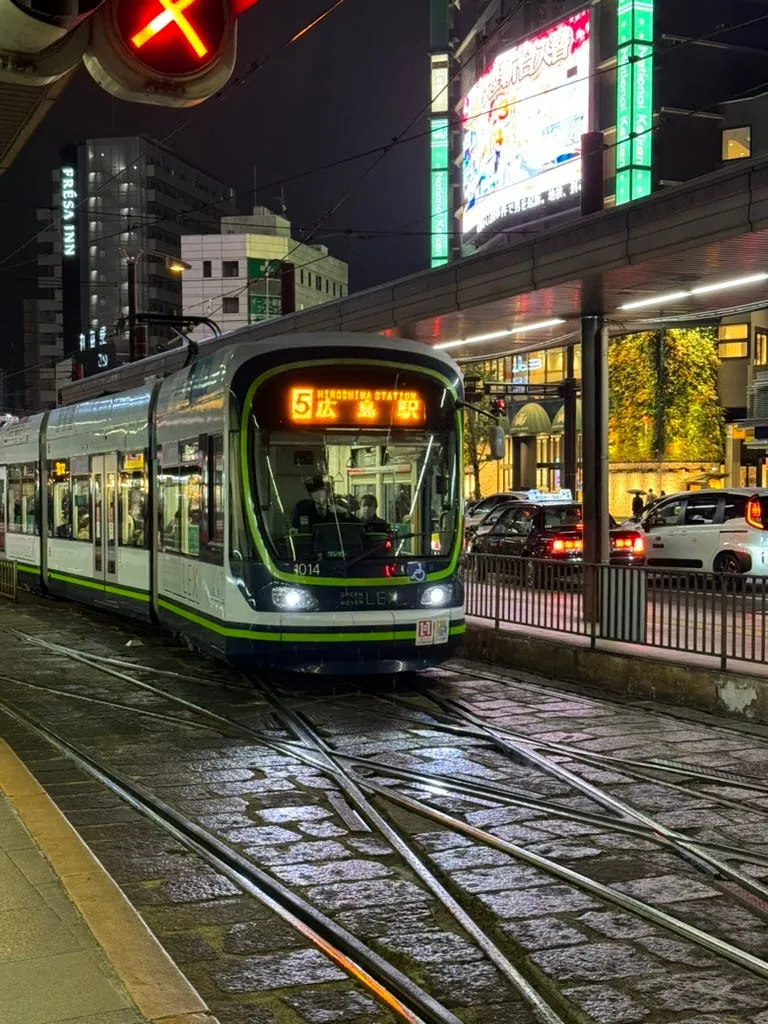
In the evening, a light drizzle began to fall. Returning to Hiroshima Station, I was still reflecting on the painful lessons from history I had just witnessed.
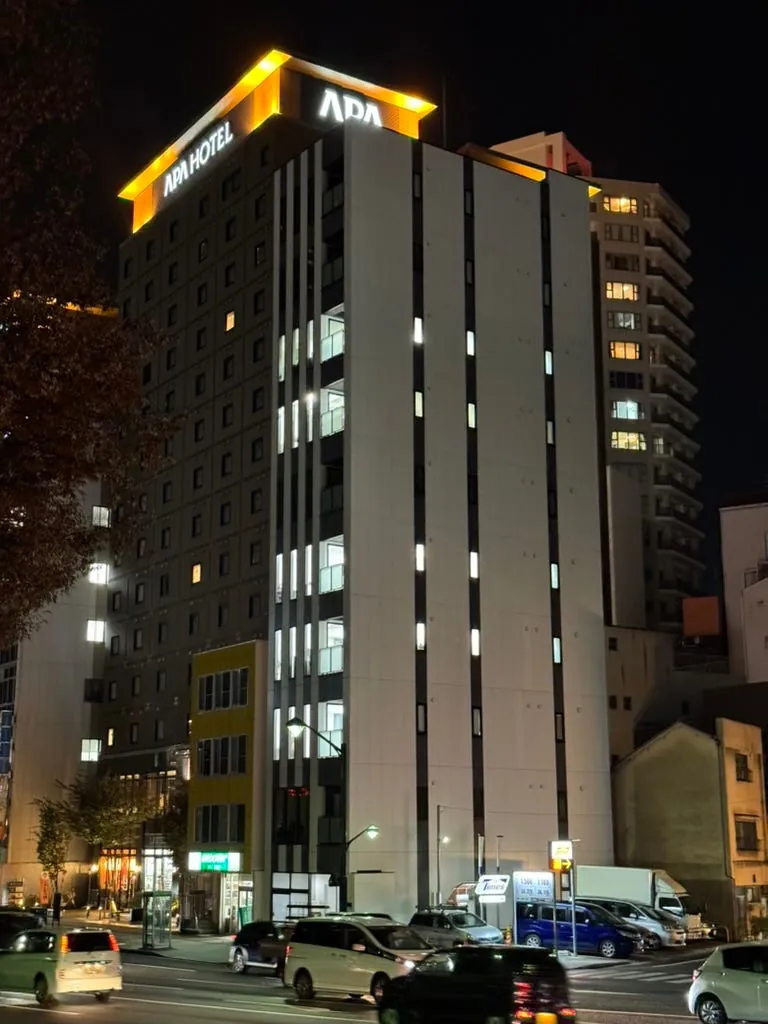
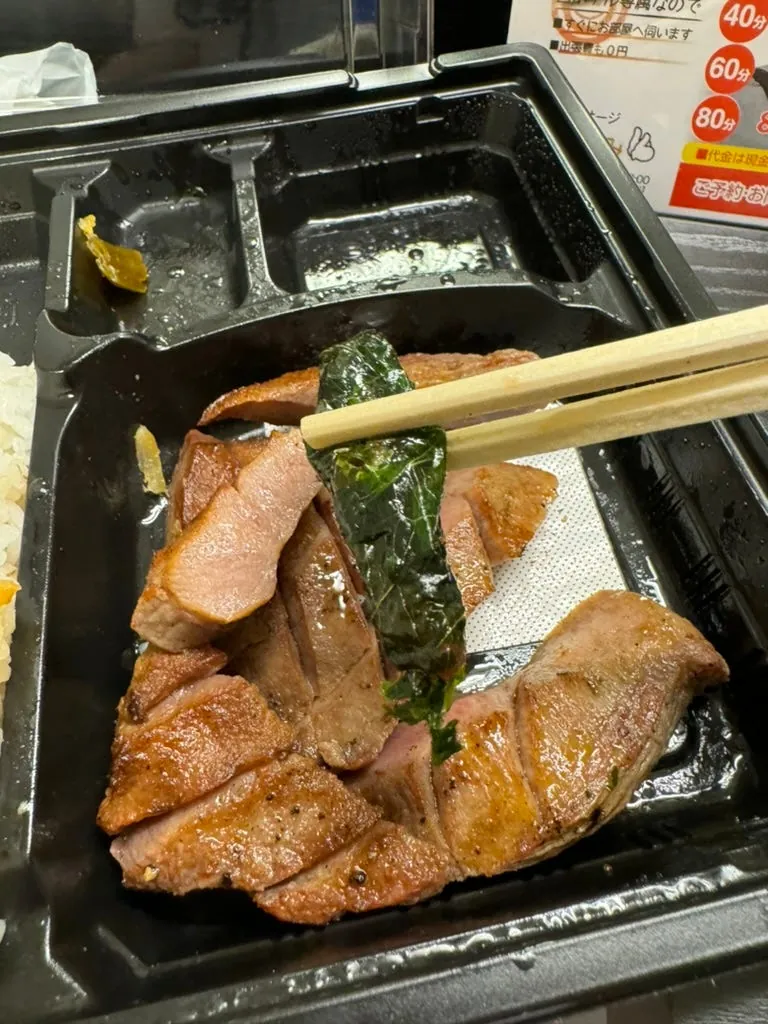
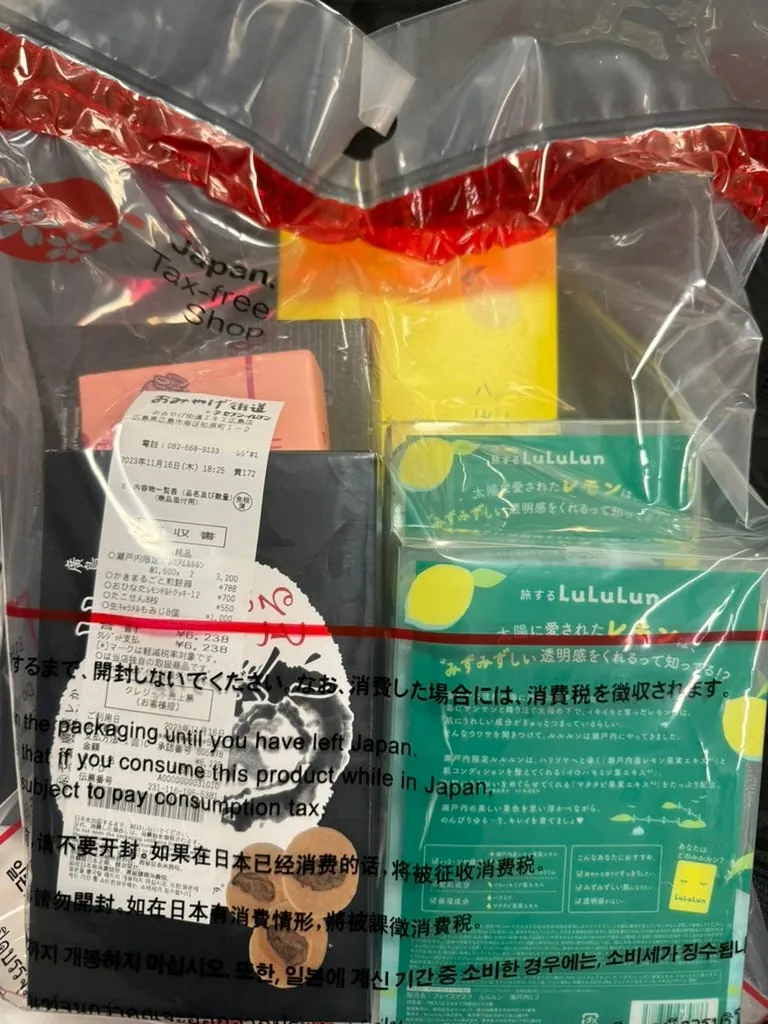
I casually bought some souvenirs and takeout bento at the station, then went back to the hotel to rest. I still need to do laundry today.
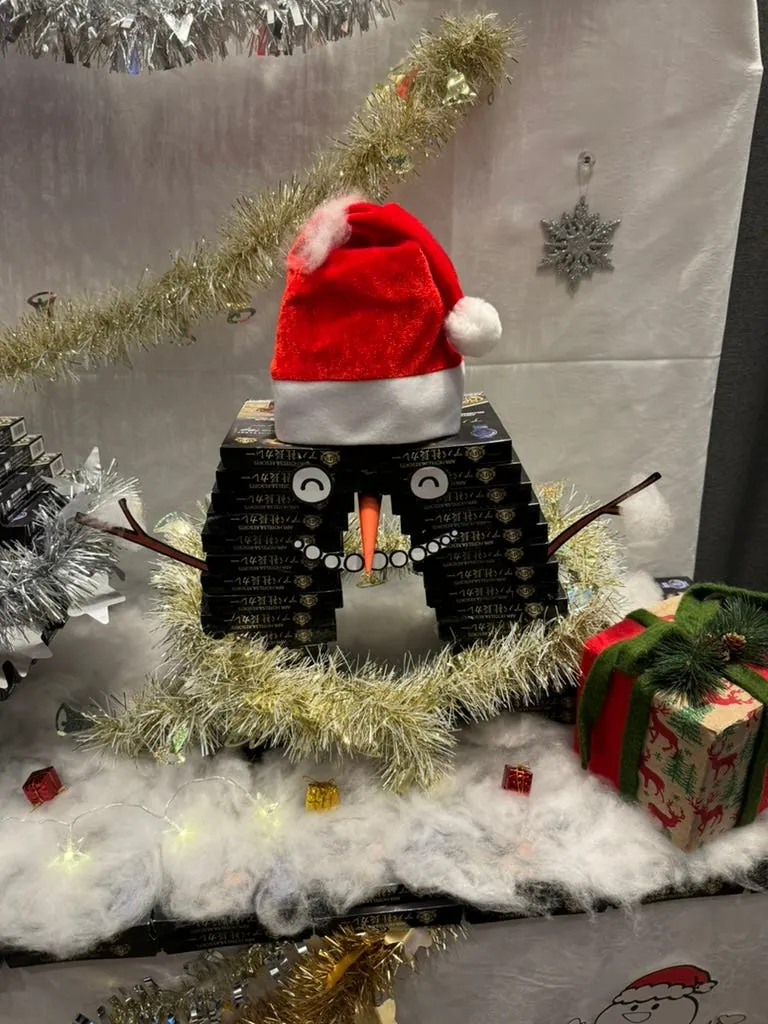
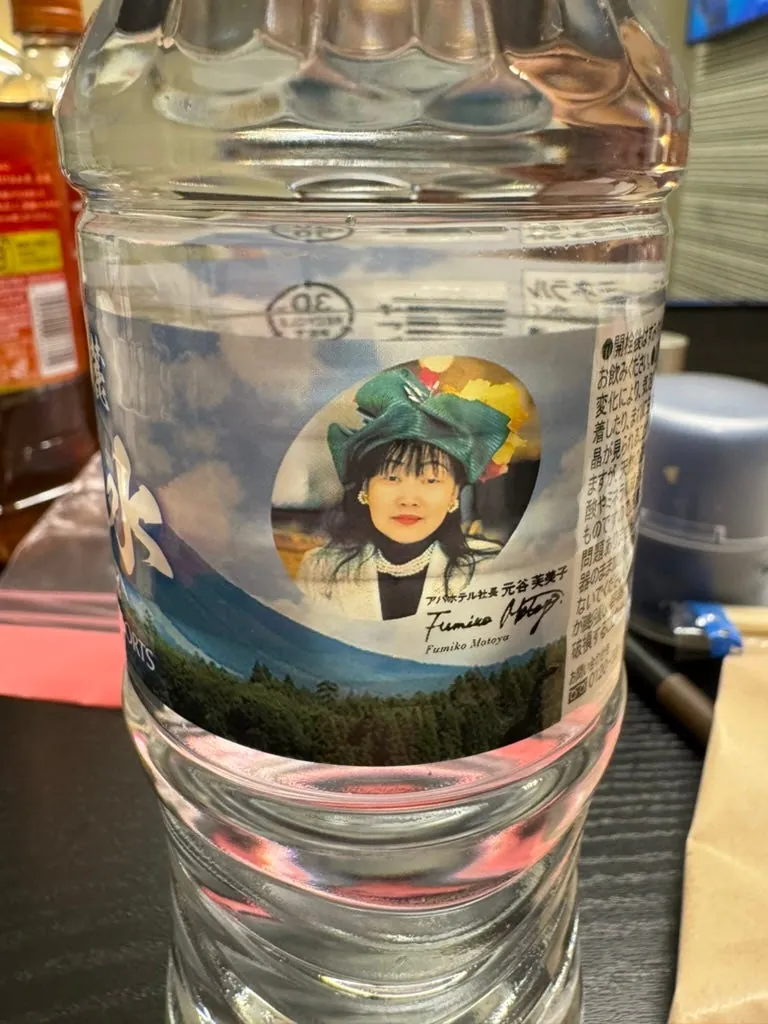
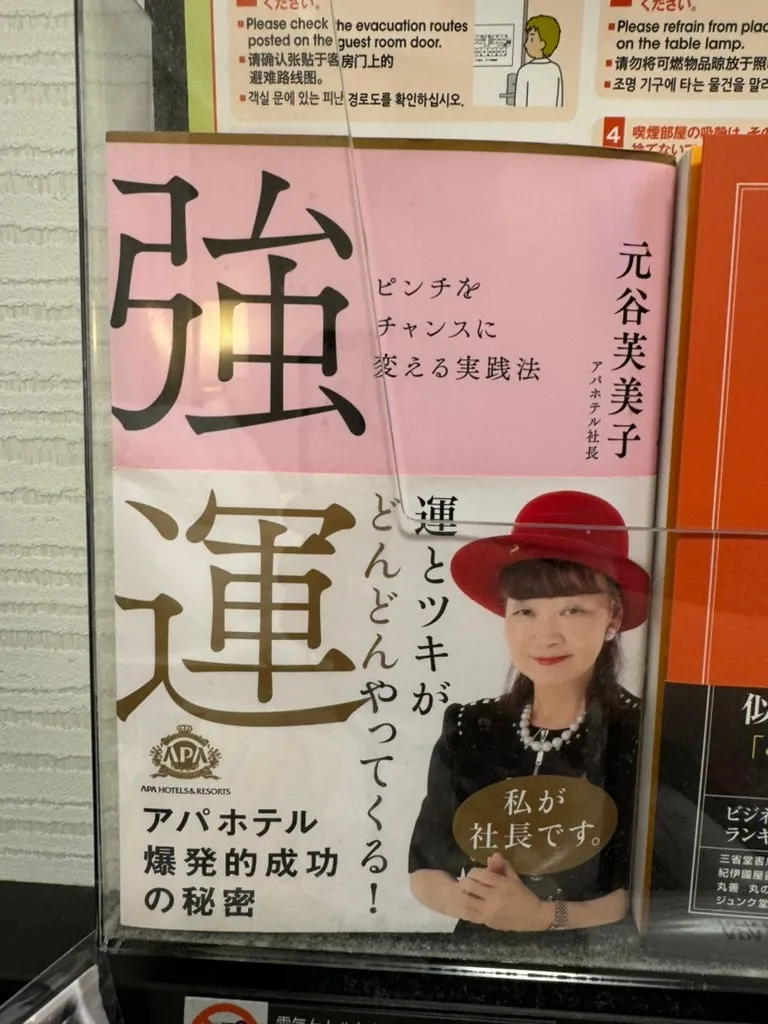
APA really has the president everywhere: president curry, president water, the president’s books…
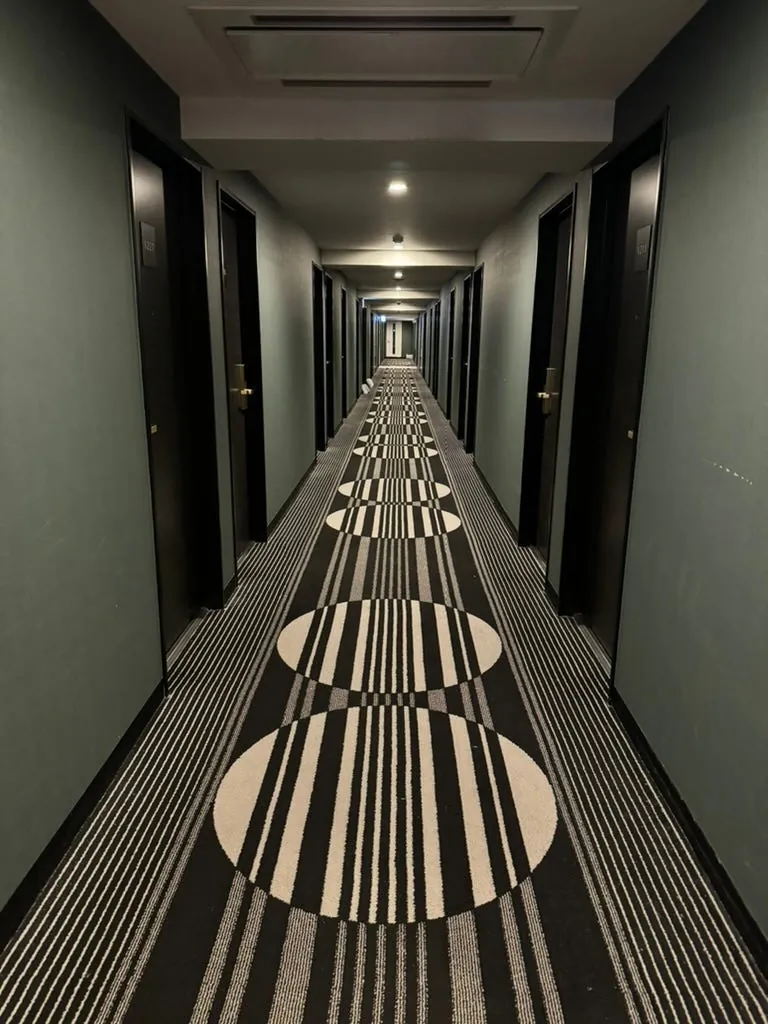
The room density is as usual, quite dense, with over 60 rooms on one floor.
The room is still small but fully equipped, and the electronic facilities are very convenient (you can check the laundry status and AirPlay directly to the TV from the room).
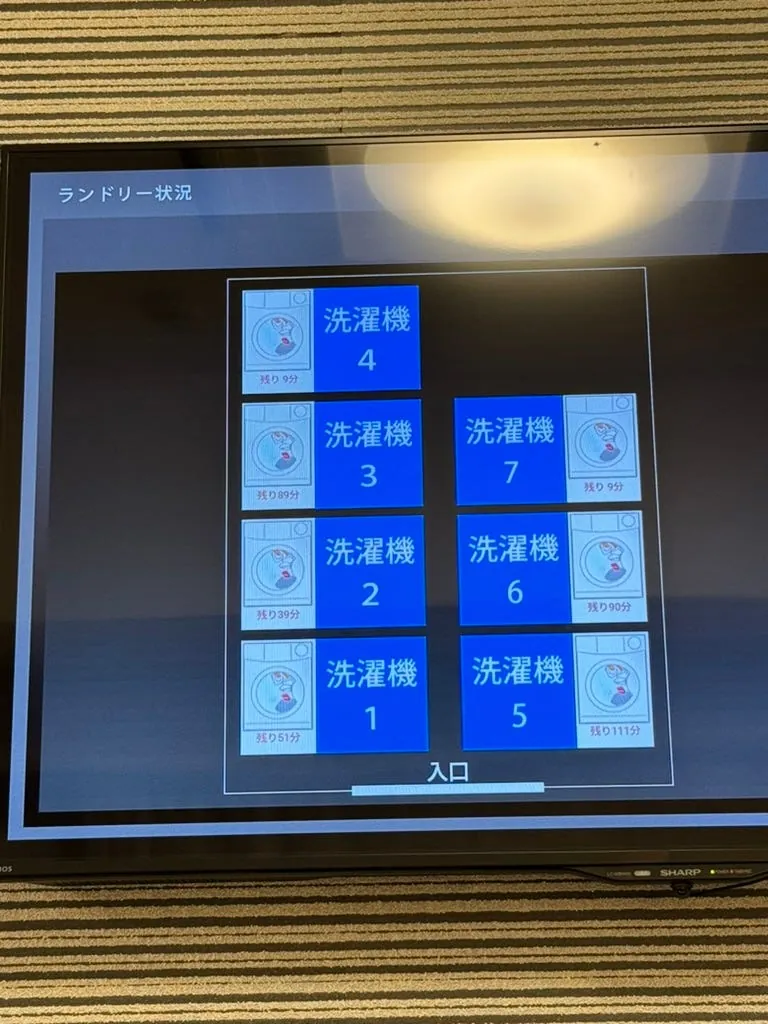
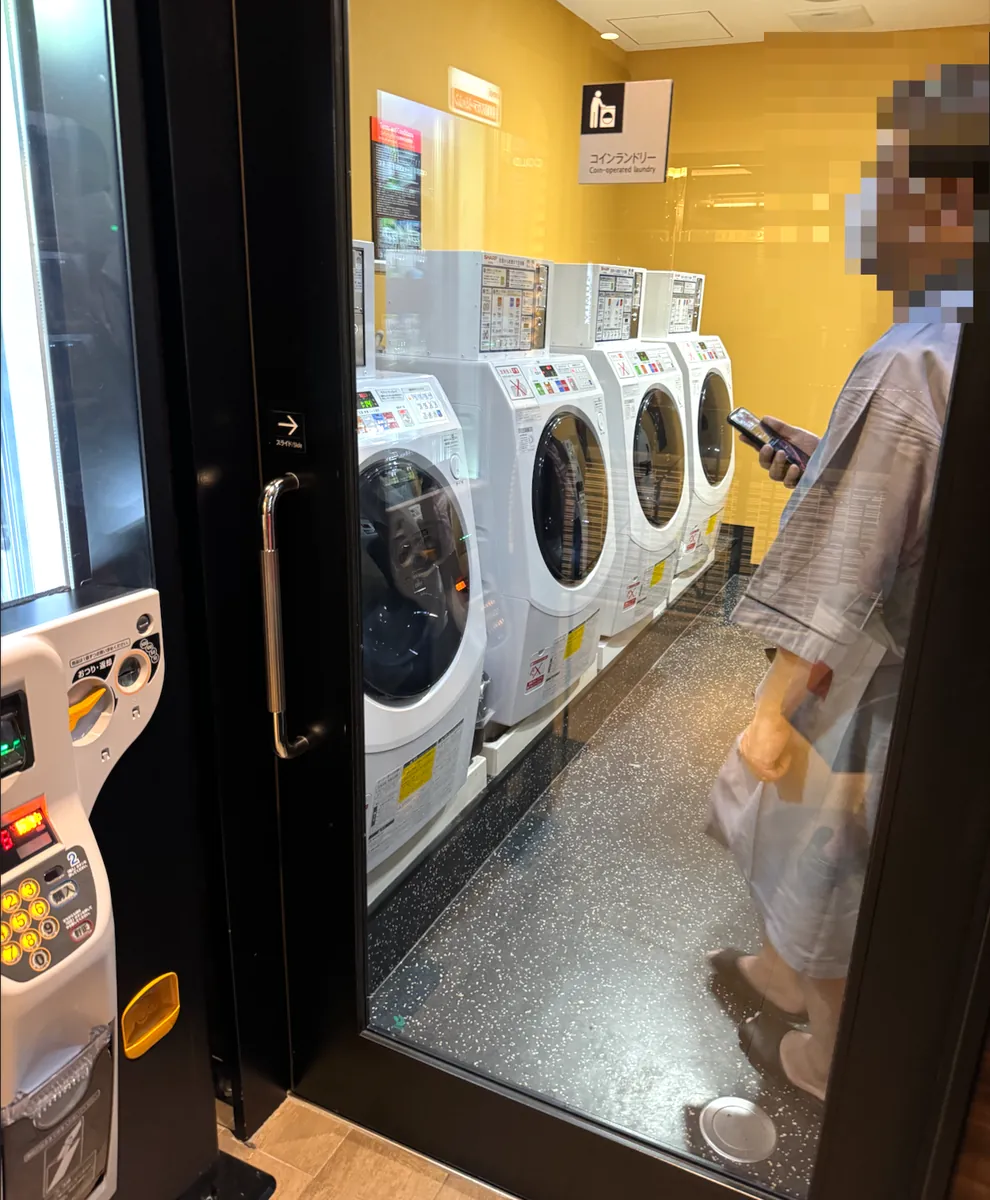
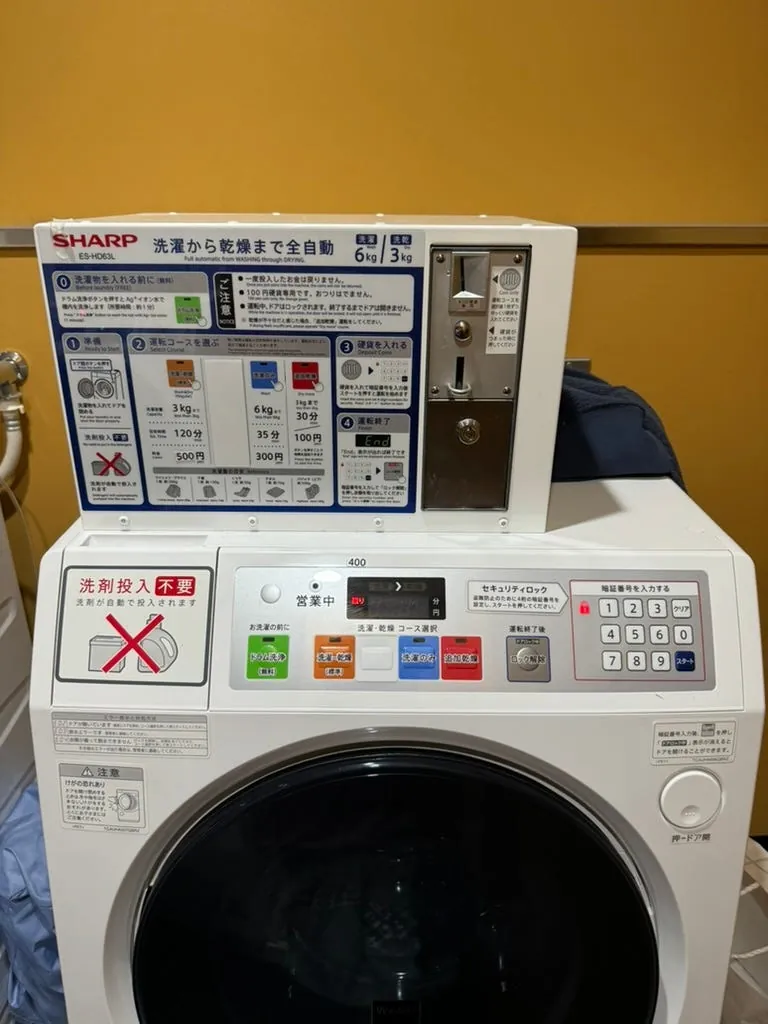
Had a big problem doing laundry—long lines everywhere. The whole building with over 1,000 rooms only had 7 washing machines. Finally timed it right by going downstairs to queue when a machine was about to finish. Ended up finishing washing and drying past 11 PM (clothes weren’t fully dry, so I hung them to dry in the room).
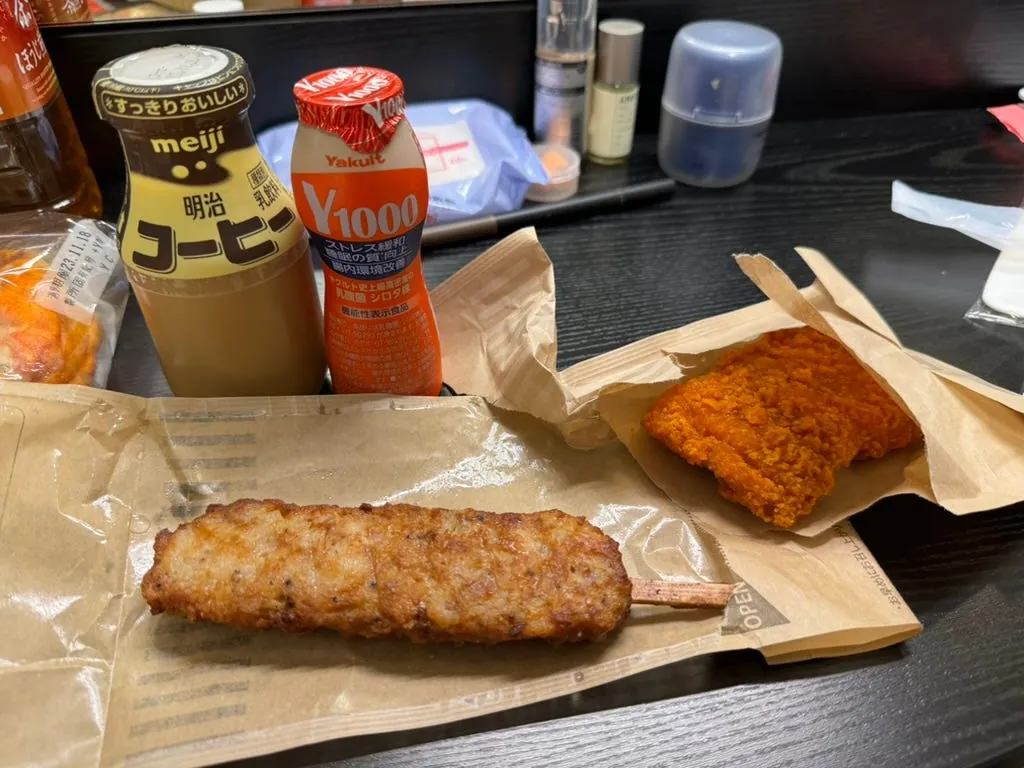
Getting this late, having a midnight snack today is totally reasonable! Still Y1000 + milk + convenience store ready-to-eat food.
Day 5 Kurashiki, Okayama
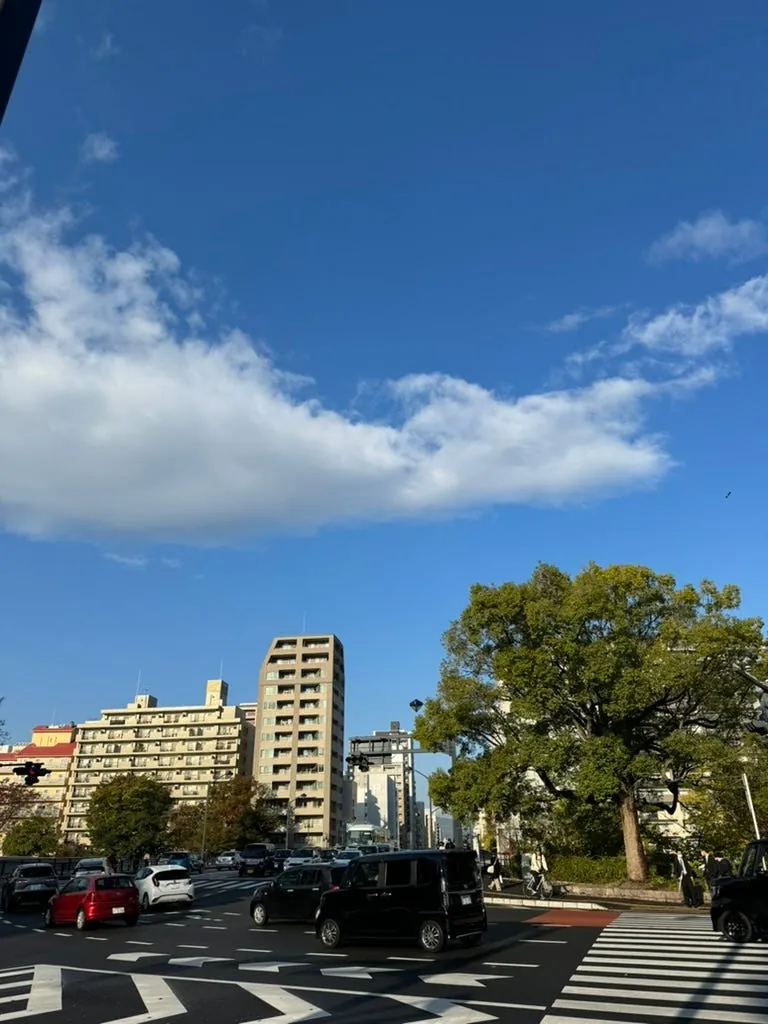
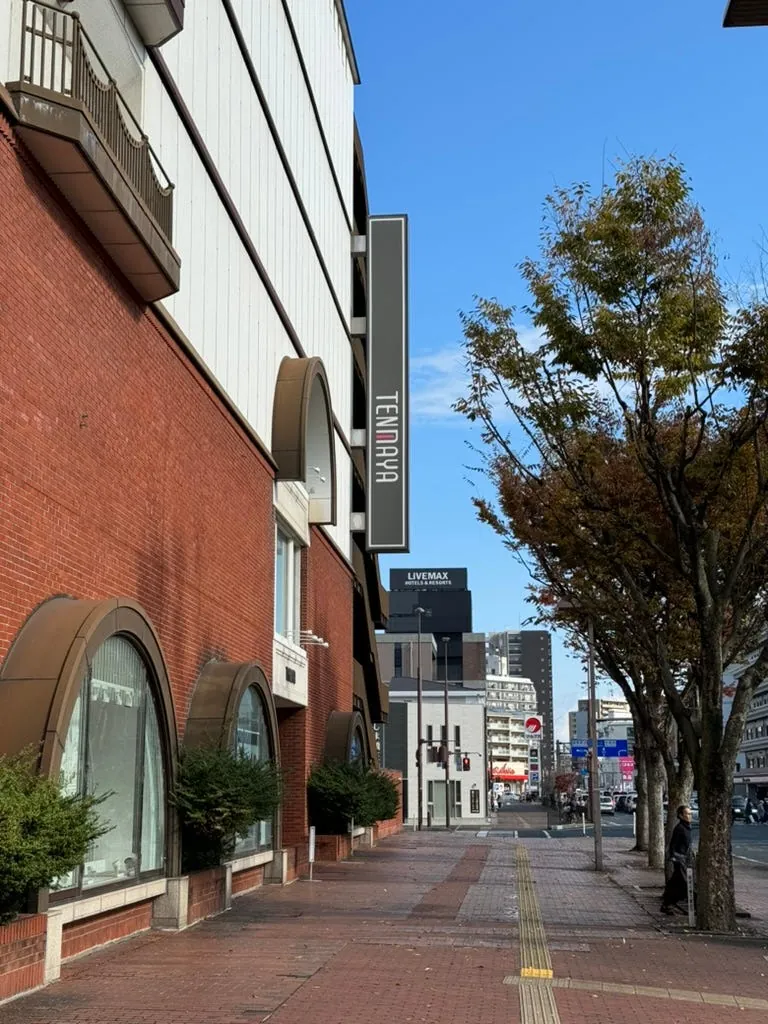
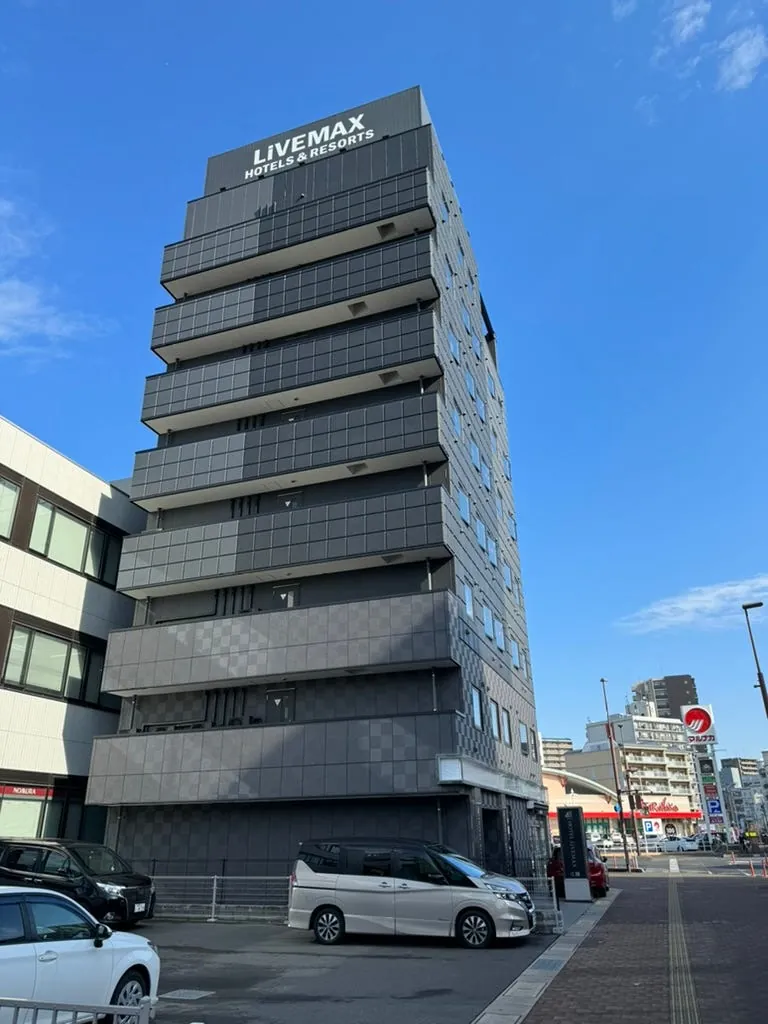
The morning was bright and sunny; after checking out of the hotel and saying goodbye to Hiroshima, I headed to the hotel in Kurashiki to drop off my luggage (you can also leave it in Okayama first, since you have to go to Okayama before Kurashiki).
Kurashiki Bikan Historical Quarter and Achi Shrine
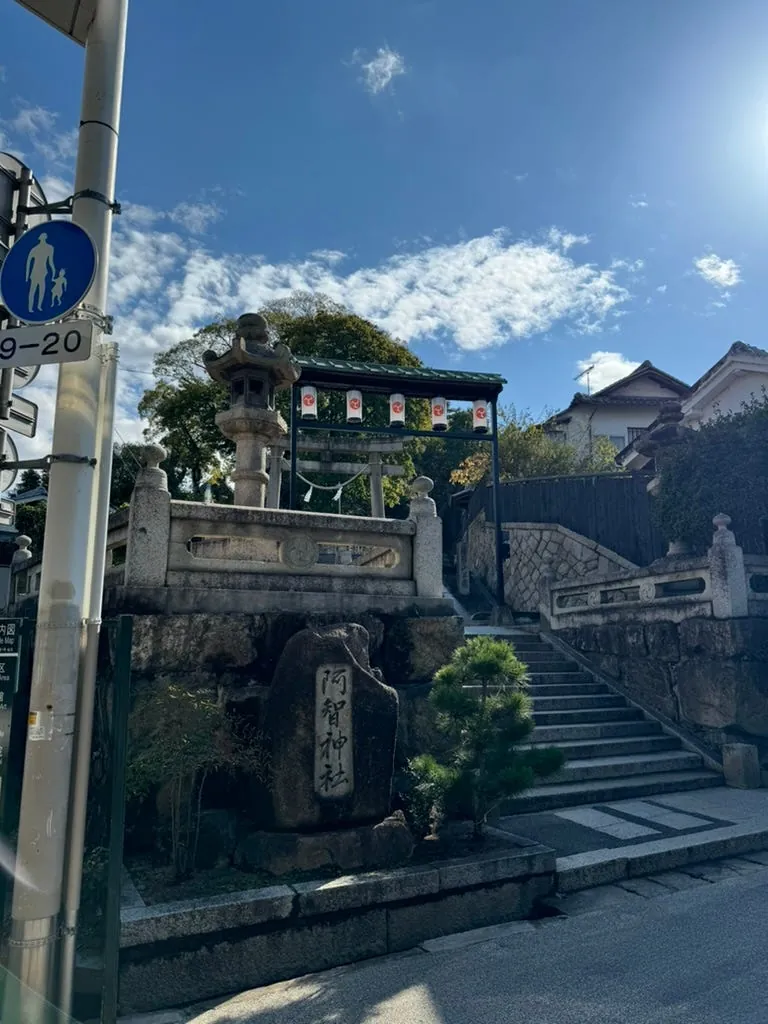
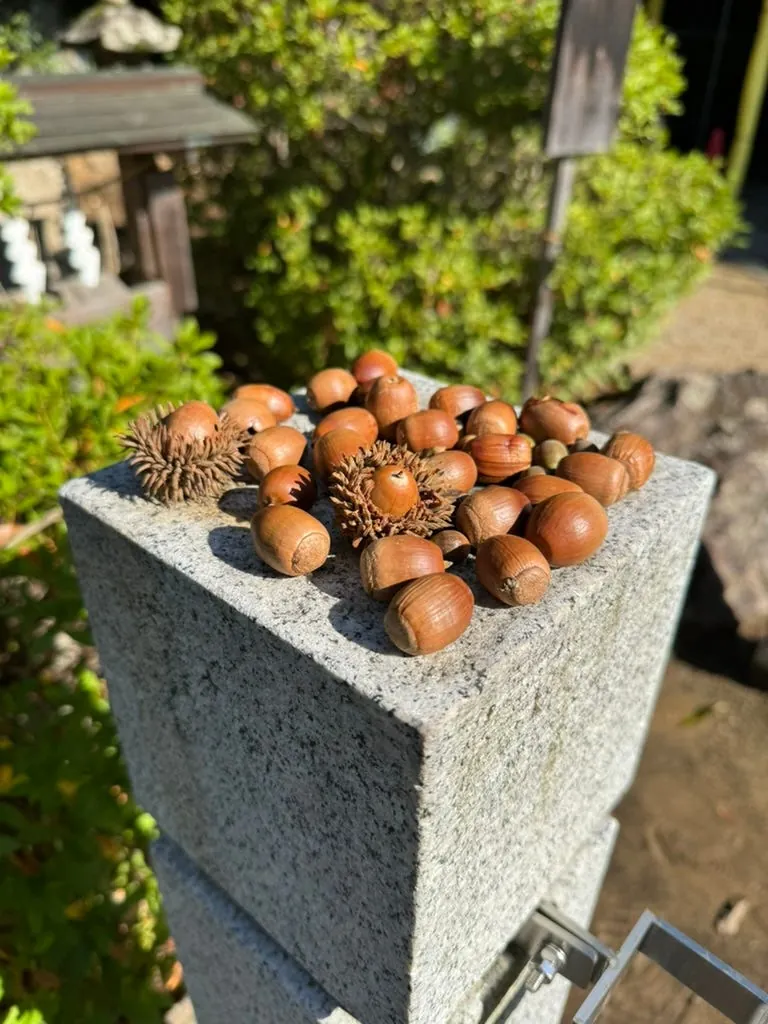
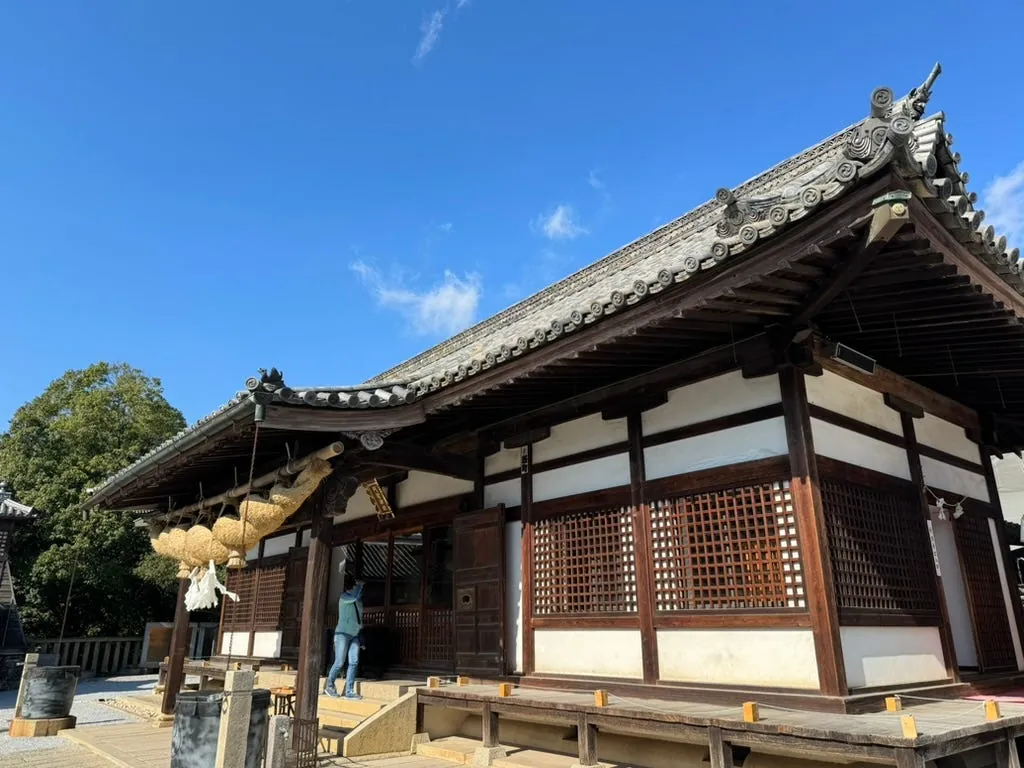
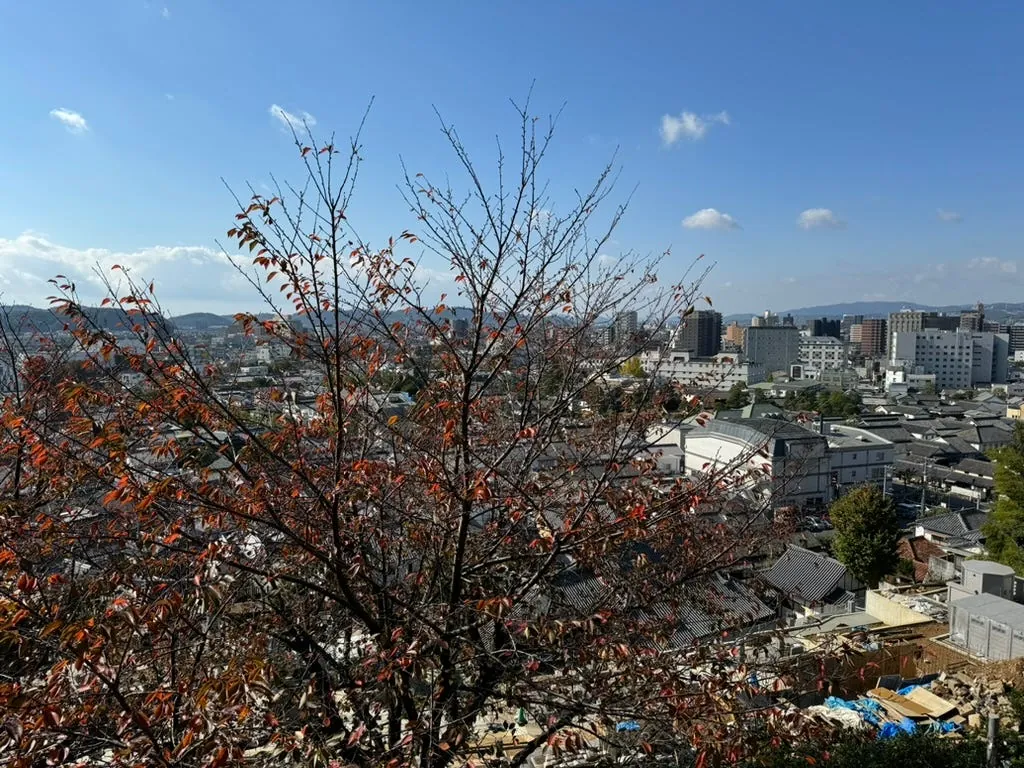
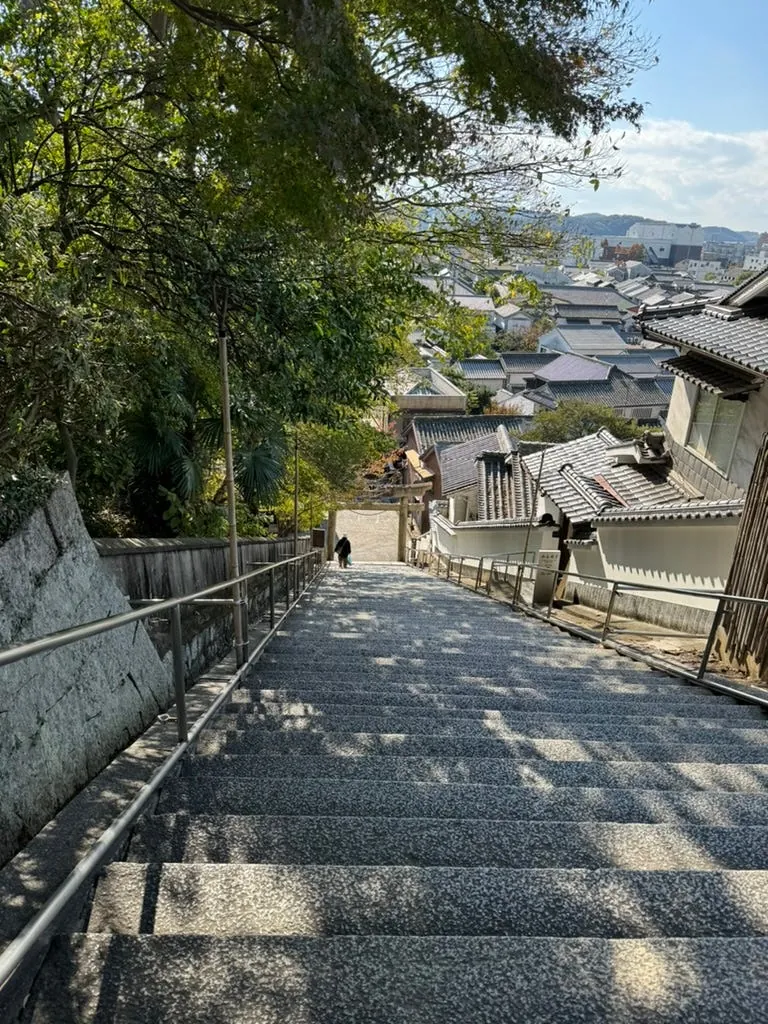
The first stop is Achi Shrine, located at a higher elevation, offering a bird’s-eye view of the entire Kurashiki area. It’s quiet with very few people around.
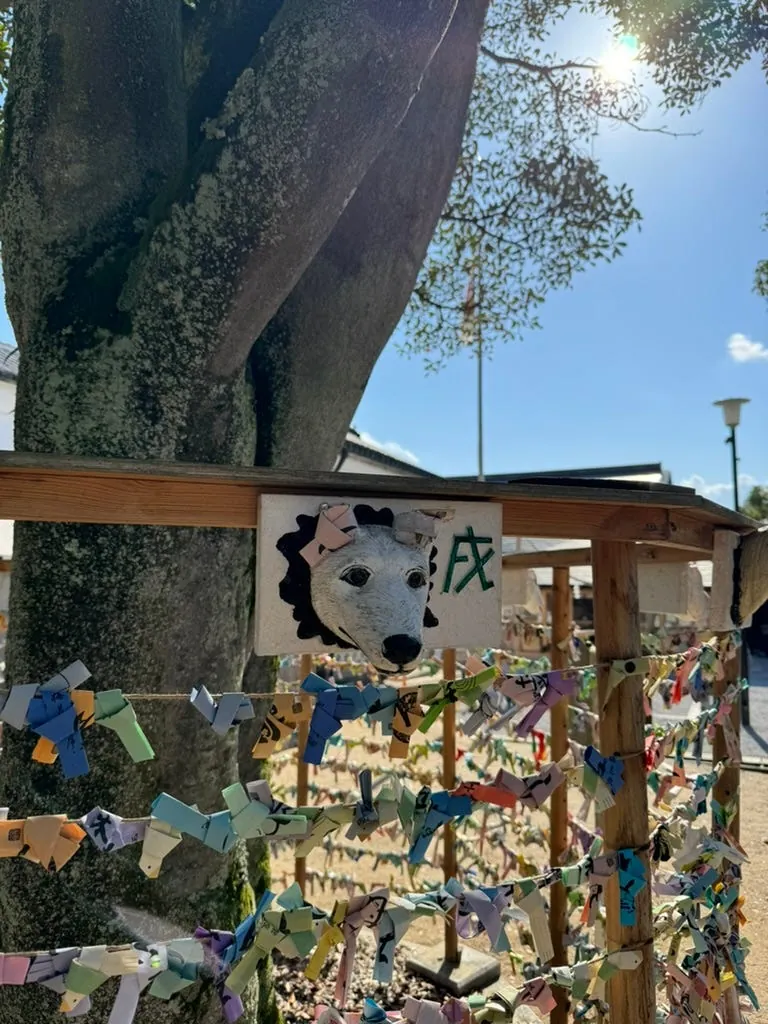
Achi Shrine is small but famous for its Ema Pavilion. If you draw a bad fortune slip, you can tie it under the corresponding zodiac animal head. There is also a charm for good relationships called Hanamaki Mamori:
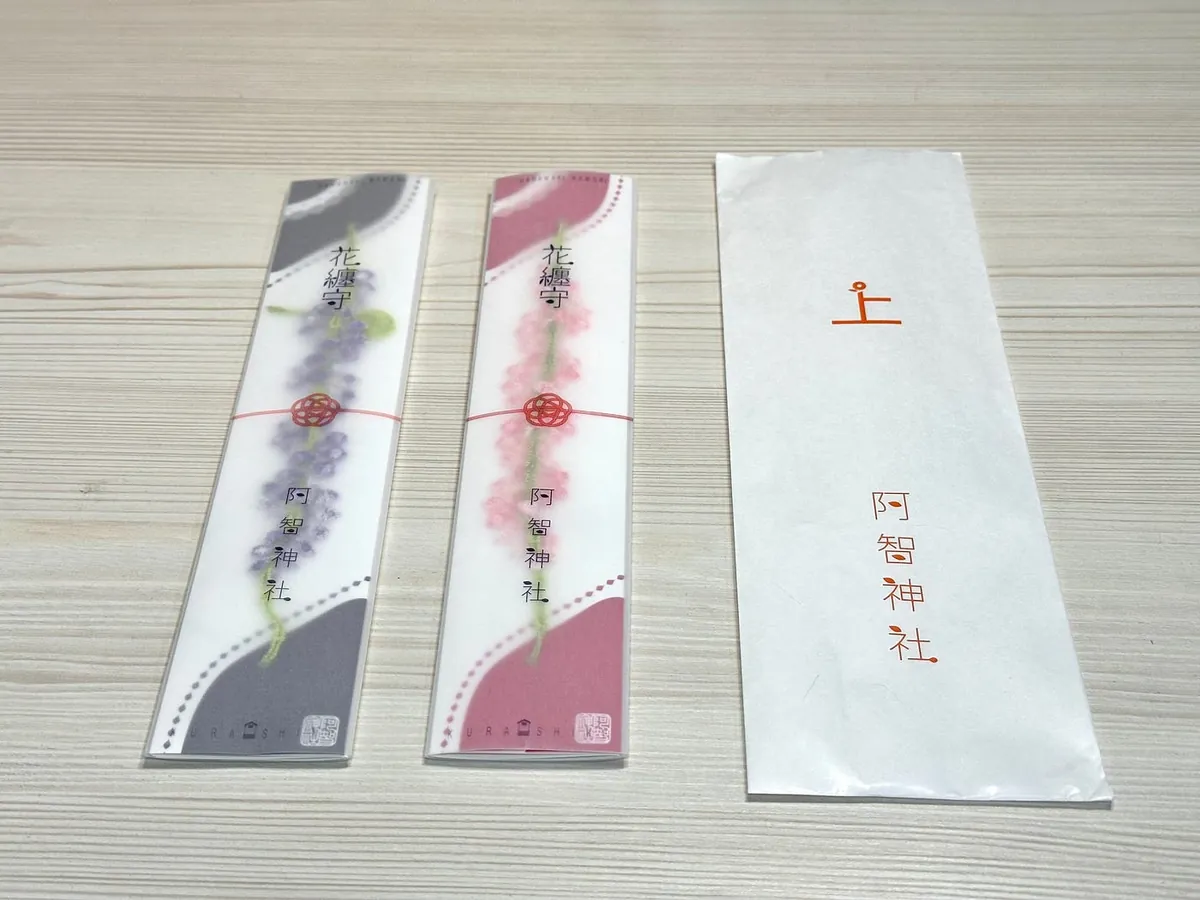
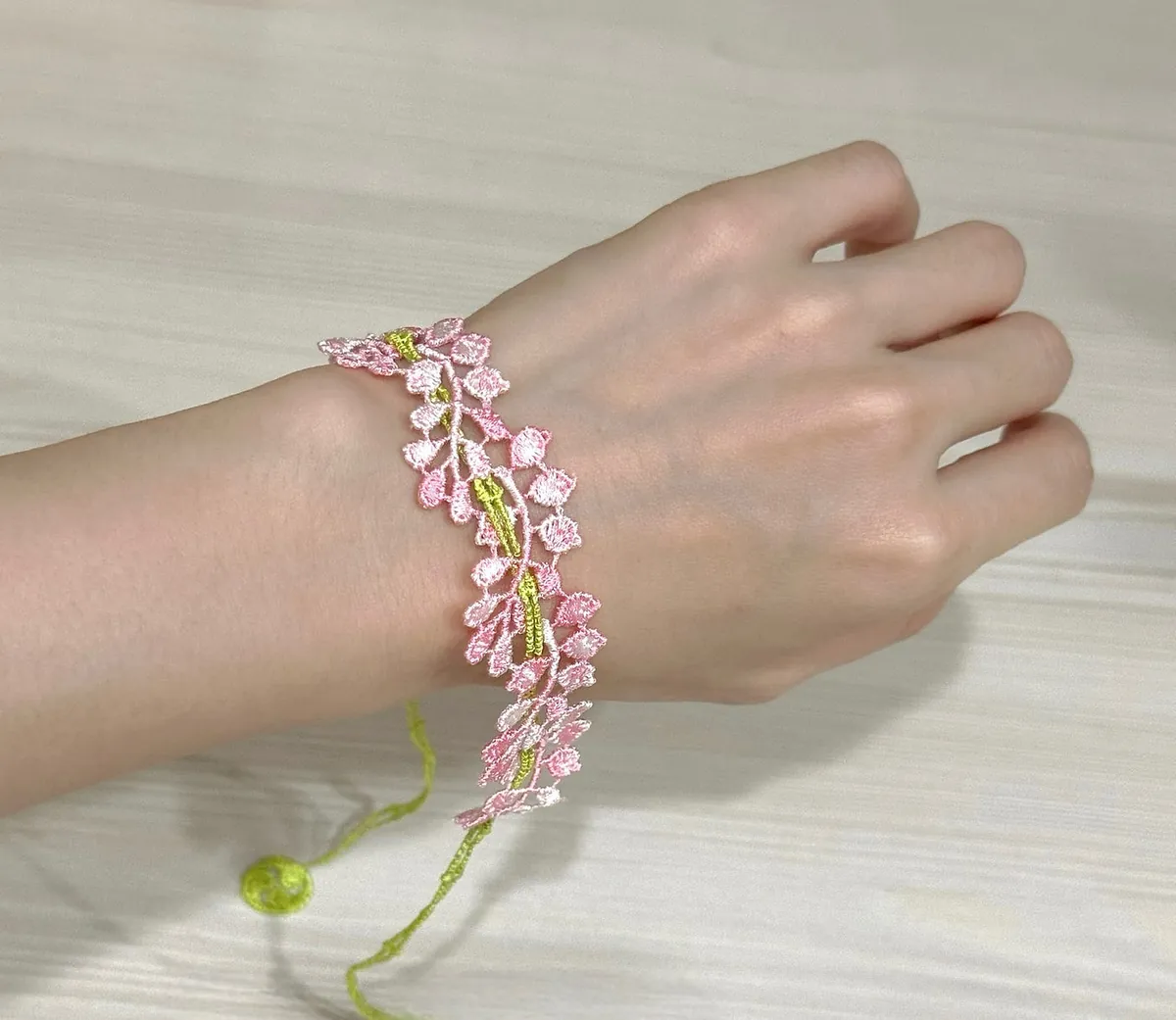
Hanatsuzuri Omamori, thanks to Angie for sharing.
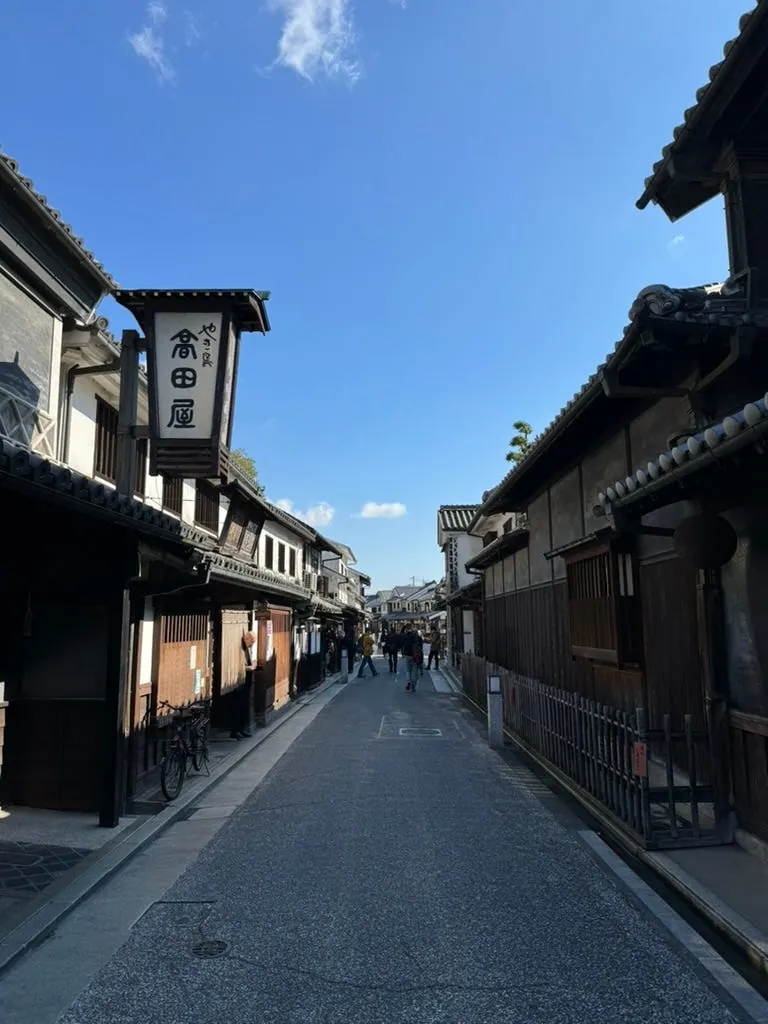
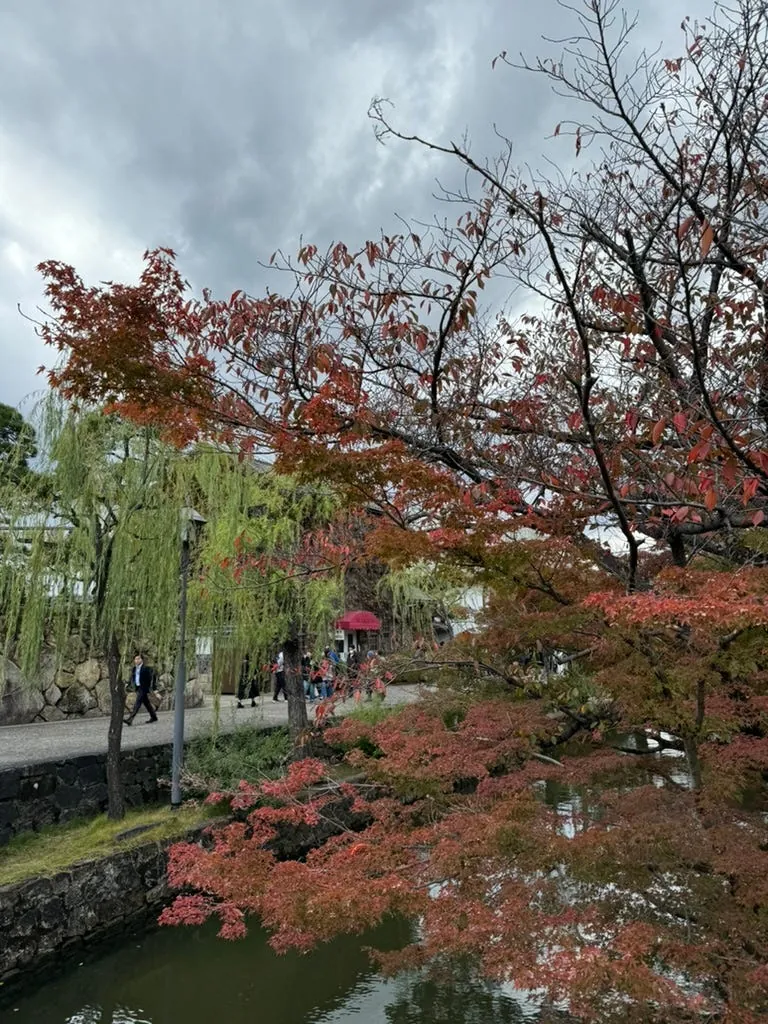
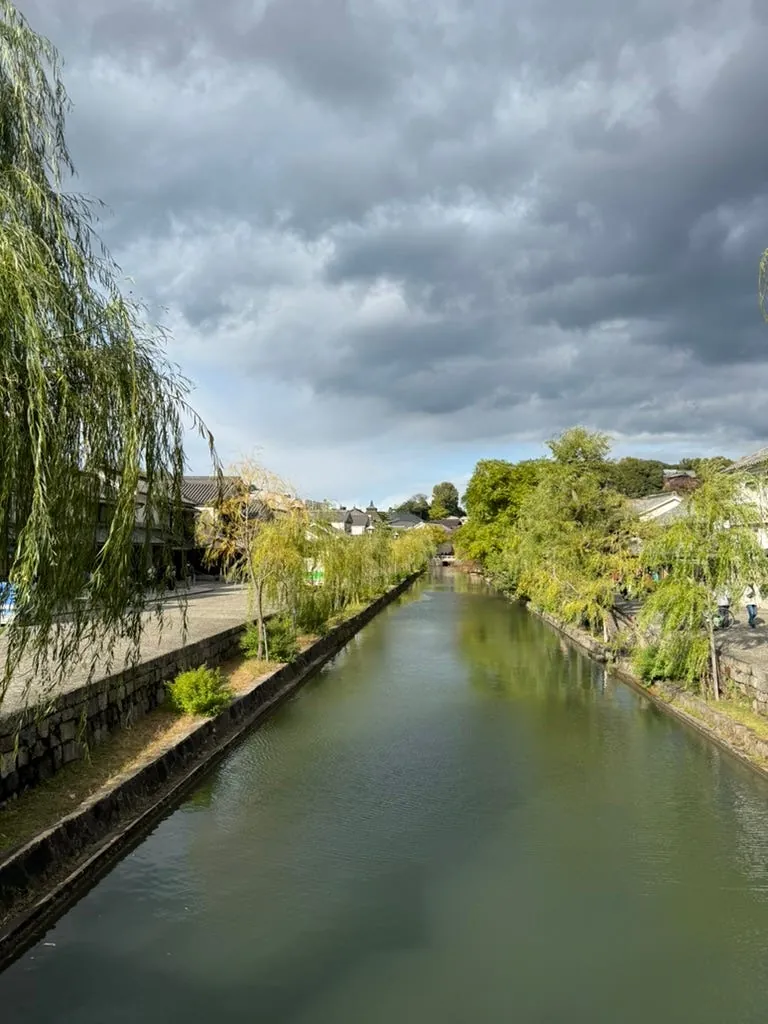
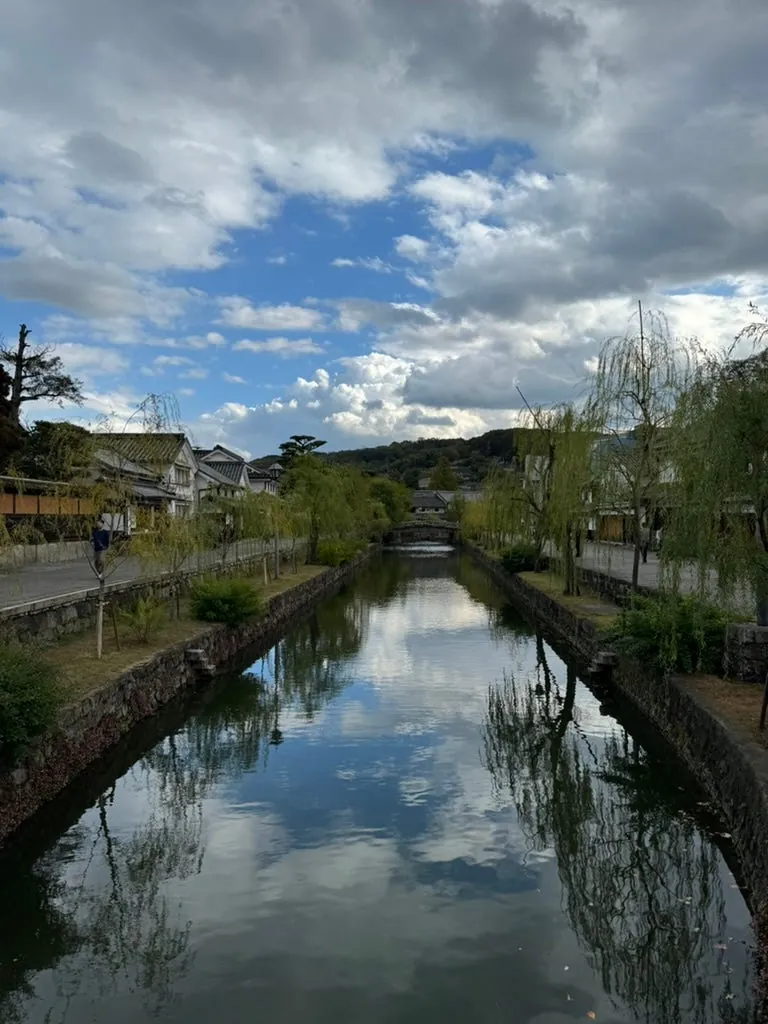
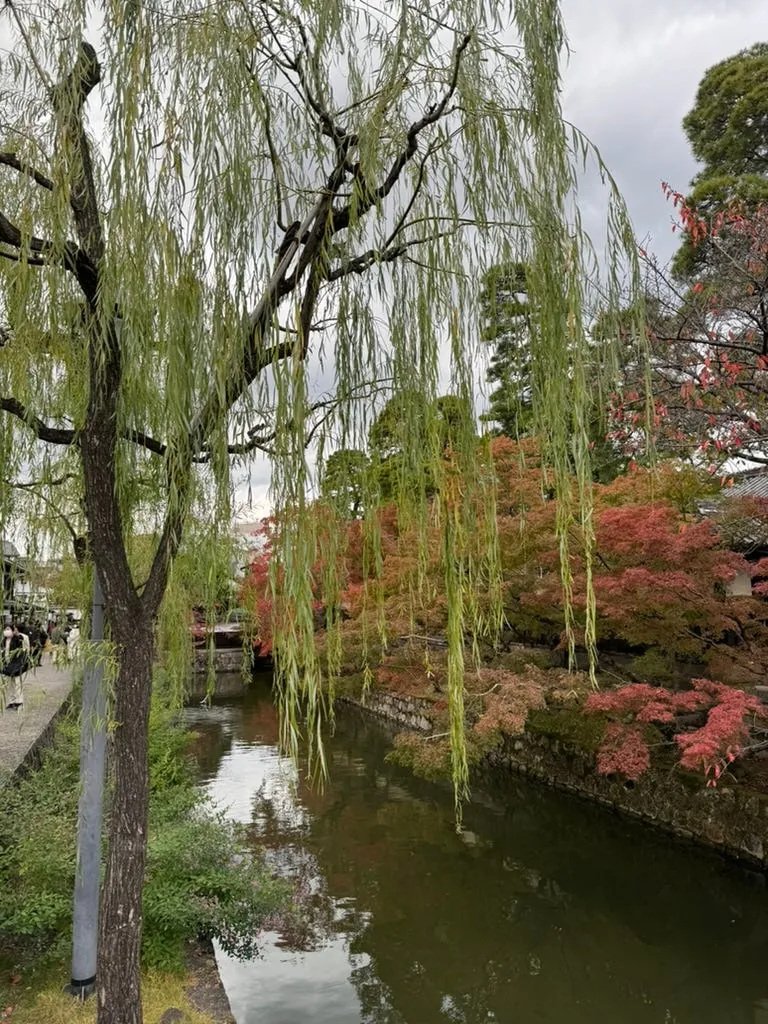
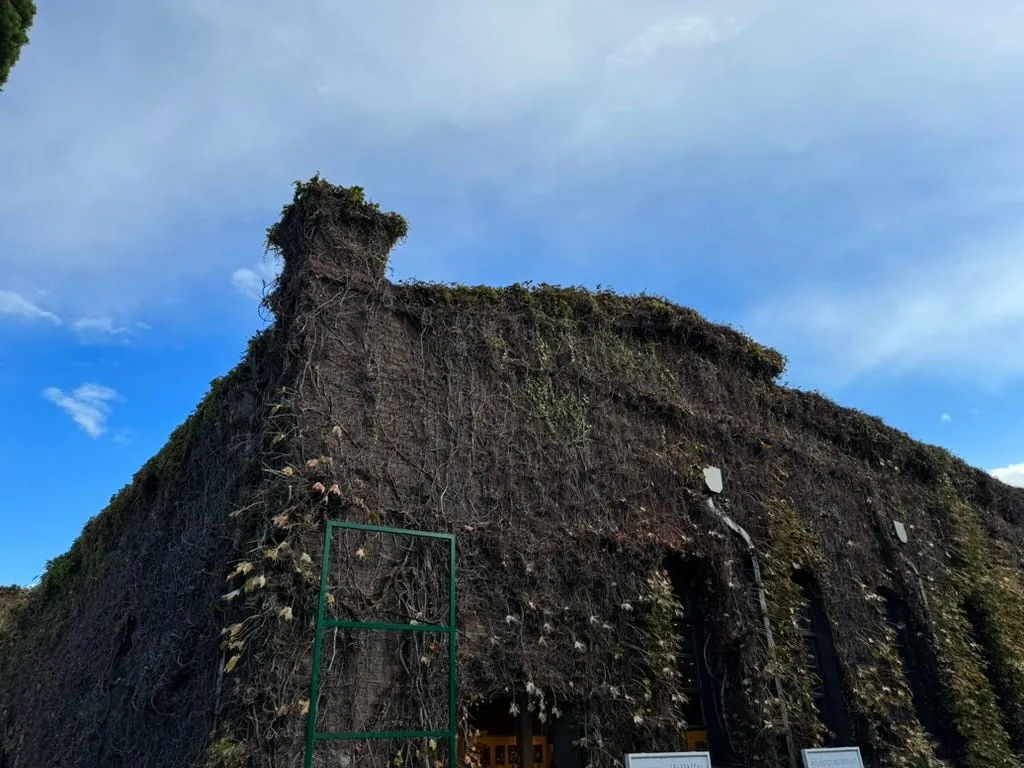
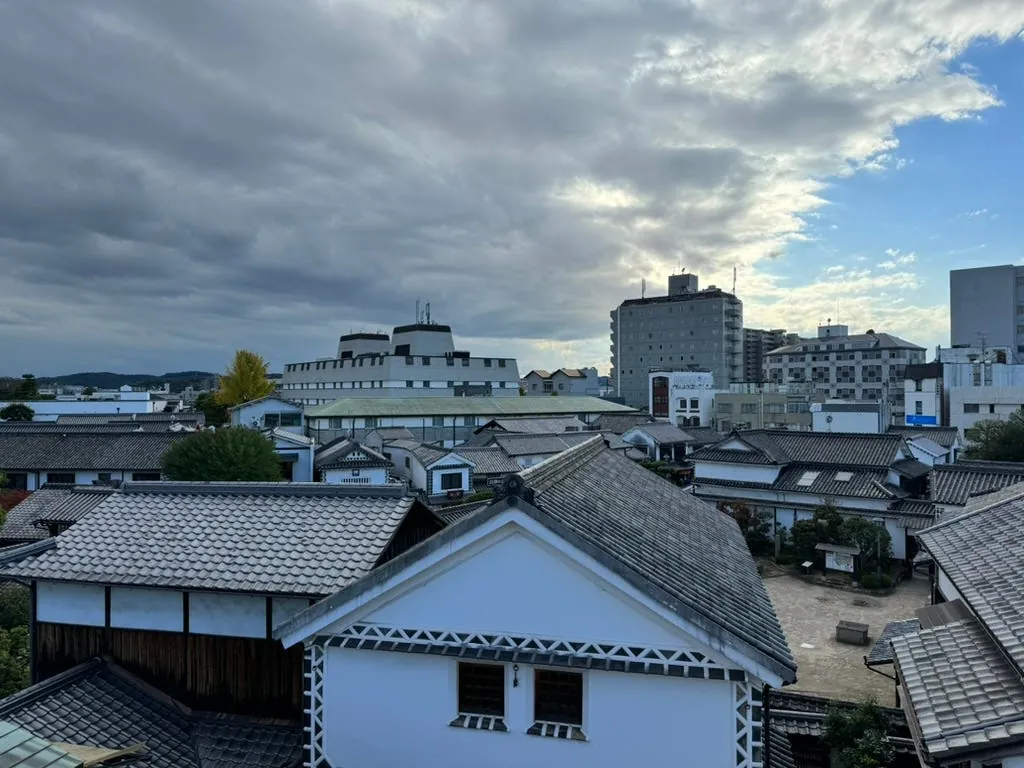
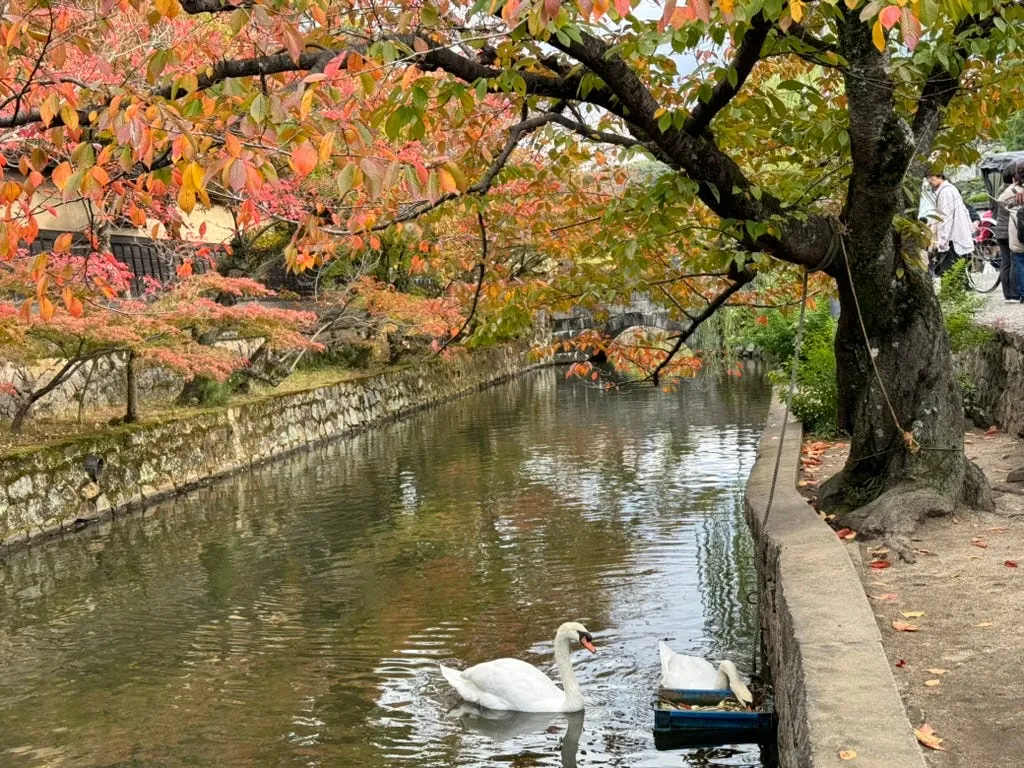
The Bikan area is small but quiet and pleasant to explore. The boat tour was sold out for the day, so I couldn’t experience it, but walking around the nearby alleys was still very enjoyable.
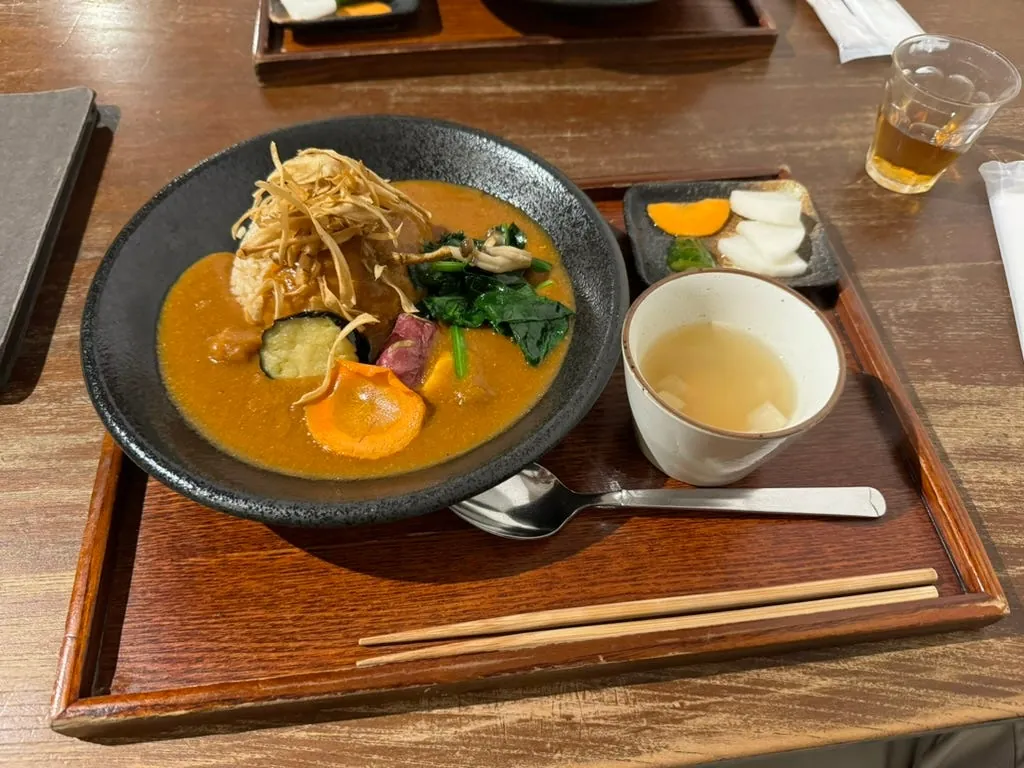
For lunch, I had the famous Miyake Shoten curry set. The rich curry paired well with shredded burdock and was very delicious.
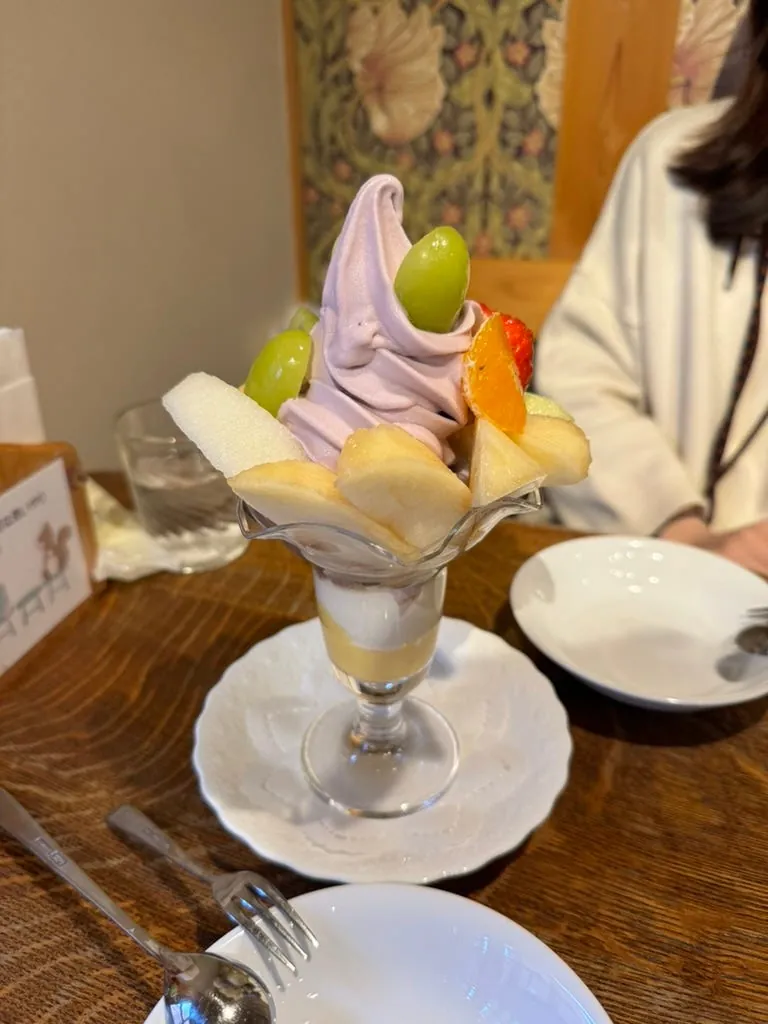
After eating, continue exploring. When tired, head to パーラー果物小町 (notable for staff dressed in Taisho-era maid outfits) for a fruit parfait. The Okayama Seio grapes plus fruit ice cream are so sweet they almost numb your mouth.
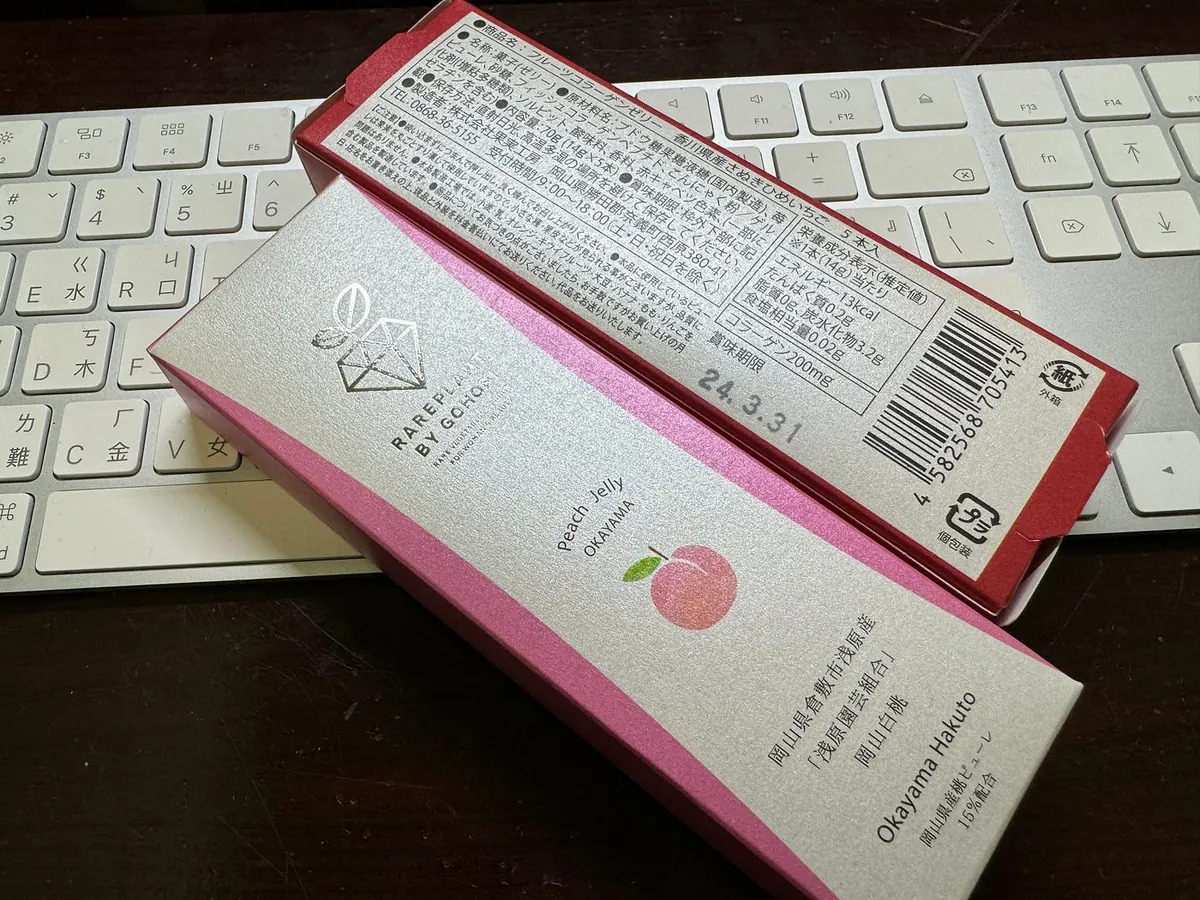
Souvenirs you can buy include GOHOBI, Kurashiki’s specialty collagen and Okayama fruit jelly.
Okayama Korakuen Illumination and Okayama Castle
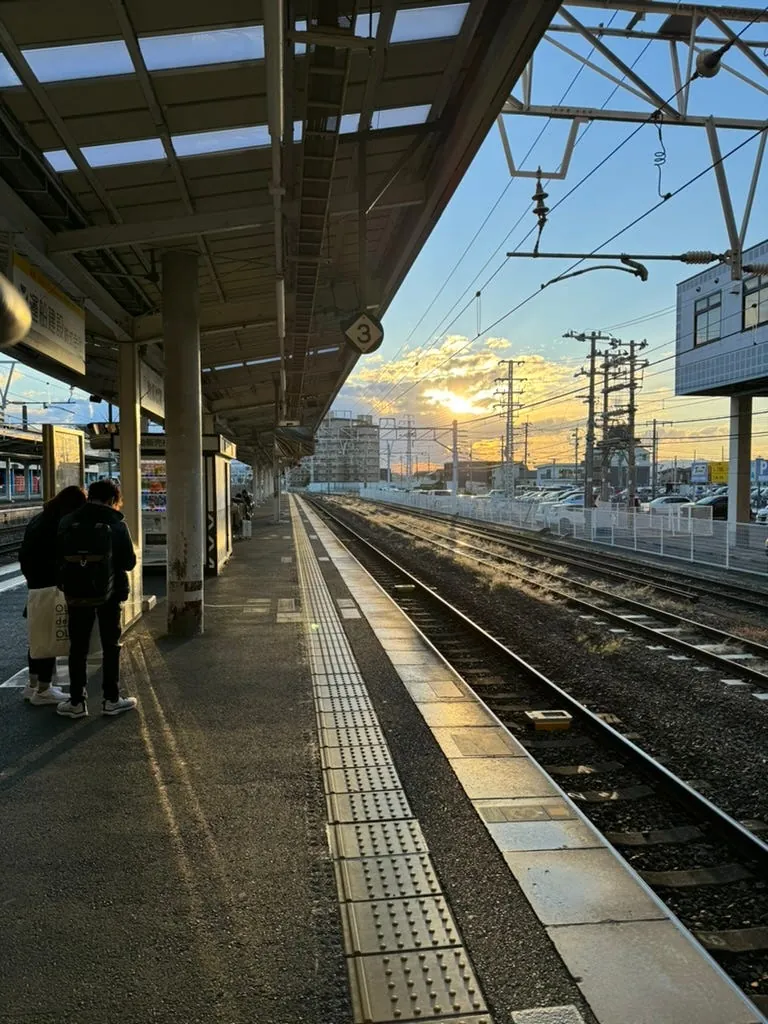
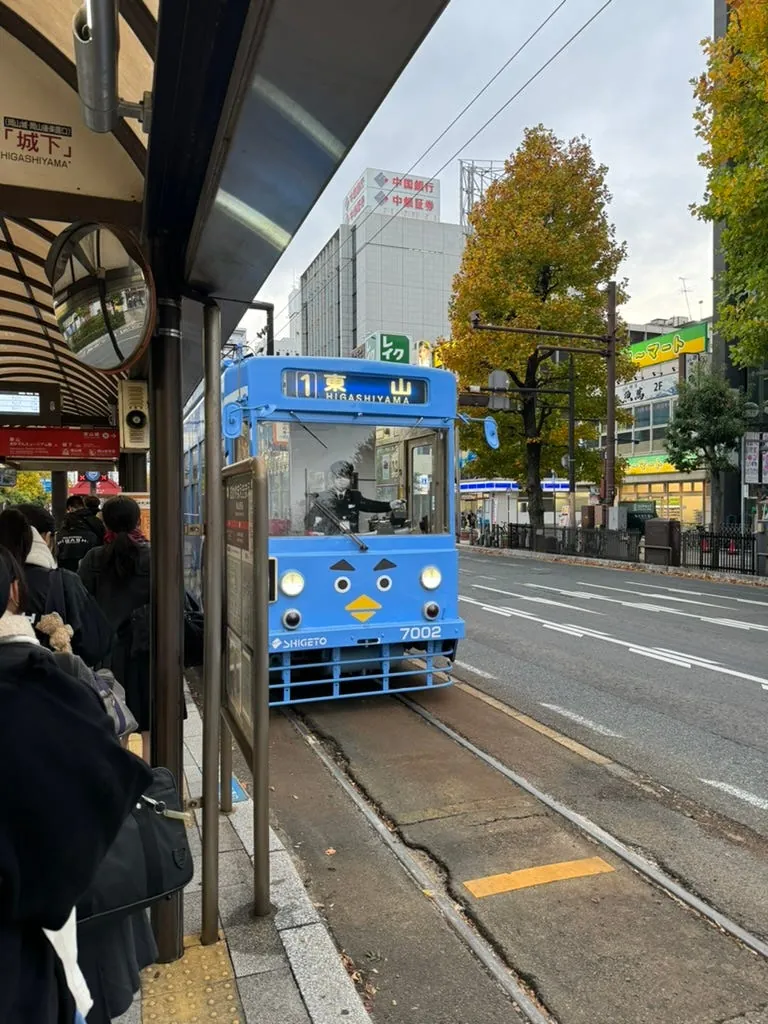
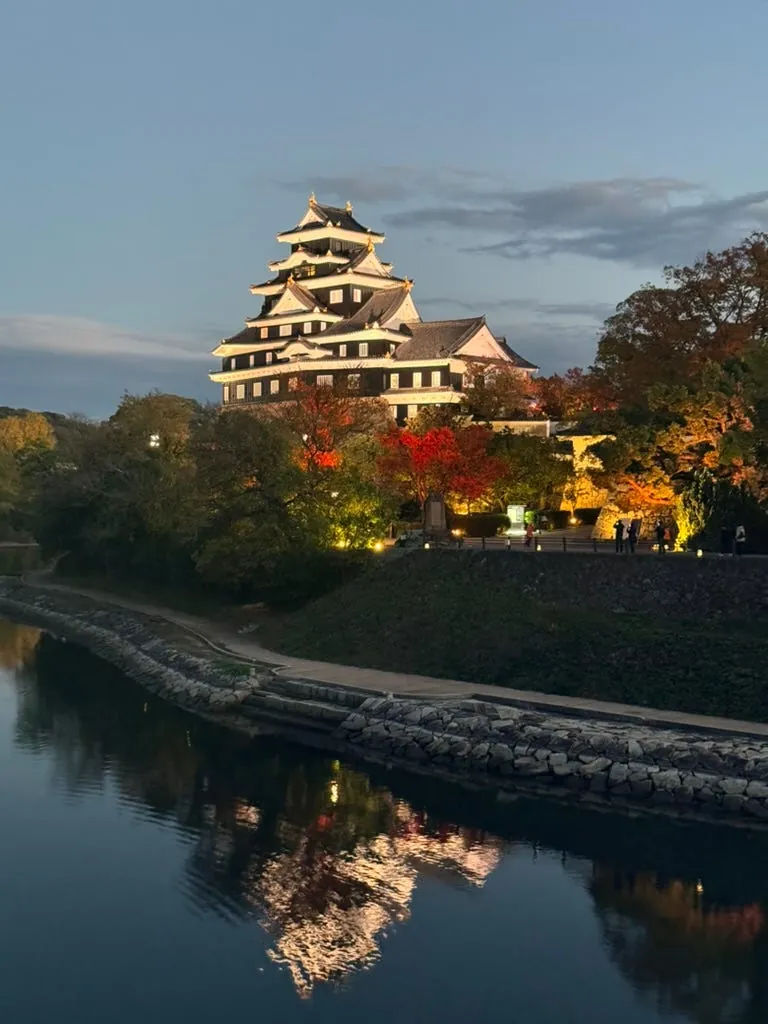
Taking the train back to Okayama Station with the sunset, you can directly take the tram from the station to reach the area around Okayama Castle.
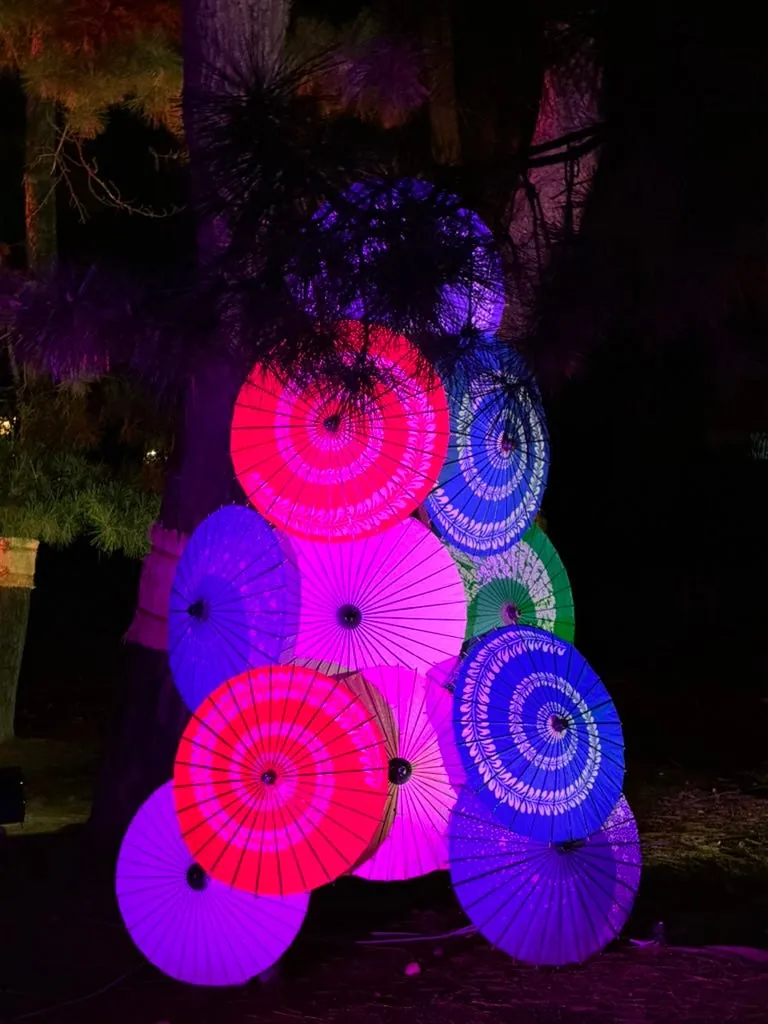
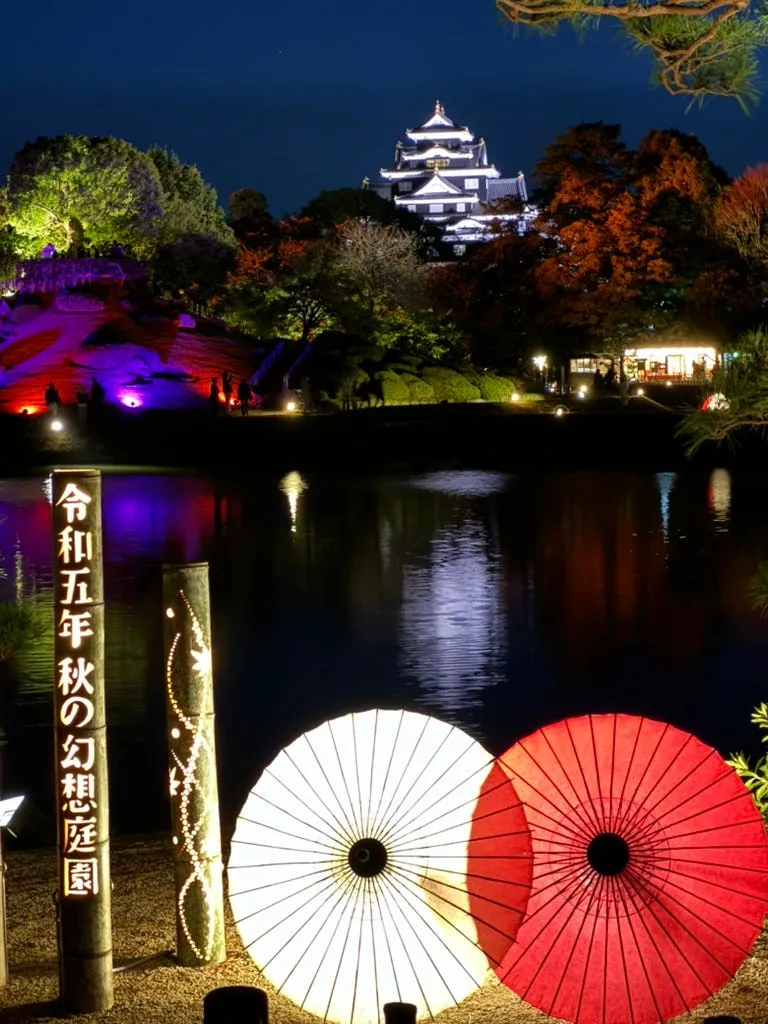
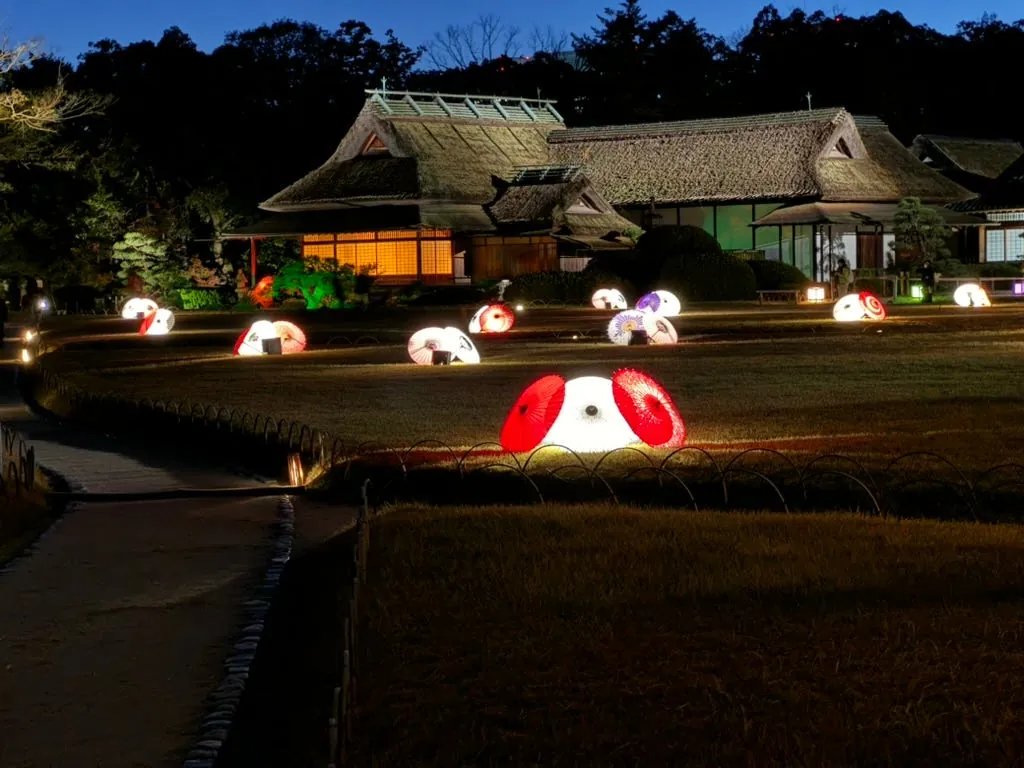
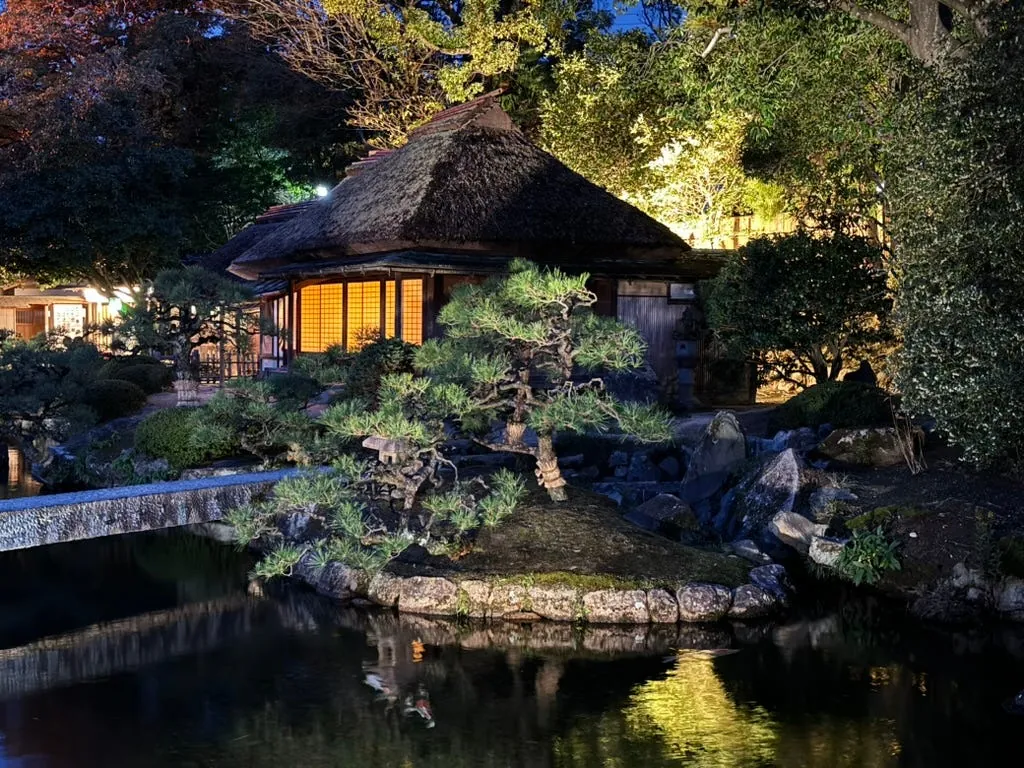
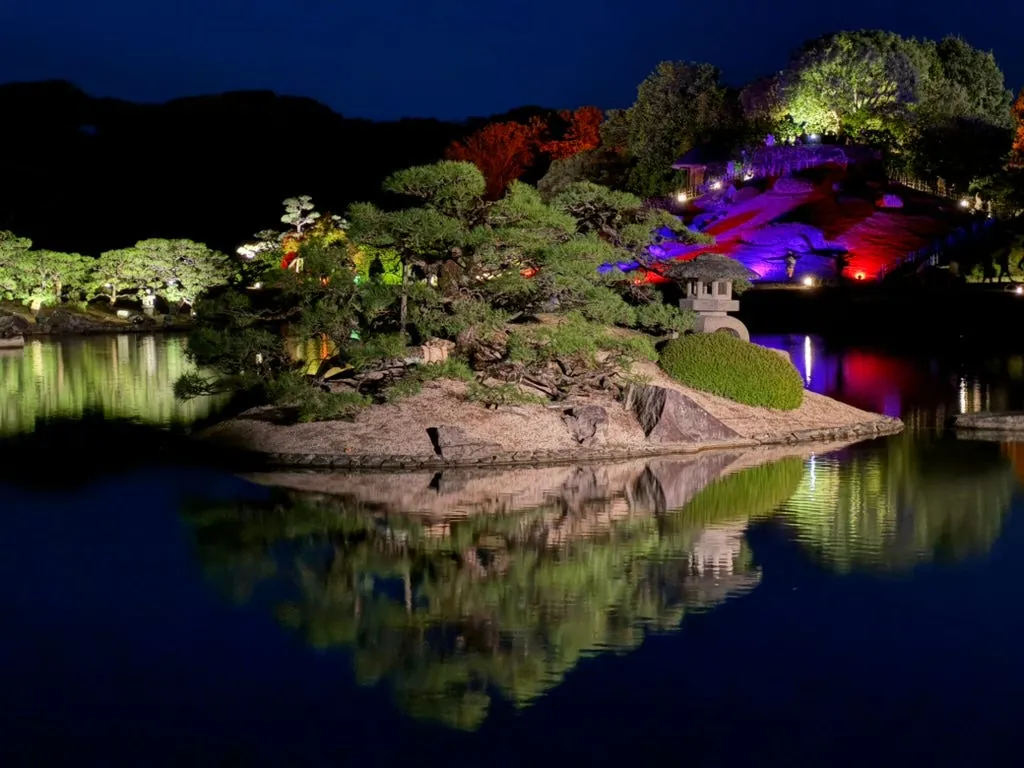
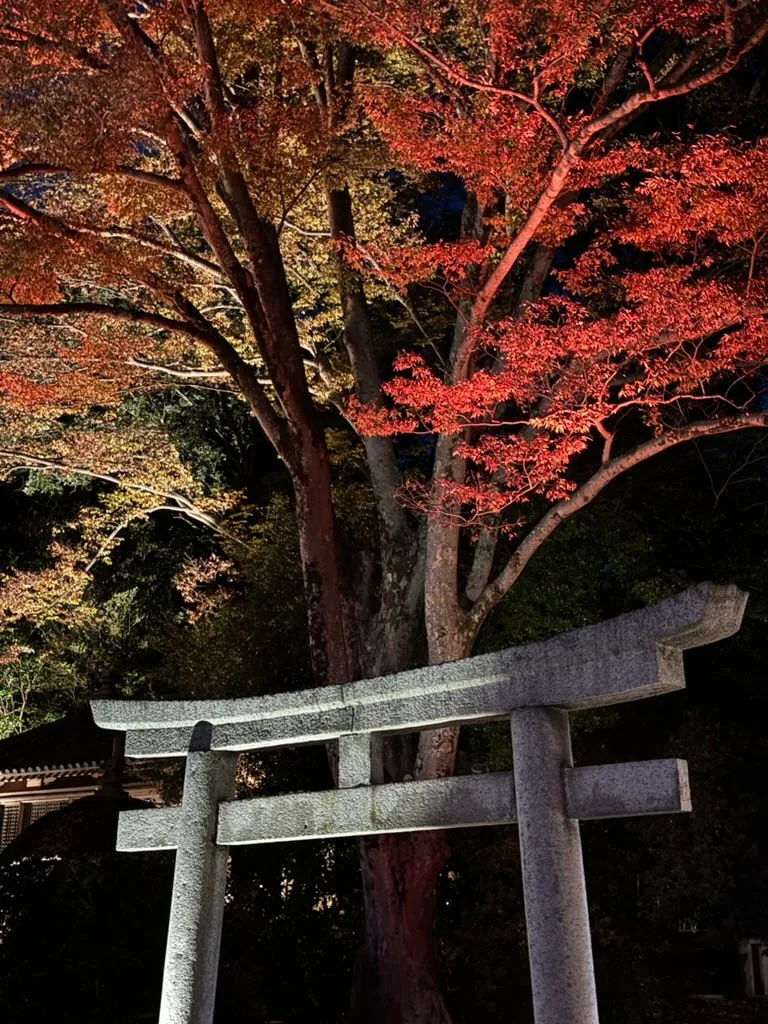
The first stop was Okayama Korakuen Garden. The evening illumination created a very romantic and beautiful atmosphere.
Okayama Korakuen and Okayama Castle hold illumination events every year in mid to late November.
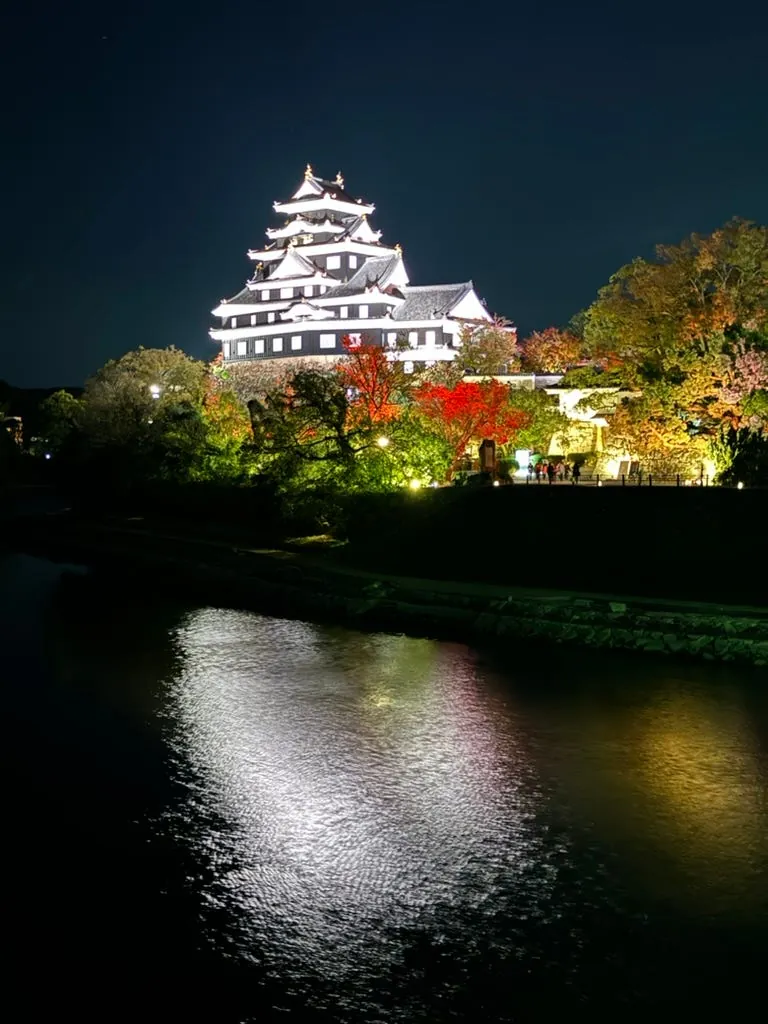
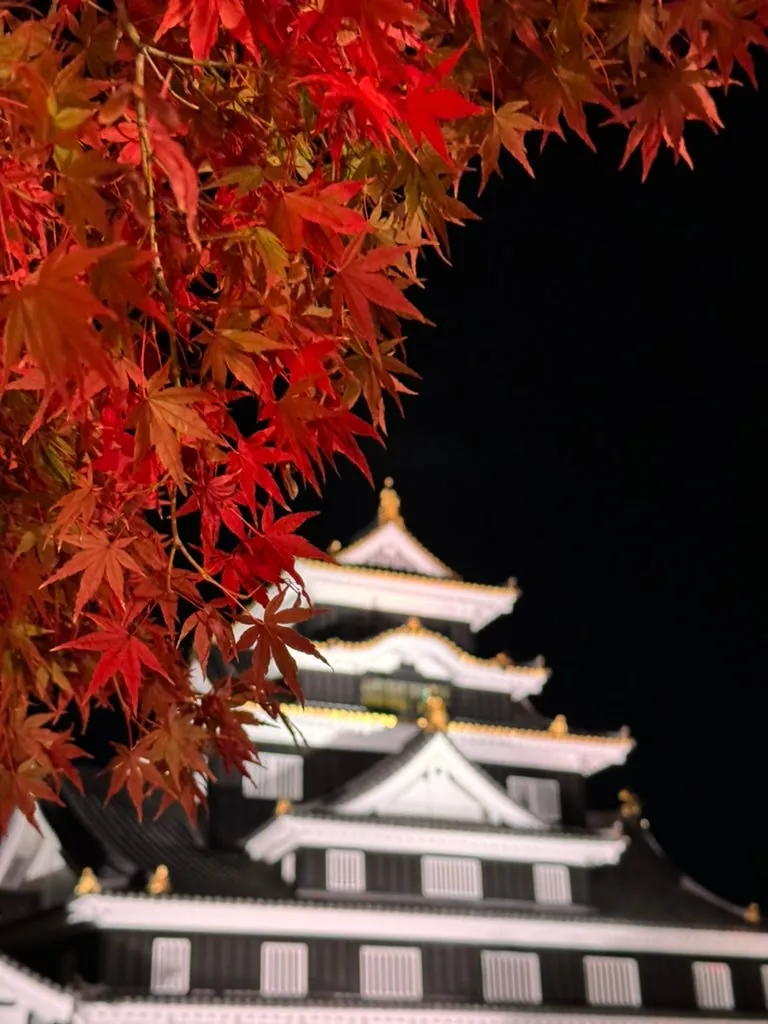
On the way, visit the nearby Okayama Castle to see the night view. The combination of maple leaves and lighting creates a unique atmosphere.
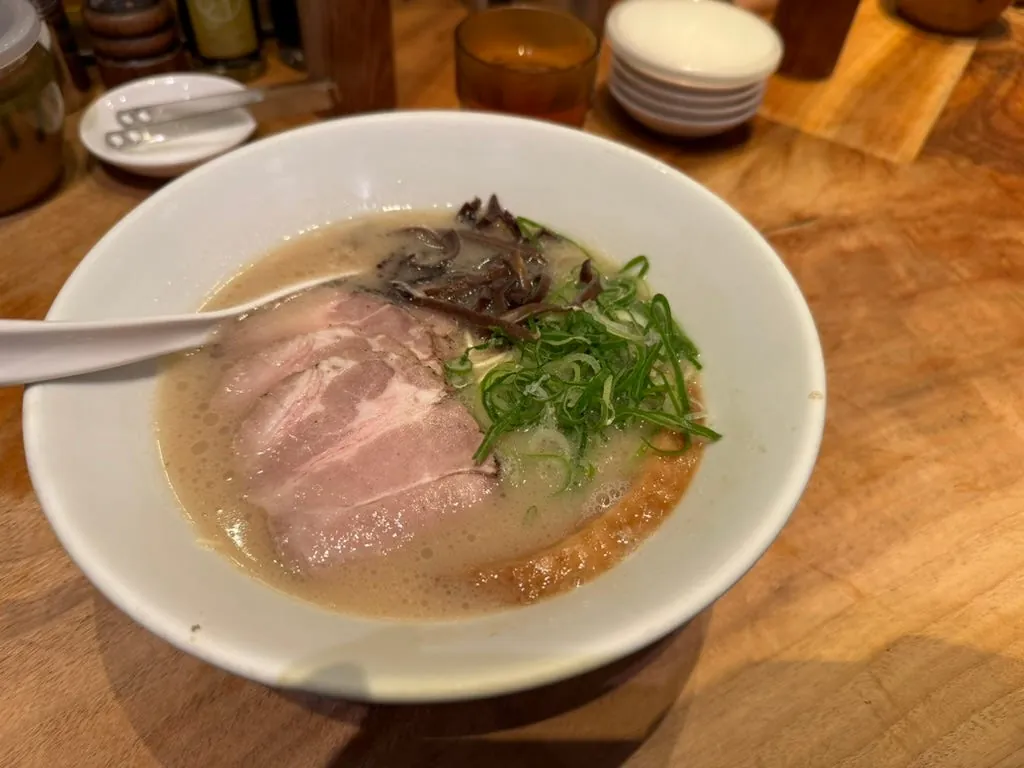
Dinner was easy to solve, so I ate at Ippudo Ramen nearby, then strolled back to Okayama Station (the lights along the way were beautiful). Before returning to Kurashiki, I had some time to browse Don Quijote (Donki). There weren’t many souvenirs, so it’s better to buy souvenirs at Okayama Station or department stores…
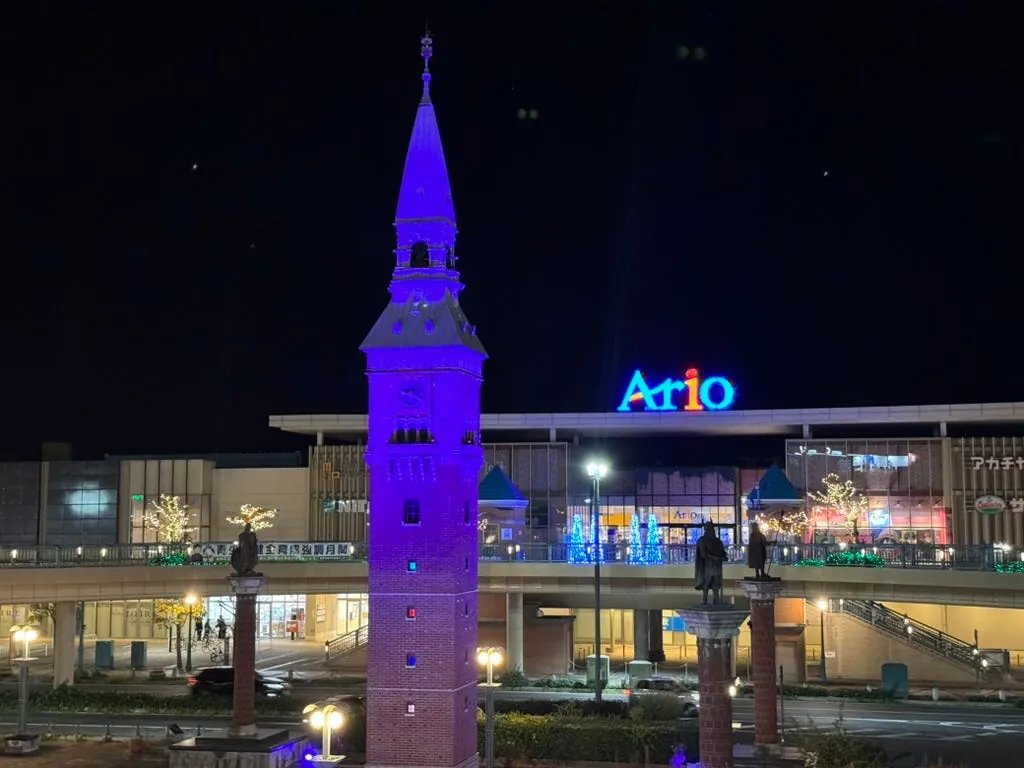
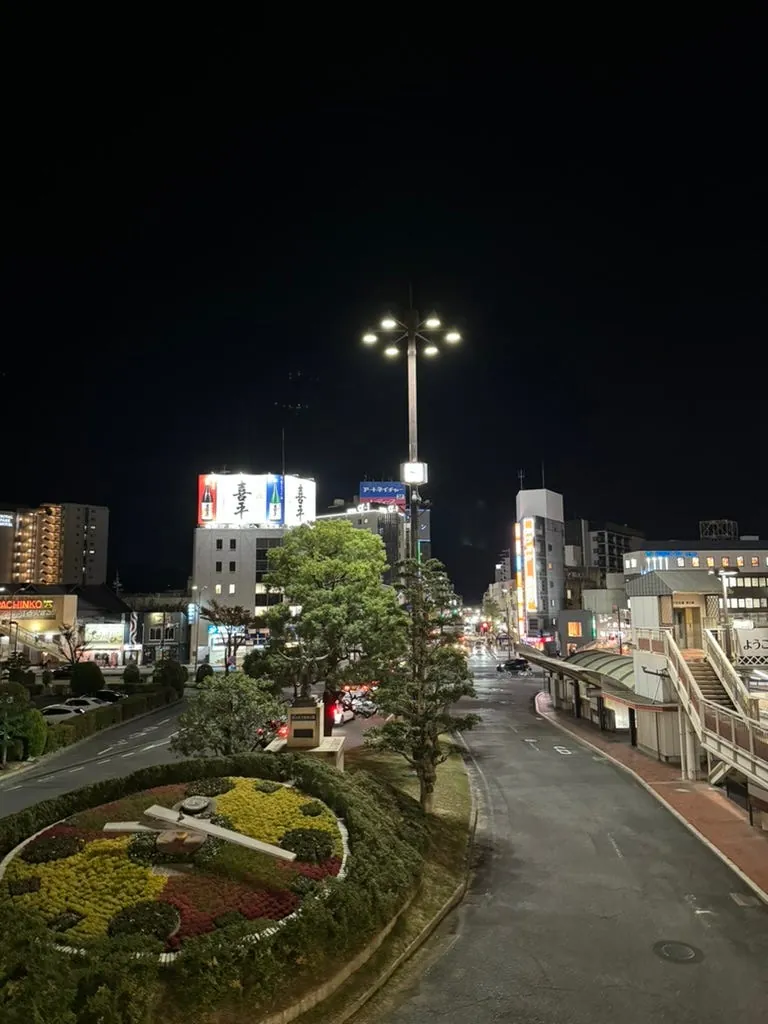
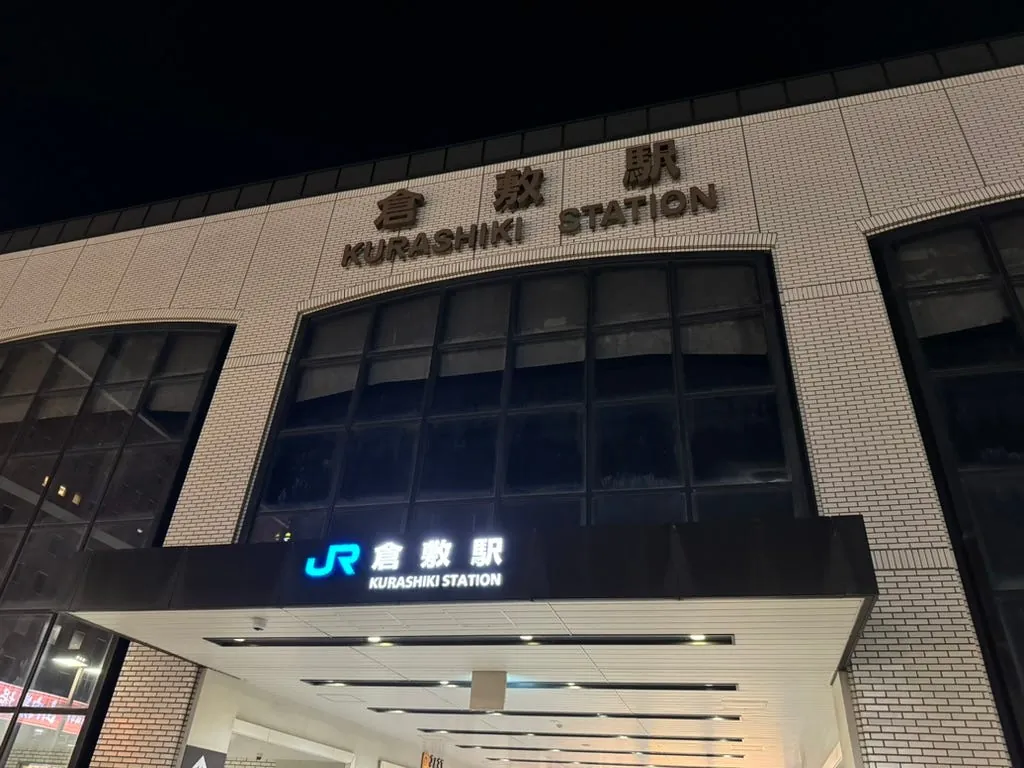
Returning to Kurashiki was already in the evening. The weather was cold, and people on the street were rushing home. The outlet behind Kurashiki Station was also closed.
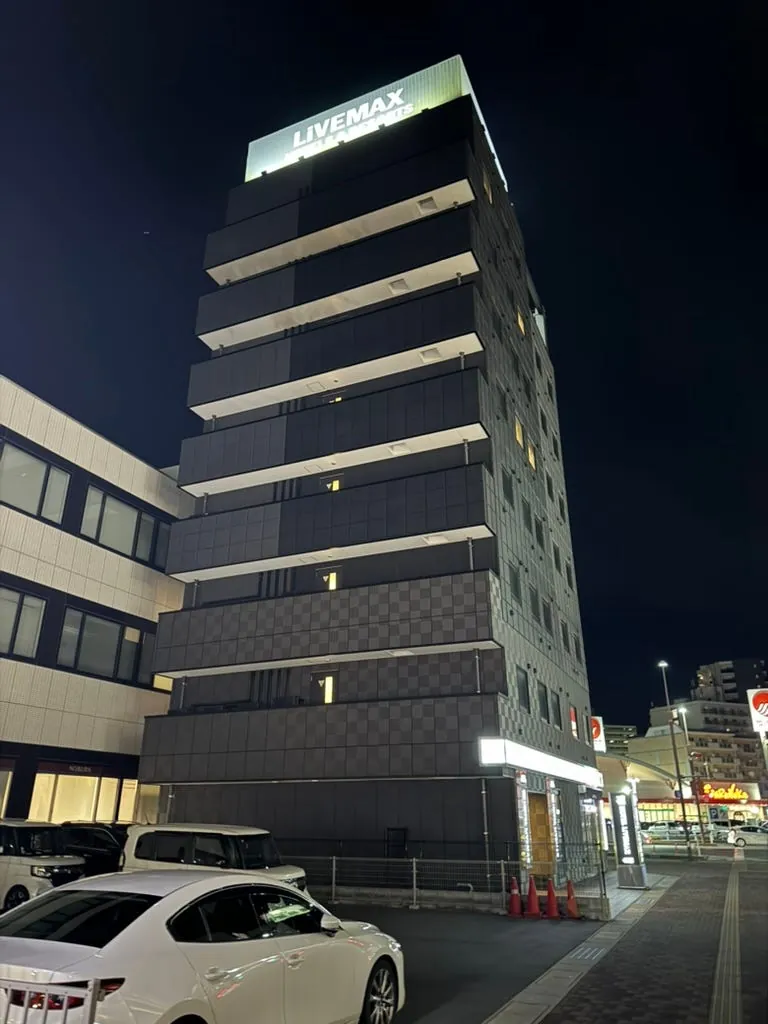
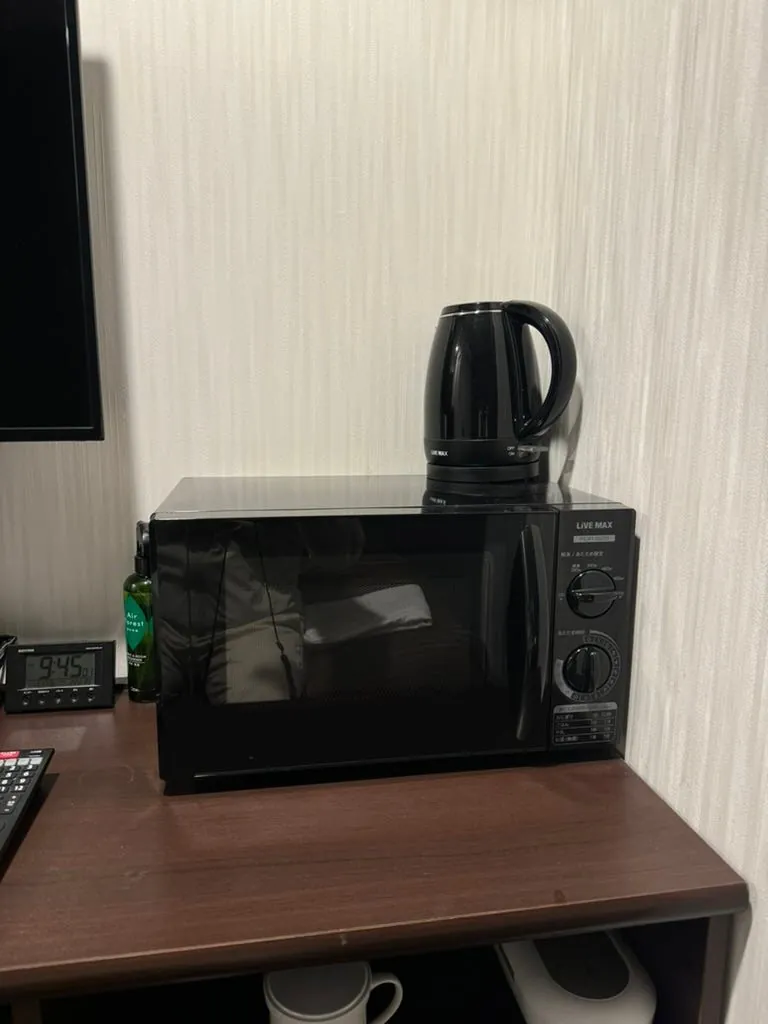
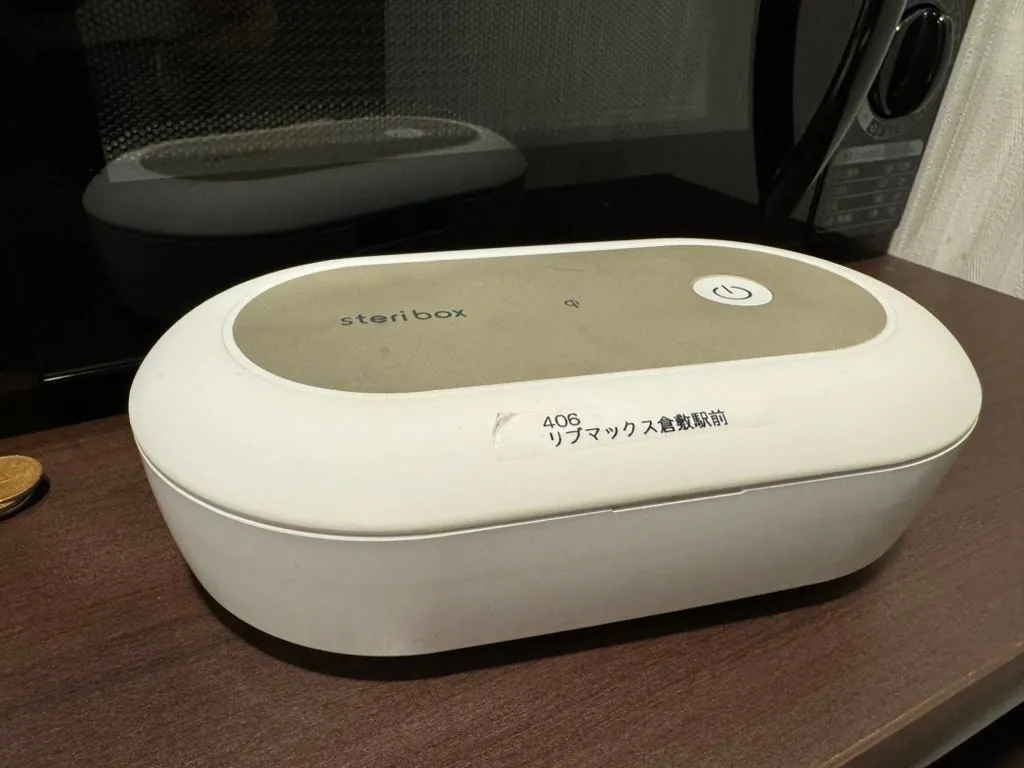
I just realized this hotel doesn’t have a 24-hour front desk, luckily I didn’t come back too late! But the room facilities are well-equipped, including a microwave, electric kettle, and even a glasses cleaner.
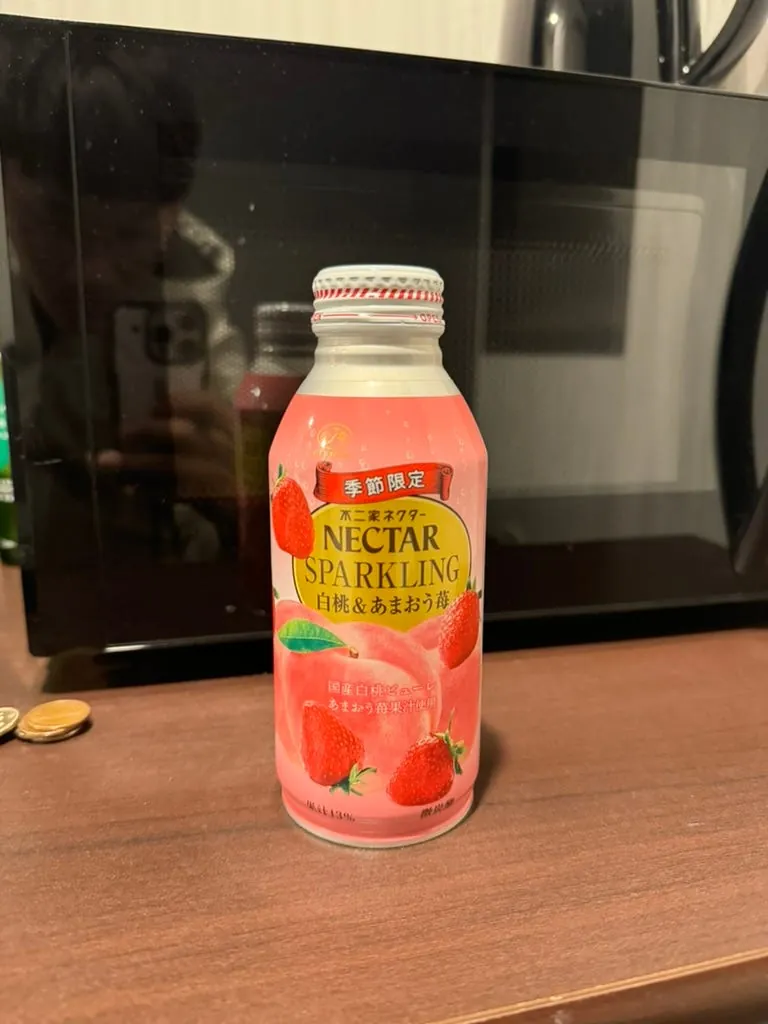
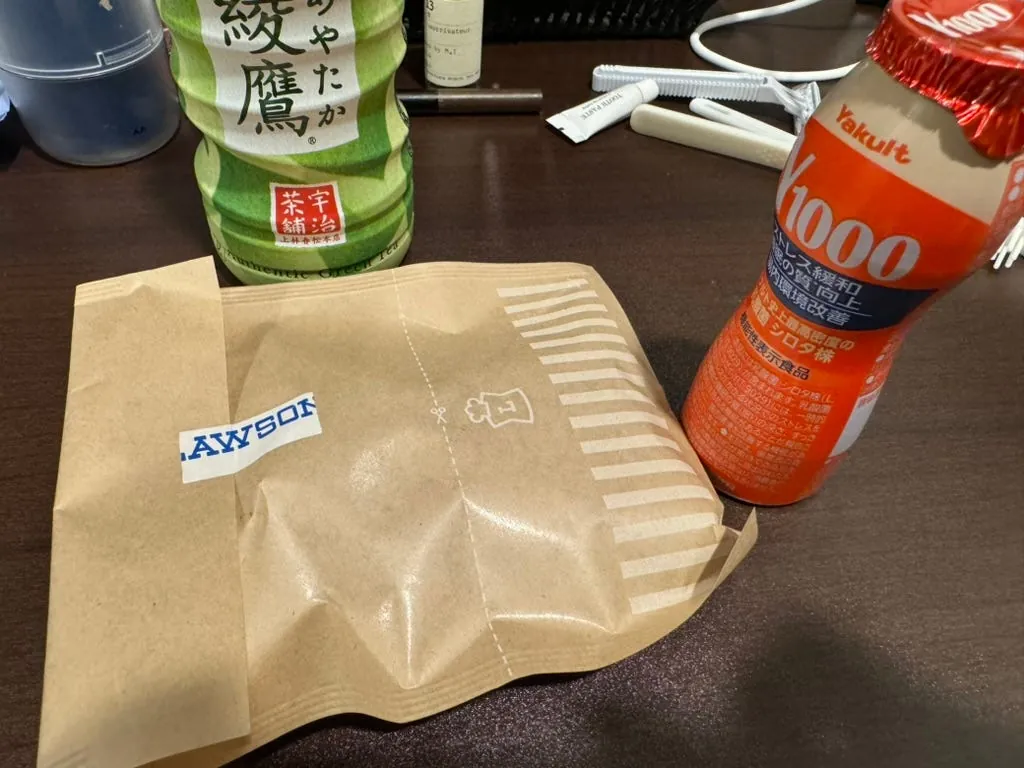
On the last night in Japan, I simply ate convenience store chicken nuggets plus a Y1000 meal and bought an extra bottle of white peach strawberry milk as a midnight snack, then fell into a deep sleep.
Day 6 Okayama, Return Trip
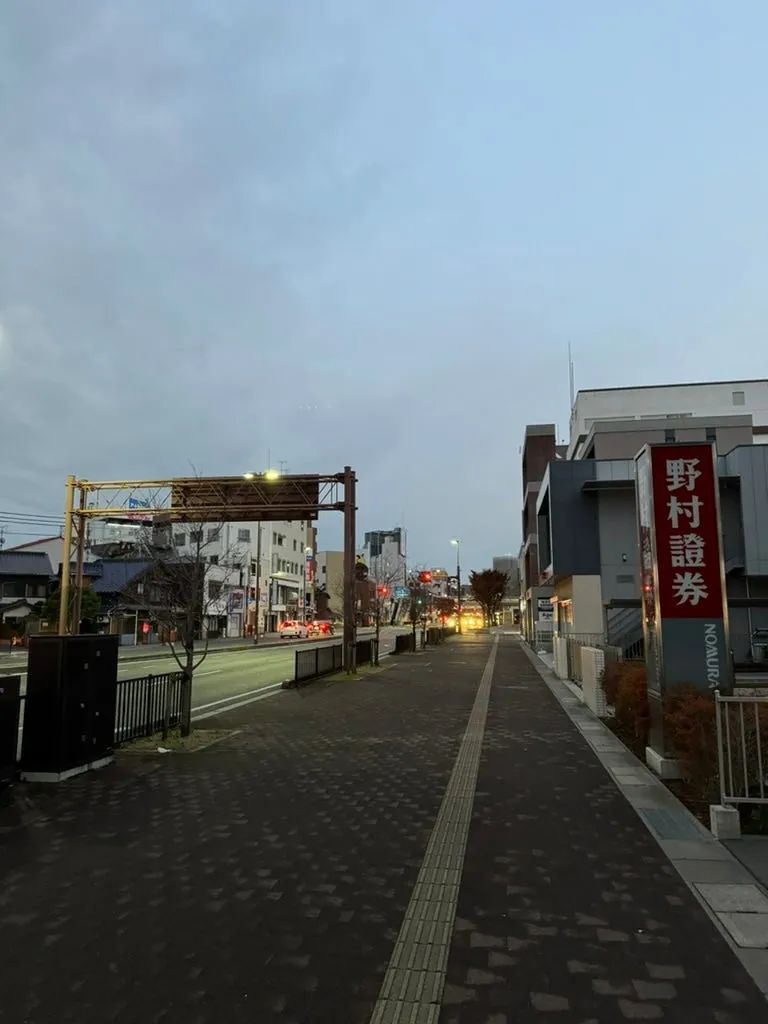
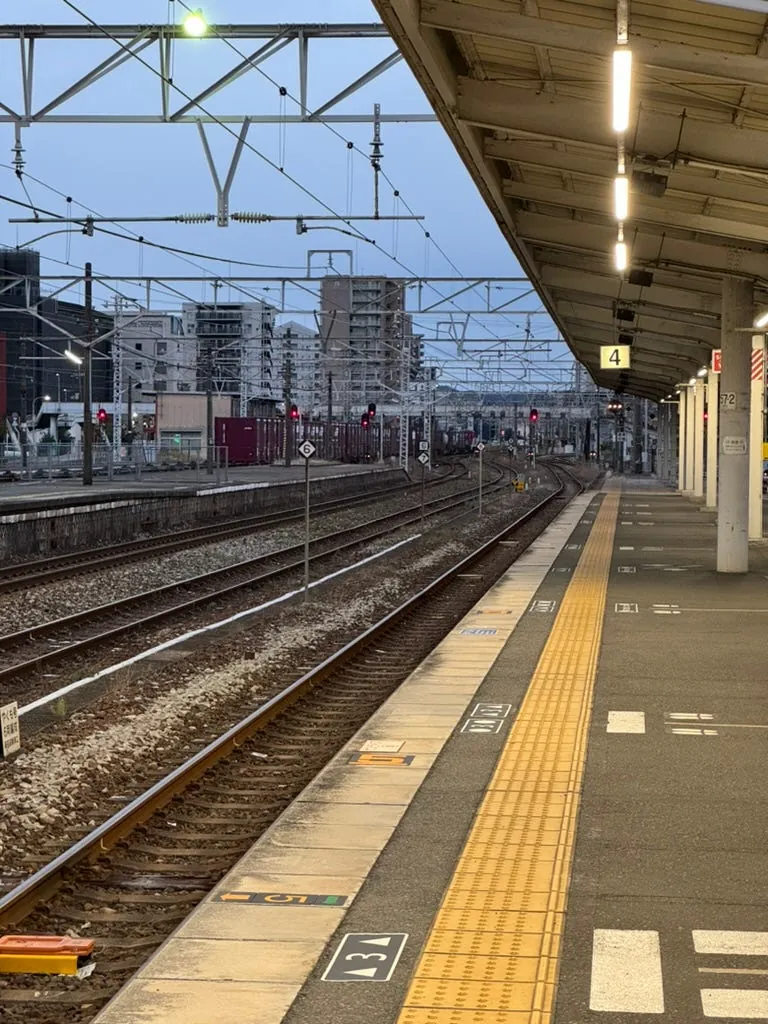
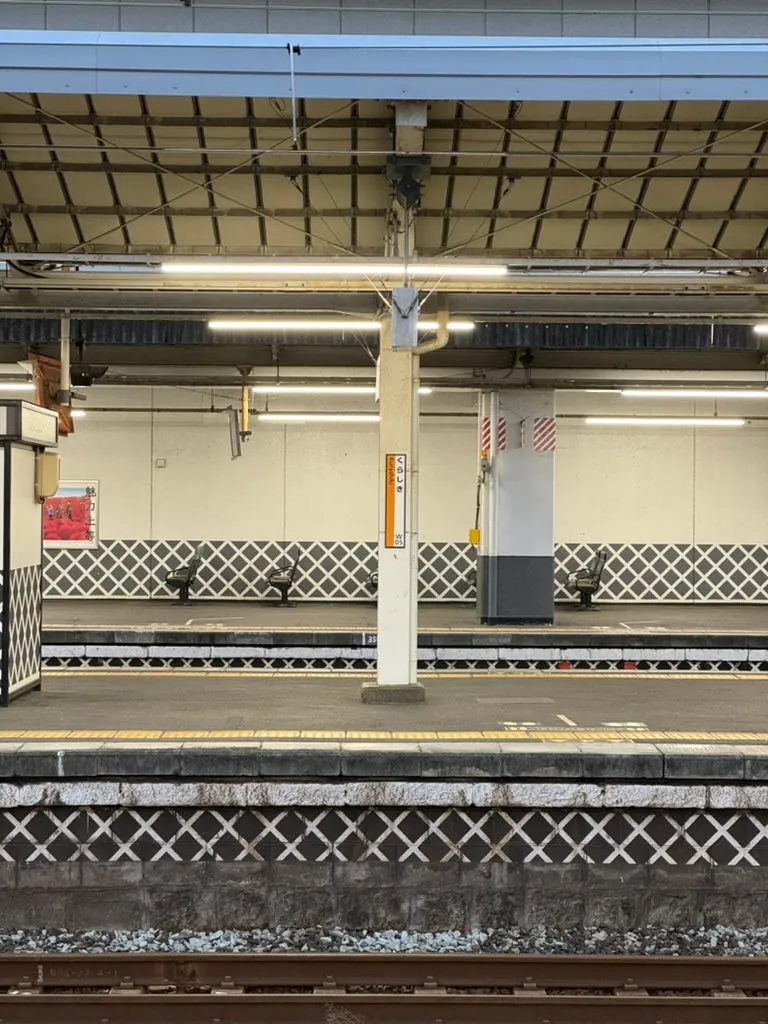
Early in the morning at dawn, I checked out and headed to Okayama.
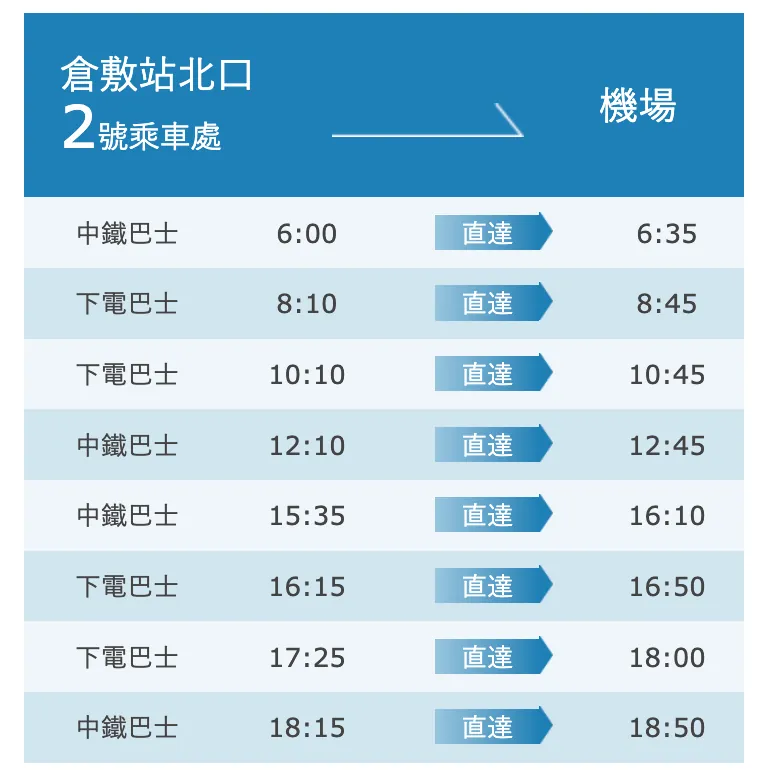
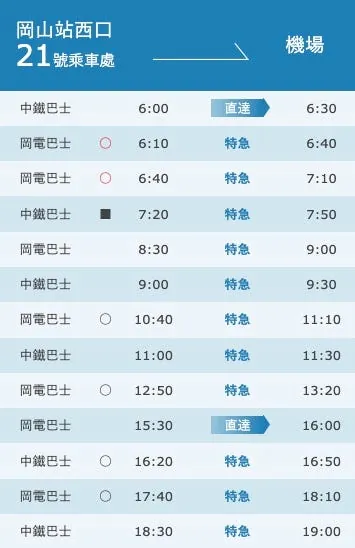
Planning to take the airport shuttle bus from Okayama to the airport. Kurashiki also has direct shuttle buses to Okayama Airport but with fewer departures ( see official website for details ). Since I didn’t finish exploring Okayama yesterday, I decided to head straight to Okayama and return from there.
Kibitsu Shrine
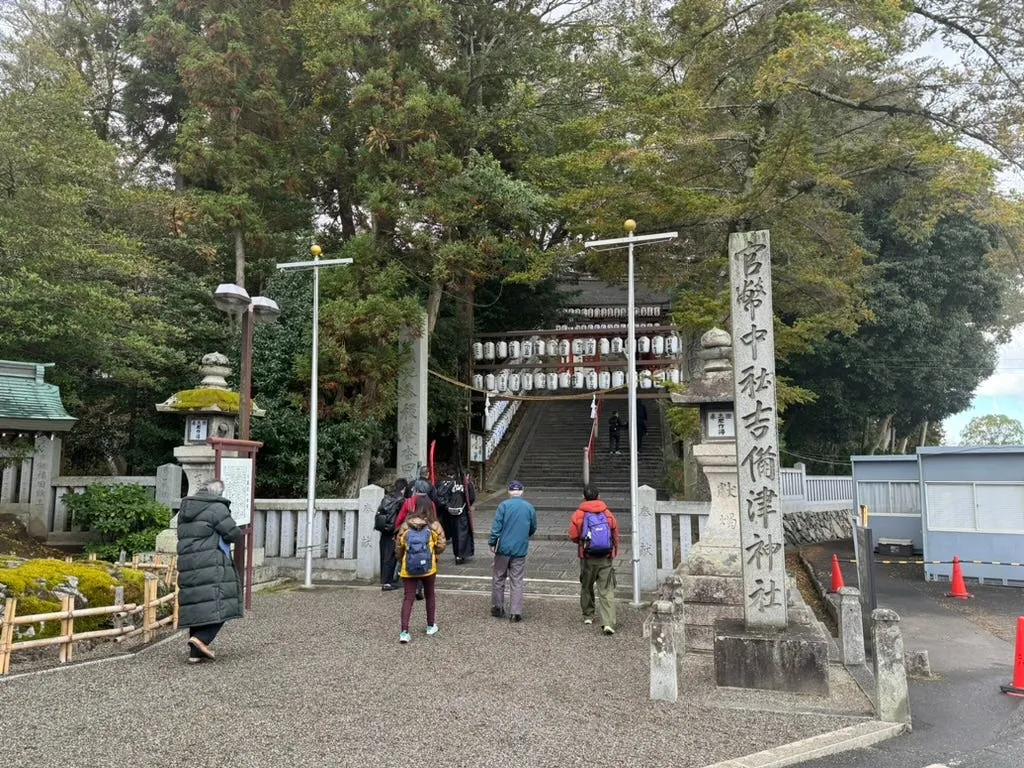
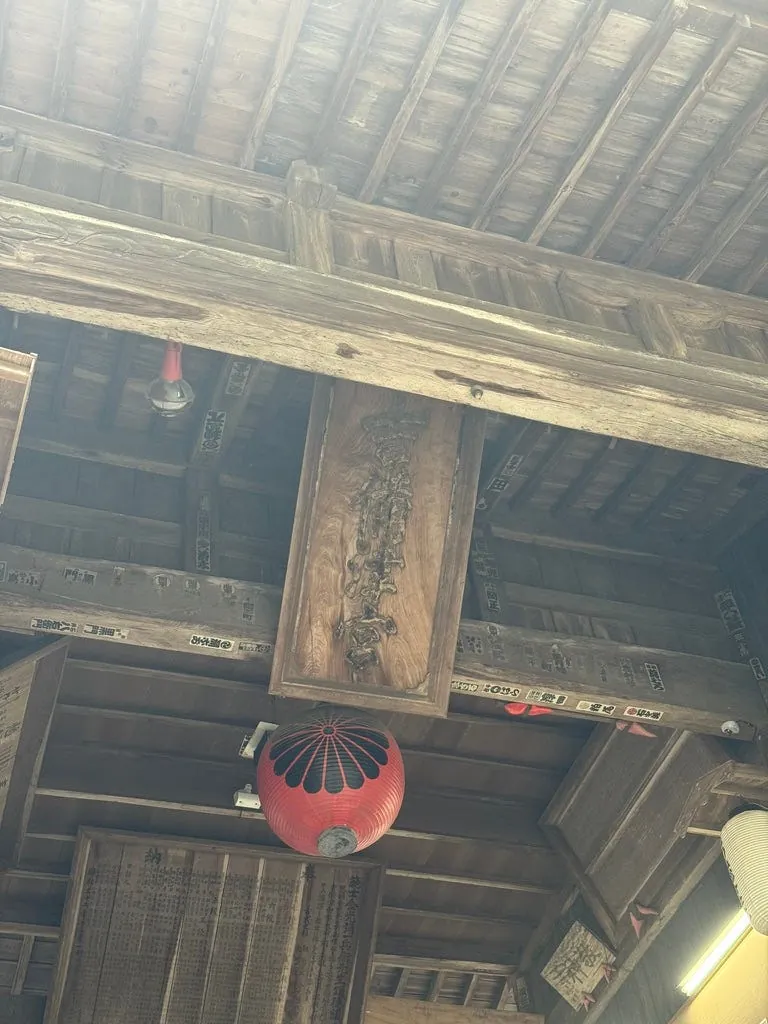
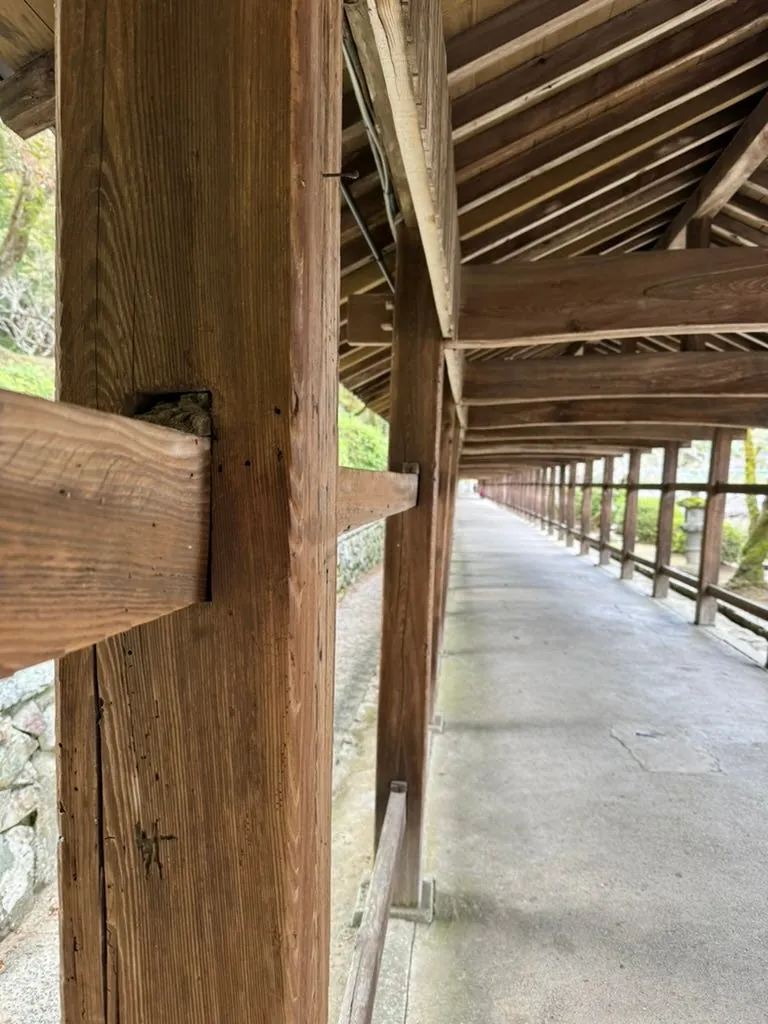
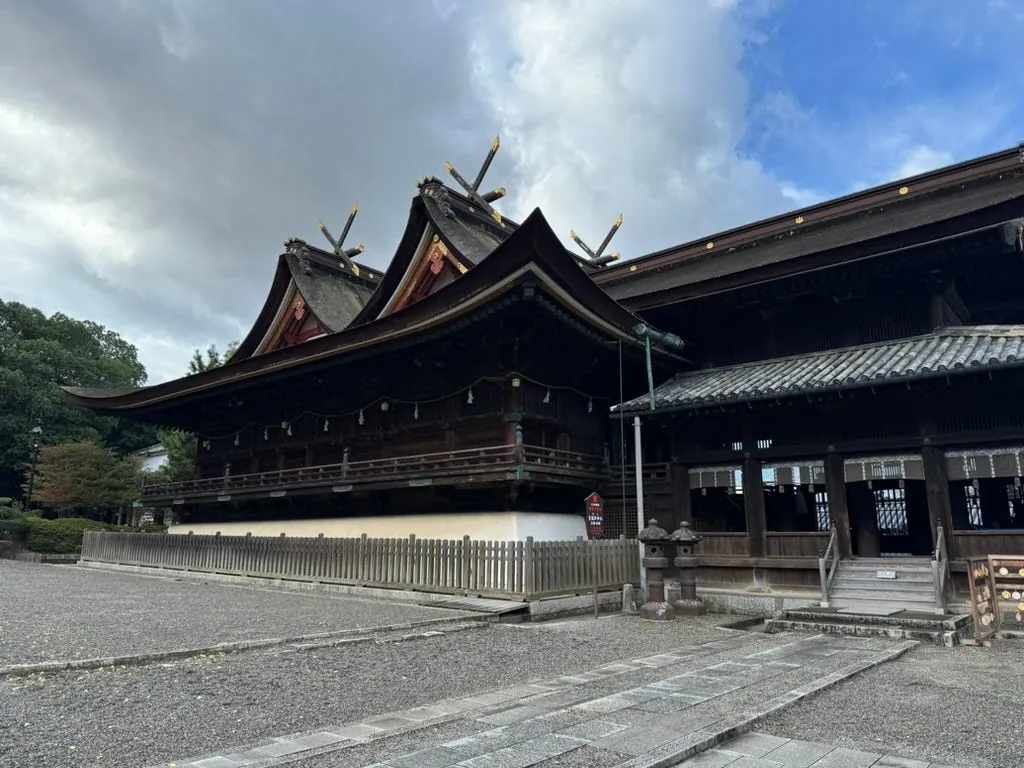
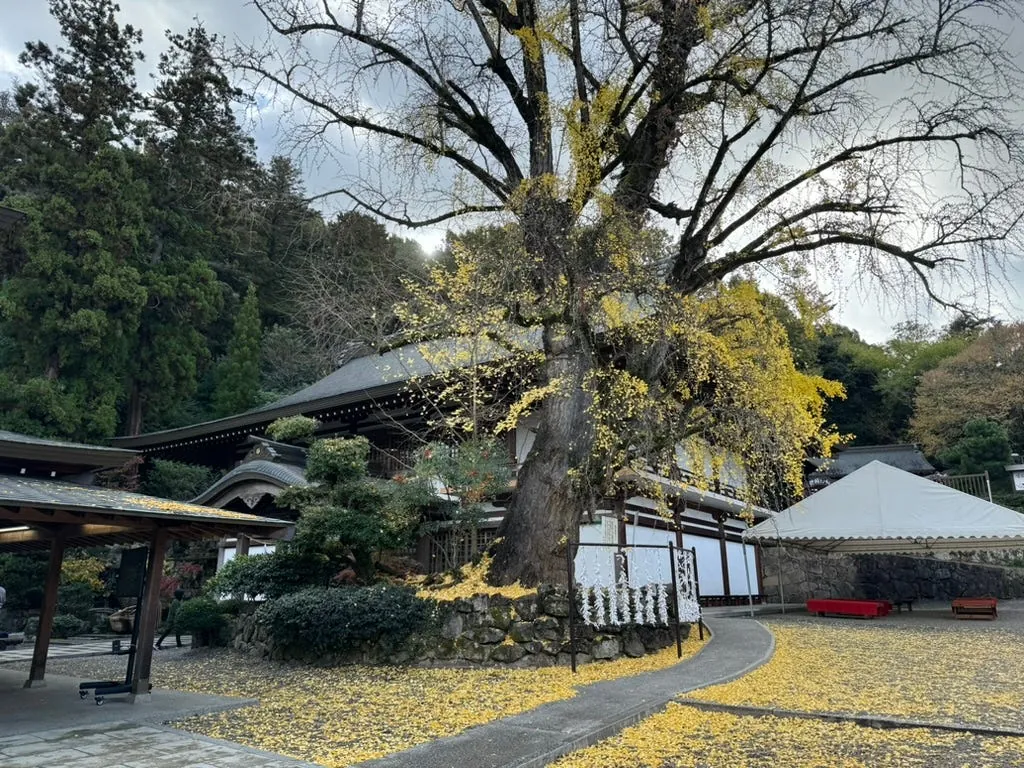
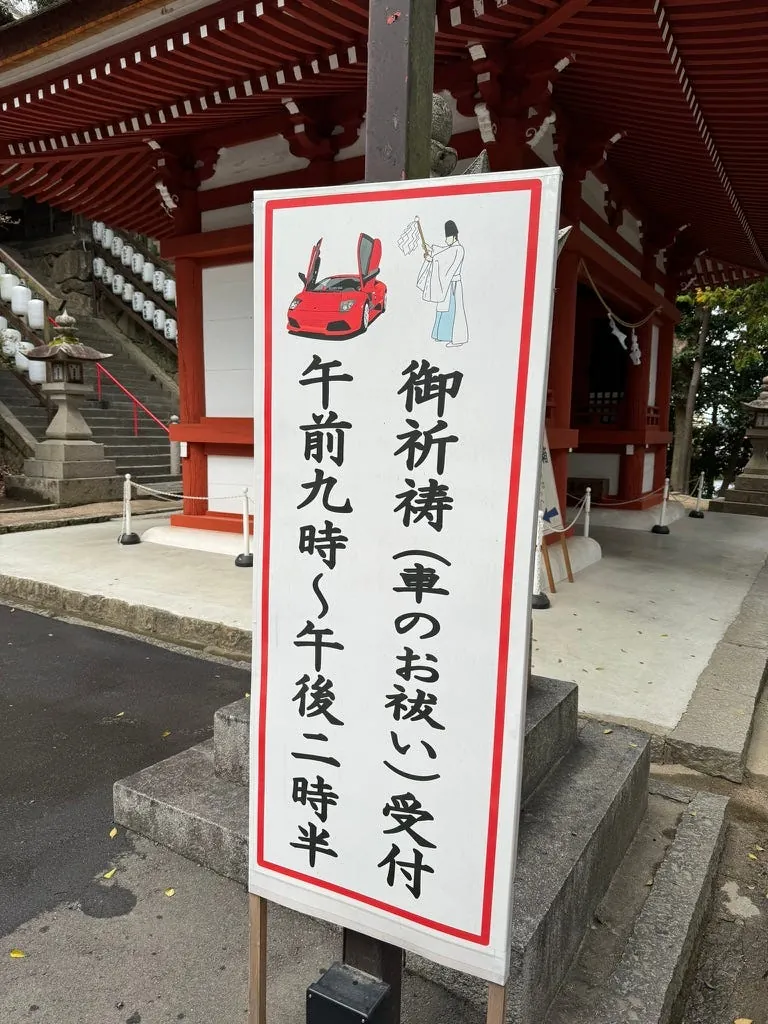
After getting off at the station, head straight to Kibitsu Shrine (about a 30-minute drive). From the station, it’s about a 15-minute walk to reach the shrine. There is a historic cedar corridor, ginkgo trees, and traditional buildings, making it a pleasant place to stroll and visit.
On the way, there is also Kibitsuhiko Shrine on the other side of the mountain, which can be visited together, but due to limited time, I skipped it this trip.
Okayama AEON
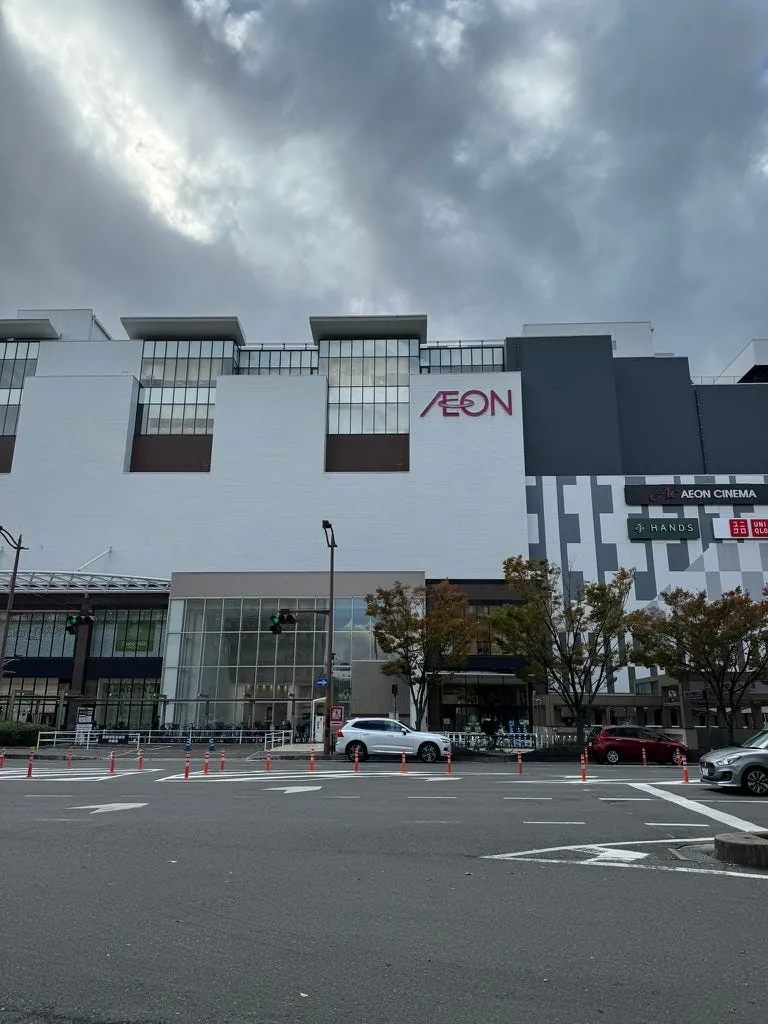
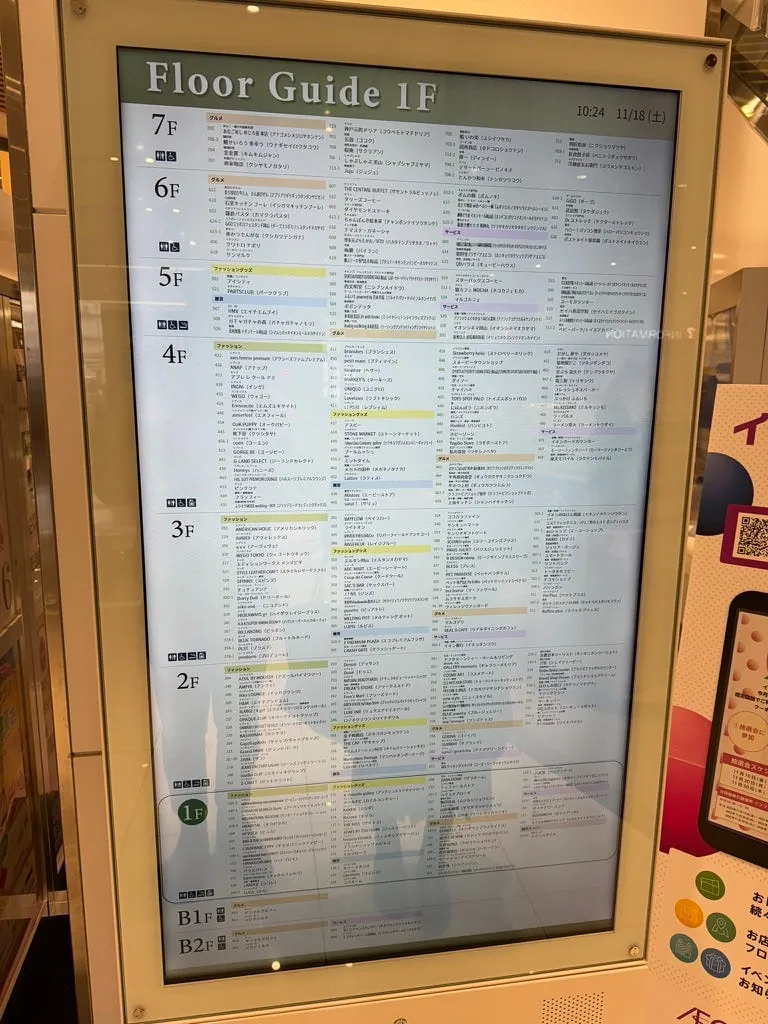
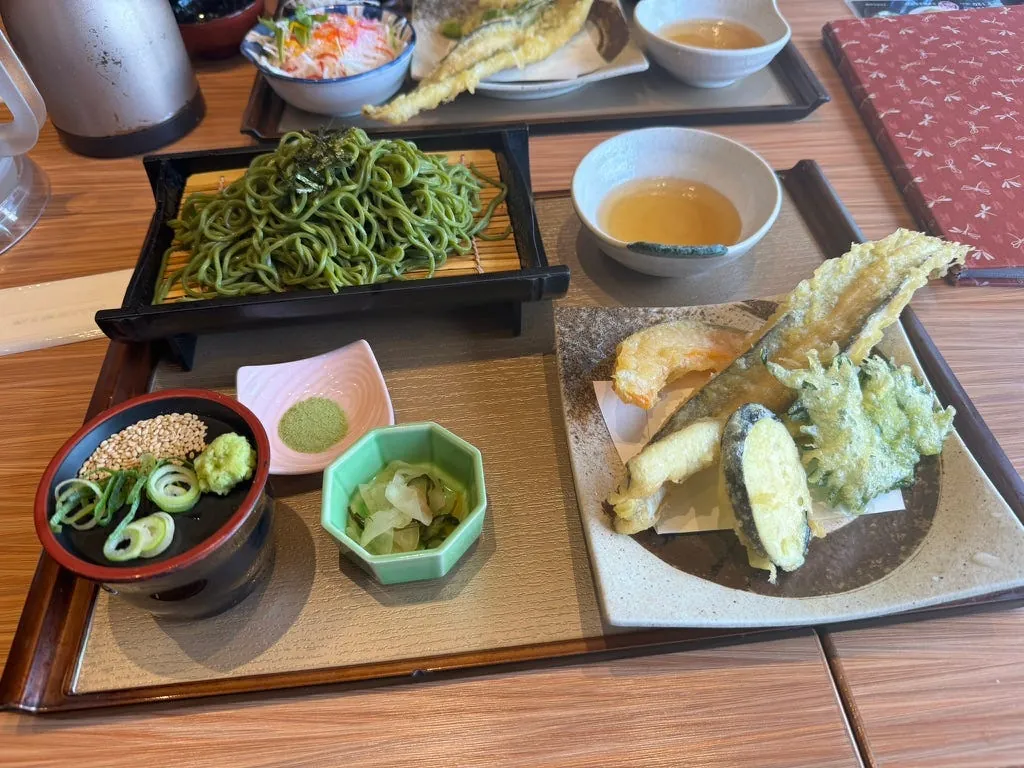
After returning to Okayama Station, I went to the nearby AEON department store to buy souvenirs and stroll around. I had tempura soba for lunch, then got ready to line up for the airport shuttle back to Okayama Airport.
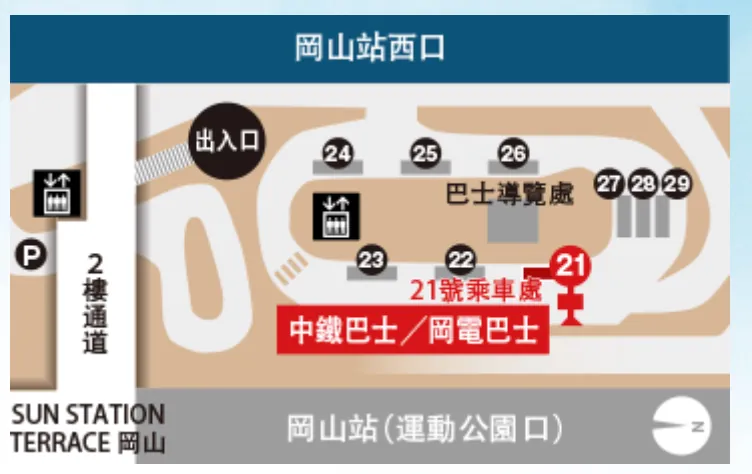
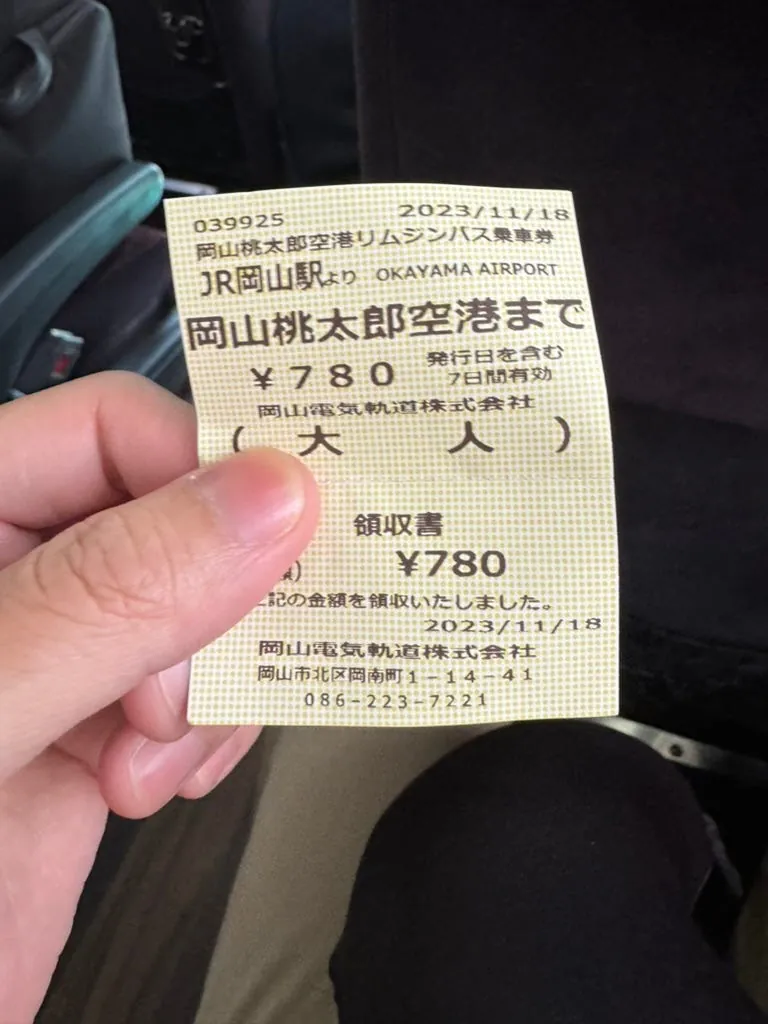
There are many people lining up for the shuttle bus, but don’t worry about missing it, as extra trips will be added to ensure everyone can get to the airport.
Okayama Momotaro Airport (OKJ)
The airport is a bit old and about the same size as Kumamoto Airport. By around 13:50, I had completed security check, check-in, and immigration, leaving nearly 2 hours before the 15:25 departure.
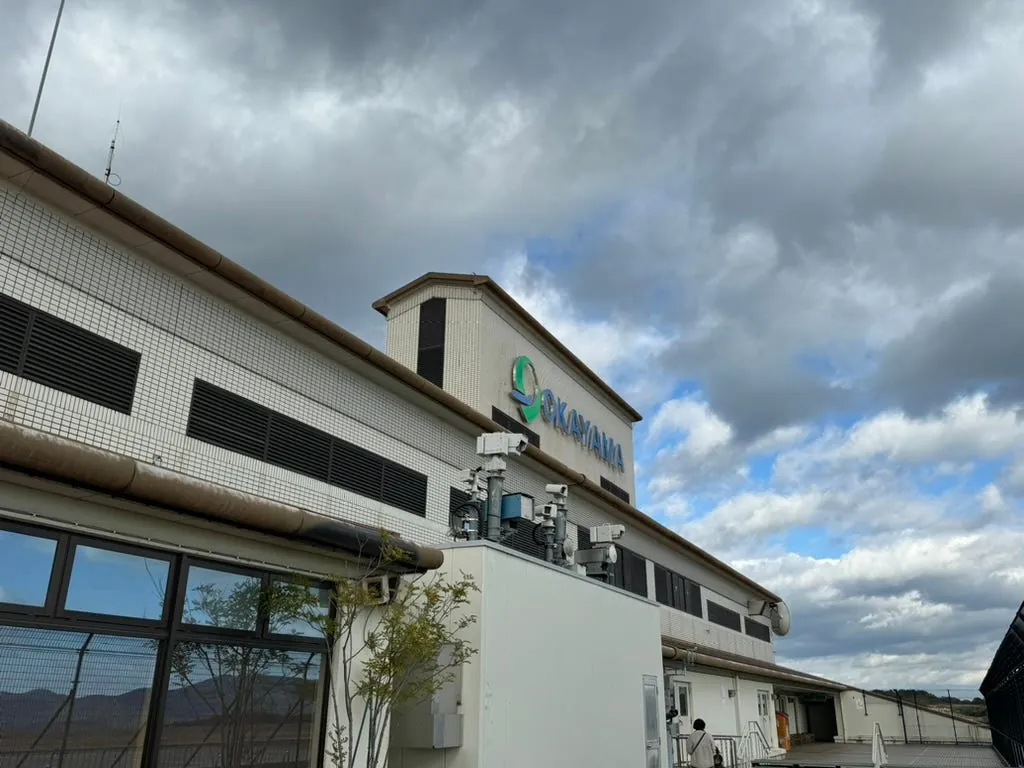
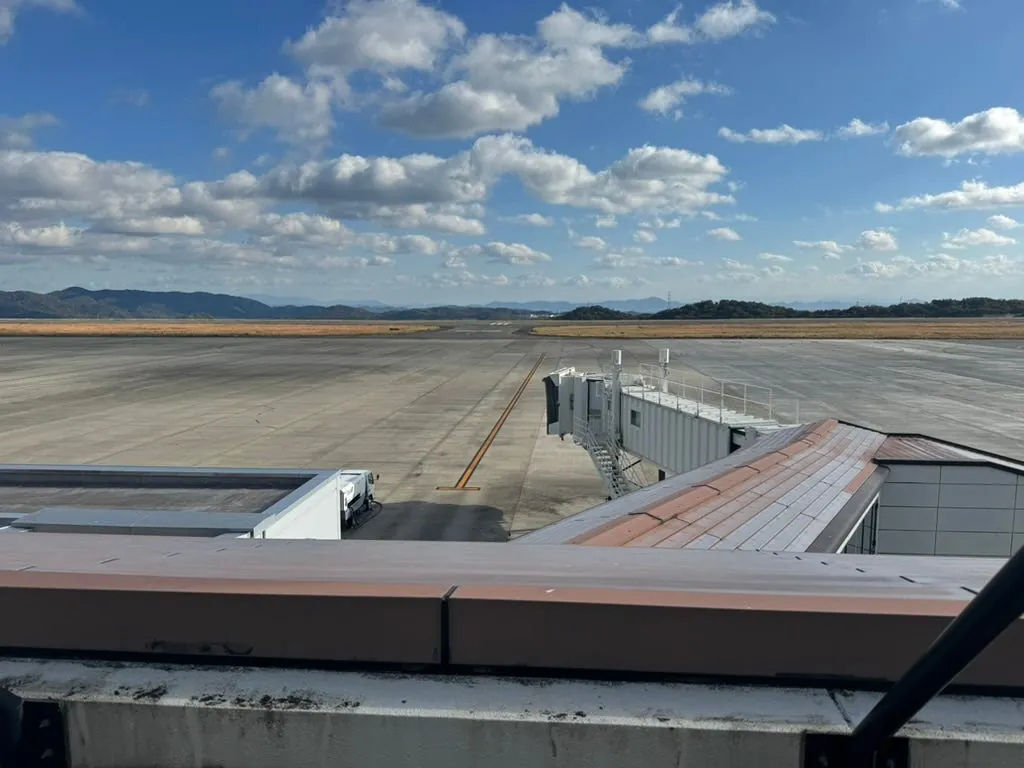
There are very few flights, so only passengers on the same flight are present. It took less than 15 minutes to complete check-in and baggage drop. What’s more unique is that Okayama Airport is so small that the X-ray machine is located in the main hall. After passing through the X-ray in the hall, your bag is sealed with a sticker, and then you proceed to check-in (if you open your luggage, you’ll be asked to go through security again).
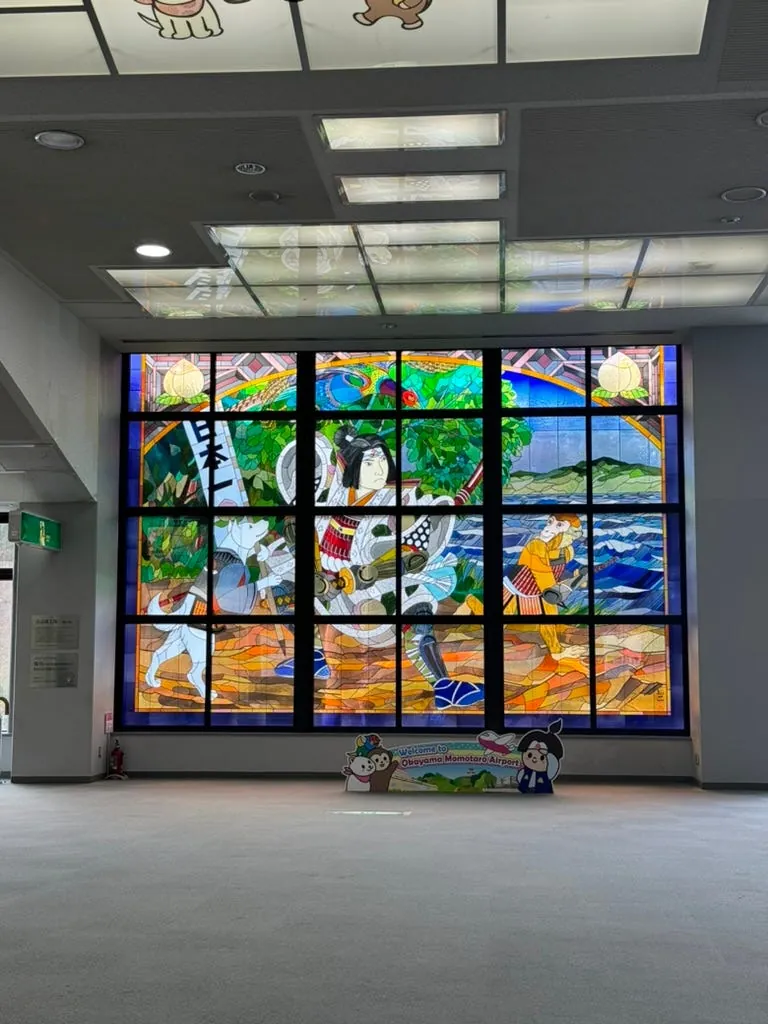
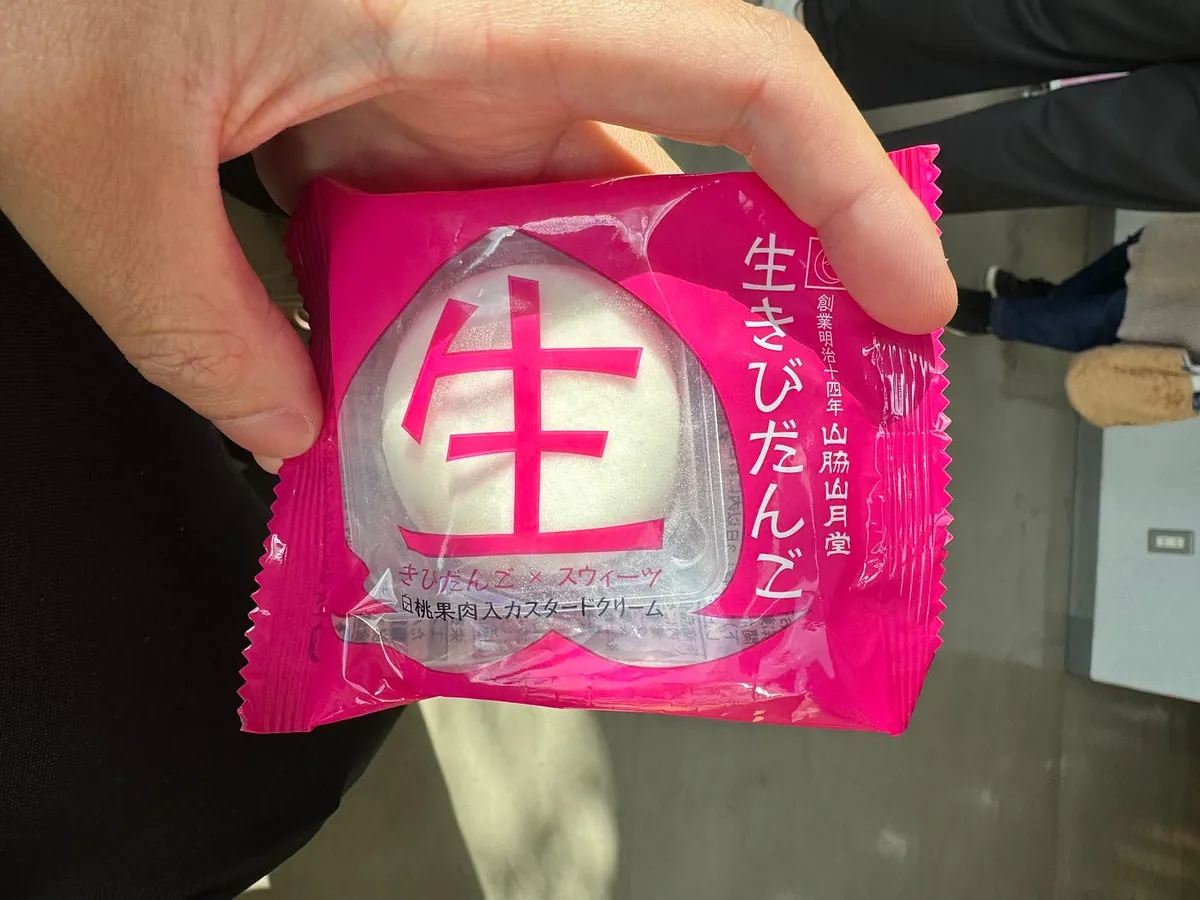
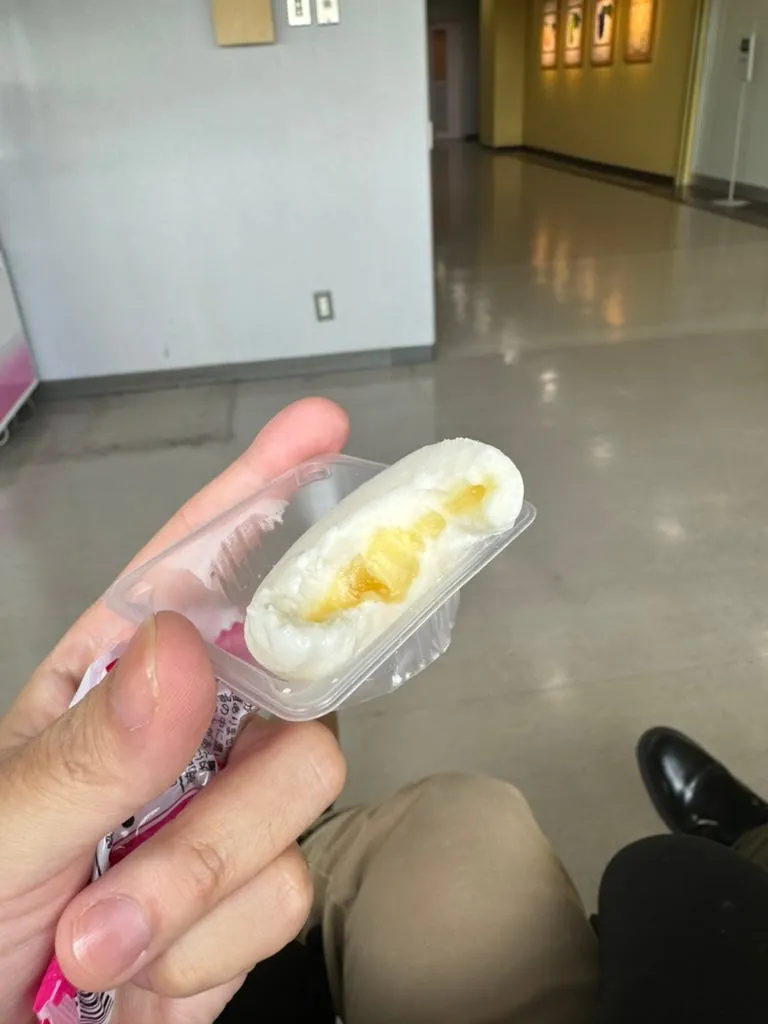
After checking in my luggage, I wandered around the terminal (which only has 2 floors). There is an observation deck with a view, as well as a café and several restaurants where you can eat. When I got tired, I bought a white peach ice cream to enjoy.
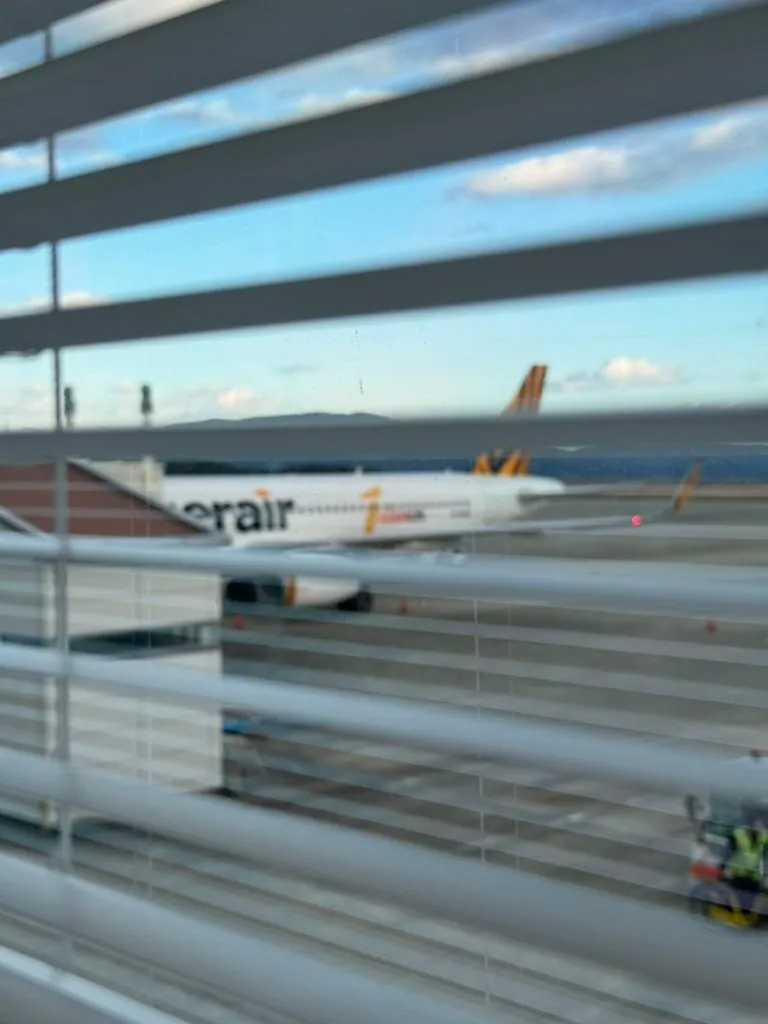
Security check was also quick, but at Okayama Airport, if you wear boots, you need to take them off for inspection, which is a bit inconvenient.
Encountered a flight delay, waited in the boarding area for a long time, and finally took off at 16:24 (almost an hour delay).
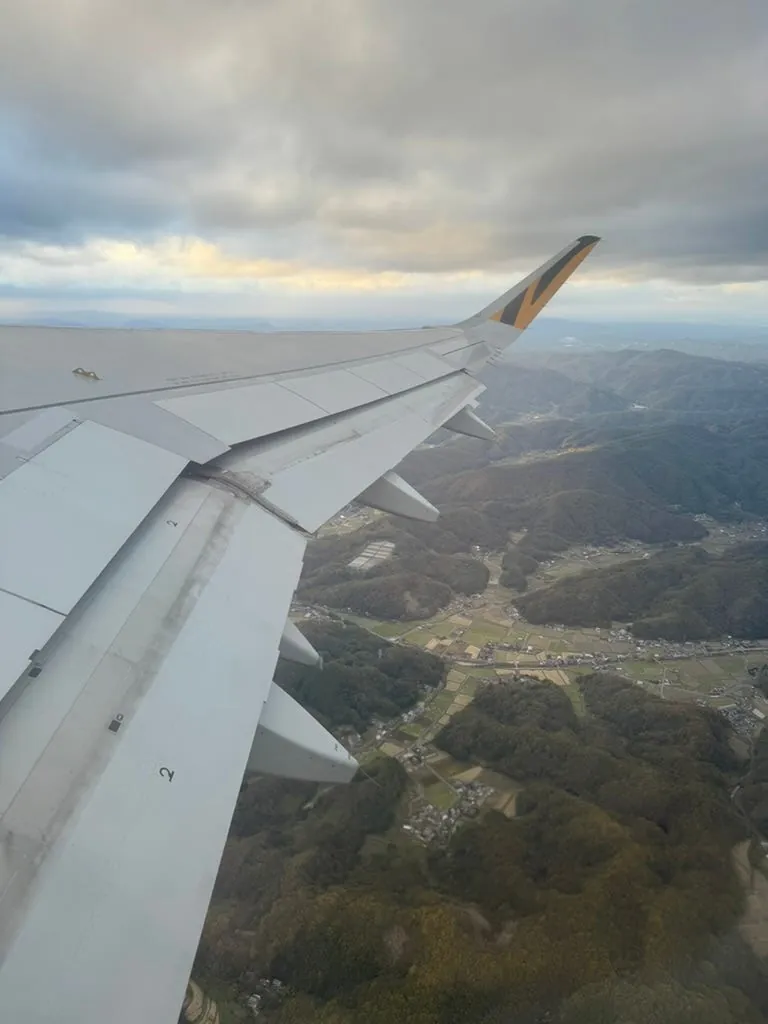
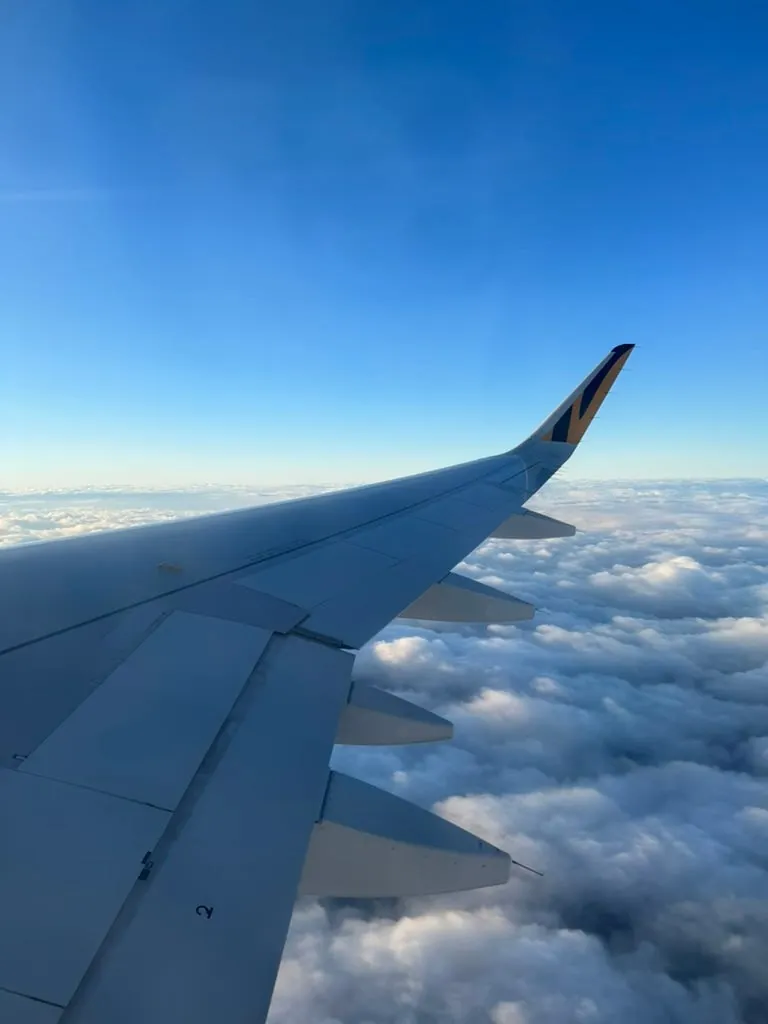
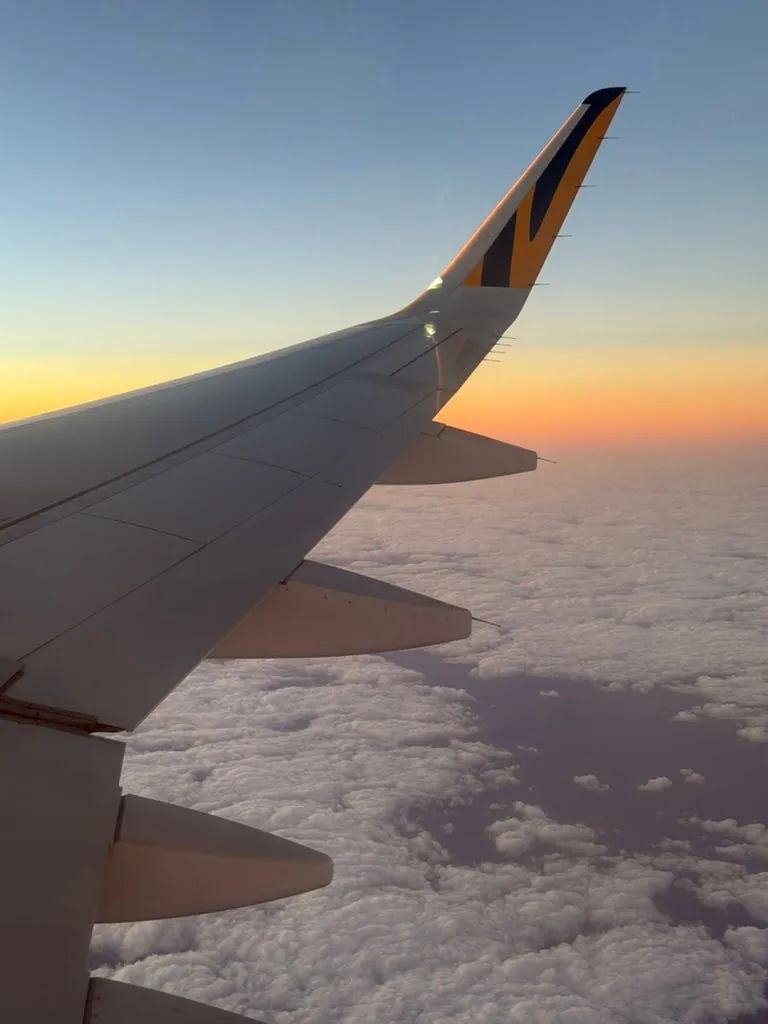
Goodbye, Okayama, goodbye, Hiroshima.
Souvenir Unboxing
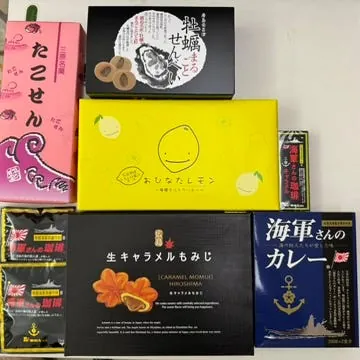
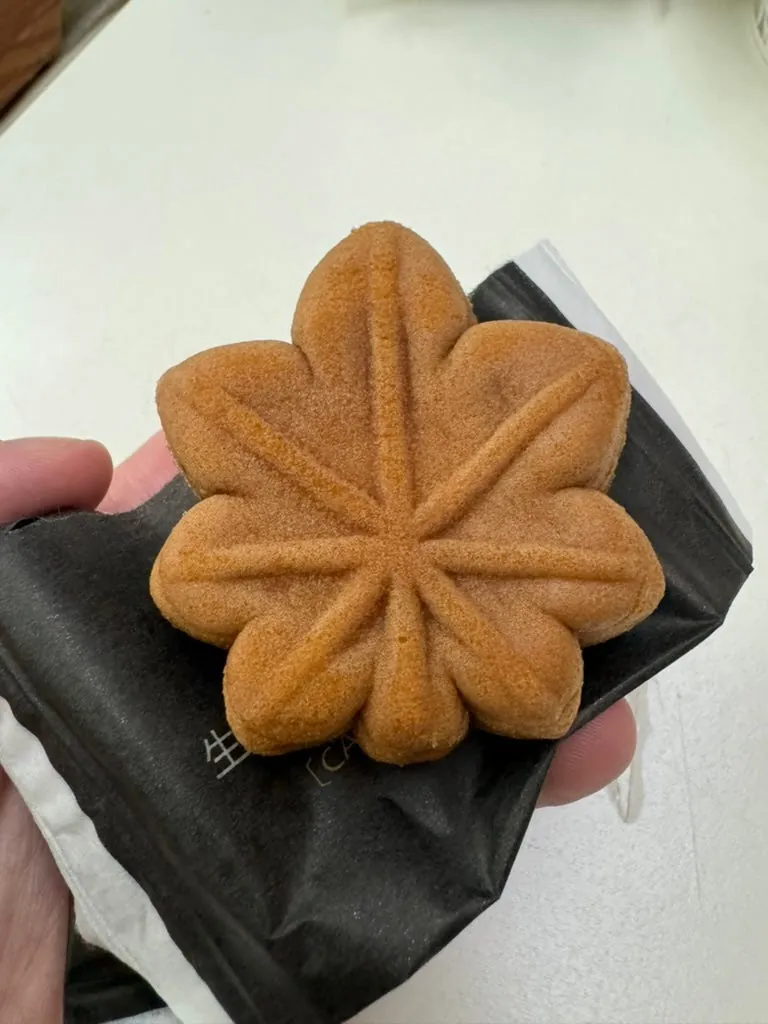
Interlude
Following the last trip “2023 Kyushu 10-Day Solo Travel,” the following days brought a certain indescribable loneliness. First, traveling alone to unfamiliar places; second, not speaking Japanese and hardly talking for 10 days. That feeling of loneliness remains vivid in my memory, so I wasn’t eager to go again. It was only because I was about to start work and happened to find a super discounted ticket that I set off.
On the first day, when exchanging the JR Pass, I got stuck and happened to meet a group of Taiwanese travelers who were also stuck. We took turns trying and finally succeeded. It turned out she was also going to Hiroshima. I noticed she got stuck entering the station and reminded her. We both bought tickets for the same off-peak train and she chose a non-reserved seat. We both wanted to visit a convenience store first. Since we worked in the same industry, we had a lot to talk about. Both of us were traveling alone, so we ended up forming a group and completed the same itinerary together on the first day.
Many of the itineraries, attractions, and time arrangements were provided by Angie. If I had planned on my own, I might have wandered aimlessly or missed some spots, then walked alone for 6 days.
KKday Promotion 🛒
-
Japan JR PASS \| Tottori & Matsue Area Pass \| eMCO E-ticket
-
Japan eSIM Card|Daily High-Speed, Total Data, Unlimited Data Plans
-
Japan JR PASS|Sanyo & Sanin Area Rail Pass|eMCO e-Ticket (Explore the entire Sanyo and Sanin regions in one trip)
-
Japan JR PASS \| Kansai & Hiroshima Area Rail Pass \| eMCO E-ticket
-
Japan. Miyajima \| Momijidani Park・Visit Daishoin Temple, Itsukushima Shrine \| Rickshaw Experience
More Travelogues
-
[Travelogue] 8 Days 7 Nights Free Trip to Busan, South Korea 2025
-
[Travelogue] 2024 San’in Region Shimane Izumo Matsue Tottori Himeji Osaka Kobe 7-Day Solo Trip
-
[Travelogue] 2024 Second Visit to Kyushu 9-Day Free Travel, Entering via Busan→Hakata Cruise
-
[Travelogue] 2023 Tokyo 5-Day Free Travel
-
[Travelogue] 2023 Kansai 8-Day Free Trip
For any questions or feedback, feel free to contact me.
Comments