
[Travelogue] 2023 Kyushu 10-Day Solo Trip
10-Day Kyushu Independent Travel: A Quick Tour of Fukuoka, Nagasaki, and Kumamoto
[2024 Update] Second Trip to Kyushu
Preface
At the end of August, I officially left Pinkoi after nearly 3 years. I had been thinking about leaving for a while. Earlier this year, I decided to take some time off to get a breath of fresh air and then reassess the situation. So, I went on trips with friends to “[Travelogue] 2023 Kyoto-Osaka-Kobe & 🇯🇵 First Landing” and with colleagues to “[Travelogue] 2023 Tokyo & 🇯🇵 Second Landing”. But after returning, I felt even more eager to truly break free. Since my tasks were wrapping up, I gathered the courage to step out, leave my comfort zone, and seek the next new challenge!
「 [Travelogue] 9/11 One-Day Flash Trip to Nagoya 」was purely accidental and, as mentioned in the text, felt more like a march than a relaxing trip.
Taking advantage of a rare free moment to explore Japan again, the original plan was to go with a friend who was also unemployed on the route 🇰🇷 Busan ➡️ 🇯🇵 Fukuoka ➡️ 🇯🇵 Kumamoto; traveling from Korea to Kumamoto and back. On the way from Busan to Fukuoka, we could take the Shin Camellia ferry, sleep for 12 hours, and arrive in Fukuoka—combining commuting and accommodation all in one.
My friend started working in September, so I couldn’t find a new travel companion for a while; I didn’t want to move around too much alone, so I gave up the 🇰🇷 Busan ➡️ 🇯🇵 Fukuoka segment and changed to the 🇯🇵 Fukuoka ➡️ 🇯🇵 Kumamoto route, entering through Fukuoka and returning from Kumamoto.
The schedule in October is quite scattered, and since I want to start preparing for a new job then, I set the departure date at the end of September (9/17–9/26).
Summary / Retro
Write the summary and review first as usual. I really like a quote I saw in a solo travel group: “Solo travel is constantly paying tuition (spending time or money) to learn; the more experience you gain, the fewer pitfalls you fall into.”
👍
-
Raw cola, peach water, FamilyMart’s fruit juice drinks, and Akiya plum wine—delicious!
-
Japanese professional baseball is worth watching! When buying tickets, make sure to get a whole row empty or seats by the aisle, and choose the cheaper seats.
-
JR Pass does not always save money, but it really did in Kyushu! At least saved over 1,000 TWD.
-
Solo travel also brought many interesting experiences; for example, helping a Japanese family get souvenirs in Mihara City, a kind foreign sister voluntarily taking photos, a Taiwanese family on the boat tour, a TSMC senior who walked with me around Aso, helping a family take photos in Kumamoto and then meeting them again at the airport to take more photos… and so on.
-
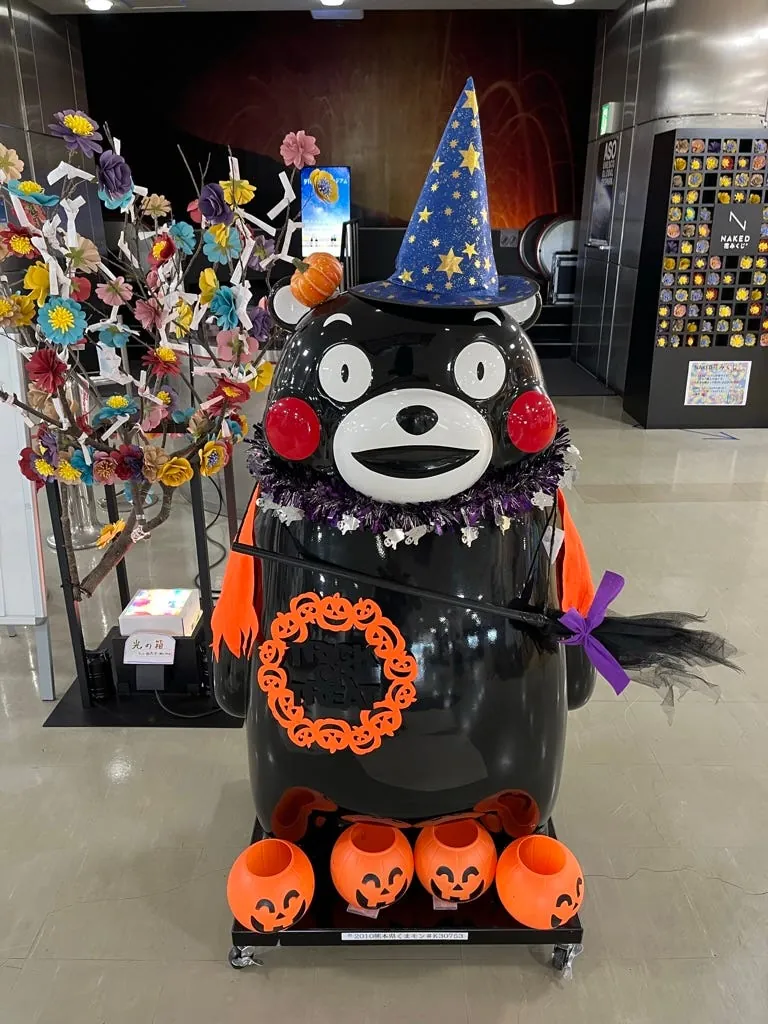
Kumamon, the Kumamoto mascot, can be found all over Kyushu (not just in Kumamoto).
-
The entire Kyushu region feels very spacious with few people around. Famous restaurants and attractions rarely have queues, making it very comfortable.
-
My Japanese has improved a bit; I can understand numbers (though I still use Google Translate to confirm pronunciation), and I can understand whether I need a plastic bag. I also know imperative phrases like “checkout,” “this one,” “that’s all,” “cash,” “credit card,” and “tax-free” (XXX お願いします).
-
Travelogue Completed!
👎
-
This time, the accommodation was disappointing:
When booking hotels in Japan, it’s important to check reviews carefully. It’s best to read the low-rated reviews to see if you can accept the issues mentioned. Also, use street view to check the actual surroundings and accessibility. -
This time, I spent too many days in Kumamoto—2 days would have been enough. The extra days could have been spent in Oita. Also, Fukuoka is actually much closer to Kumamoto than to Nagasaki.
In the past, I would find accommodation first and then look for attractions. Since Kyushu is vast, it’s better to choose the places you want to visit first and then arrange accommodation. This way, you can visit more attractions.
-
Accommodation options, prices, and quality in Fukuoka are much better than in Kumamoto.
-
This time I missed the Yufuin festival (I went to Nagasaki that day):
Next time, check if there is a festival on your travel dates. Everyone recommends the festival; it’s a must-visit. -
JR Pass can be used on Shinkansen, but the “Nozomi” and “Mizuho” trains are not allowed; extra fare is required if taken.
-
Solo travel combined with language barriers can be quite lonely, but most of the time it’s about quietly enjoying solitude.
-
Solo travel accommodations are relatively more expensive.
-
This time, I still rushed through the sights. I should have slowed down to enjoy the moment and find good food; especially in Japan, famous restaurants are often closed outside meal times.
-
The sun in Kyushu is still strong this season, so make sure to use sun protection.
-
North Nagasaki is more ordinary (Dutch, Chinatown), while South Nagasaki and the night views are more distinctive.
KKday Promotion
-
Japan JR PASS|Kyushu Area Rail Pass|Northern Kyushu & Southern Kyushu & All Kyushu|E-ticket
-
Japan eSIM Card|Daily High-Speed, Total Data, Unlimited Data Plans
Preparation Work
Travel
At first, I considered flying into Fukuoka and out of Fukuoka, with a one- or two-day round trip to Kumamoto (which later proved to be the right choice XD, since Kumamoto doesn’t have many attractions and doesn’t require many days). I found a China Airlines flight arriving in Fukuoka and departing from Kumamoto that was even $1,000 cheaper, so I decided on that flight.
Since there was plenty of time, I chose the most luxurious schedule, departing at noon and returning at noon, totaling 10 days including flight time.
-
Outbound: 9/17 CI 116 16:40 TPE -> 20:00 FUK
-
Return: 9/26 CI 2195 ( New route on 9/26 ) 12:30 KMJ -> 13:34 TPE
Price: $10,048
Because Kyushu is vast, I bought the JR Pass Kitakyushu Rail Pass (5 days), thinking that no matter how much I travel, it would be worth it.
Accommodation (9 nights)
I didn’t think much or research when planning; I just figured I hadn’t been to Fukuoka or Kumamoto, so I split the trip about half and half—5 days in Fukuoka and 4 days in Kumamoto.
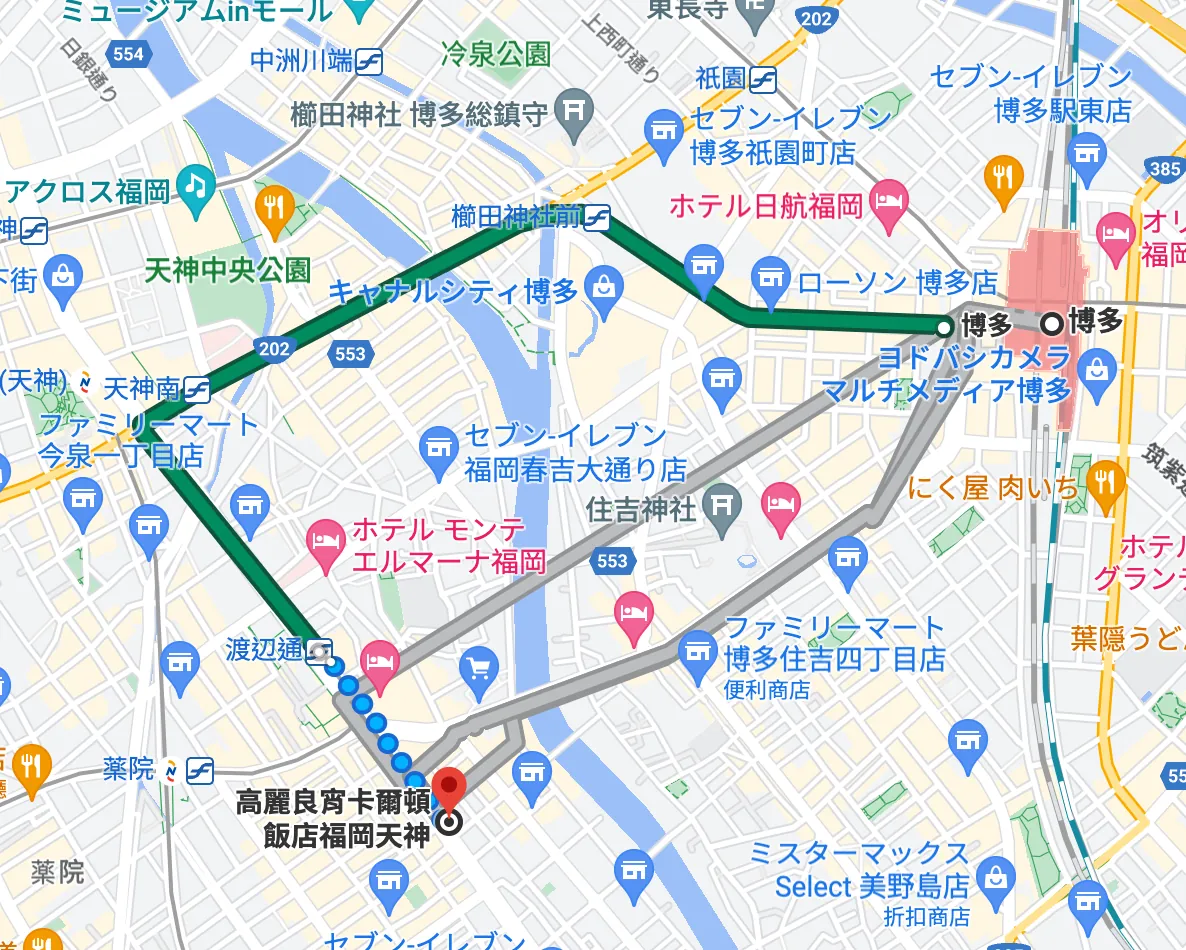
Fukuoka 5 Nights — Benikea Calton Hotel Fukuoka Tenjin ( Benikea Calton Hotel Fukuoka Tenjin )
-
Price: $7,583, $1,516/night
-
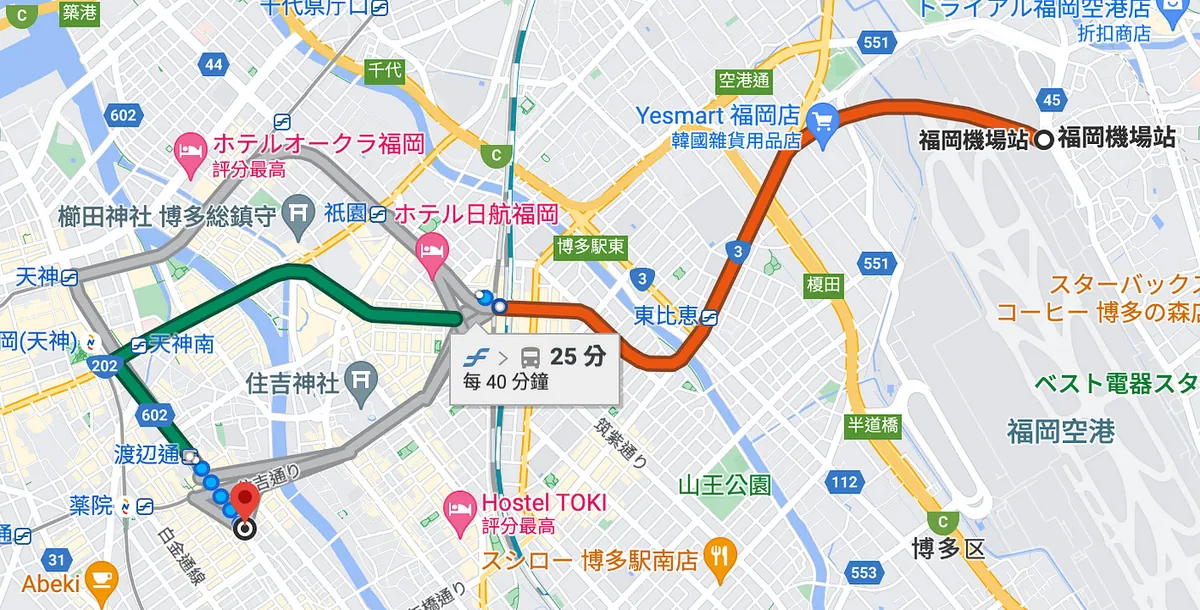
Transportation: From Hakata Station, take the Nanakuma Subway Line to Watanabe-dori Station or take a bus and walk 5 minutes to the destination.
Kumamoto 4 Nights — Green Rich Hotel — Suizenji ( Green Rich Hotel Suizenji )
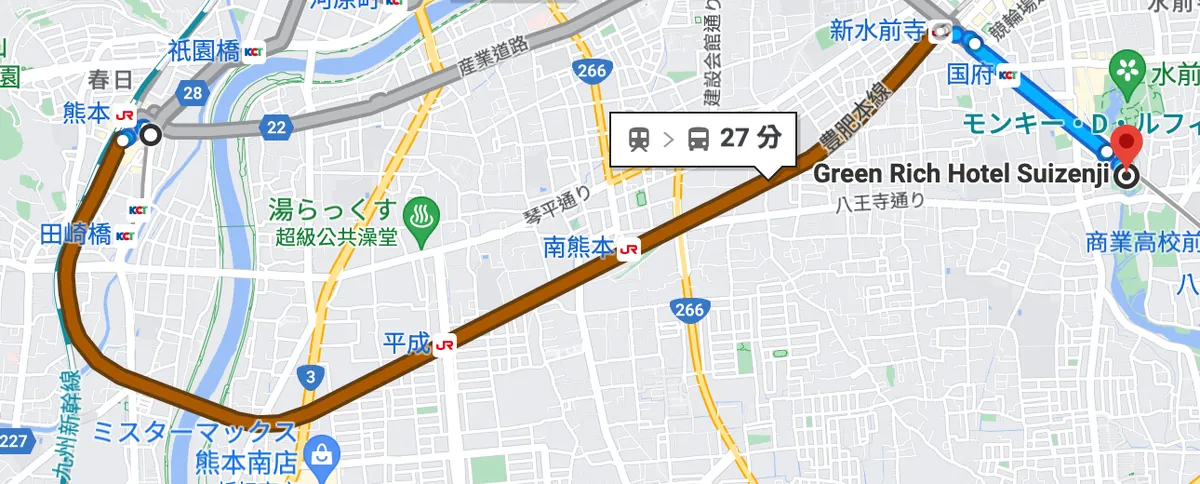
JR Kumamoto -> Hotel
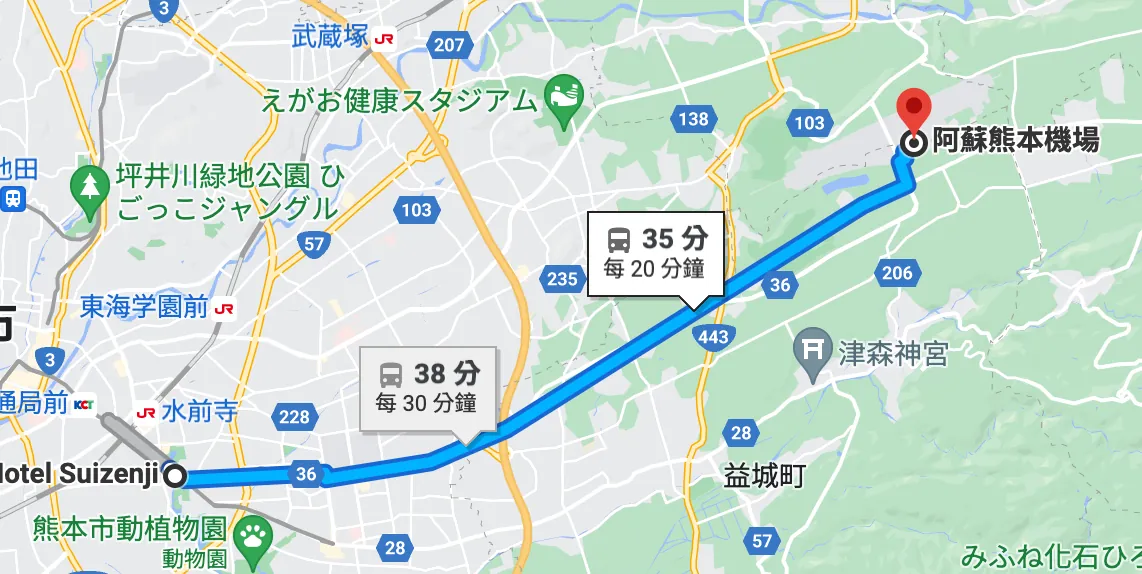
Hotel -> Kumamoto Airport
Finding accommodation in Kumamoto was difficult (not sure if it’s because TSMC business trips booked most places), with limited options, higher prices than Fukuoka, and older facilities. In the end, I only found this relatively affordable hotel.
-
Price: $8,157, $2,039/night
-
Transportation: From JR Kumamoto Station, transfer to the Hōhi Main Line and then take the tram to get off at Shimin Taiikukan-mae Station. The return trip to the airport is also very convenient, with direct airport buses available right outside to Kumamoto Airport.
Once the hotel is booked, you can fill out the online Pre-Entry Application.
Joy
The original plan was as follows:
-
9/17 21:00 Arrive in Fukuoka, 22:00 Check into the hotel, possibly stroll around nearby outdoor food stalls
-
9/18 Nagasaki (Shinchi Chinatown / Dutch Slope / Glover Garden / Oura Catholic Church / Gunkanjima Digital Museum / Meganebashi Bridge) not all visited + Atomic Bomb Museum + Peace Park + Evening at Inasayama Summit Observatory for night view
-
9/19 Yanagawa and Dazaifu One-Day Tour + LaLaport Fukuoka (optional)
-
9/20 Mojiko and Kokura Castle Day Trip + Yatai Food Stalls
-
9/21 Shopping in Hakata (Fukuoka Tower, Shrine, Canal City, Tenjin Underground Shopping Mall…)
-
9/22 Shopping in Hakata + Travel to Kumamoto + Suizenji Jojuen Garden
-
9/23 Kumamoto City, Kumamoto Castle, Meeting Kumamon the Director
-
9/24 Aso Volcano One-Day Tour
-
9/25 Shimabara Castle, Shimabara Three Shiba Inu (very far, consider)
-
9/26 10:00 Kumamoto Airport 12:30 Departure for return flight
Go!
This trip was also very impulsive: bought the plane ticket and booked the hotel on 9/10, planned the itinerary on 9/15, and departed on 9/17!
Day 1 Departure
The flight at 16:40 allows plenty of time to wake up and leave slowly.
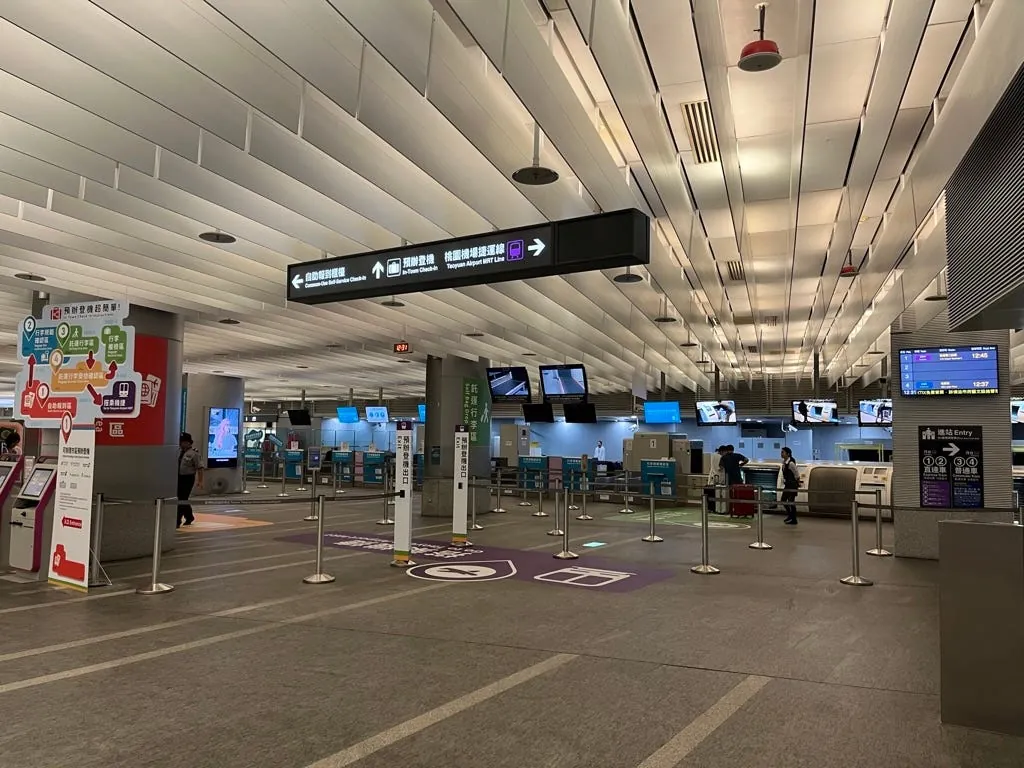
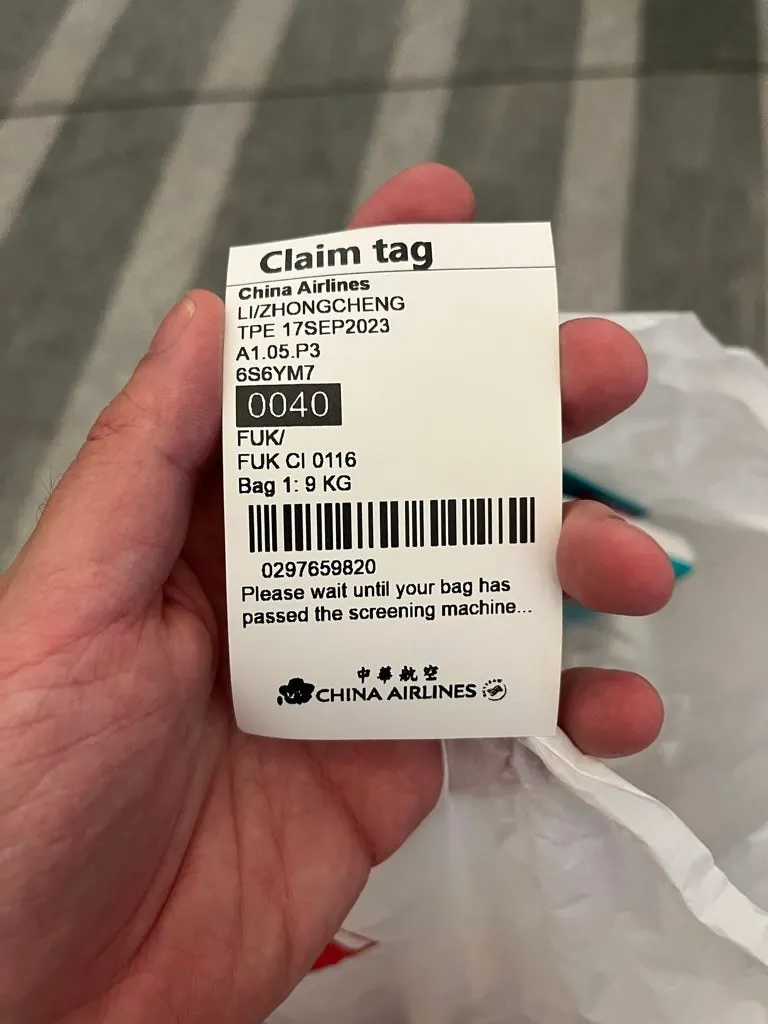
After arriving at Taoyuan Airport MRT A1 Taipei Main Station, I also chose to check in early. I completed check-in and baggage drop at Taipei Main Station, so at the airport I could go straight to immigration without queuing at the counters. (For early check-in information, please refer to the official website).
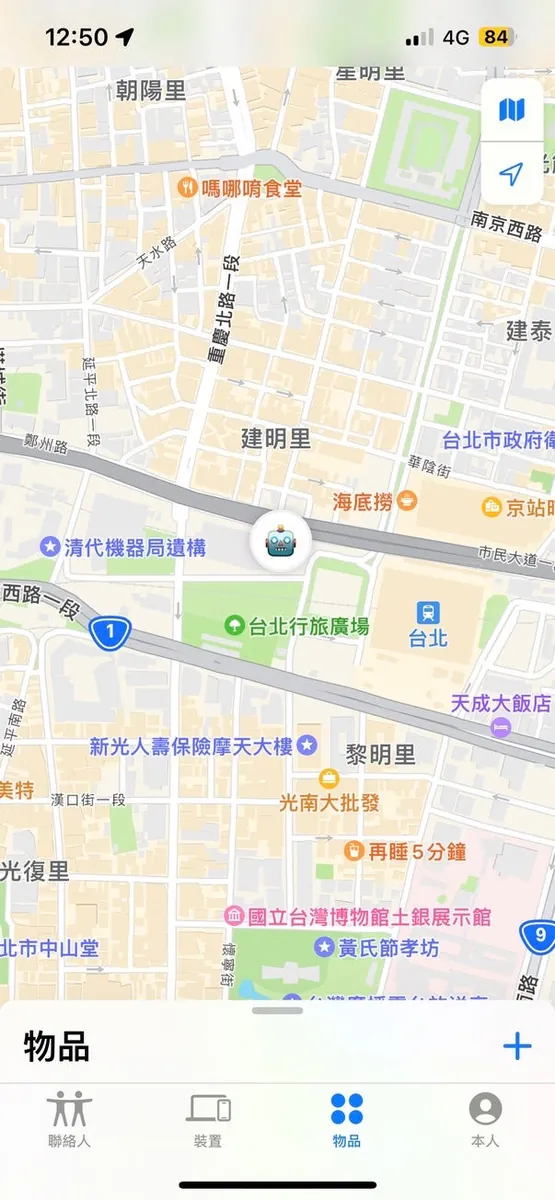
This time, I also placed an Airtag in my checked luggage to track its location, so I’m not worried about losing my bags. It’s also very convenient when waiting at the carousel.
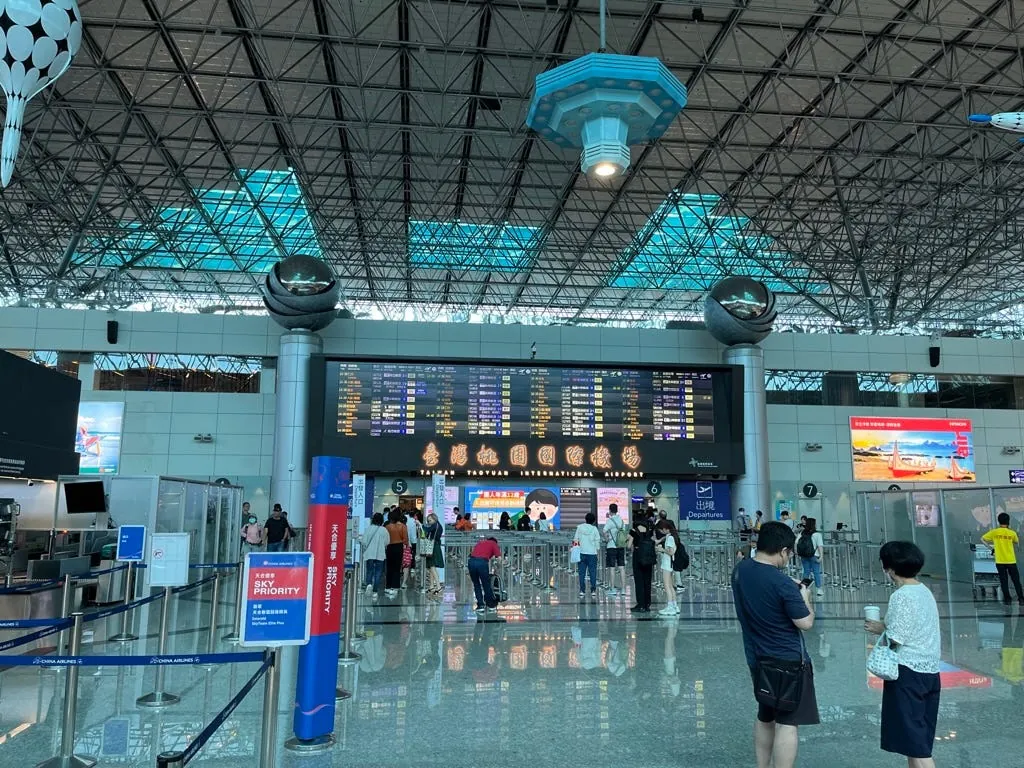
Around 13:00, arrived at the airport and wandered around after immigration.
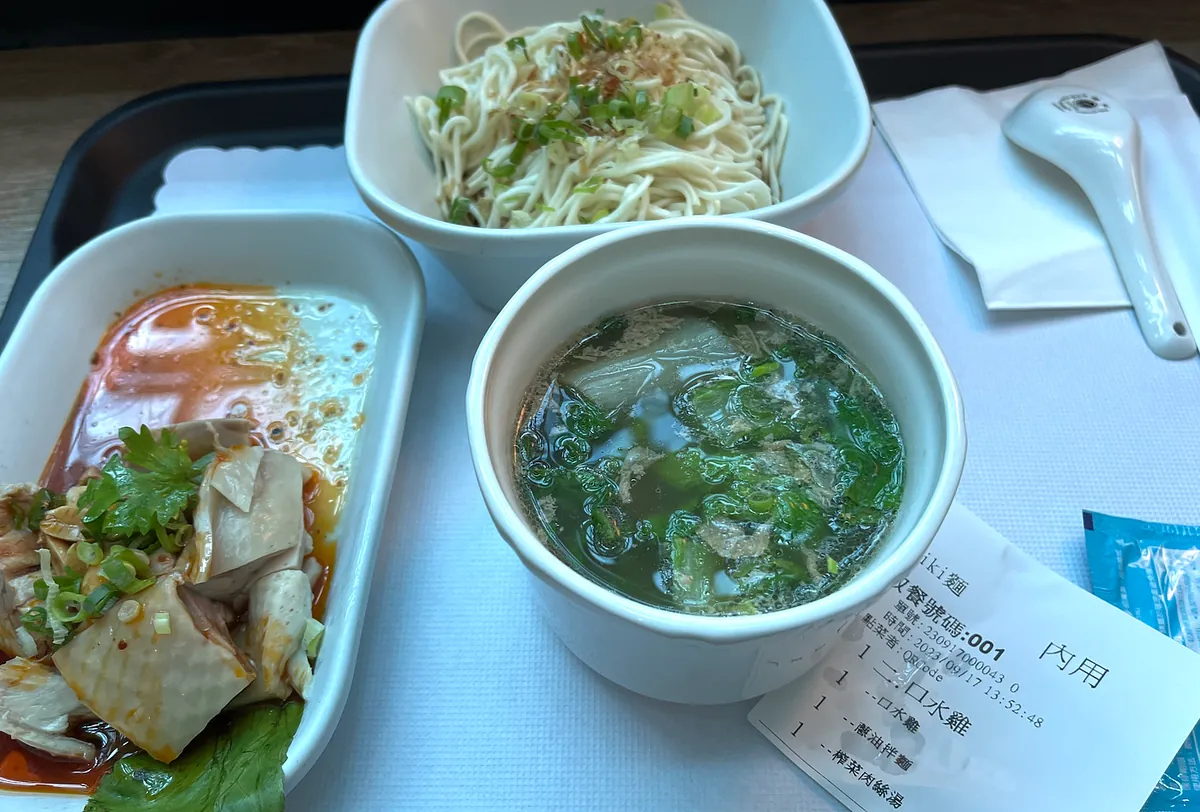
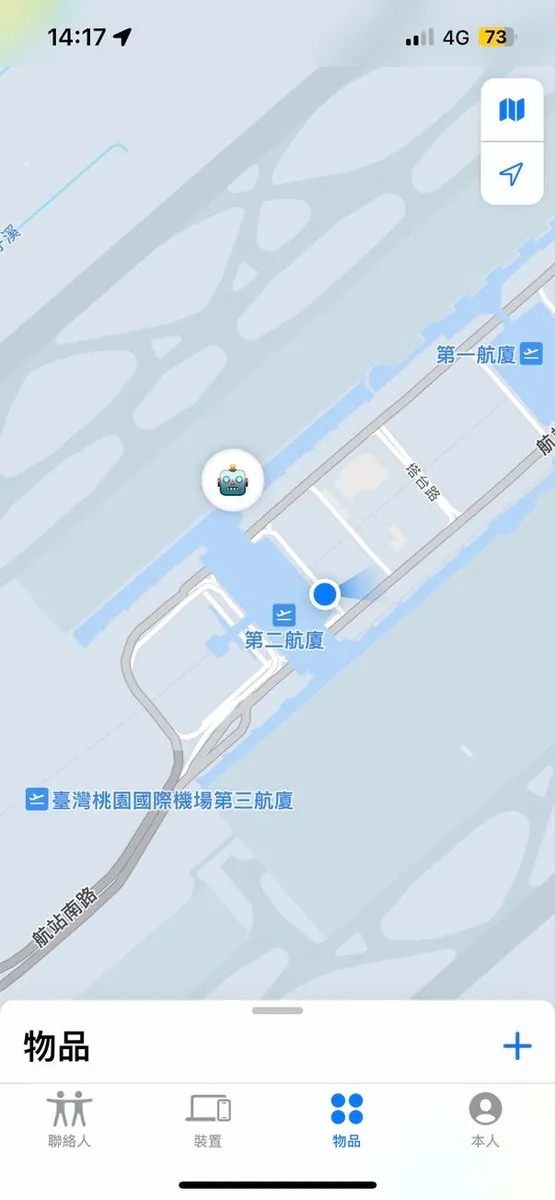
Randomly ate an expensive but ordinary mouth-watering chicken, and casually checked the luggage location; the luggage was also checked through to the airport with me.
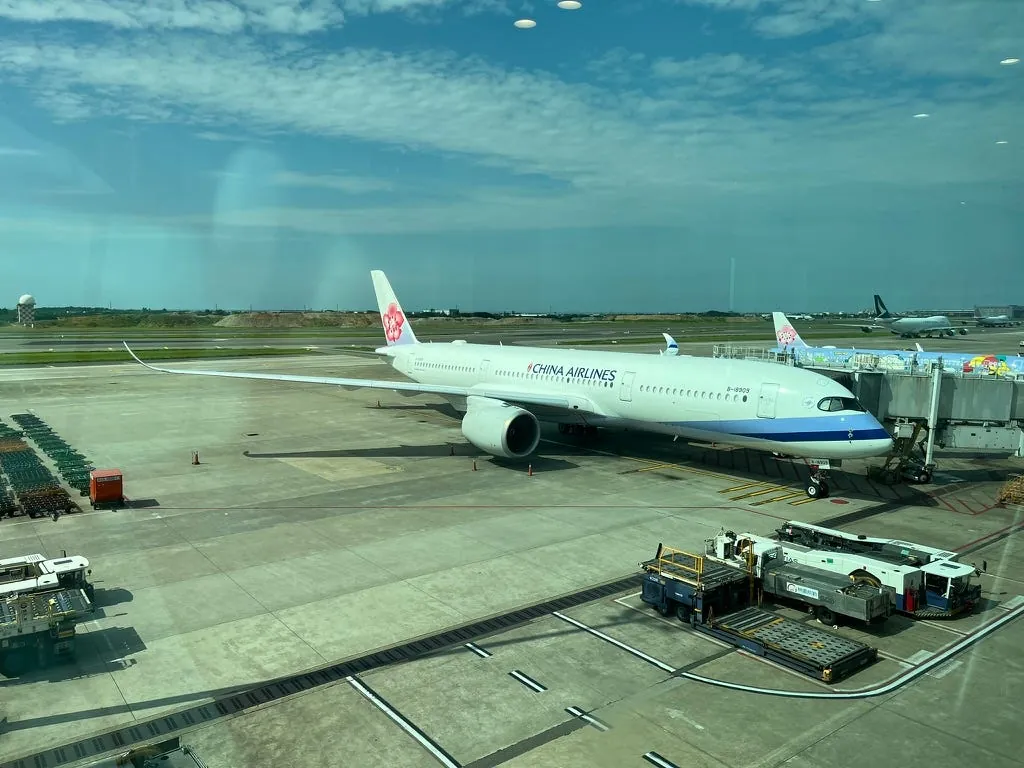
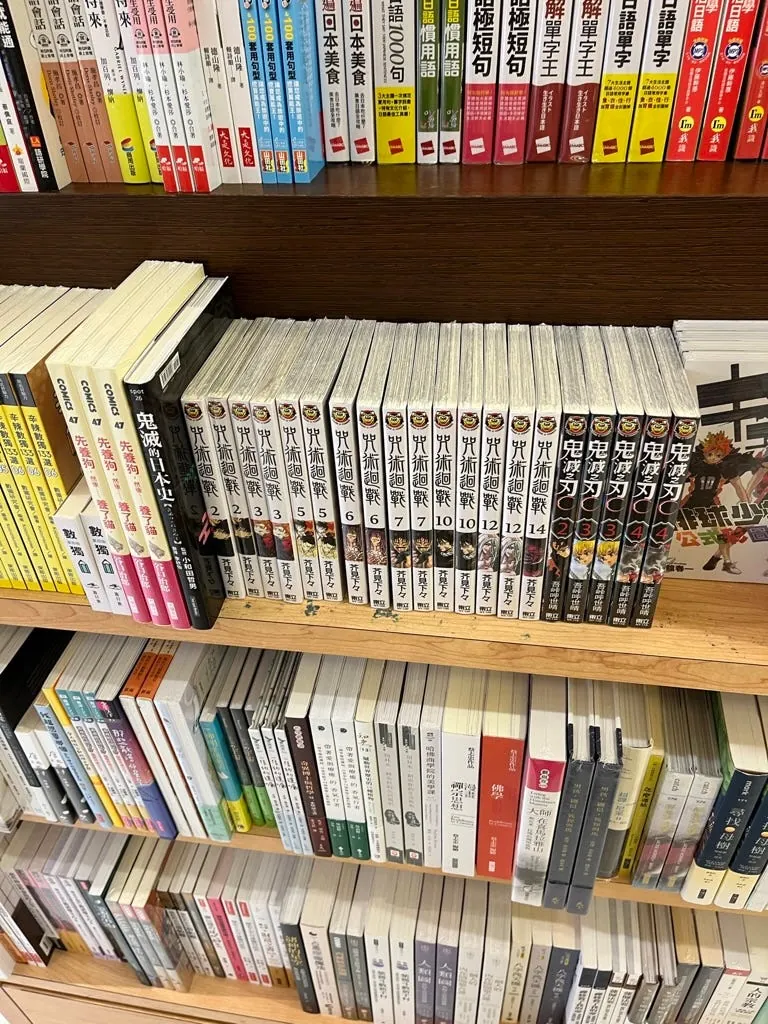
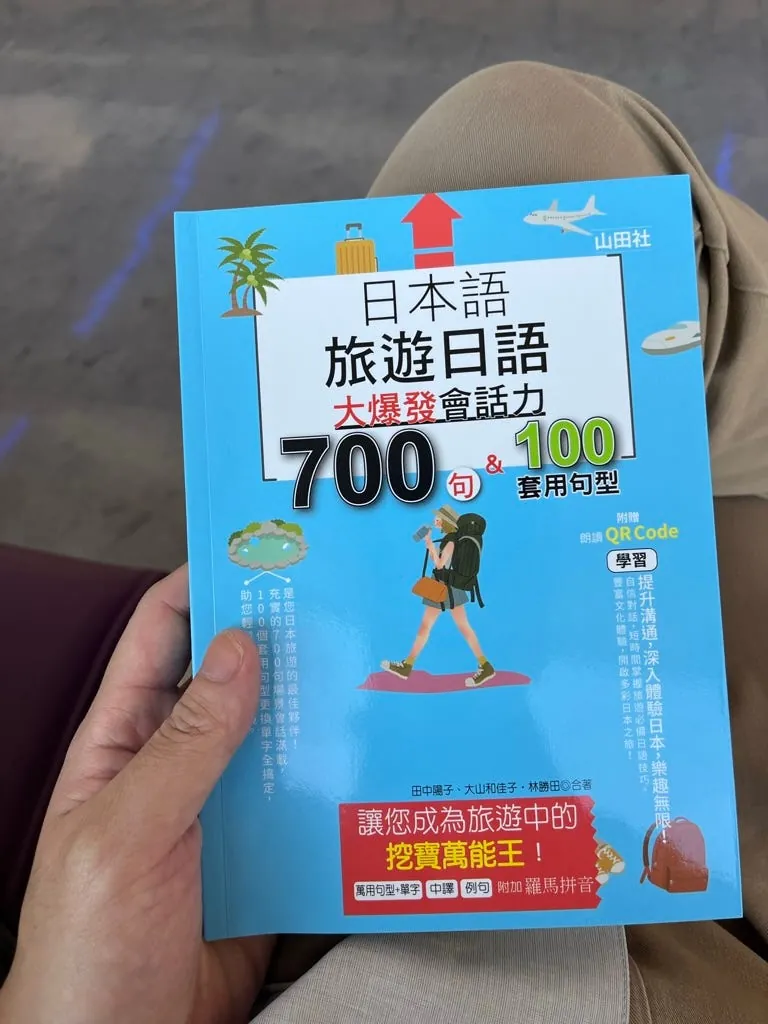
After eating, it was only about 14:30, so I casually bought a Japanese book to cram at the last minute.
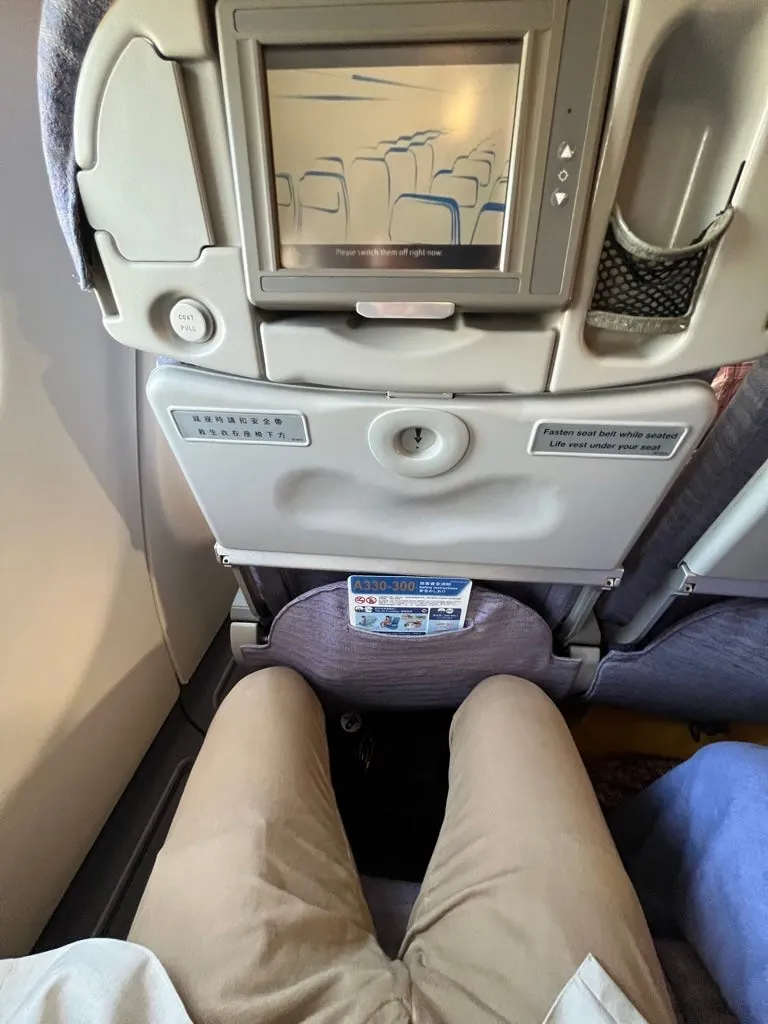
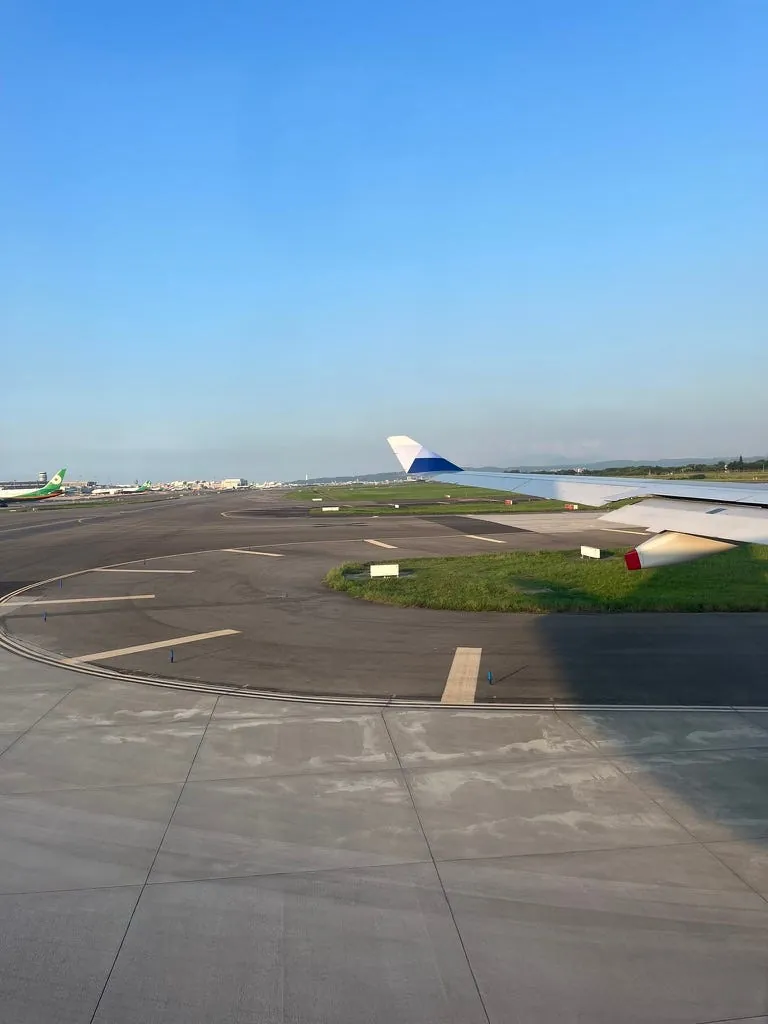
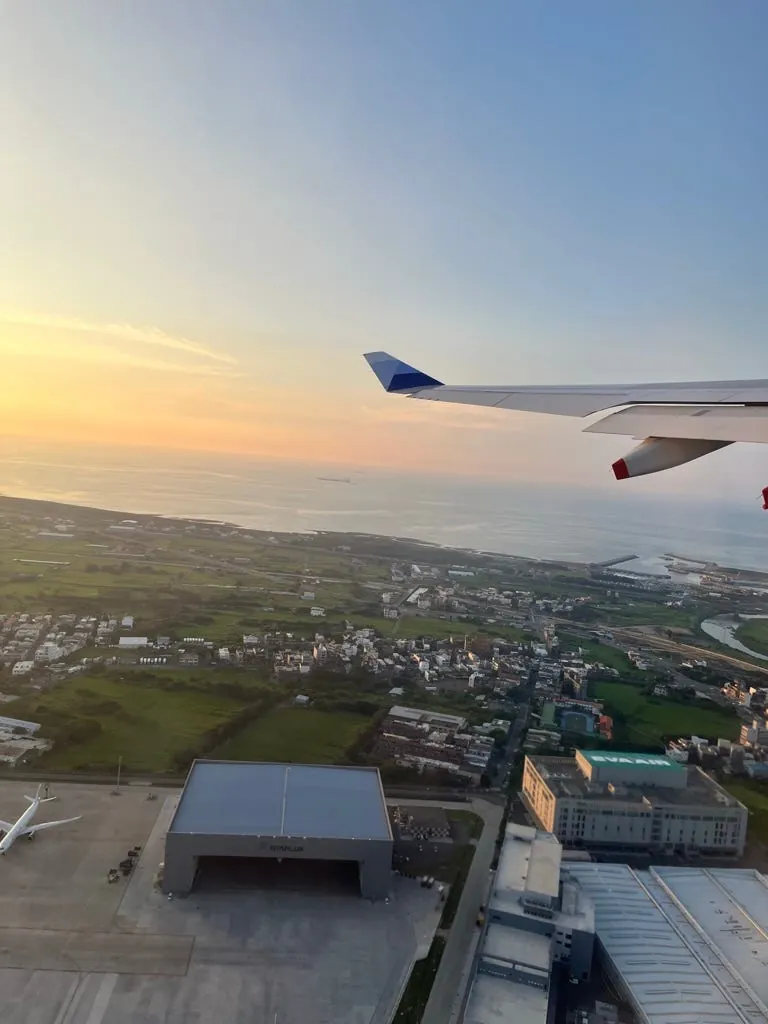
Encountered another plane on the wrong runway, causing the entire airport to reset; the plane circled for a long time before takeoff, resulting in nearly a 30-minute delay; sat on an old plane with a very small screen.
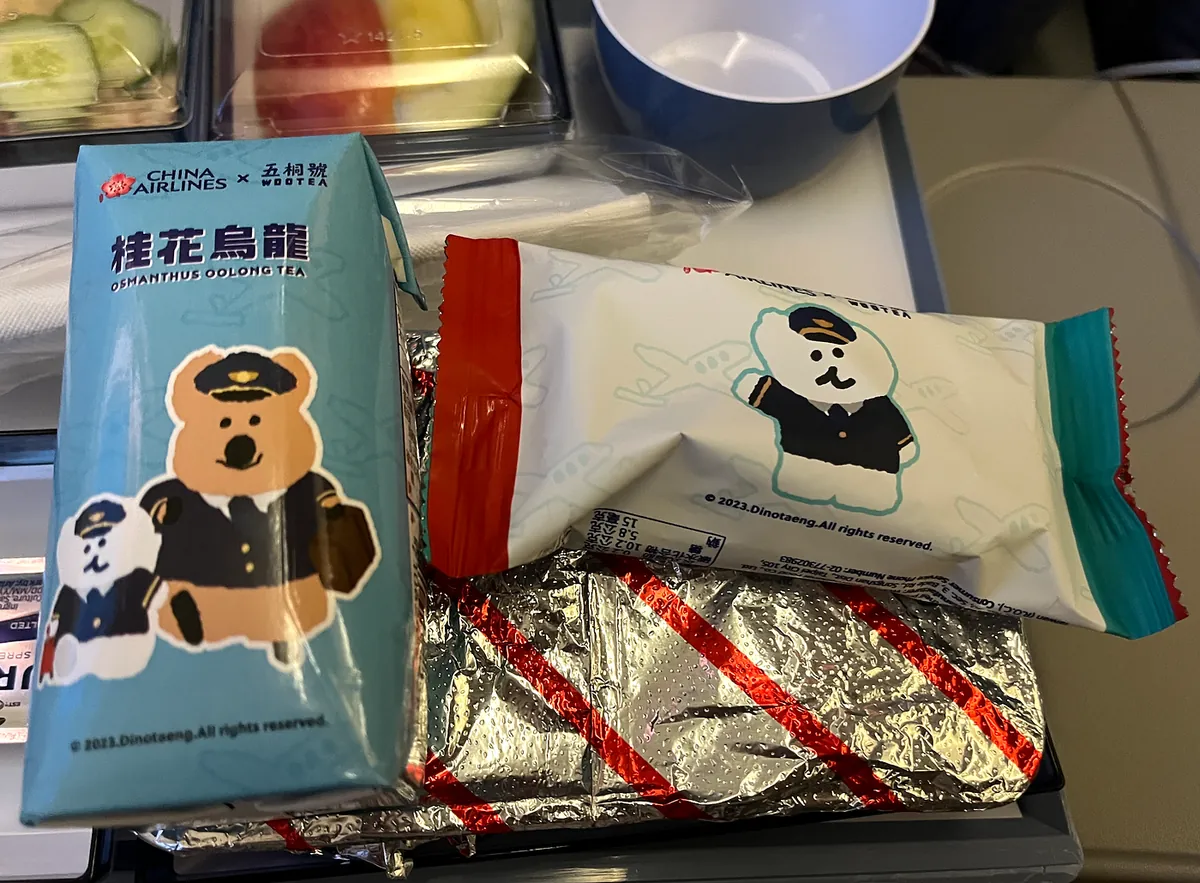
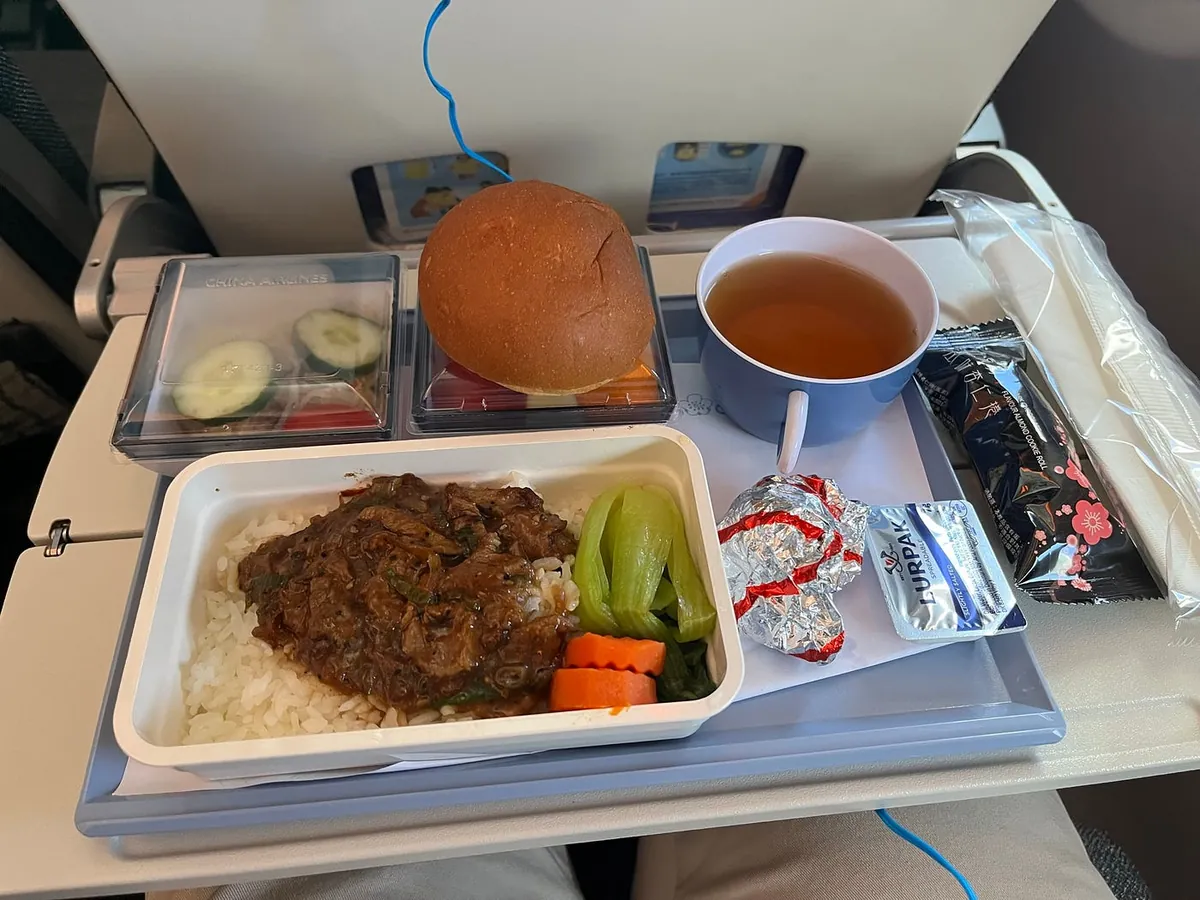
China Airlines partners with Wutonghao to create the cutest airborne dessert, featuring Dinotaeng, the adorable short-tailed kangaroo. The osmanthus oolong tea is also quite tasty.
Due to a flight delay, I only left the airport around 21:00.
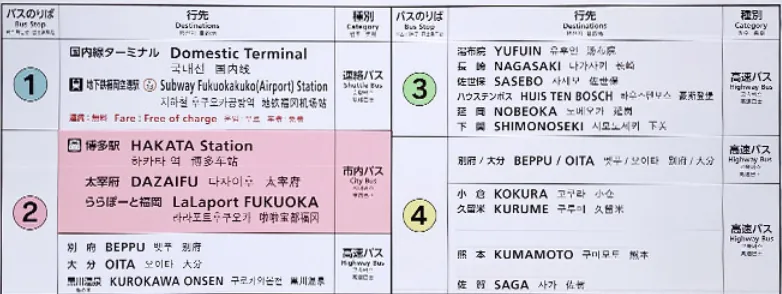
After exiting the airport, you can see a sign indicating the direction to go and which bus stop to wait at. Besides Hakata, buses also go to other destinations. You can refer to this article or the official website. If you are going to a distant place, make sure to check the bus schedules in advance.
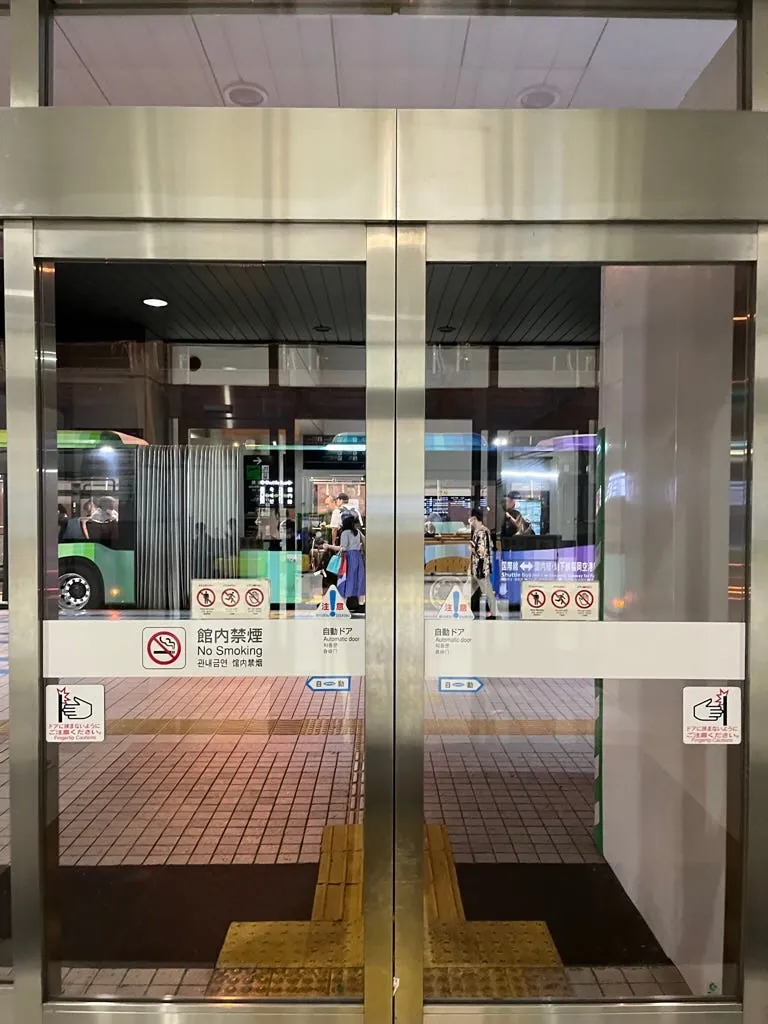
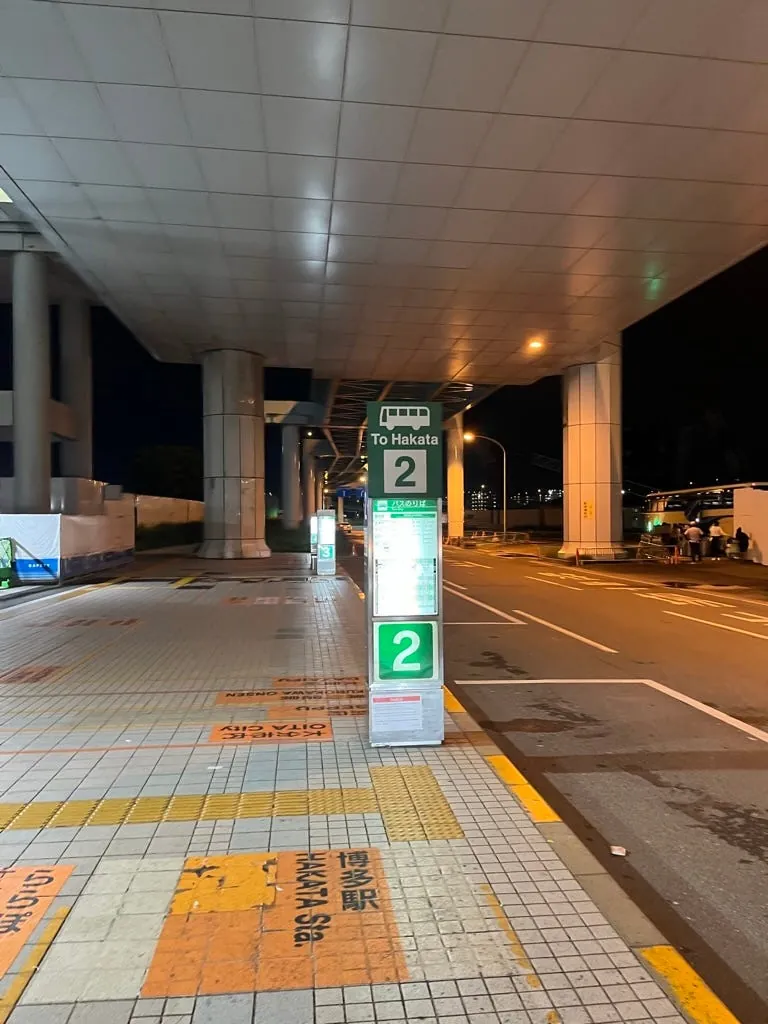
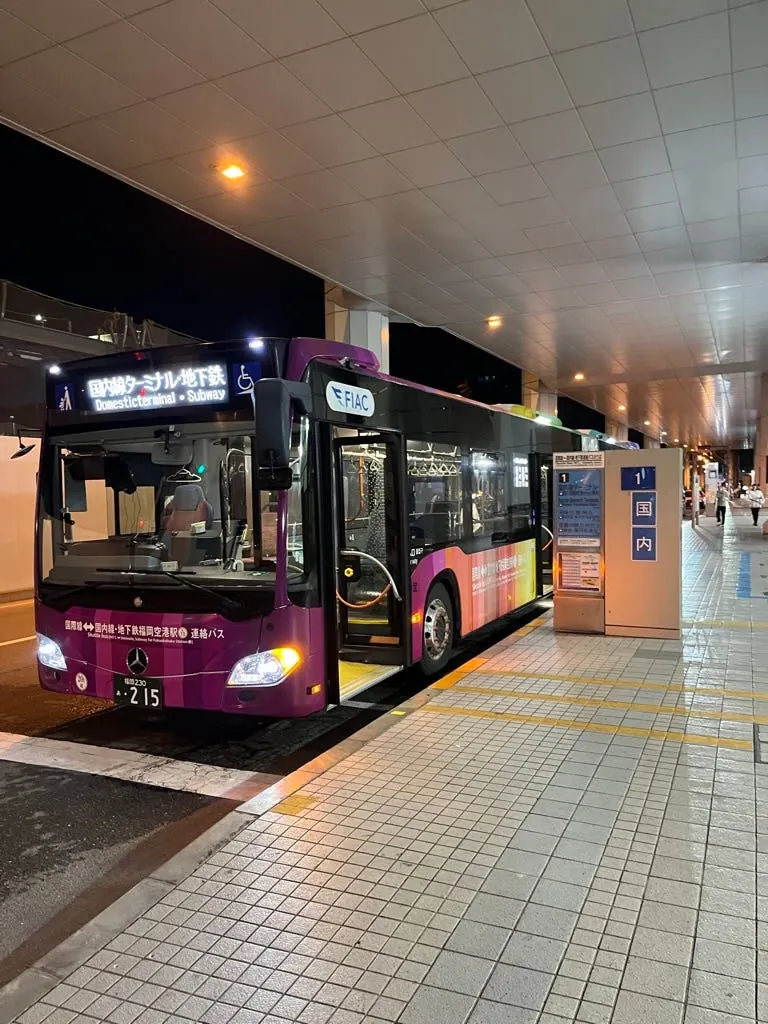
Originally planned to take Line 2 direct to Hakata Station, but the last train on Line 2 seemed to require waiting for another hour (I forgot), so I switched to Line 1 to Fukuoka Airport Domestic Terminal (Fukuoka Airport Subway Station), then took the subway to Hakata and transferred to the Nanakuma Line to Watanabe-dori Station.
Hello Fukuoka!
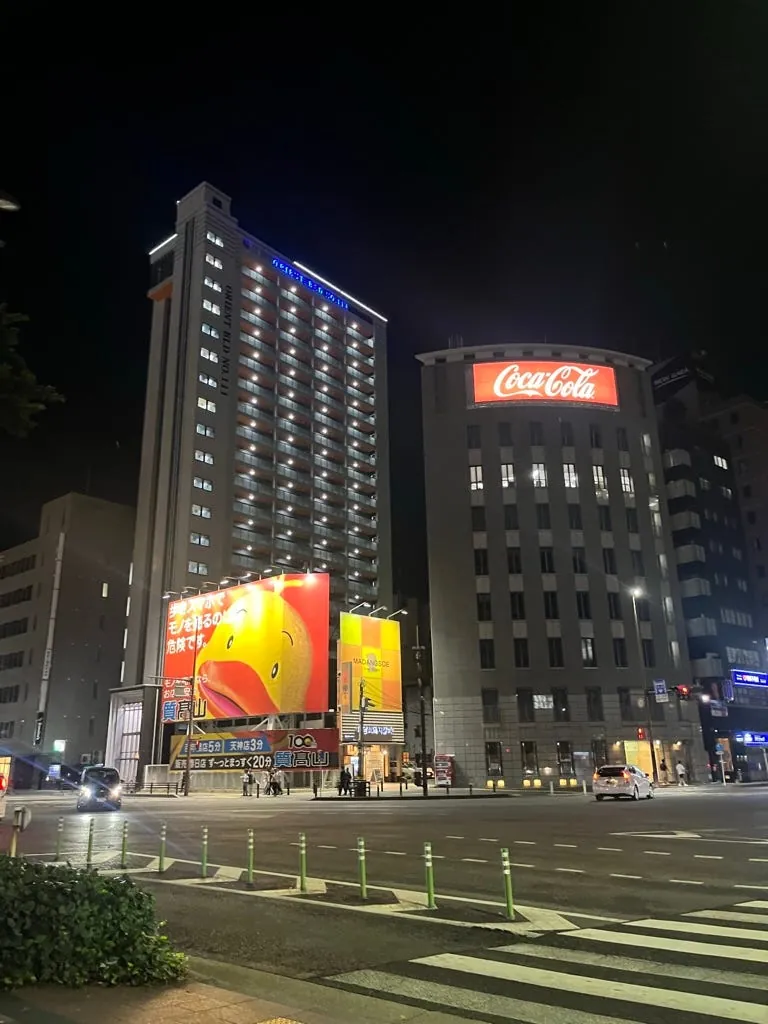
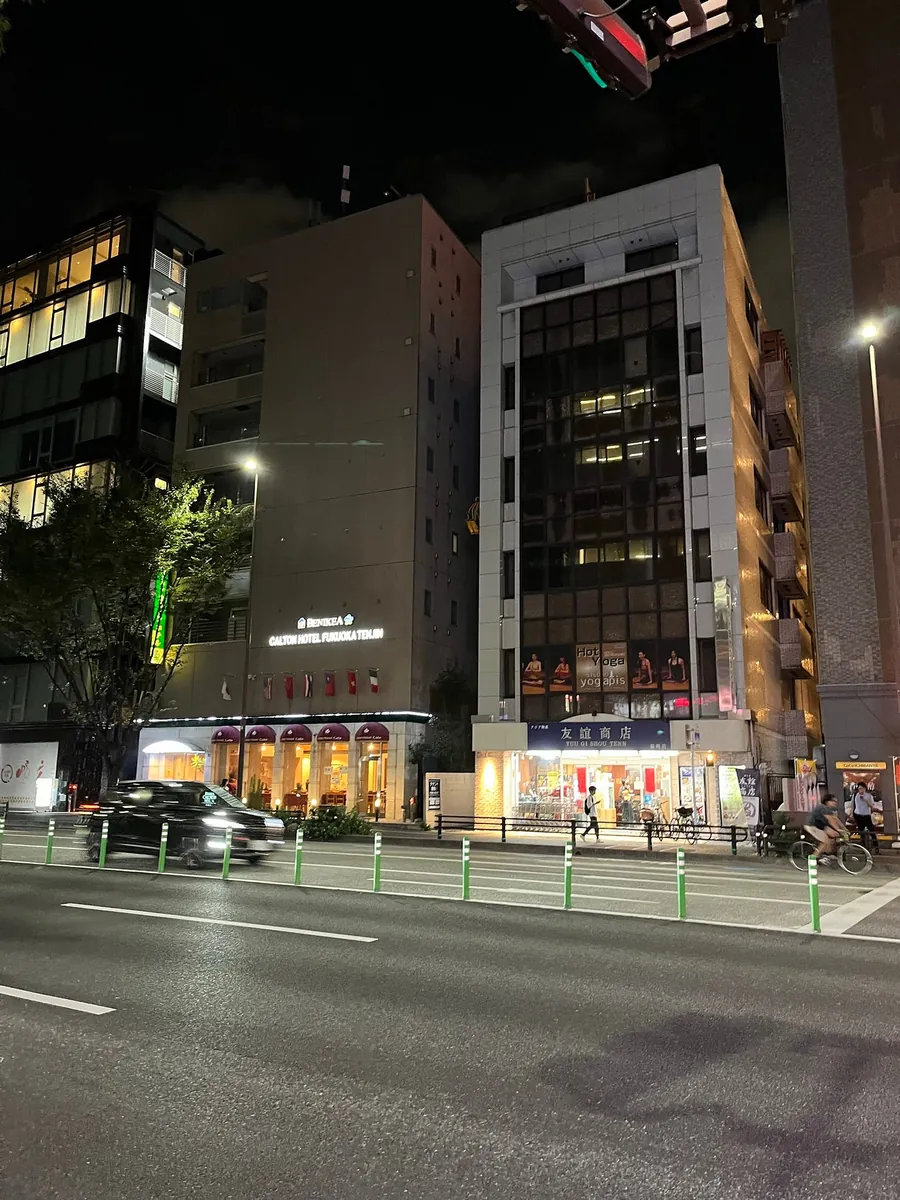
The hotel I will be staying at is on the left side of the second photo.
Hotel mini review: Overall, it feels a bit old, with dim lighting, average sound insulation, and the air conditioner makes some noise. However, it is still clean and tidy. I do regret not spending a bit more to stay at the nearby APA chain hotel.
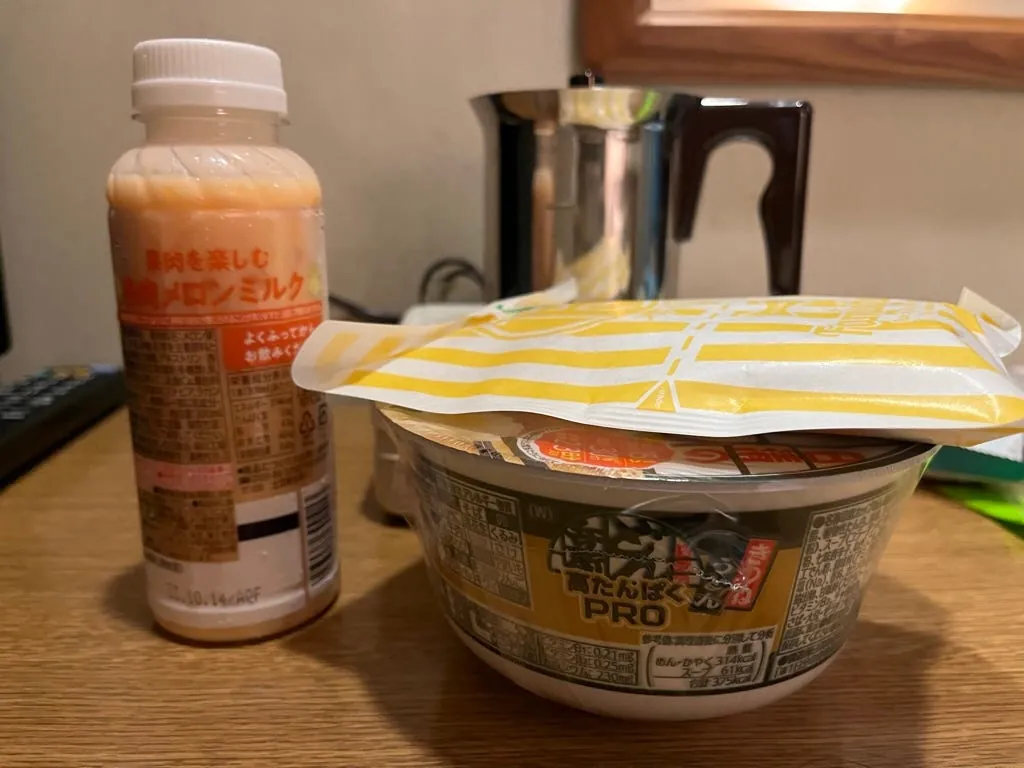
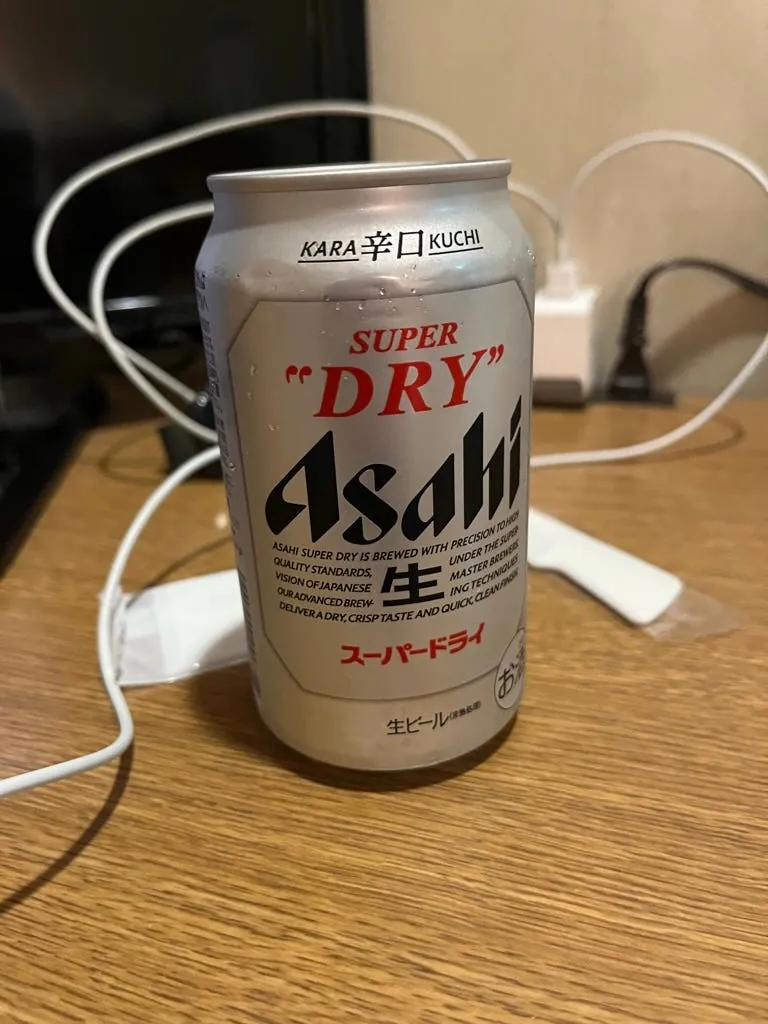
Originally planned to visit the yatai stalls on the first night, but was too tired and ended up grabbing a quick meal at a convenience store to rest early and prepare for tomorrow’s itinerary.
Day 2 Nagasaki
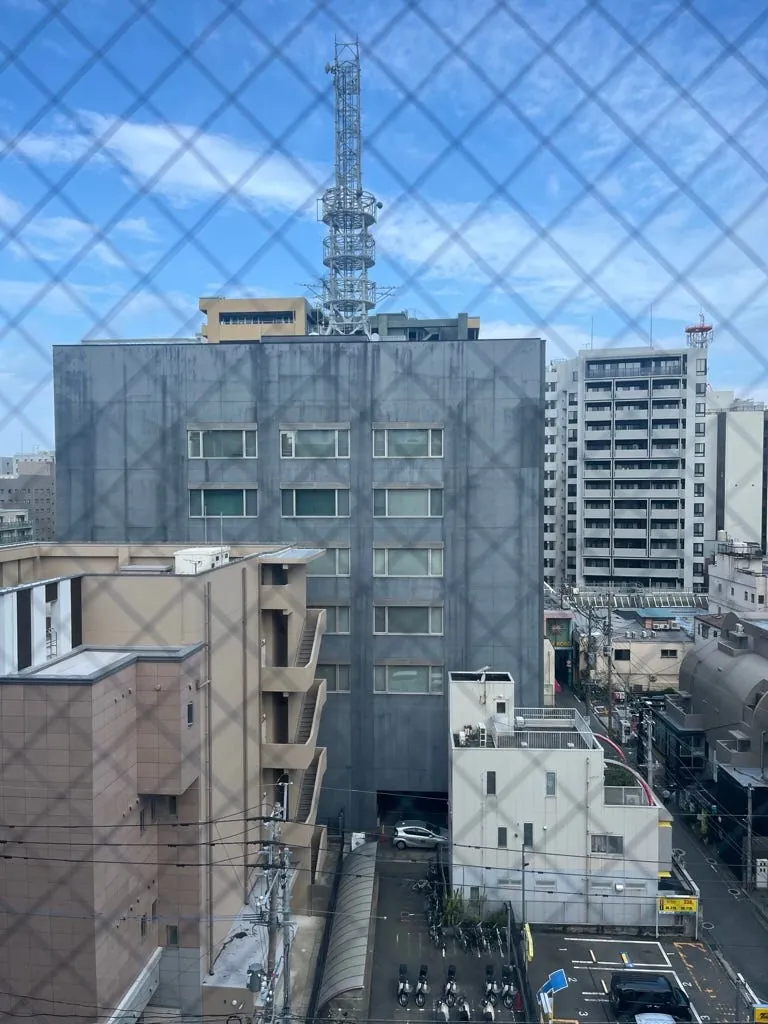
View of Fukuoka city from outside the bed early in the morning.
Hakata Station
Taking the subway to Hakata is too roundabout; it’s faster to walk to Watanabe-dori and take the bus to Hakata.
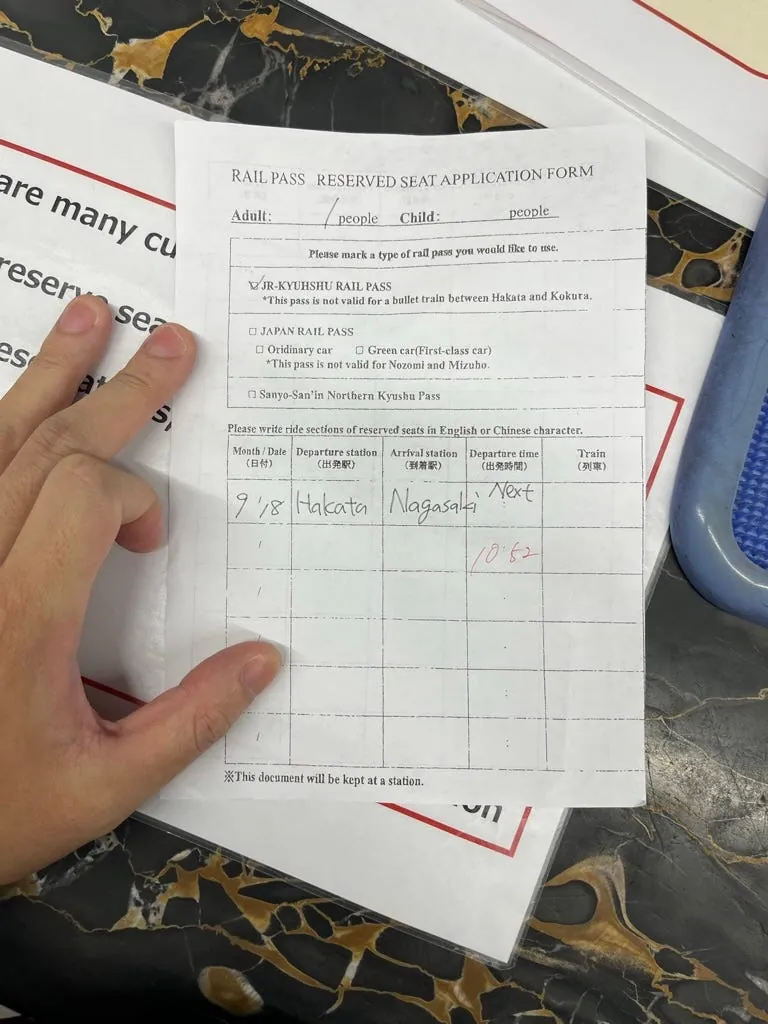
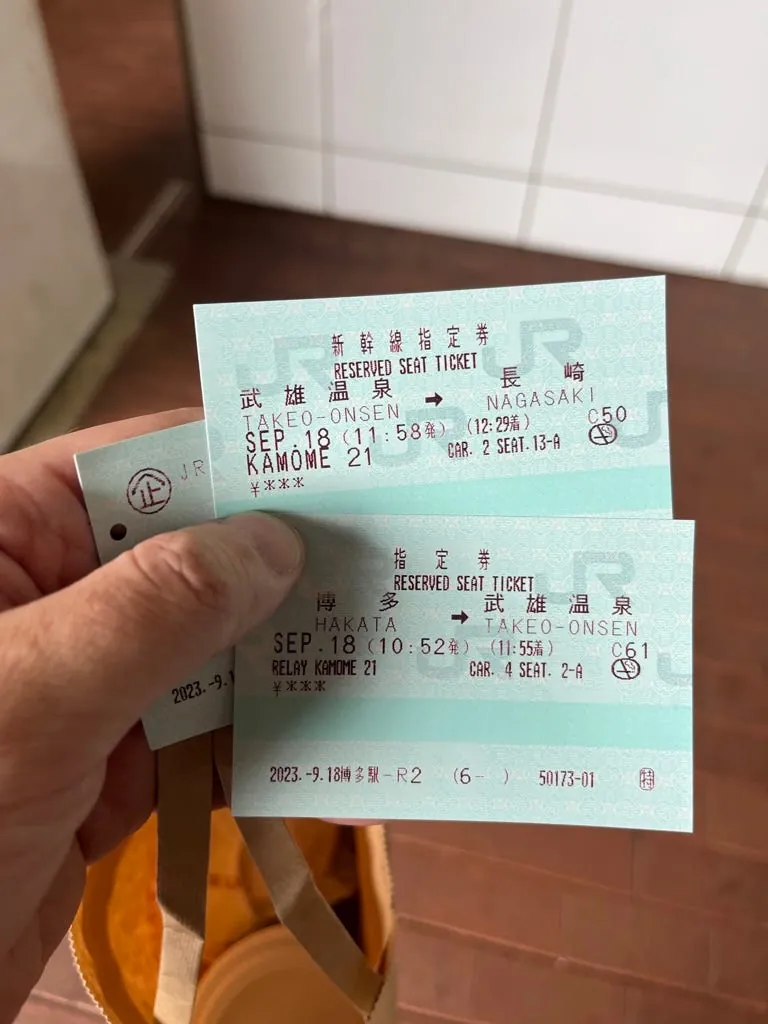
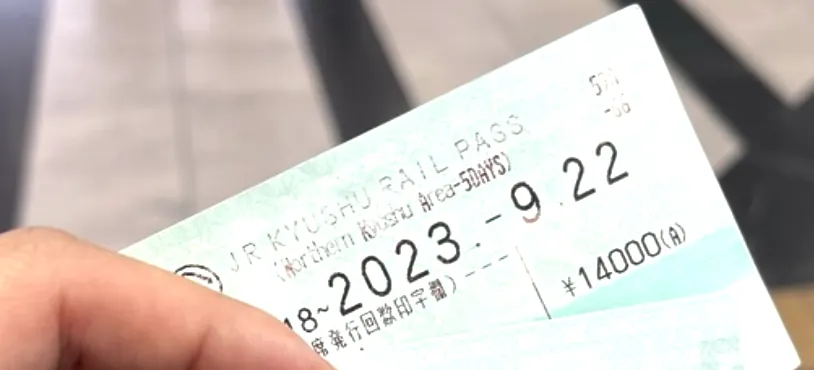
After arriving in Hakata, first go to the manned counter to exchange your JR Pass (show your passport) and reserve a seat for the train to Nagasaki. There are many foreigners exchanging JR Passes, and the wait was nearly an hour. It is recommended to go early or exchange in advance.
The JR Kyushu Pass can still only be exchanged at manned counters. Please arrive early to queue for the exchange. If Hakata Station is too crowded, you can consider exchanging at nearby stations for a faster process!
I bought the 5-day pass, which starts from the day of exchange. Use the main pass (with date & amount) to enter and exit stations. The reserved seat ticket only shows your seat location and cannot be used to enter or exit stations. Keep the main pass safe, as you’ll need it for all five days. If lost, it’s gone!
The trip from Hakata to Nagasaki has two segments. You first go to Takeo Onsen, then transfer to another train to Nagasaki. The transfer is on the same platform, and the schedules are well coordinated. Basically, you just get off and walk across the platform to board the next train.
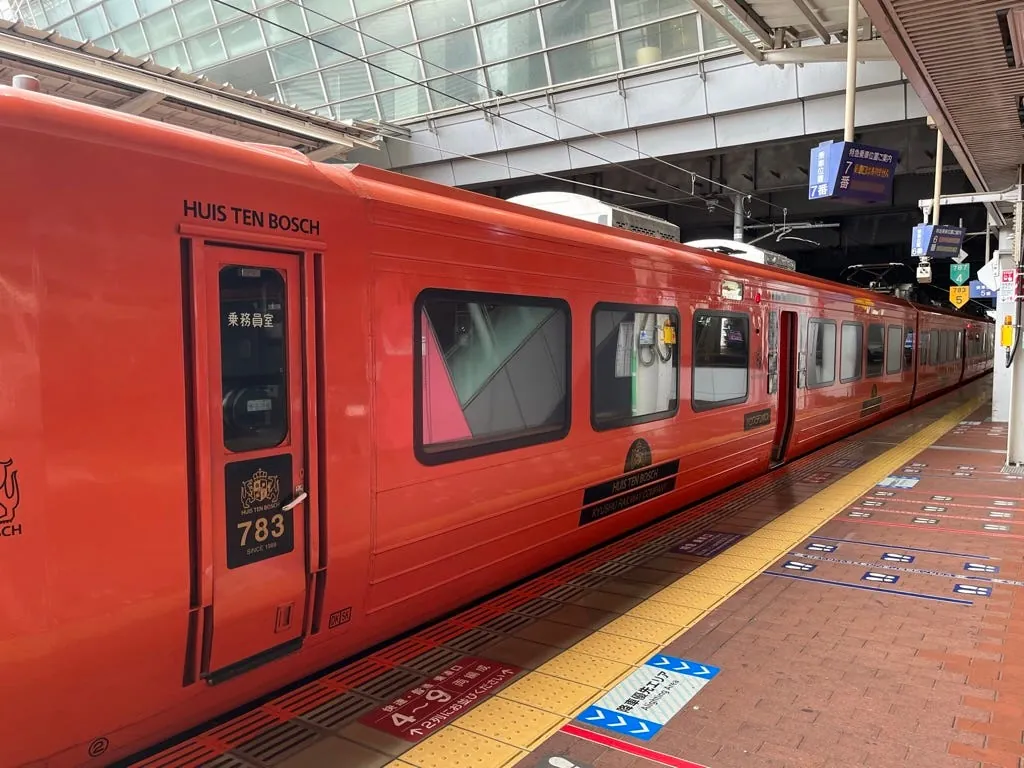
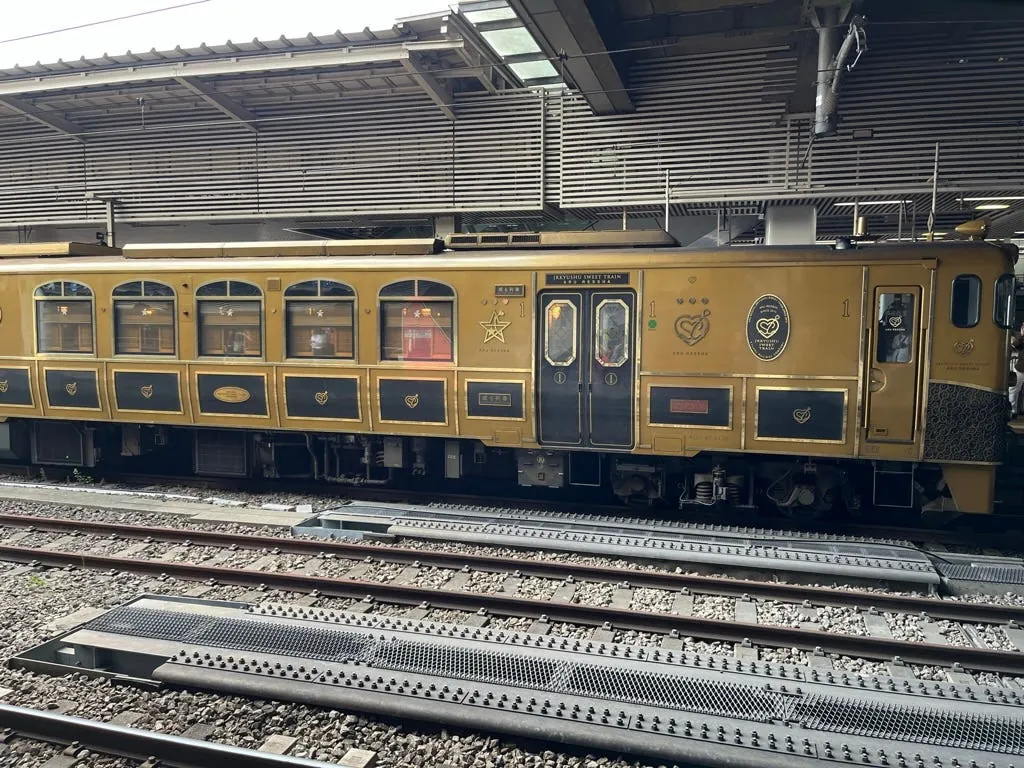
While waiting for the train, I noticed that trains in Kyushu all have unique features!!
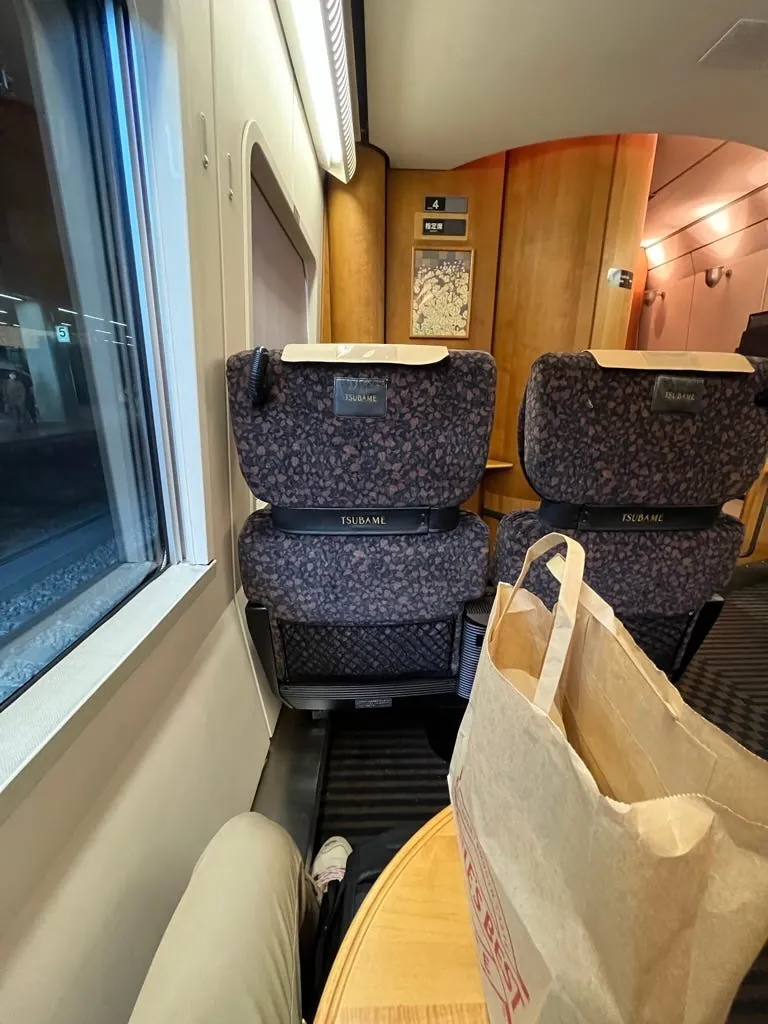
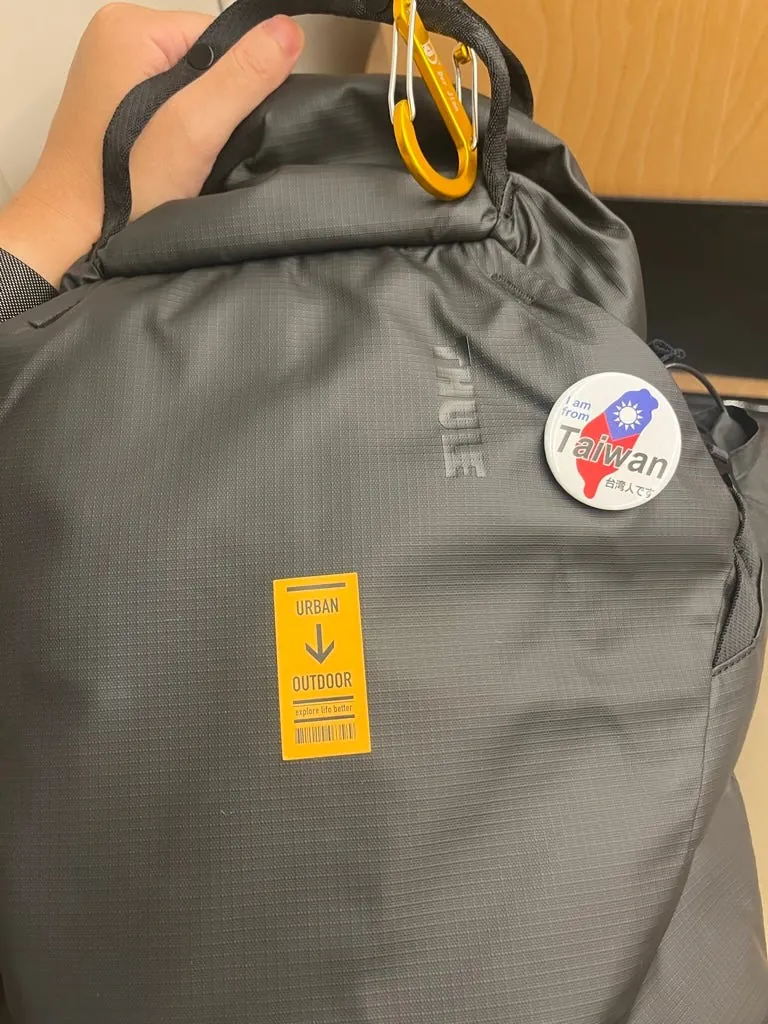
The seat is spacious and comfortable, with a window view of the scenery.
Travel time: approximately 1 hour 50 minutes
A Small Episode: Successfully Completing a Public Diplomacy Mission ✅
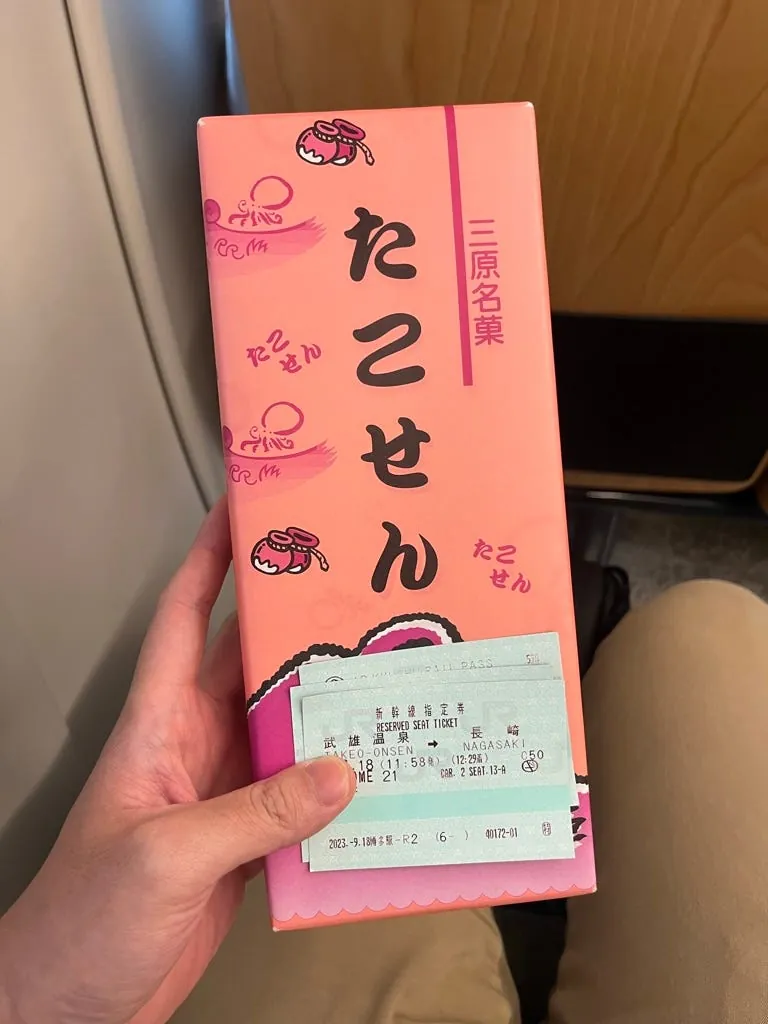
Sitting next to me was a family: a father and mother with two children going on a trip. One of the children suddenly vomited halfway through the ride. Seeing that the father had no tissues and was using a newspaper to clean up, I gave him some tissues and wet wipes.
When I was about to get off, my dad gave me a souvenir from Mihara City (shrimp rice crackers).
Nagasaki Station
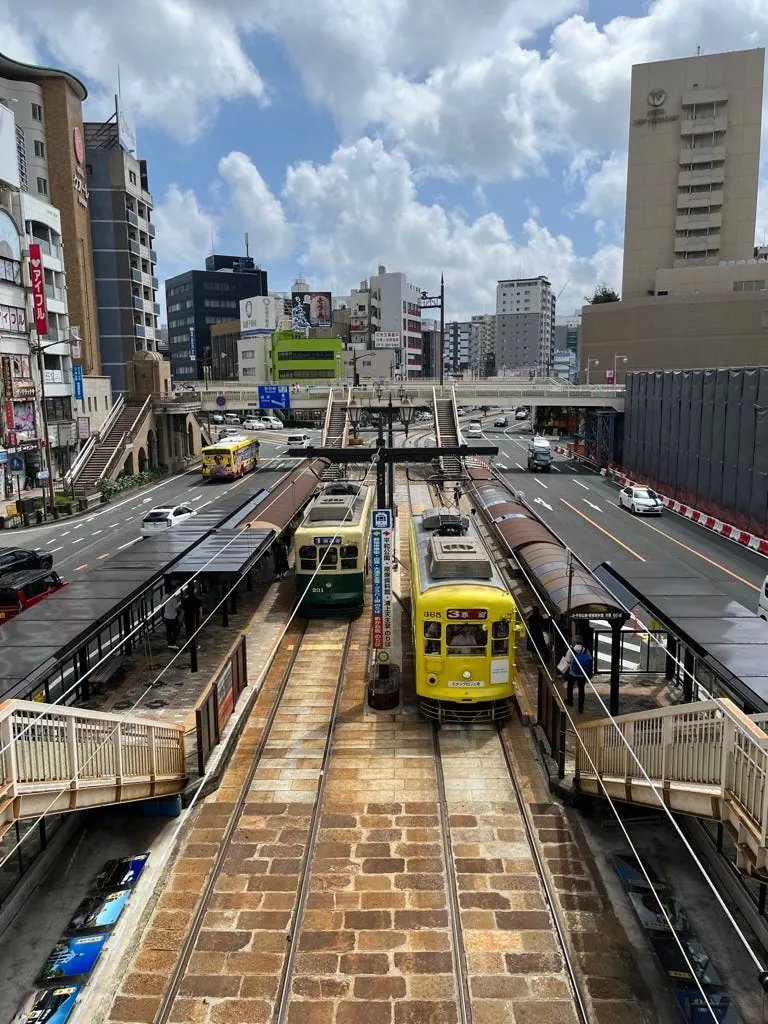
After leaving Nagasaki Station, the weather was great! I was originally worried it might rain today.
After exiting the station, head towards the Nagasaki tram direction to board.
Nagasaki (South Side)
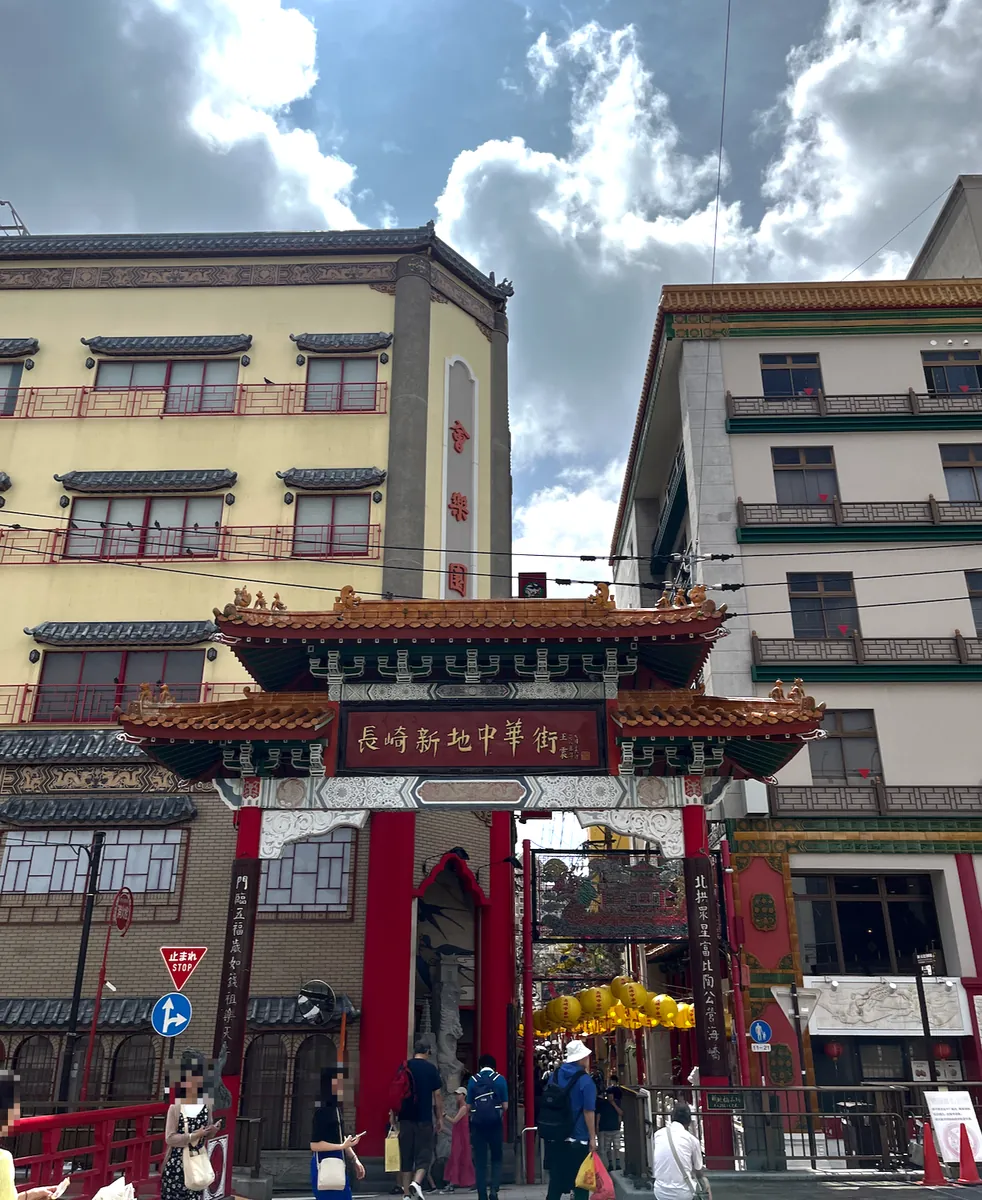
The first stop is to head south to Nagasaki Shinchi Chinatown for a stroll.
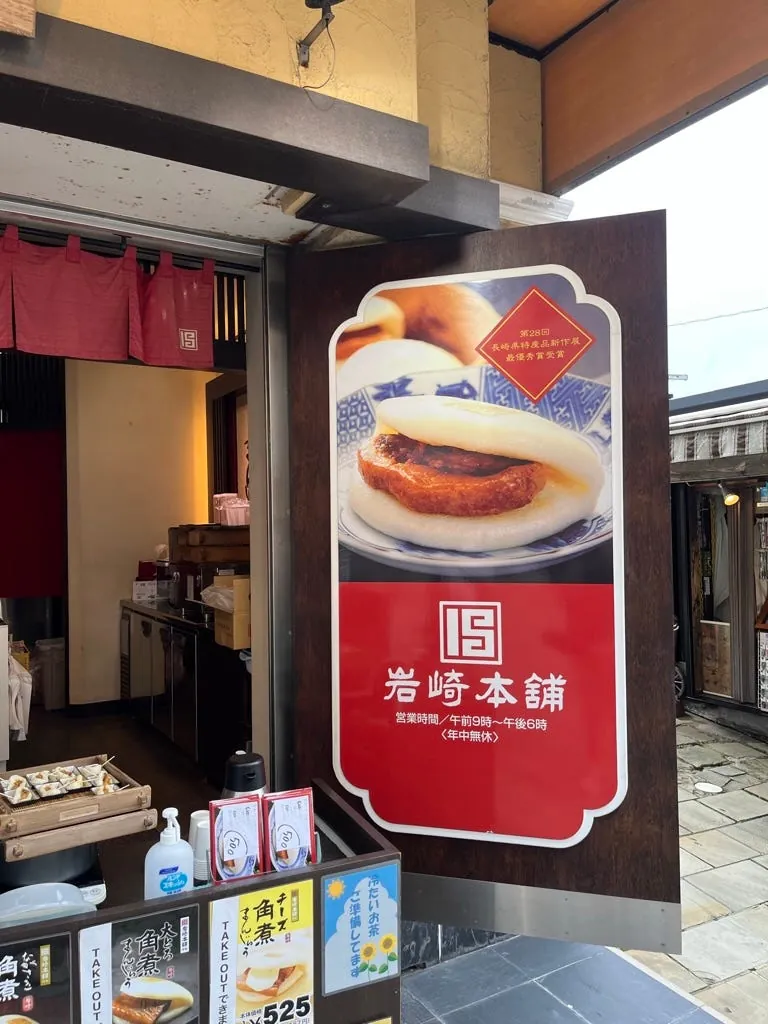
This spot might be quite unique for foreigners, but it’s fairly common for Chinese visitors. Inside, they sell Nagasaki specialty gua bao, nagasara udon, tsuyubon noodles, xiaolongbao, and more. However, I wasn’t very hungry at the time, so I just walked around and left.
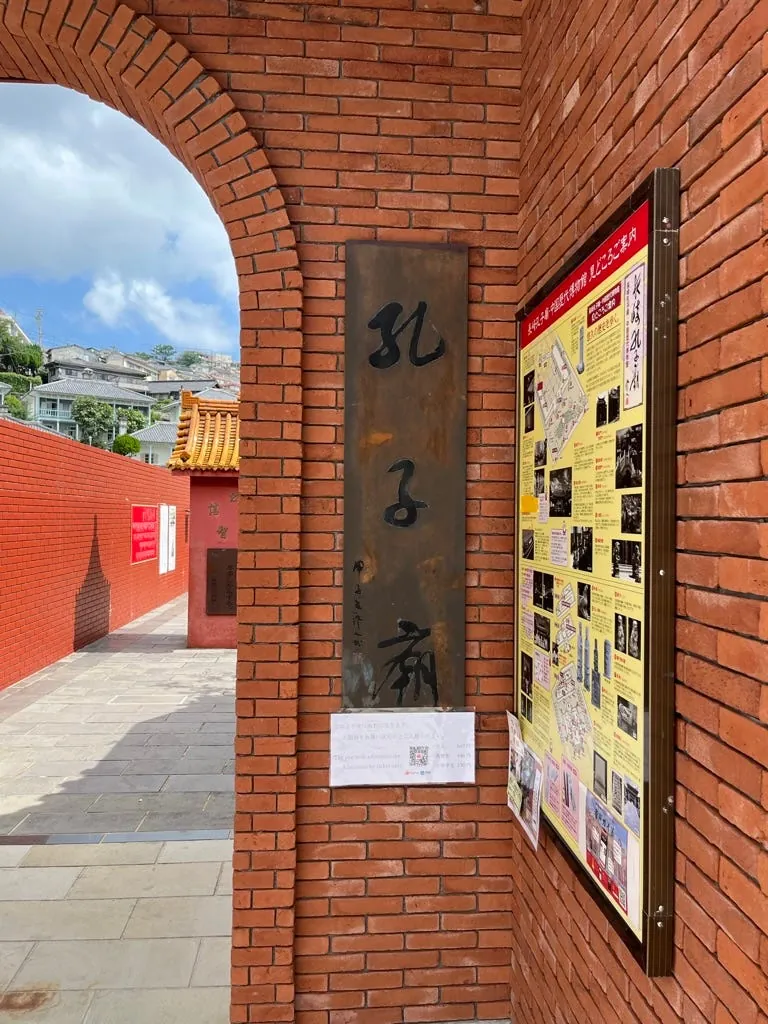
Walking all the way to Glover Garden, also passed by the Confucius Shrine XD
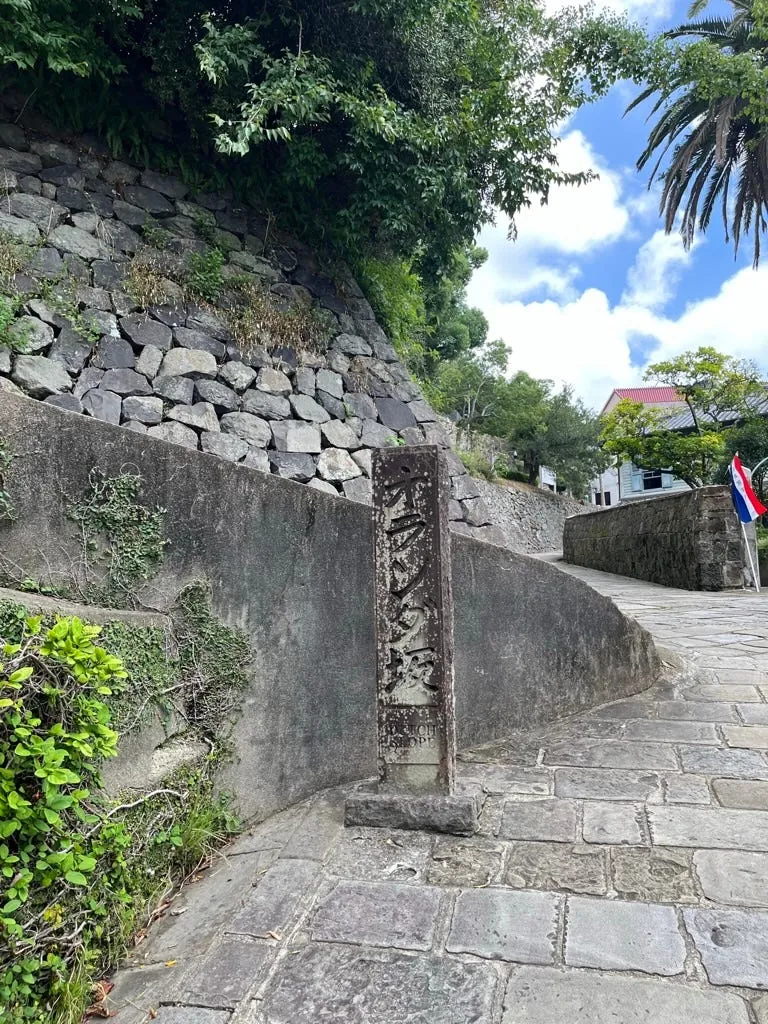
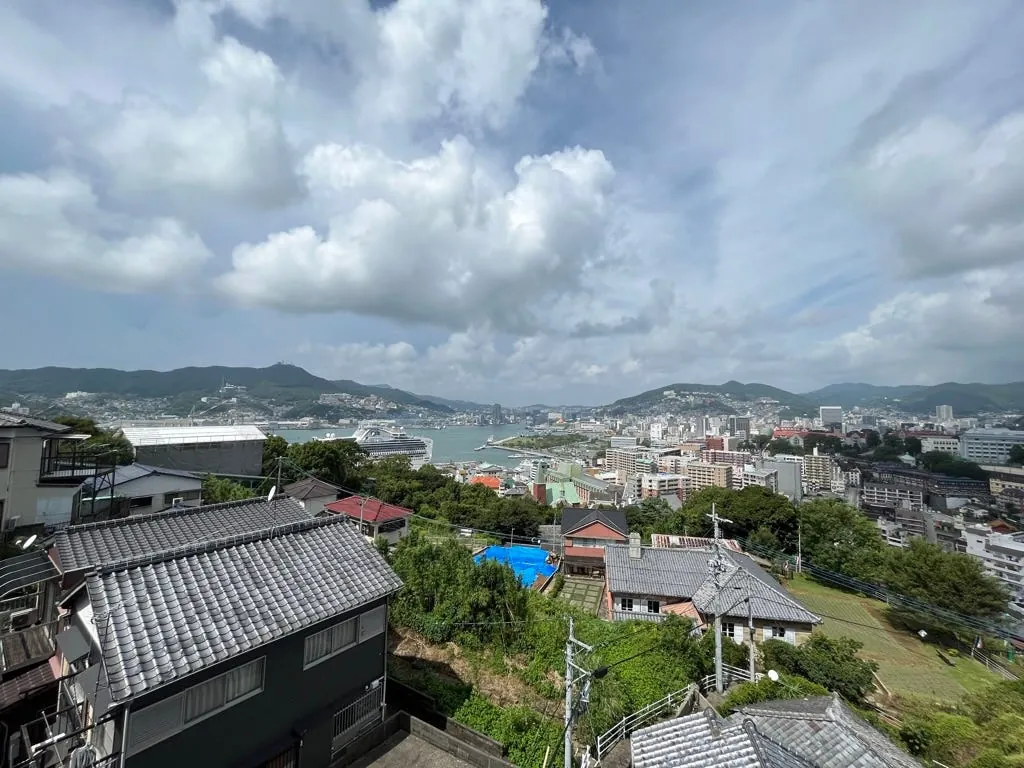
Passing through Dutch Slope (which is just a slope), then taking the escalator up to Glover Garden Entrance No. 2. The whole terrain is a large hillside facing the sea.
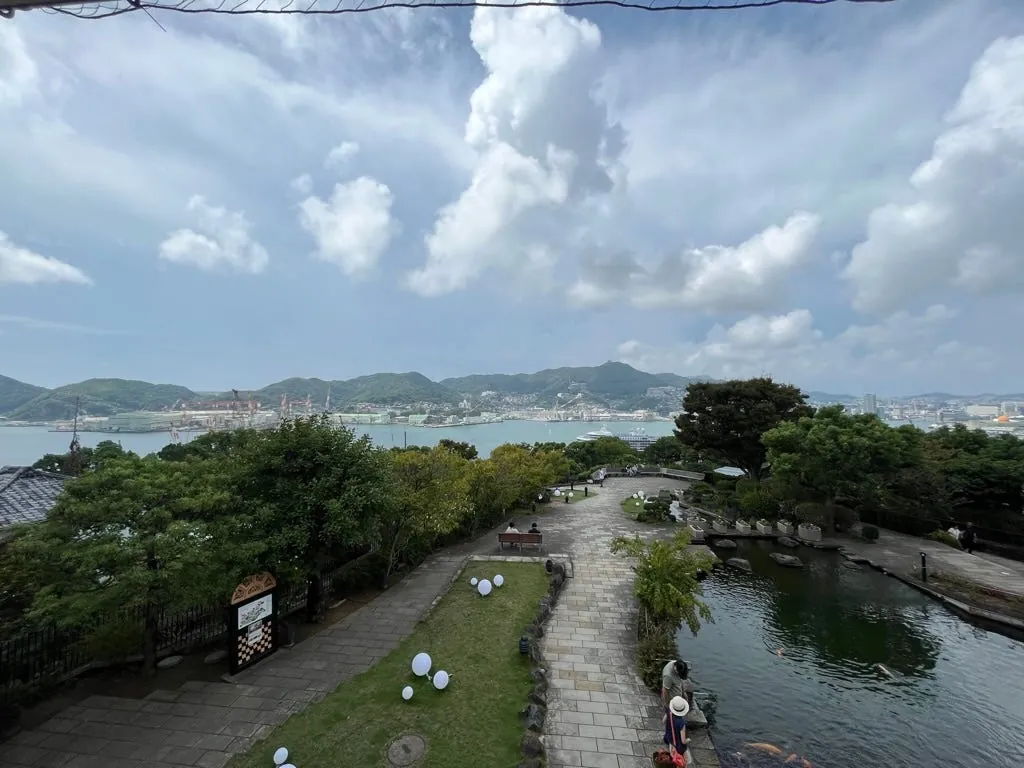
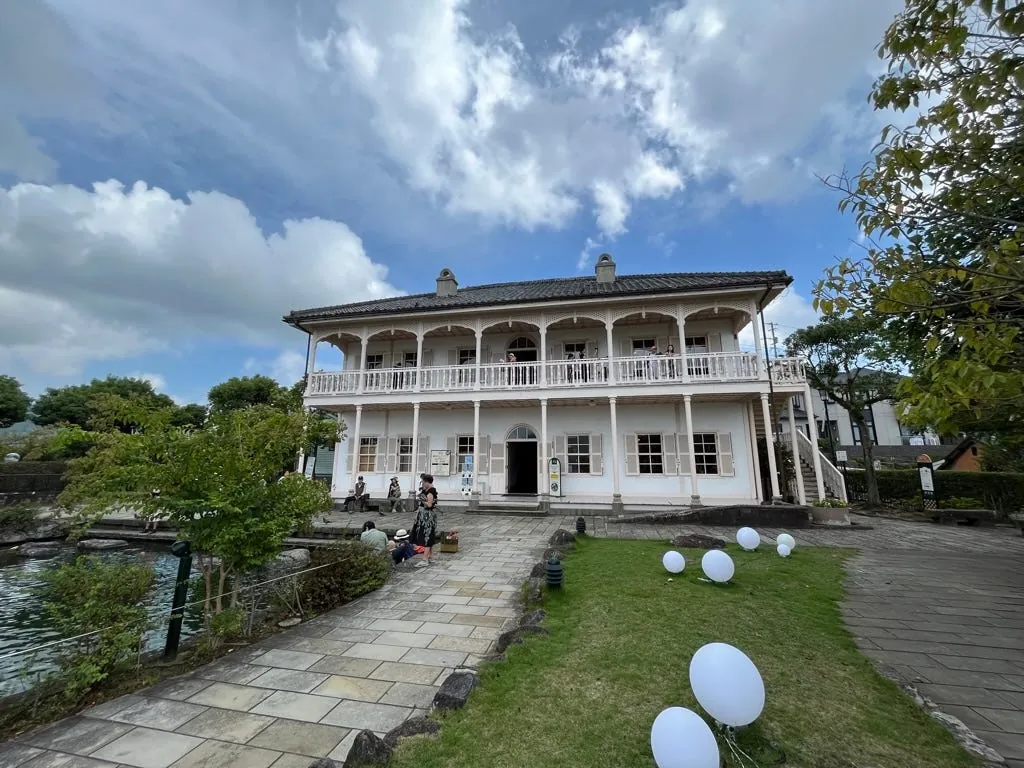
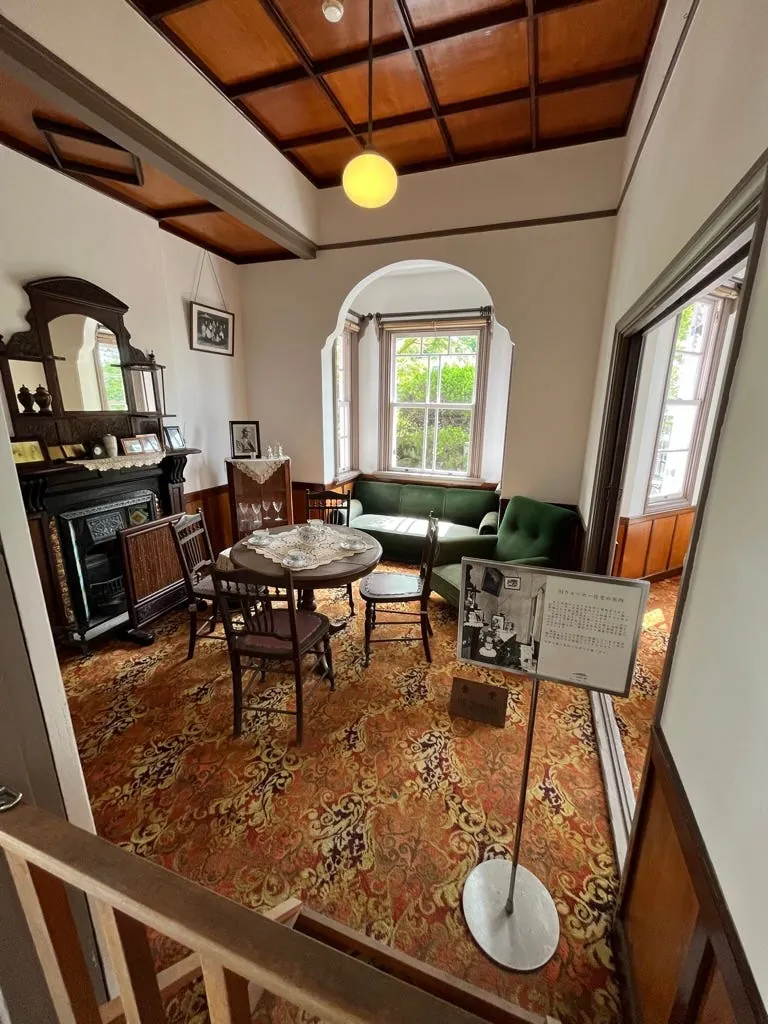
Entering Glover Garden for a quick tour, the architectural style and interior decorations closely resemble Tamsui’s Fort San Domingo (both were built by the Dutch).
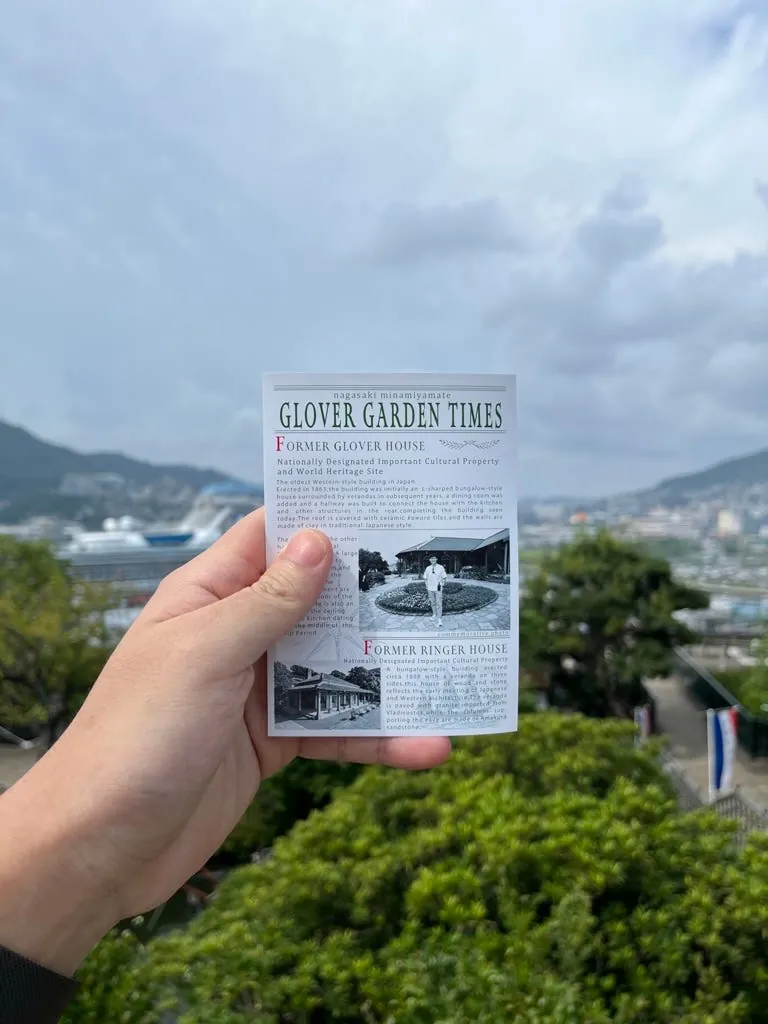
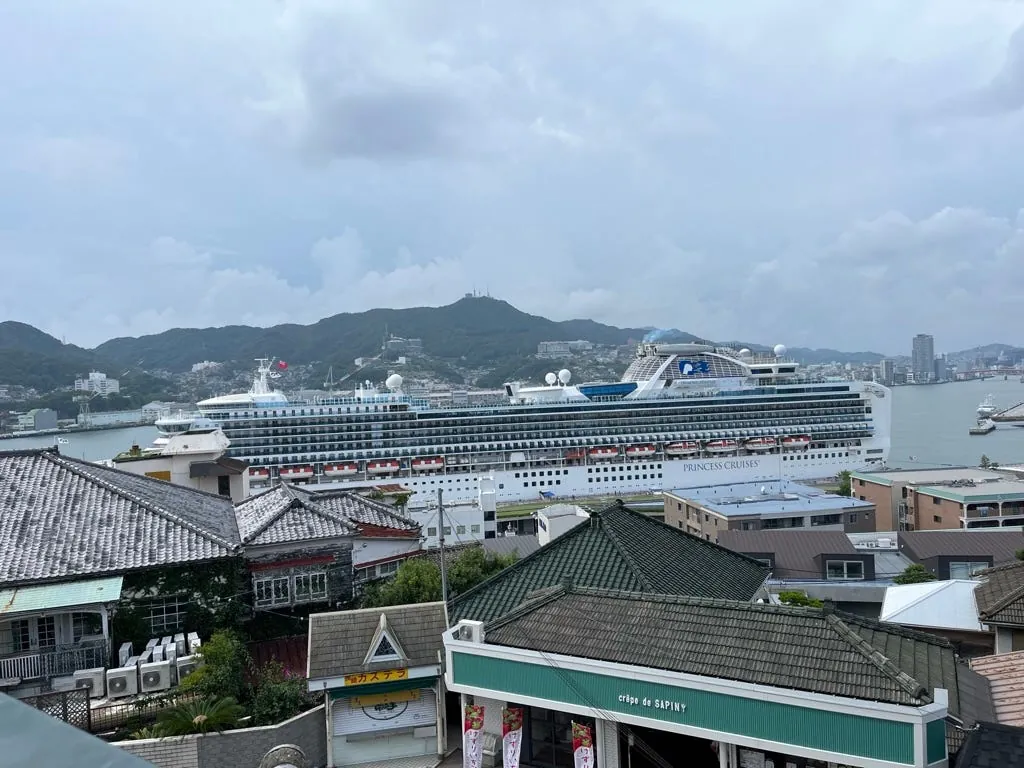
Finally, don’t forget to redeem your free photo, where you can also enjoy a view of the cruise ships at Nagasaki Port.
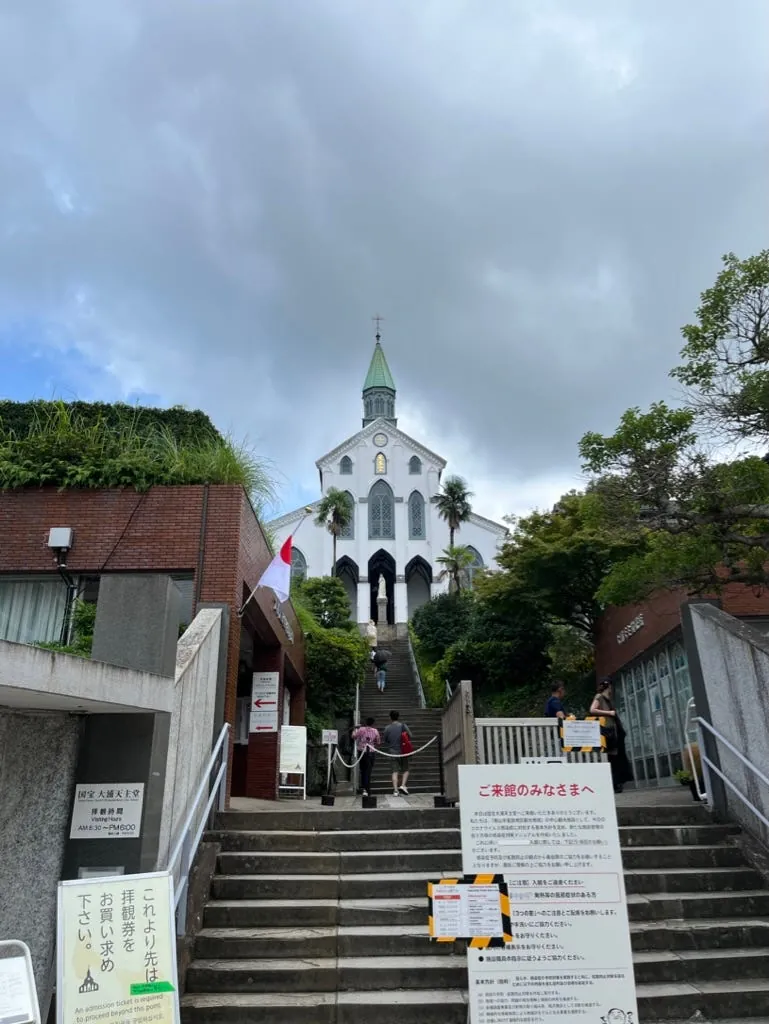
On the way down the mountain, I passed by Ōura Catholic Church. I didn’t go inside, just took some photos and left.
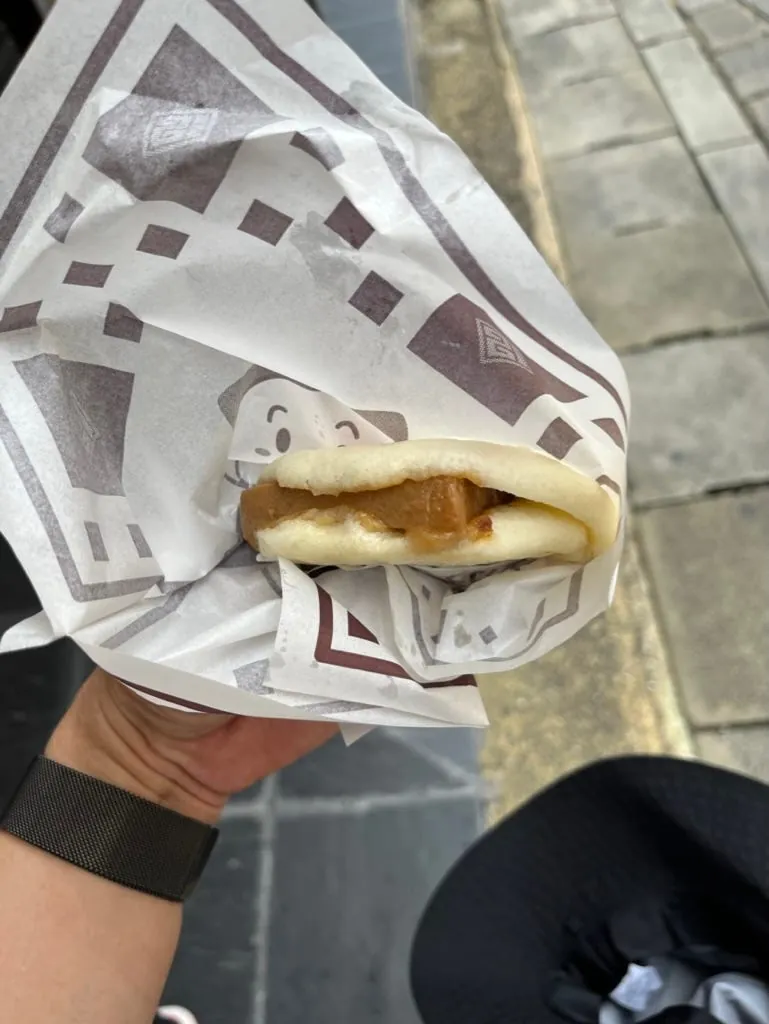
I bought a Nagasaki-style gua bao to try, but I still think the ones in Taiwan taste better!
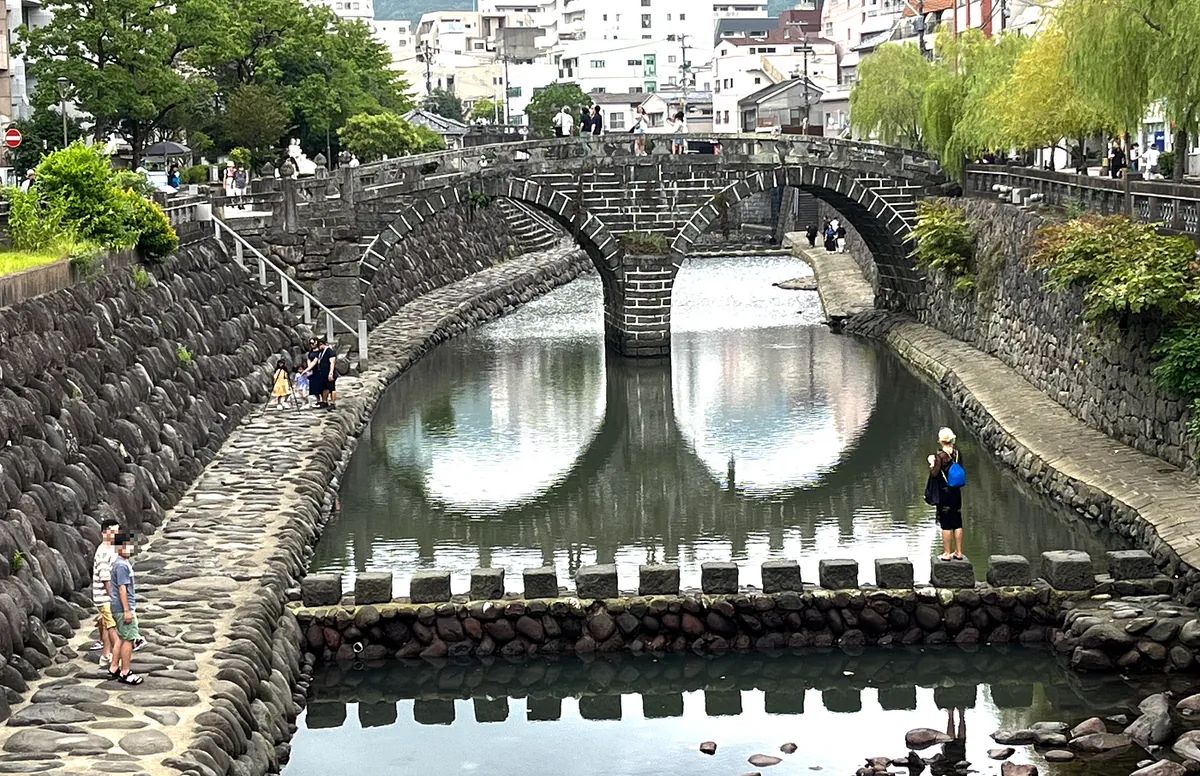
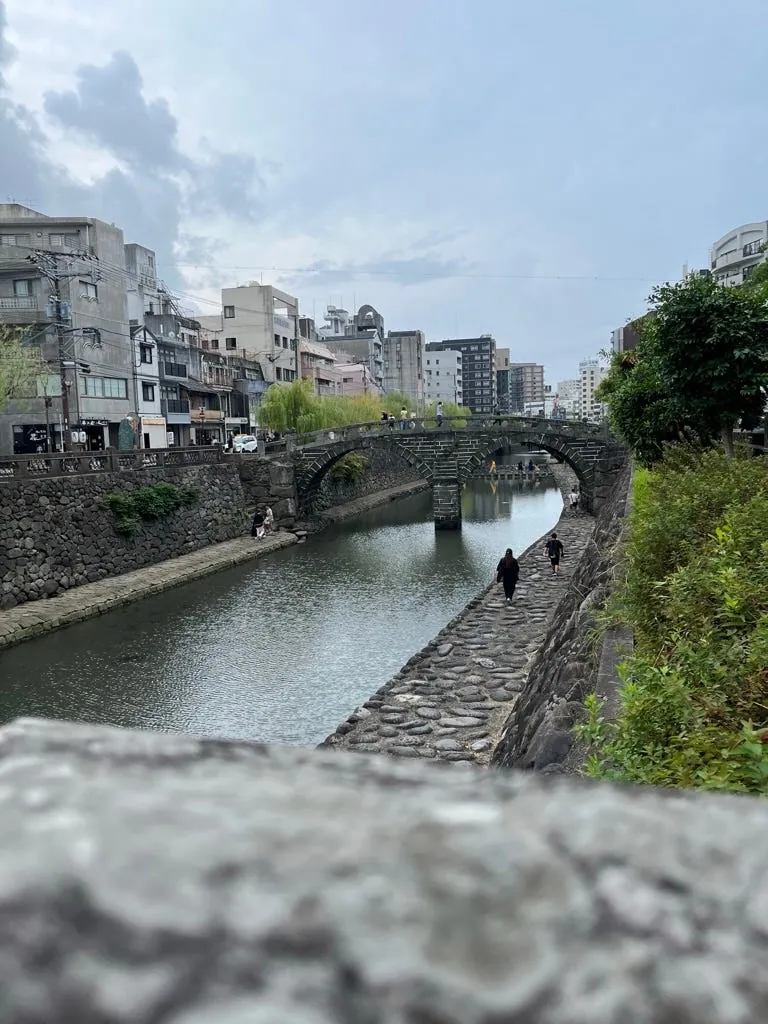
On the way back north to the Nagasaki Atomic Bomb Museum, I got off at Megane Bridge to take photos. The reflection in the water from the front view is really beautiful. It’s worth a shot if you have time.
Nagasaki (Northern Area)
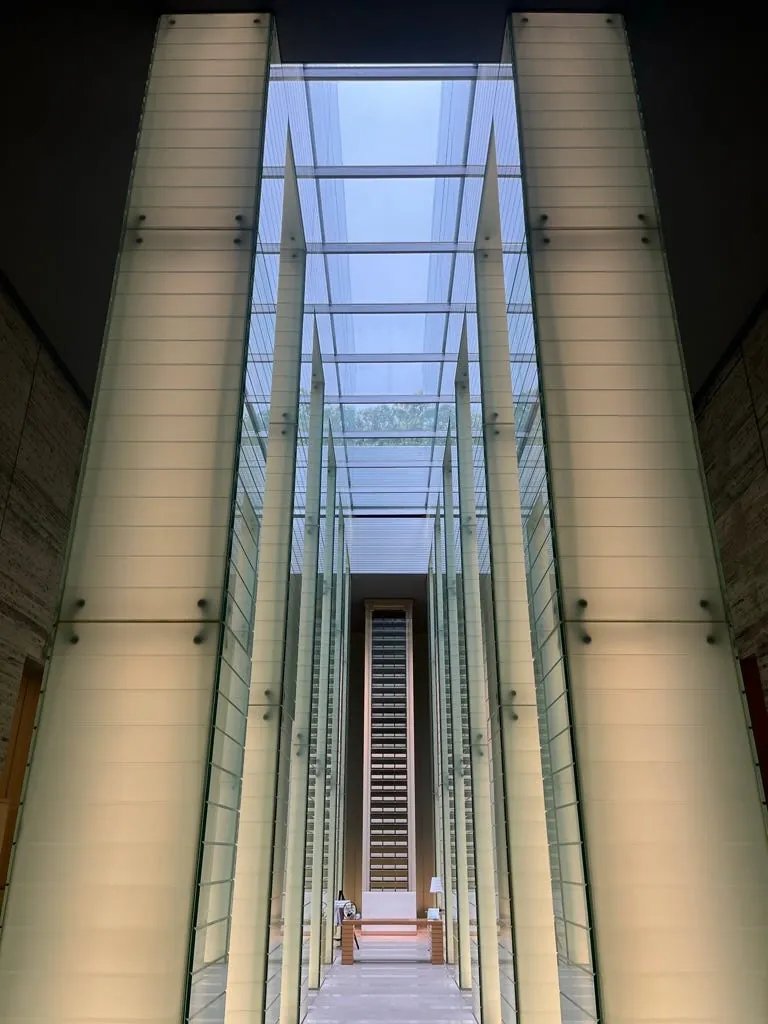
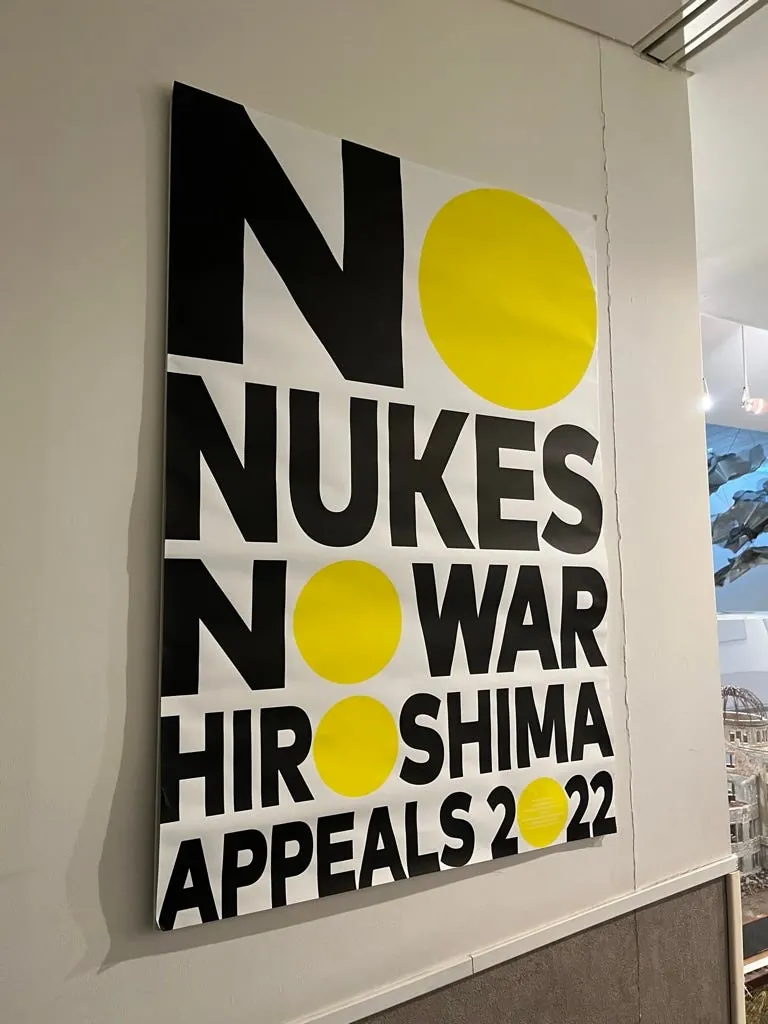
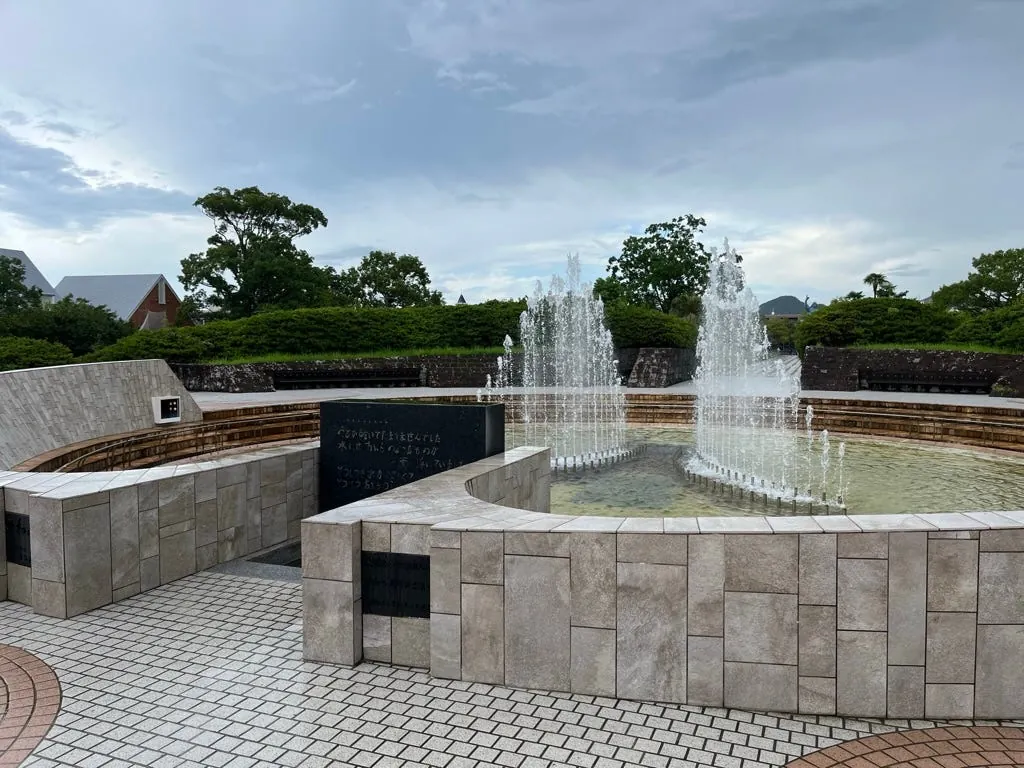
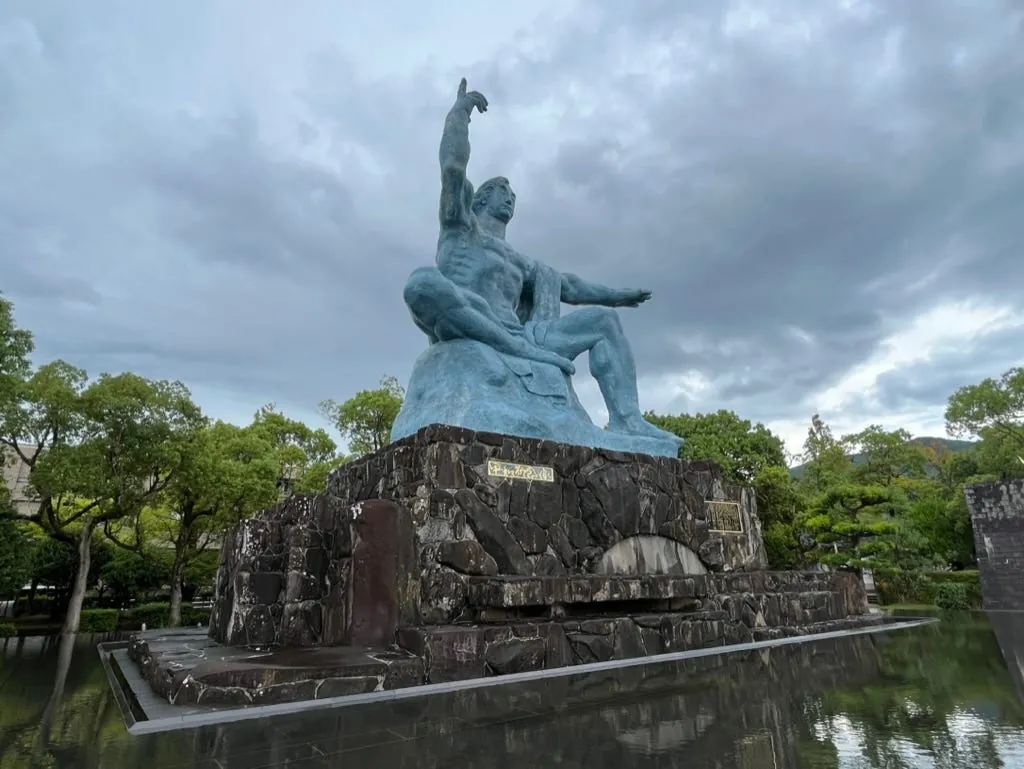
Visiting the Atomic Bomb Museum evokes a deep sense of immersion and reflection. The museum features many scenes (from the moment of the explosion or immersive setups), installation art, historical materials, and interviews. These elements allow visitors to fully immerse themselves in the historical atmosphere and contemplate the cruelty and horror of war.
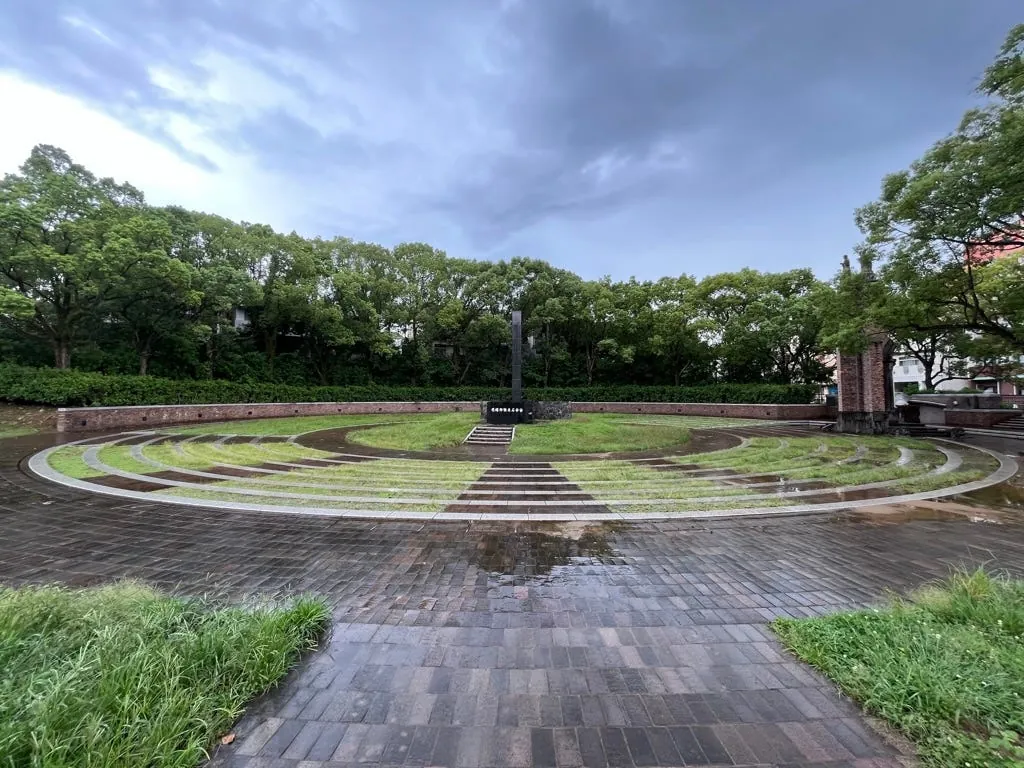
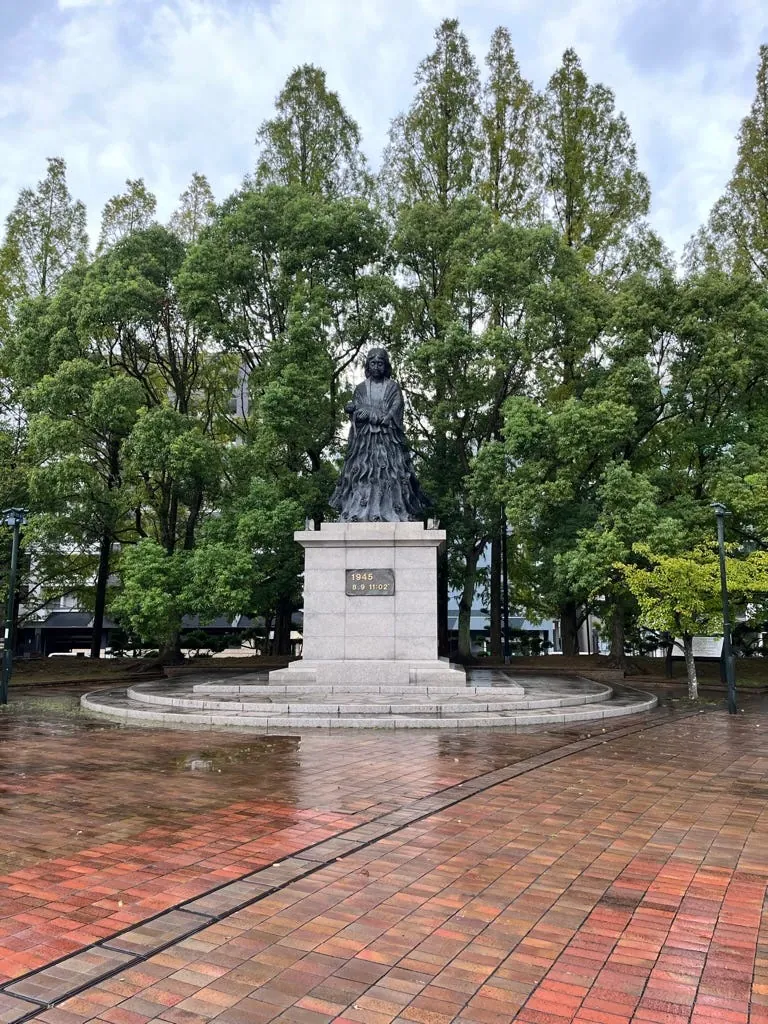
After exiting the museum, walk straight ahead to reach the atomic bomb explosion site and Peace Park.
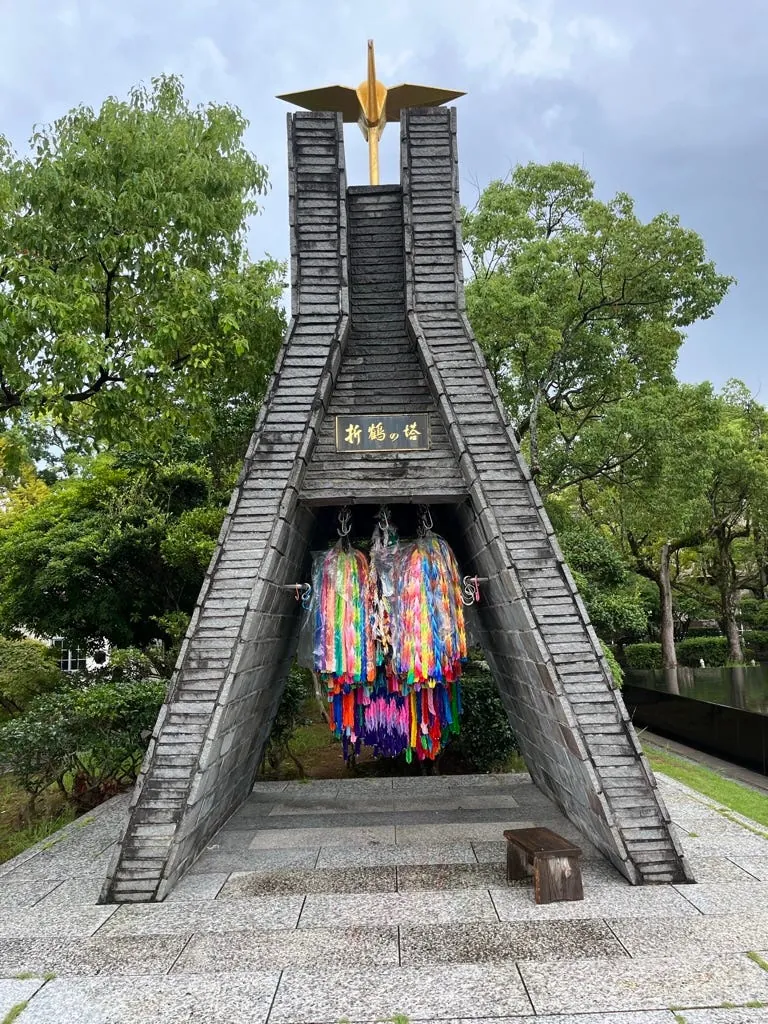
Along the way (including the Atomic Bomb Museum), many colorful paper cranes are hung as symbols of praying for peace.
Mount Inasa Night View
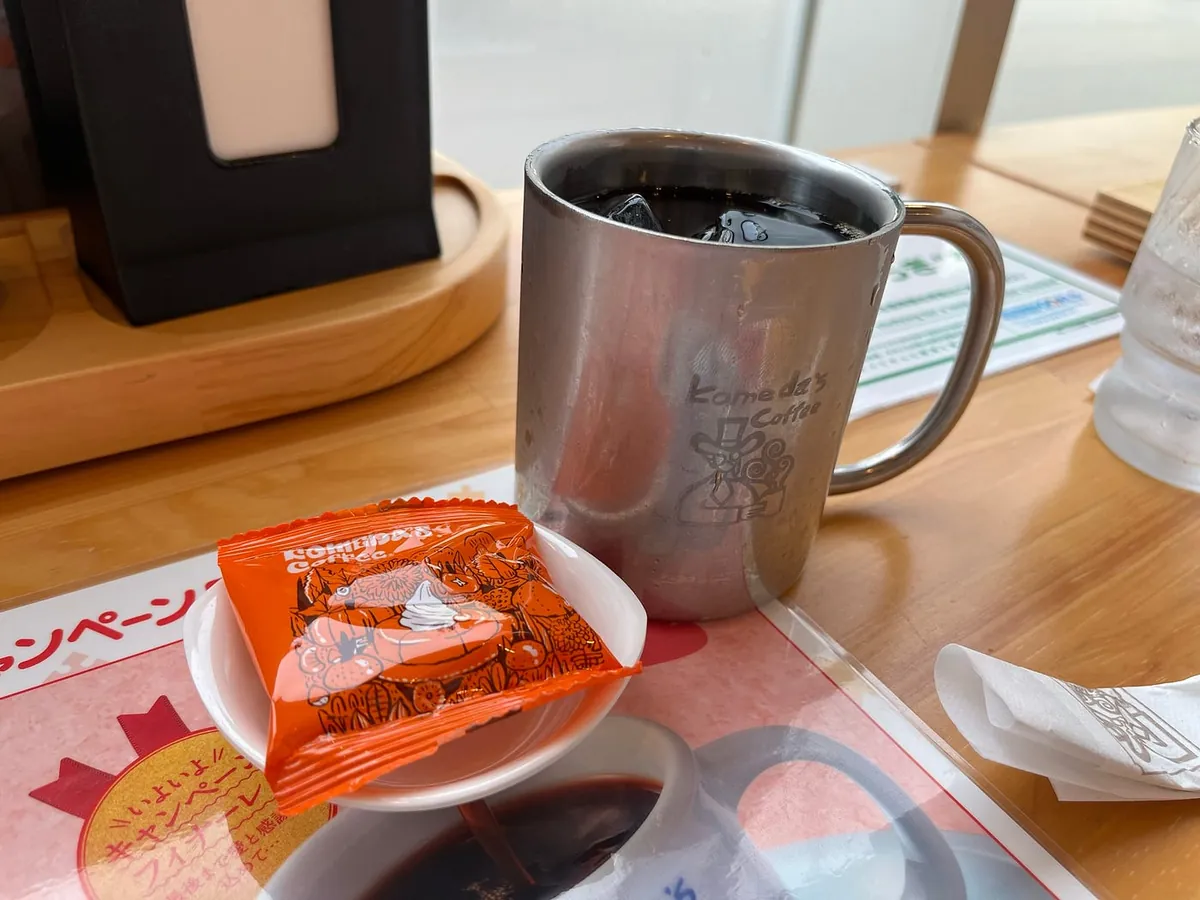
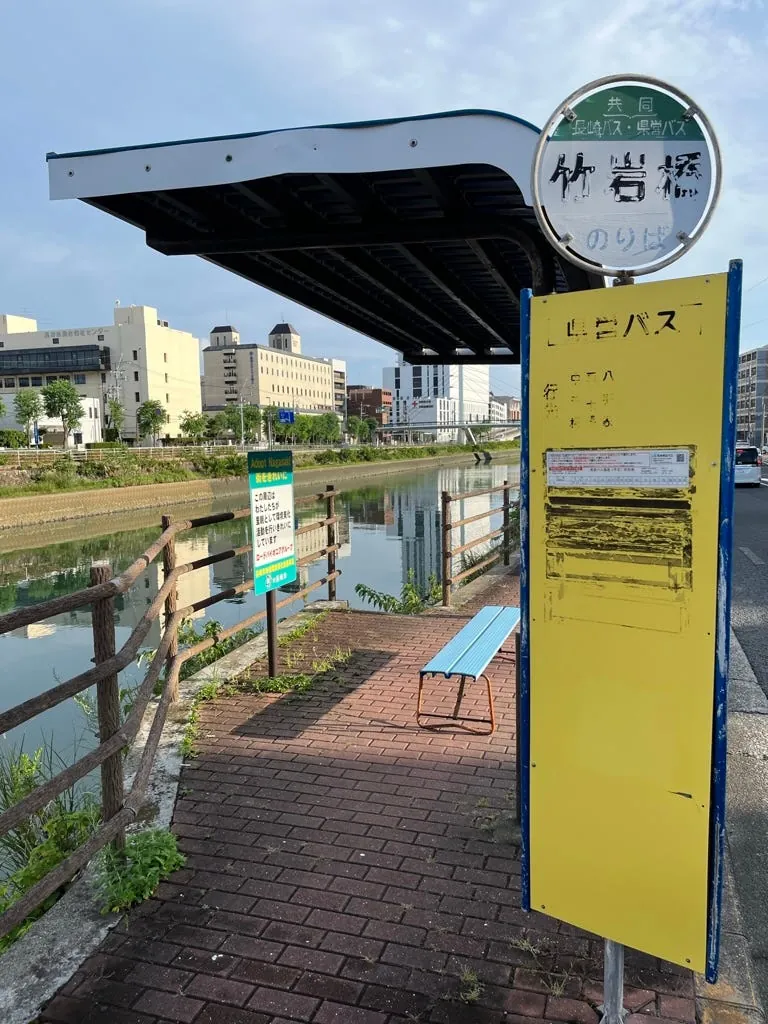
After leaving Peace Park, I stopped by Komeda for a short break, preparing for the evening to see Mount Inasa night view, one of the world’s top three night views.
Check the bus schedule; it’s better to walk a short distance to the bus stop near Mitomo to reach the base cable car station of Inasayama (Fuchinomiya Station), then stroll to the station and wait for the bus.
The bus was delayed, which was frustrating. This small stop had no electronic display, and Google Maps showed the bus had left, but I didn’t see it. After waiting more than 5 minutes, I thought maybe there was no service today. So I quickly checked for other nearby stops with buses to Fuchinomiya Shrine, then walked another 10 minutes to a different stop and took another bus to finally get there.
The funny thing is that halfway through, the delayed train showed up… but it was already too late Orz
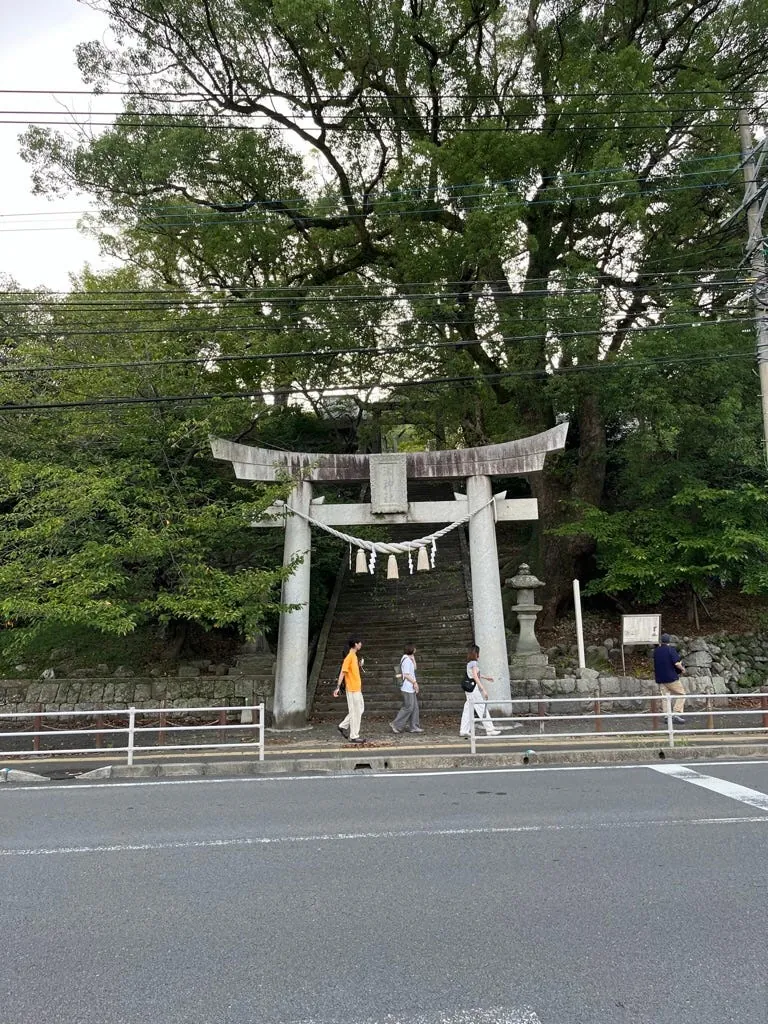
After getting off, Fuchigami Shrine is right across the street. Just walk straight up and pass through the kindergarten to reach the Nagasaki Ropeway (Fuchigami Shrine Station). Since I didn’t plan to stay out late, I bought a round-trip ticket (cheaper). However, if you stay too late, the ropeway will stop running, and you’ll have to take a bus back.
A bit of Wulai -> Unzen Amusement Park Fu.
After getting off the cable car, there is another scenic cable car available, but I didn’t try it and walked straight toward the observation deck.
Forgot to take a photo of the observation tower. It is a 360-degree tower that offers panoramic views of Nagasaki city, the harbor, and the mountains. There is no entrance fee. You can watch the sun set over the harbor in the west and then enjoy the city night view to the east.
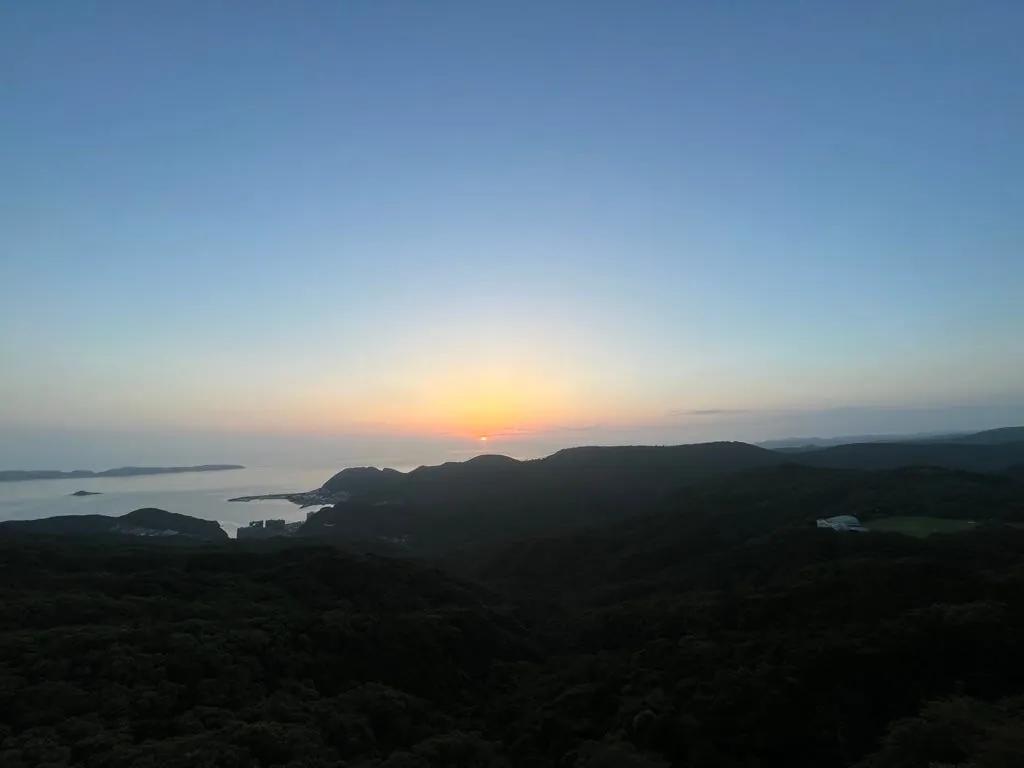
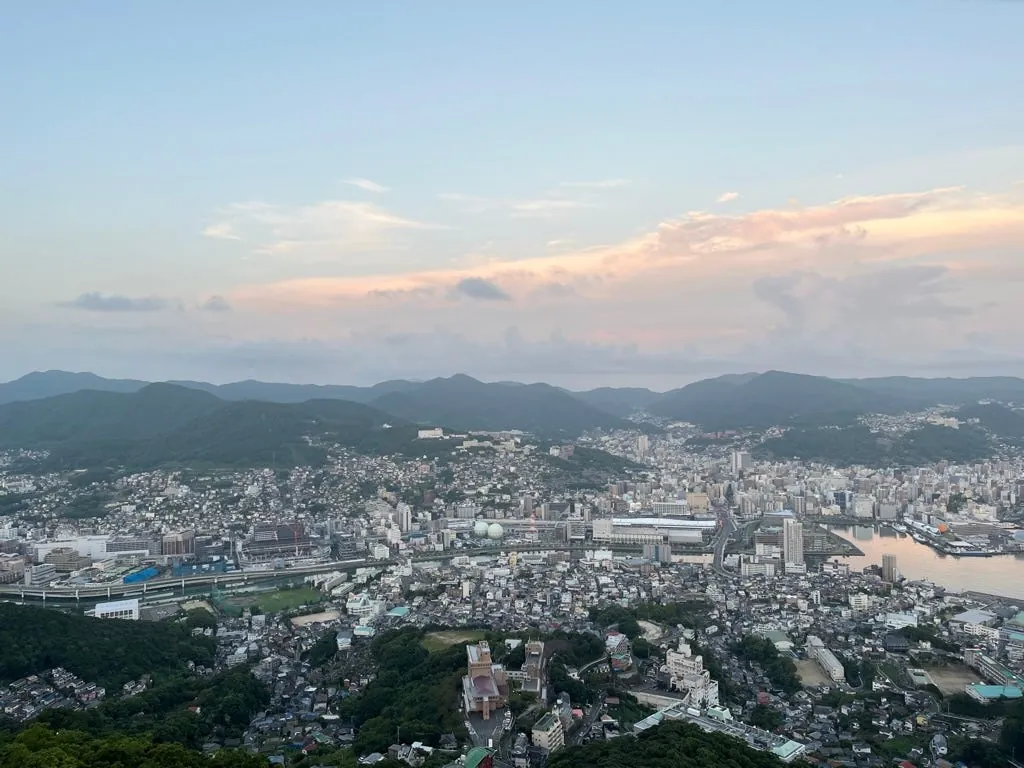
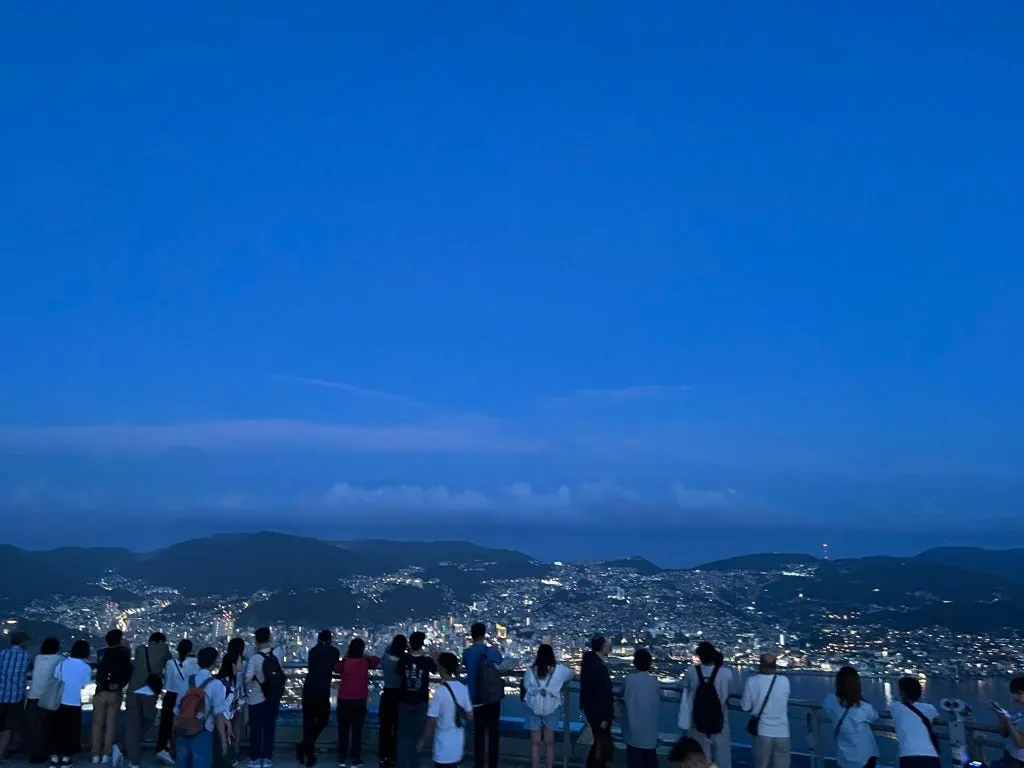
The observation deck is spacious, so it doesn’t feel crowded.
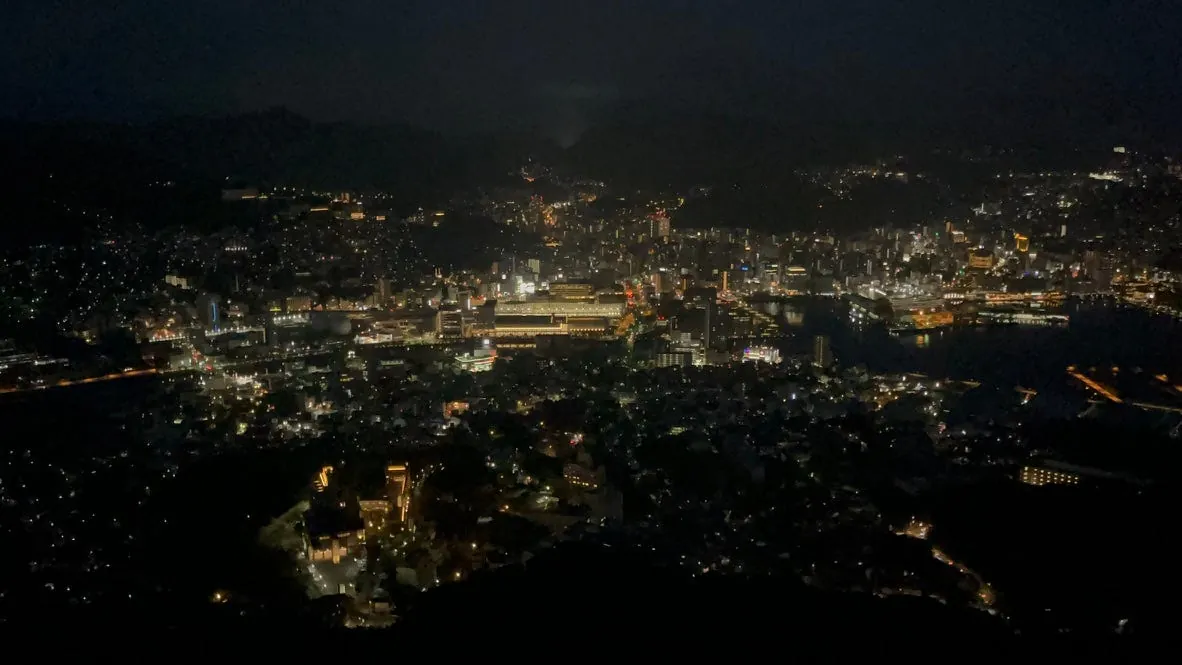
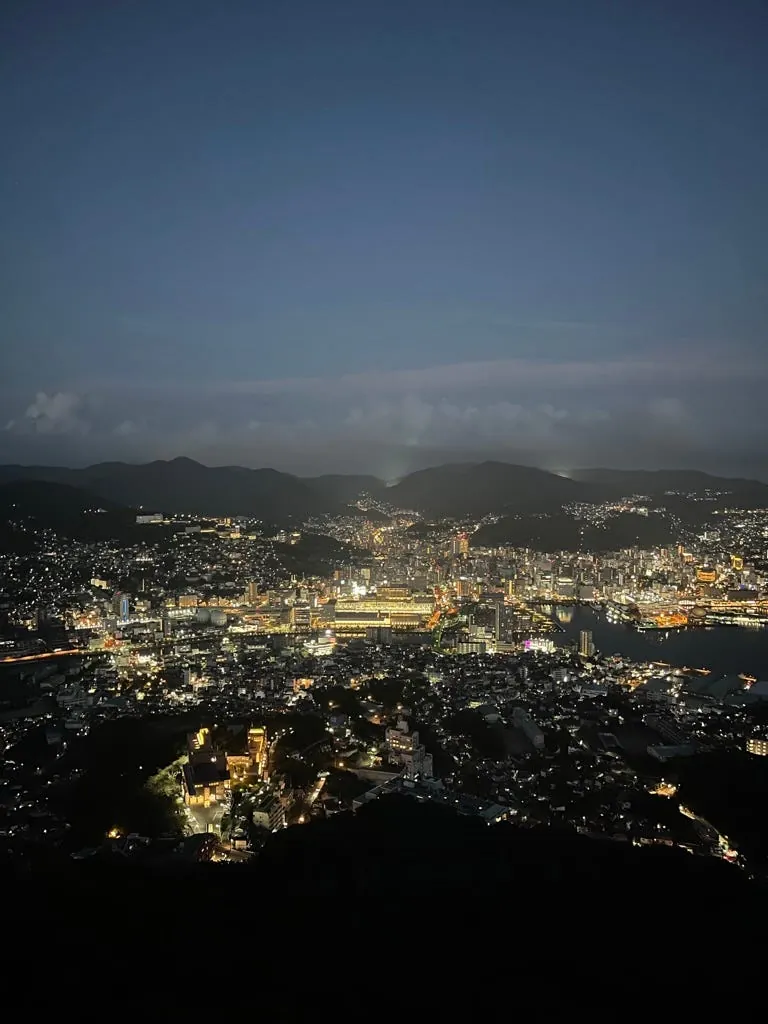
After sunset, you can see the entire Nagasaki city and station night view, which is very beautiful.
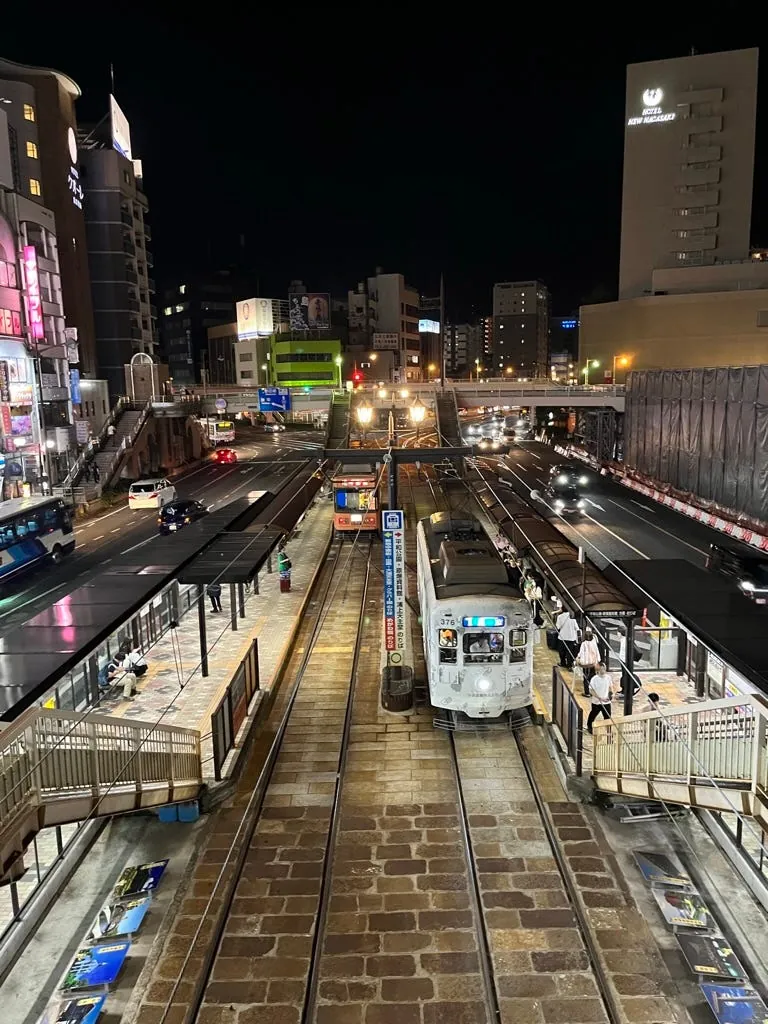
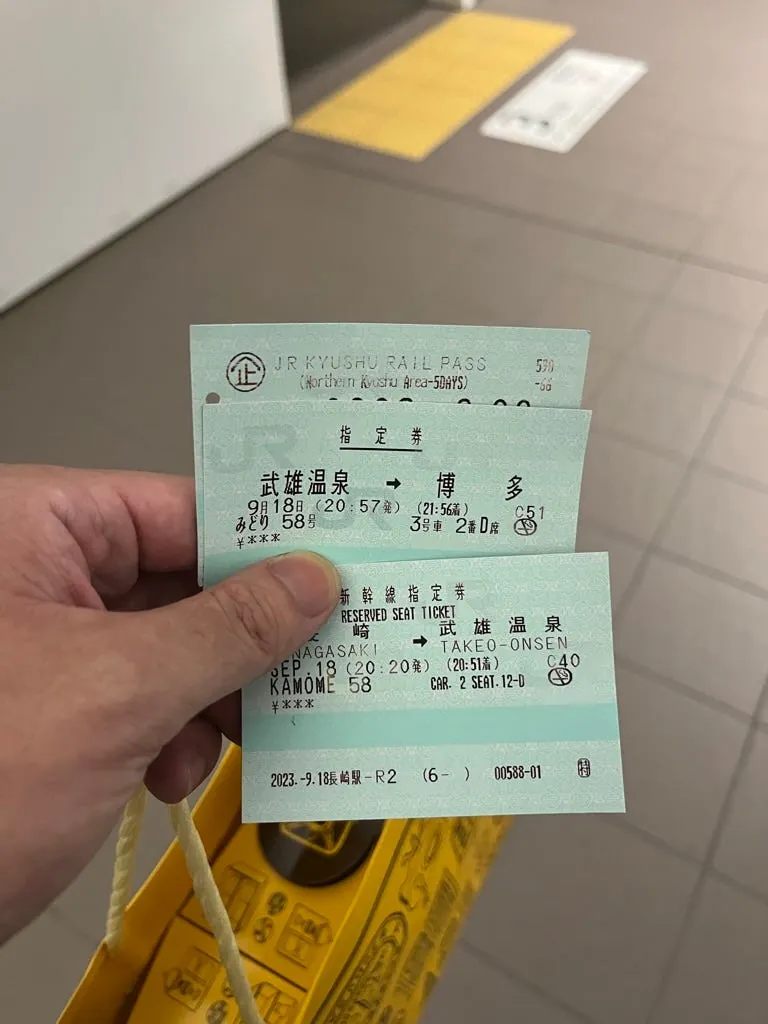
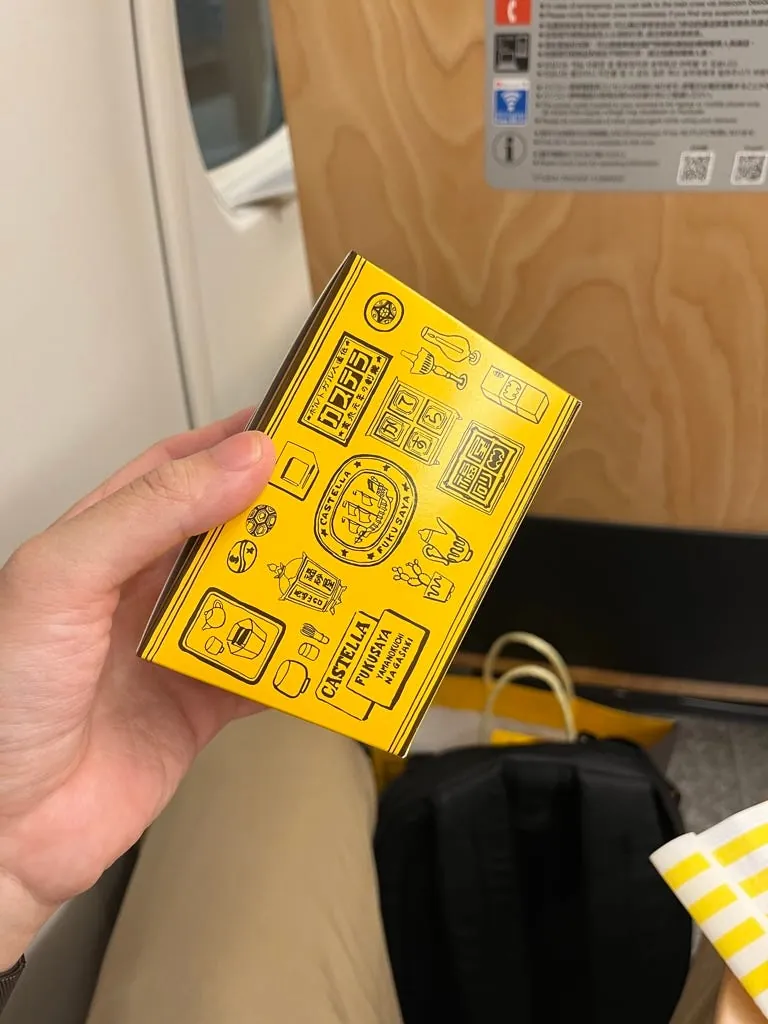
One last look at Nagasaki Station’s night view and buying some Nagasaki castella as souvenirs (later found out they are also sold in Hakata, with a shelf life of about 12 days, so it would have been better to buy them later…). Ready to head back to Hakata.
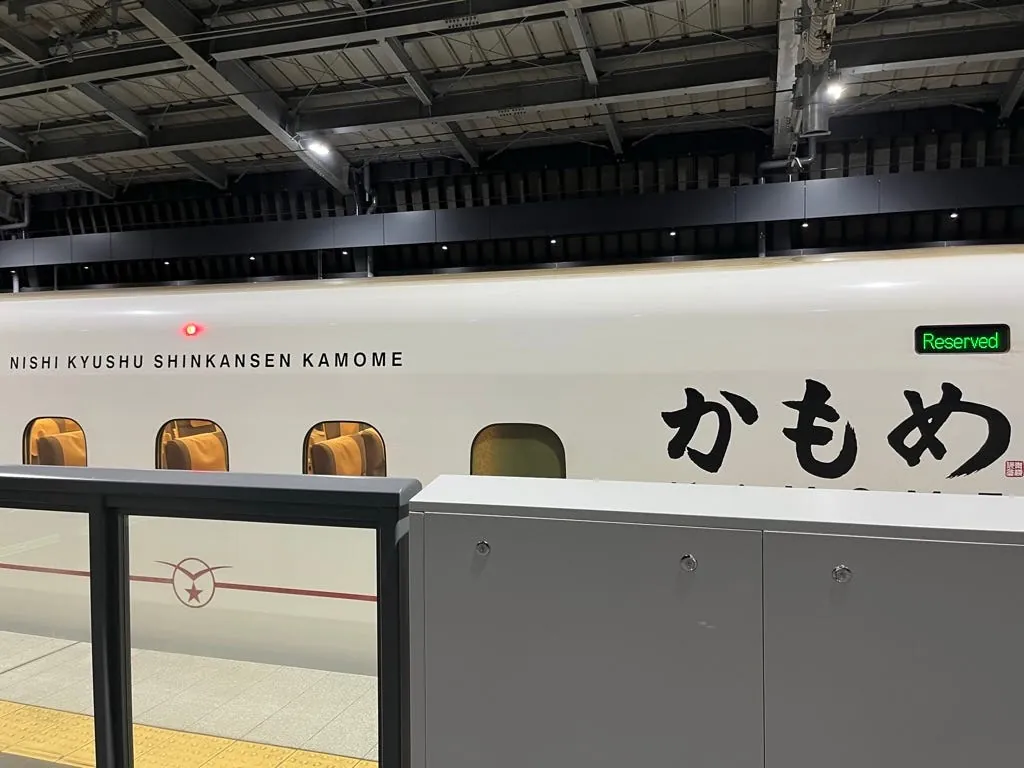
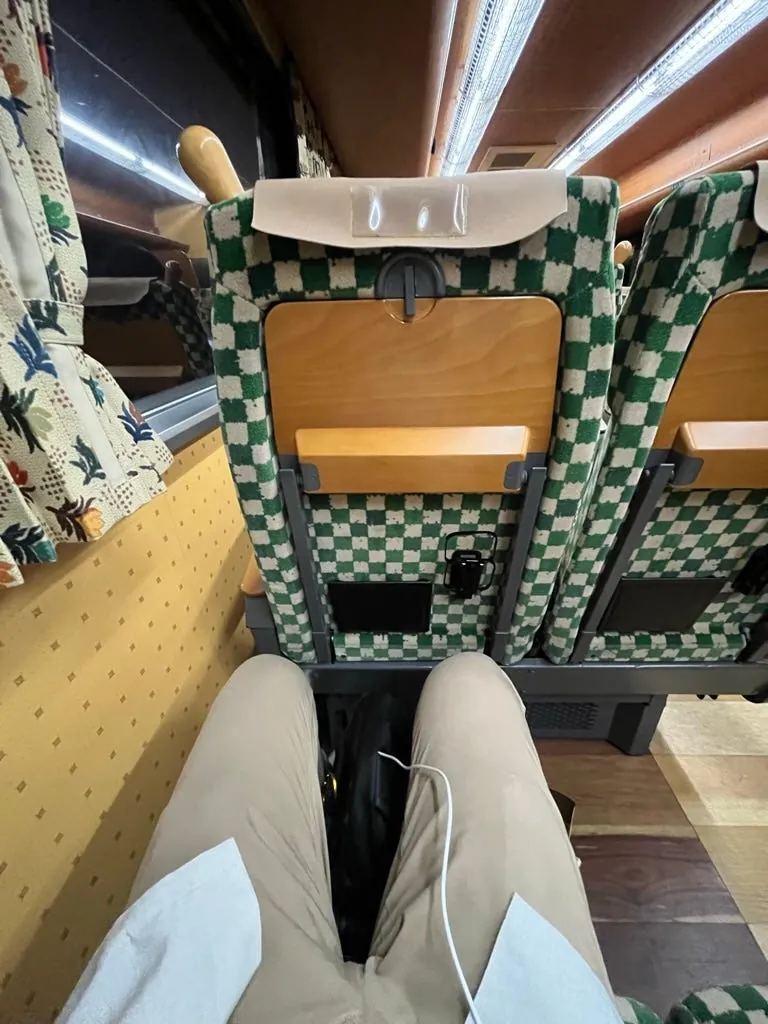
Encountered a delay again, this time with JR (signal failure); it was delayed nearly an hour before arriving at Hakata (already exhausted). The driver drove fast and it felt quite shaky.
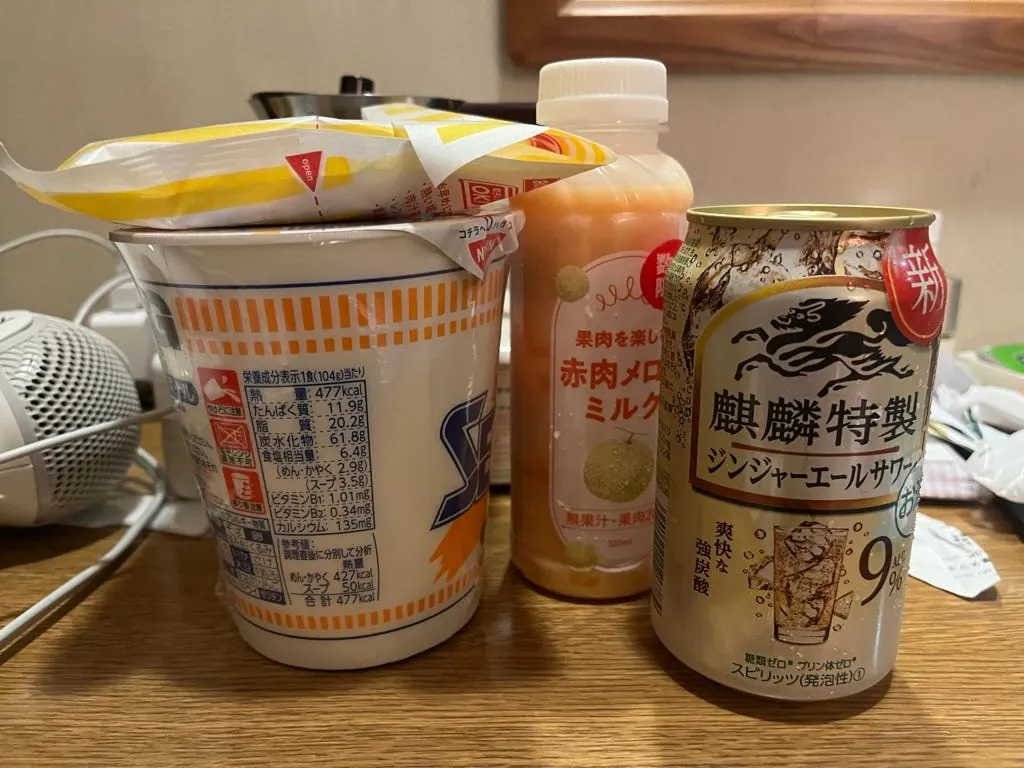
Bought a late-night snack and returned to the hotel to rest.
Day 2 Yanagawa and Dazaifu Day Trip + LalaPort Fukuoka
In the morning, first go to the Fukuoka (Tenjin) Tourist Center to buy a one-day pass ( available at Fukuoka Tenjin, Yakuin, or online ). You can calculate yourself if it’s cheaper.
KKday 【Kyushu Tickets】Dazaifu Yanagawa Tour Package (Pick up at Taoyuan Airport)
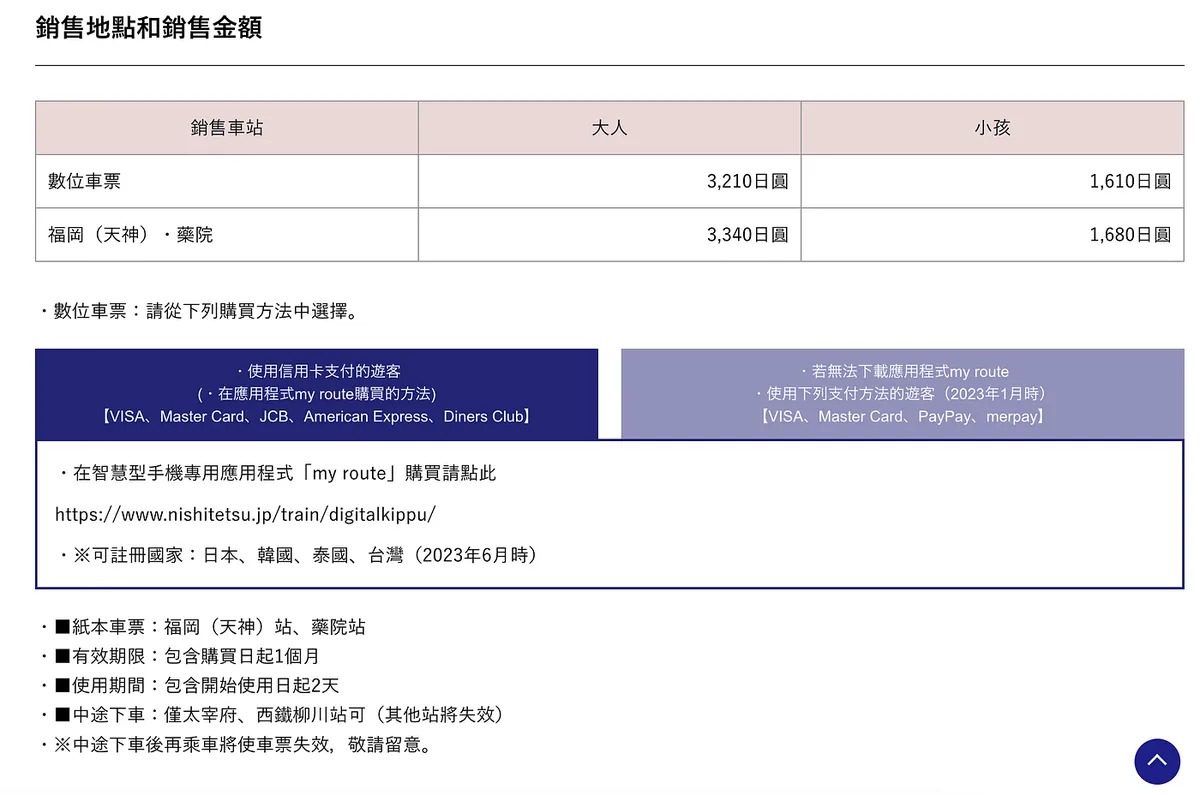
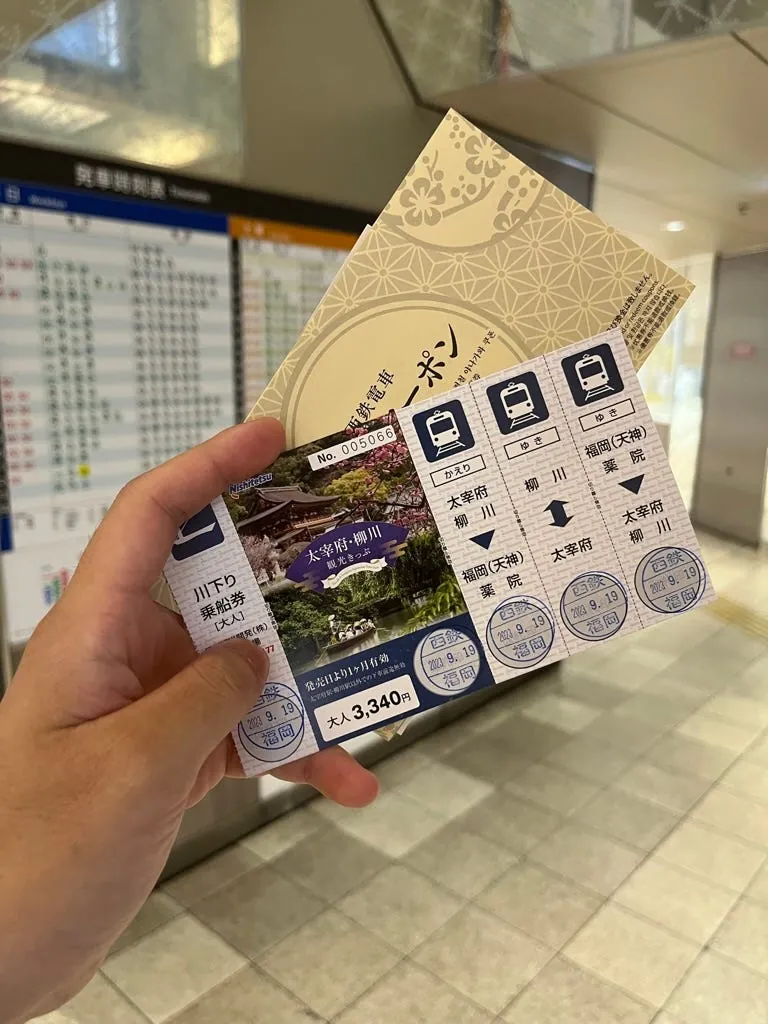
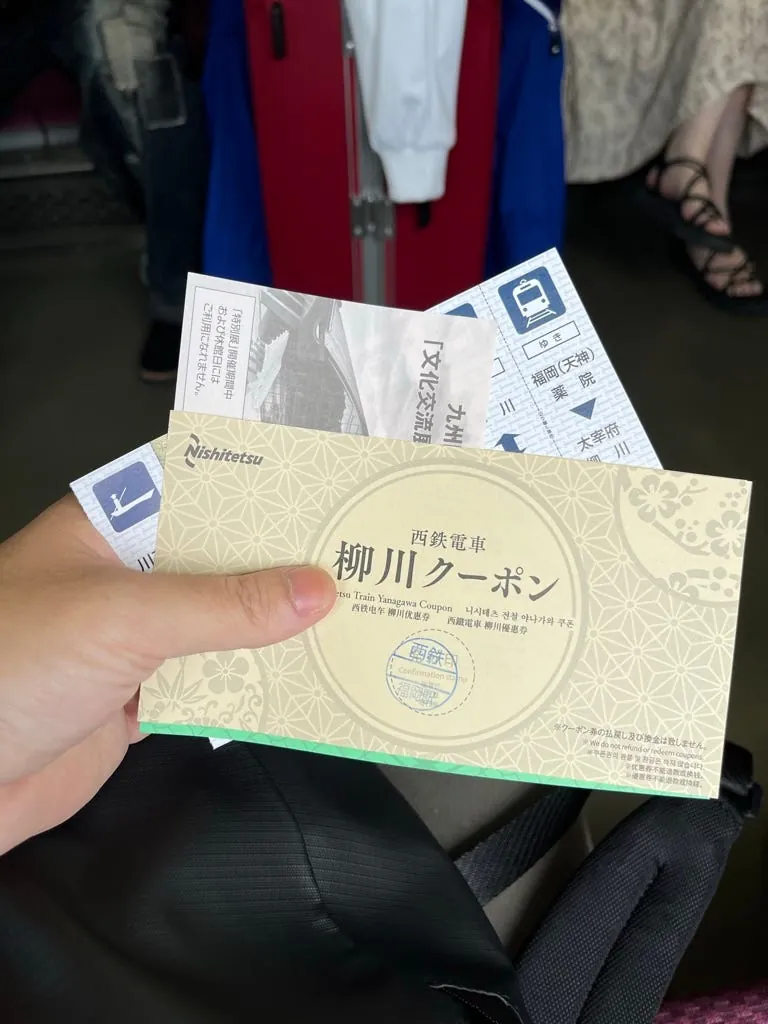
Additionally, two coupon books will be given, one from Dazaifu includes a voucher for a free Umegae-mochi.
The order is flexible, but the boat tour has a time limit and ends after 2 PM. So we followed this route: Fukuoka -> Yanagawa -> Dazaifu -> Fukuoka.
After buying the ticket, go to the manned window. Show the ticket to the staff, and you can enter the station and board the train directly (no seat reservation needed) to Yanagawa.
Travel time: about 1 hour 10 minutes
Yanagawa Boat Tour
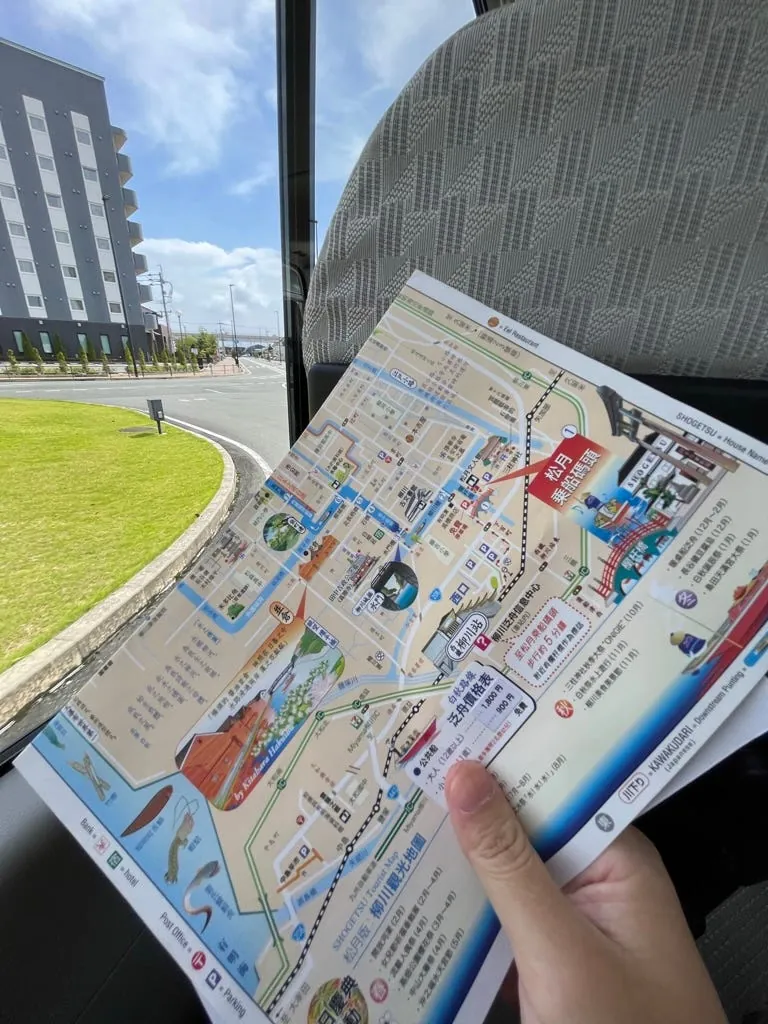
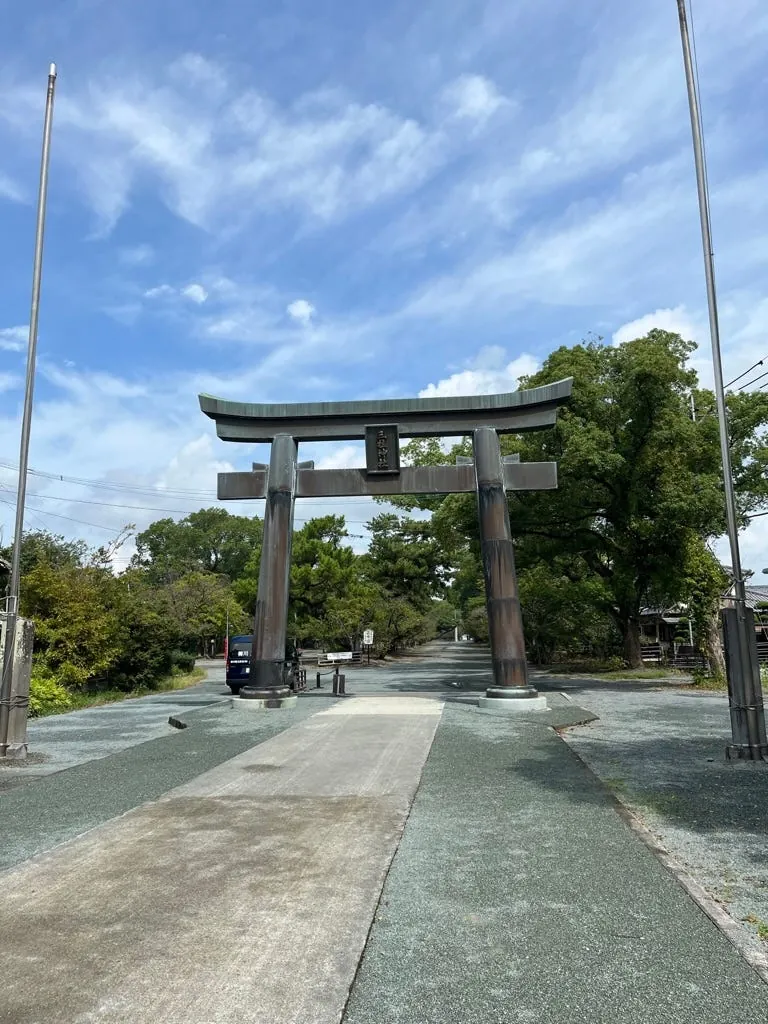
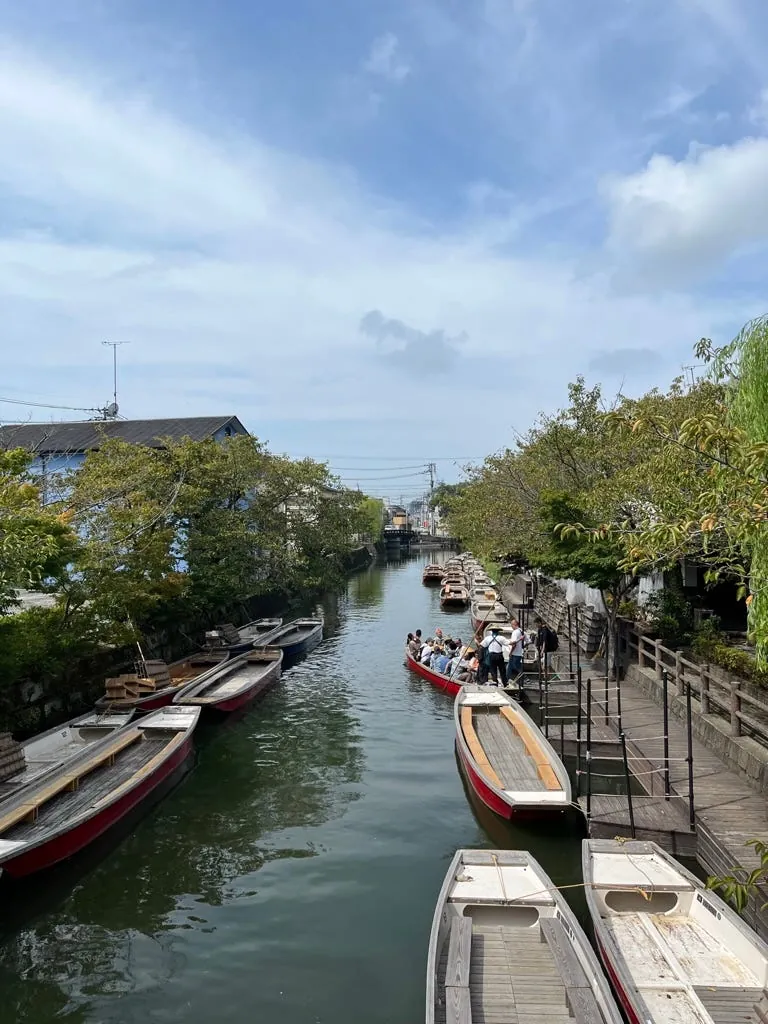
After exiting the station, you will see staff wearing white vests (if not, there is a service center nearby where you can ask). They will give you a map, return route, and timetable, and directly guide you to the shuttle bus to the ferry terminal.
Exit also uses manual ticket inspection; the staff will tear off the ticket from Fukuoka to Yanagawa Station.
I originally thought I could walk the route, but as soon as I exited the station, staff were there to guide me attentively, so I decided to take the bus.
While waiting for the next boat at the boarding area, I happened to meet a Taiwanese family traveling ahead. We grouped together and chatted along the way (since I was traveling alone and don’t speak Japanese XD, I hardly talked to anyone during my Kyushu trip).
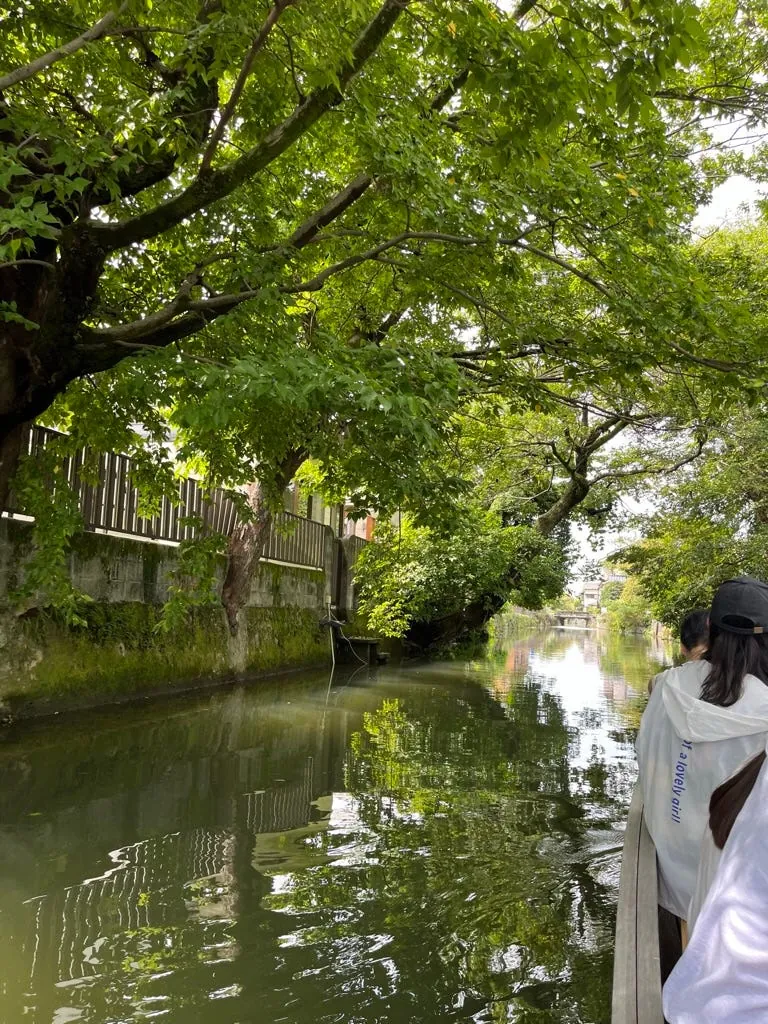
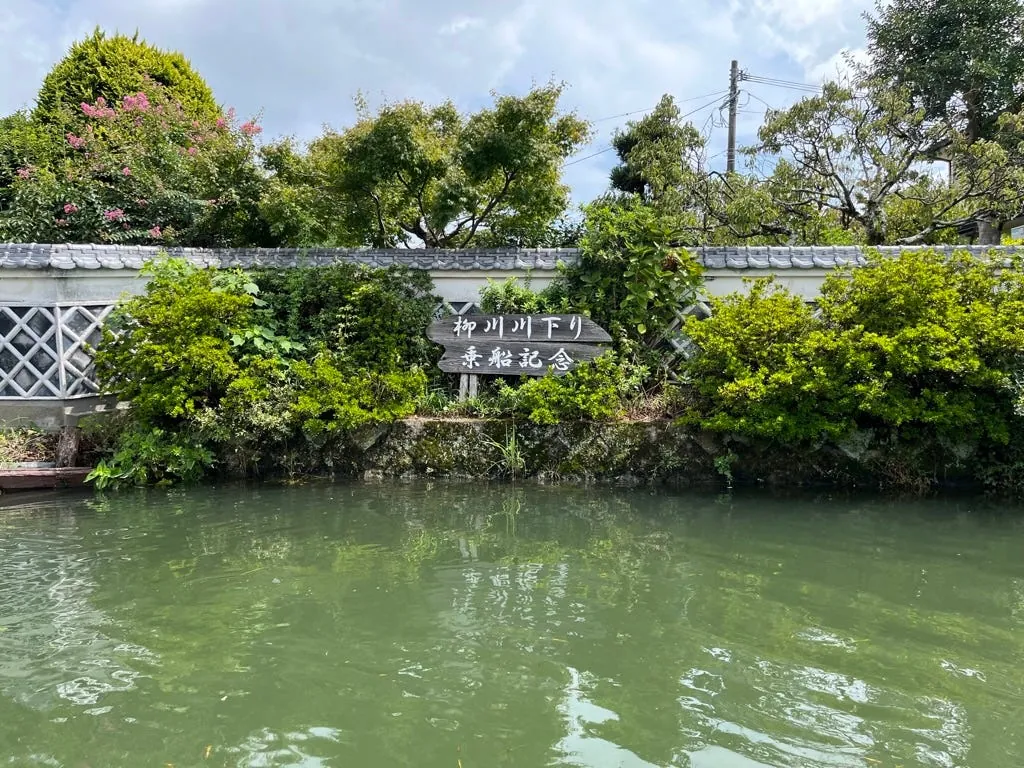
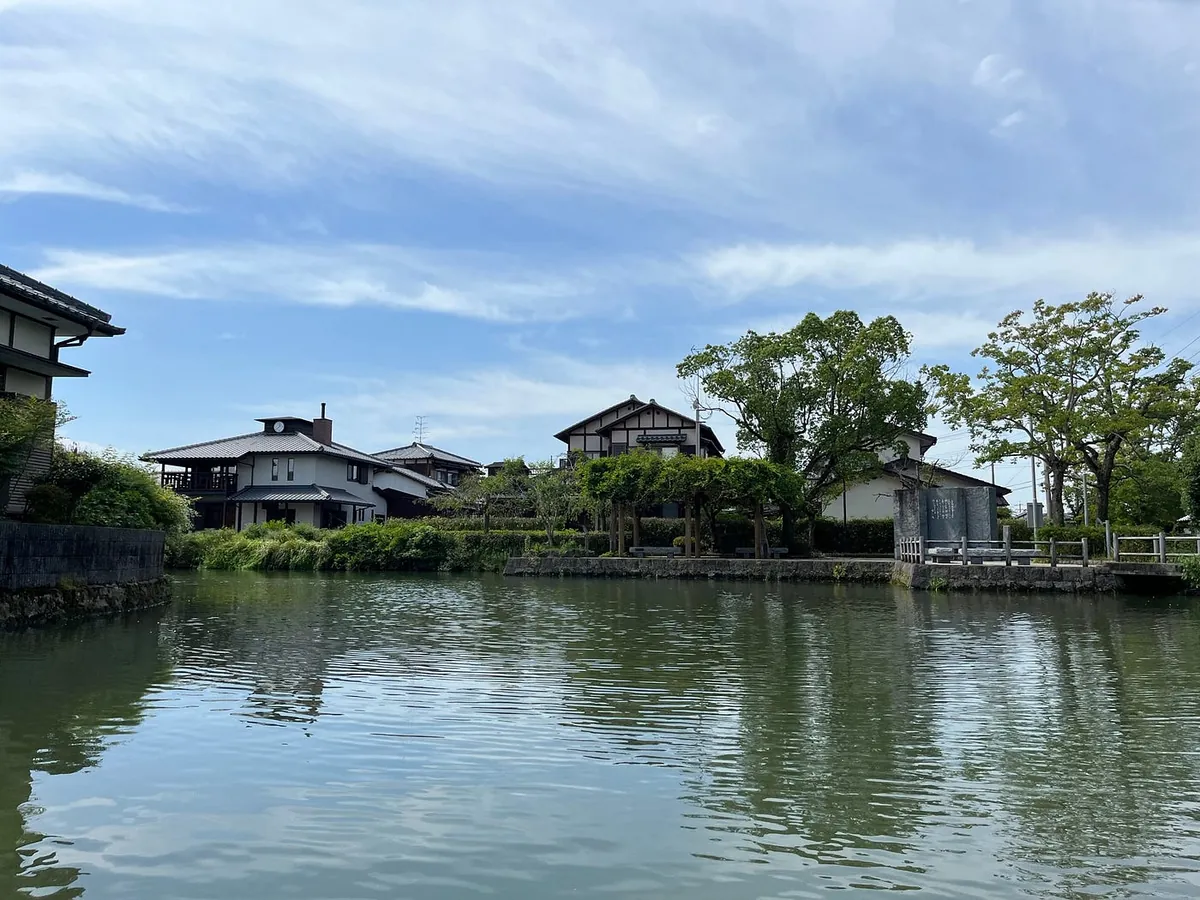
The water is very clean. The greenery is less vibrant this season, but there are fewer people around.
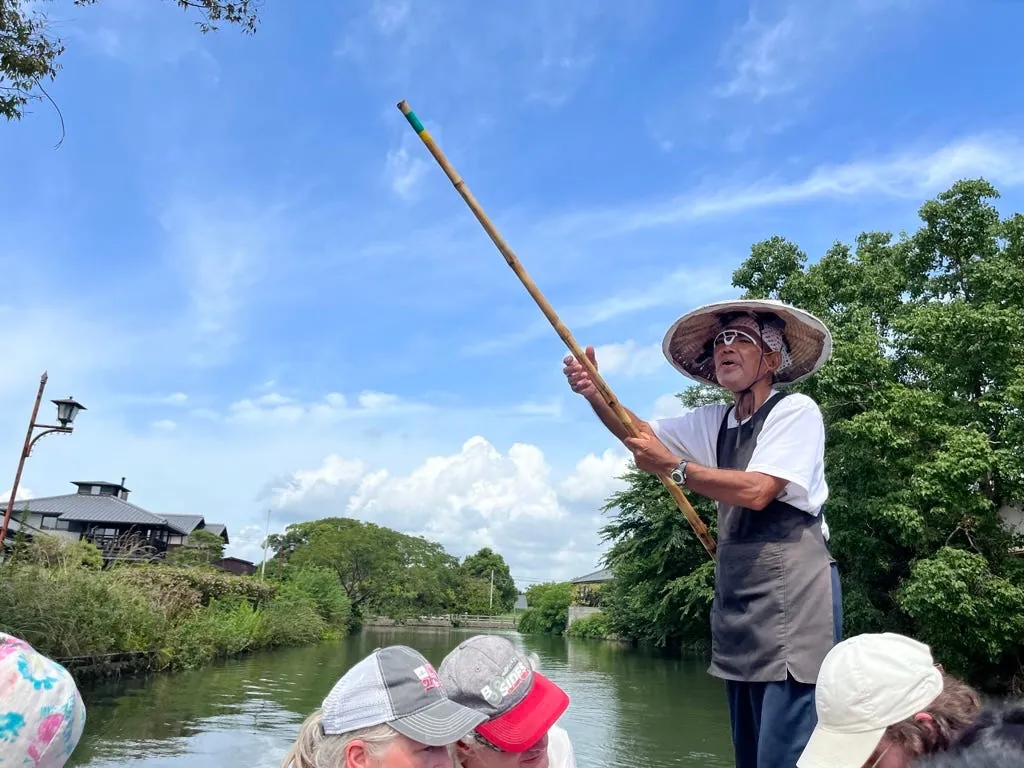
The boatman will introduce the passing sights along the way and sing songs (most Taiwanese people have heard them, many old songs).
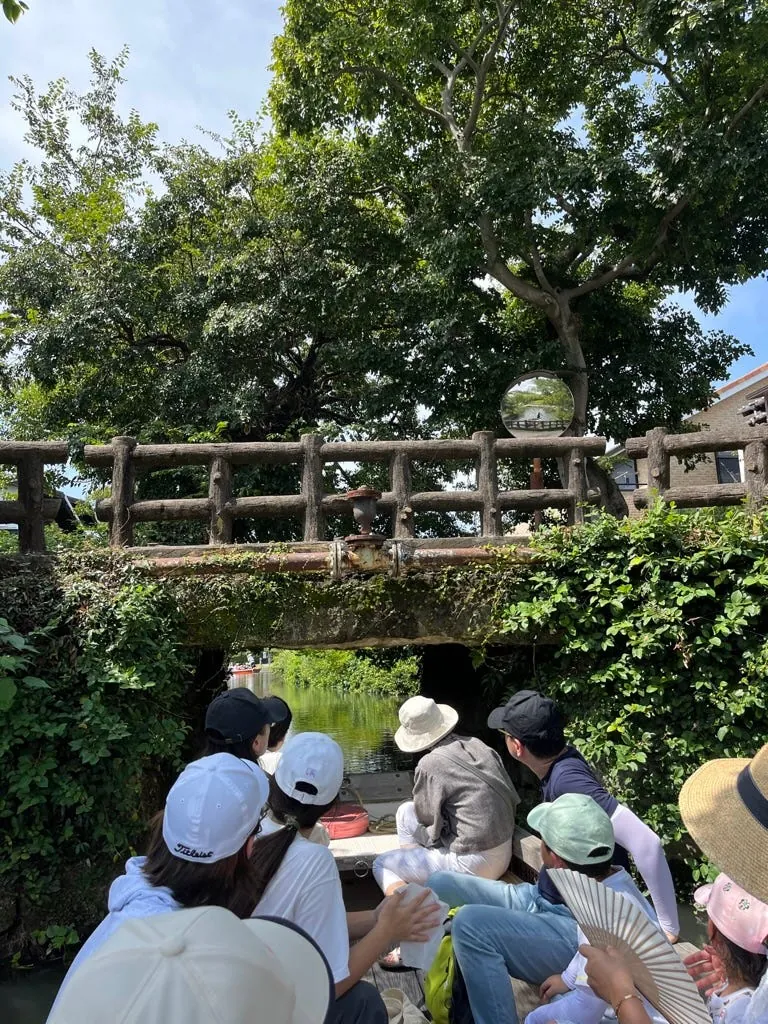
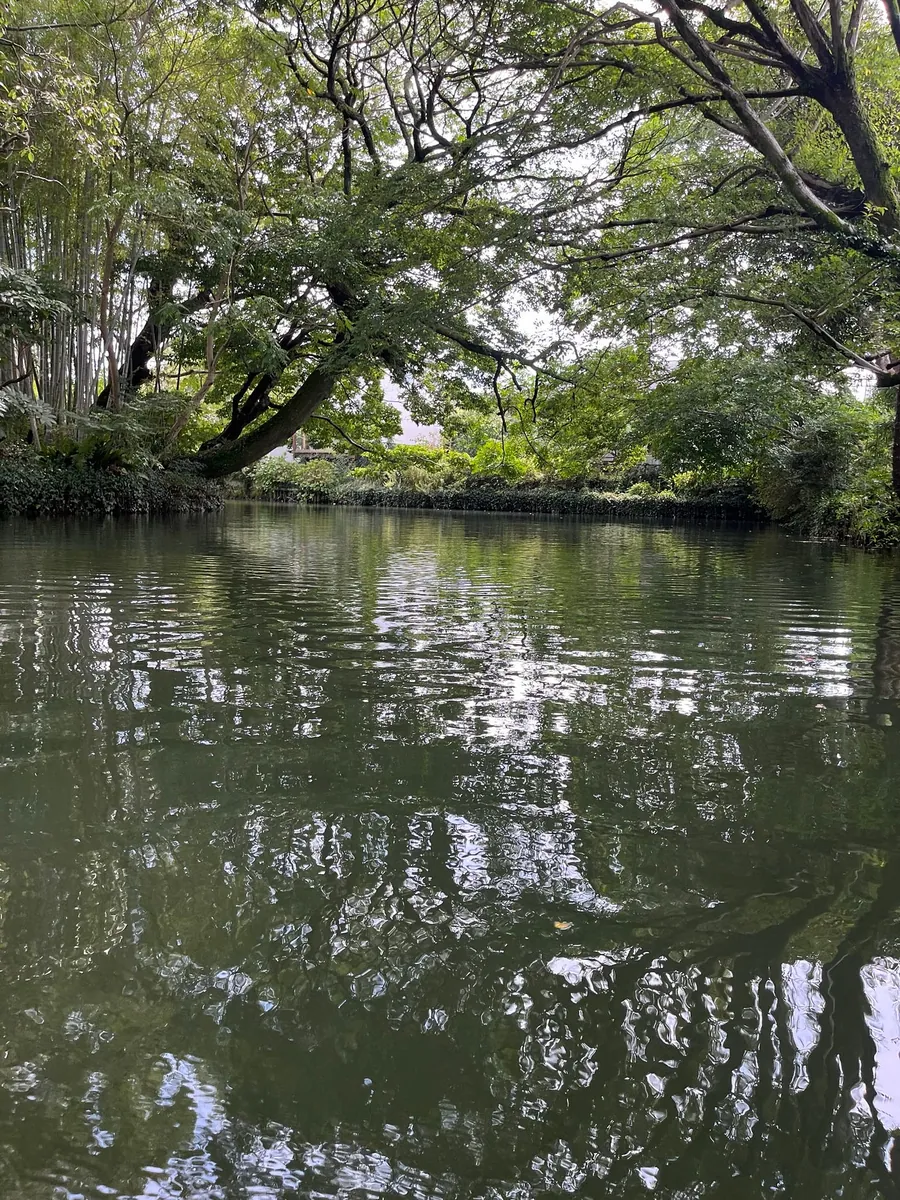
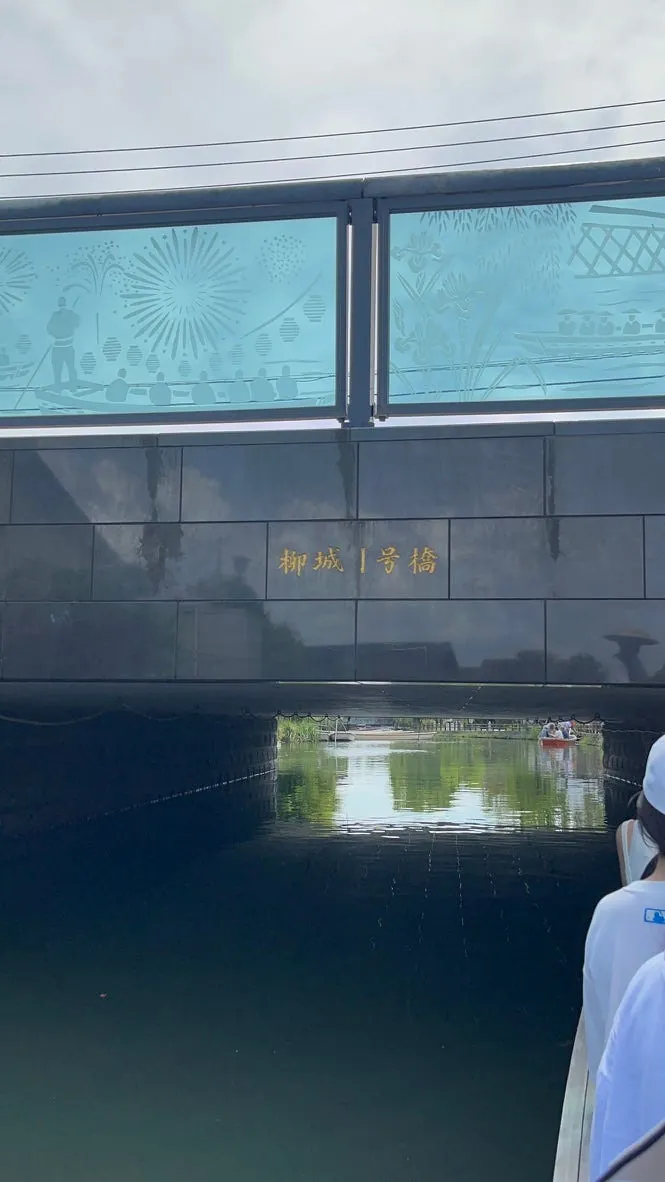
When crossing the bridge, the boatman asks everyone to lower their heads to avoid hitting anything, which is quite interesting; there is little shade along the way, so it can get a bit sunny.
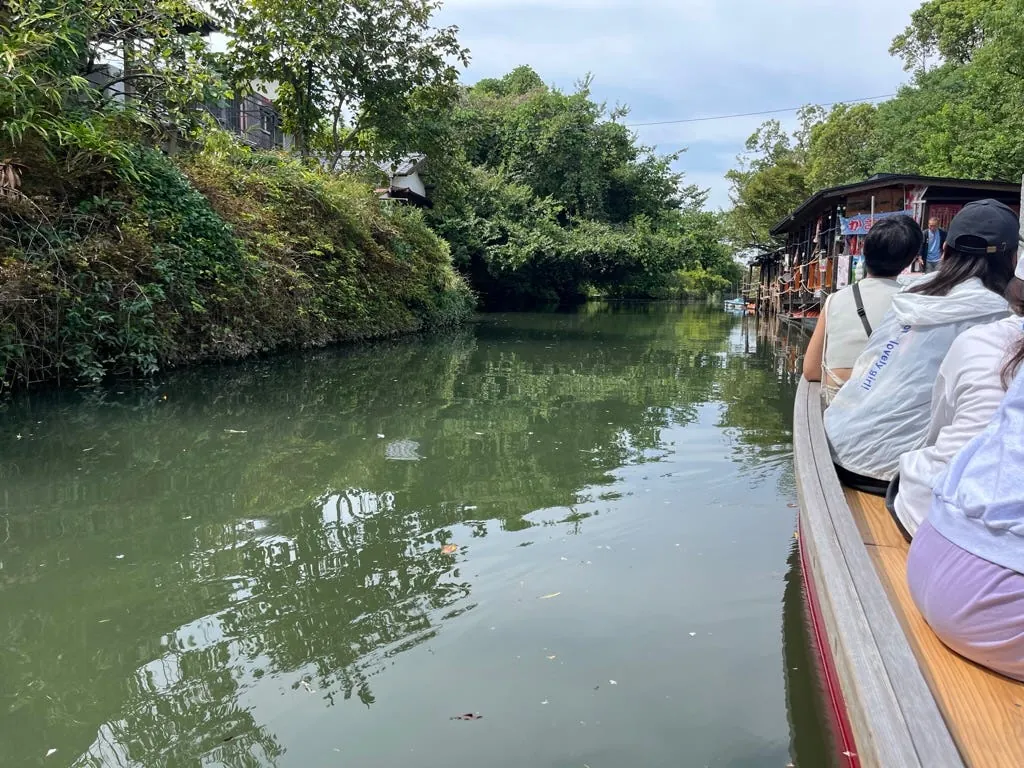
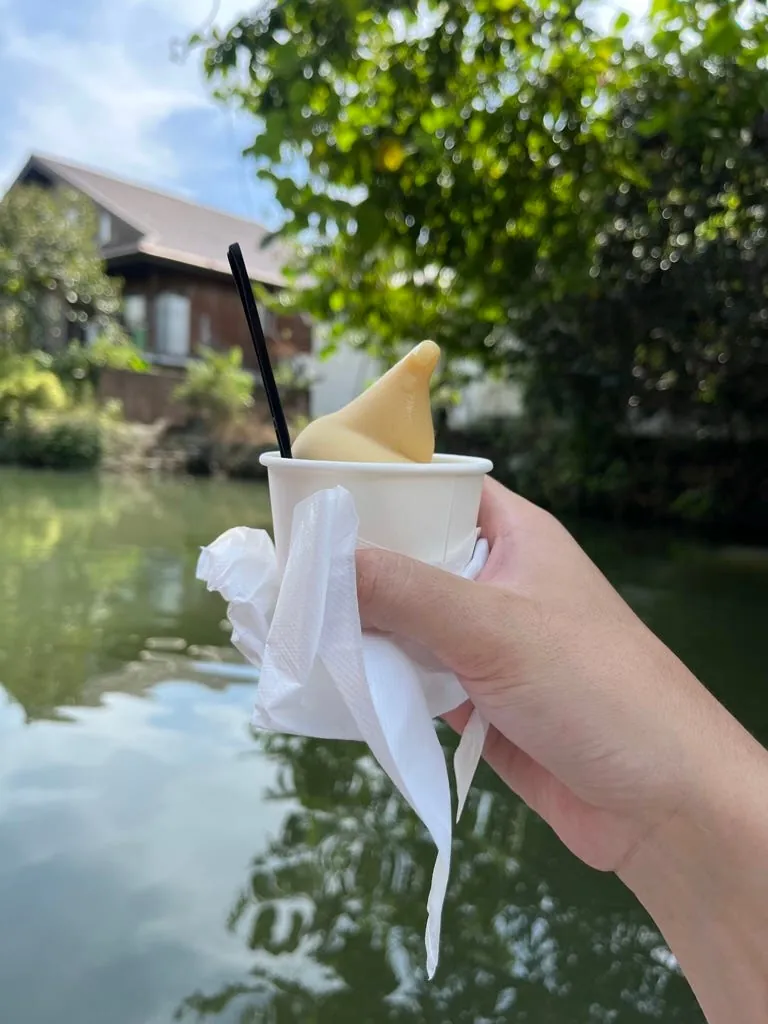
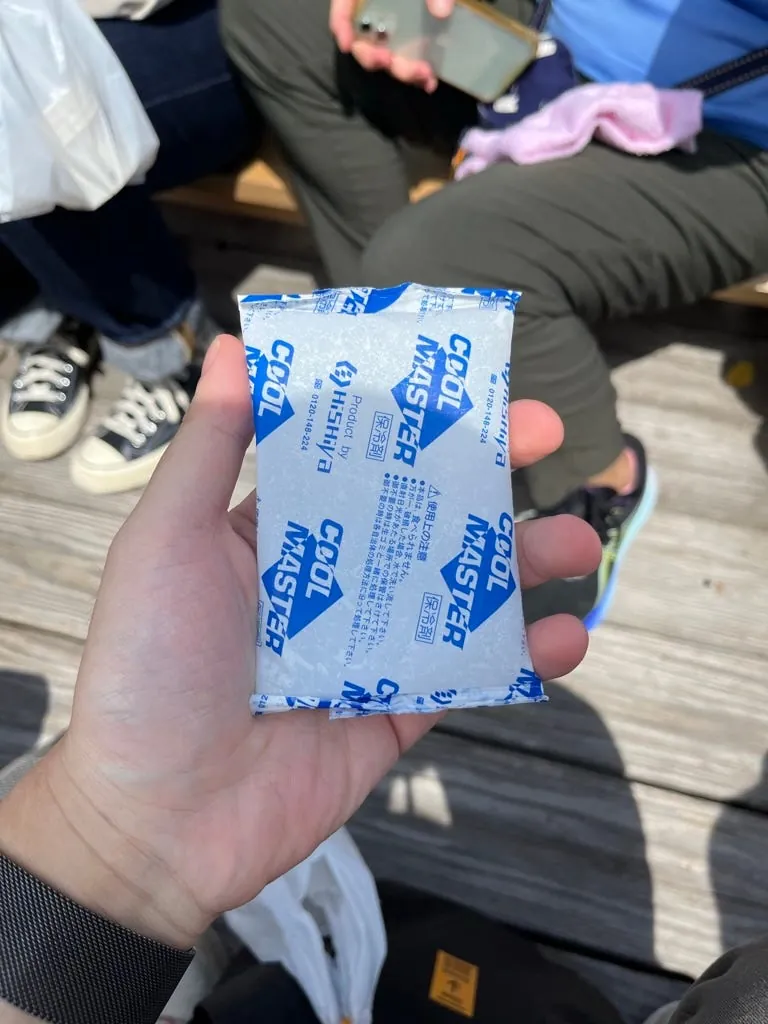
Along the way, there is an ice shop selling fruit ice, where you can buy one to cool down; the boatman also gives each person an ice pack to help cool off (very thoughtful).
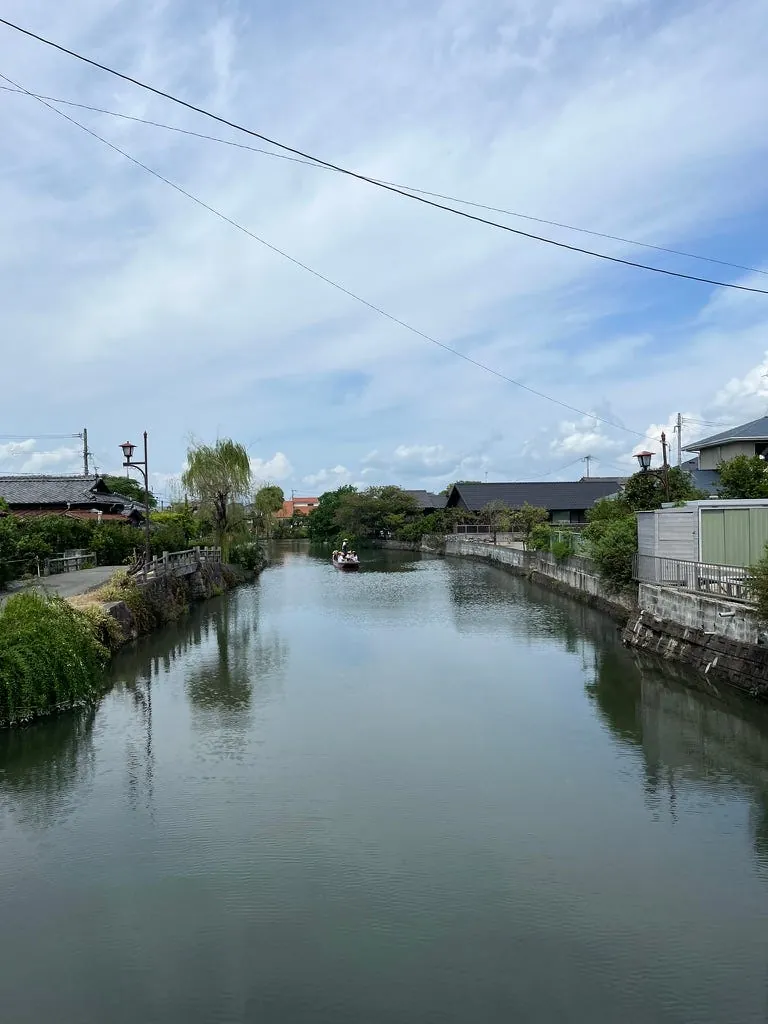
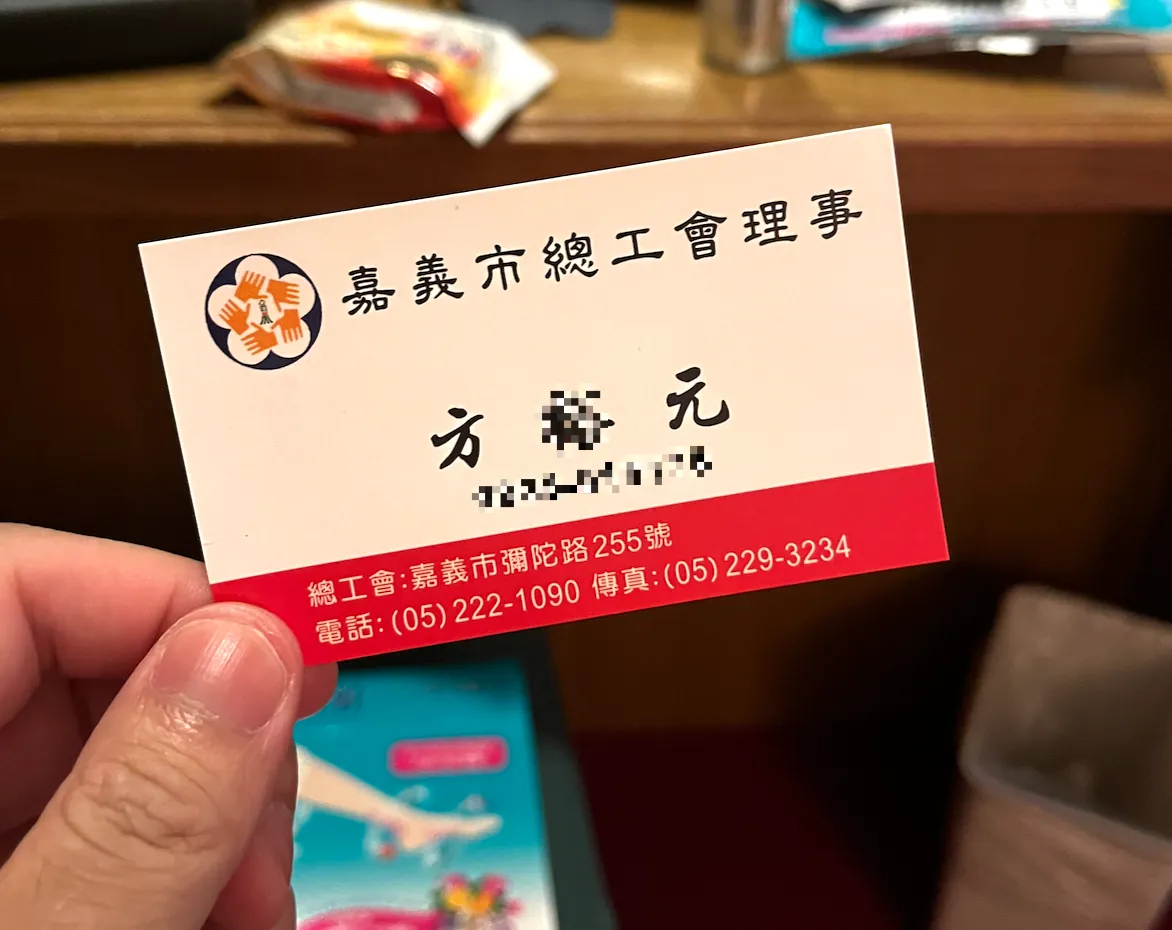
I chatted along the way with the dad from the Taiwanese family traveling together ahead of me, and in the end, I even got one of his business cards.
After getting off the ship, I couldn’t find the free shuttle bus spot and mistakenly lined up for a different (non-Nishitetsu pass) shuttle, so I was denied boarding. It’s better to study the map’s boarding point (Kawaryu Funaba (Okinobata)) or just ask directly for faster guidance.
I later walked to take the bus back to Nishitetsu Yanagawa Station.
Dazaifu
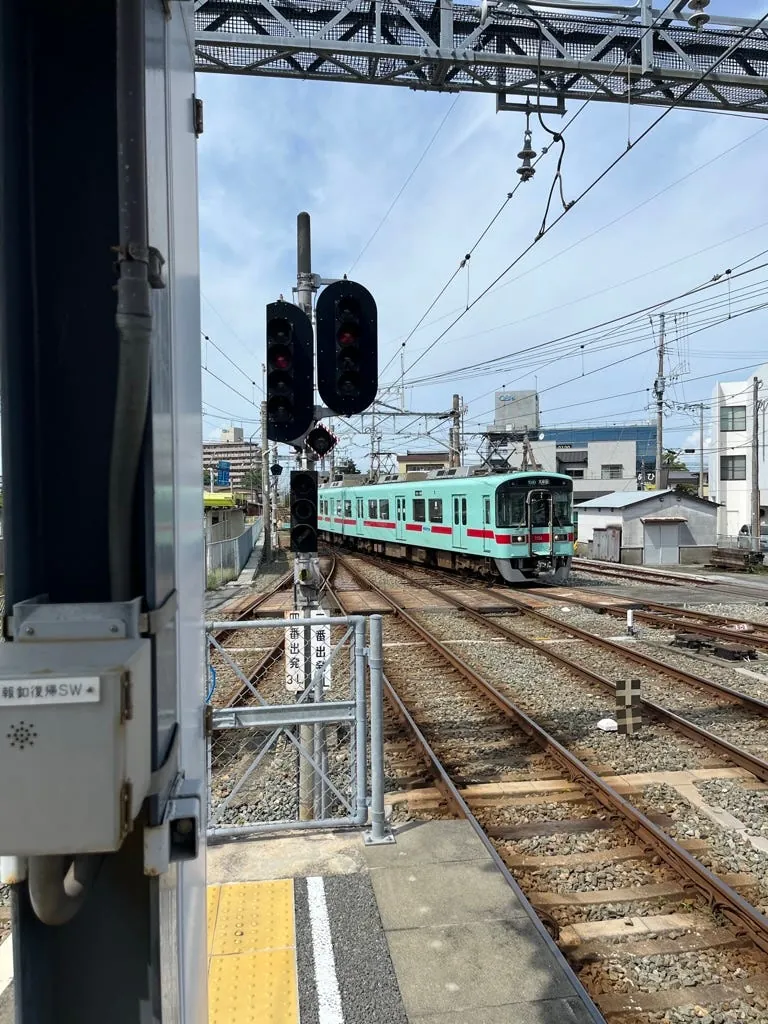
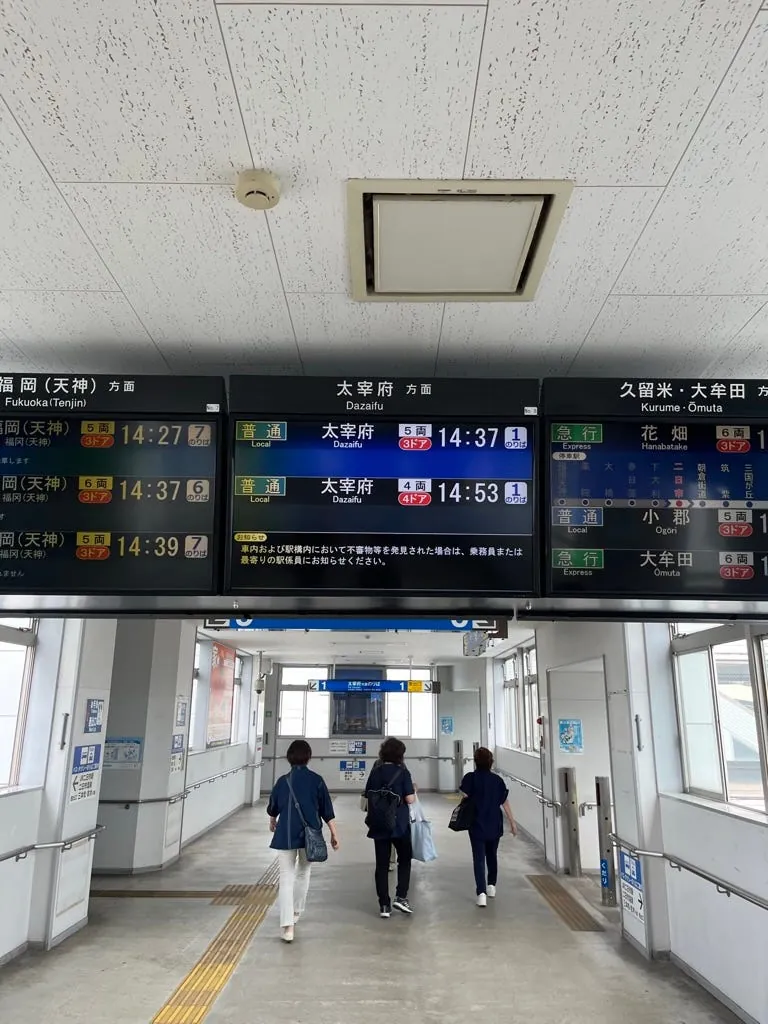
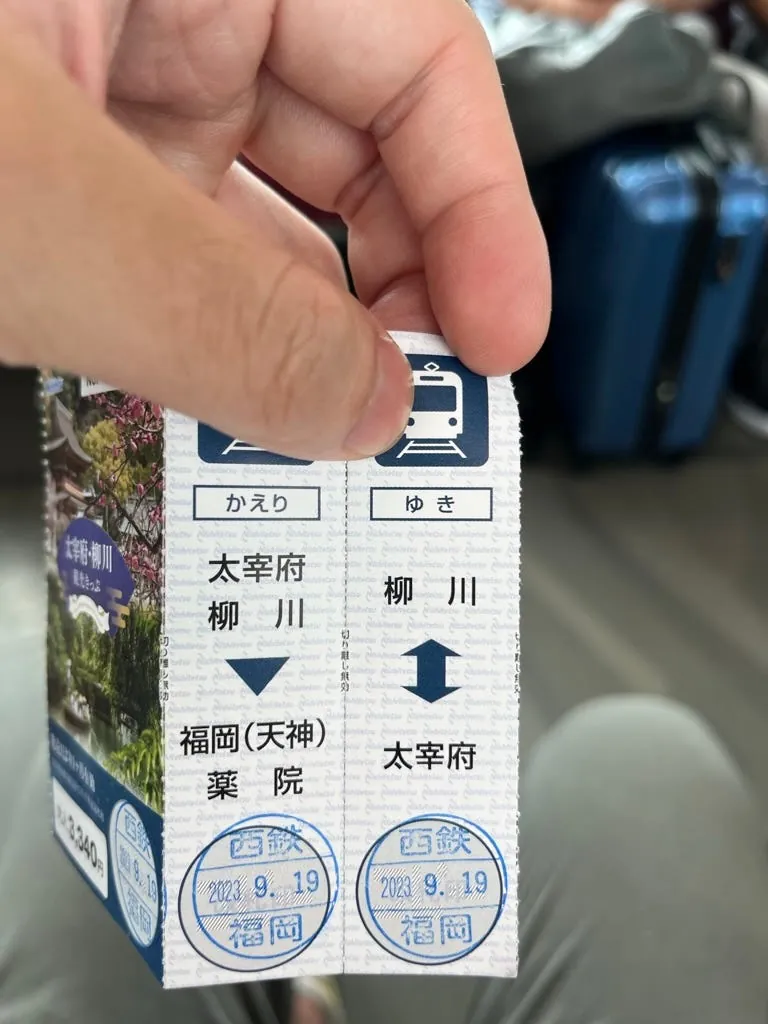
To travel from Yanagawa to Dazaifu, you need to transfer at Nishitetsu Futsukaichi Station to the train bound for Dazaifu (you must go to a different platform).
Travel time: about 1 hour
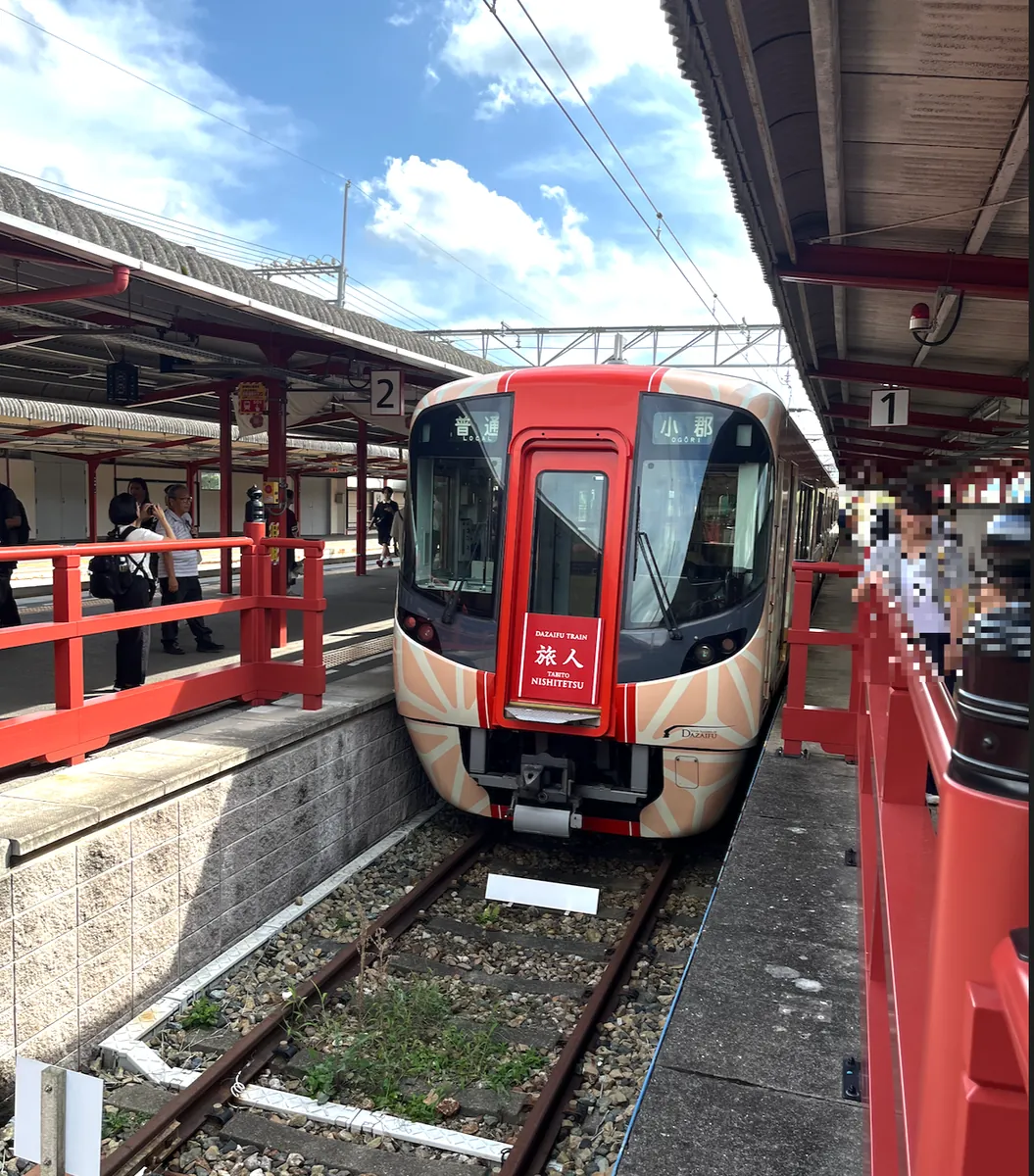
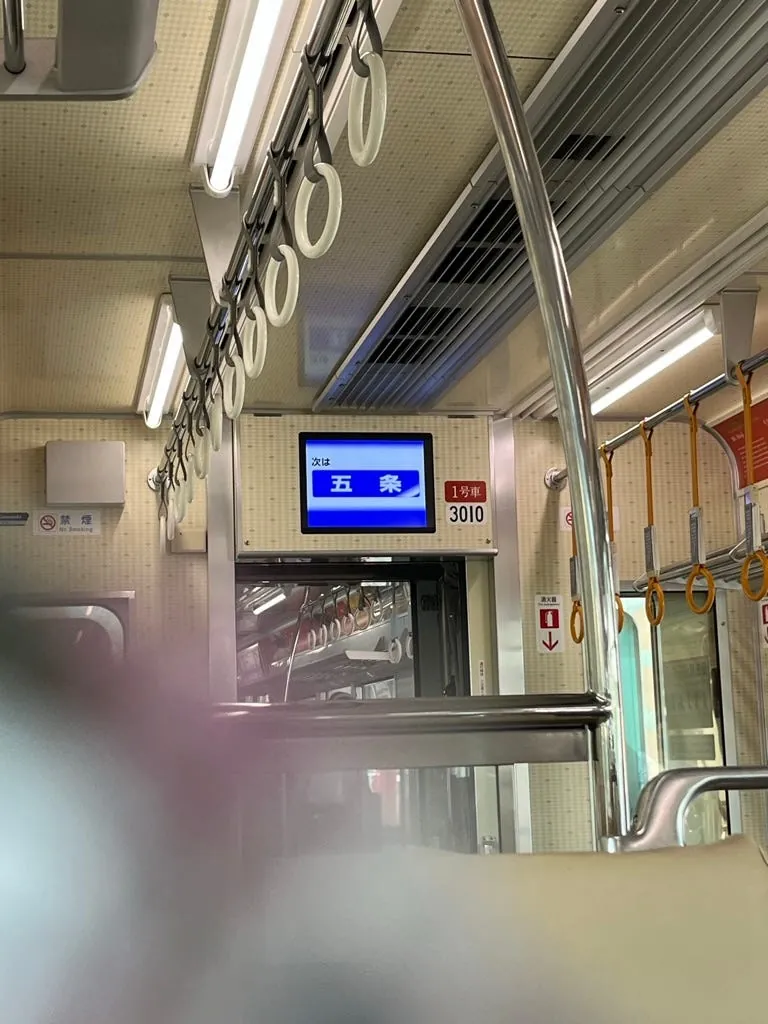
Take the Traveler Train to Dazaifu, passing through Gojo (2.5 stops, tough QQ); it’s somewhat like the route from Beitou to Xinbeitou, with just one train running back and forth.
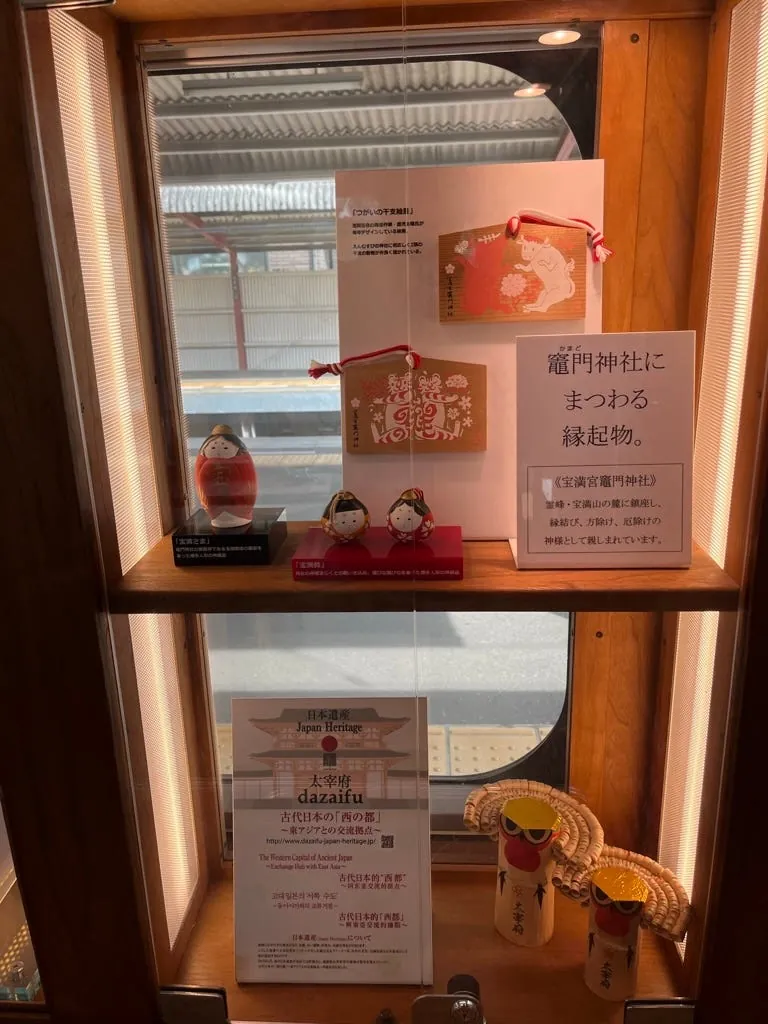
There is a train car displaying Dazaifu artifacts and a place to write postcards. You can check it out.
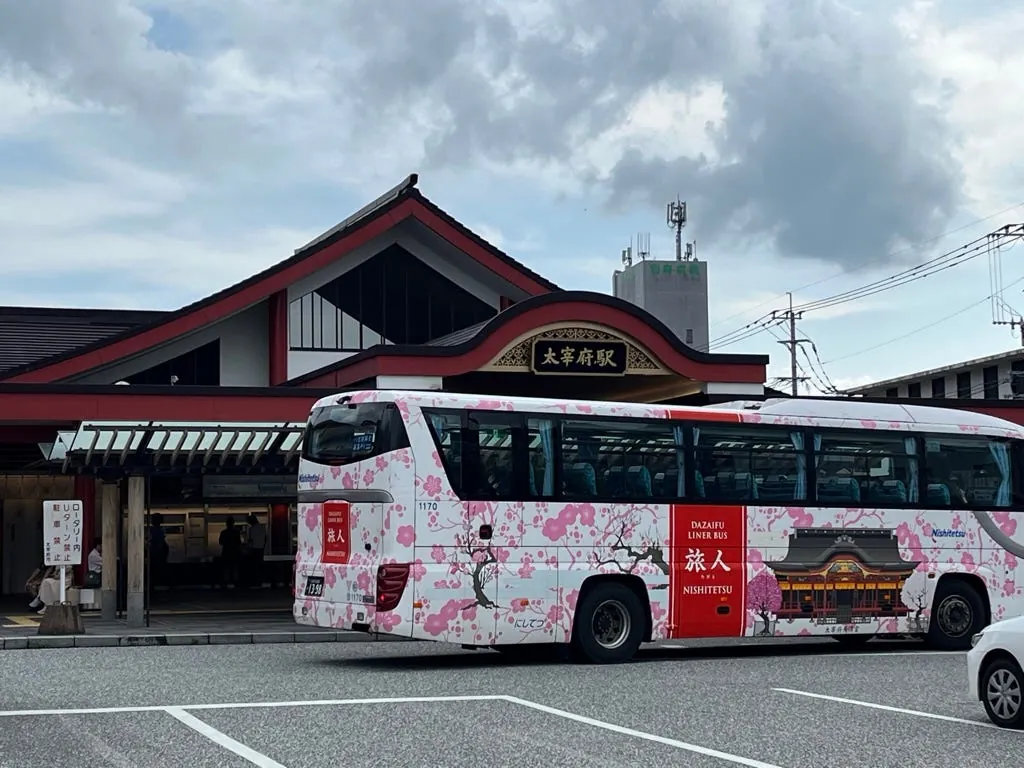
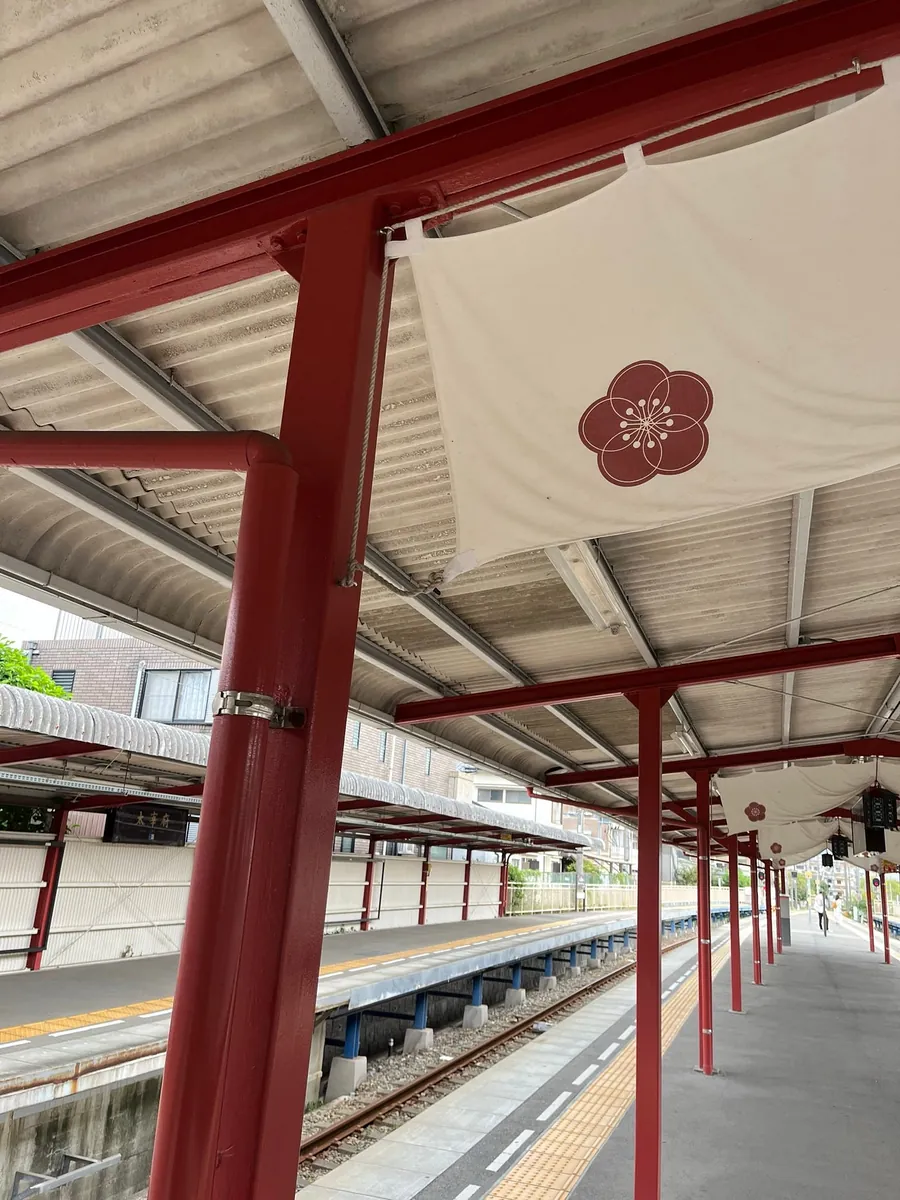
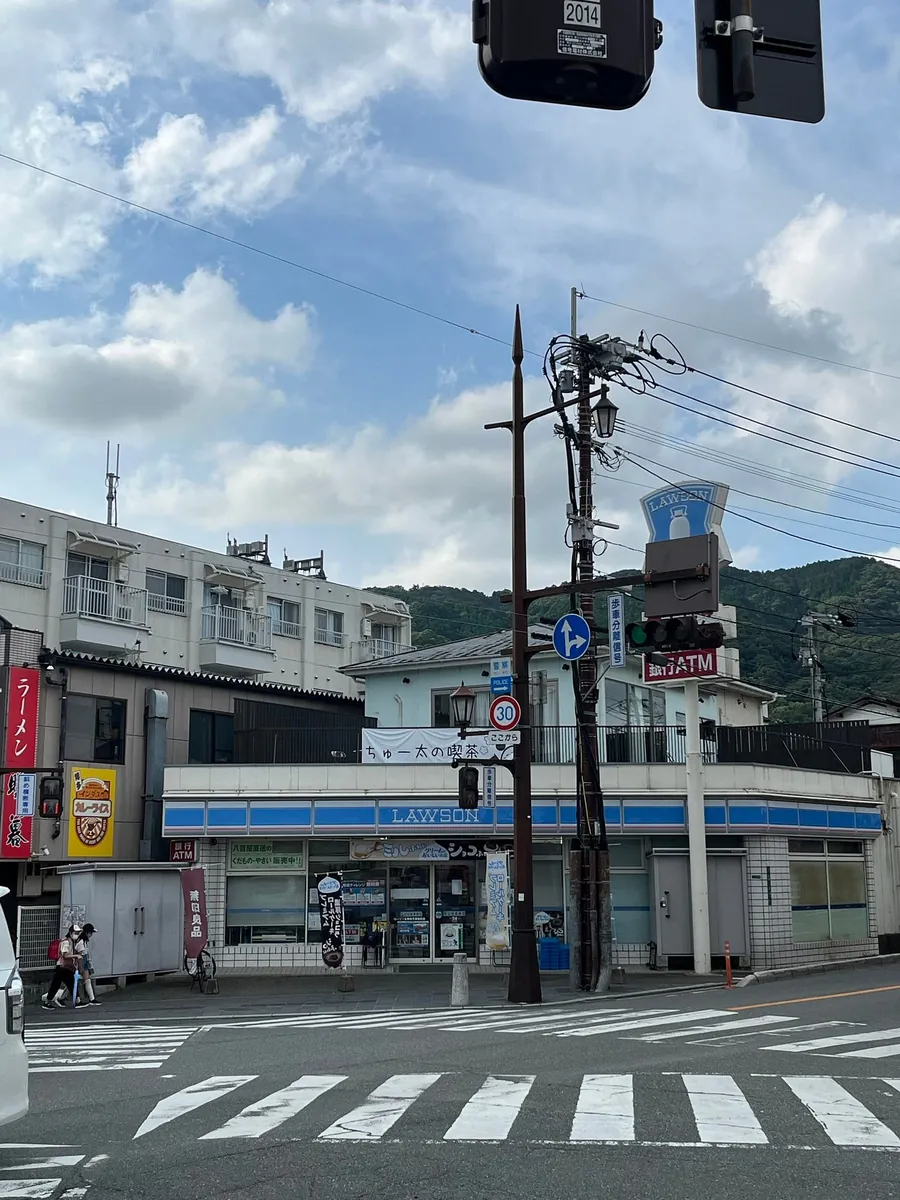
Dazaifu Station is also very beautiful, and the Lawson outside has a strong Japanese vibe.
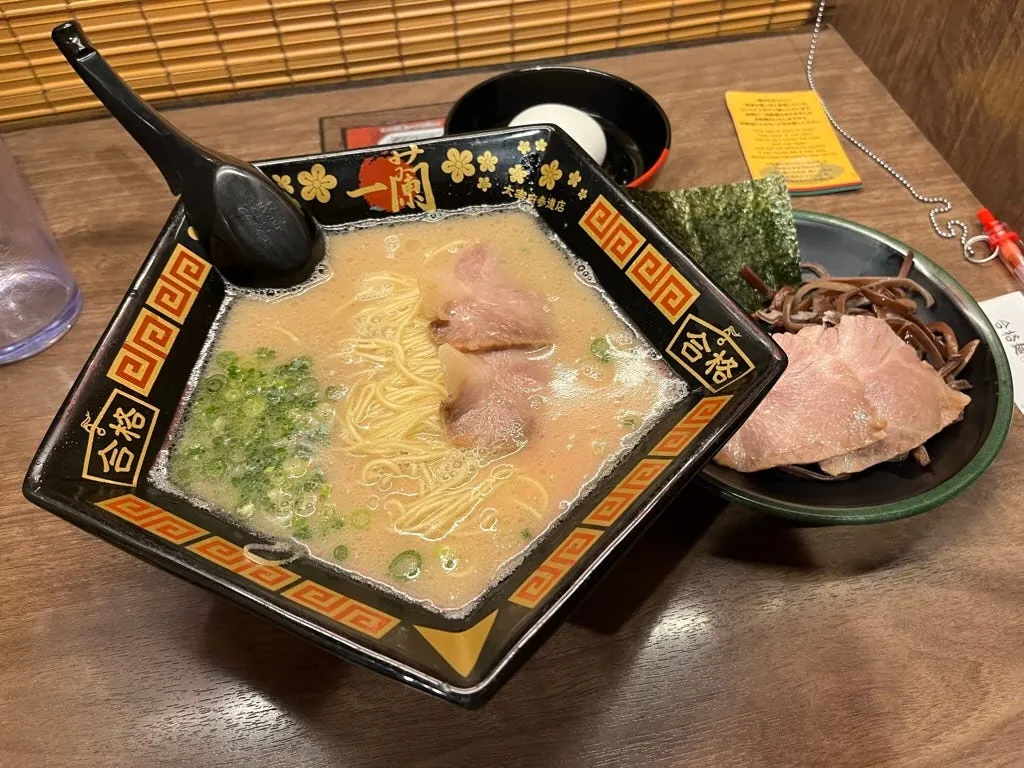
Exit the station and on the right is the world’s only pentagon-shaped (Japanese 合格) bowl Ichiran Ramen.
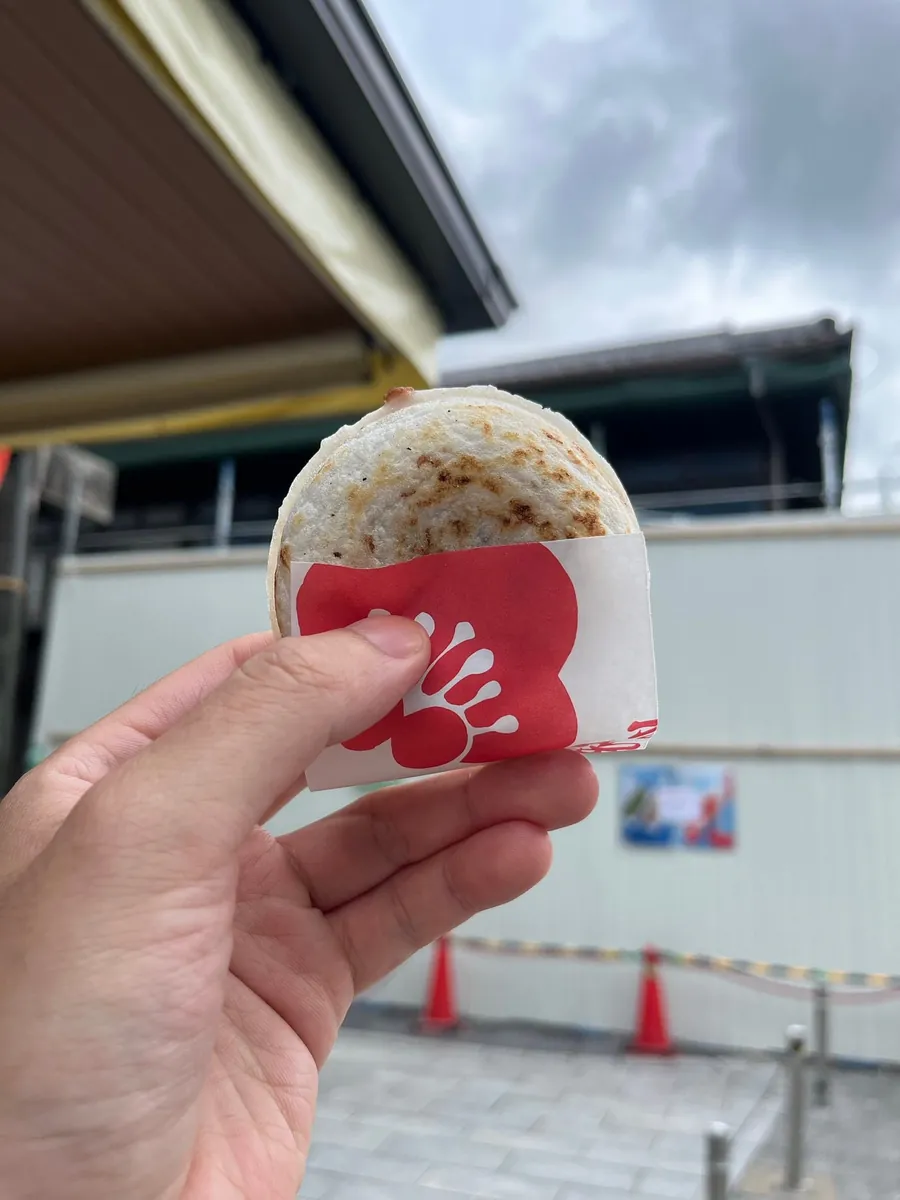
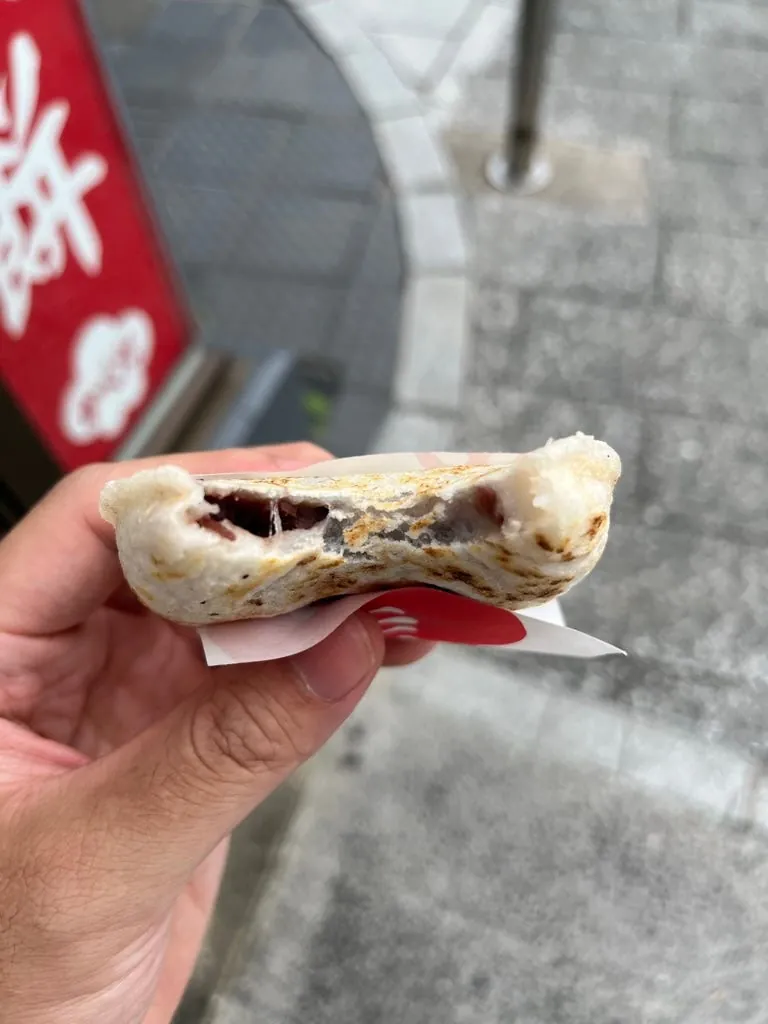
After eating ramen, I had a umebai (plum rice cake). It’s not really related to plums, more like a red bean grilled mochi. You need to eat it fresh for the crispy skin. Delicious!
I forgot to use the exchange voucher that came with the Nishitetsu pass, so I paid 150 yen to buy one myself; since the validity is only one day, I couldn’t bring it back to Taiwan.
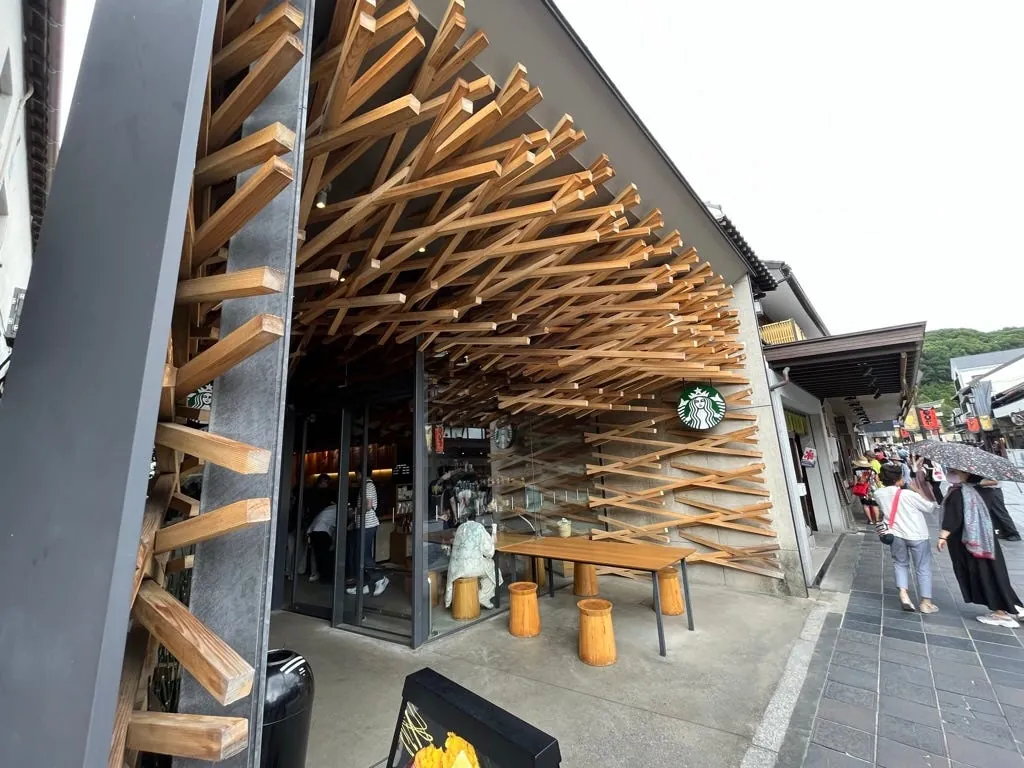
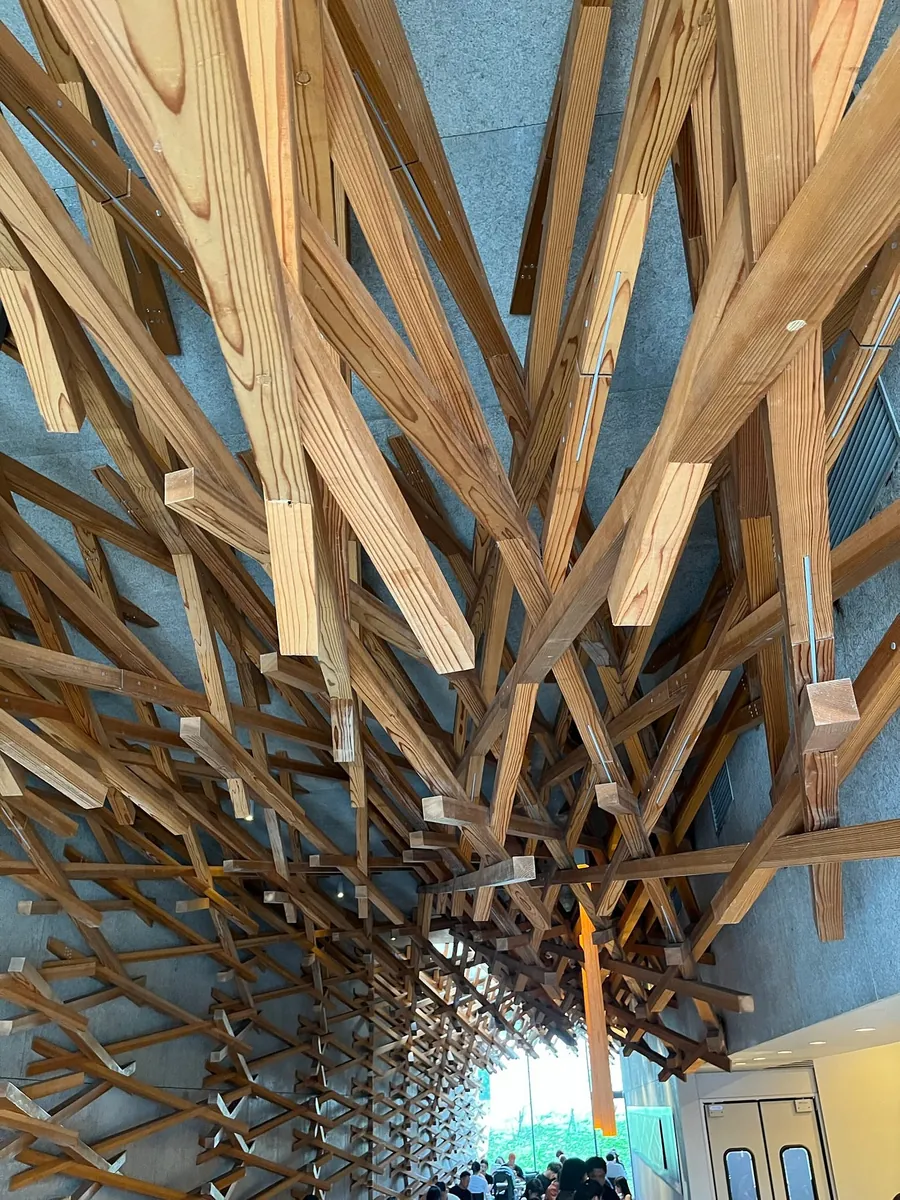
Continuing along Omotesando towards Dazaifu, you will pass one of Japan’s most beautiful Starbucks. The space is quite large but also crowded, so I left without stopping.
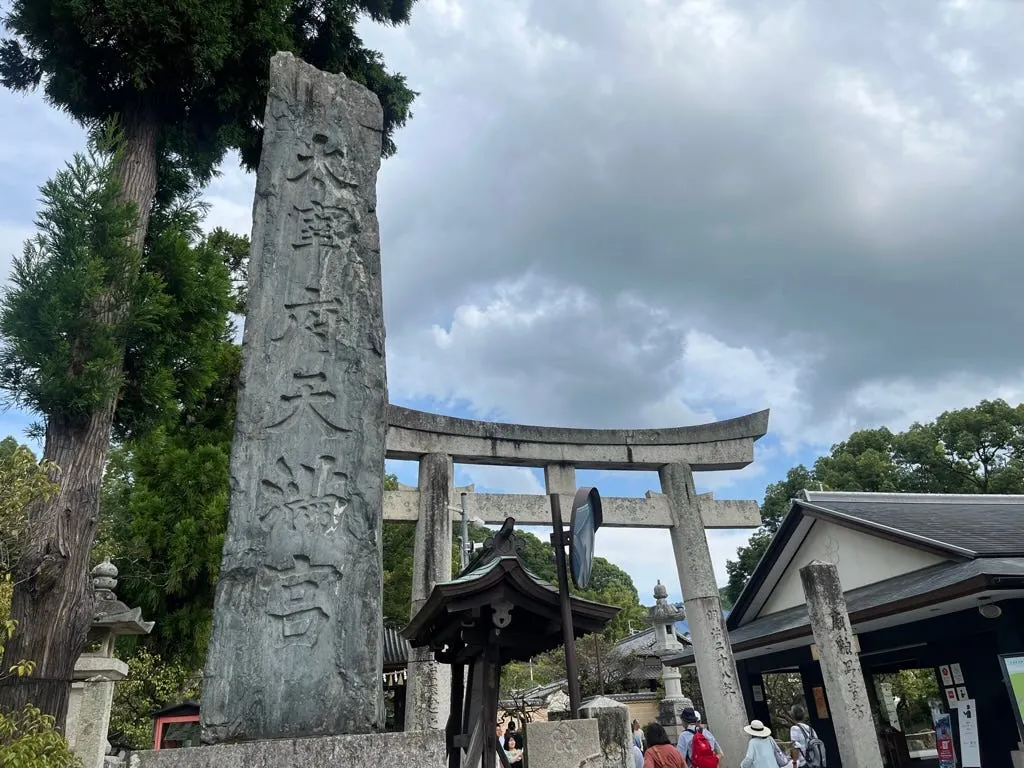
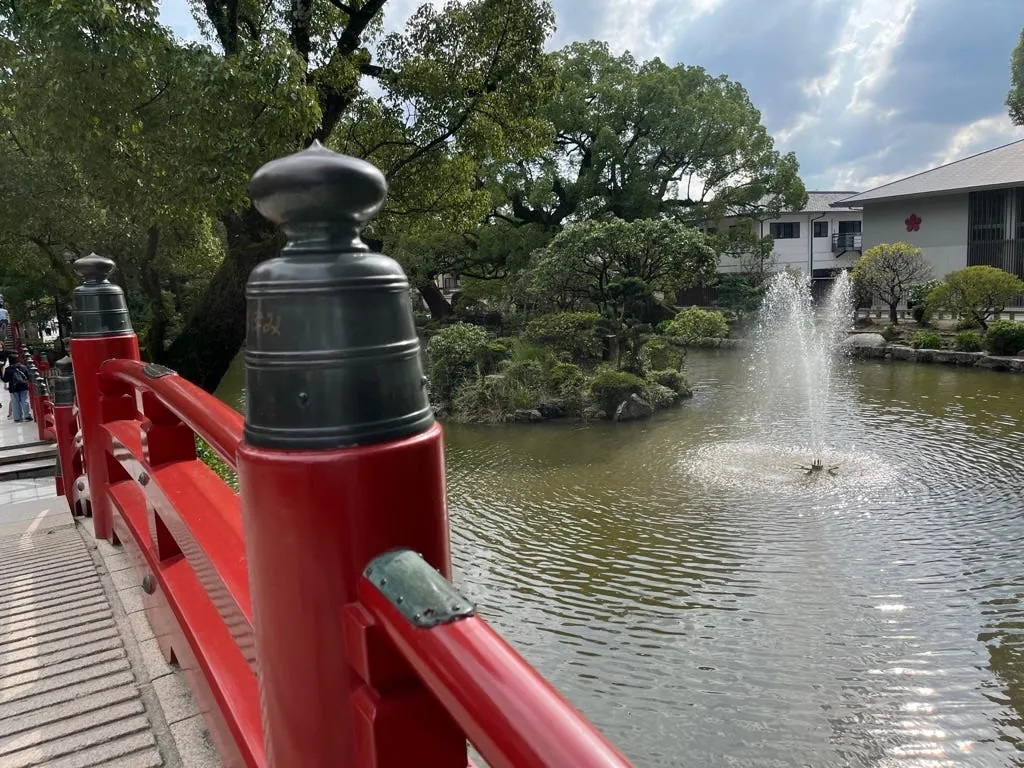
The bridge leading to the shrine is great for photos at night with few people around. When there are too many people, shots tend to be random.
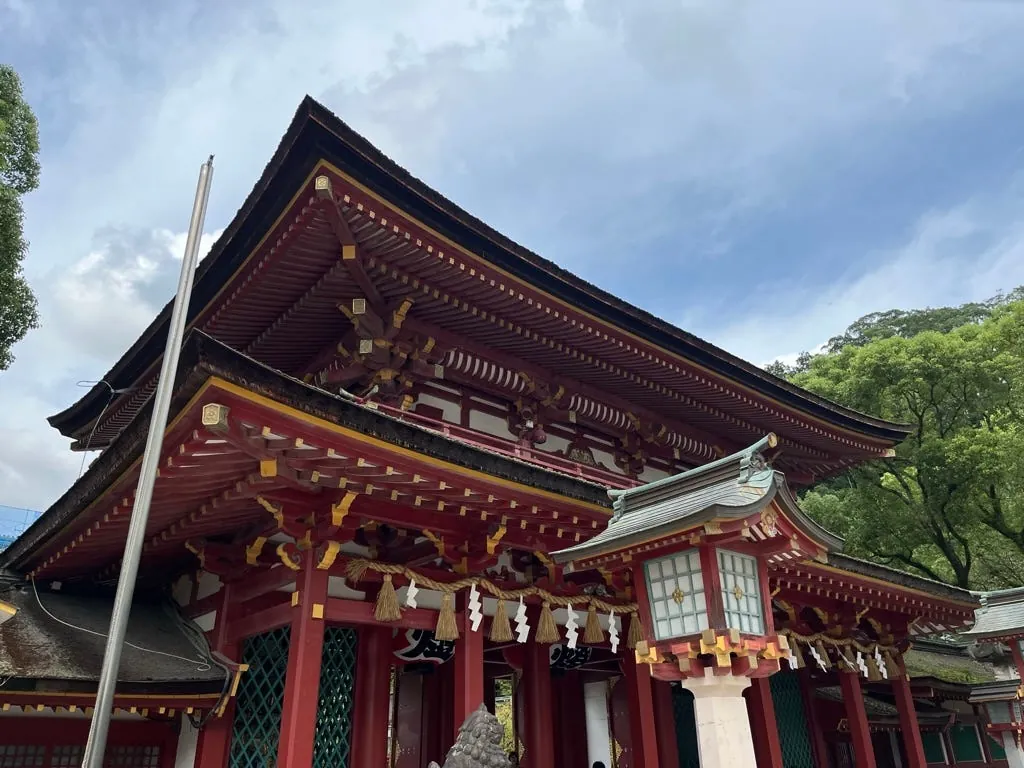
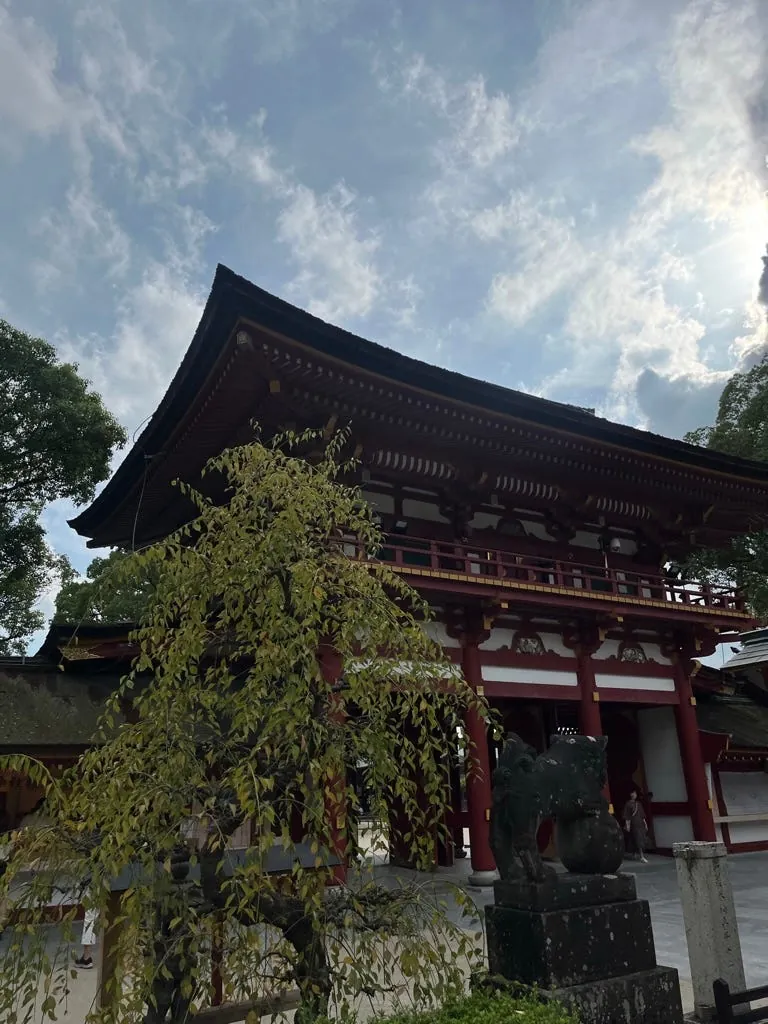
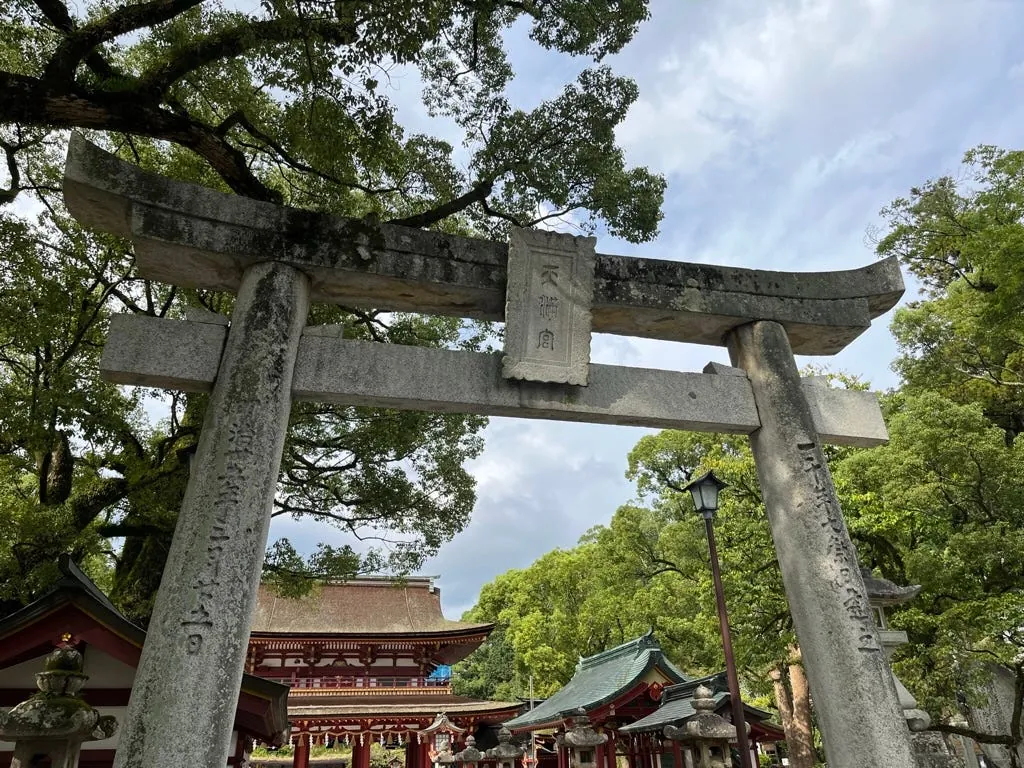
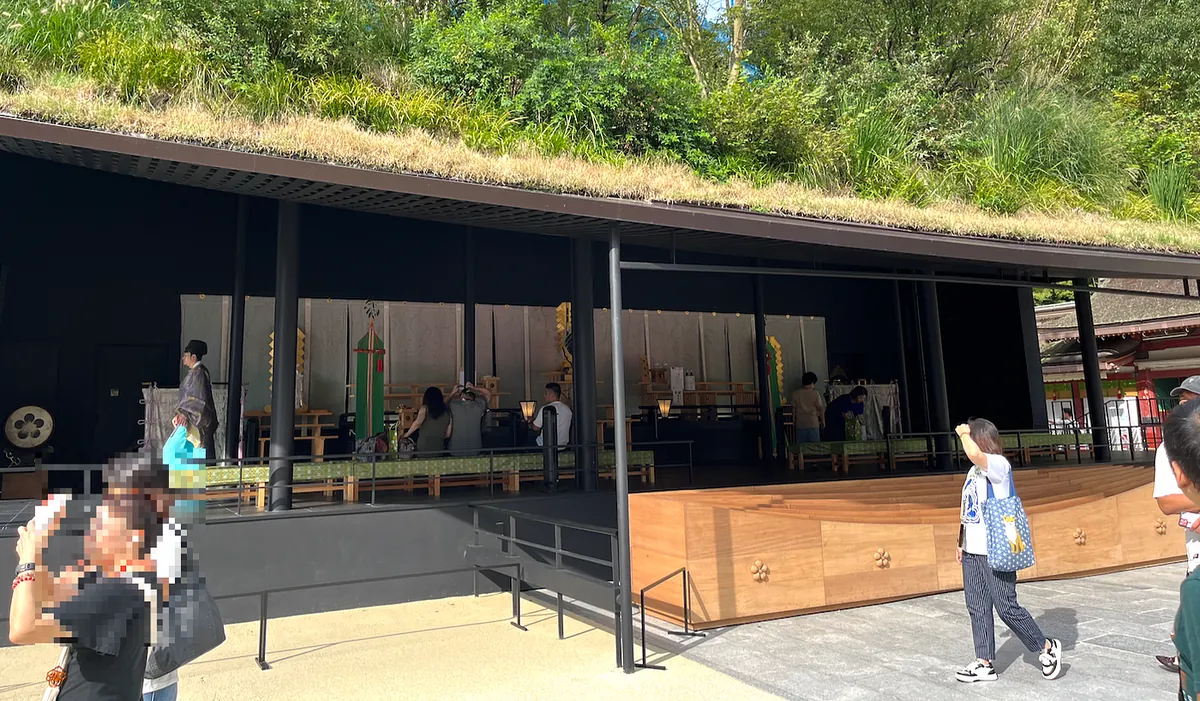
After the visit, return to Dazaifu Station and head back to Fukuoka Lalaport.
Fukuoka Lalaport
Starting from Dazaifu Station, take the train back to Futsukaichi, then transfer to a train bound for Hakata. Get off at Ohashi (Fukuoka), exit the station, and go to the left platform to find the Lalaport direct bus. Hop on, and it’s just one stop to Fukuoka Lalaport.
Total travel time: about 50 minutes
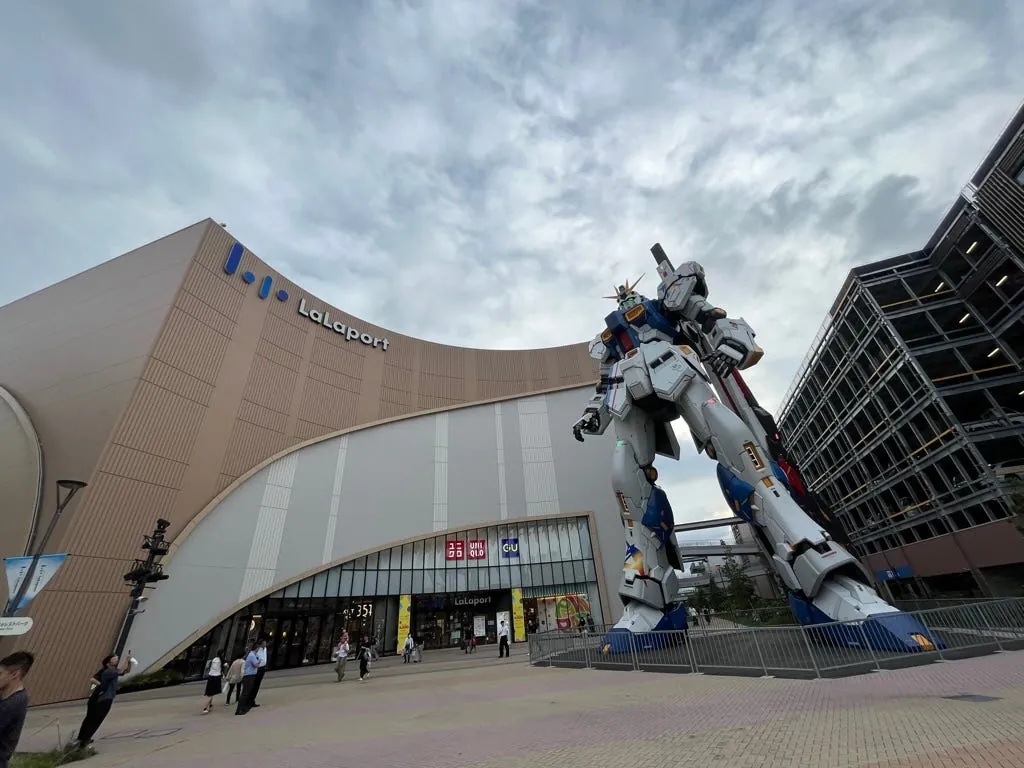
Right upon arrival, I saw the huge Gundam statue outside in Fukuoka.
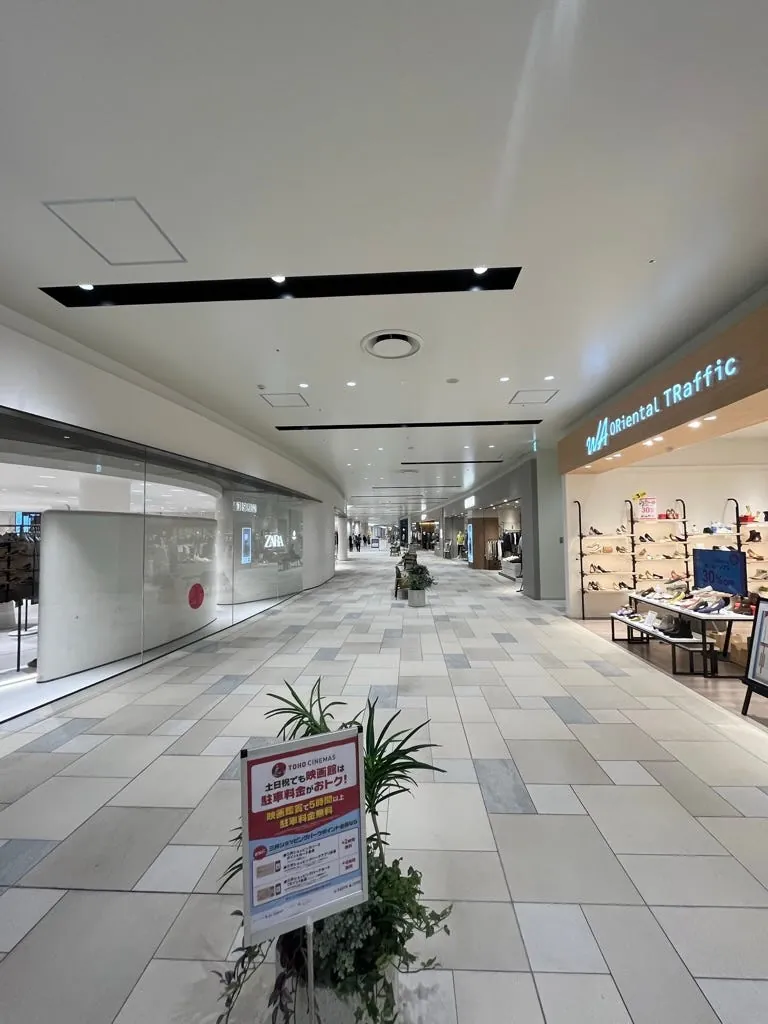
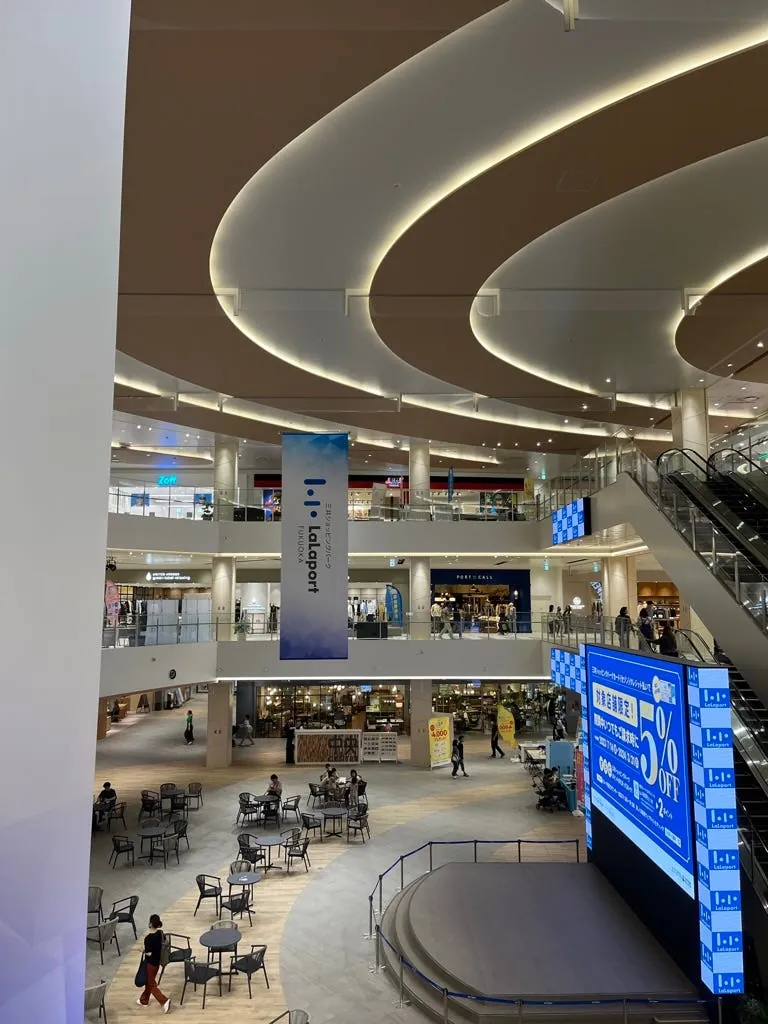
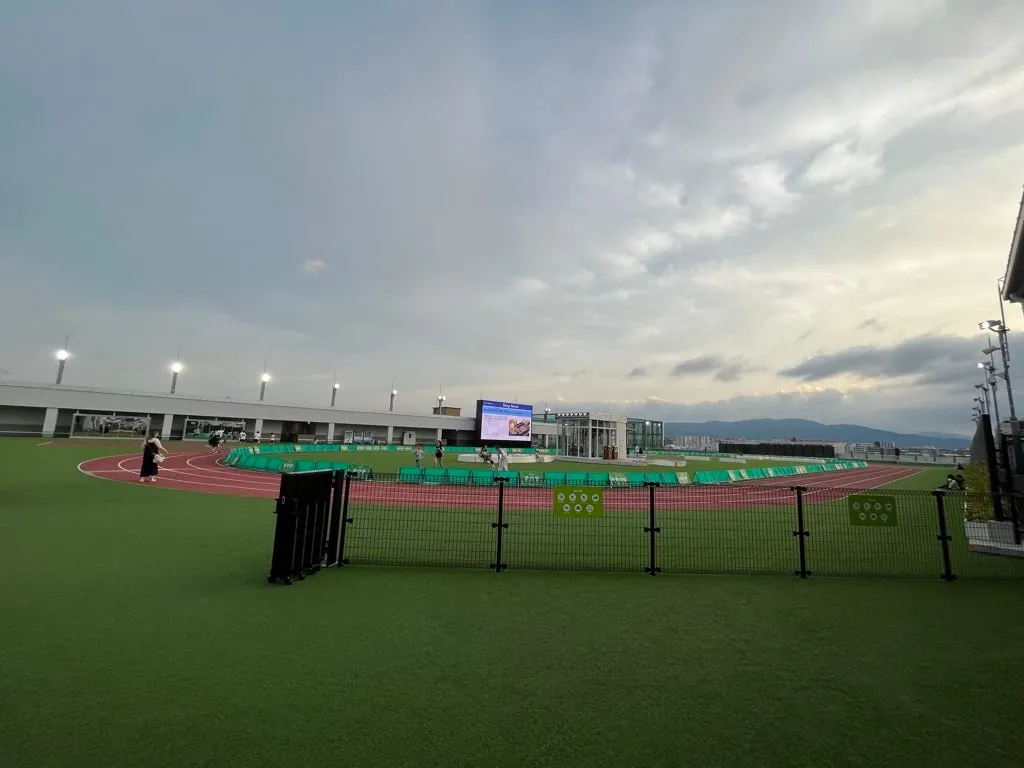
Lalaport is very large, great for shopping, and family-friendly; upstairs there is a big playground where kids play and some people lie down to rest.
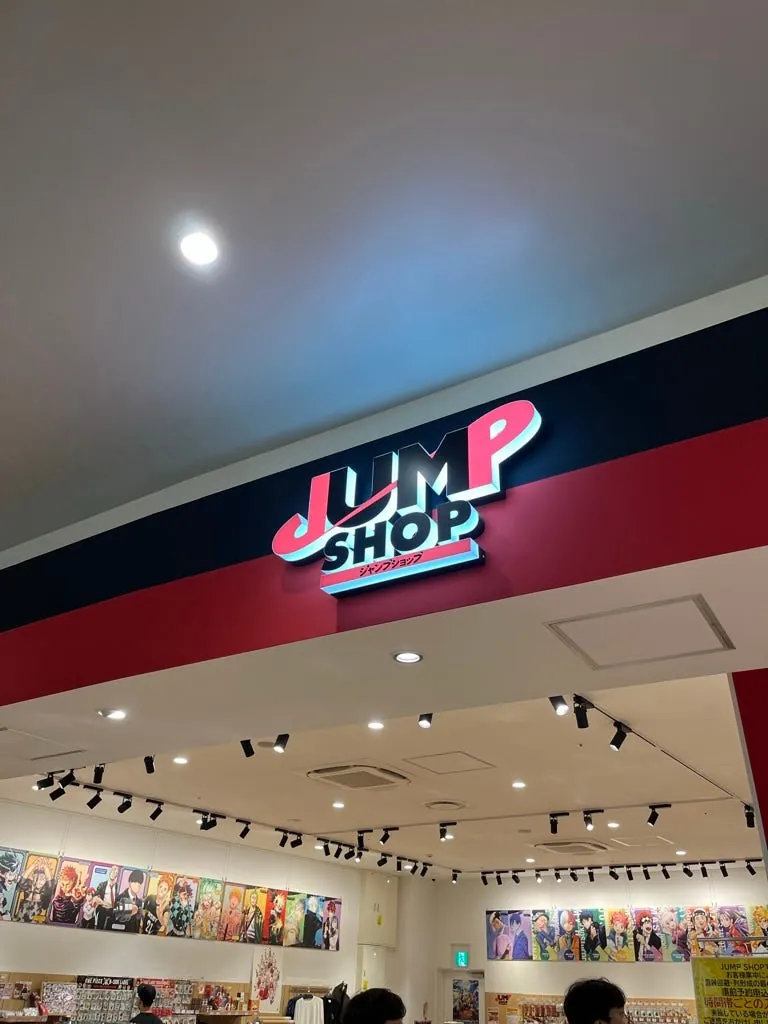
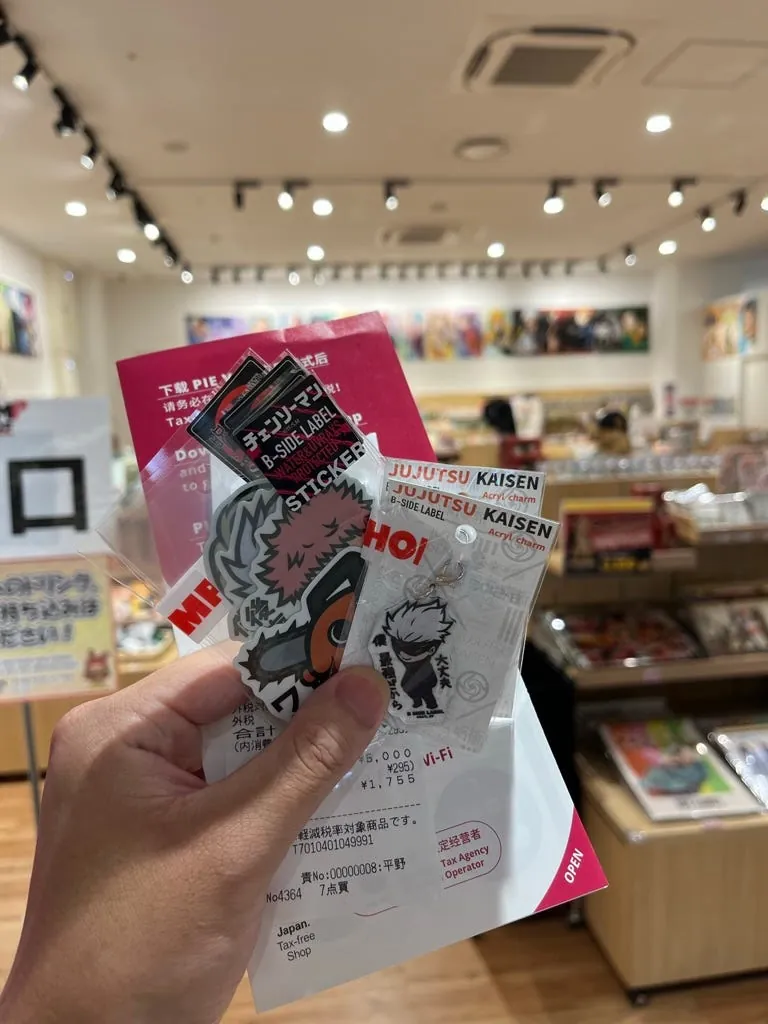
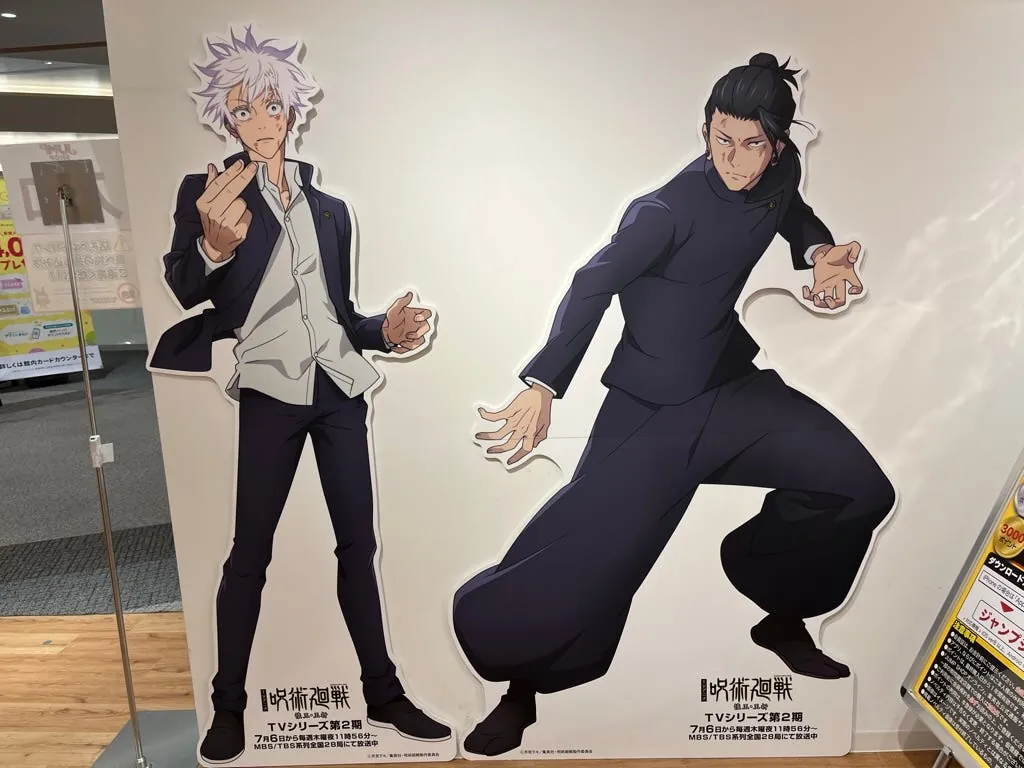
Upstairs, there is a Jump Shop selling merchandise related to Weekly Shonen Jump, including Haikyuu, One Piece, Hunter x Hunter, Jujutsu Kaisen, Chainsaw Man, and more. I bought some Jujutsu Kaisen items.
Tax refund is also available for purchases over 5000 yen, but it seems the refund is credited to their app or something similar, which is a bit complicated. Also, food items are not included.
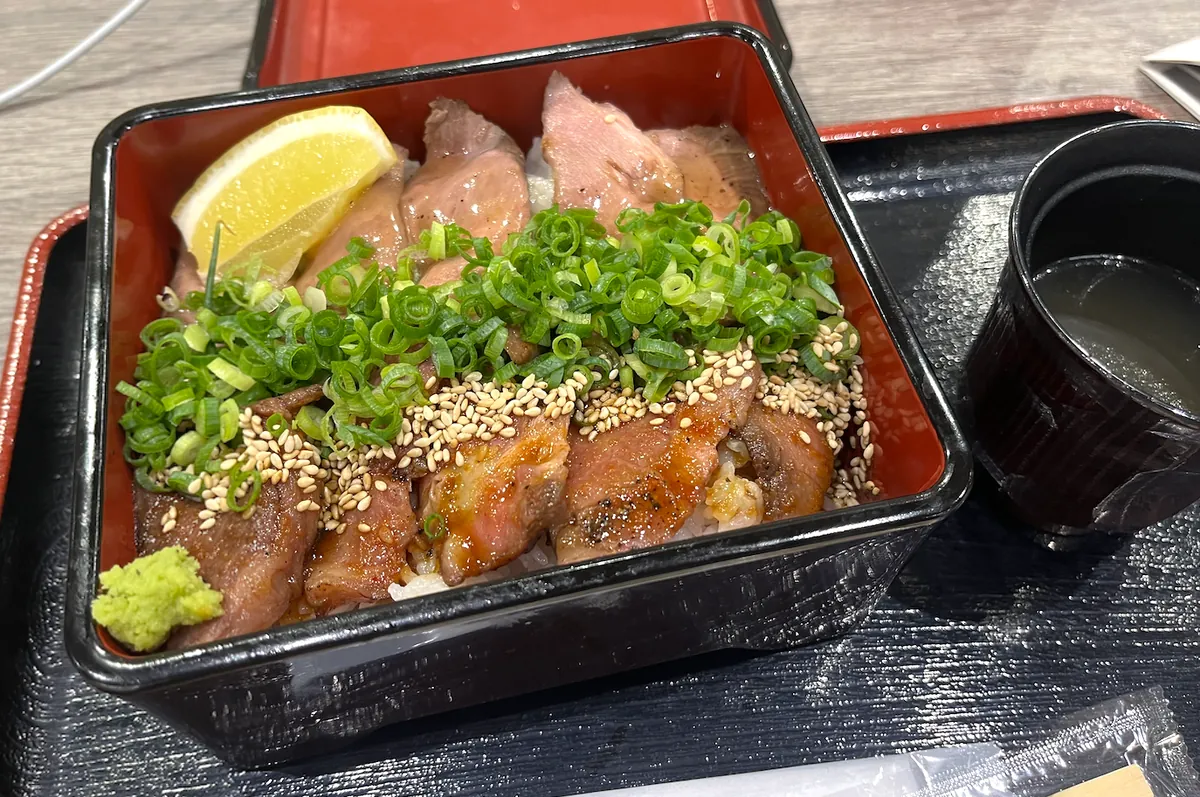
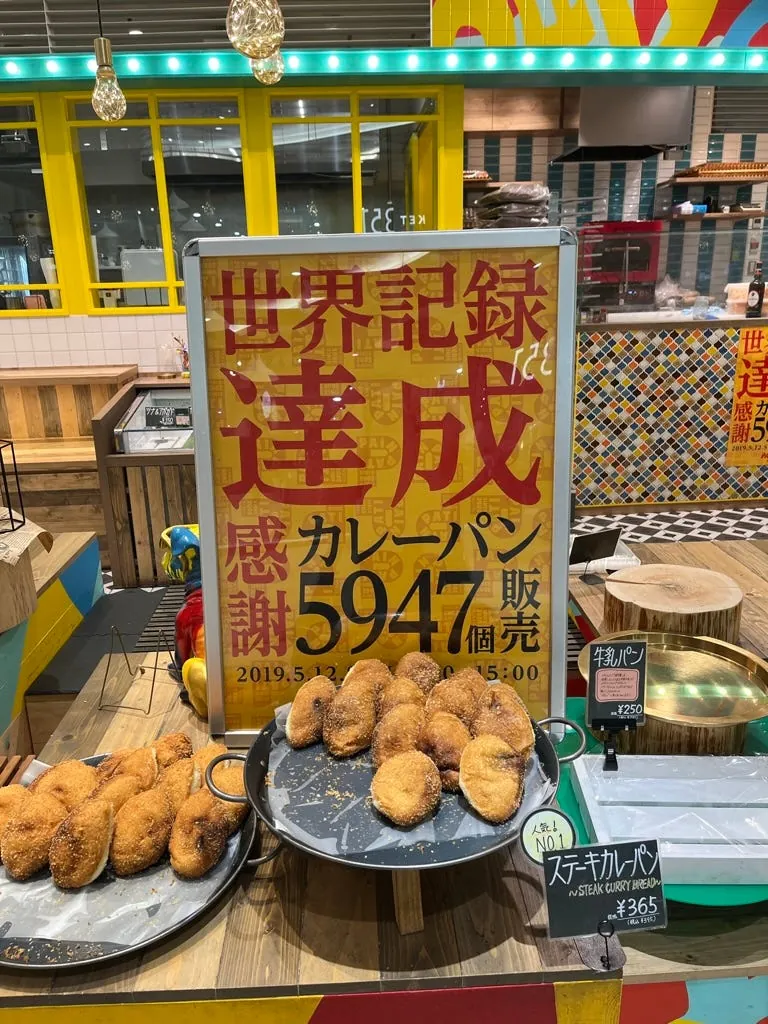
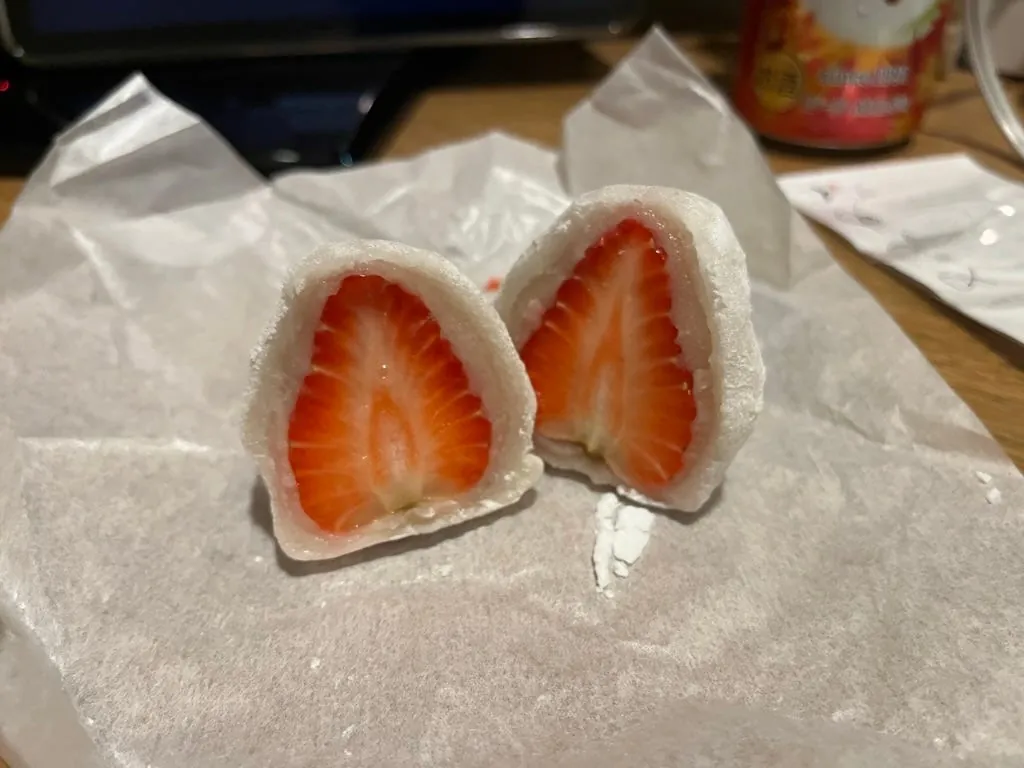
Went to the food court to eat Miyazaki beef bowl. On the way back, bought some late-night snacks (curry bread, Josuian daifuku).
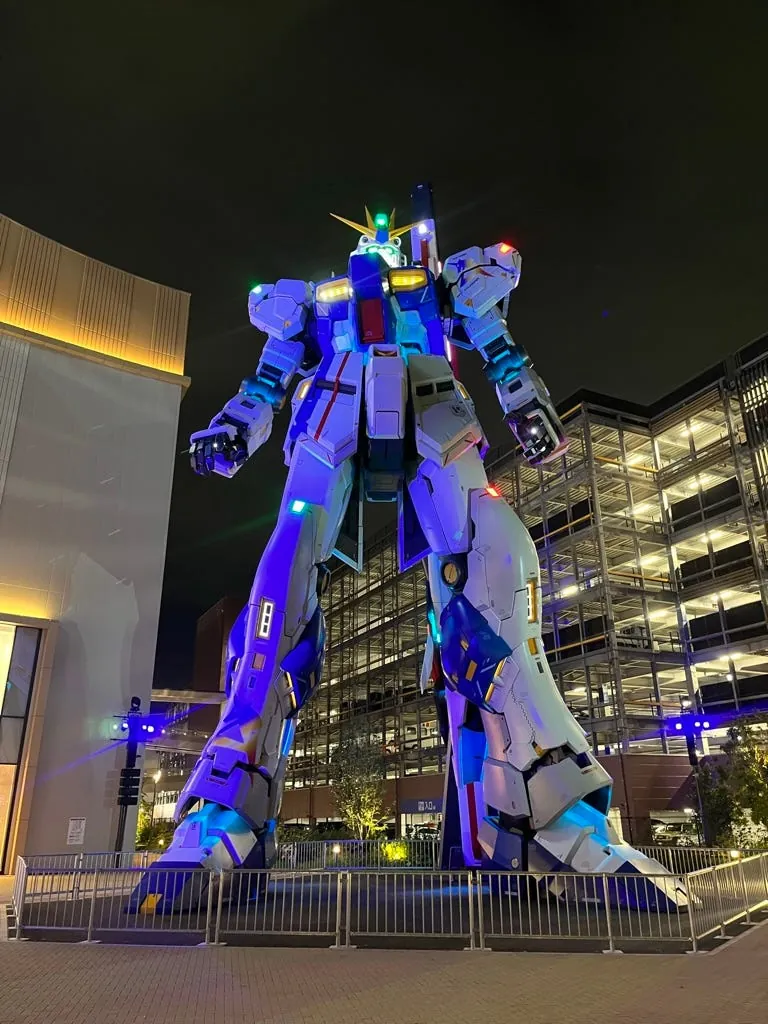
The Gundam glowing at night is quite impressive.
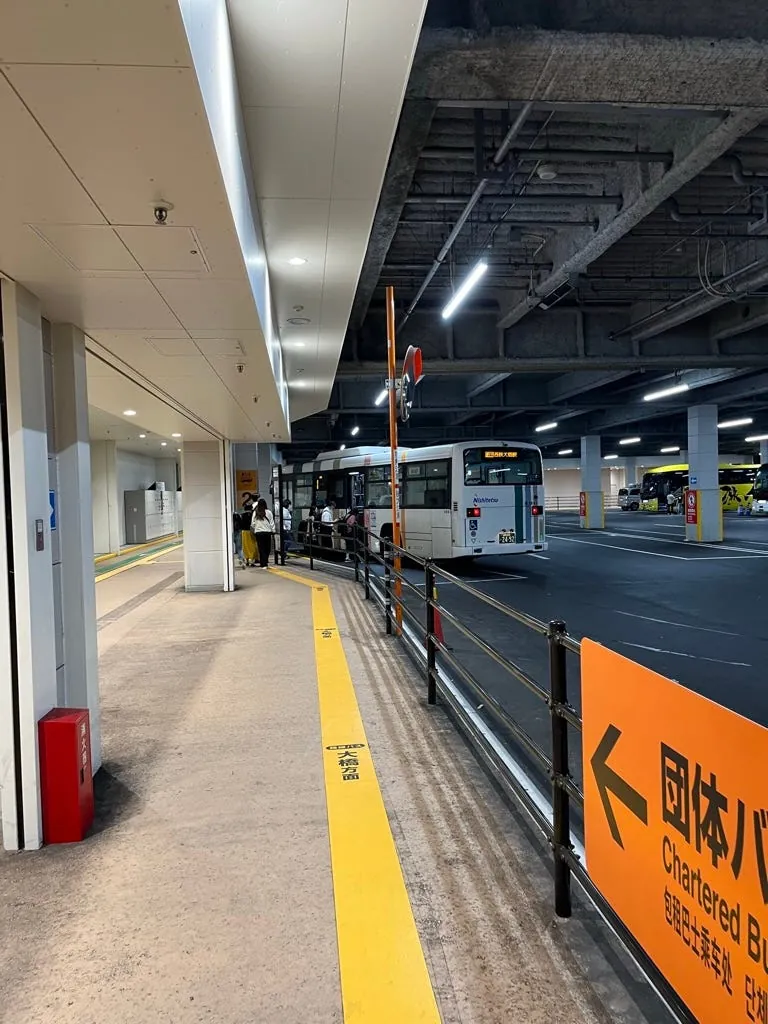
The direct return bus does not depart from the original drop-off point. Follow the signs inside the facility and board directly at the bus stop within the building.
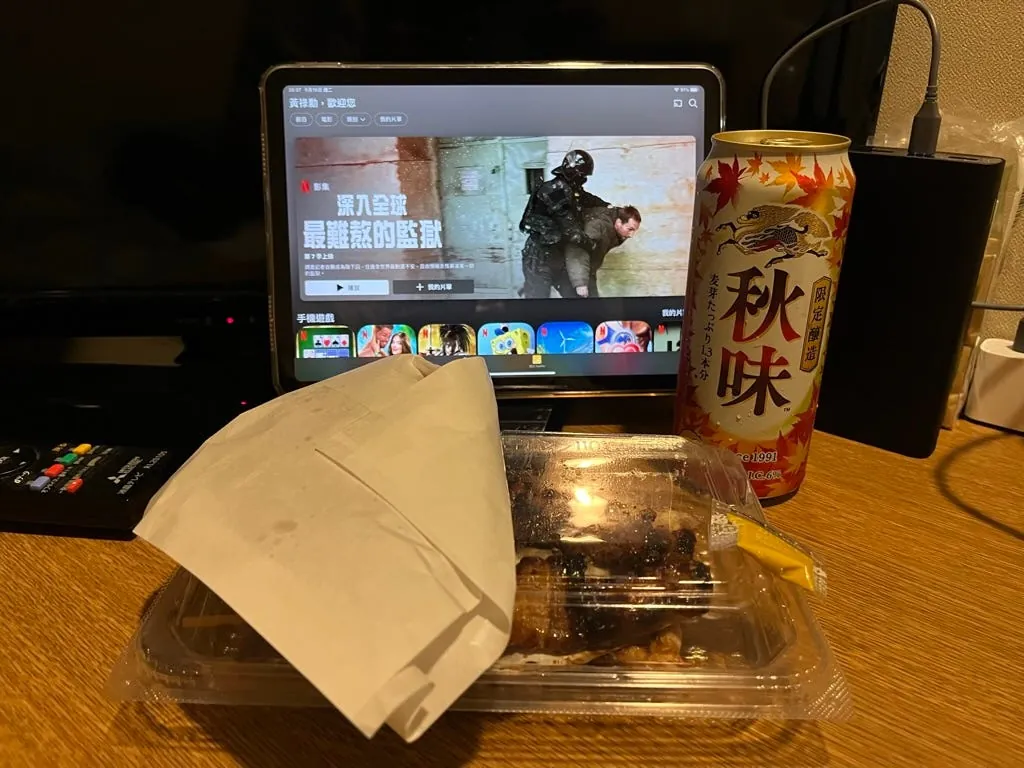
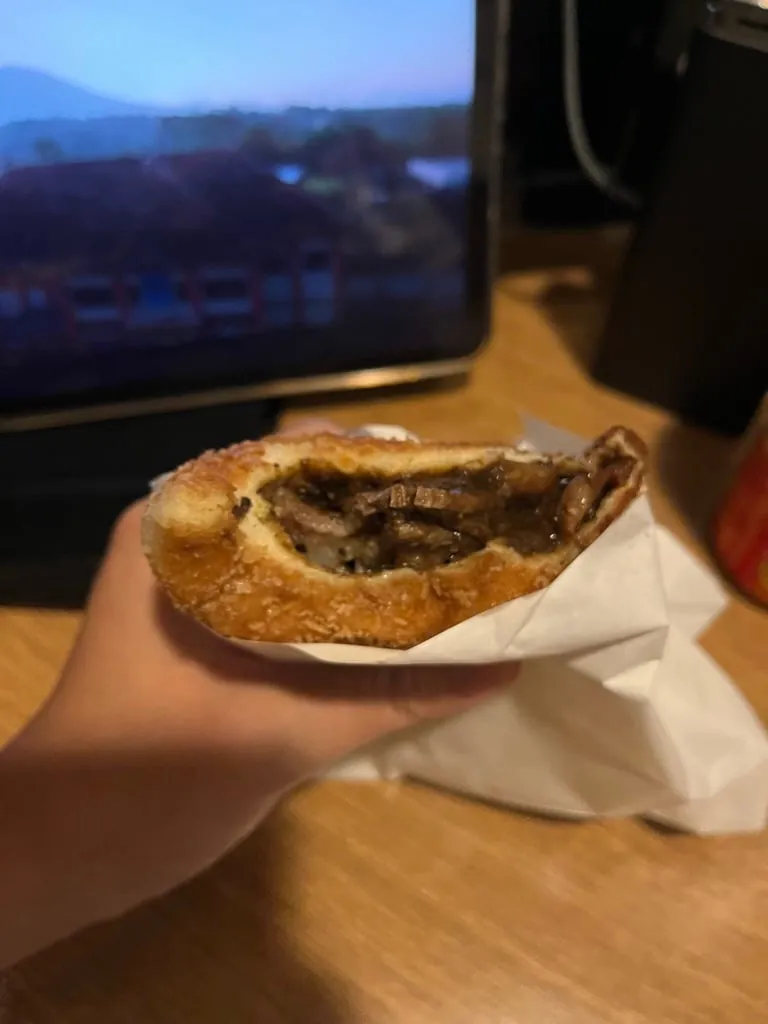
Returned to the hotel to rest and used my own tablet (the TV was too old and not smart); the curry bread was crispy and delicious, with meat filling inside. The daifuku was good too, but I prefer the ones from 弁才天.
Day 3 Mojiko, Kokura Castle, Hakata Canal City, Nakasu Yatai
Early in the morning, I also went to Hakata Station first, took the JR train to Mojiko, and then returned to Kokura Castle.
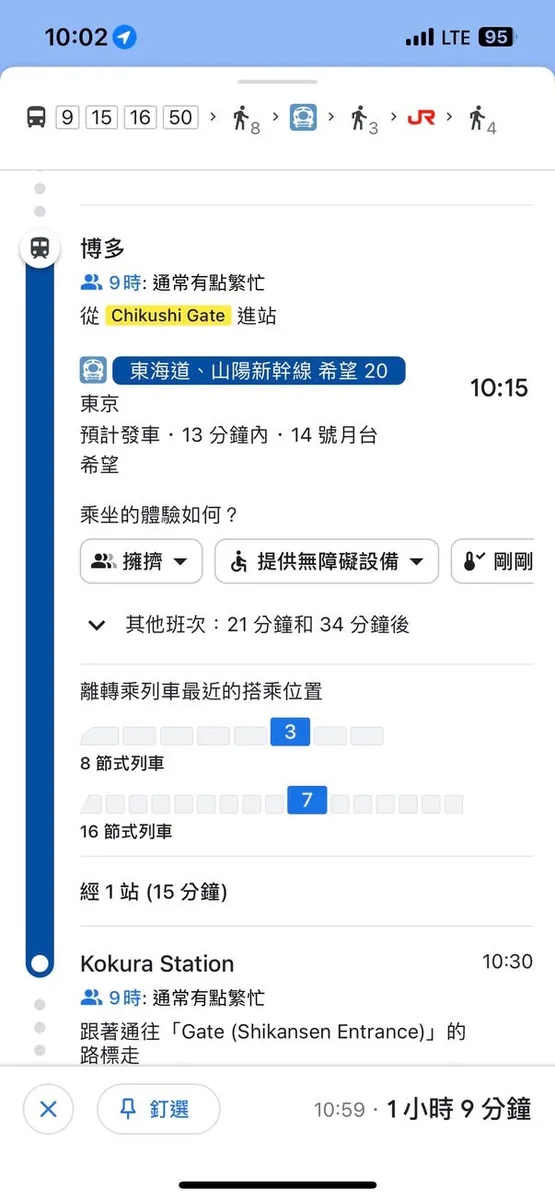
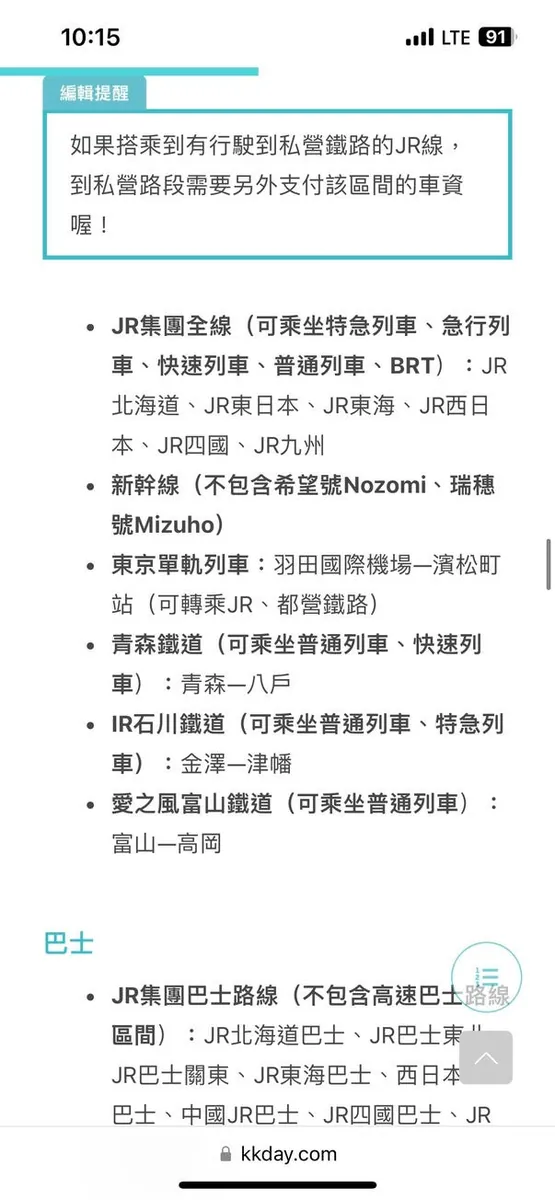
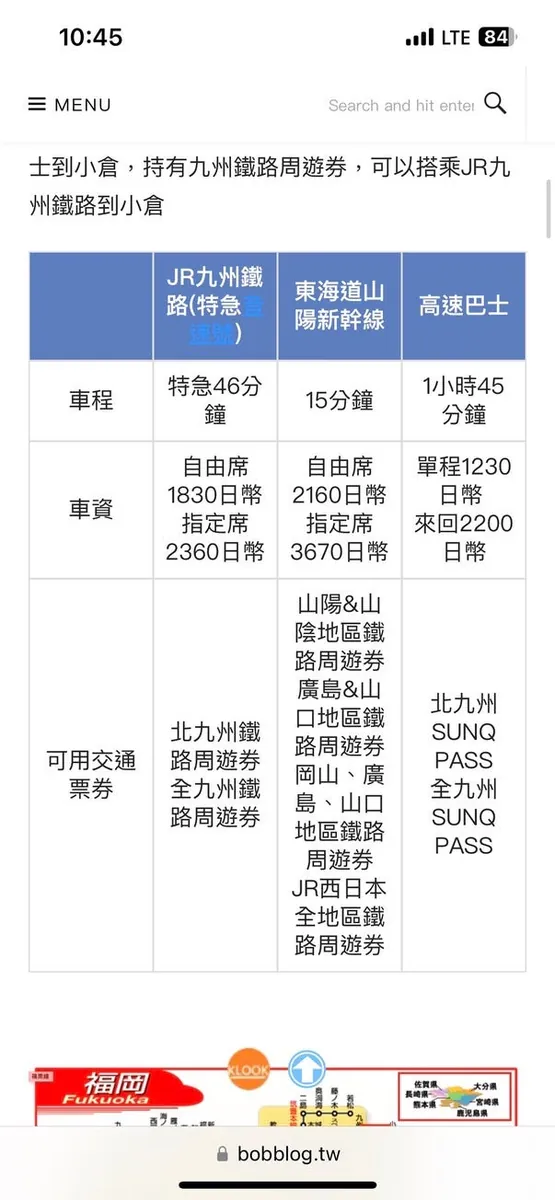
Hakata to Kokura Transportation
A Little Incident
Without carefully checking Google Maps, I took the Shinkansen Nozomi 20, which is not covered by the JR Pass. At the exit, the gate wouldn’t open, and after guidance from the station staff, I had to pay an additional 2,160 yen to exit. However, it was really fast—the trip to Mojiko only took 15 minutes.
Mojiko Port
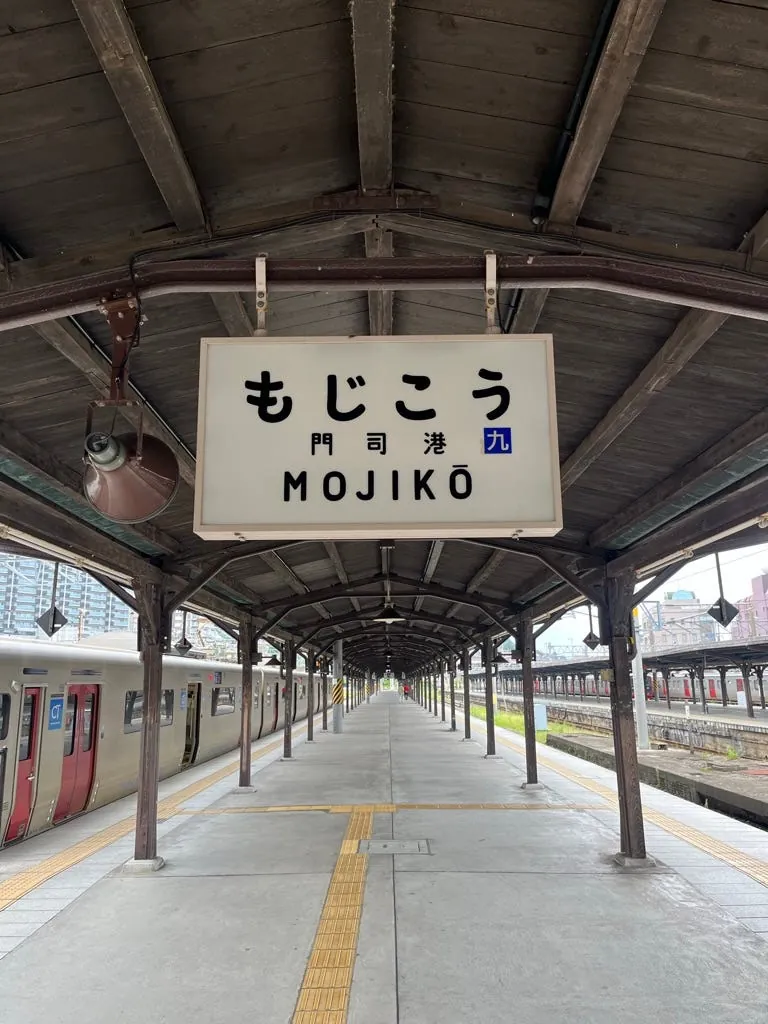
Arrived at Mojiko safely (was worried about getting fined).
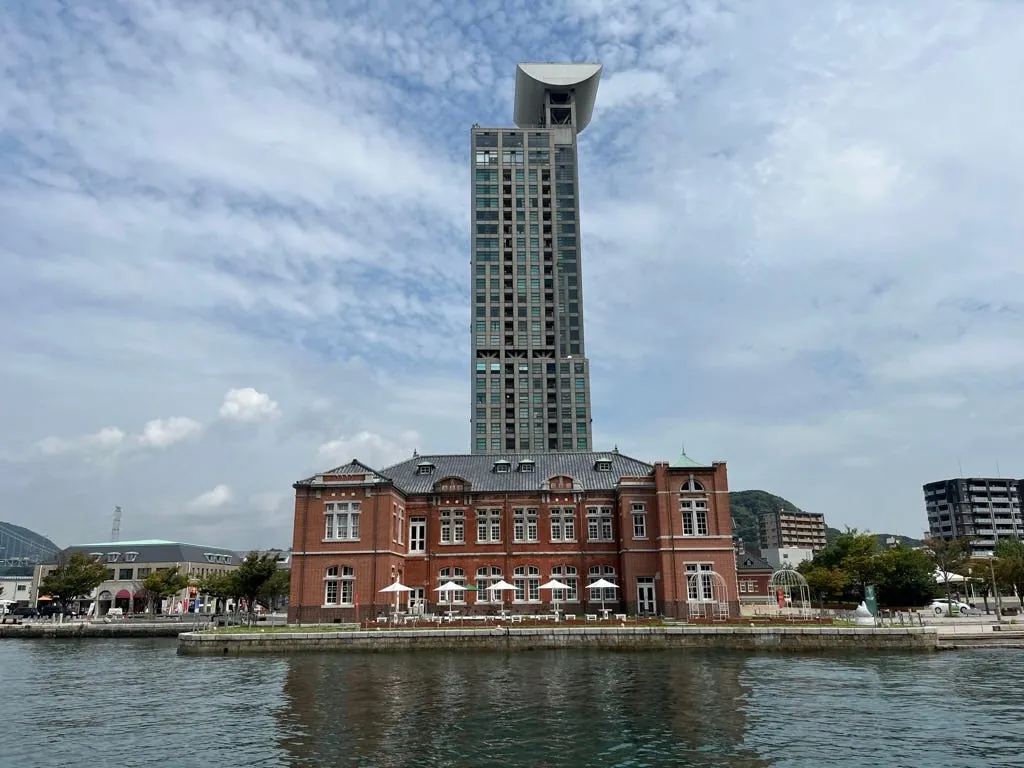
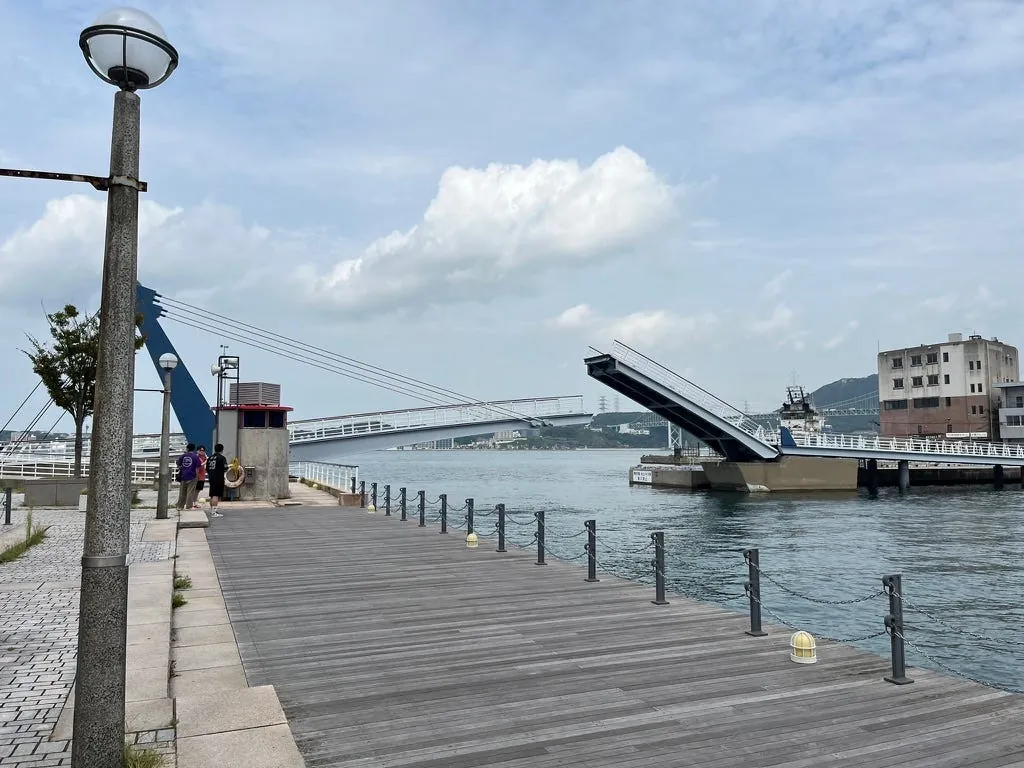
Exit the station and walk straight ahead to reach Mojiko. On a weekday, there was no one around; just in time to see the Blue Wing Mojiko Bridge lowering.
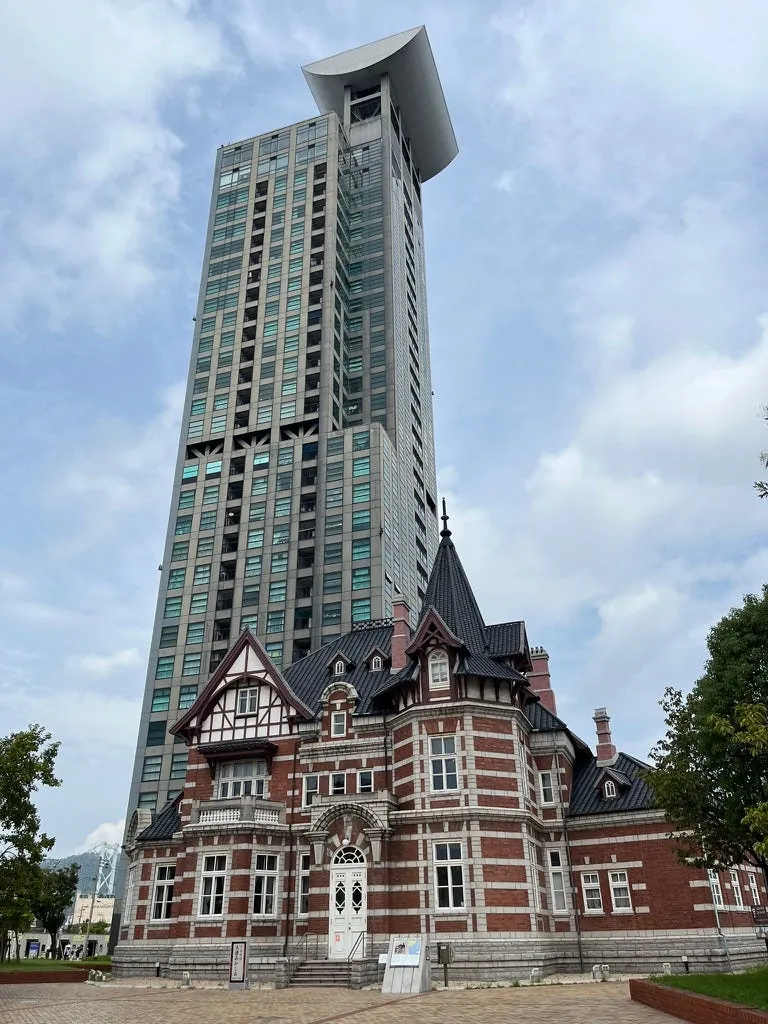
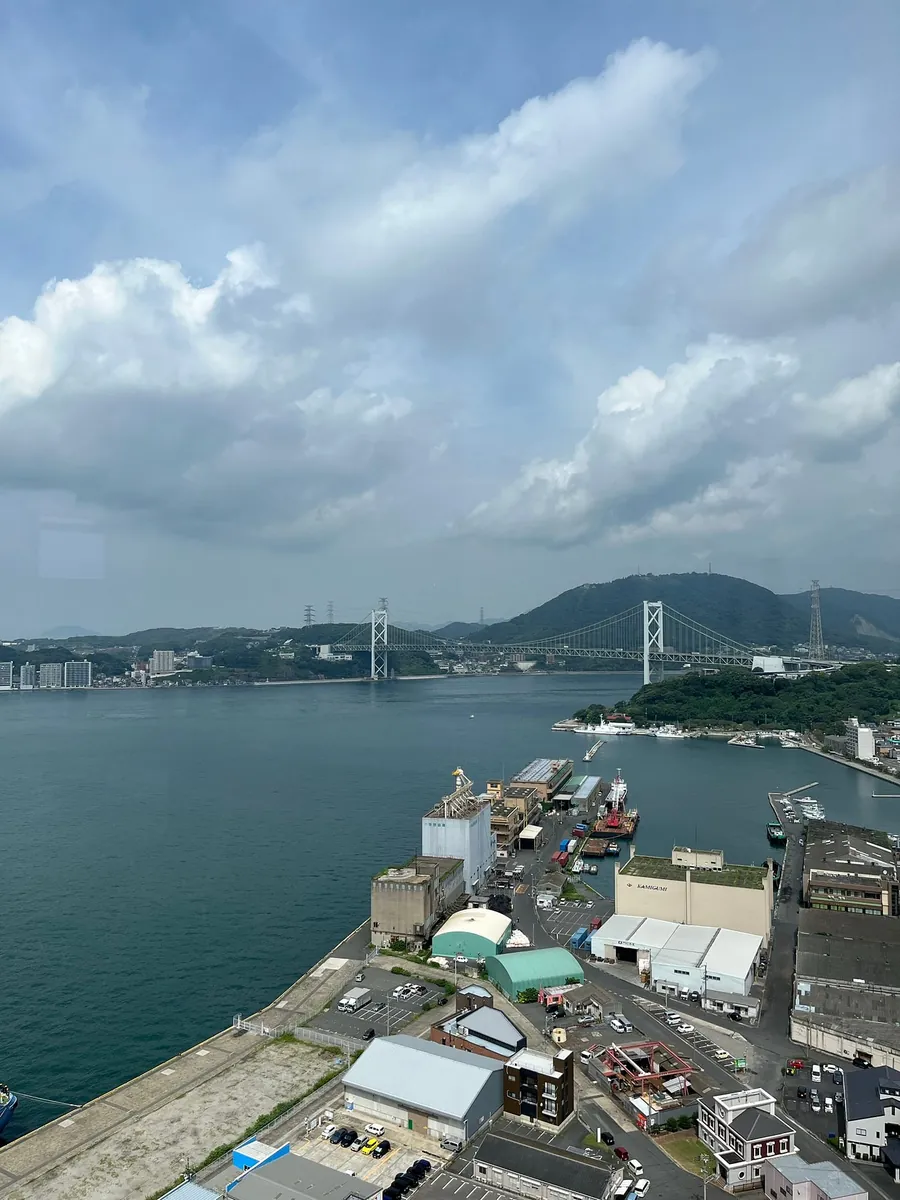
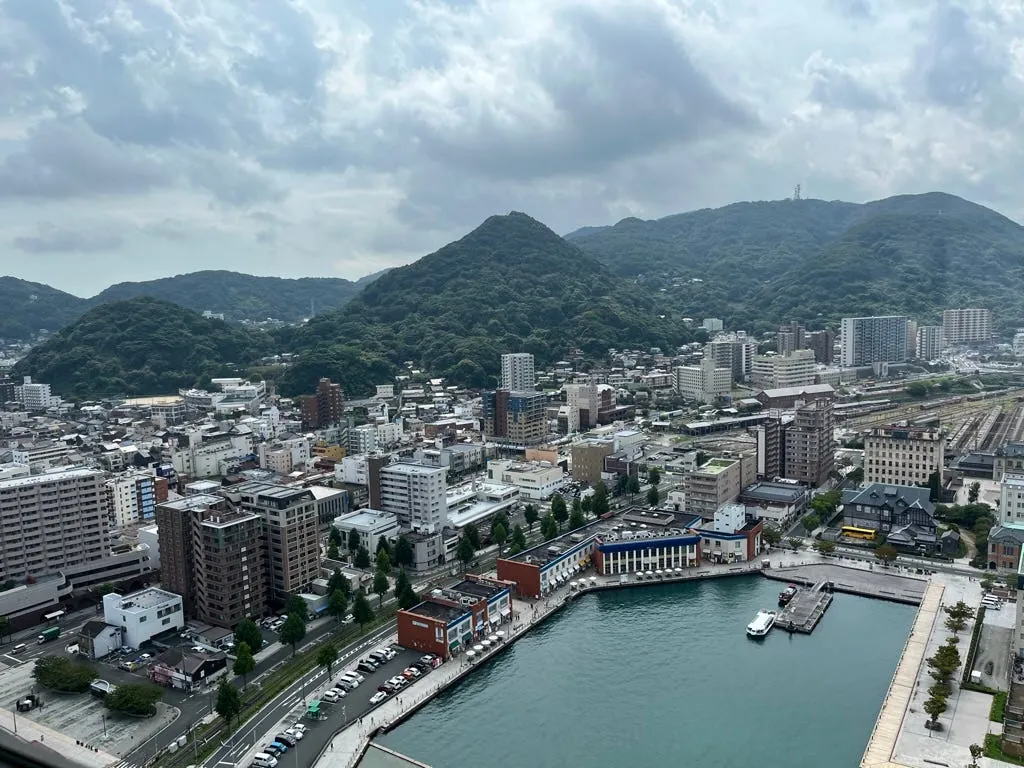
After putting down your belongings, you can walk back to the observation tower behind to get a bird’s-eye view of the entire Mojiko area.
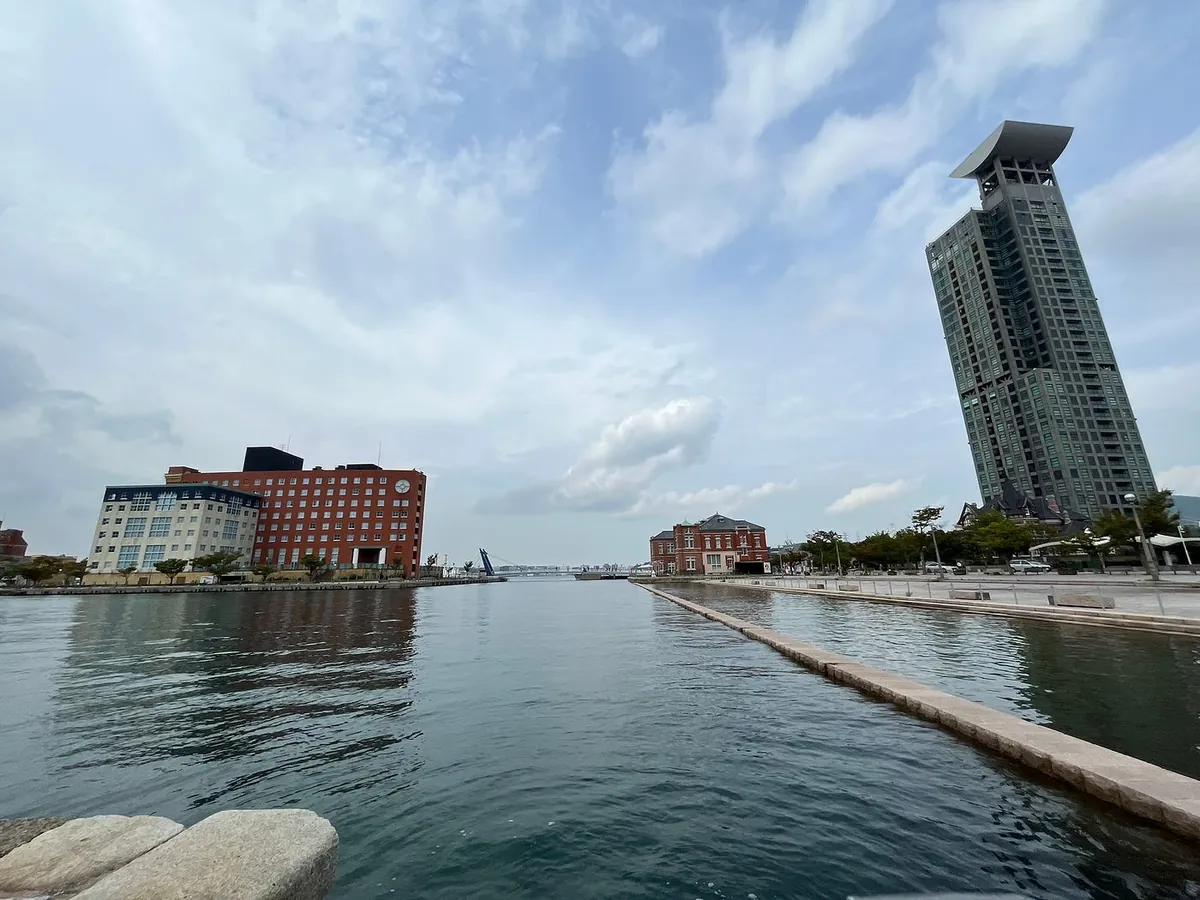
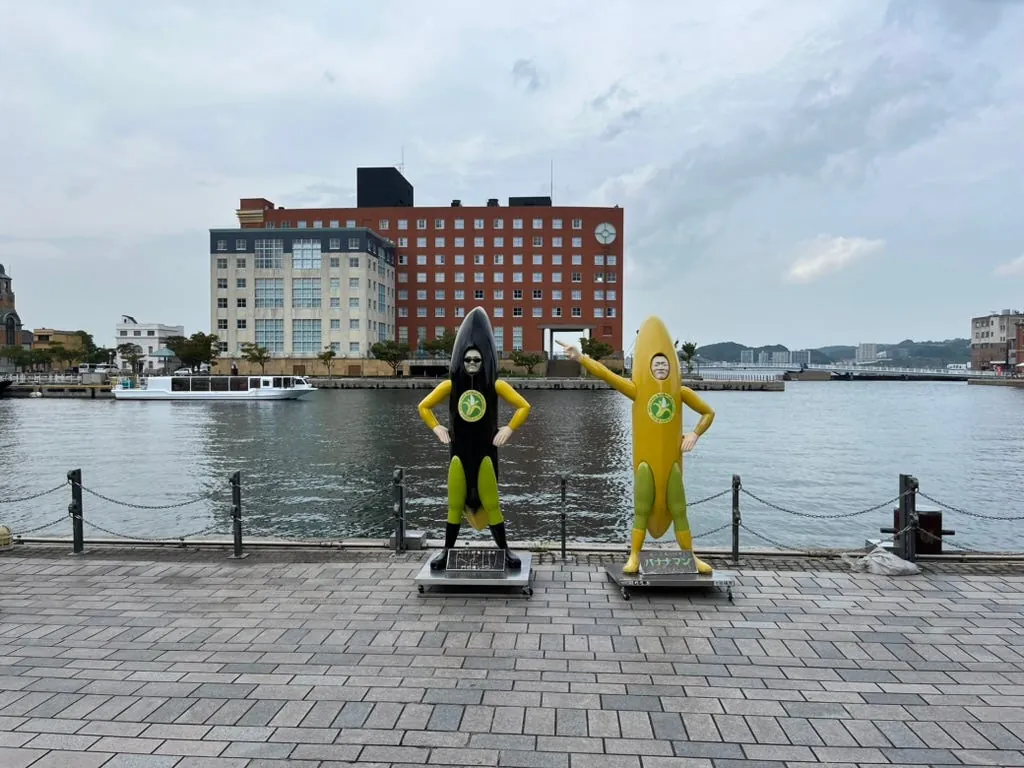
Just finished climbing the tower and took a walk around Mojiko.
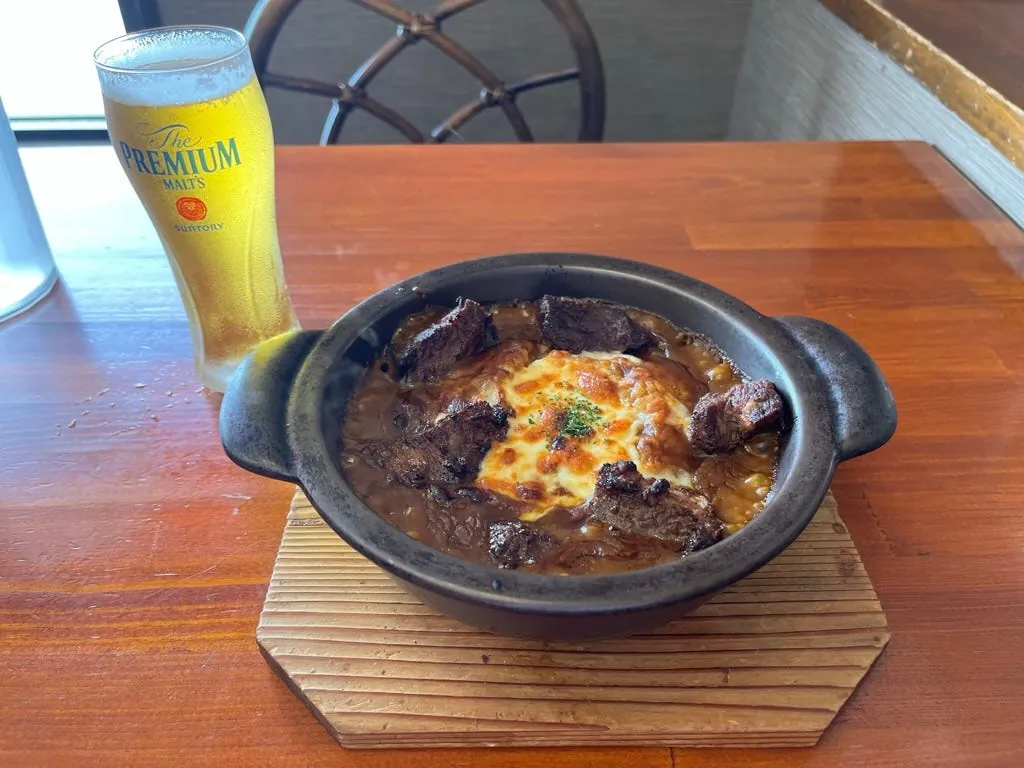
For lunch, I had the famous curry yaki in Mojiko.
Kokura Castle
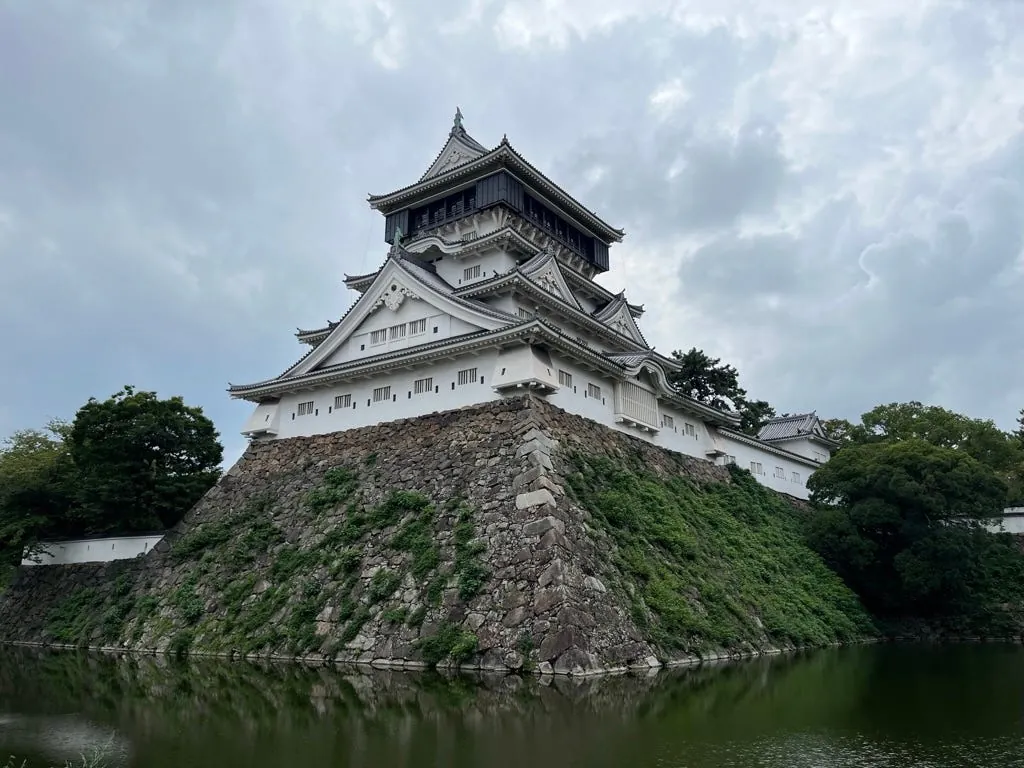
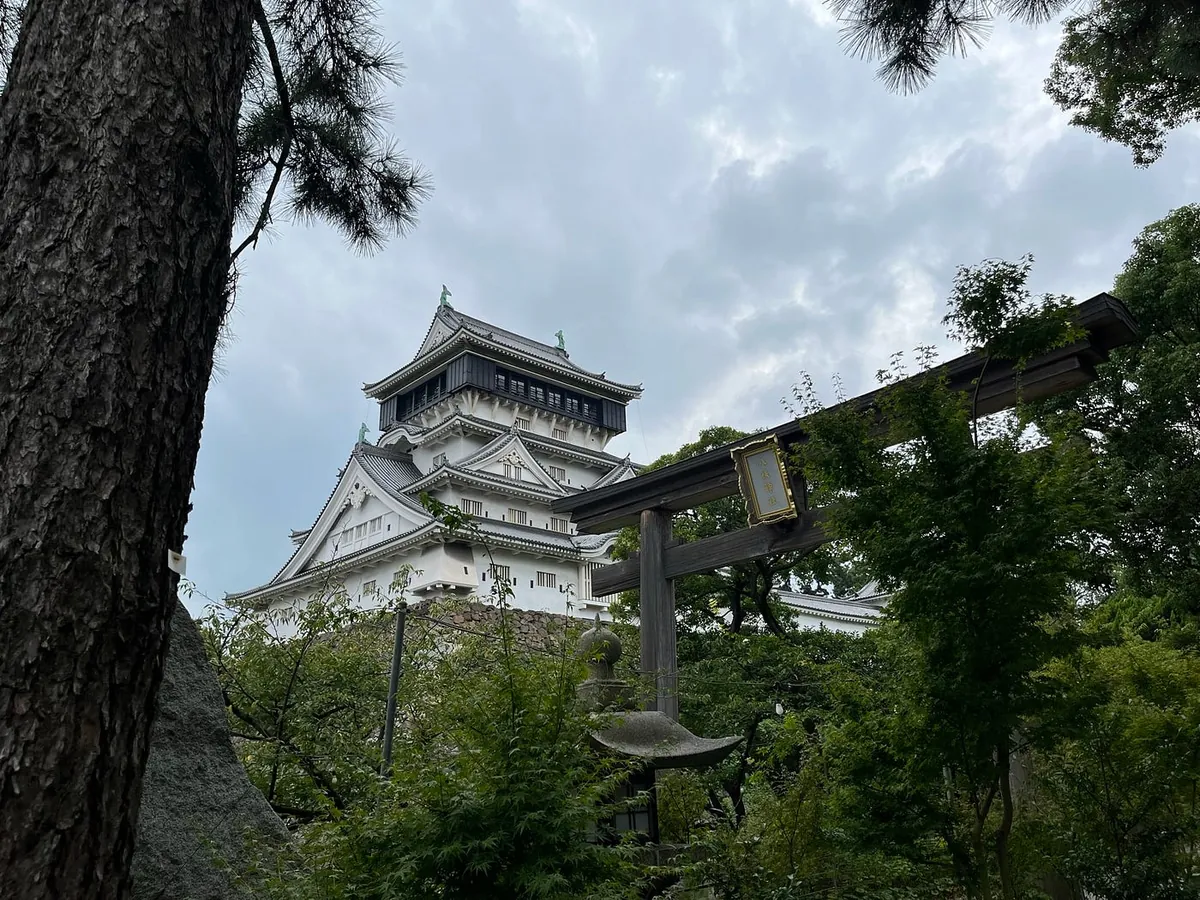
Mojiko is very close to Kokura, but Kokura is a small station. The area outside the station is quite deserted. I even took a long detour trying to find the entrance to Kokura, but it’s actually right outside the mall on the other side of Kokura.
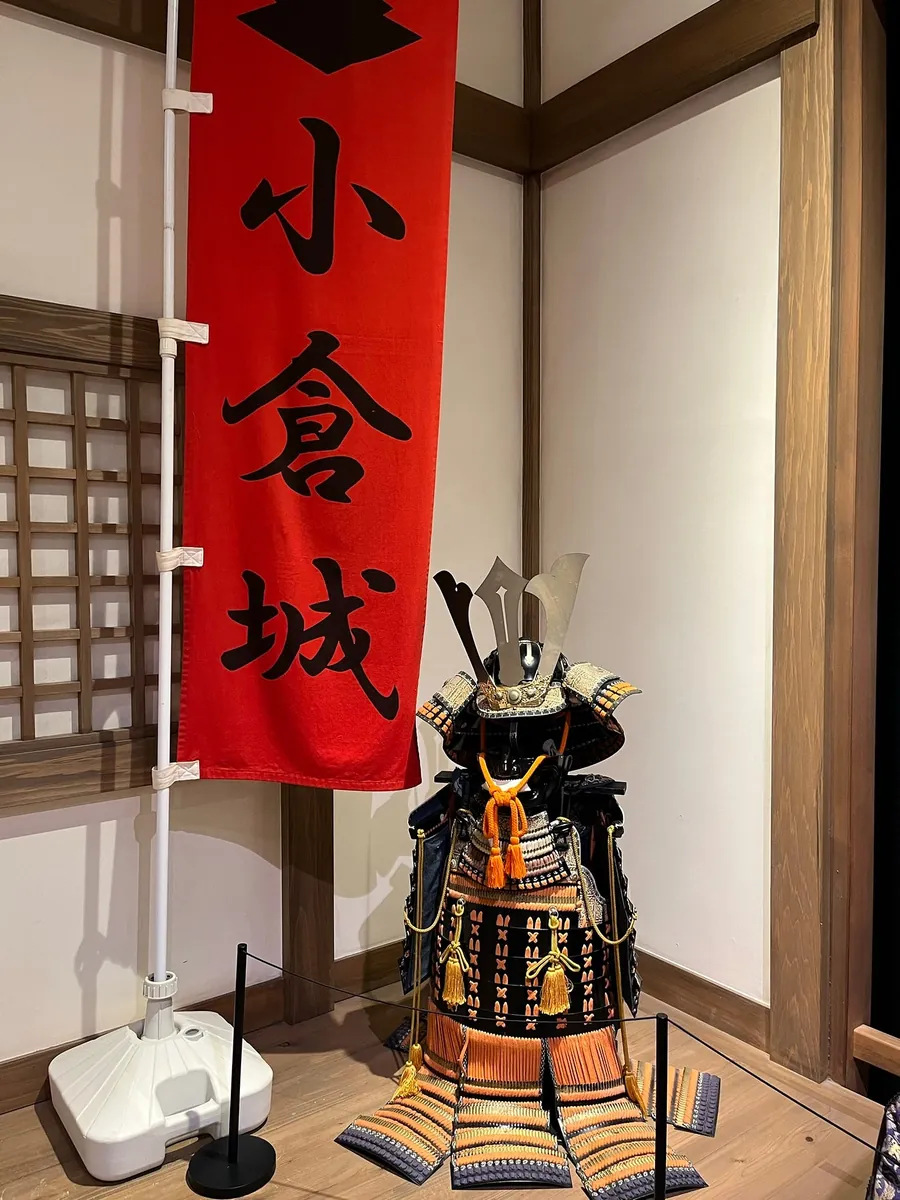
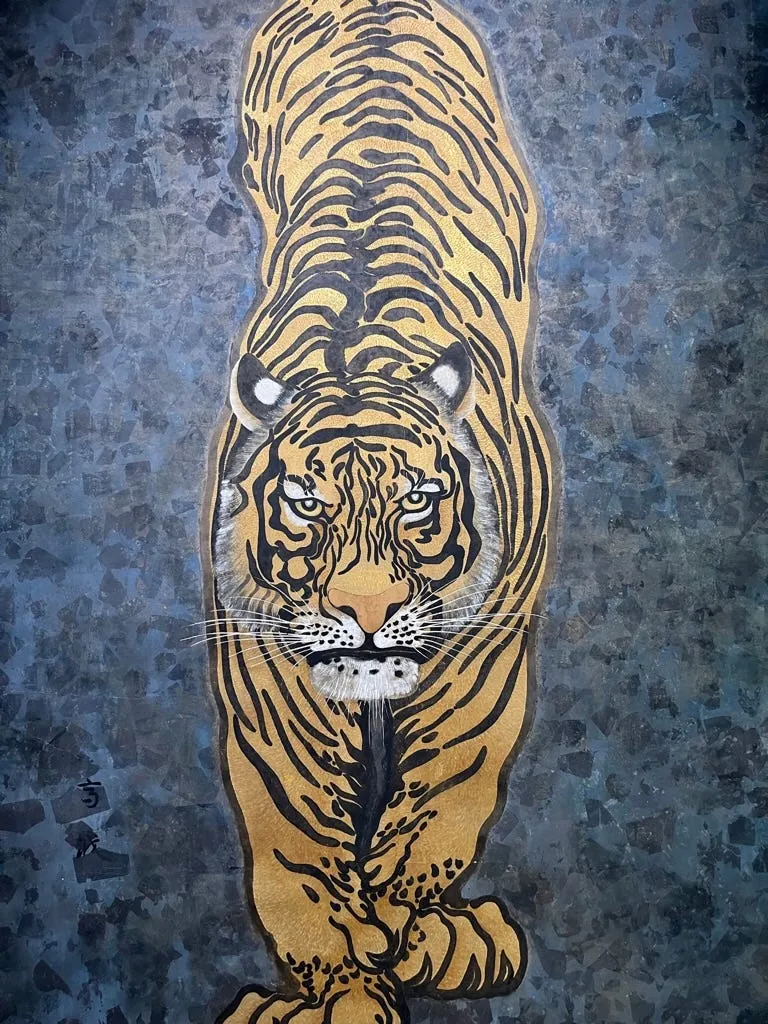
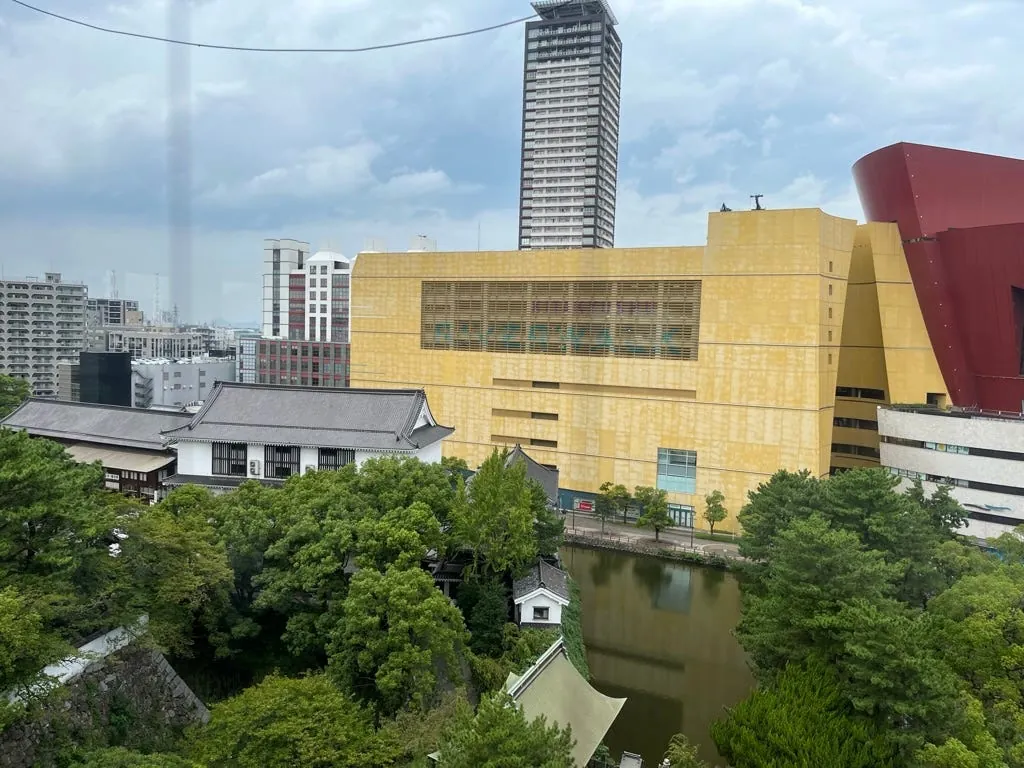
Kokura Castle is small and not very big. There are quite a few exhibits inside, but the view from the main keep is quite ordinary (facing the mall).
After the visit, I returned to the station and took the train back to Hakata. I obediently took the JR, but since it was a small station with only local trains, it took over an hour to get back slowly.
Hakata Canal City
Returning to Hakata early, I went to Hakata Canal City and strolled around the city.
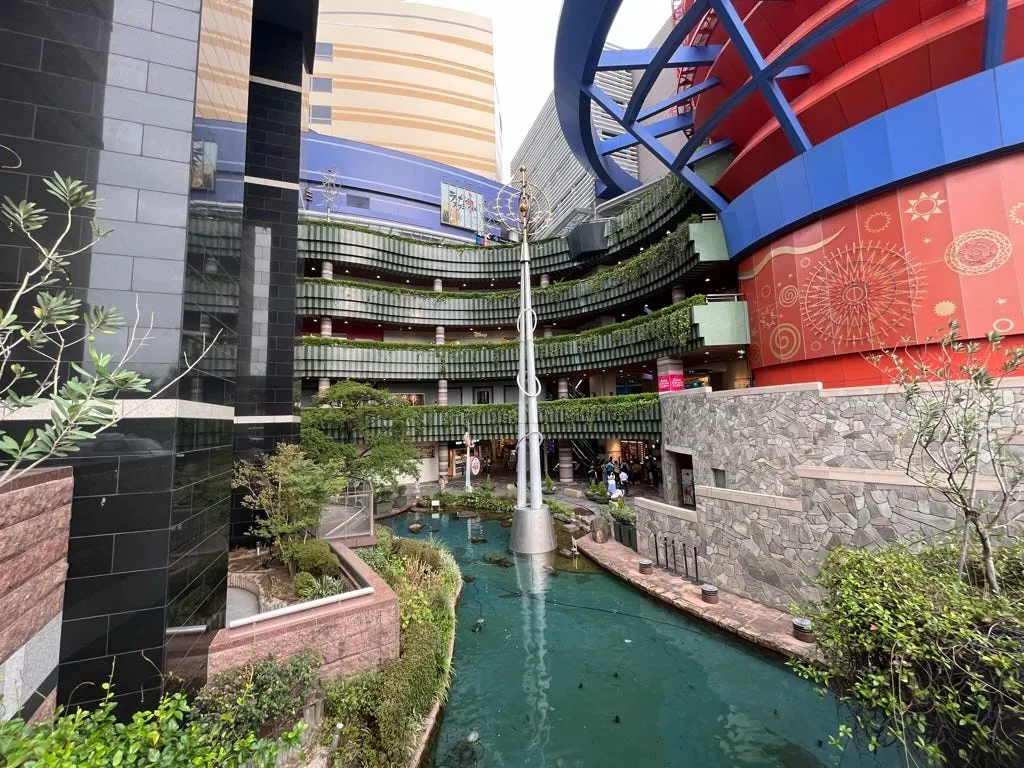
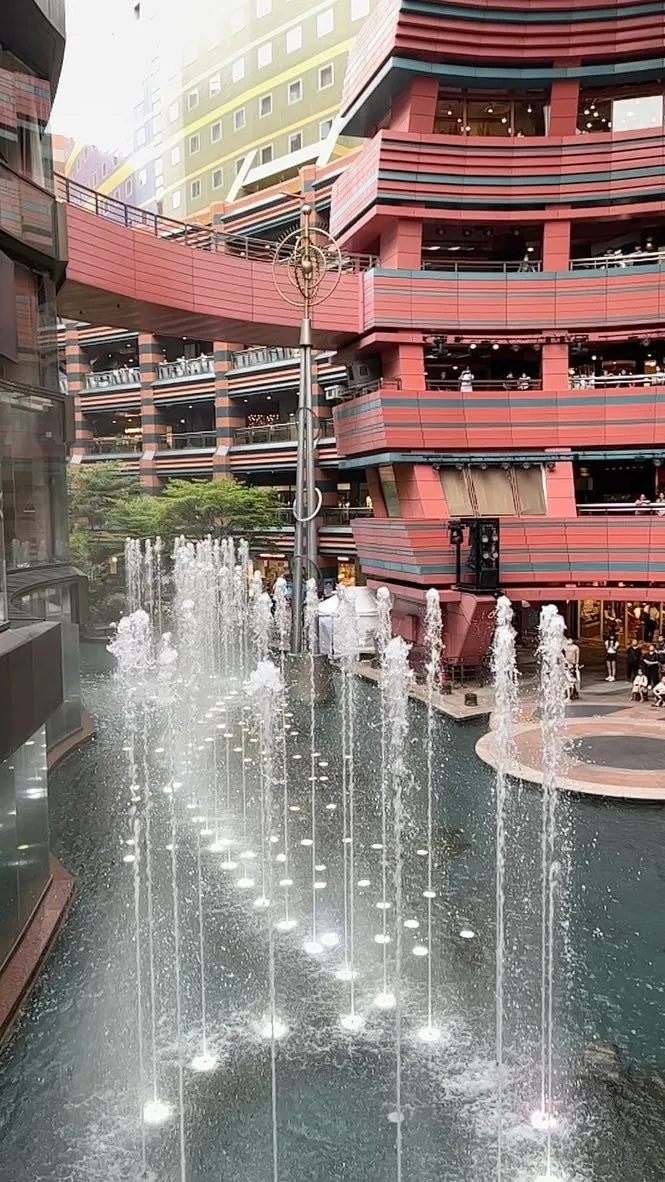
Without checking specifically, I originally thought it was some kind of “castle” or “moat,” but it turned out to be a department store XD. There really is a “moat” and even a water dance show.
There are many places to shop here, including a Jump Shop.
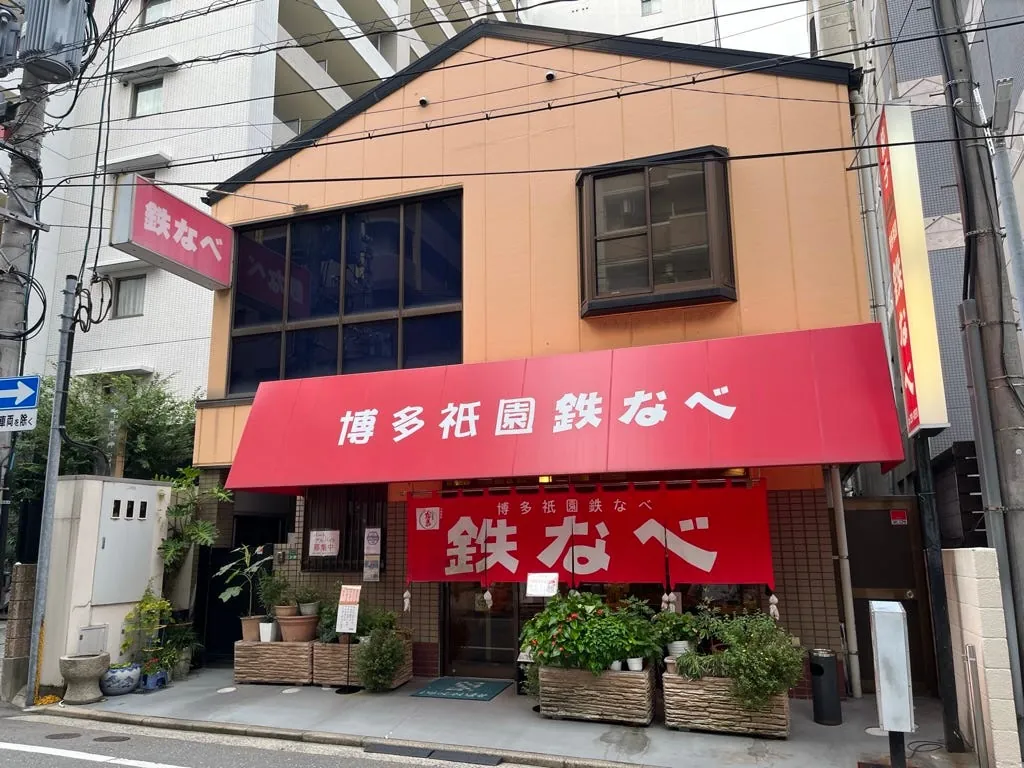
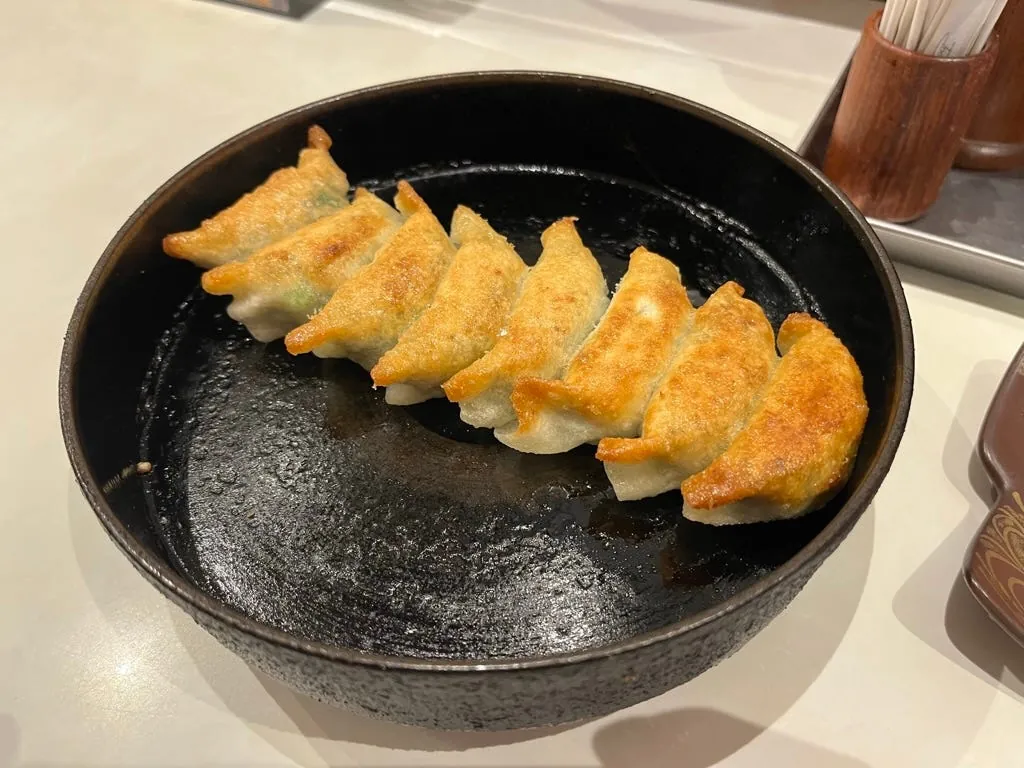
It was still early, so I wandered out to eat at Hakata Gion Iron Pot Fried Dumplings.
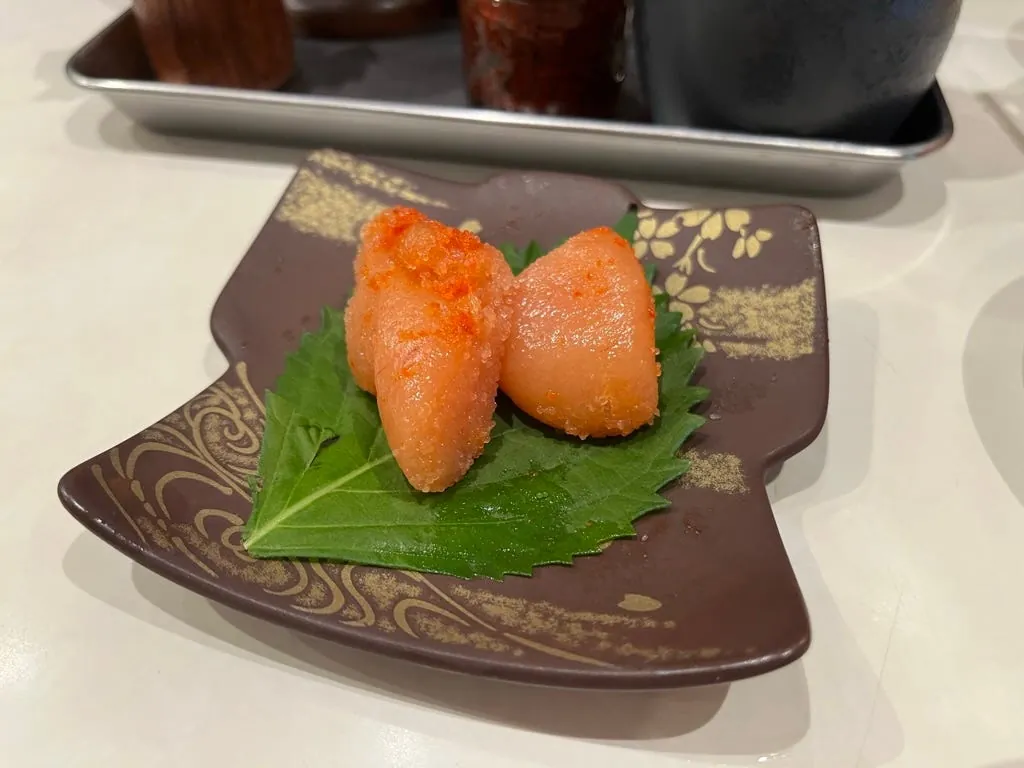
The crust is crispy and flaky with juicy filling inside, very delicious; because of the language barrier, the shop auntie cutely used hand gestures to show a big belly for 2 portions (1 portion has only 8 pieces, 2 portions with 16 pieces are filling). I didn’t realize it at the time, so I only ordered one portion plus Hakata’s famous mentaiko.
Nakasu Yatai
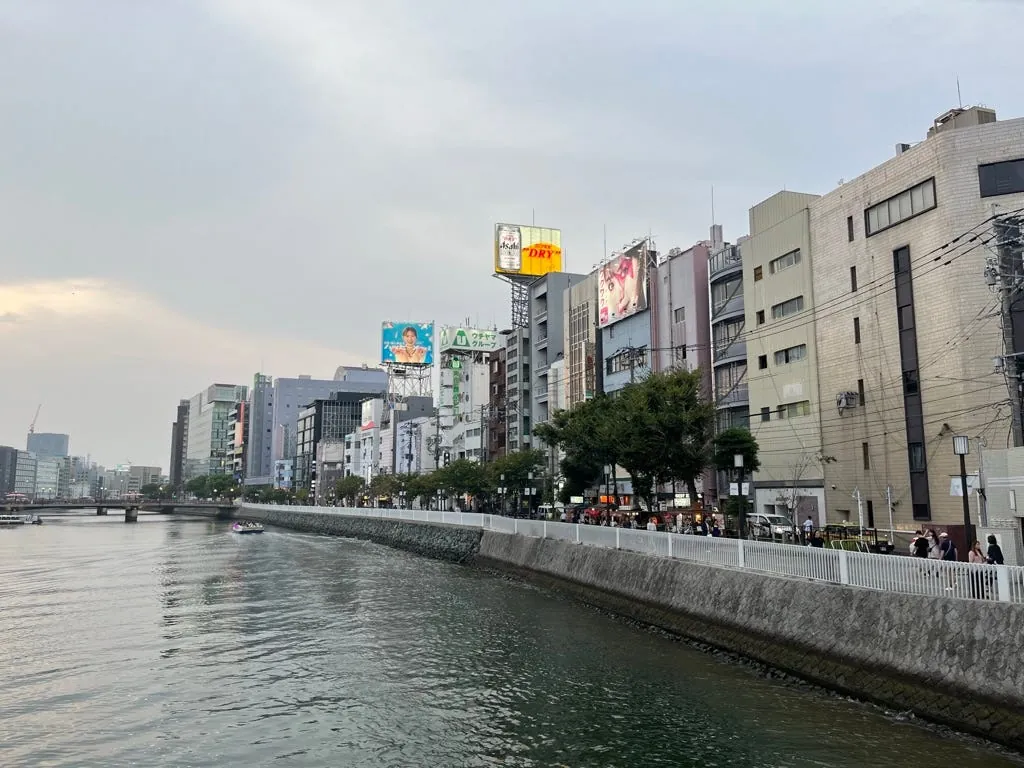
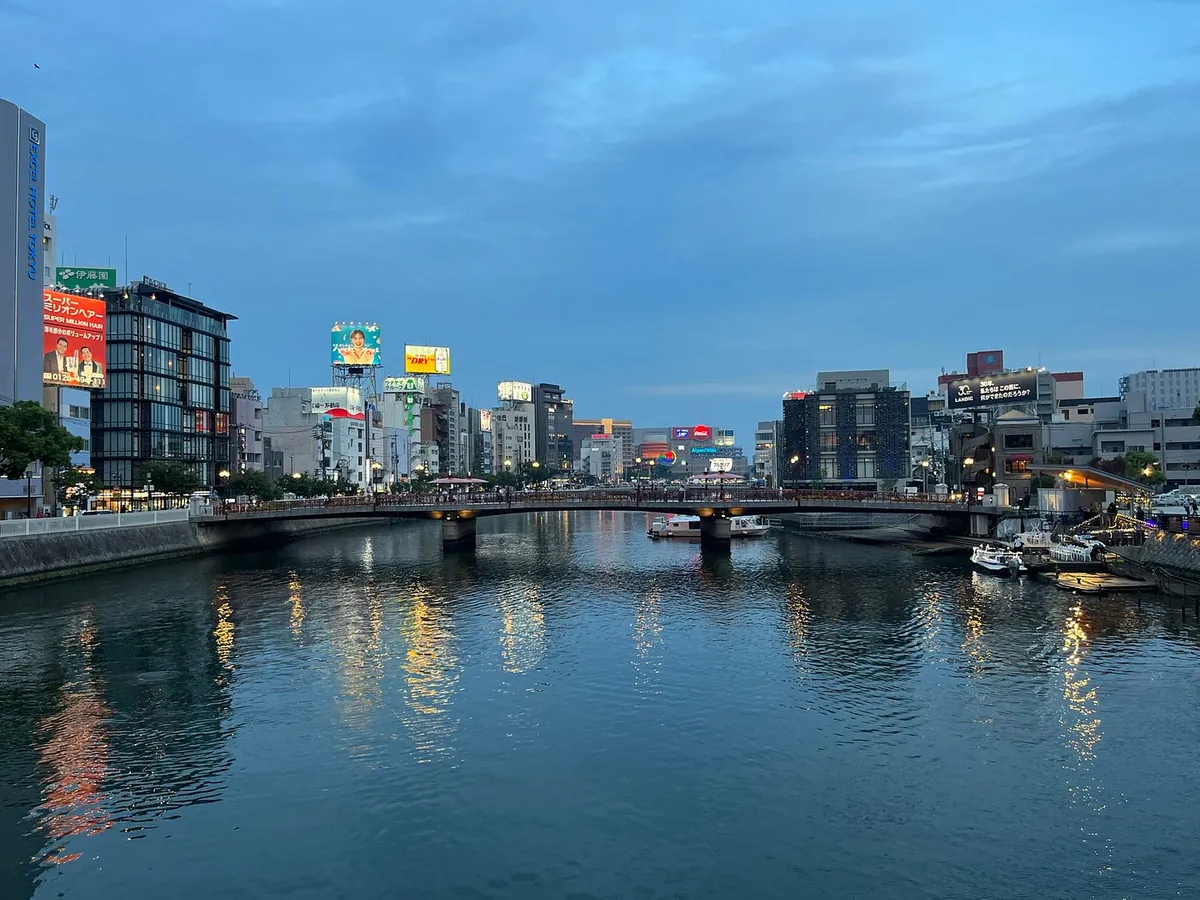
After eating, I took a stroll along the Nakasu Yatai before it got dark.
It was still early, so I went to shop at Tenjin’s department store (Parco) before returning to see the night view after dark.
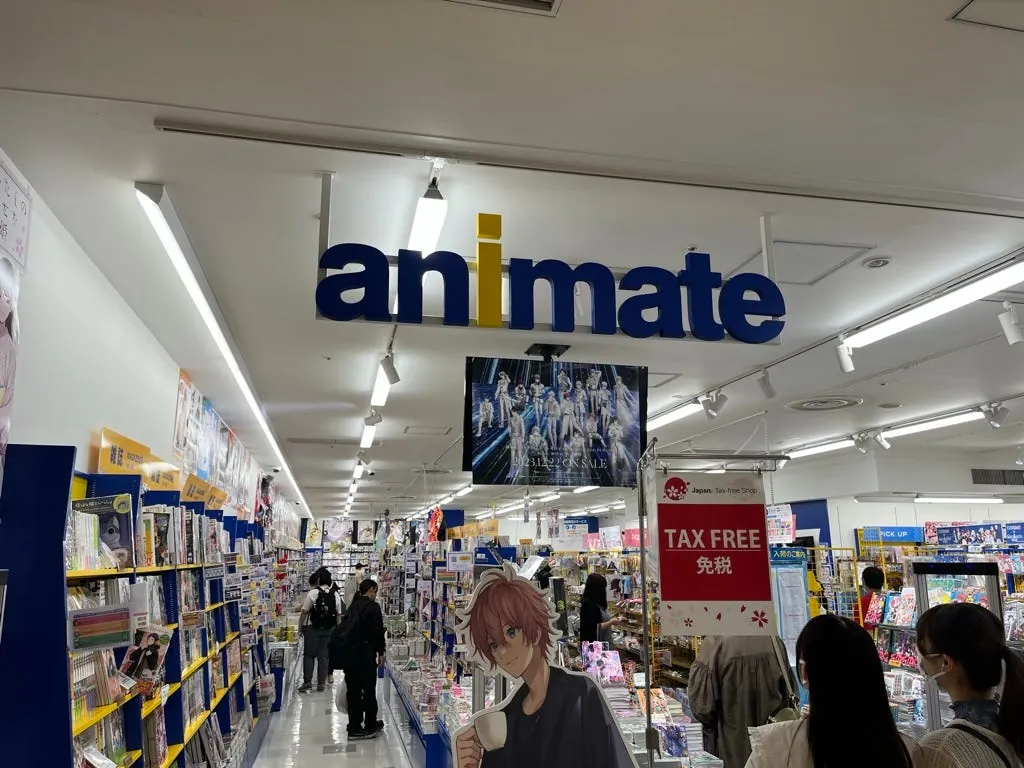
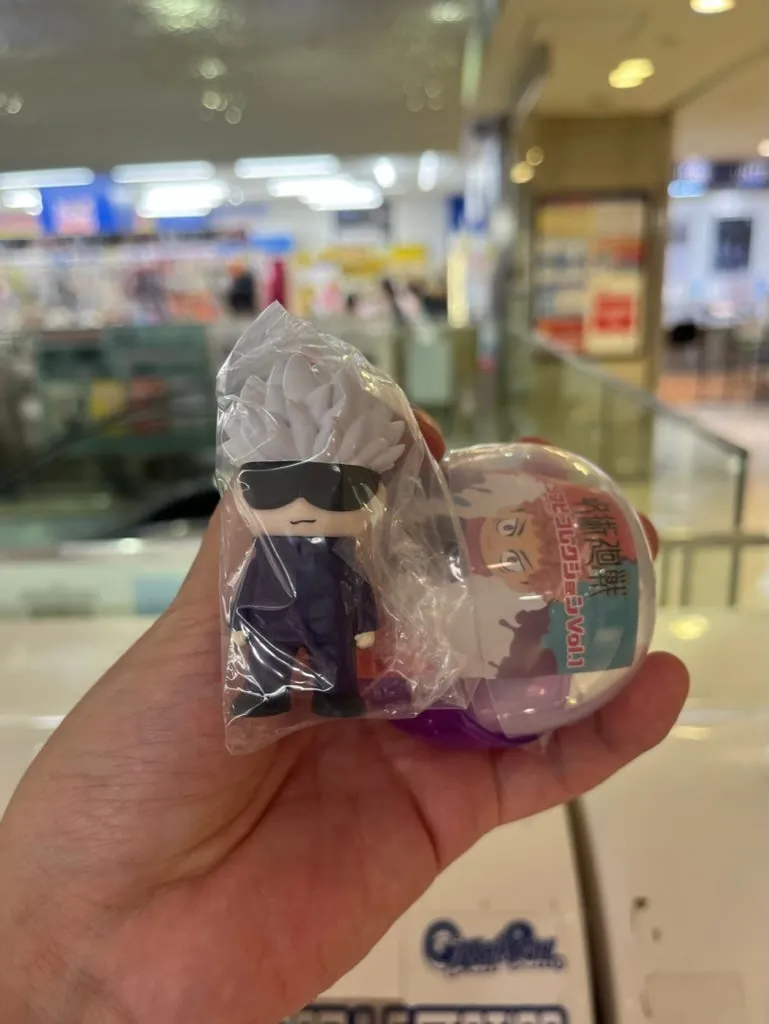
Upstairs has Animate and you can get Gojo Satoru on the first gacha pull.
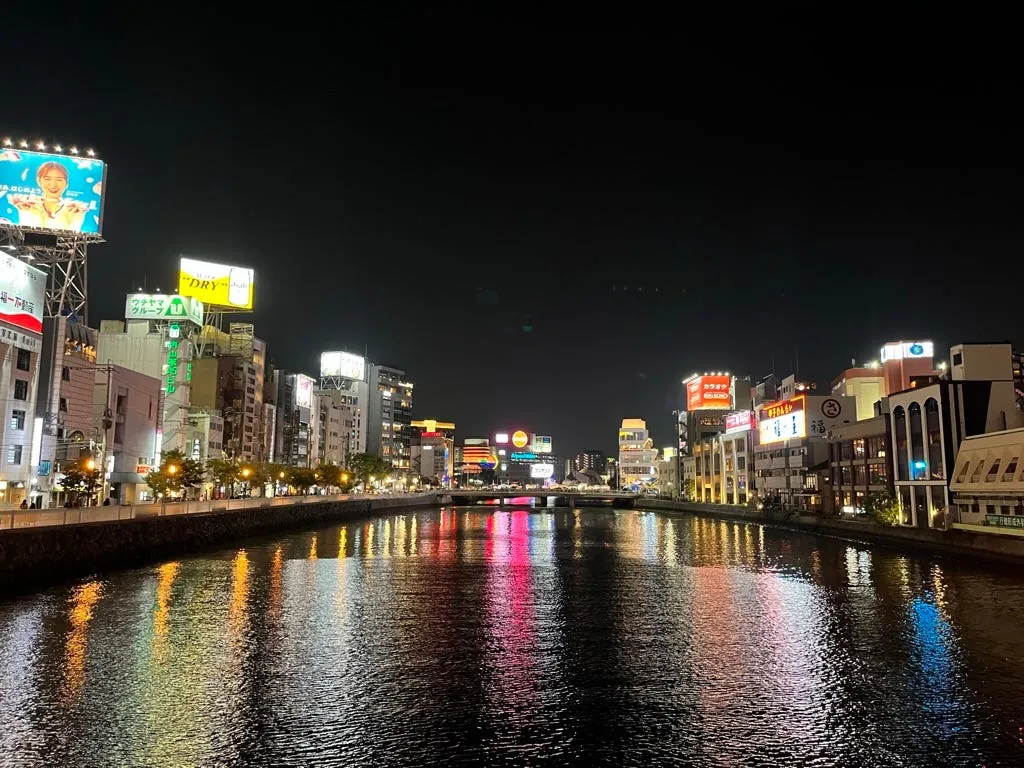
The night view of Nakasu yatai gives a lively, festive atmosphere.
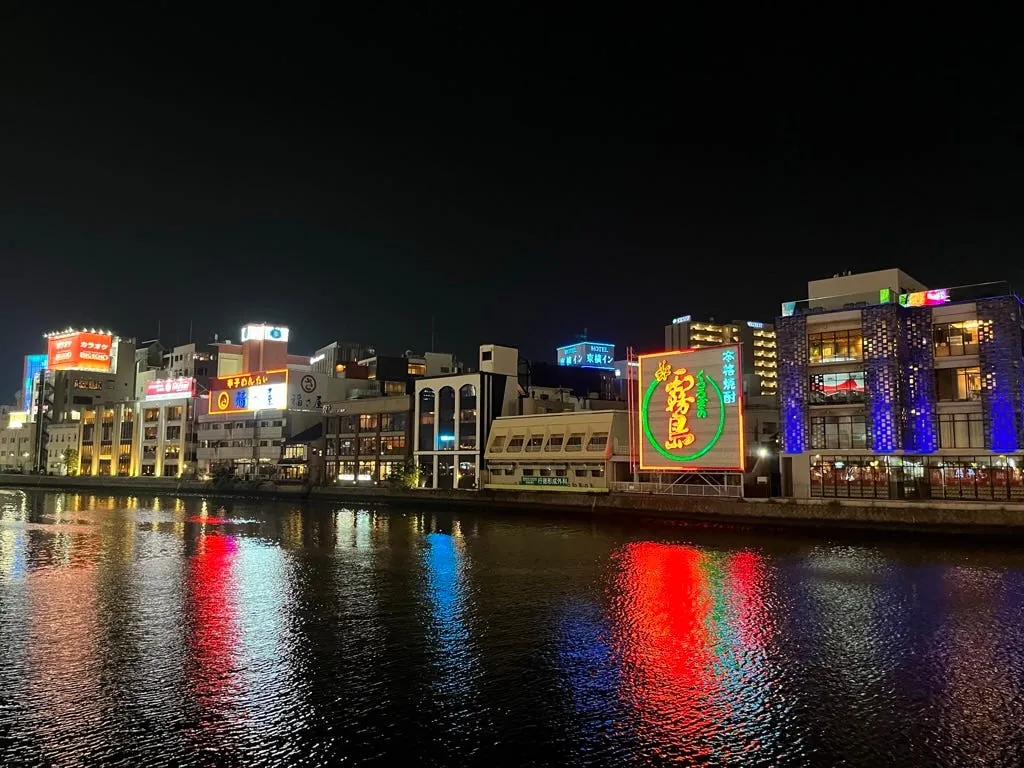
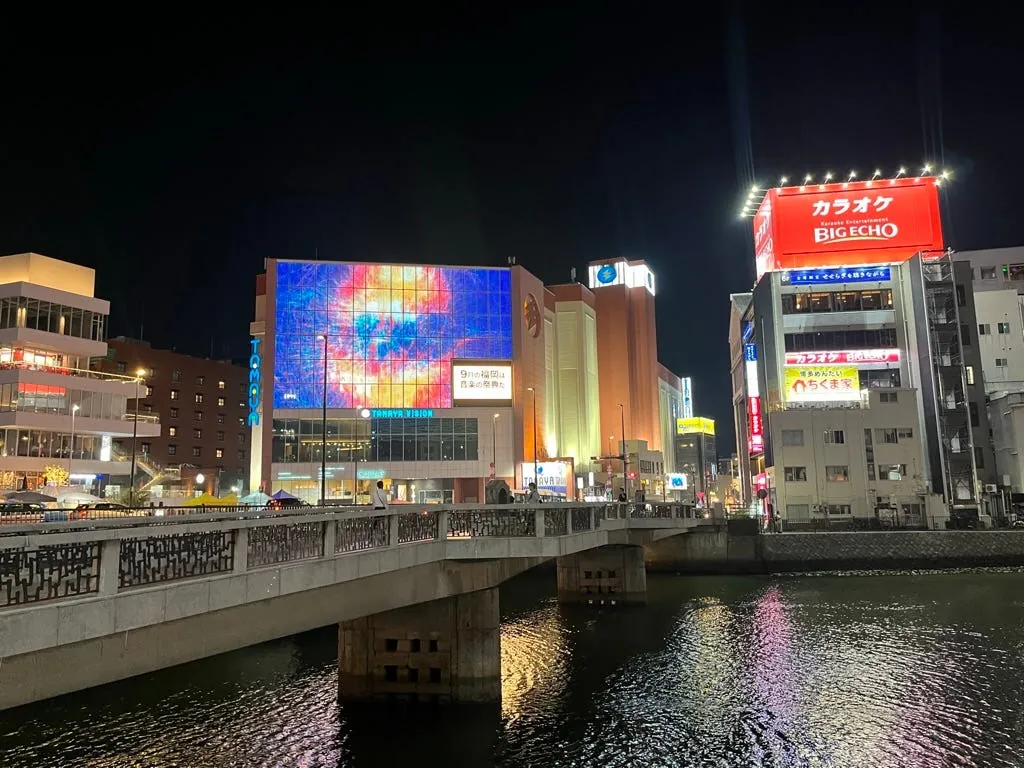
Extravagant and eye-catching Japanese-style advertising signs.
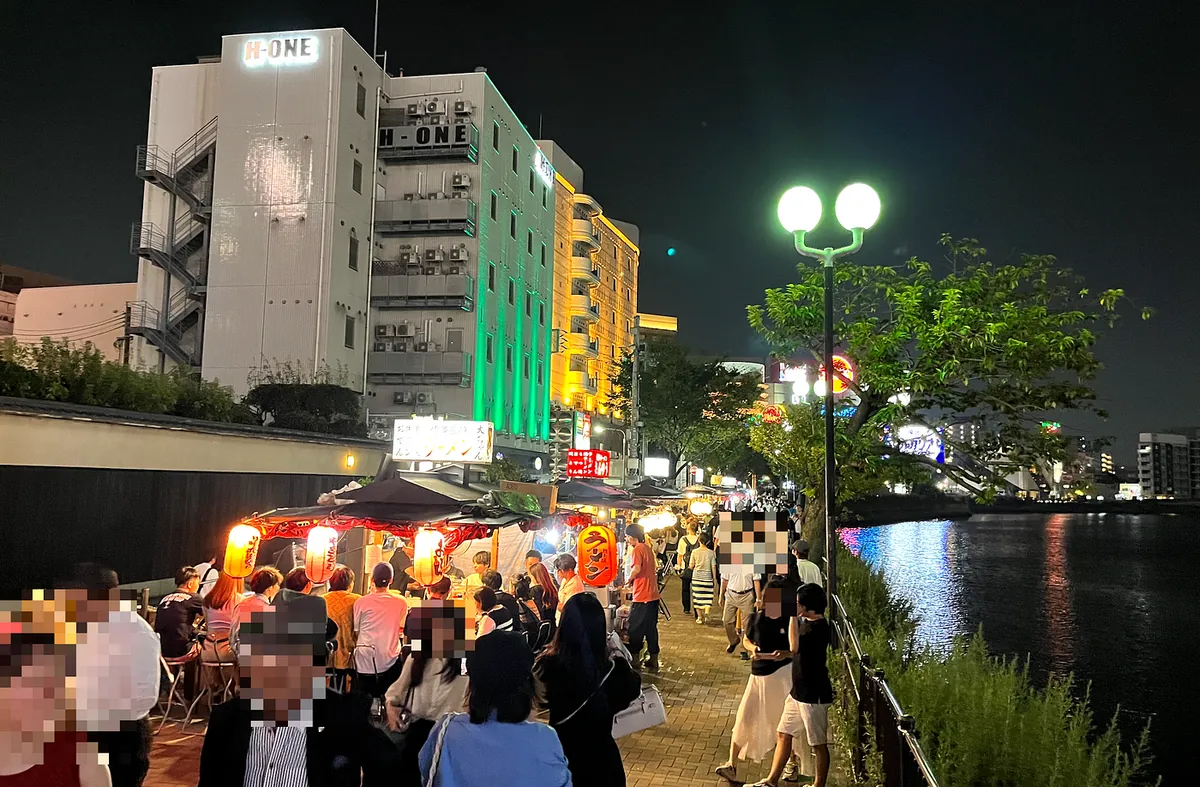
Nakasu Yatai refers to the roadside food stalls on this side, bustling with people; they offer ramen, oden, and grilled skewers. Nothing particularly attracted me, so I didn’t go in to eat.
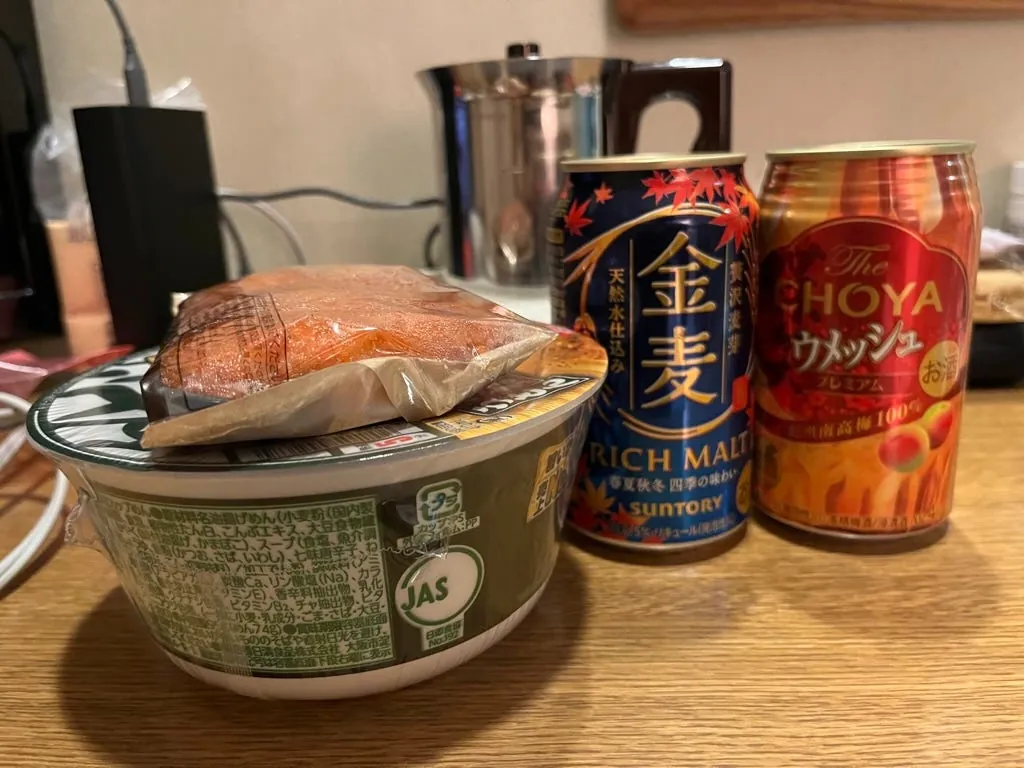
Return to the hotel to drink, have a late-night snack, and rest.
Day 4 Sumiyoshi Shrine, Kushida Shrine, Tenjin Underground Shopping Mall, Fukuoka Tower, Fukuoka SoftBank Hawks Baseball Game
A day walking in Fukuoka: after leaving the hotel, I first walked to the nearby Sumiyoshi Shrine.
Sumiyoshi Shrine
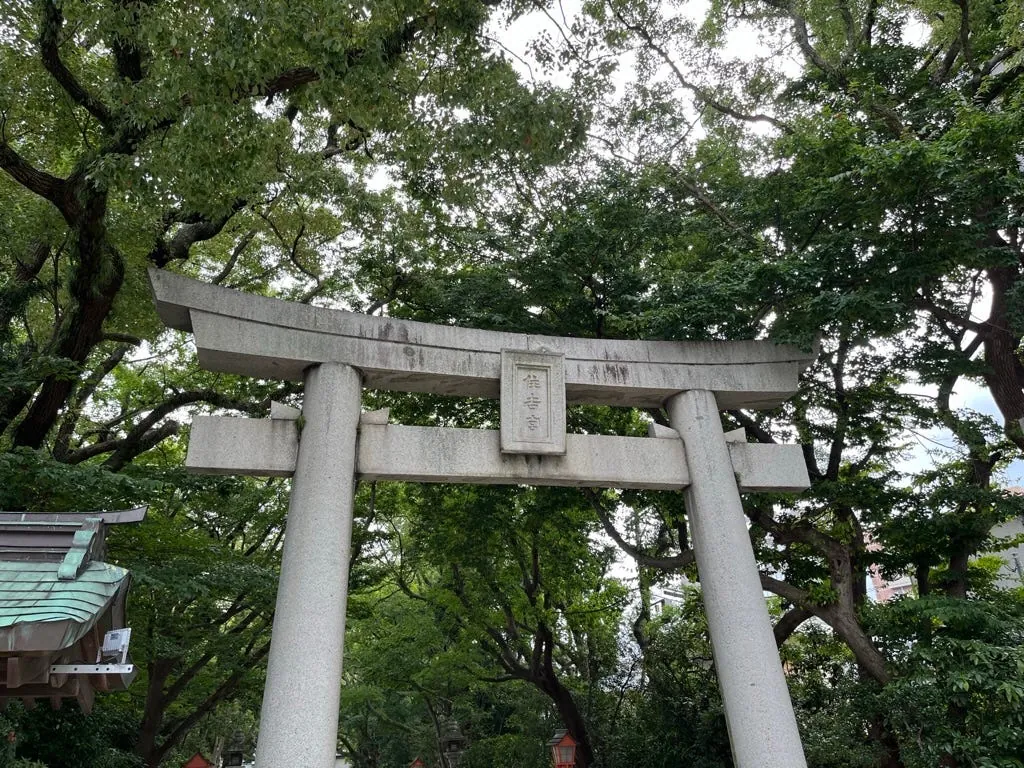
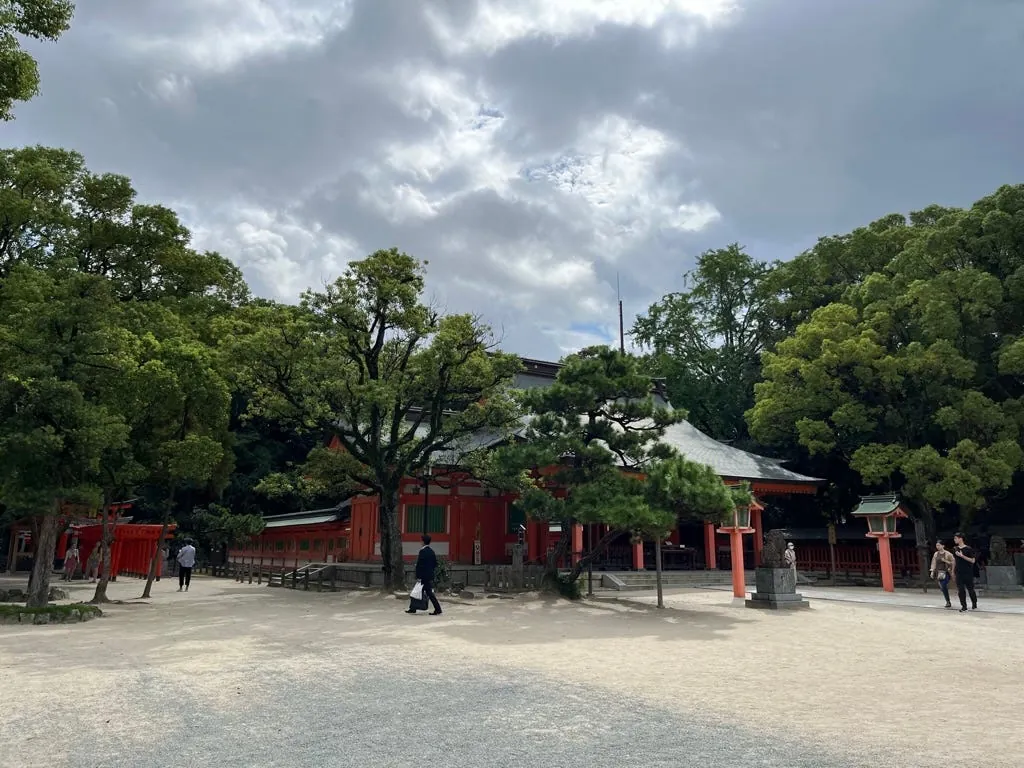
It’s small, so I probably wouldn’t go out of my way unless it’s nearby.
Passing through Canal City Hakata again to head towards Kushida Shrine.
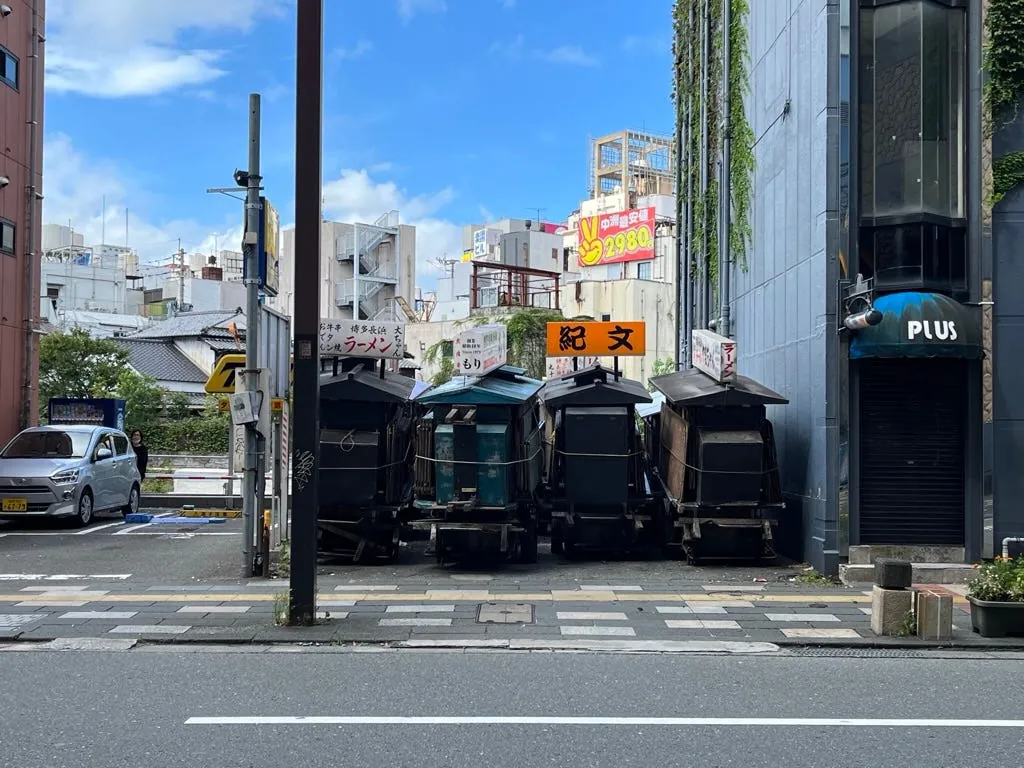
On the way, I saw the spot where the yatai food carts park in the morning—so small and cute.
Kushida Shrine
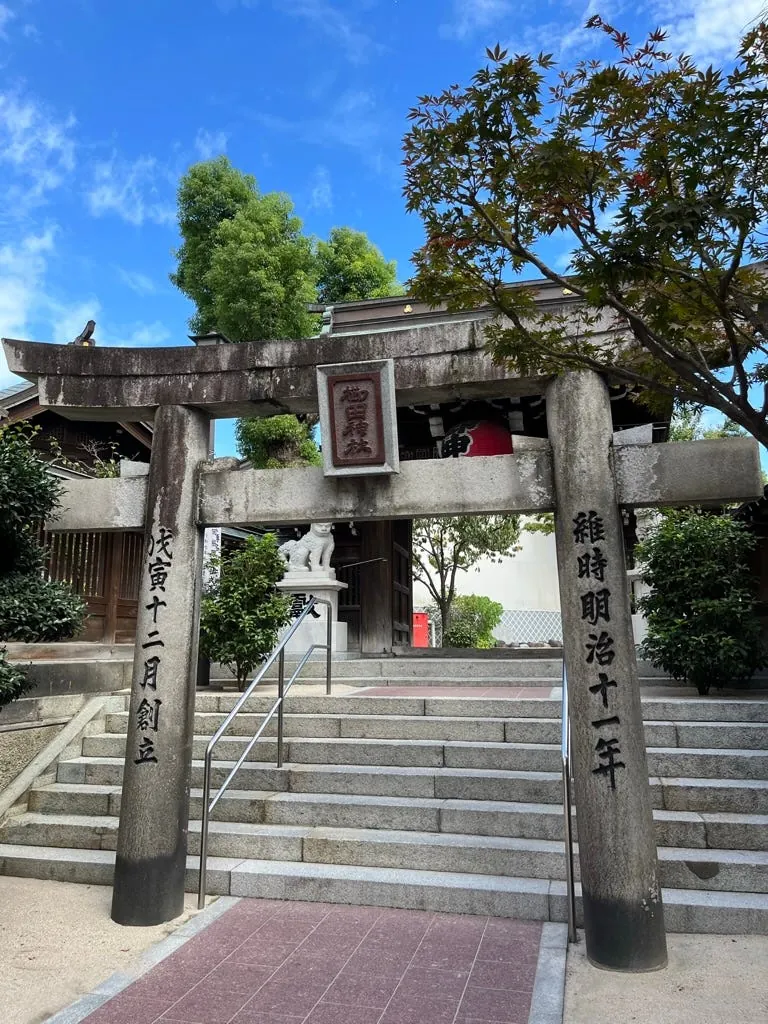
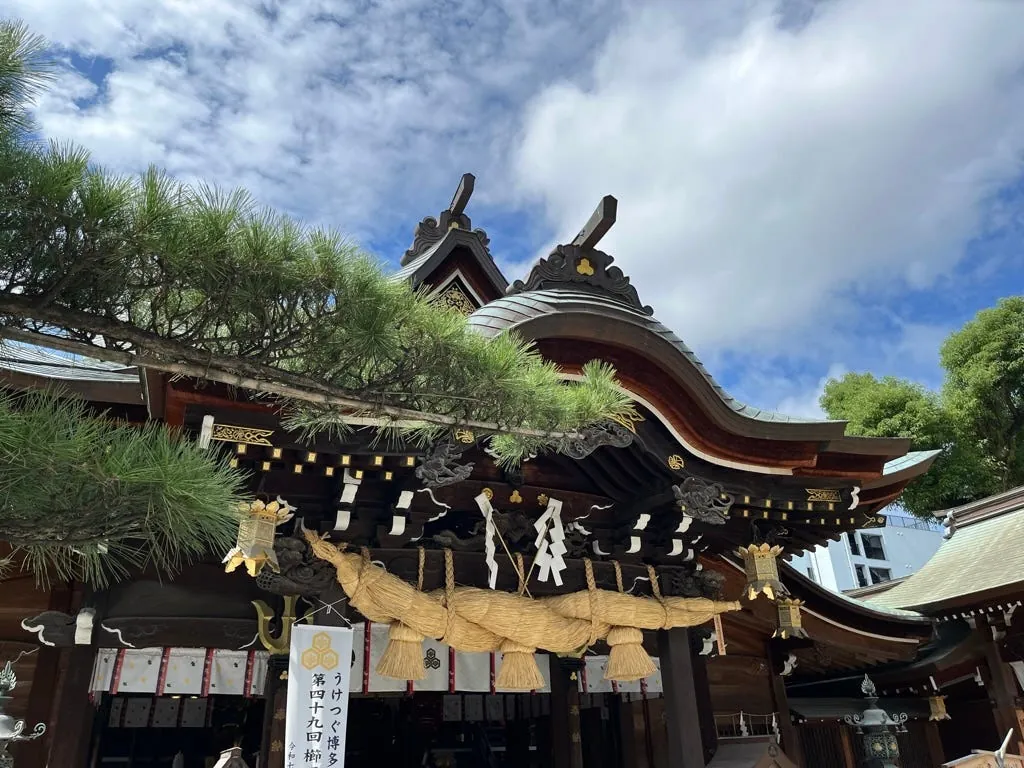
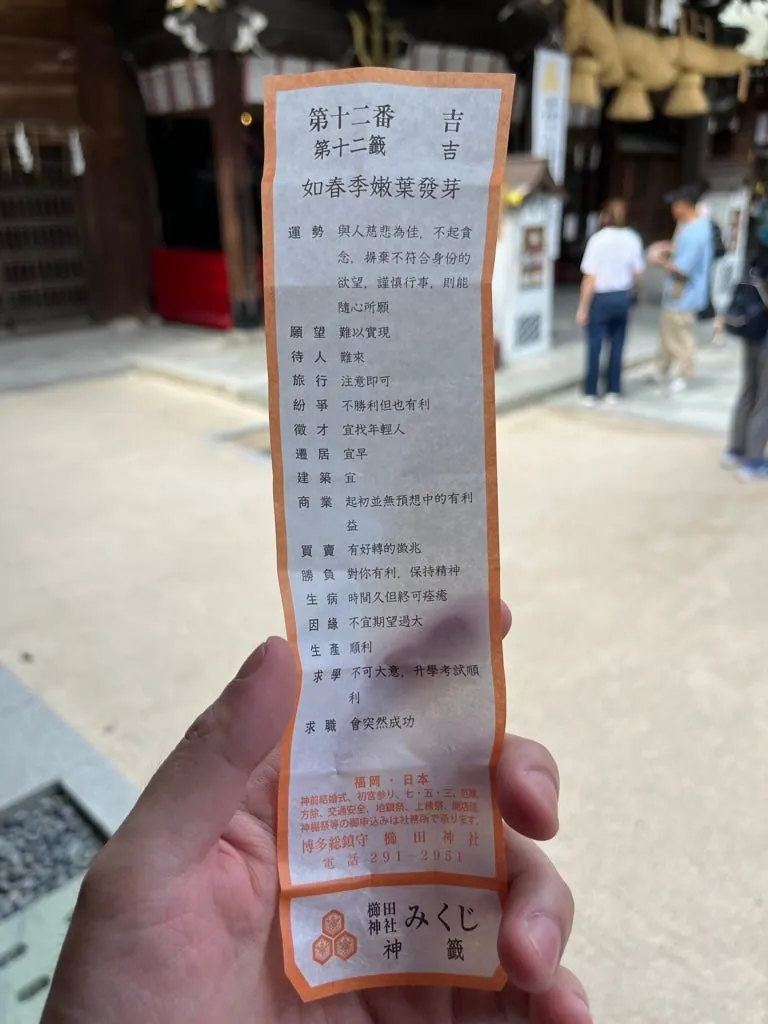
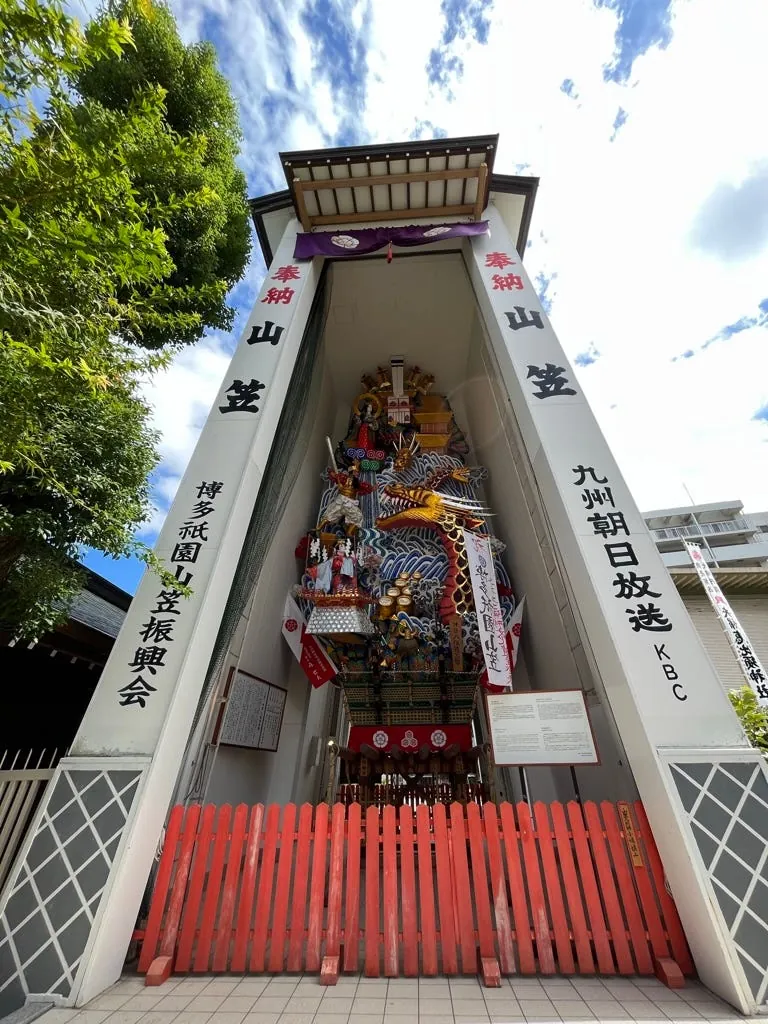
Kushida Shrine is relatively large. I also drew a fortune slip and saw that job hunting “will suddenly succeed,” which gave me renewed hope for work.
There was a display of the Hakata Gion Festival mikoshi, which was huge and spectacular.
Continuing the stroll in Fukuoka, I walked to ハカタミヤチク (Japan’s No.1 Miyazaki Beef Specialty Store Hakata Miyachiku) at noon to taste Miyazaki beef.
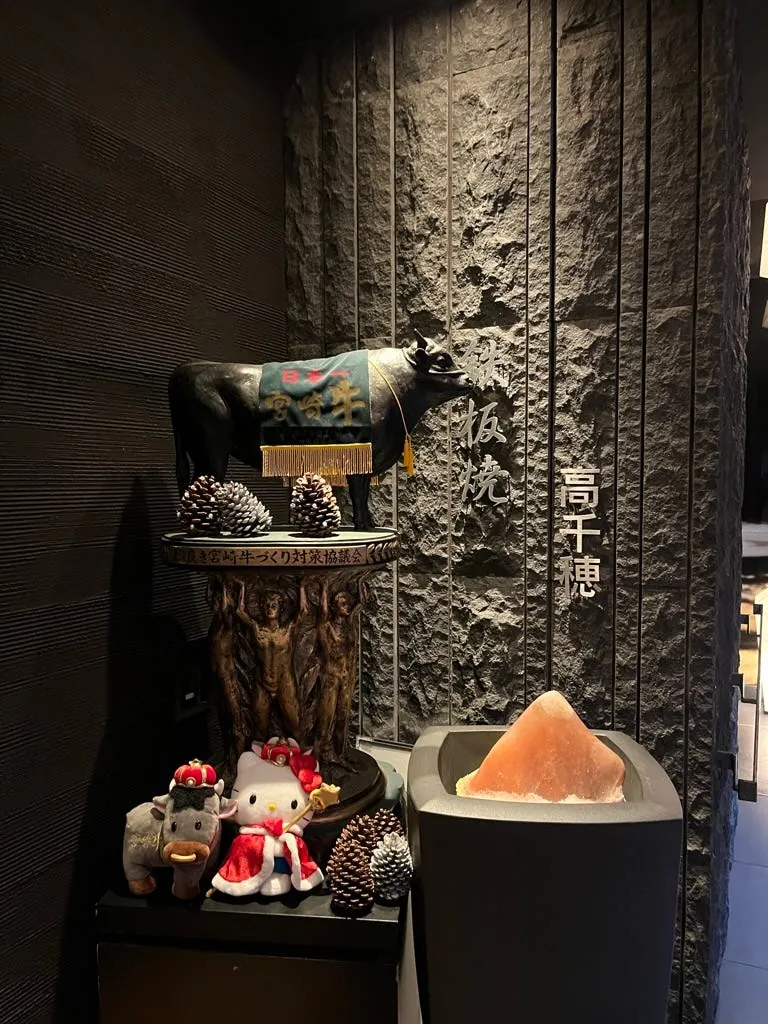
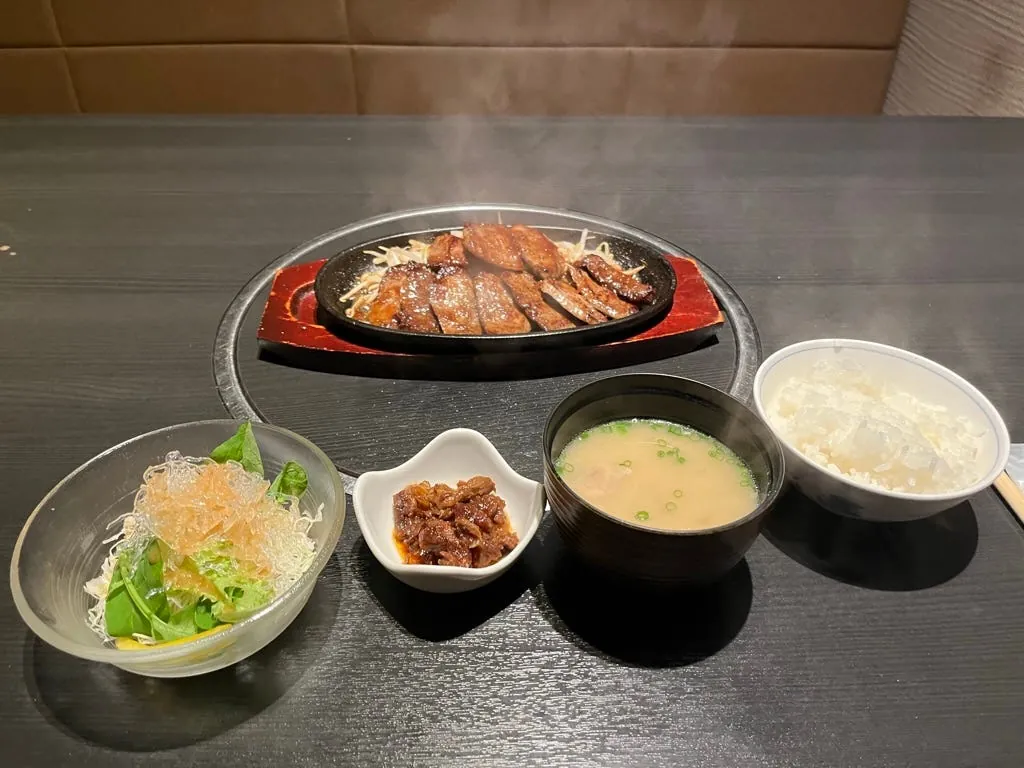
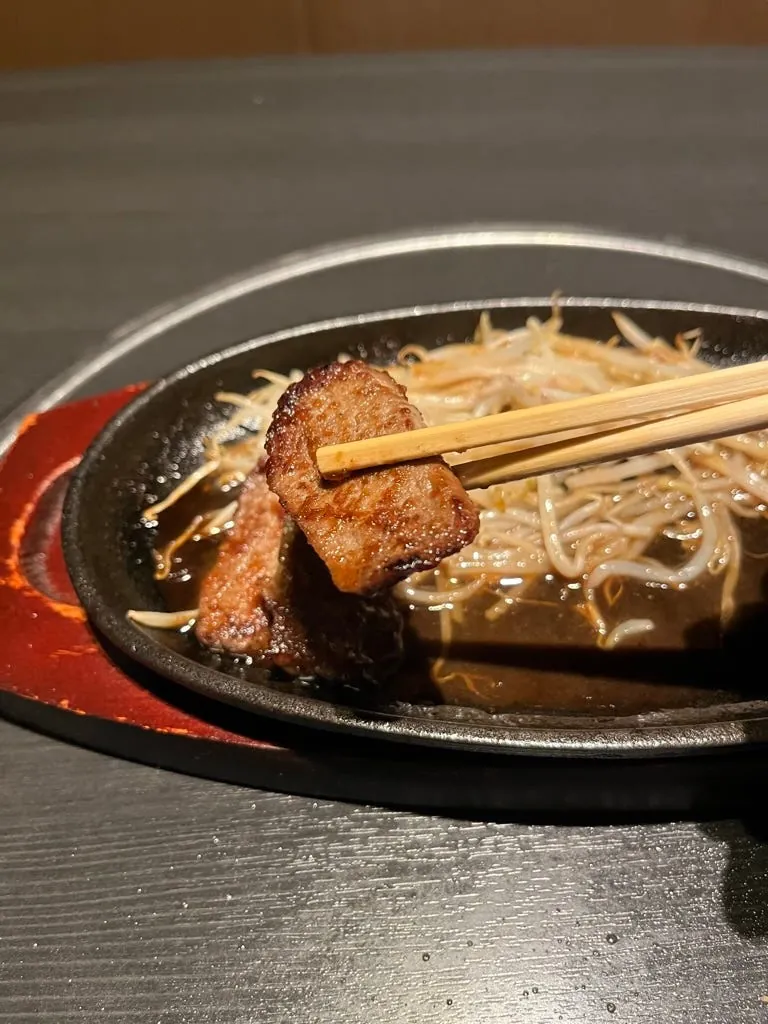
This Miyazaki beef steak with beer costs around TWD 650. Delicious and affordable! The Miyazaki beef is juicy and has no strange odor.
Tenjin Underground Shopping Mall
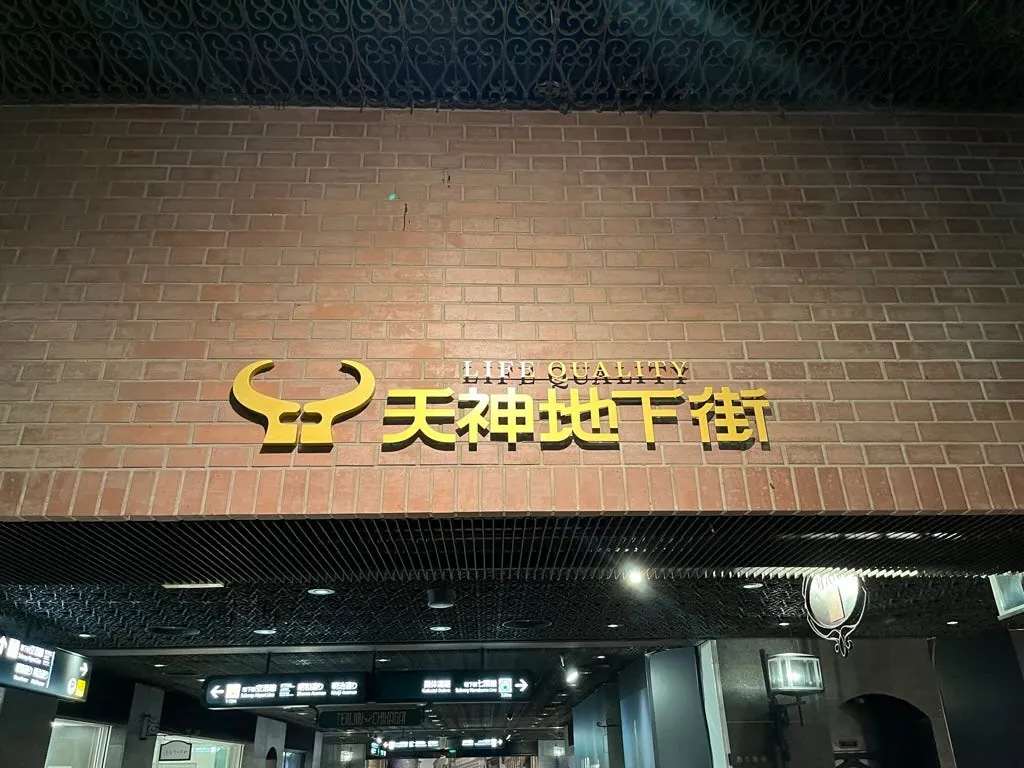
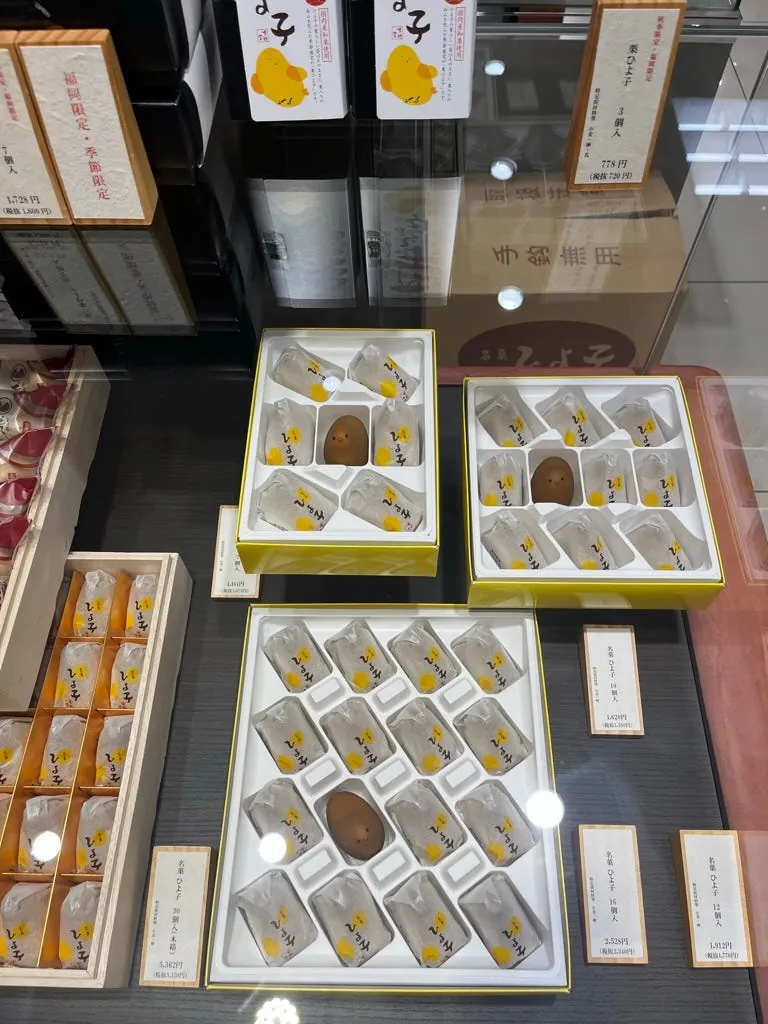
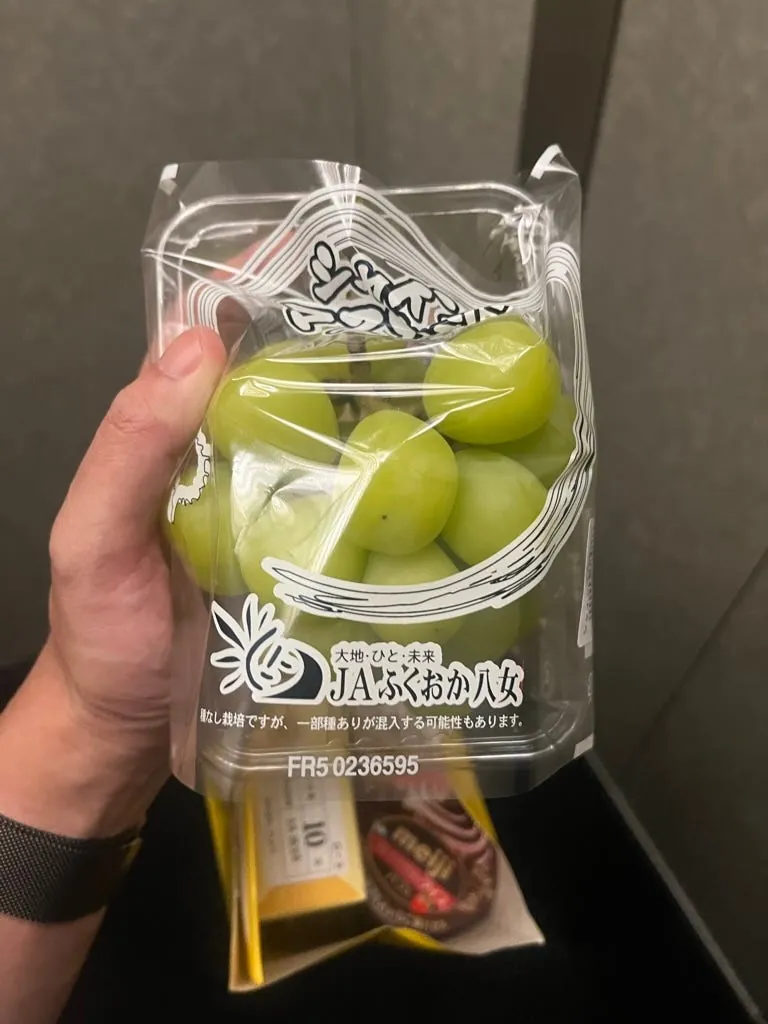
After lunch, I wandered around the Tenjin area and Tenjin Underground Shopping Mall, picking up souvenirs like chick-shaped cookies and cakes. I also visited a supermarket to try the popular Muscat seedless grapes.
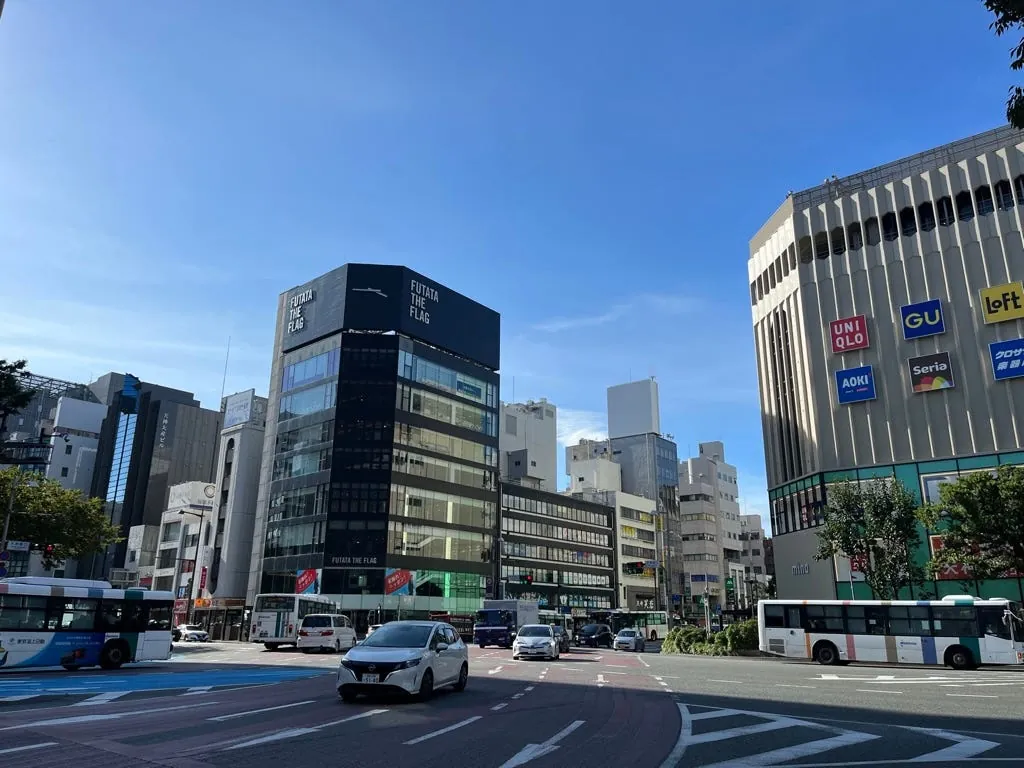
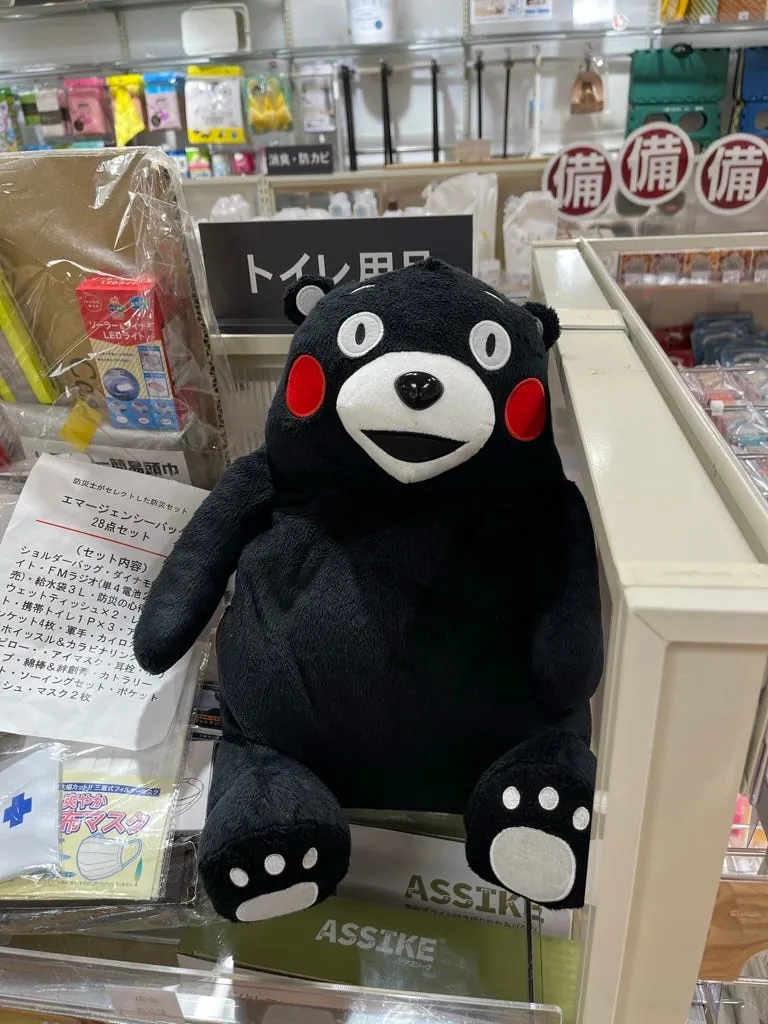
Wandering around Tenjin, I spotted a wild Kumamon, the mascot of Kumamoto.
First, return to the hotel to drop off the souvenirs and rest for a while, then head to Fukuoka Tower and watch a baseball game.
Fukuoka Tower
Take a bus from the city center to Fukuoka Tower.
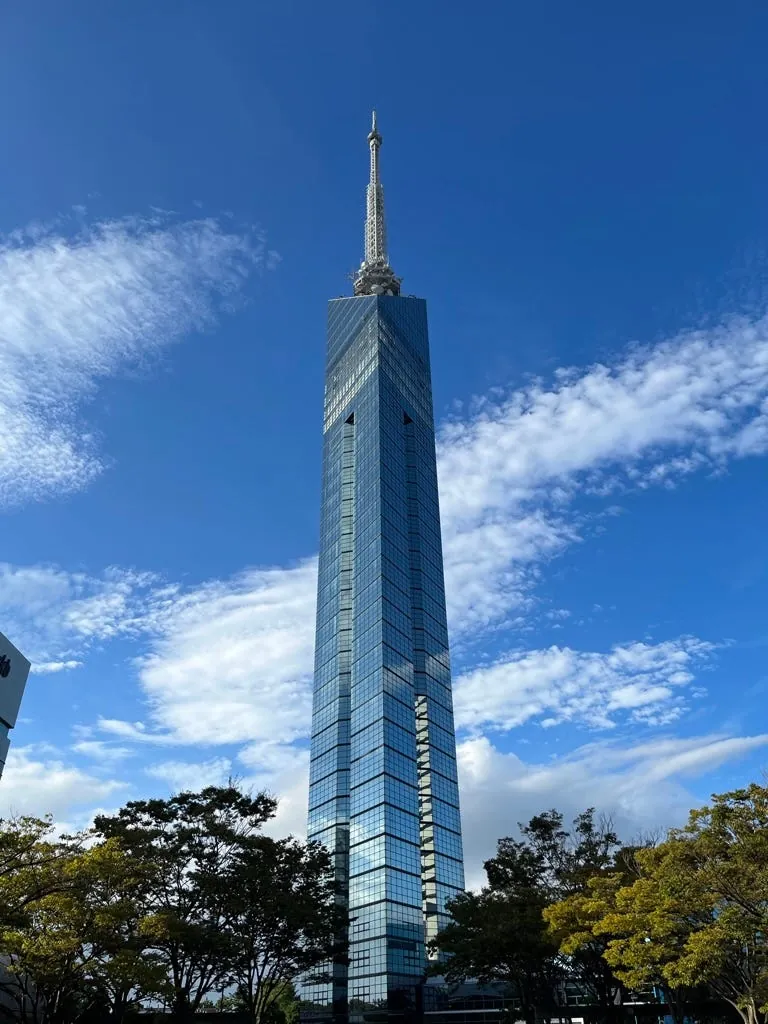
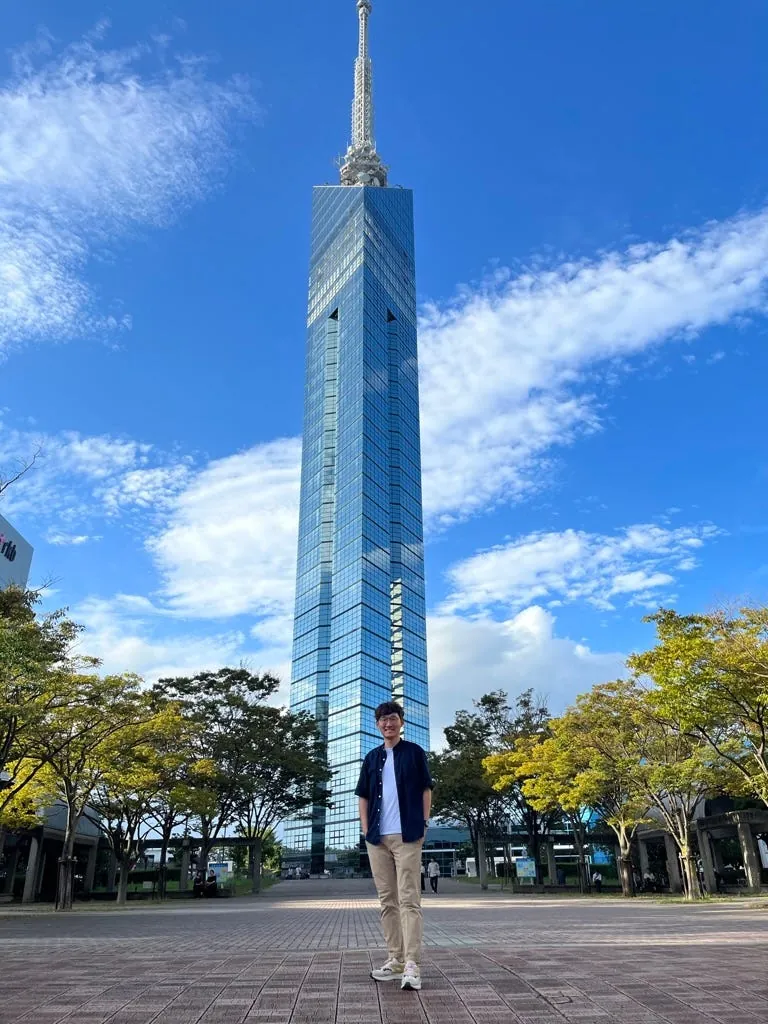
Fukuoka Tower features a full mirrored design, which looks stunning from the outside. I think it’s even more beautiful than Tokyo Skytree!
(Thanks to the kind stranger lady for taking the photo)
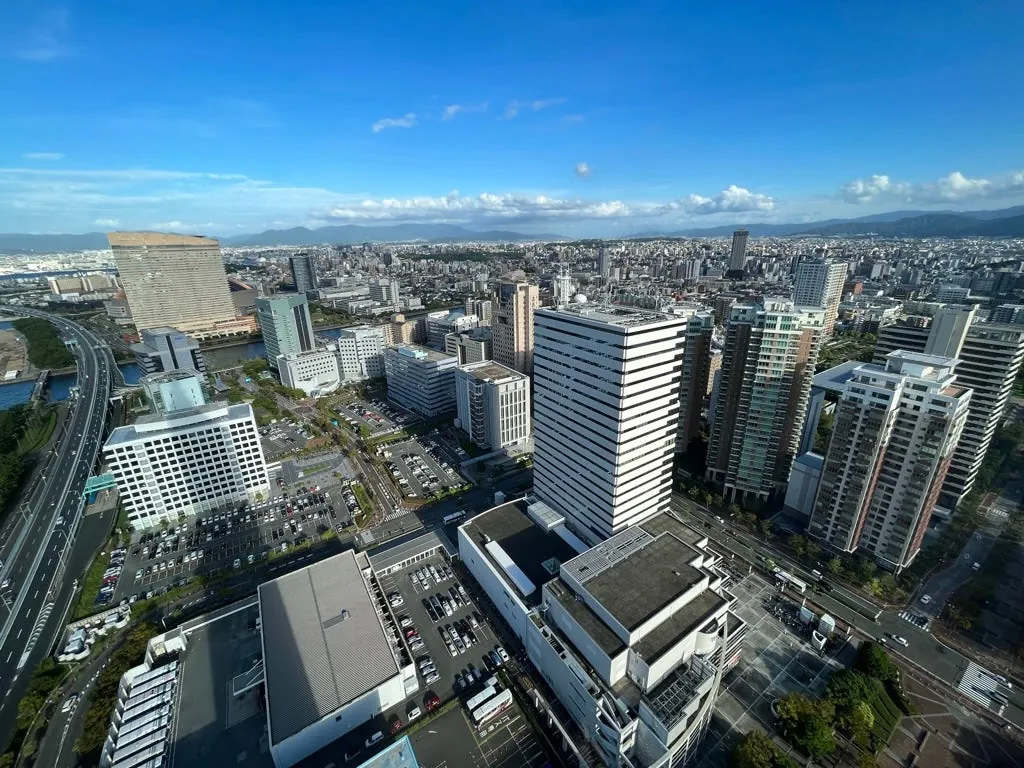
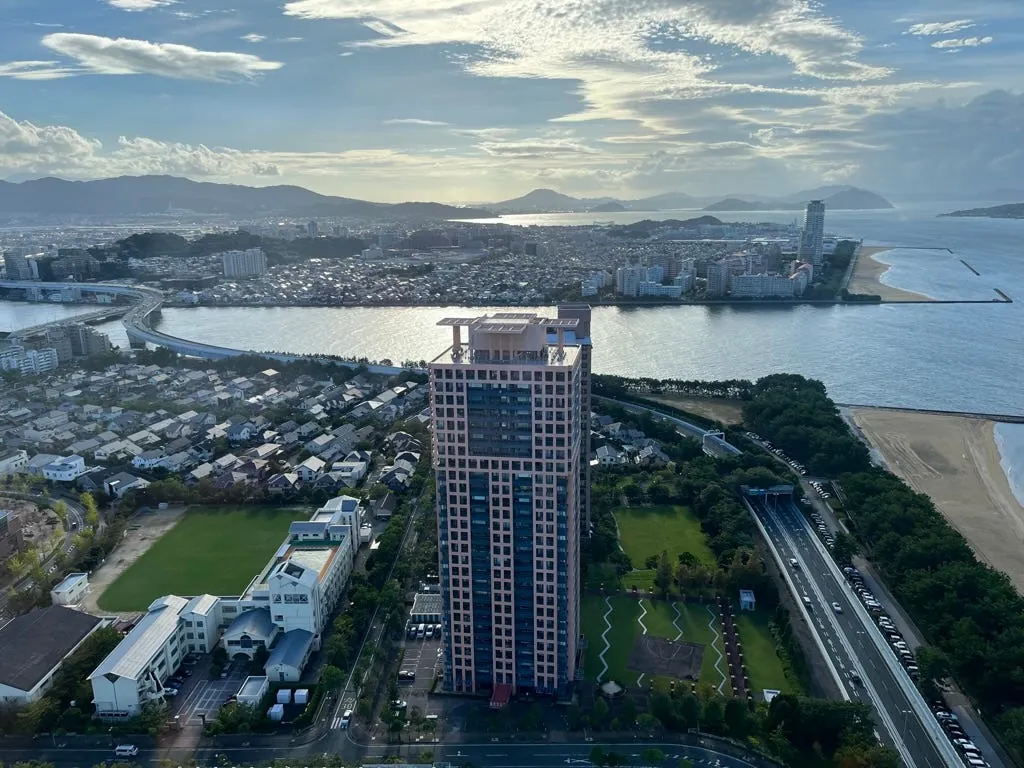
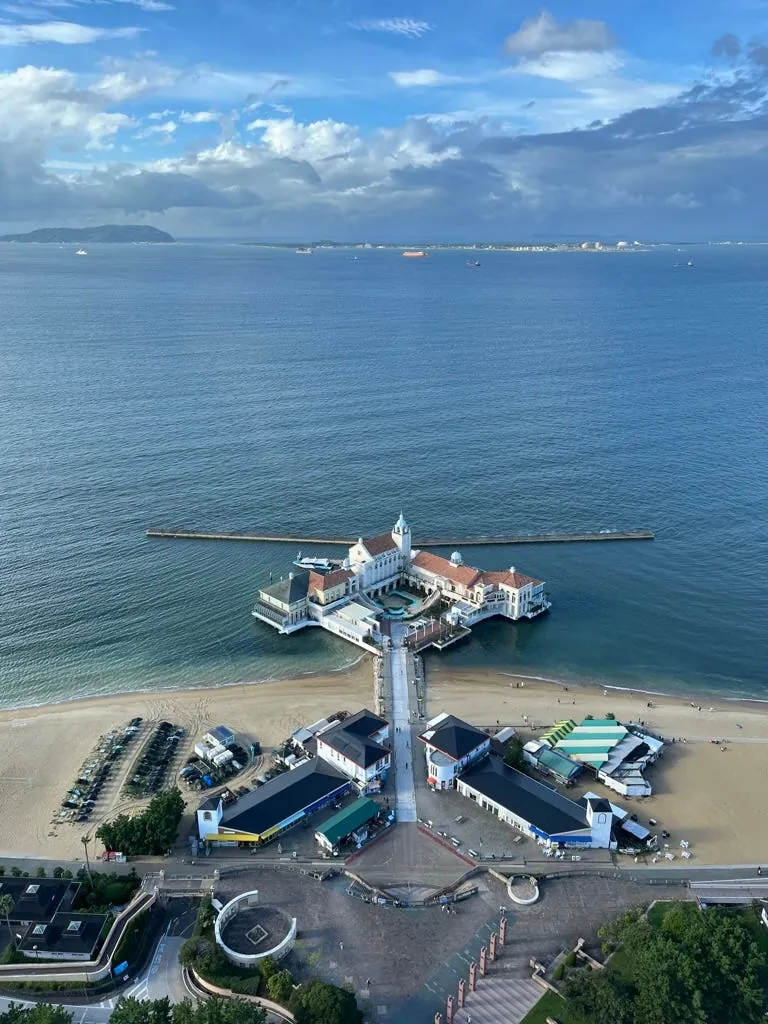
However, since the tower is located on the outer edge of the city near the sea, the view from the top is so-so; not sure how the night view is.
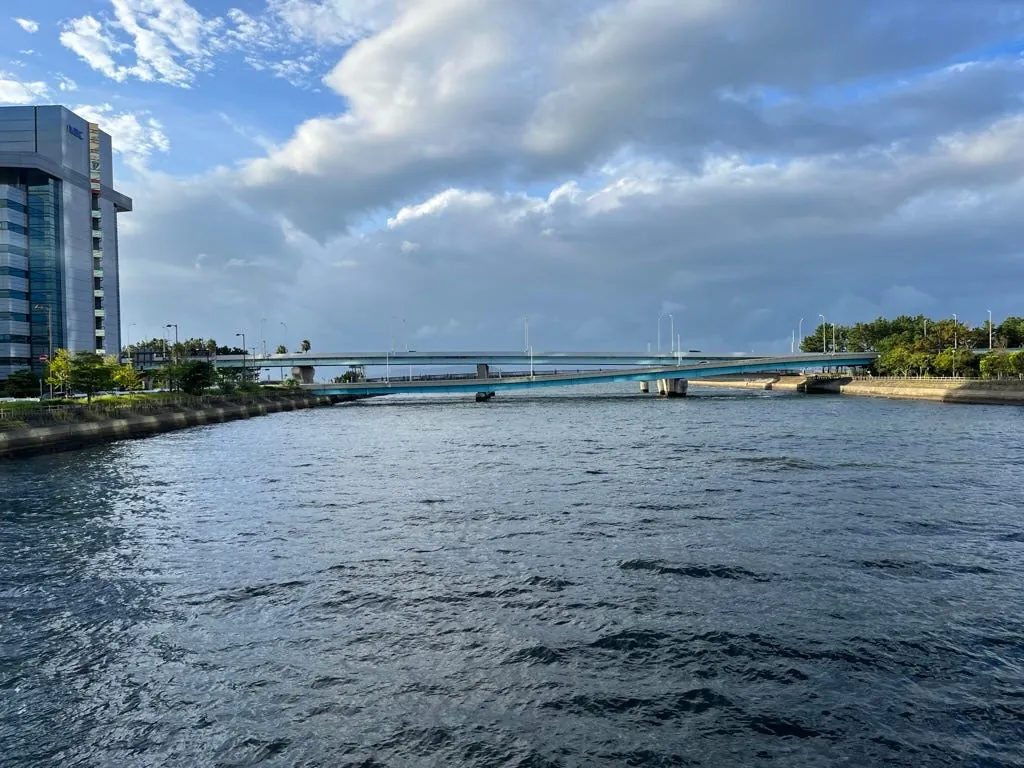
After leaving Fukuoka Tower, slowly walk to the previous stop, which is Fukuoka PayPay Baseball Stadium, where you can feel the scent of the sea.
Fukuoka SoftBank Hawks Baseball Game
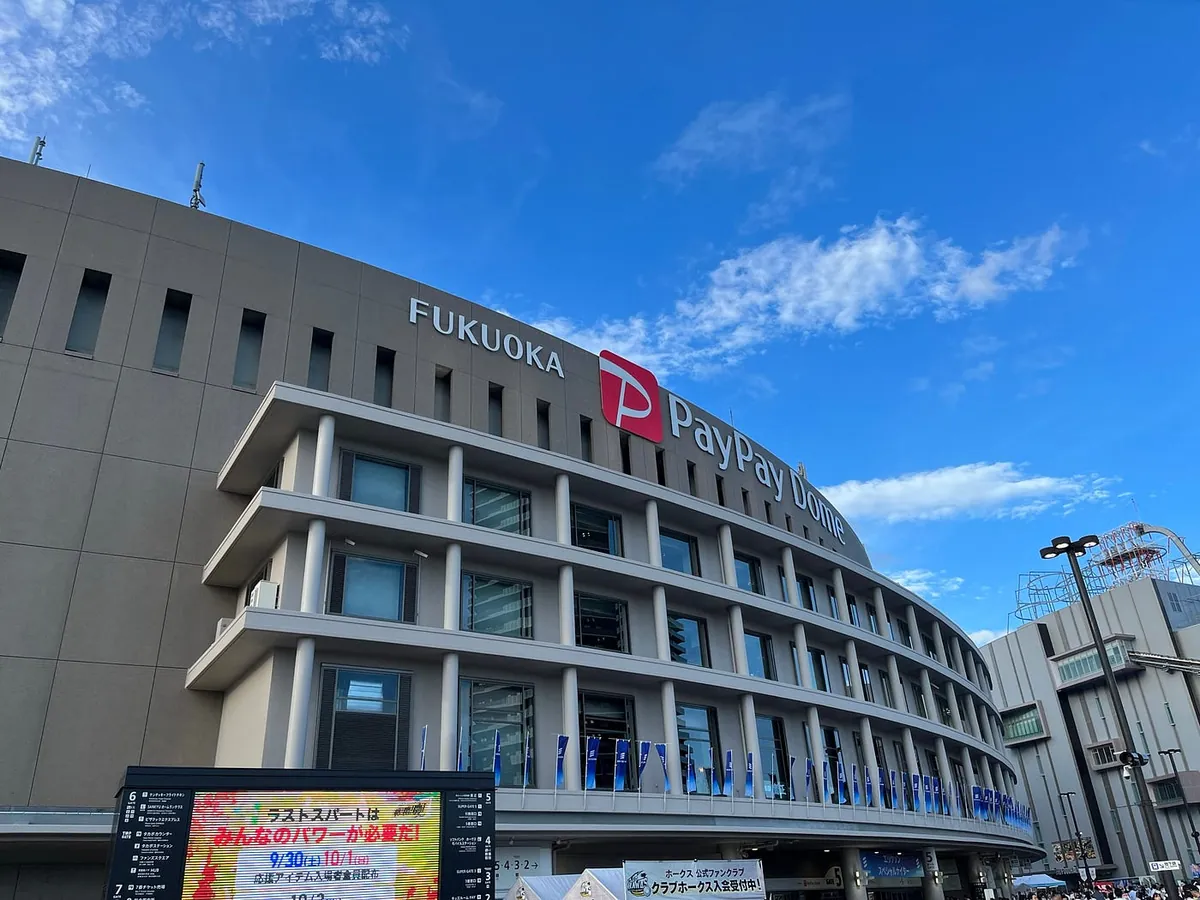
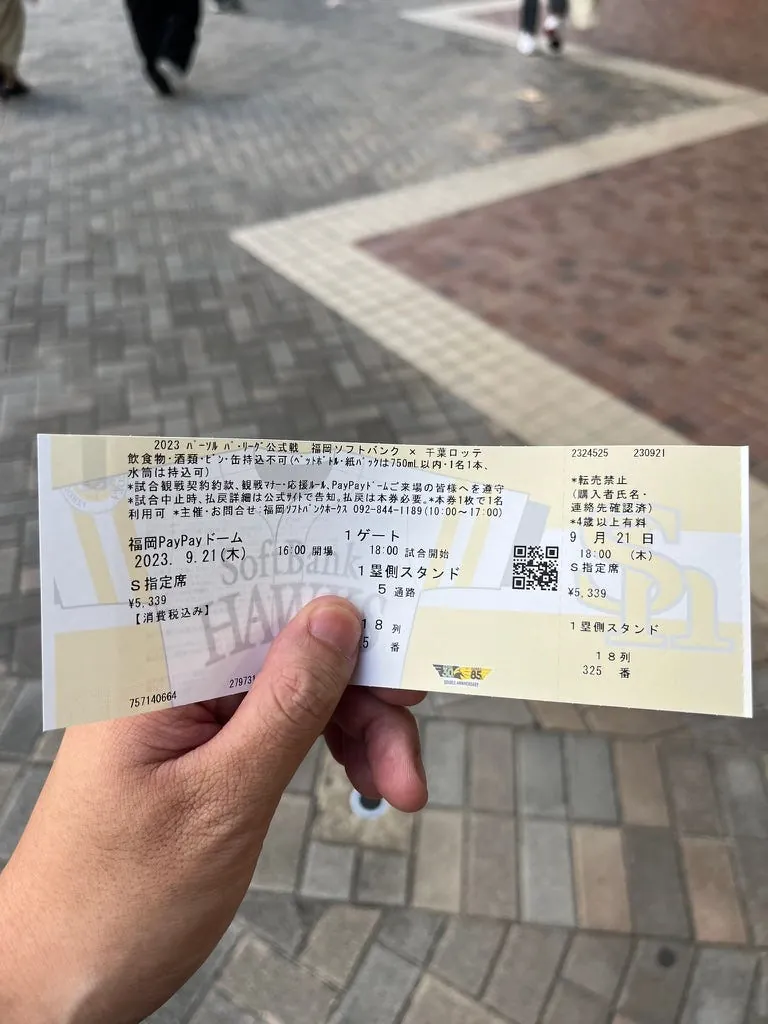
It was crowded (about 70% full), but there were still tickets available for purchase on-site.
Ticket Buying Anecdote
When buying tickets, I encountered an older man at the counter who was nervous and trembling because of the language barrier with a foreigner; I got nervous too XD. In a moment of brain fog, I chose a reserved seat in the very last row of the front stand, right in the middle (with people sitting on both sides). It was super awkward going in and out, having to say すみません all the way, and the seat was very small. Surrounded by Japanese people and not knowing any Japanese myself, it was quite embarrassing… I sat upright and seriously watched the entire game.
The ticket price is nearly 1,500 TWD, so I figured I’d just buy the cheapest seat and watch comfortably on my own.
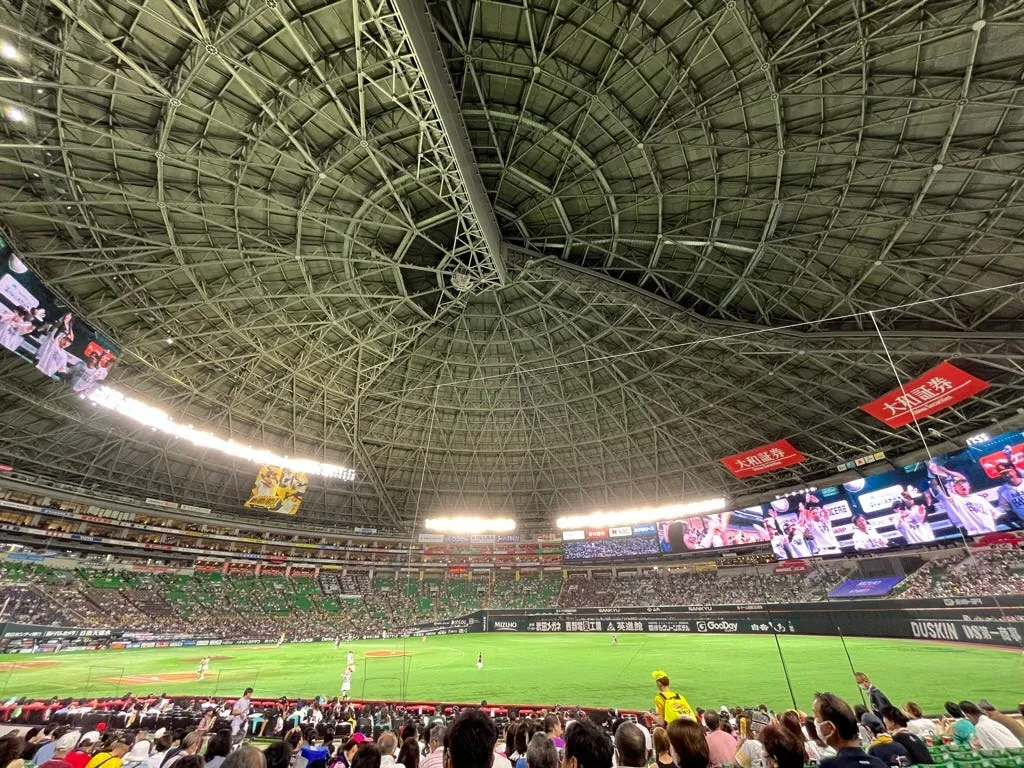
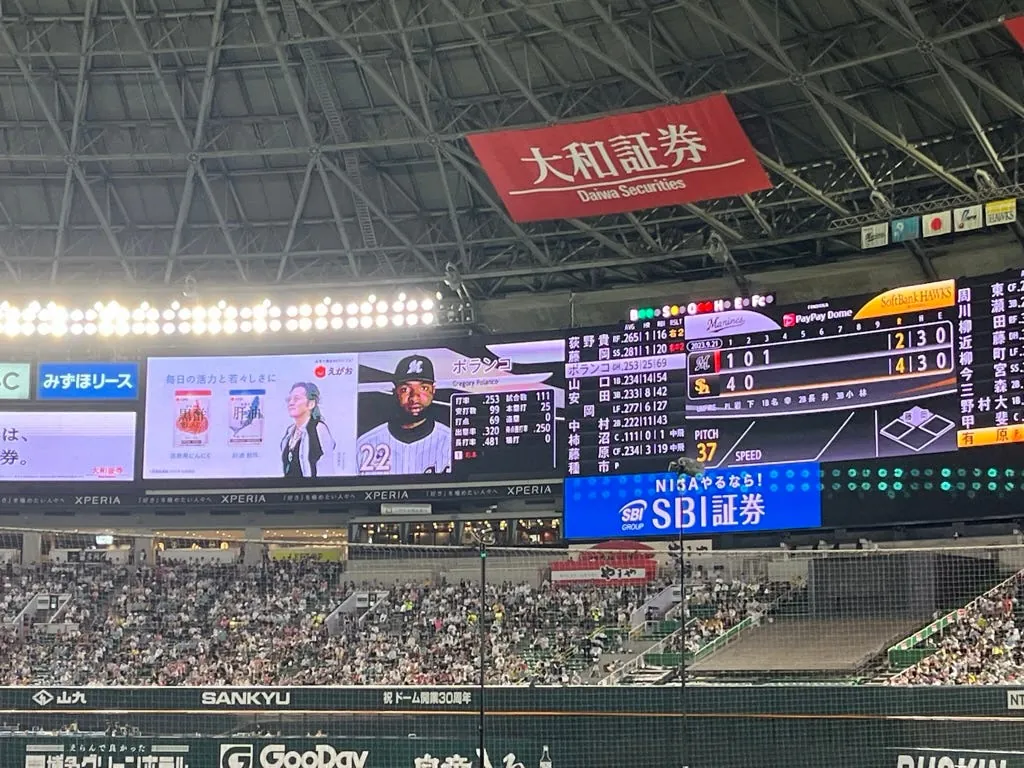
I have to say the dome’s visual effects (being very close to the field) and the large screen animations are excellent.
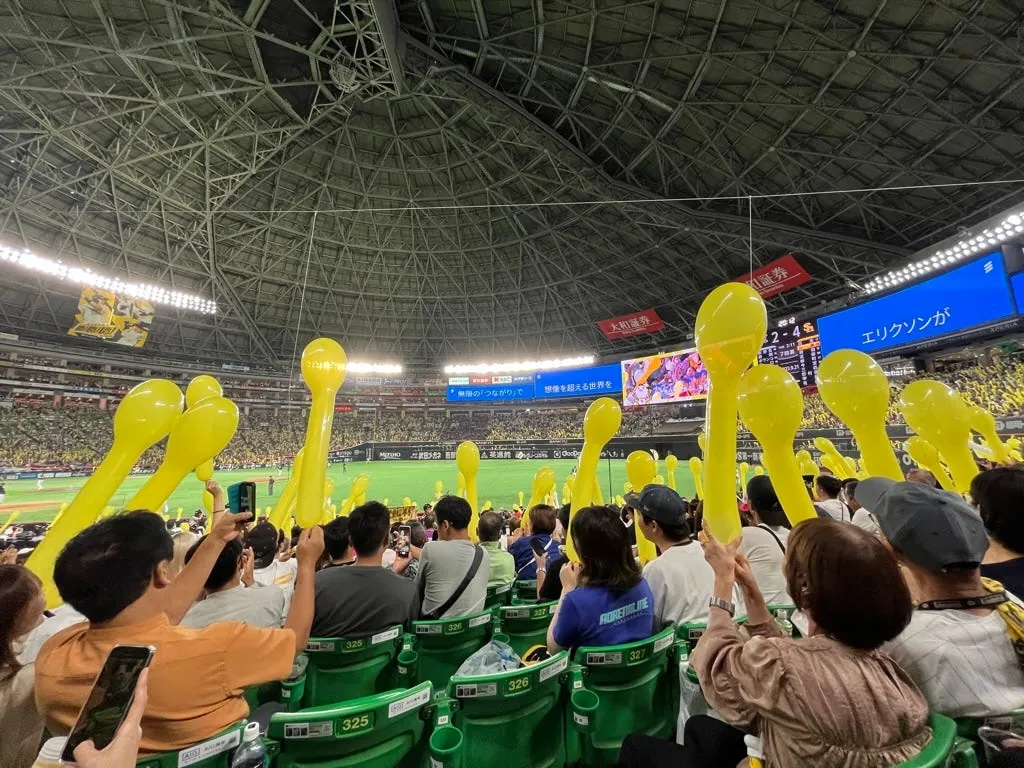
The cheering tradition of the Fukuoka SoftBank Hawks involves inflating balloons (using manual pumps) during the top of the 7th inning and then releasing them. As for the trash… no one really cares, but someone eventually cleans it up.
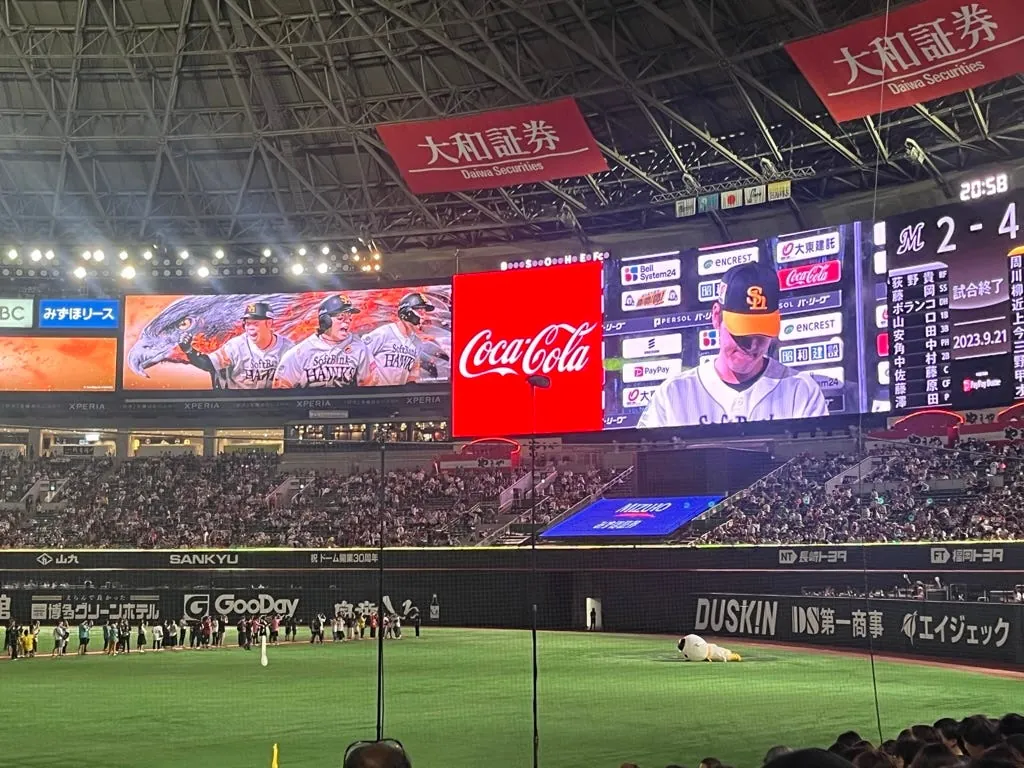
The final home game ended with a 4:2 victory, more exciting than the CPBL. Pitchers’ speeds were around 145 km/h, with offense and defense in every inning, rarely three up three down; yet the pace of the game was fast and felt very smooth.
However, when it comes to cheerleading, Taiwan still has more variety than Japan.
The home team’s victory fireworks inside the Dome were really cool!!
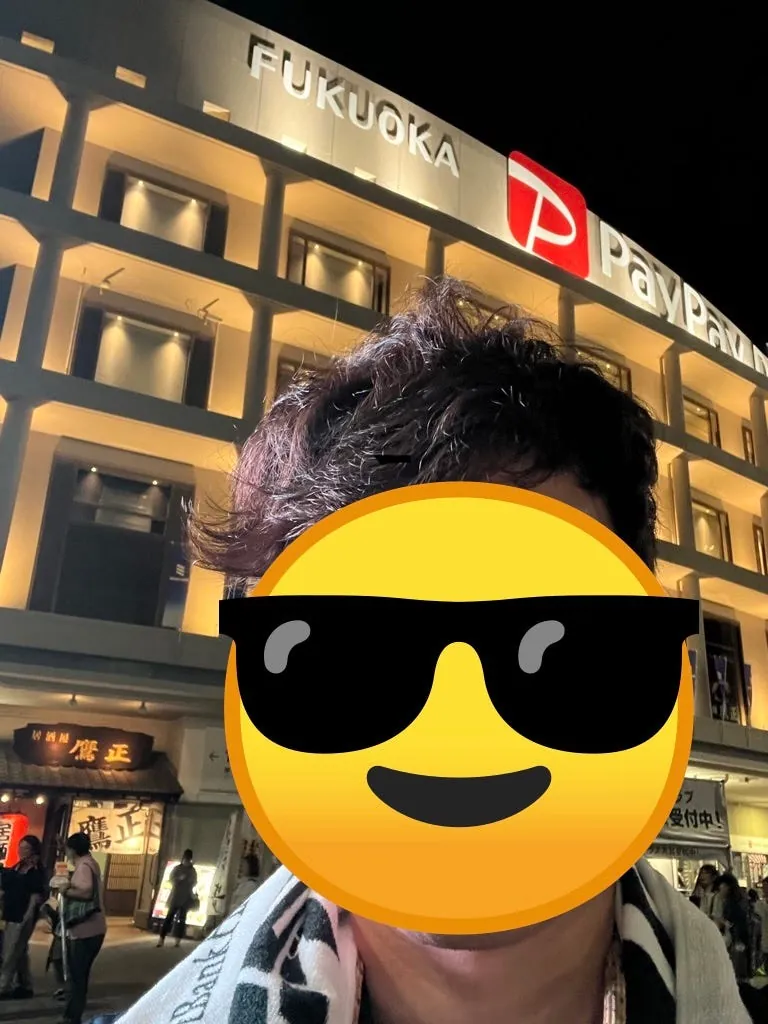
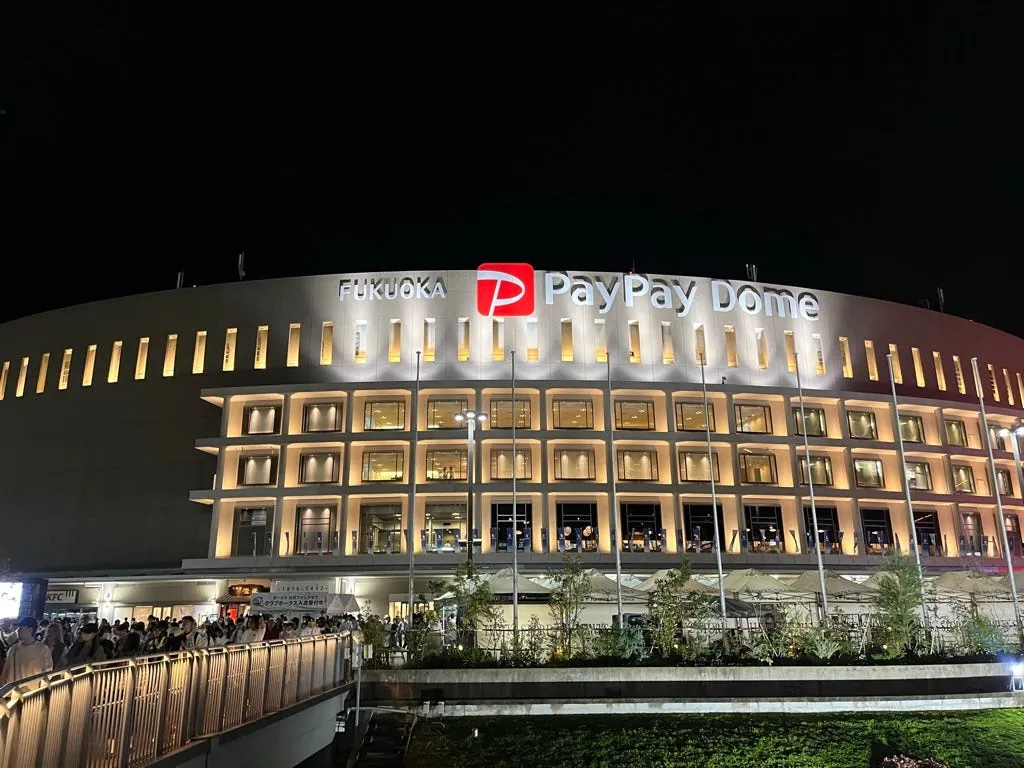
I bought a SoftBank Hawks towel as a souvenir to mark my visit, also easing the embarrassment of last time when the Hanshin Tigers Koshien Stadium tickets were sold out and I couldn’t get in.
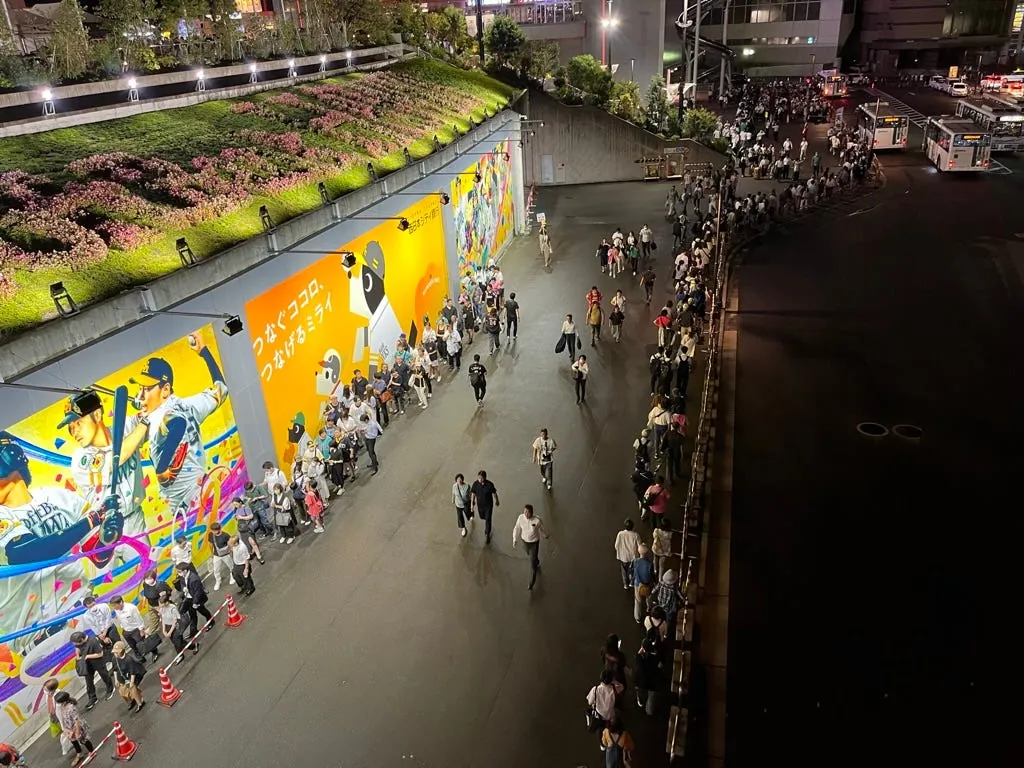
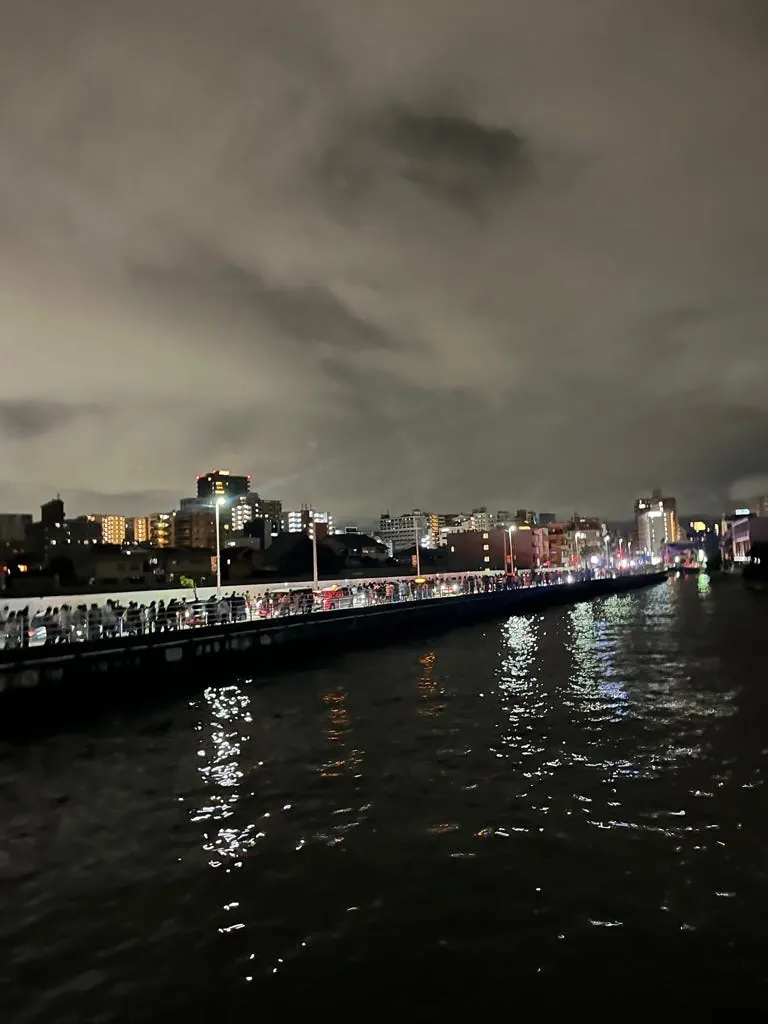
There were many people leaving, but no one stood too close and everyone walked slowly. I followed the crowd all the way to the nearest subway station, Chinatown Station, because the bus line seemed very long.
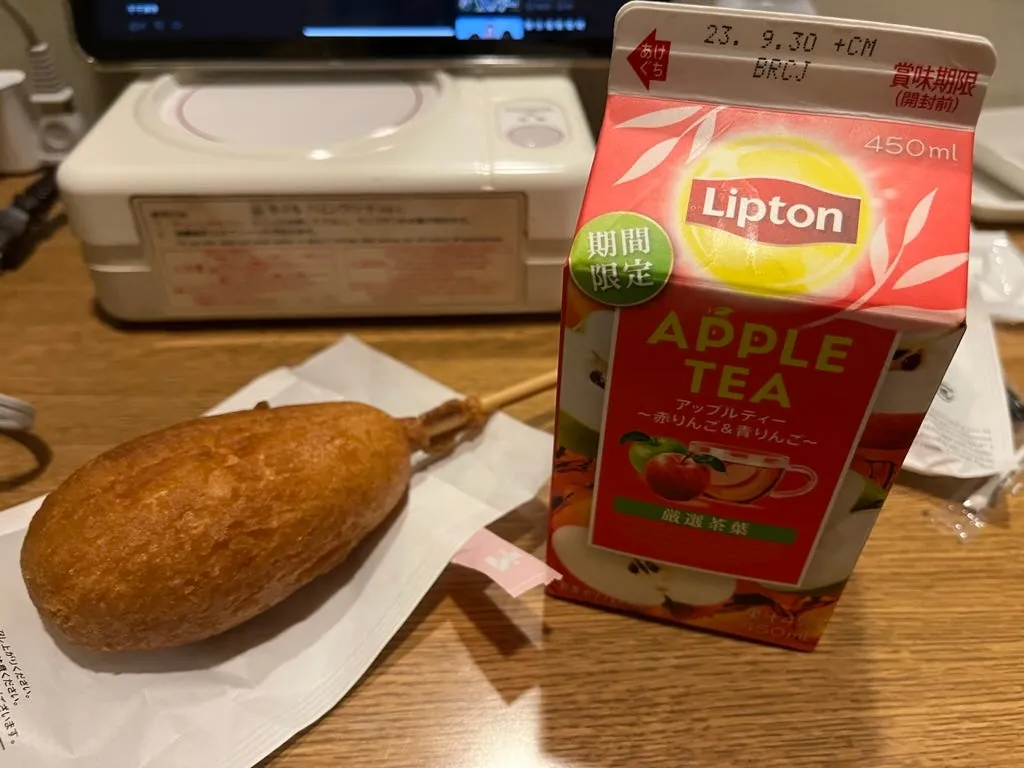
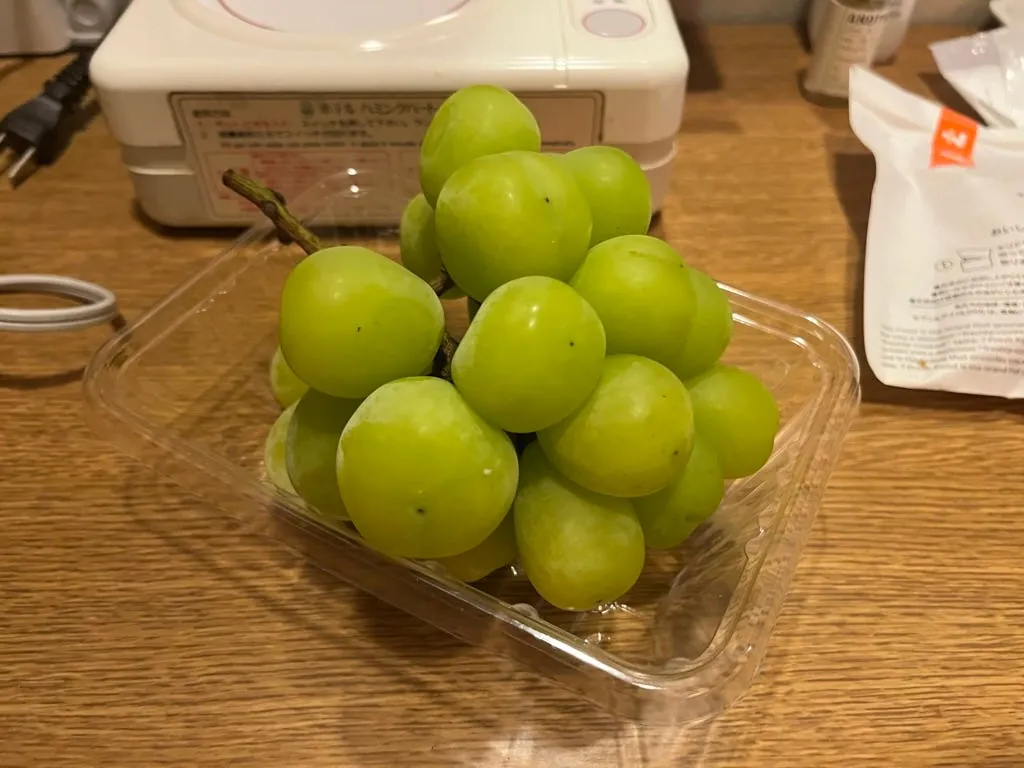
Return to the hotel to rest and try the musk seedless grapes bought in the afternoon. They are very sweet, perhaps a bit too sweet.
Day 5 Kumamoto (Kumamoto Castle, Tsuruya Department Store)
Checked out early in the morning and took a stroll around Yakuin near the hotel.
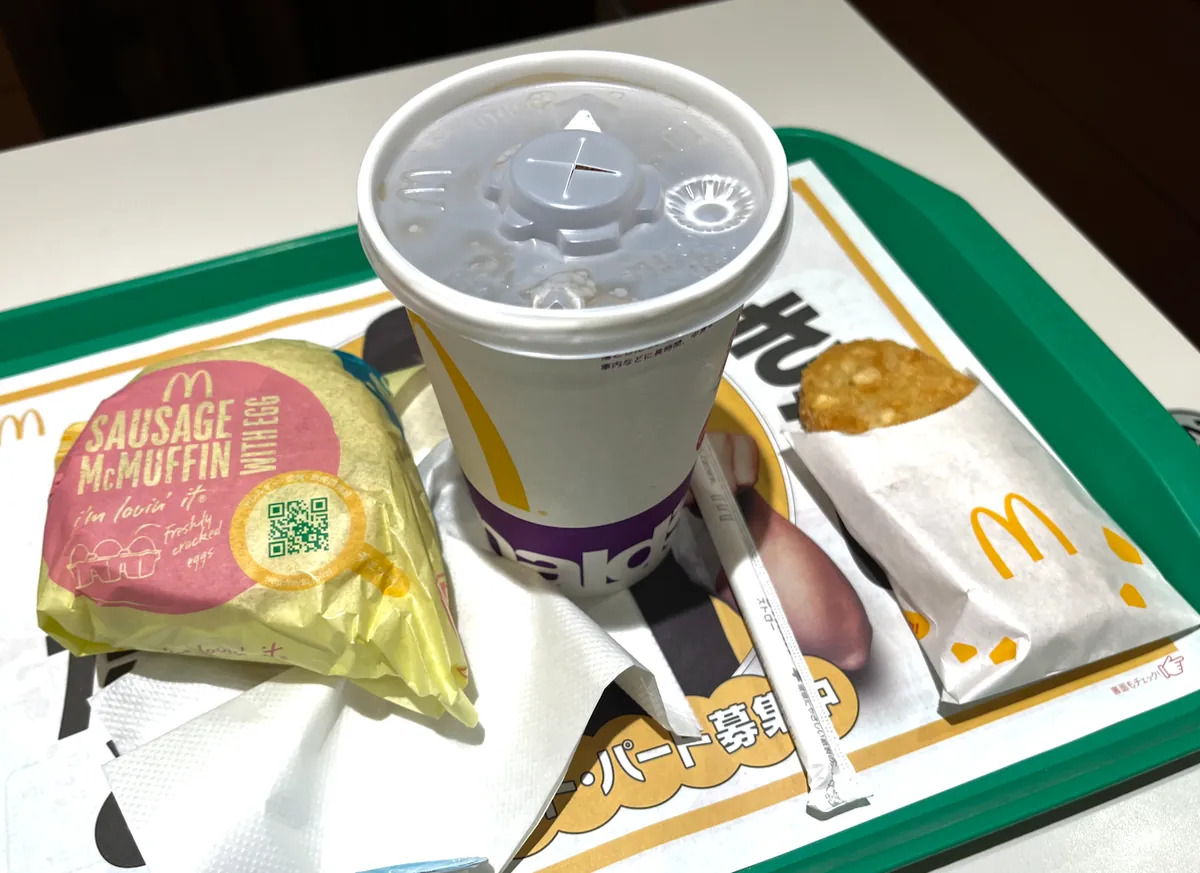
Didn’t find much, so I just had McDonald’s (a McMuffin with egg and iced Americano for only $107) before heading back to get my luggage and catch the JR train to Kumamoto.
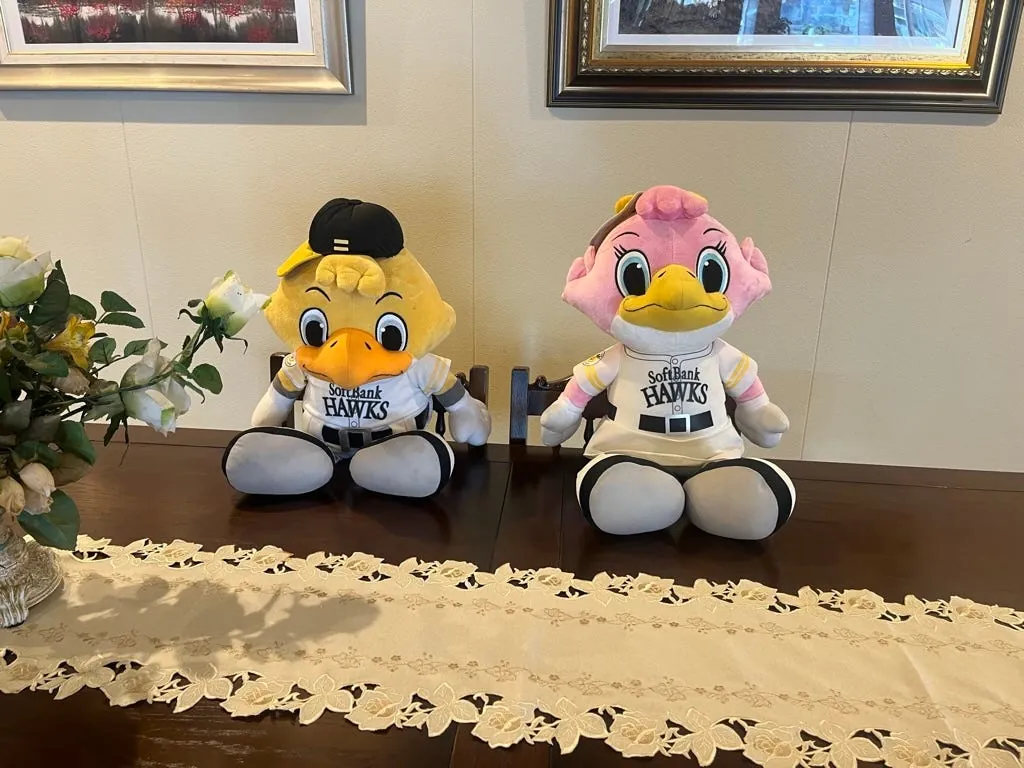
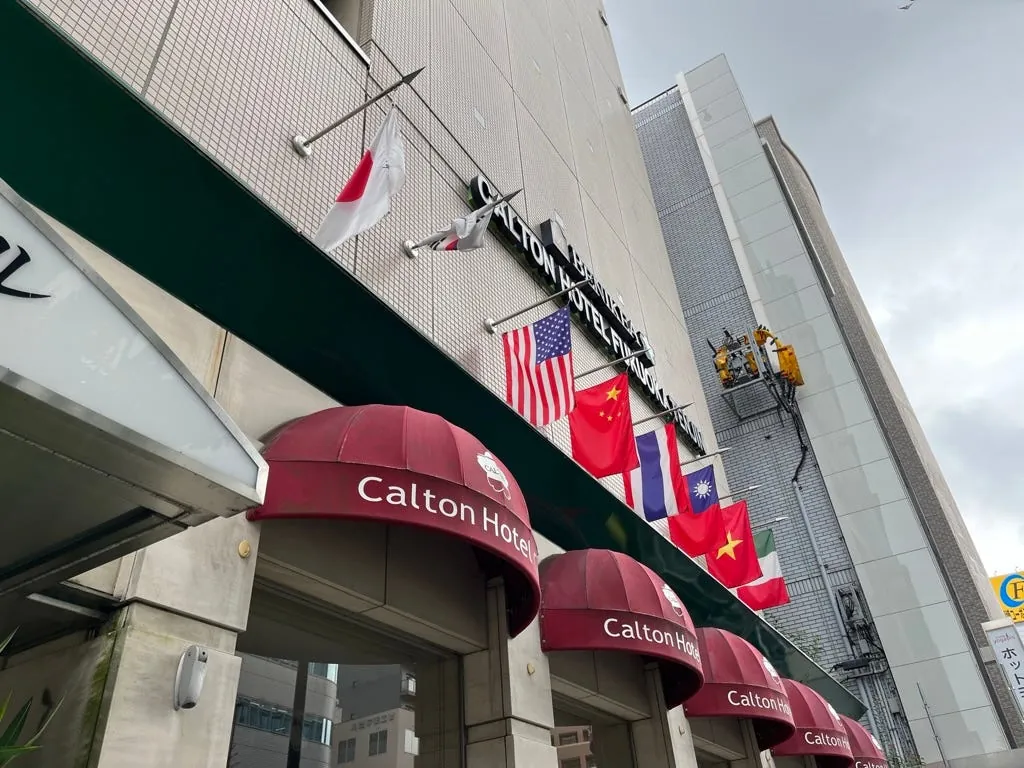
Finally, said goodbye to this hotel. The lobby has Fukuoka SoftBank Hawks dolls, and outside there’s a 🇹🇼 flag hanging, which is quite impressive since next door is a convenience store run by Chinese people, with many Chinese customers.
Fukuoka Hakata -> Kumamoto
Using the station’s electronic machine to reserve a seat, thinking it’s a bit far and with luggage, it’s better to have a reserved seat.
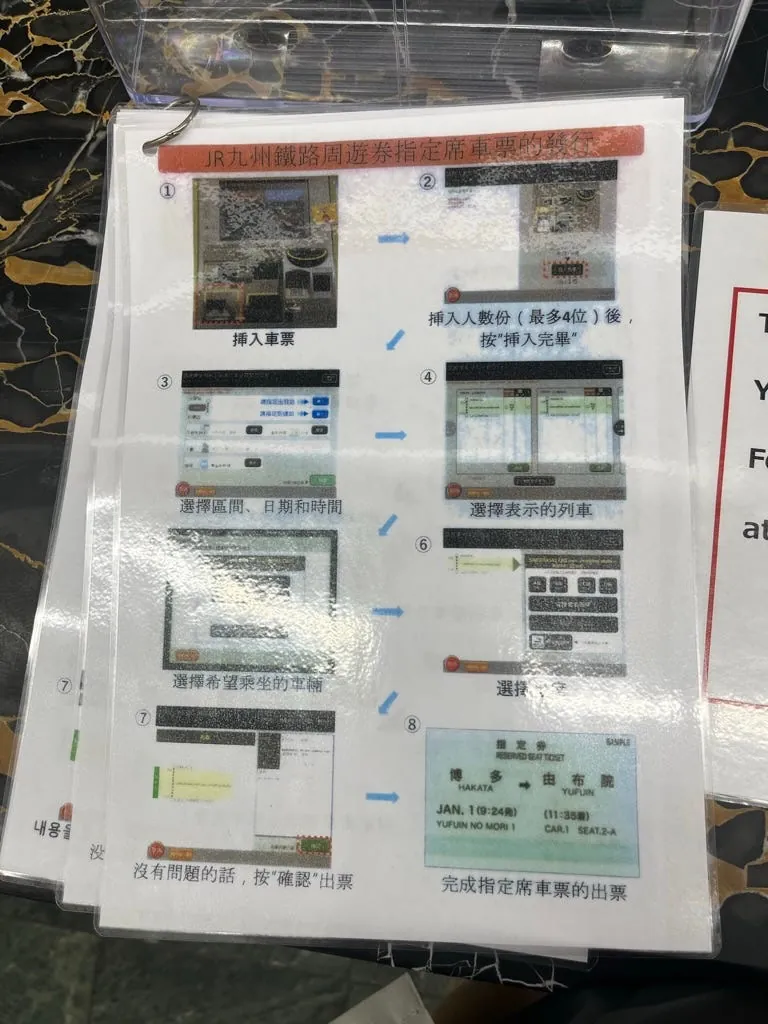
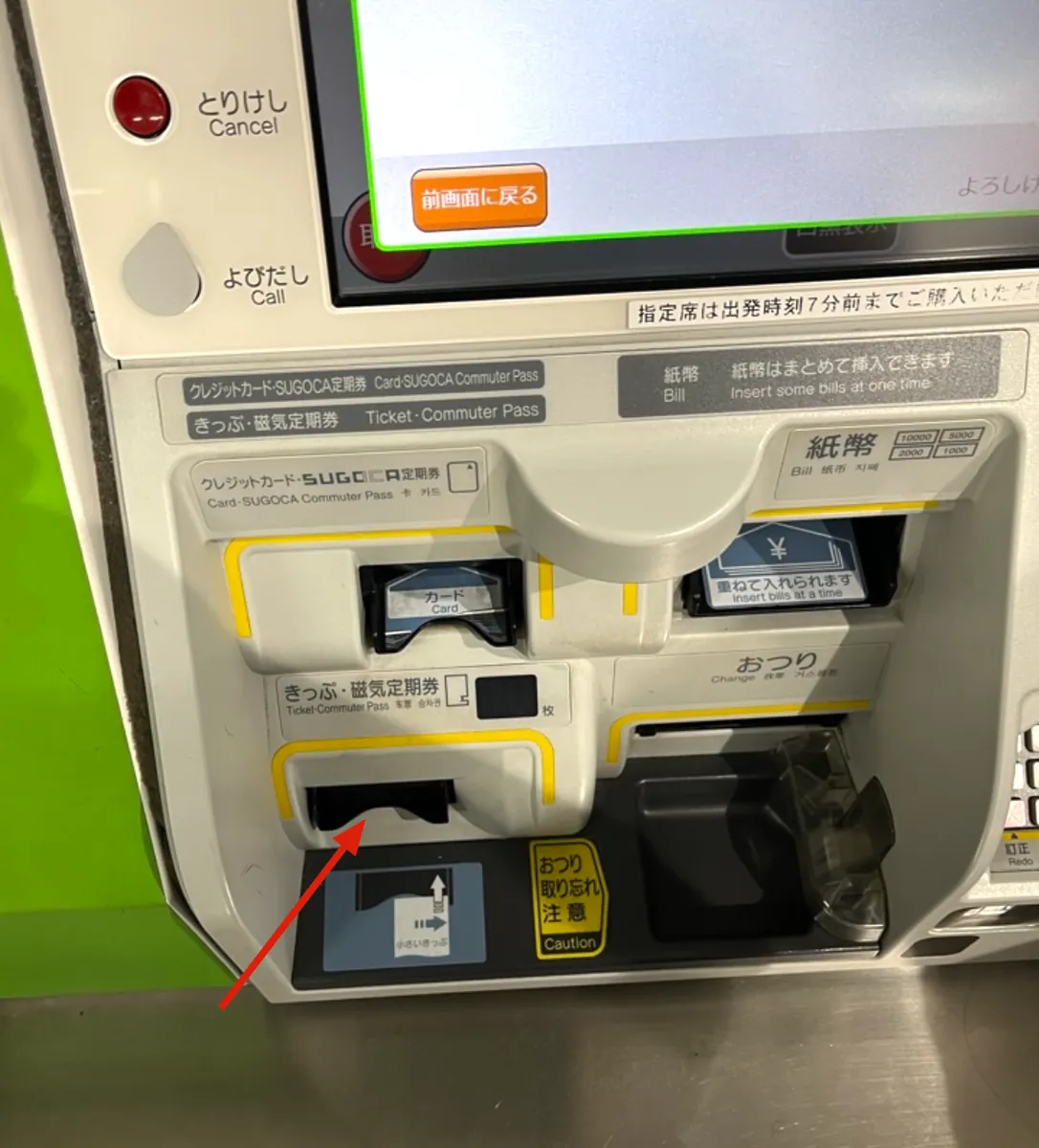
According to the manual for seat reservation, in short:
-
First select the language, first select the language, first select the language (otherwise, you cannot change it after inserting the ticket card and must exit and start over)
-
Insert JR Pass card
-
Select Departure and Arrival Stations (Search by English Station Name)
-
Select Train and Seat
-
Completed
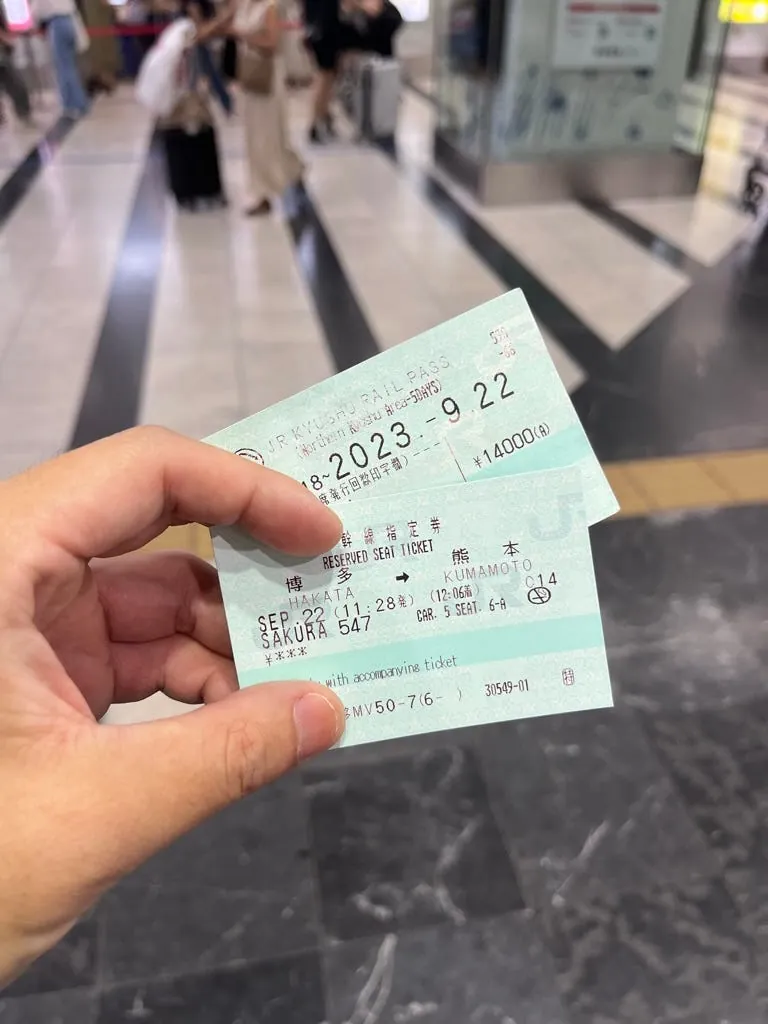
There are station staff on site to ask for help. Originally, there was a train departing in 15 minutes with no available seats, so I had to buy a ticket for another train departing 45 minutes later.
Fortunately, I didn’t buy that train ticket. It takes about 10 minutes to walk inside Hakata Station to the Shinkansen platform heading to Kagoshima (via Kumamoto). The route is a bit roundabout and far, so the timing would have been too tight.
Used it up just in time on the last day of the JR Pass validity.
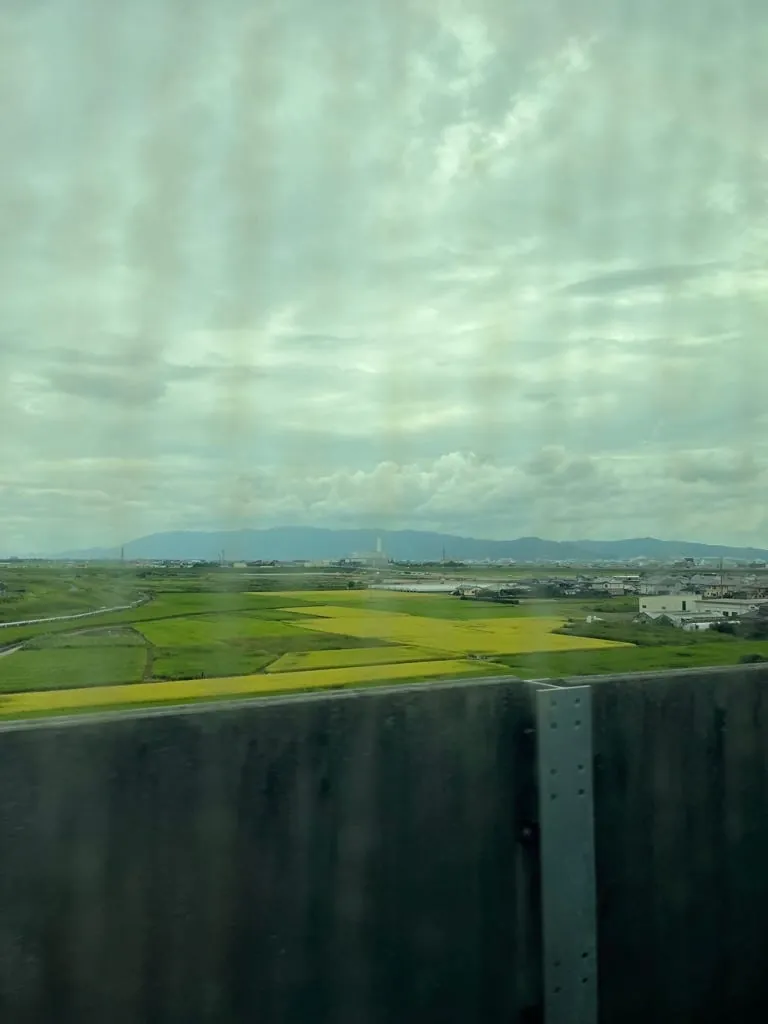
I was originally worried that my 27-inch suitcase (about 69 x 50 x 29 cm) might not fit on the overhead luggage rack, requiring me to buy a special oversized baggage ticket, mandatory if any dimension exceeds 160 cm.
A 27-inch suitcase is too big to fit comfortably and may block the neighbor’s space; testing showed placing it on the luggage rack is quite stable, but you still need to lift it up. Buying a window seat makes it easier to store luggage but risks bumping into aisle passengers when handling it. Fortunately, a kind Japanese uncle offered his seat to help me place my luggage.
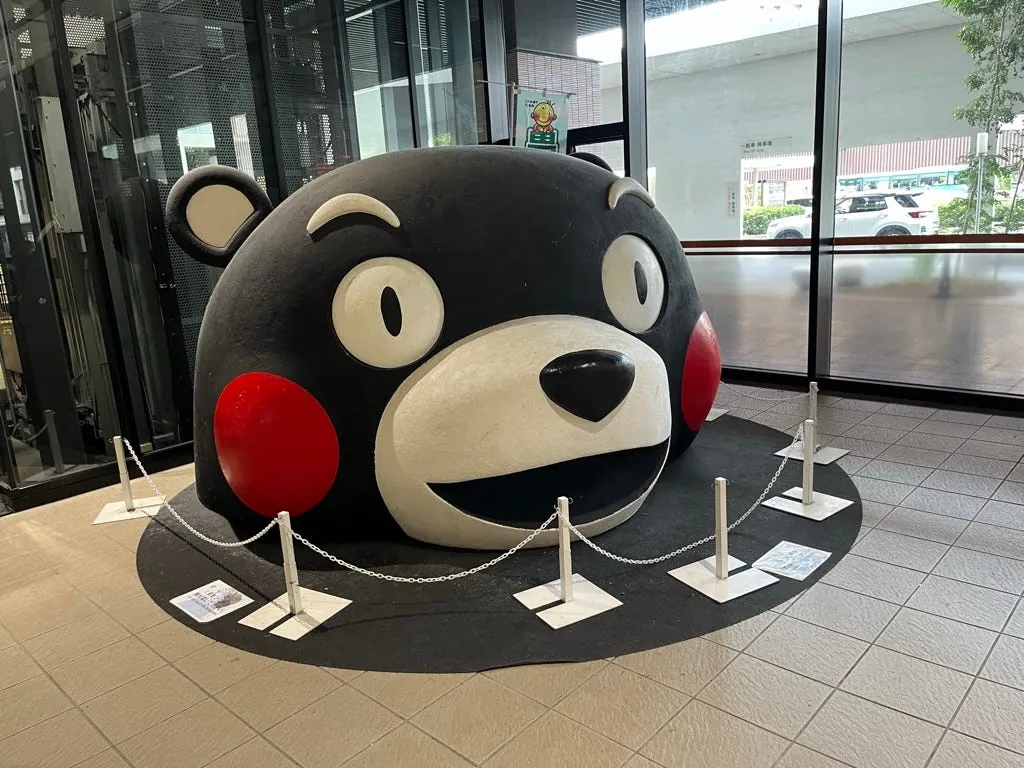
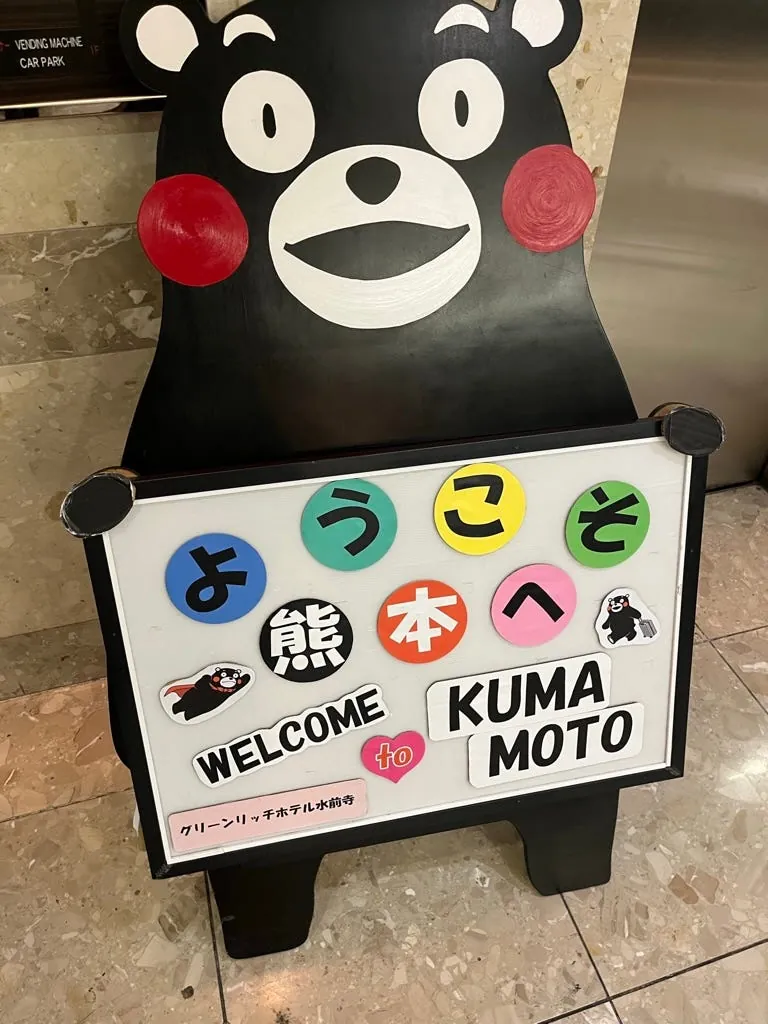
Upon arriving in Kumamoto, I immediately saw the huge Kumamon mascot. First, I took the JR and subway to the hotel to drop off my luggage (Shiritsu Taiikukan-mae Station).
Kumamoto is full of Kumamon everywhere…
2024–11–16 Update: ⚠️⚠️
Kumamoto Prefecture public transportation: Kyushu Sanko Bus, Sanko Bus, Kumamoto Bus, Kumamoto City Bus, and Kumamoto Electric Railway no longer accept Suica, PASMO, ICOCA, or other transit cards for fare payment. Currently, only cash is accepted. Credit card payment may be introduced in the future, please take note. ⚠️⚠️⚠️
⚠️⚠️⚠️⚠️
Kumamoto Castle
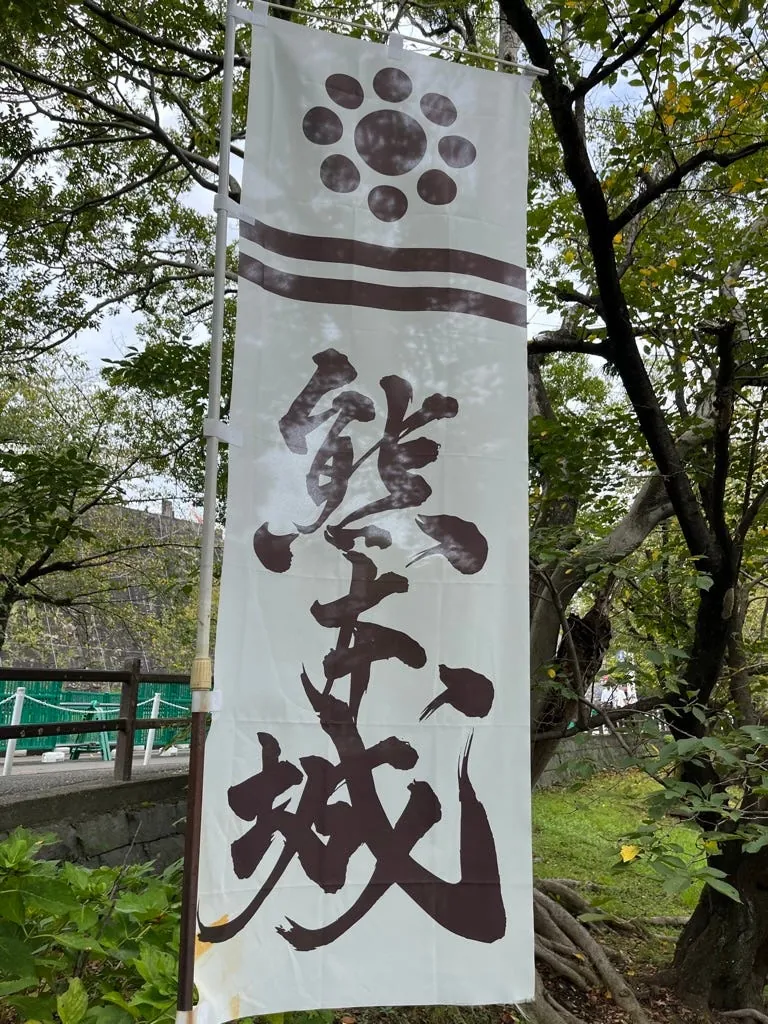
After checking into the hotel, take the tram to Kumamoto Castle (get off at Tsuromachi-suji Station).
You can first visit Sakura-no-Baba Josaien (forgot to take photos) to stroll around and recharge. You can also buy Kumamoto Castle tickets here. There are fewer people at this spot, whereas buying tickets at the Kumamoto Castle entrance can be crowded with tour groups.
Tickets available: Kumamoto Castle 800, Kumamoto Castle + the building behind it (Historical and Cultural Experience Yuyuza) 850, Kumamoto Castle + the building behind it (Historical and Cultural Experience Yuyuza) + Kumamoto Museum 1,100.
I bought the Kumamoto Castle + Yuyuza ticket, thinking it was just 50 yen more. After touring, I found it average. It includes extra exhibits inside Kumamoto Castle and earthquake-related artifacts, suitable for photo opportunities and experiences.
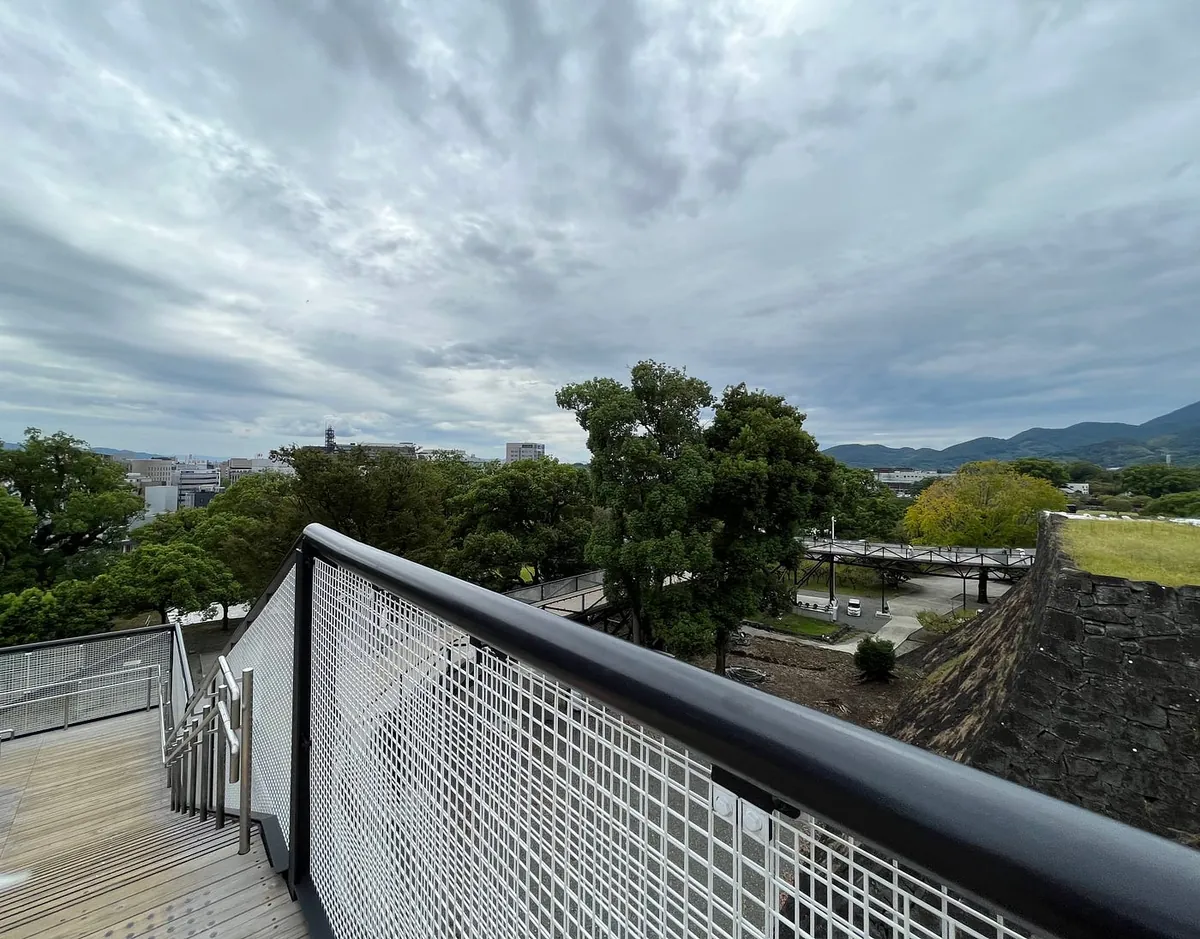
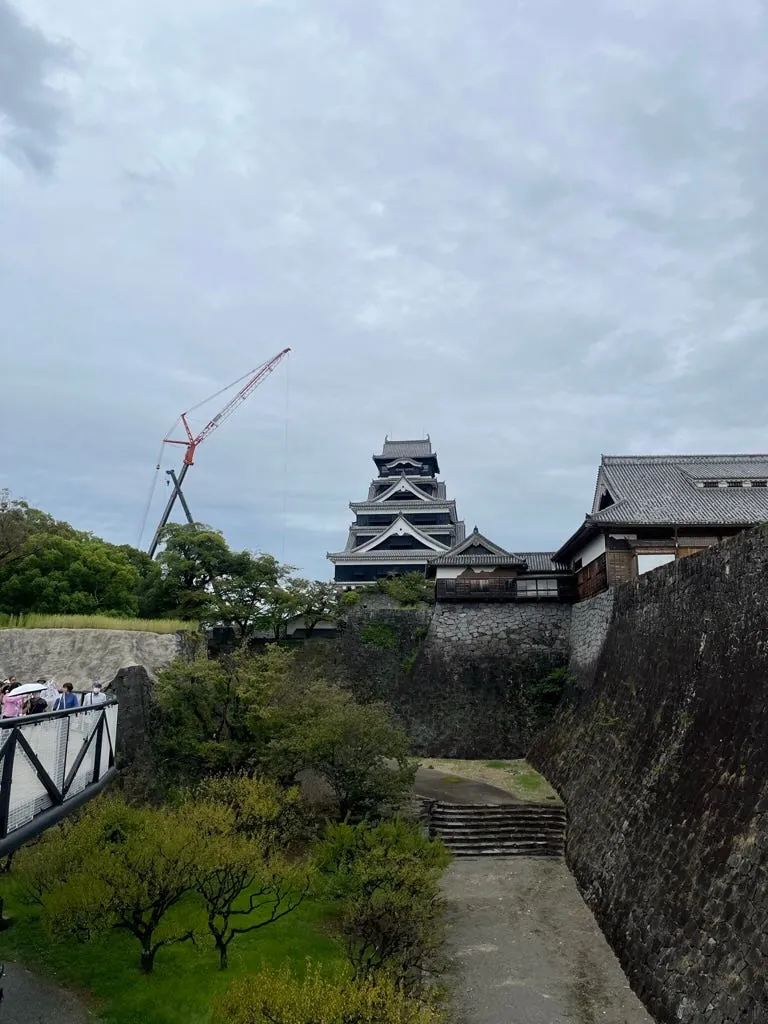
Kumamoto Castle’s main keep was fully restored and reopened in 2023, while other buildings are still under repair (you can see cranes).
The new plan is to follow the Skywalk route all the way to Kumamoto Castle.
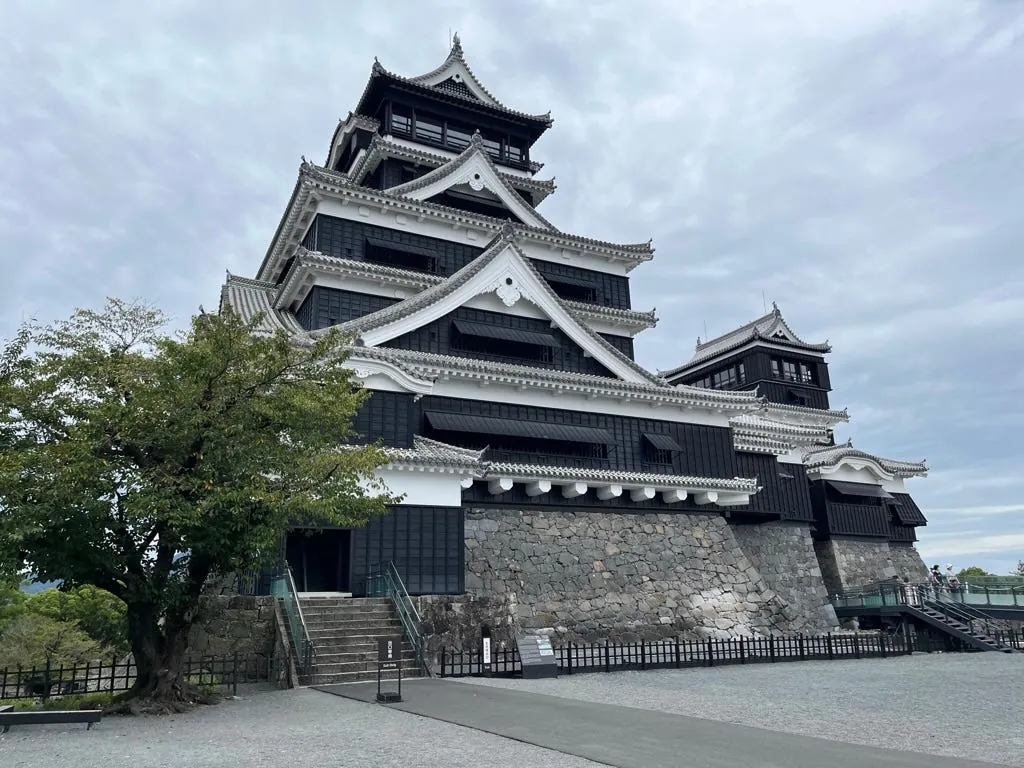
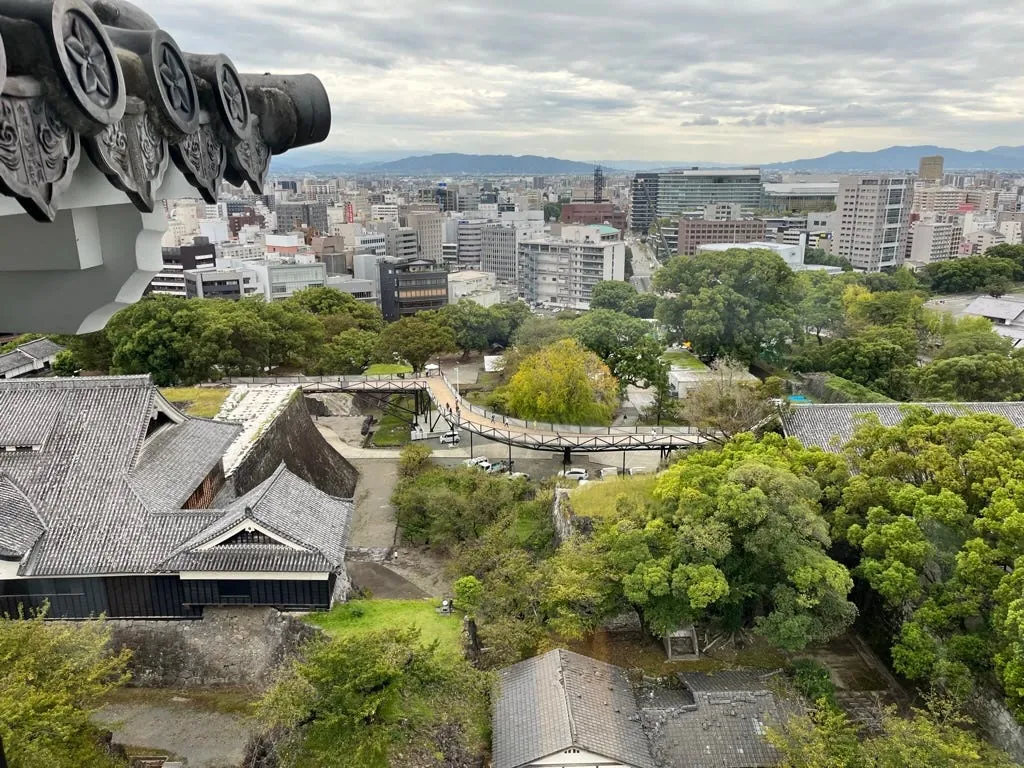
After reaching the main keep, you can see the skywalk that stretches along the path you took.
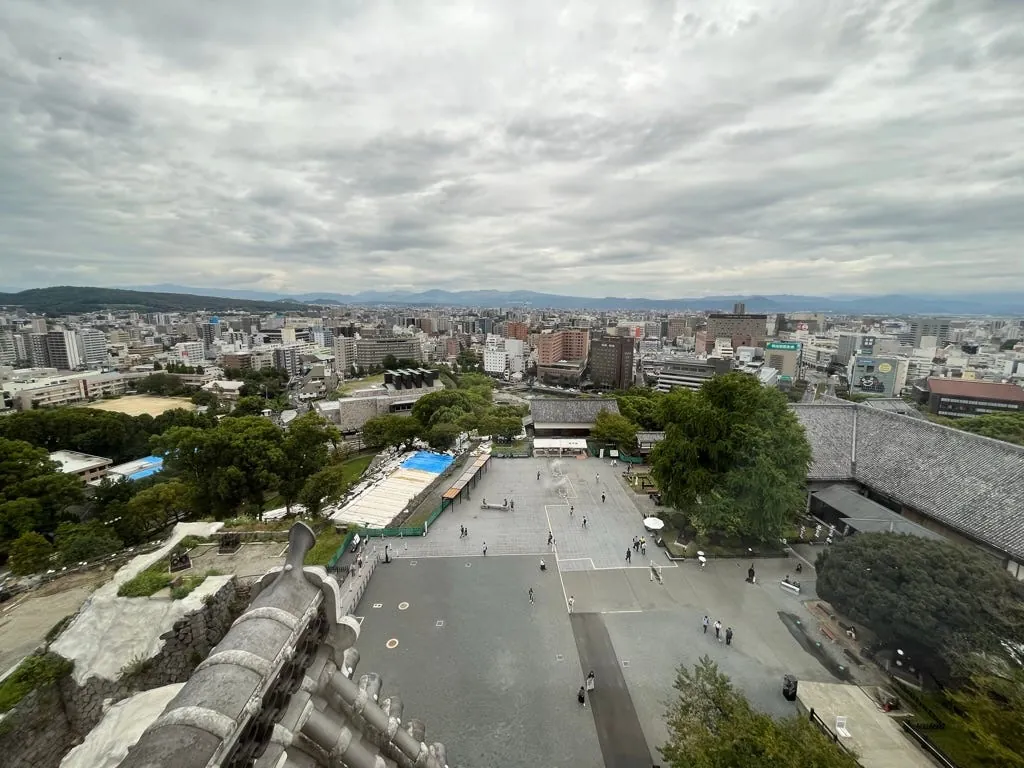
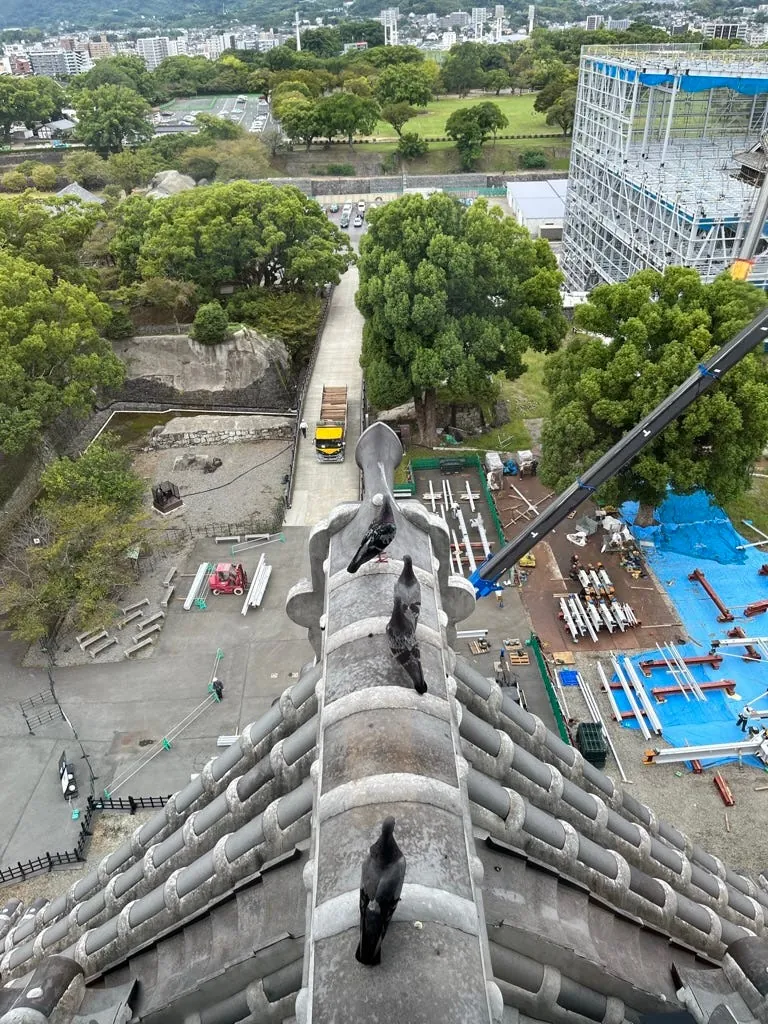
Aerial view of the plaza in front of Kumamoto Castle and the historic site under ongoing repairs behind it.
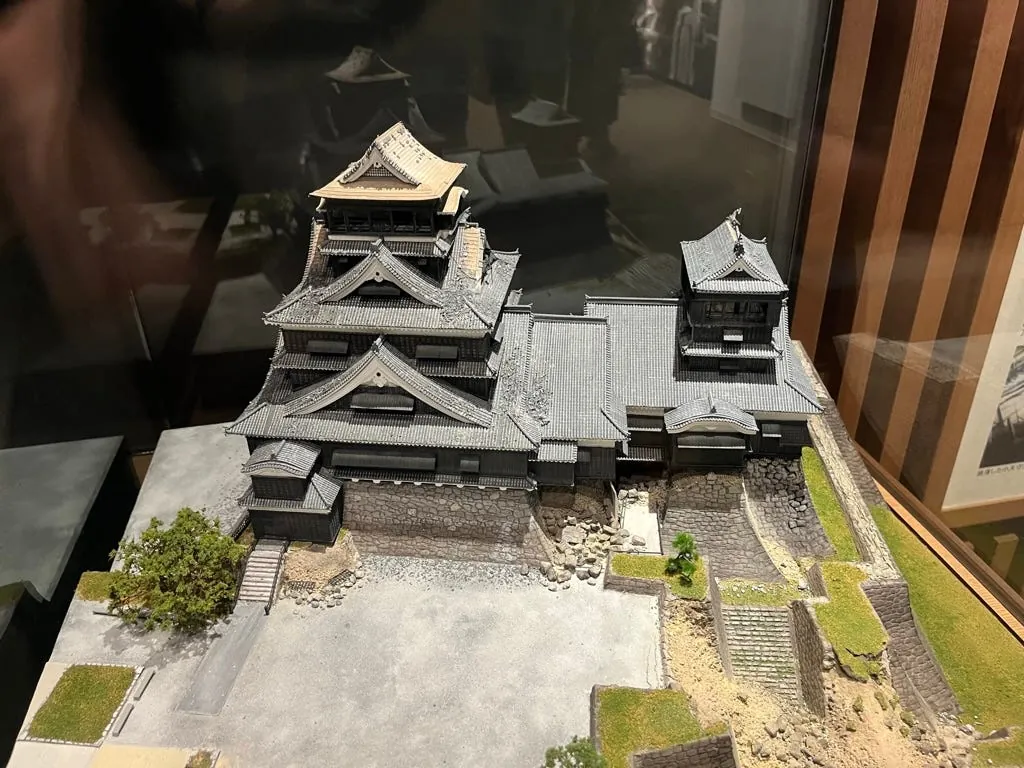
Situation model immediately after the earthquake.
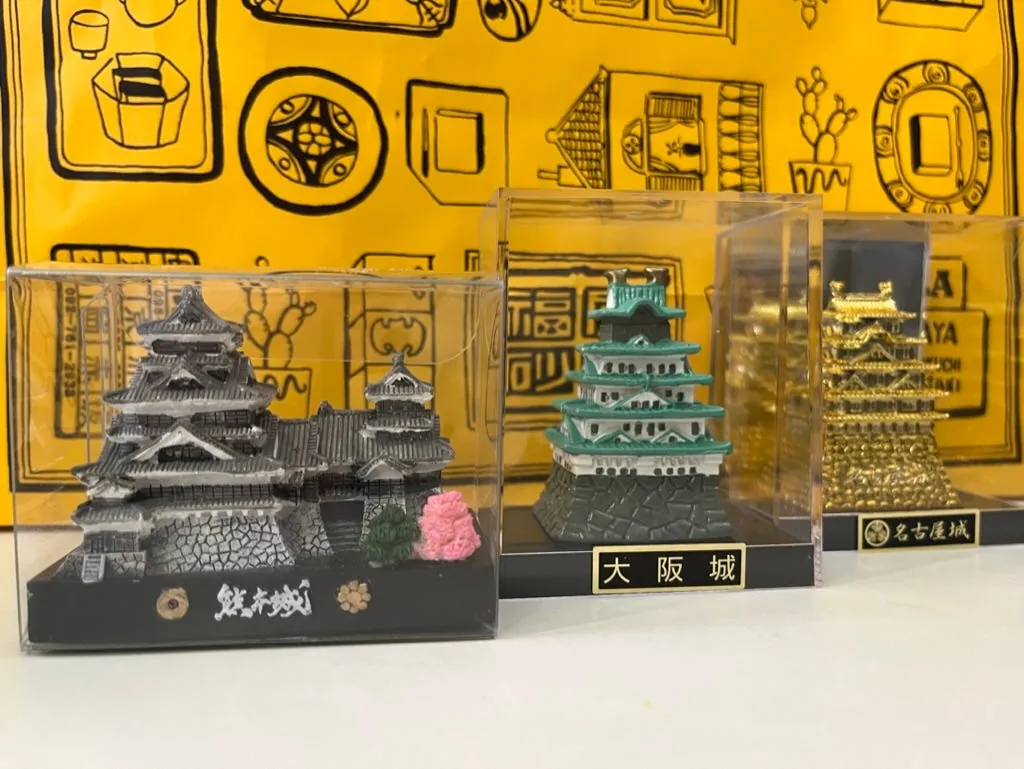
Next to the plaza, the souvenir shop has a Kumamoto Castle model, completing my collection of the three famous castles!
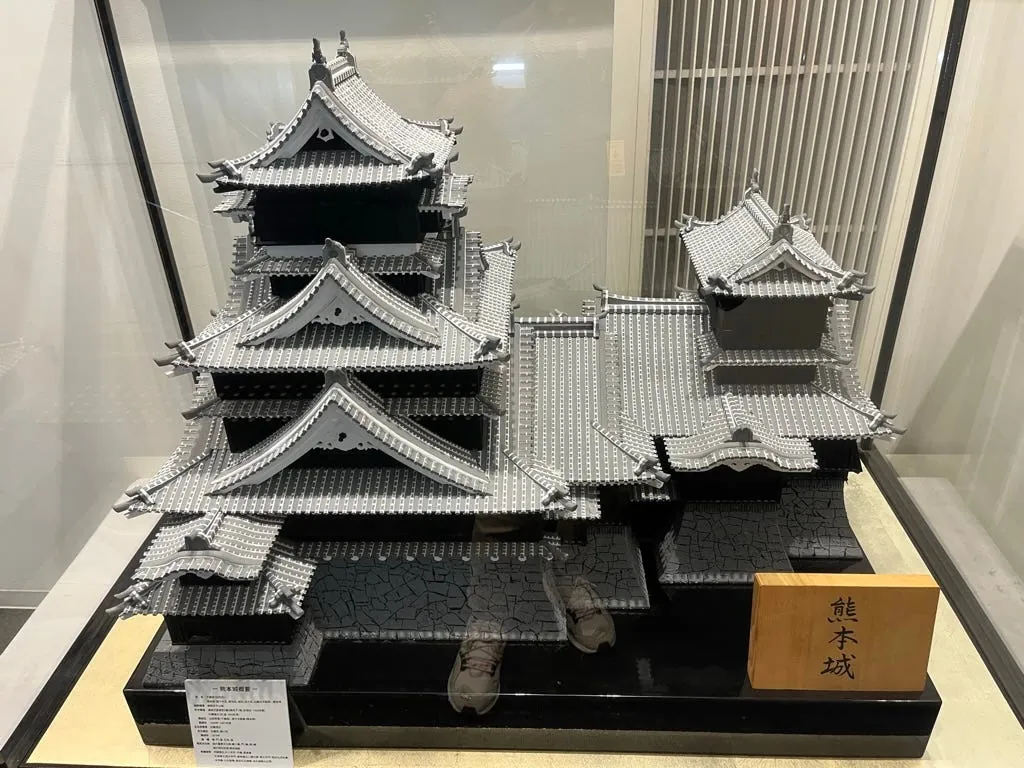
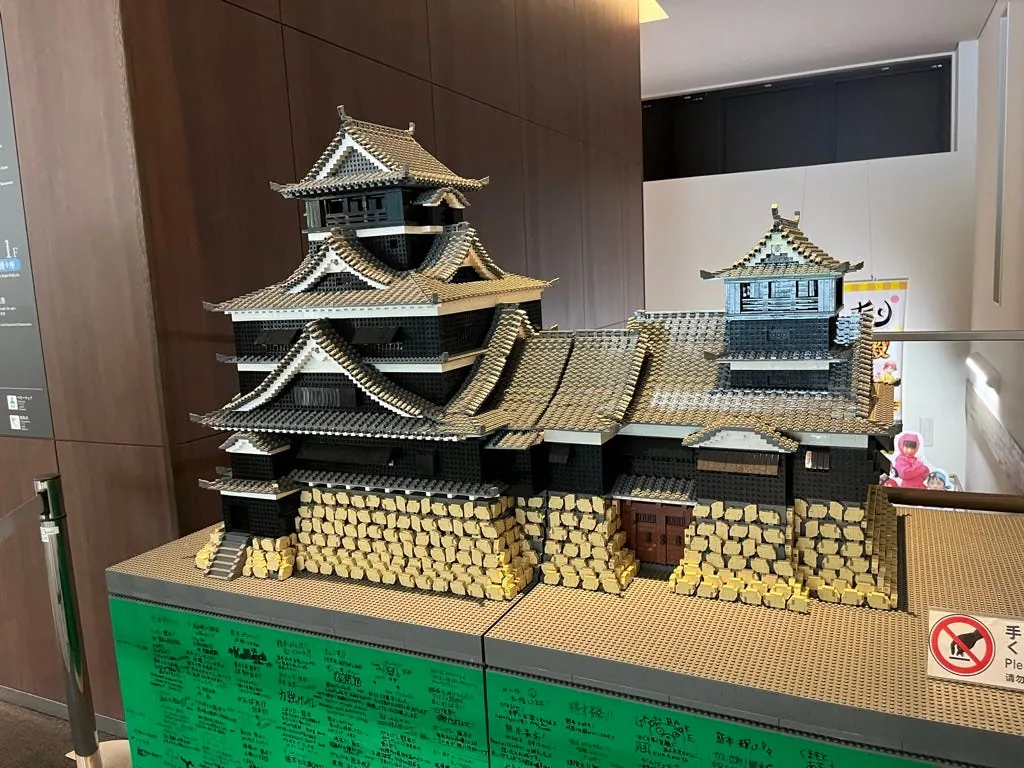
Return the same way to the ticket counter area and visit Yuyuza; inside there is a model of Kumamoto Castle and a LEGO version of Kumamoto Castle, which is very cool.
Due to bad weather, I didn’t detour to the museum or Kato Shrine.
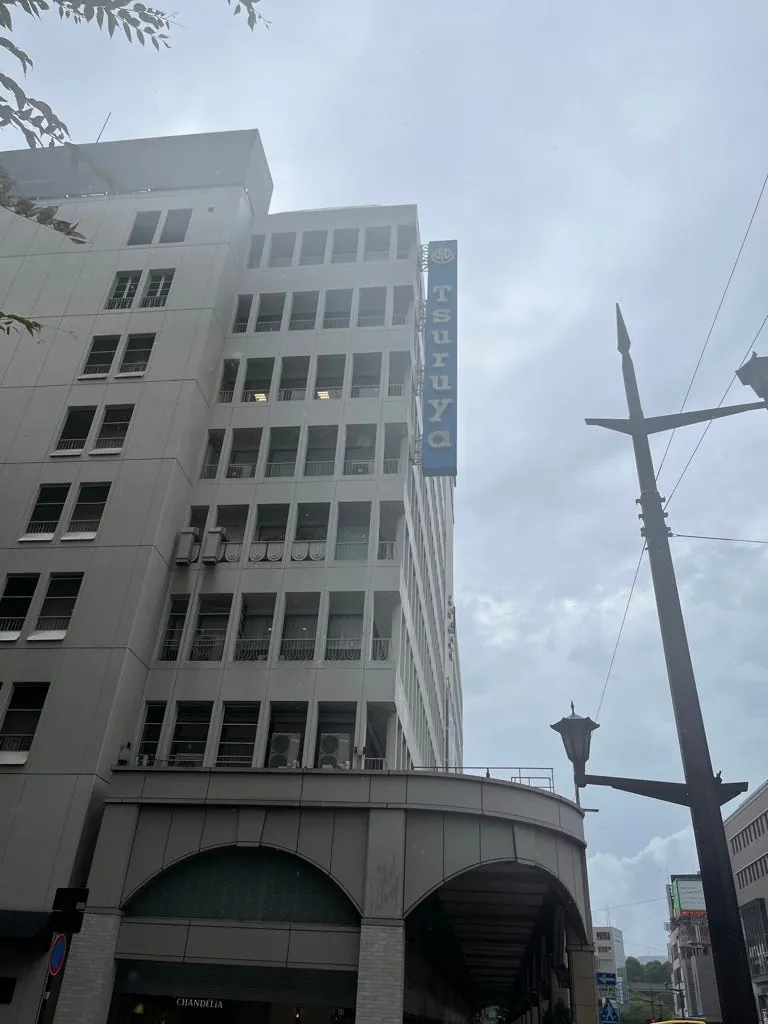
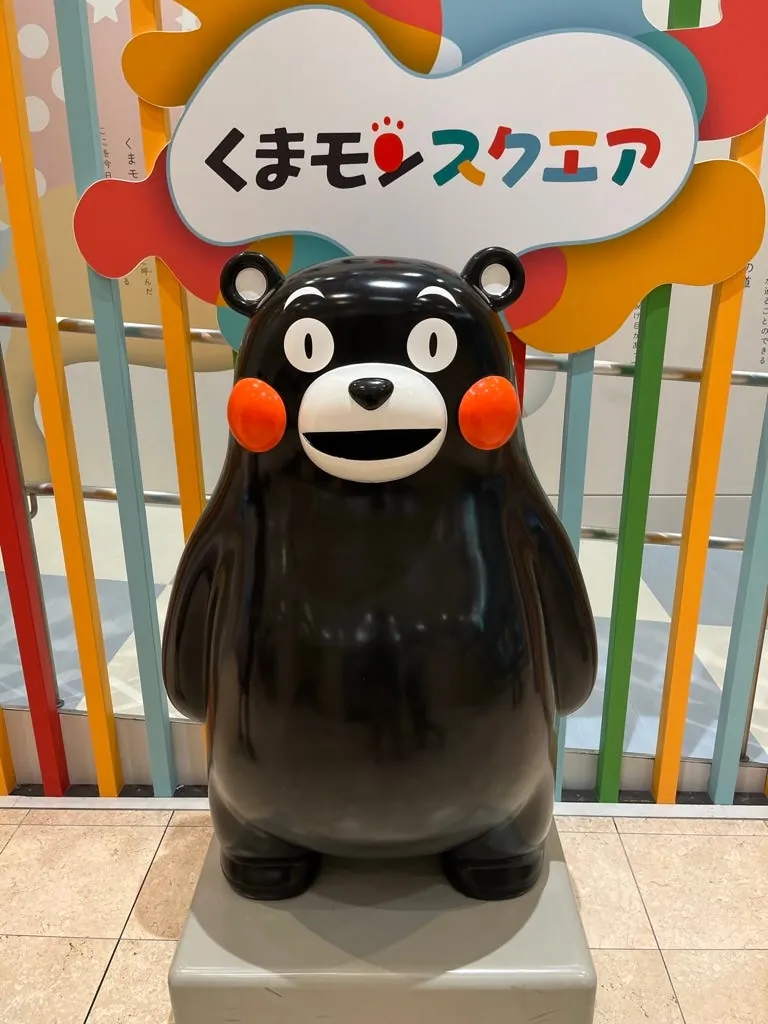
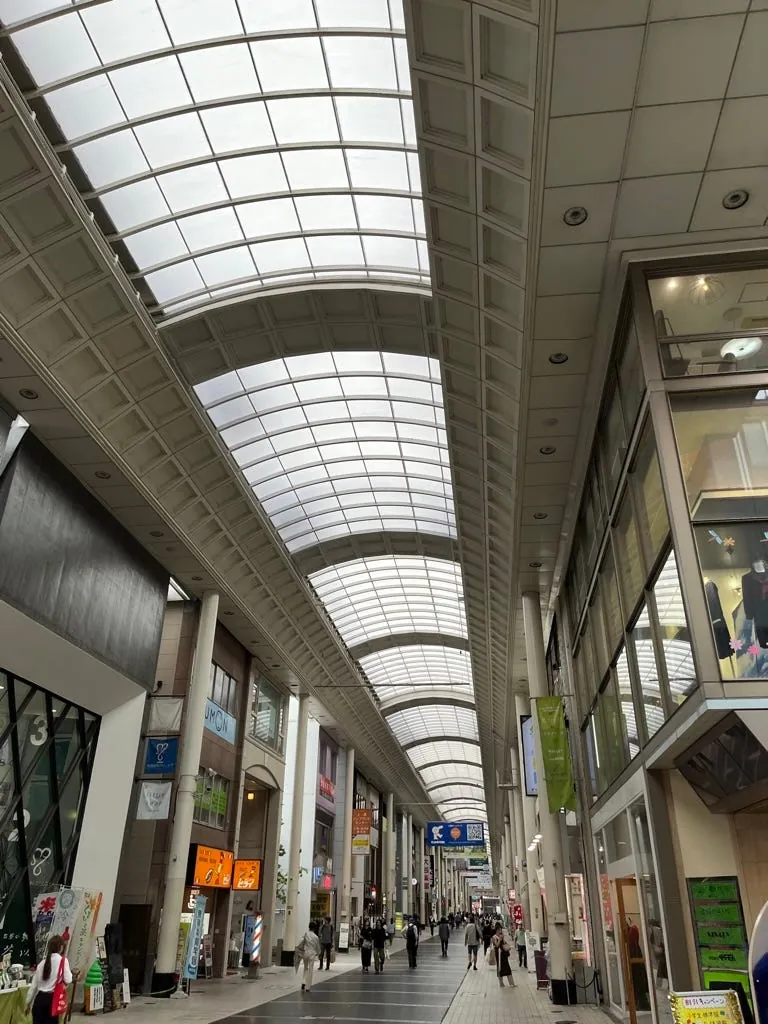
Walk back to Tōrimachi-suji Station. Here is Kamitori Shopping Street and the local Kumamoto Tsuruya Department Store. The east building’s first floor of the department store is the Kumamon Square (Kumamon Manager’s Office), which was fully renovated just a few months ago.
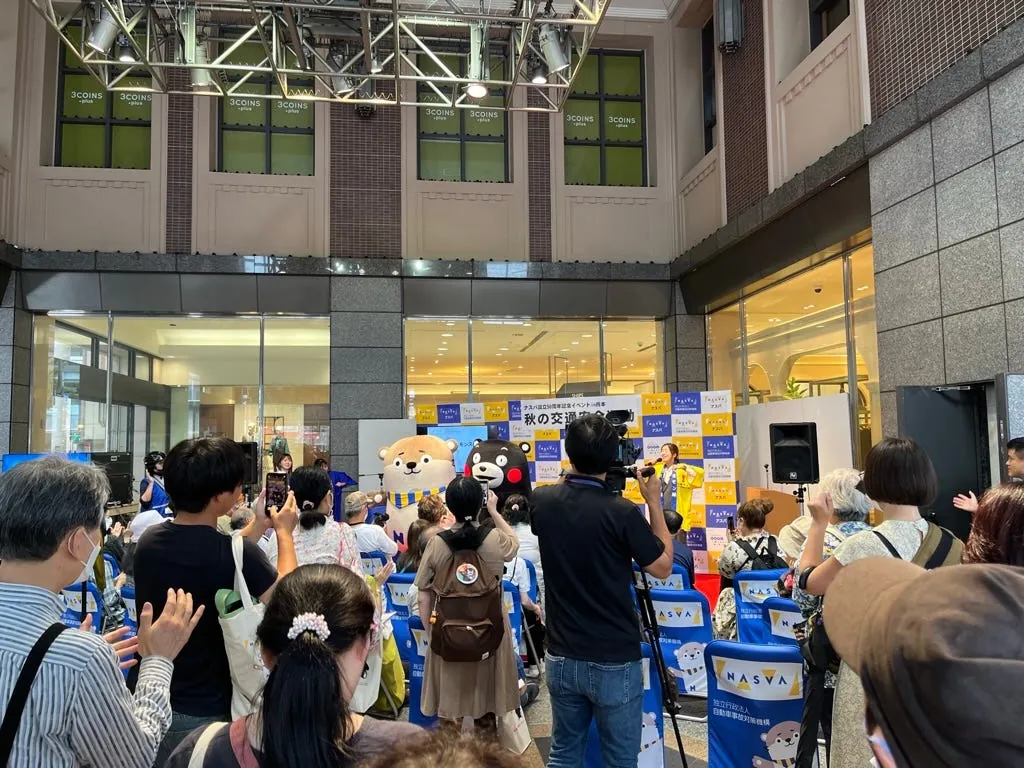
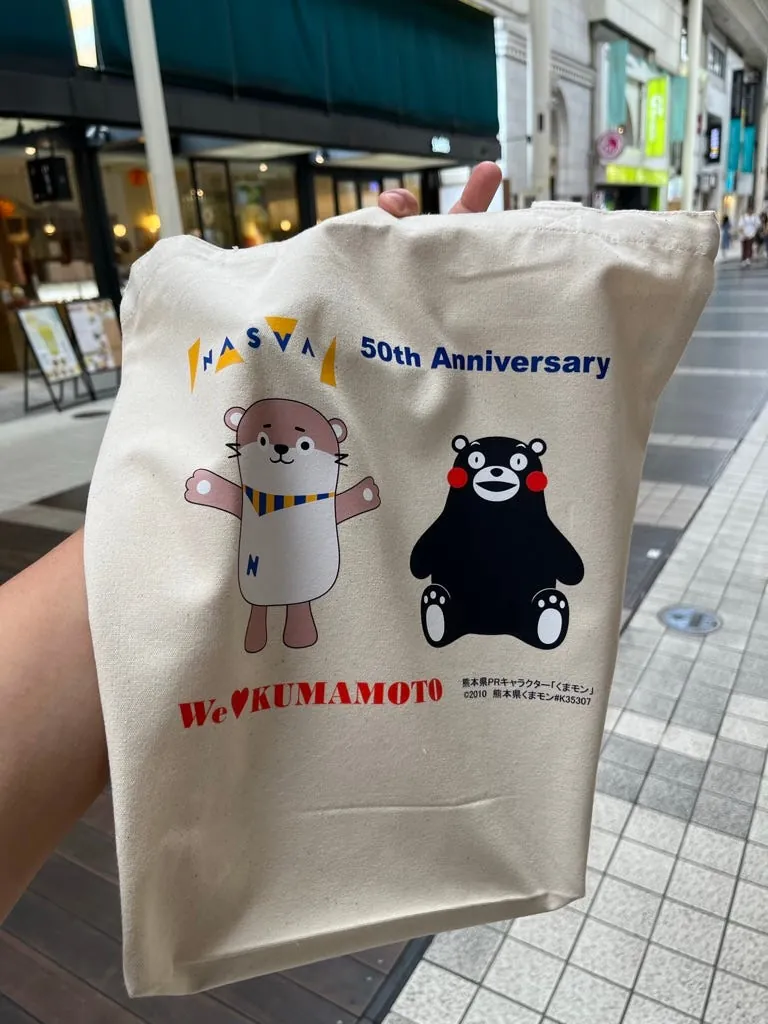
While wandering around the shopping street, I happened to come across a public event featuring Kumamon x Traffic Safety and received a Kumamon tote bag.
This area is not very enjoyable to walk around and is quite boring; only the Tsutaya Bookstore and the Muji building are worth visiting. When arriving at Kumamoto Station, you can immediately feel that there are many elderly people and few young people. The local Tsuruya Department Store mostly caters to elderly customers, selling mainly women’s clothing and household goods, with fewer items for young people.
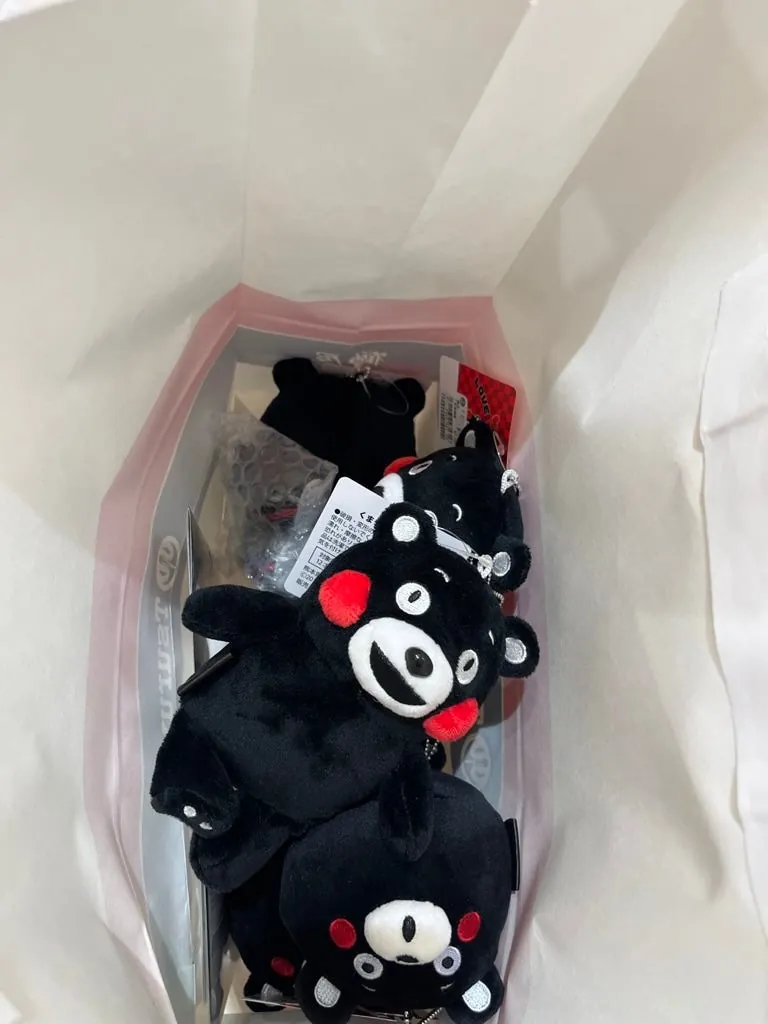
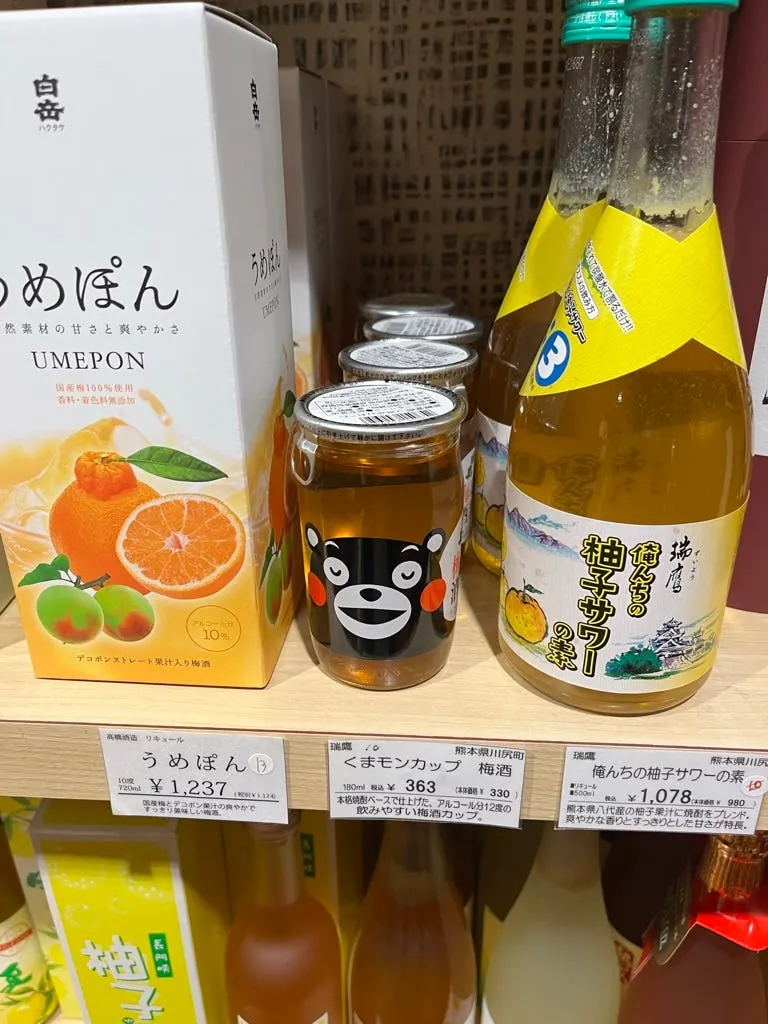
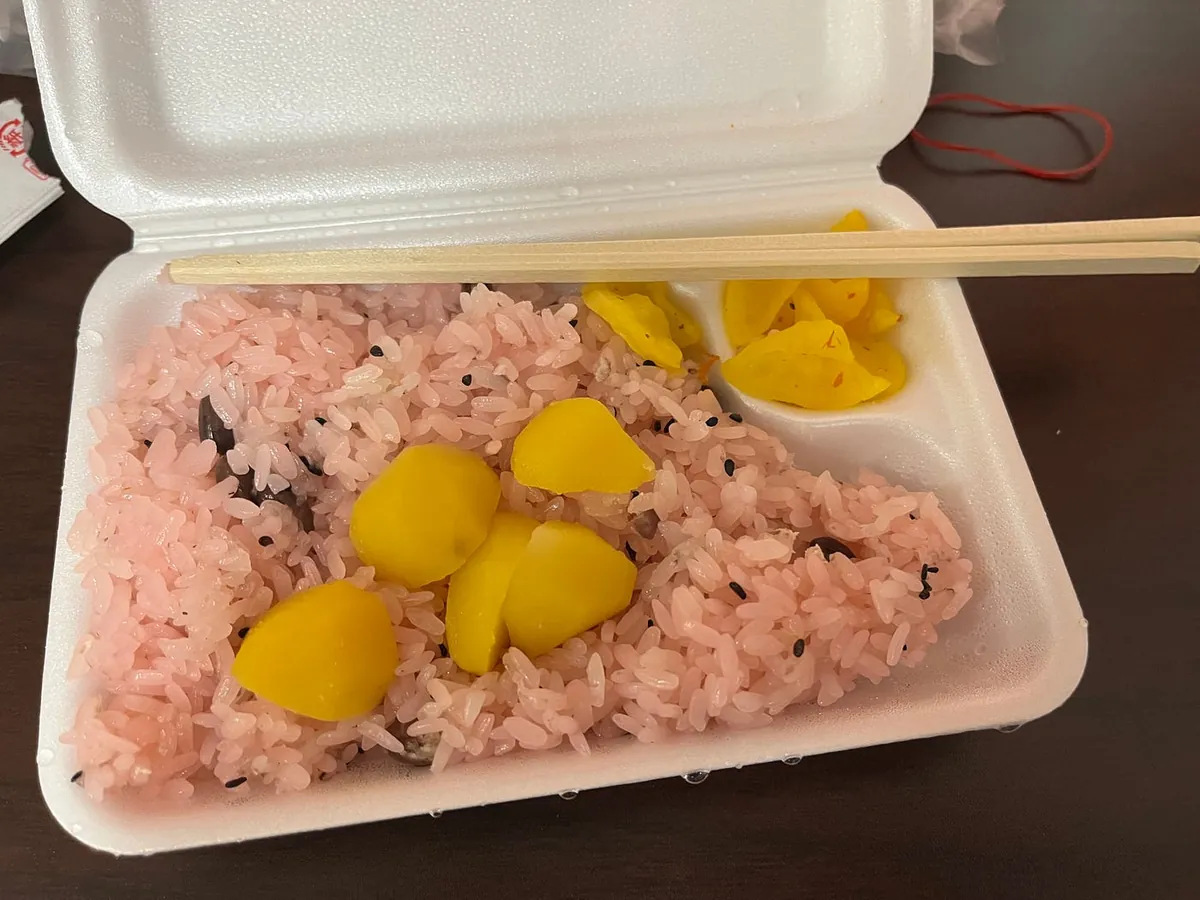
Went to the Kumamon merchandise store at Tsuruya Department Store and bought some Kumamon items (more styles than Kumamoto Plaza). Then went to the department store basement to buy alcohol and food (dinner + late-night snacks) to eat back at the hotel.
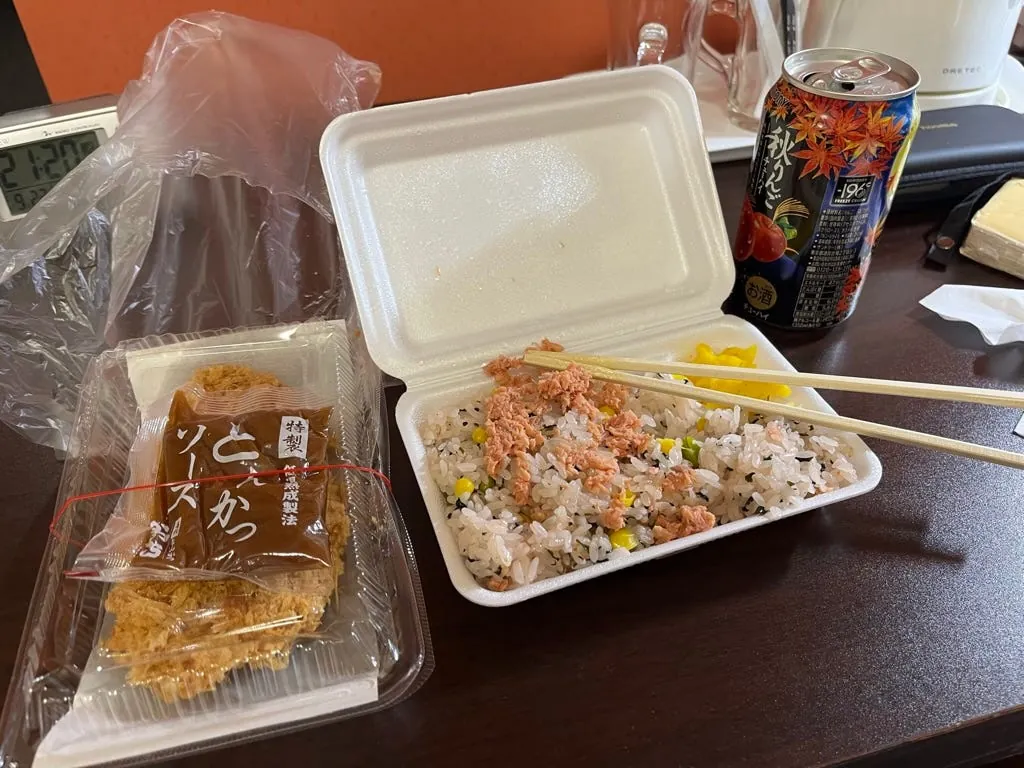
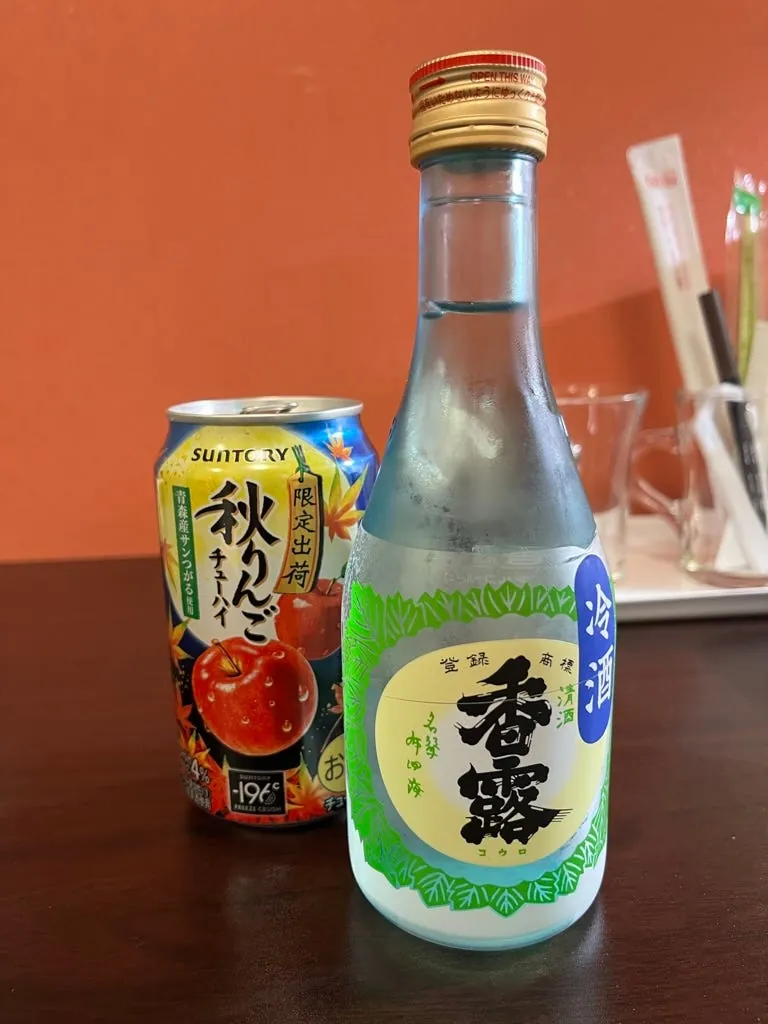
Kouro is the store’s recommended local sake from Kumamoto. It has a sweet taste and goes down smoothly, but I think it lacks enough rice flavor.
It’s worth mentioning the hotel. In the past, I didn’t pay much attention to reviews; I just chose ones with around 3 stars or higher. This hotel had poor soundproofing, and the entire floor was filled with elementary school graduation trips. For two days straight, there were loud door slams in the mornings and evenings, which was very disturbing.
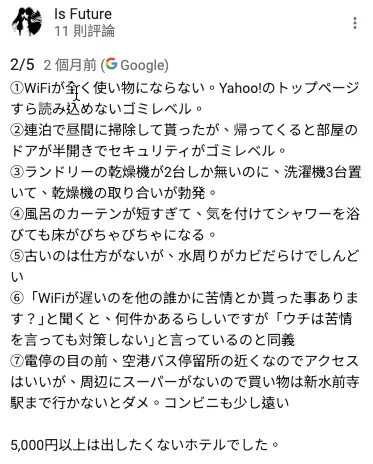
After checking the detailed reviews on Google/Agoda, I felt a strong sense of empathy.
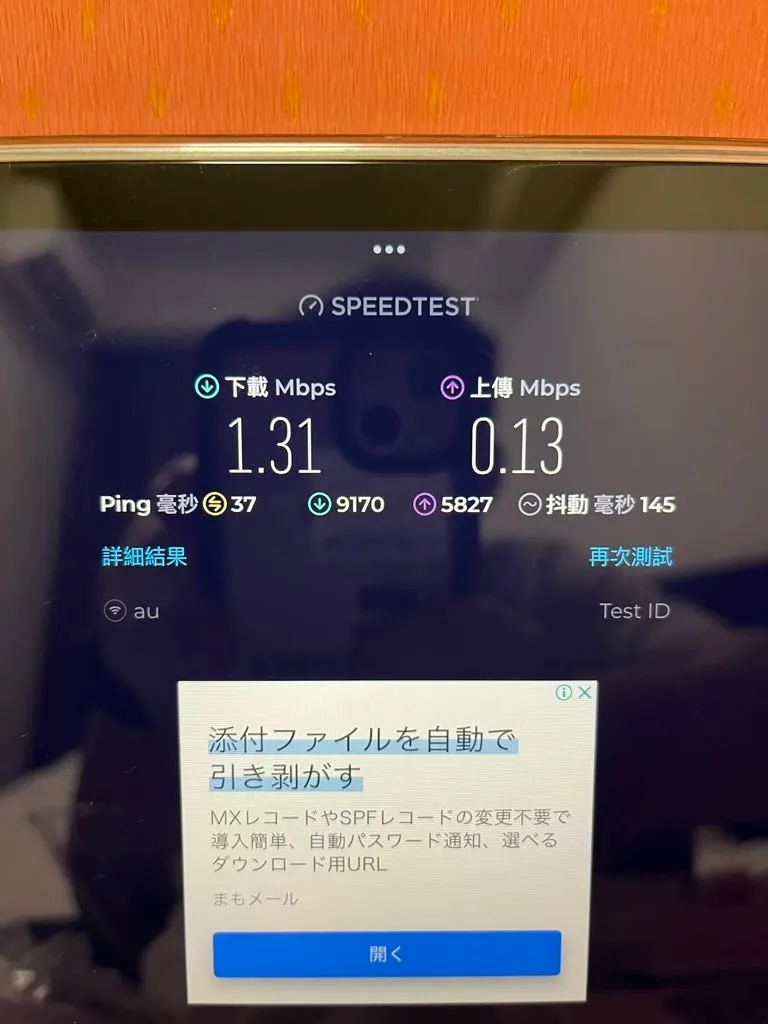
Poor soundproofing seems to be a common issue with older hotels, which I can tolerate (brought my own earplugs); however, the hotel’s WiFi, as previous reviews mentioned, is just a sham.
WiFi signal is available throughout the hotel, but even with full signal strength inside the room, the speed is very slow and web pages won’t load. You have to stay near the door for normal internet speed, which is almost like having no internet in the hotel.
The price is also quite high; it’s better to stay in Fukuoka. For the same price, you can stay directly at APA in Fukuoka.
After this experience, I realized that even for hotels in Japan, it’s still important to check the reviews…
Honestly, aside from convenient access to the airport, there are no advantages. There are no convenience stores nearby (you have to walk more than 10 minutes to find one).
Day 6 Suizenji Jojuen Garden, Kumamon Square Performance, Hanabata Square, Sakuramachi Shopping Center
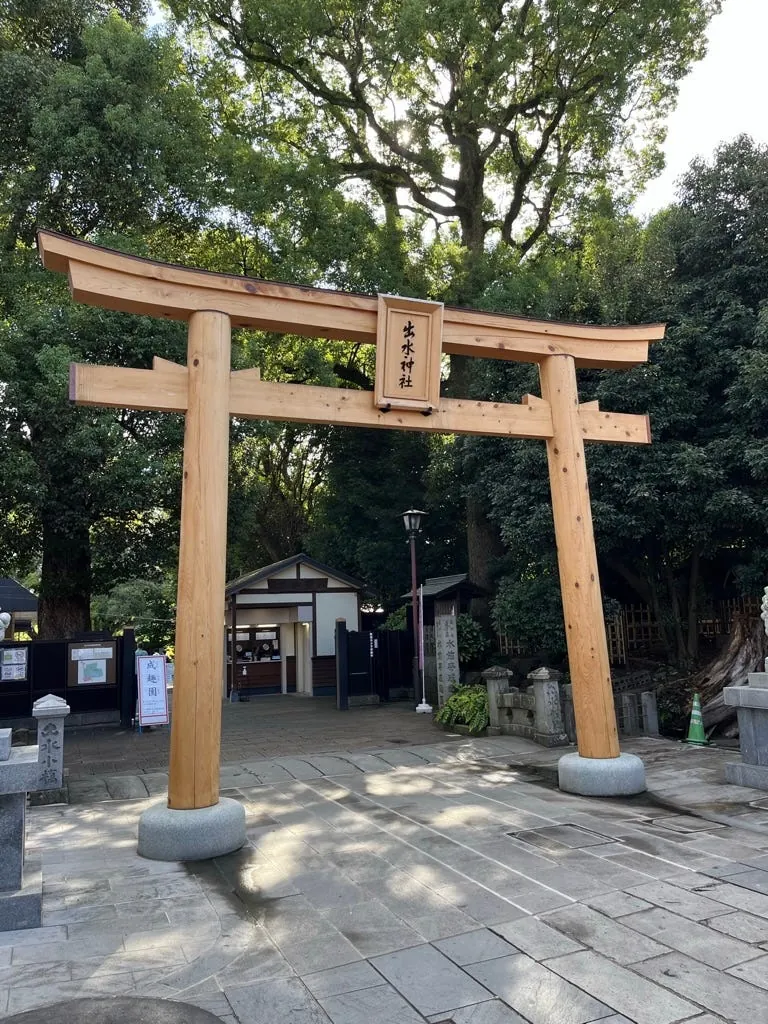
In the morning, I went out and walked straight to Suizenji Jojuen Garden across the street.
Suizenji Jojuen Garden (Izumi Shrine)
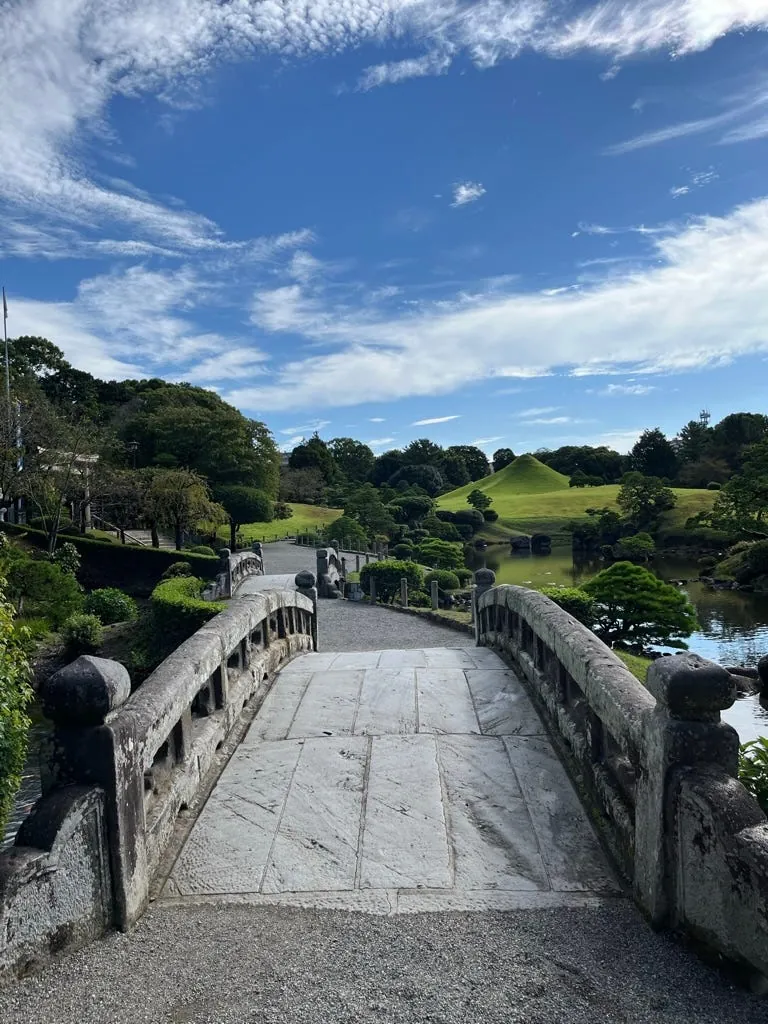
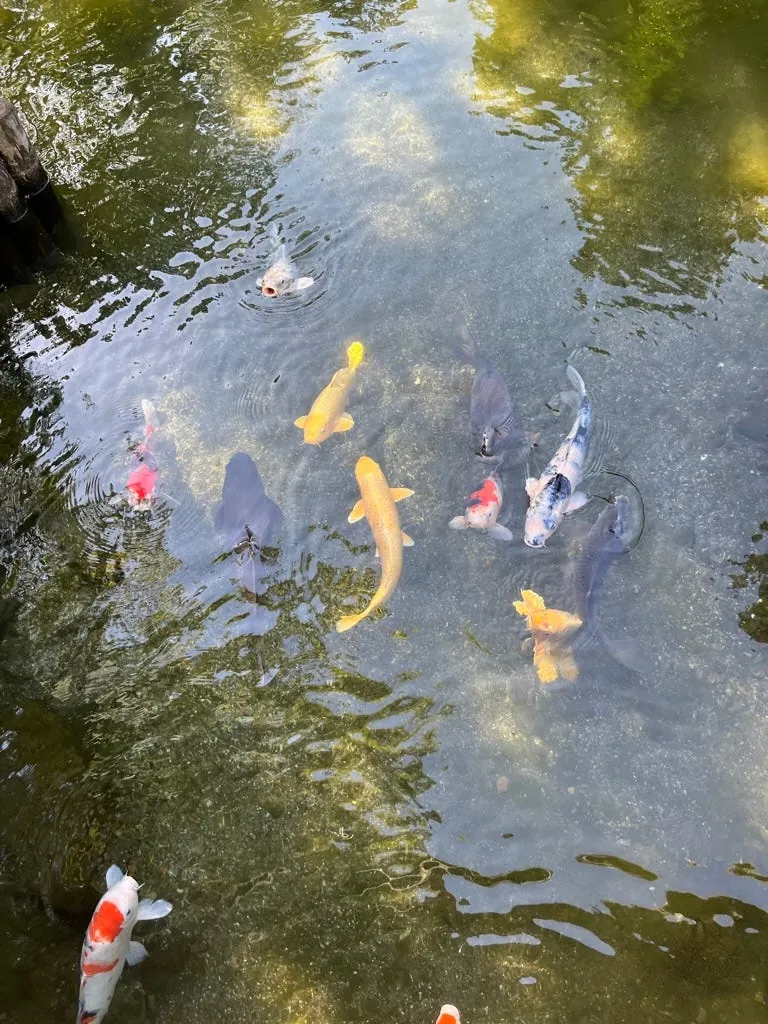
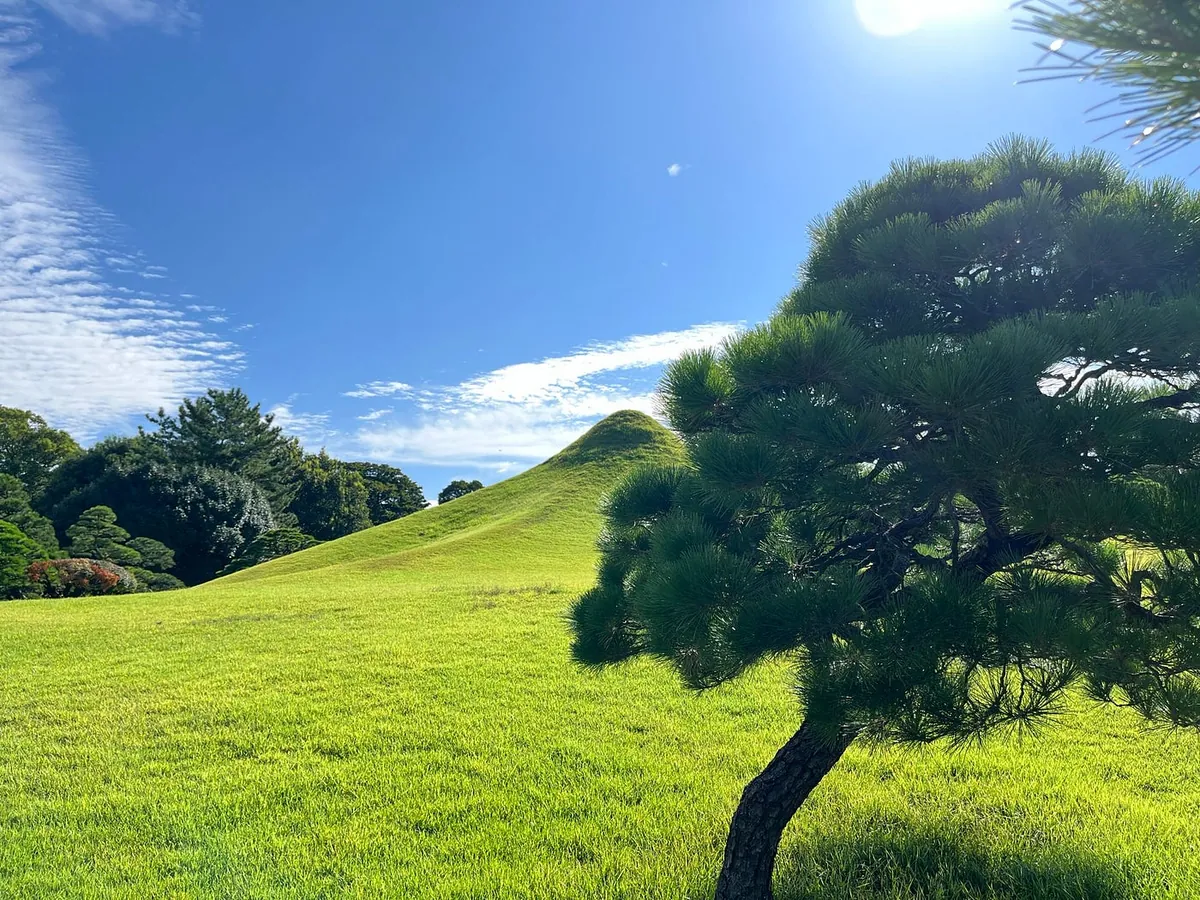
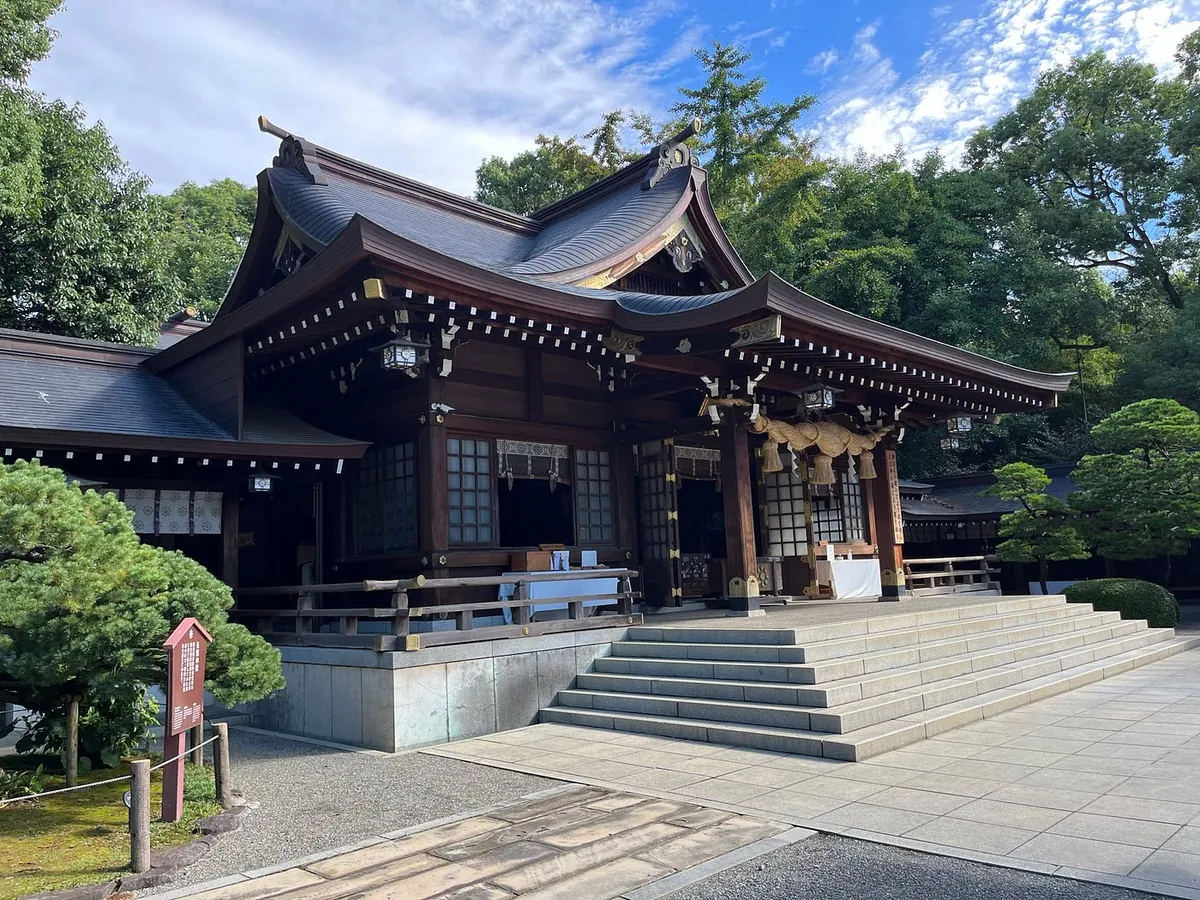
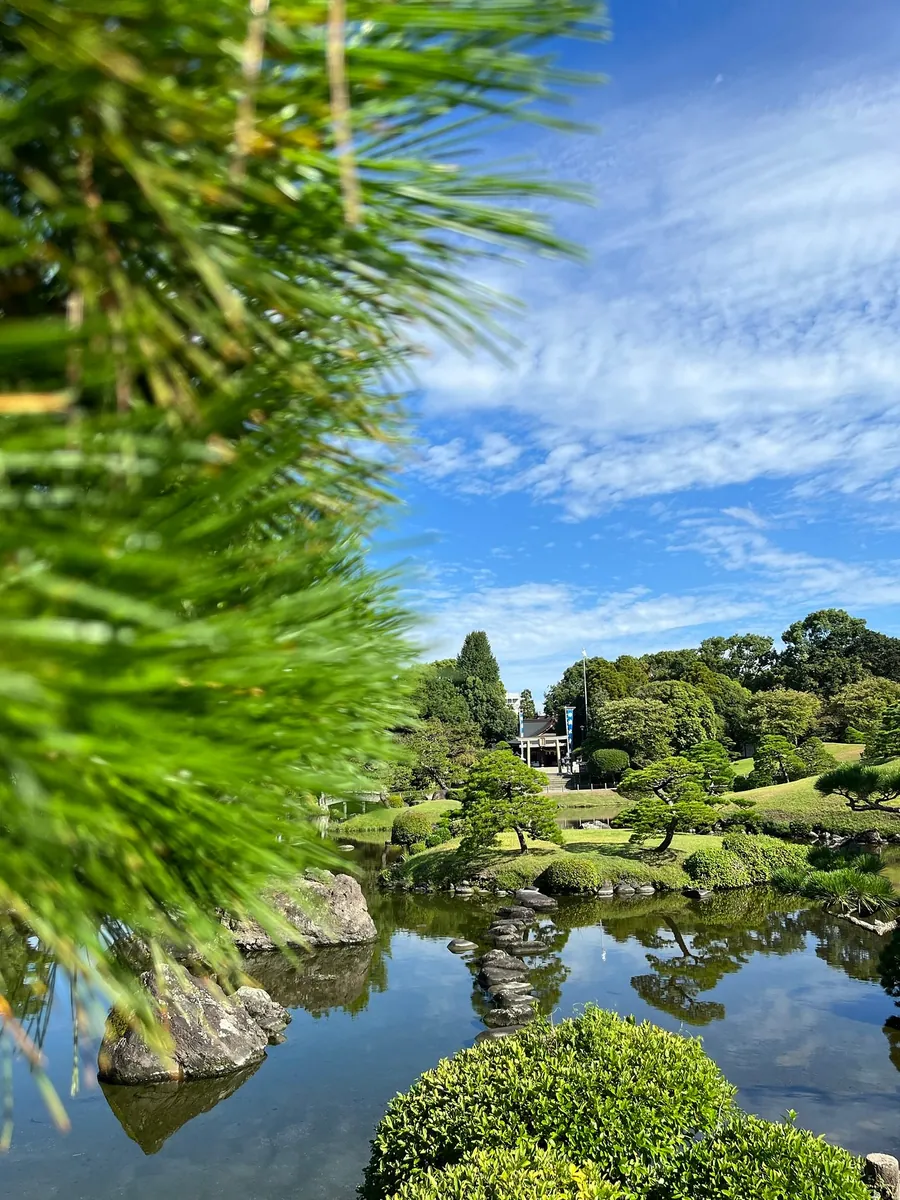
It feels a bit like Banqiao Lin Family Garden. The place is very clean and the water is clear. There is a small Mount Fuji, Izumi Shrine, very fat koi fish, and cats.
Kumamon Square Performance
After walking, take the tram to Suidōchō and head to Kumamon Square (visited yesterday).
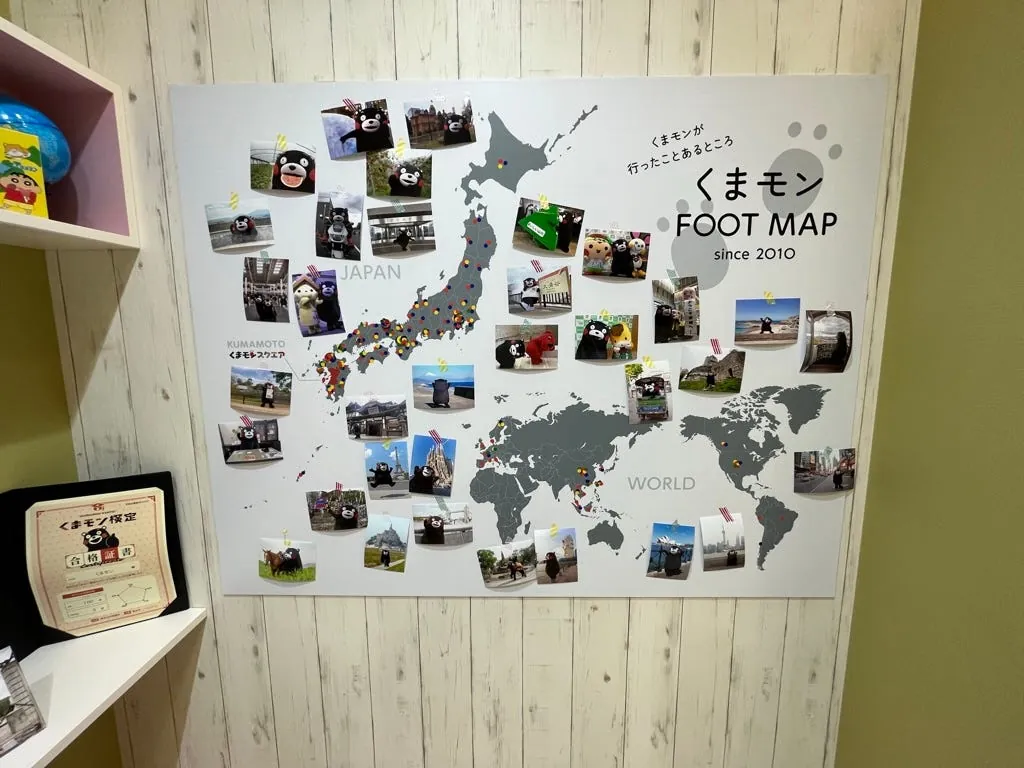
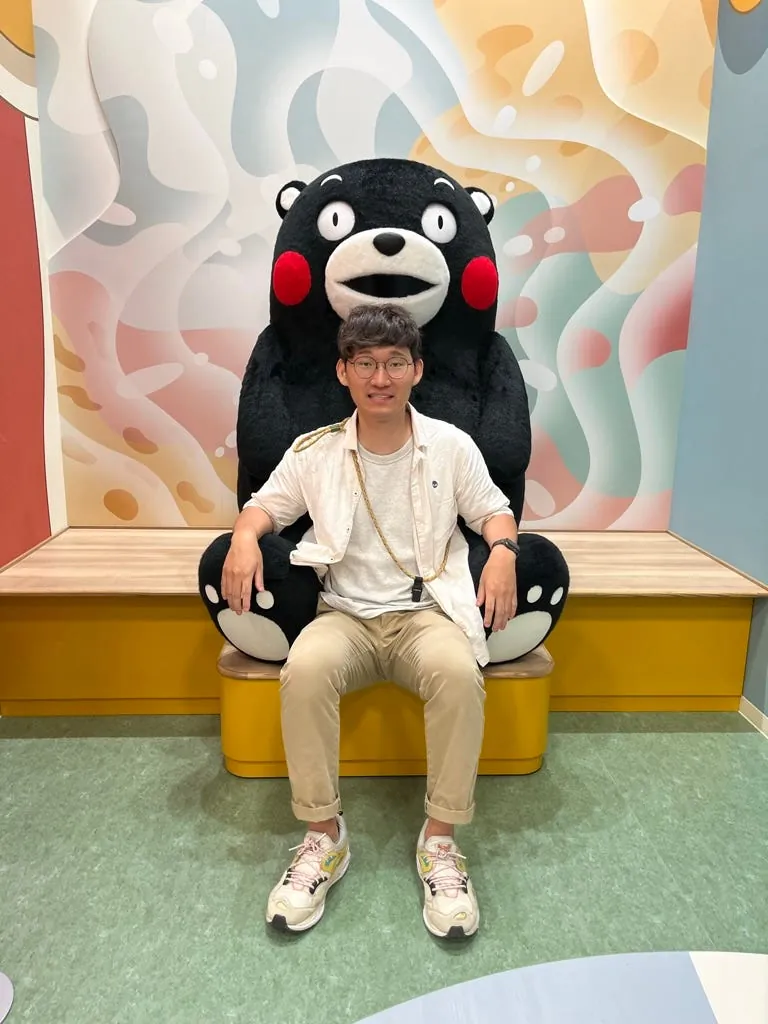
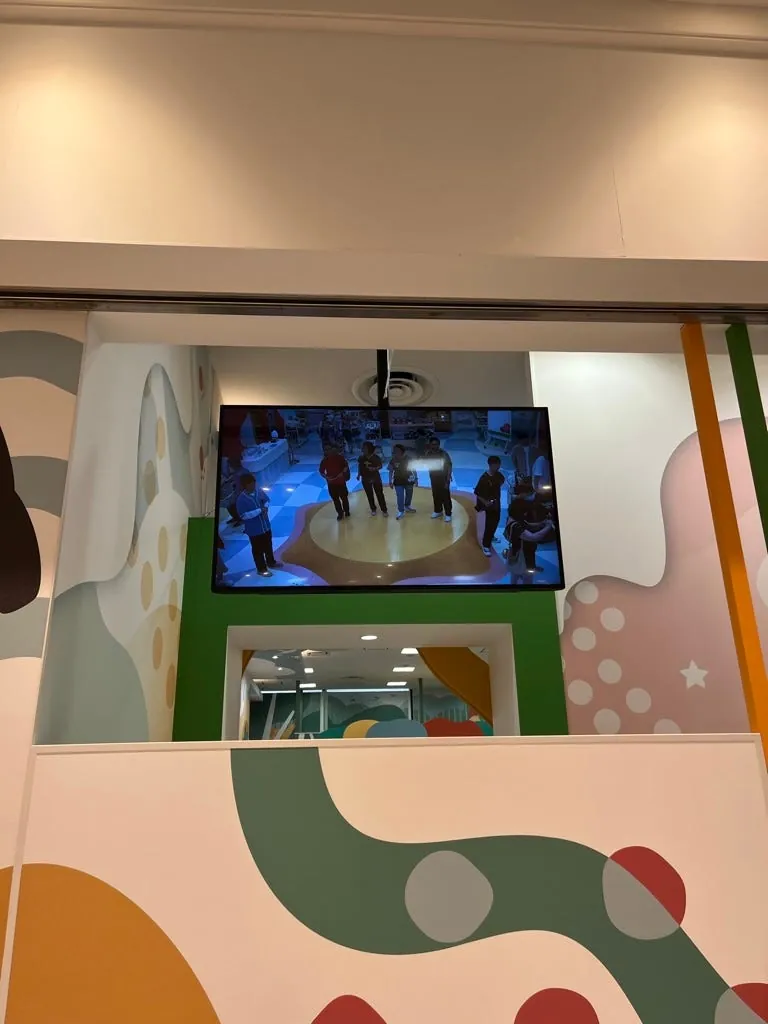
Inside, there are Kumamon-themed items for photo opportunities, and outside, a monitor shows the inside view.
Since it was still early for the 11 o’clock performance, I first went to the neighboring Tsuruya Department Store to find something to eat.
The performance schedule can be found on the Kumamoto Square official website (times may vary, but there are usually three shows on Saturdays).
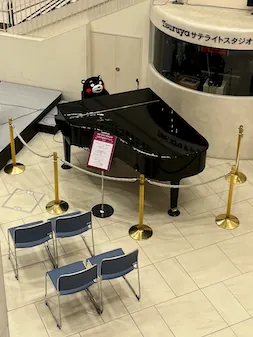
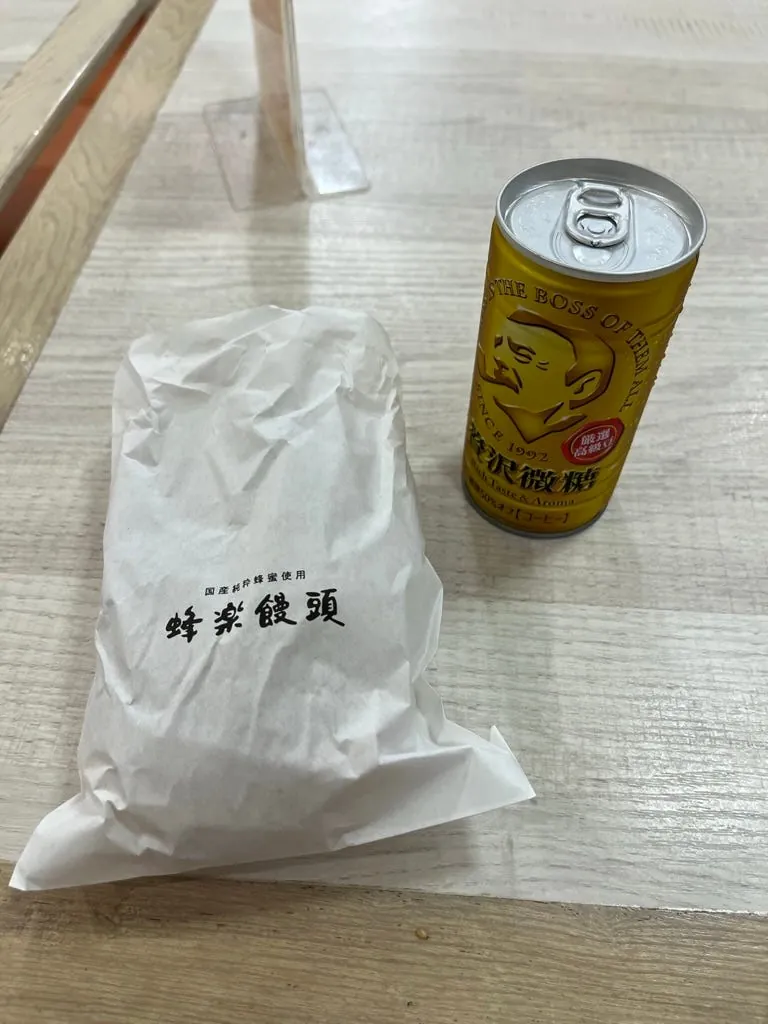
Passing by the first floor of Tsuruya Department Store, I also spotted a department head sadly working part-time playing the piano.
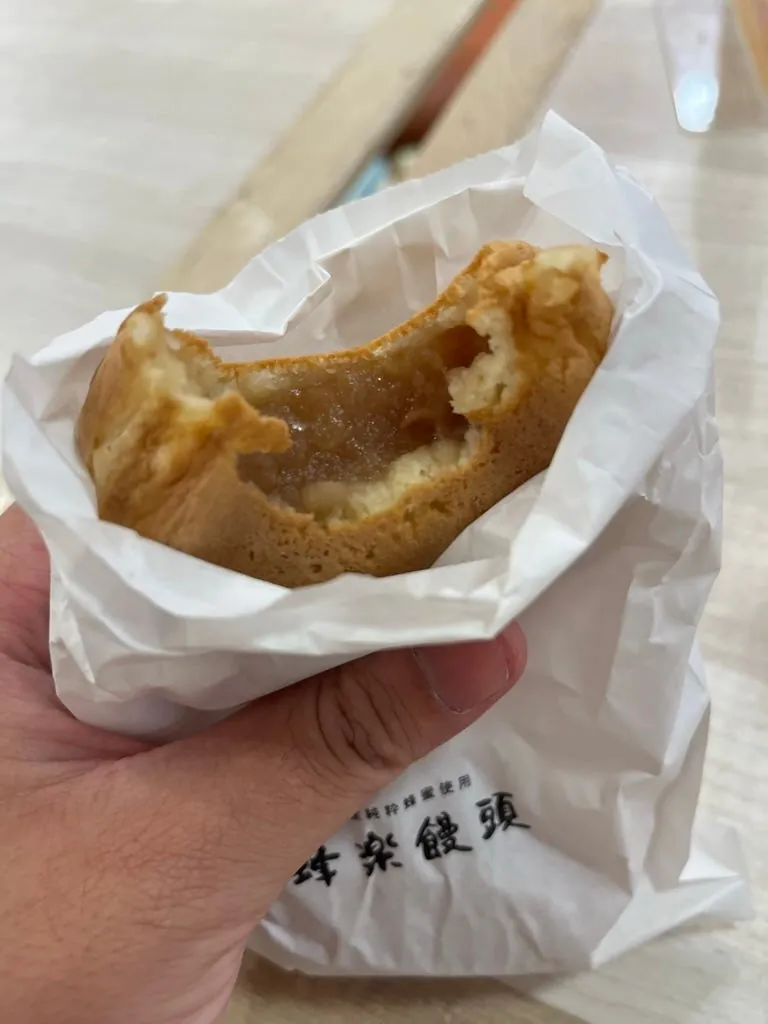
Went to B1 to try the local famous Hōraku Manjū, a wheel-shaped cake with thick fillings. There are two flavors: white bean and red bean. Those who like sweets will love it. Paired with coffee, it makes a perfect breakfast.
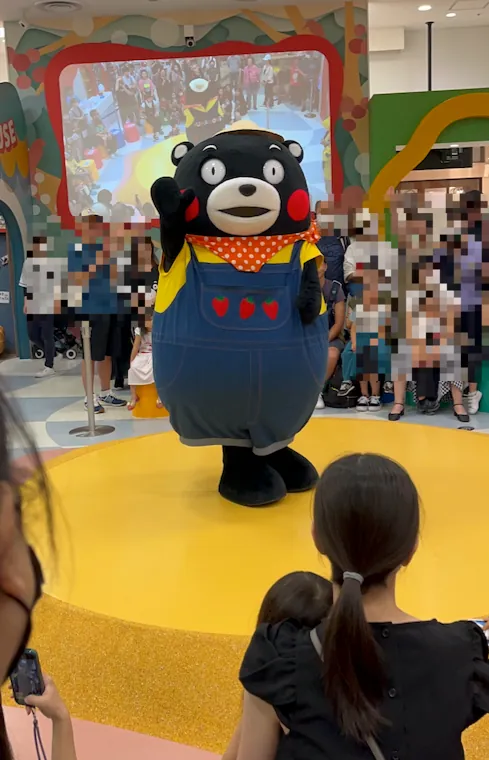
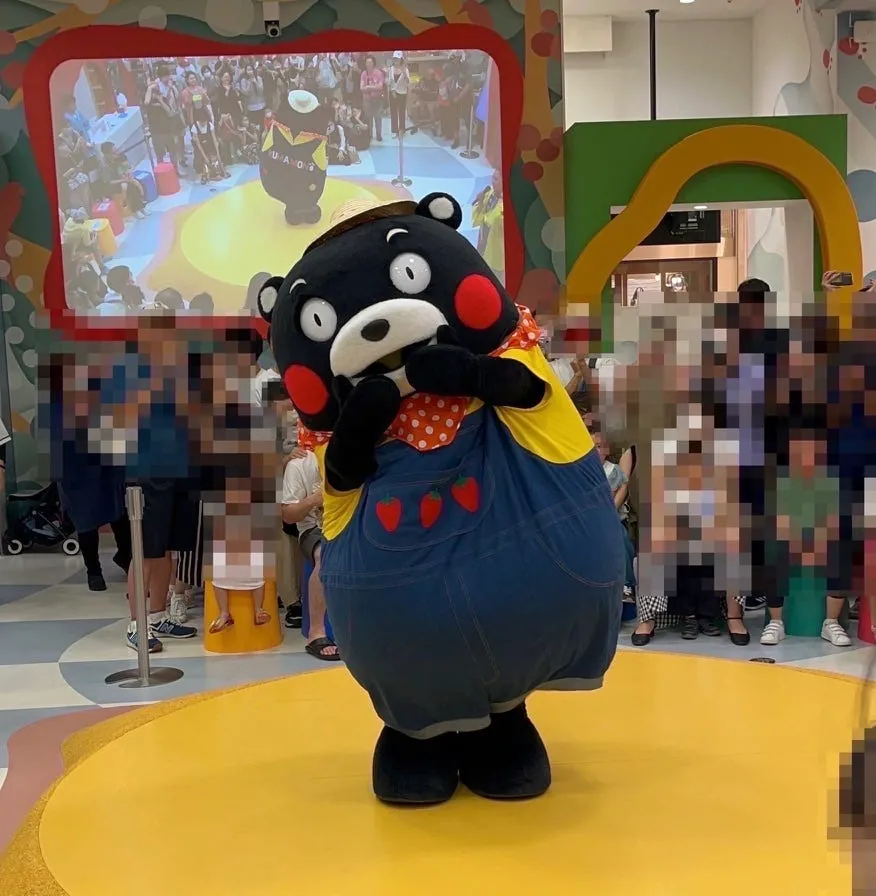
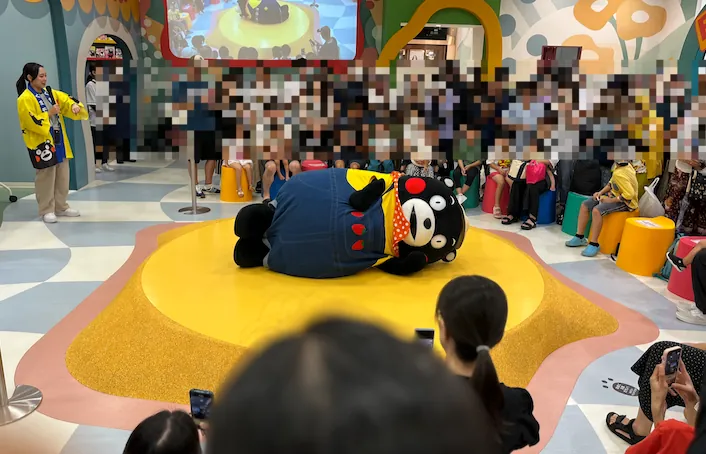
Returned to Kumamon Square around 11 o’clock to wait for the performance. Now there’s no need to draw lots; as long as you enter before the show starts, you can get in. After the start time, you can only watch from outside on the monitor. If you have children, you can sit inside.
Before the performance, the rules are explained, such as: no touching Kumamon, photos should not be taken with the camera raised above the head (to avoid blocking others), faces must be pixelated according to Japanese law, and everyone is welcome to upload to SNS.
The performance lasts about 30 minutes. The host, a young lady, speaks on behalf of Kumamon (all in Japanese). The program roughly includes greeting everyone, sharing fun facts about Kumamoto, dancing (to the catchy song above), and saying hi to people from different countries. (There were the most Taiwanese people in this show XD).
Kumamon, the mascot of Kumamoto, is very cute, lively, and fun.
There were fewer merchandise items sold inside the plaza, and the prices were relatively high, so I didn’t buy anything here.
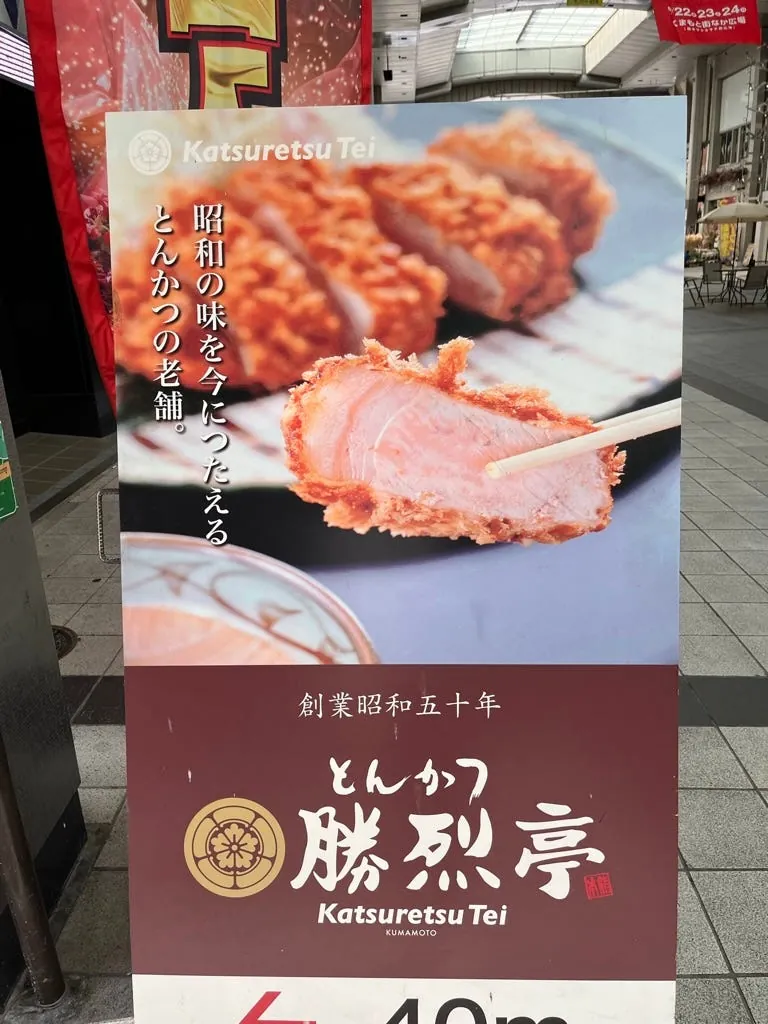
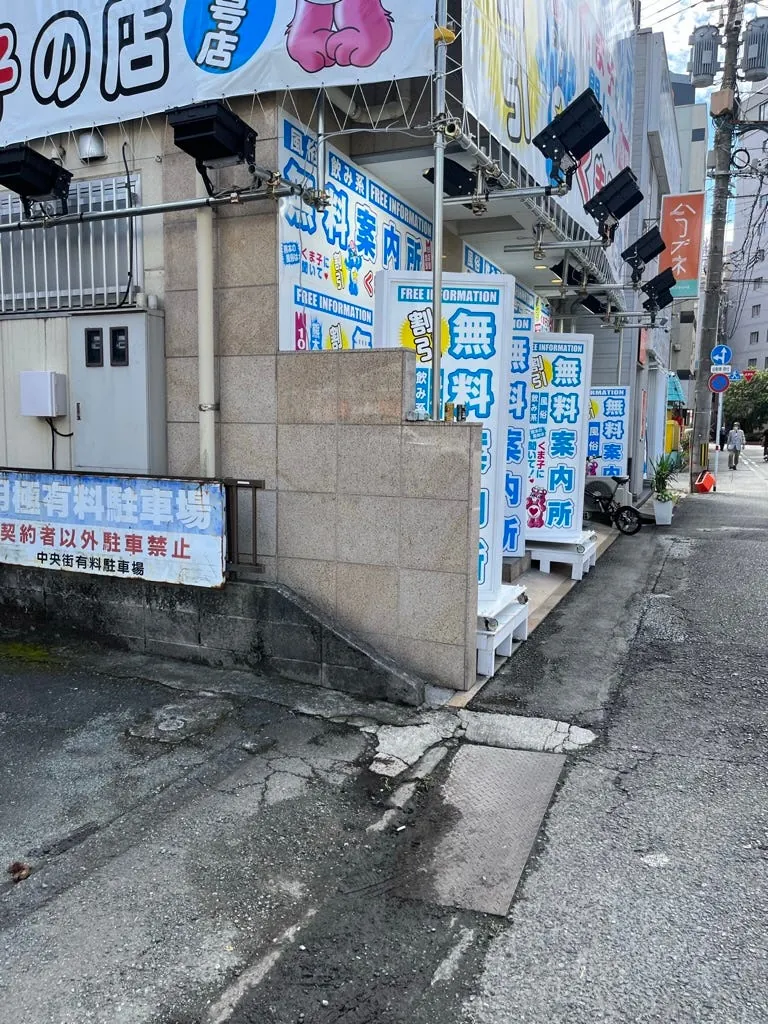
After watching the show and approaching noon, I walked down the shopping arcade to eat at 勝烈亭 新市街本店; stepping outside the arcade, the atmosphere instantly shifted from family-friendly to adult-only, with a whole row of free guide bars (the same on the other side at Kumamoto Ginza Street).
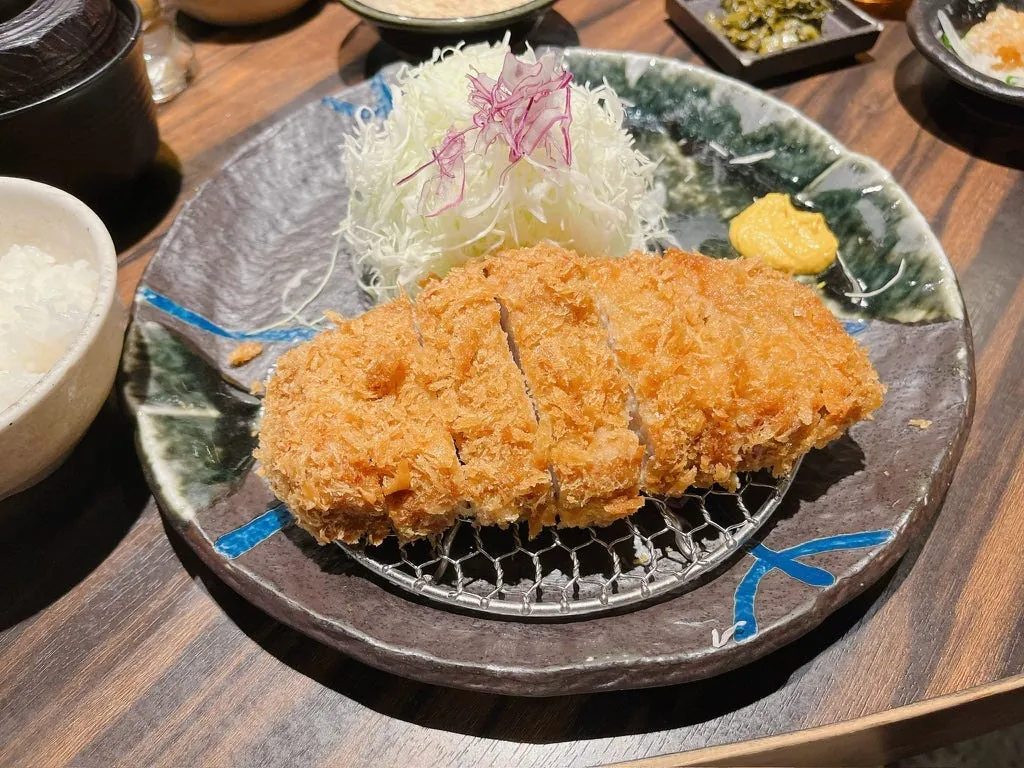
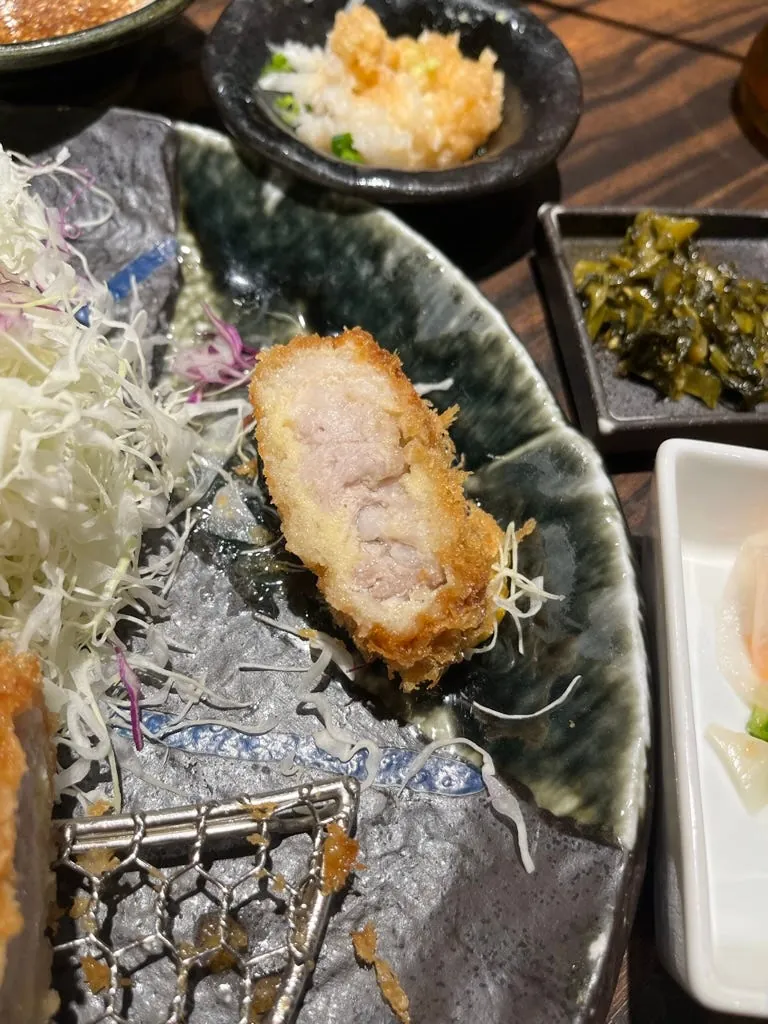
Extra thick Juice pork cutlet rice. What’s special is they serve their own pickled vegetables (shared, self-serve, remember to use the red chopsticks). Other than that, it’s like eating Japanese pork cutlet in Taiwan, with a grinding stick and sesame seeds for making sauce. Rice, tea, soup, and cabbage are all free to refill. I ate two bowls of white rice in one go and felt very satisfied.
Hanabatake Square
After eating and drinking, continue walking down Tsusho Shopping Street towards Hanabata Square.
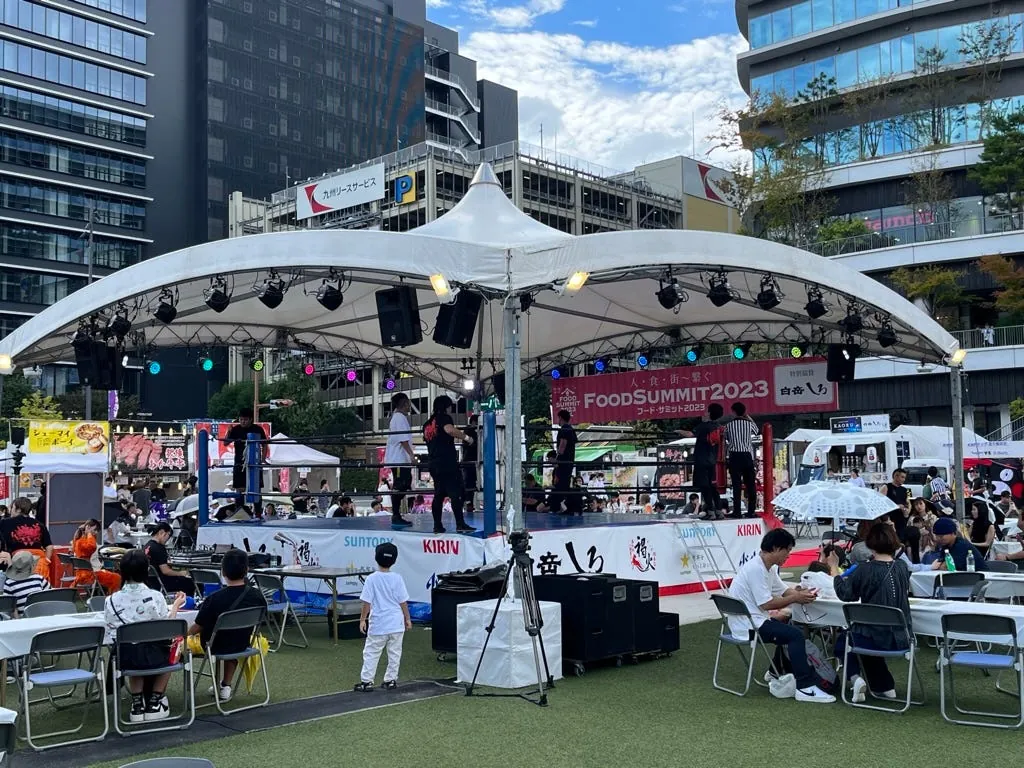
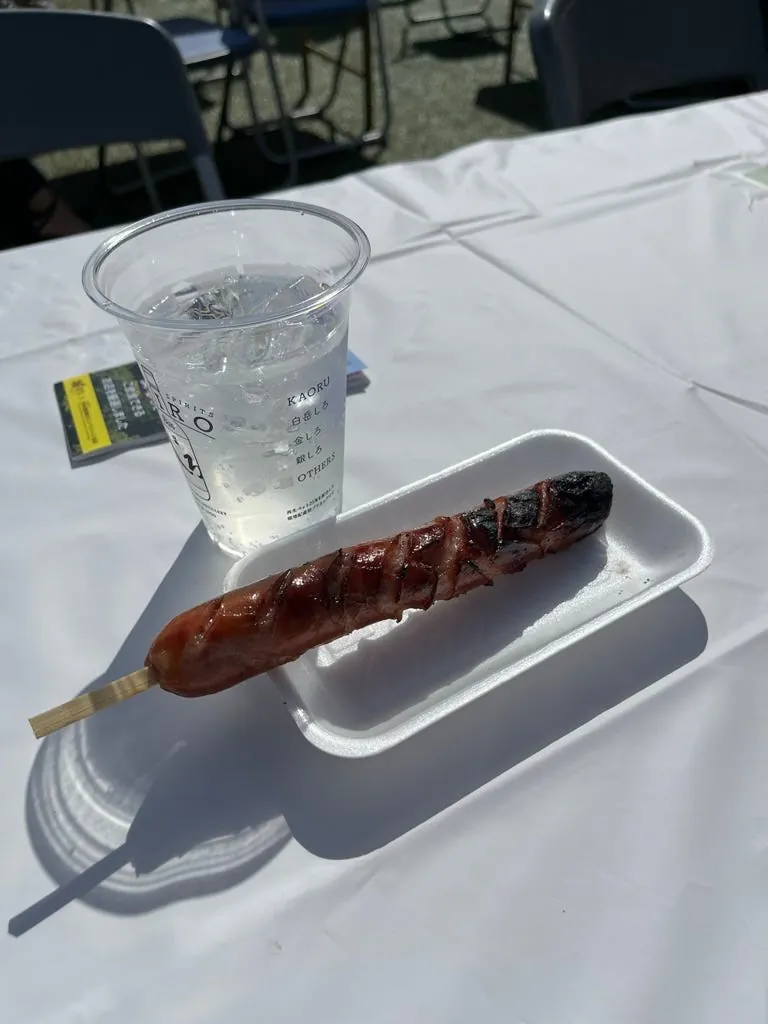
It happened to be a Saturday with an event at the square, Food Summit 2003. There were food stalls all around, and a stage was set up in the middle for a Japanese-style wrestling performance.
Bought a glass of sparkling wine and grilled sausage, sat down to watch the show. The sausage wasn’t as flavorful as those in Taiwan.
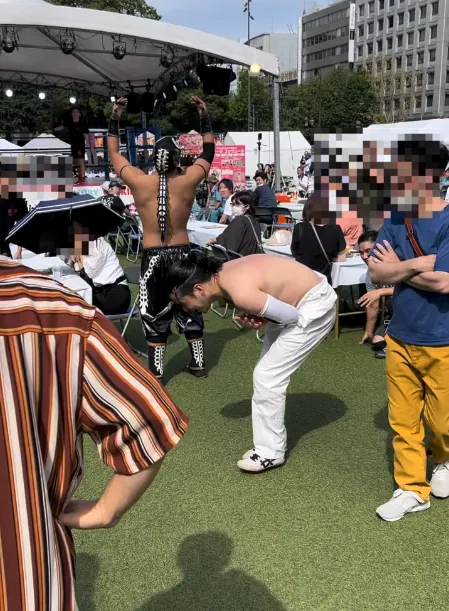
Halfway through eating, it accidentally hit someone in the audience, which was a bit scary but very immersive; later, it got too hot, so after finishing, I left and went to the Sakura Town shopping center behind to browse the department store.
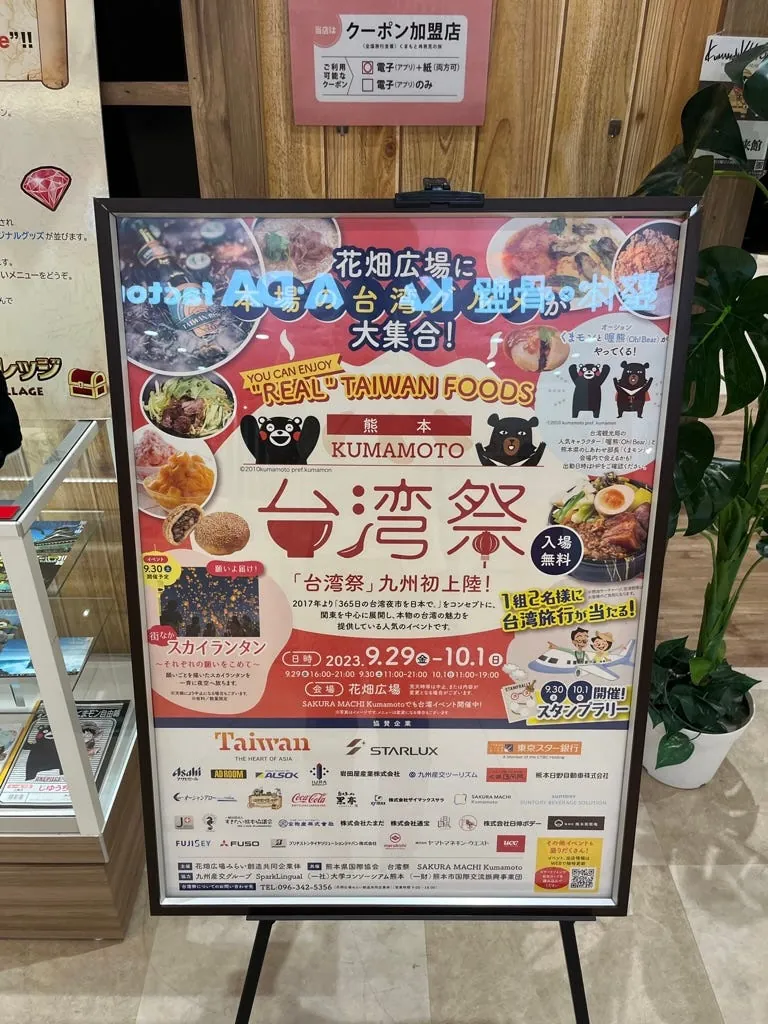
Hanahata Plaza seems to have events every weekend. You can check ahead before visiting. Next week is the Taiwan Festival!
Sakuramachi Shopping Center
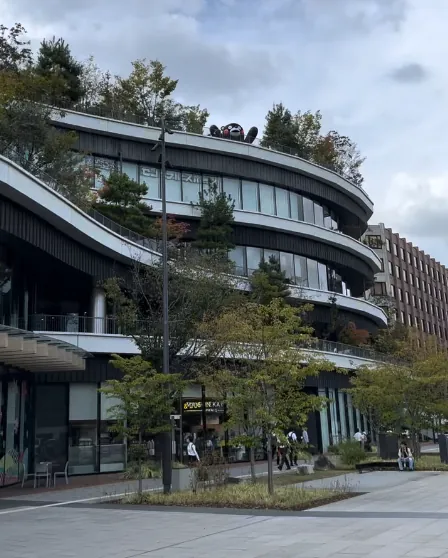
On the rooftop, there is a Kumamon waving, and on the second floor, Kumamon merchandise is sold (I think it’s the most complete collection).
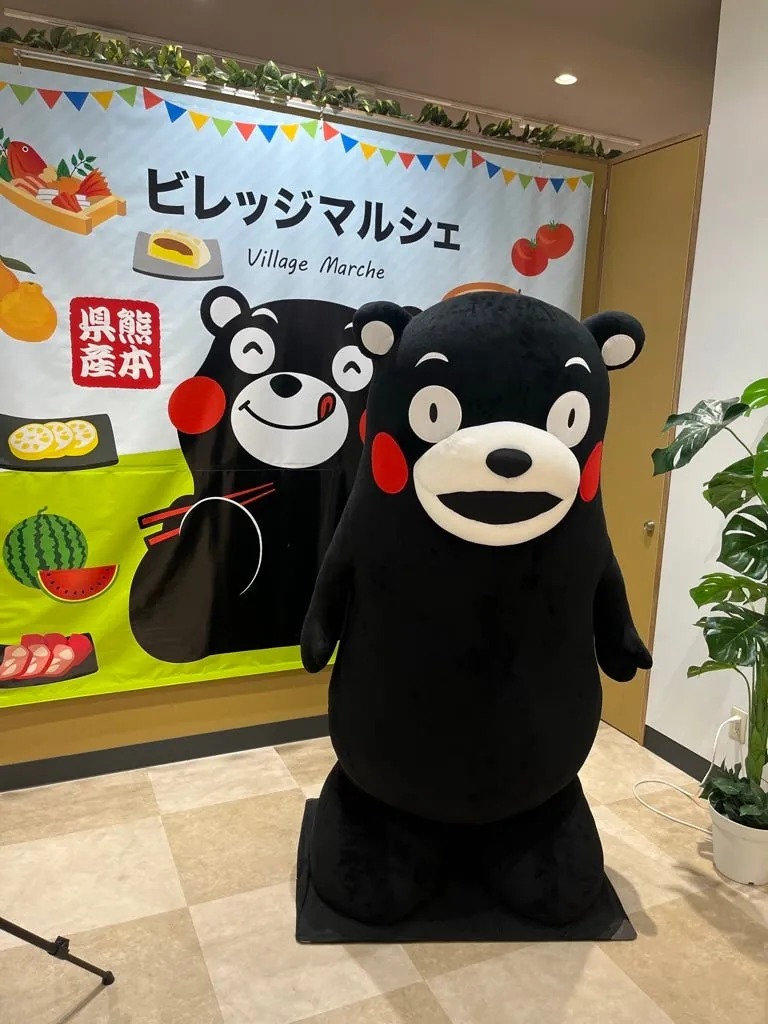
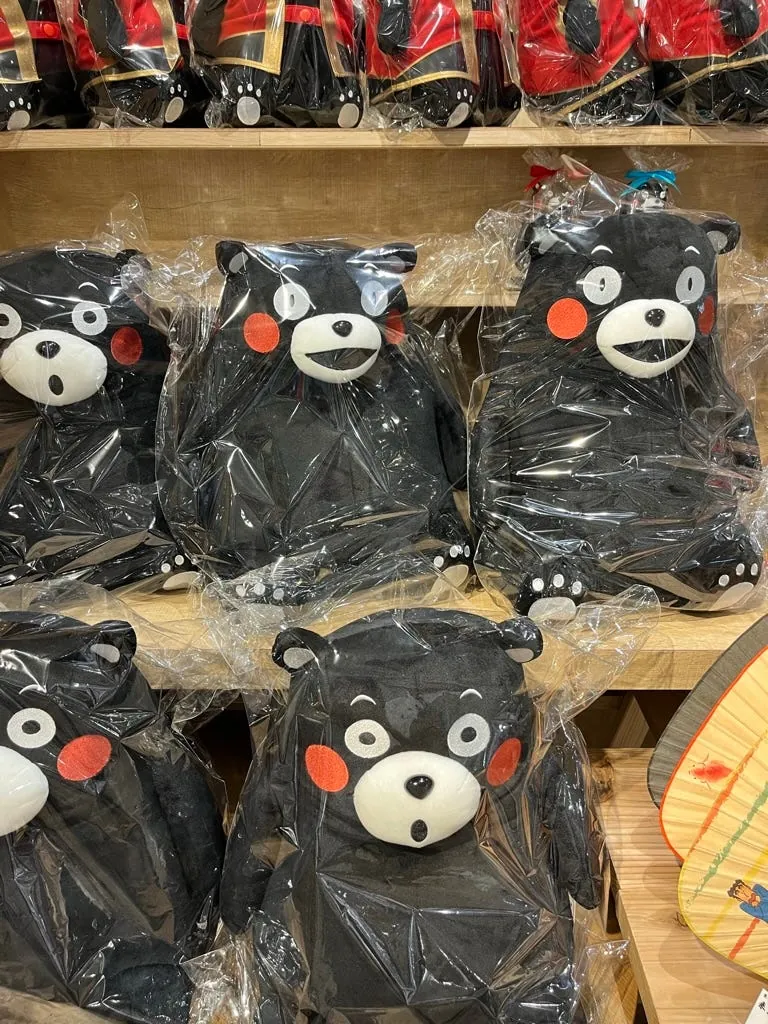
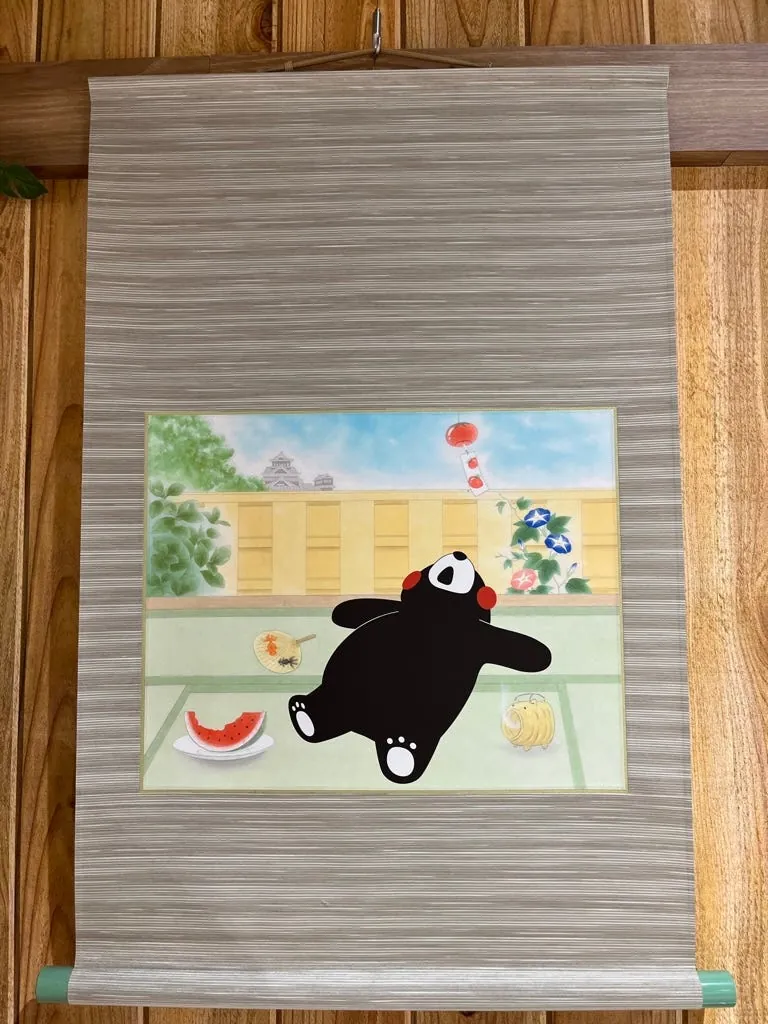
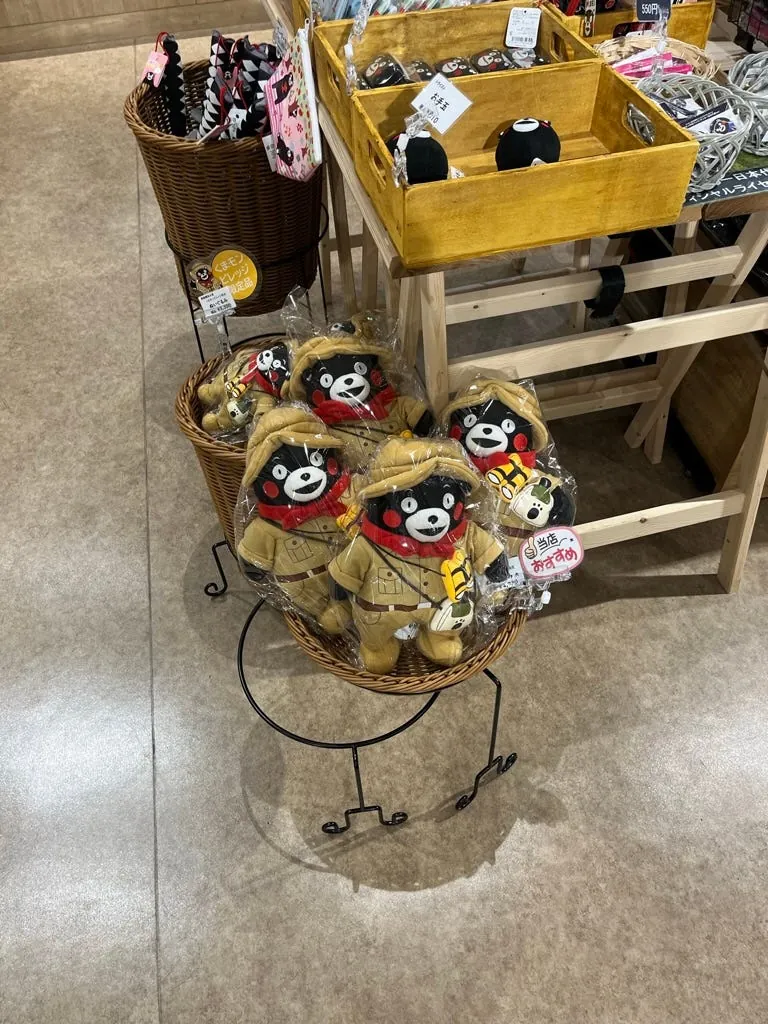
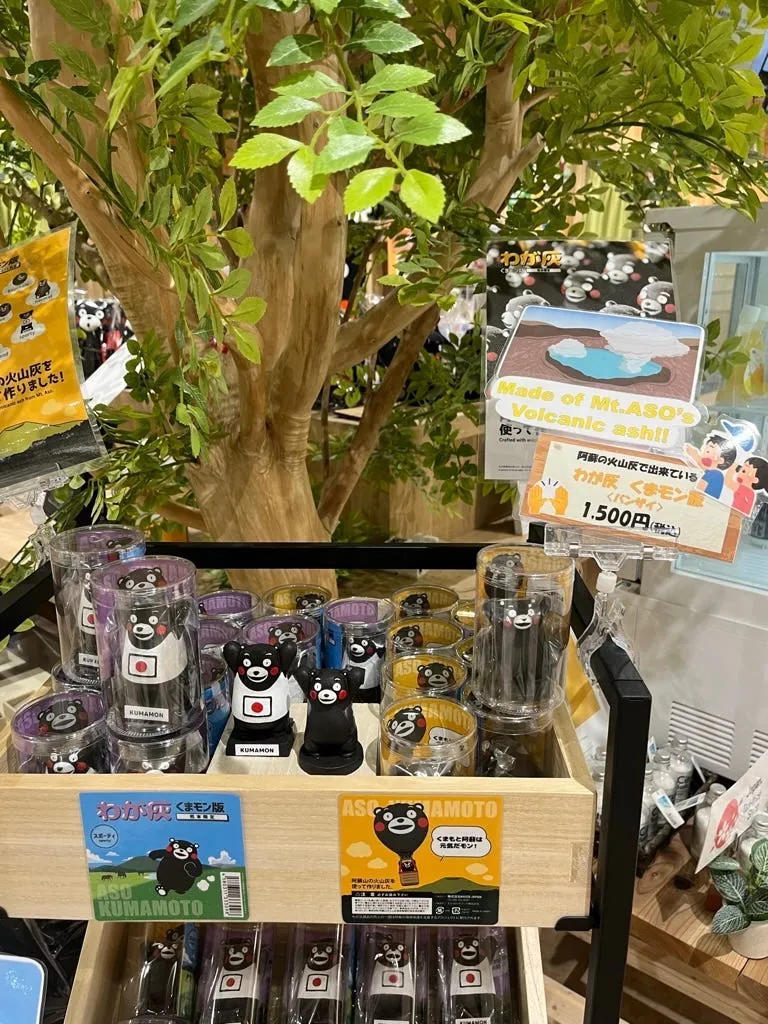
There will also be Kumamon performances here; please refer to the announced schedule.
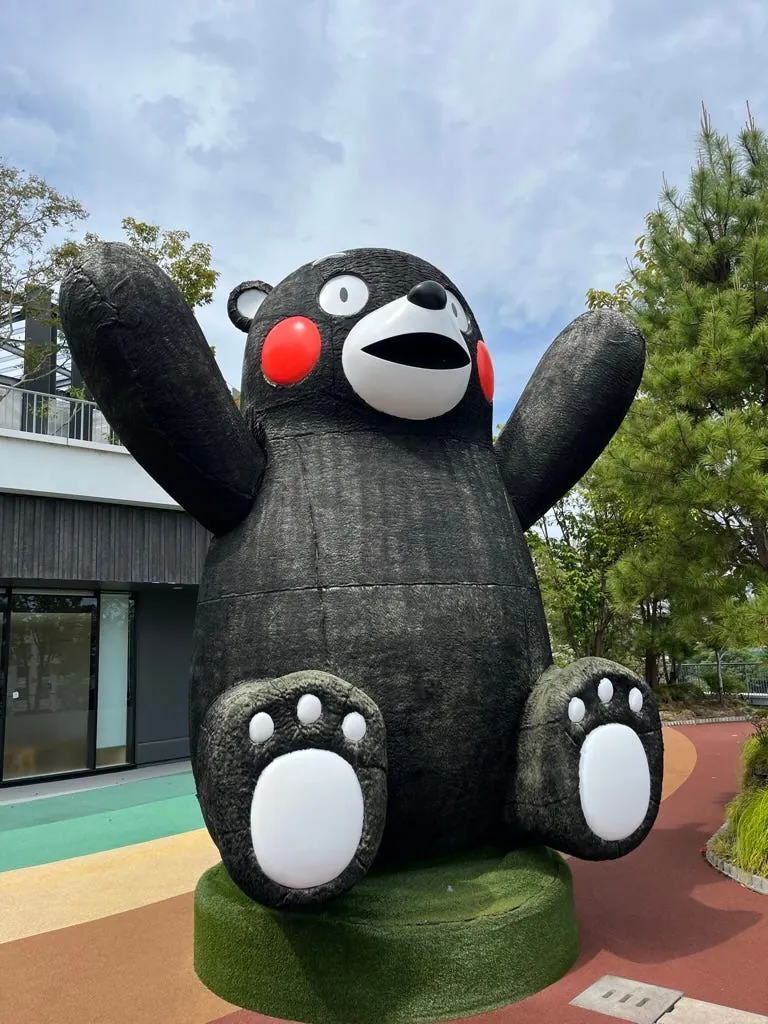
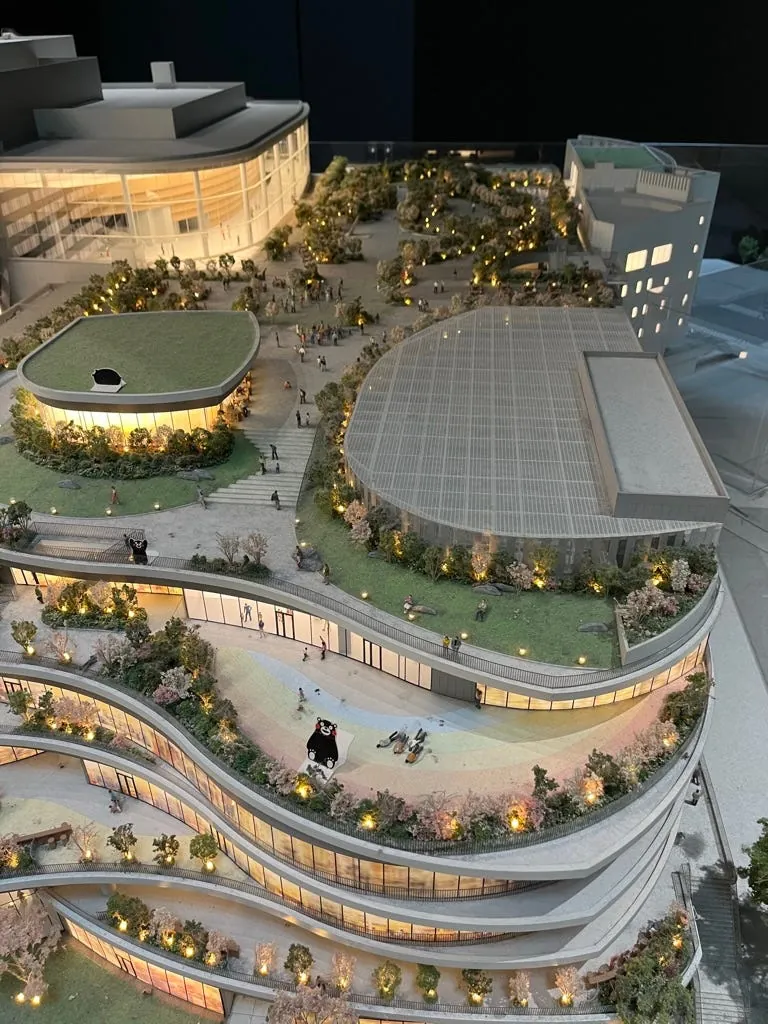
You can take the outdoor stairs all the way to the top floor to find the waving Kumamon mascot. The building also houses the Kumamoto Bus Center on the ground floor, where you can buy tickets on the second floor to travel to other cities.
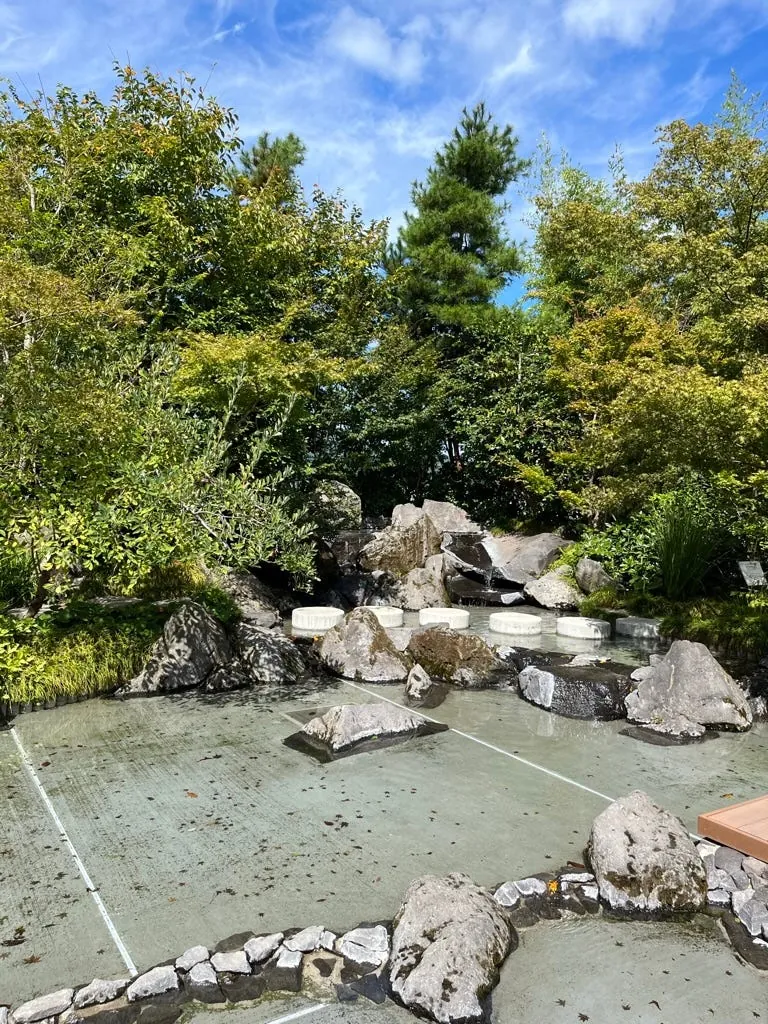
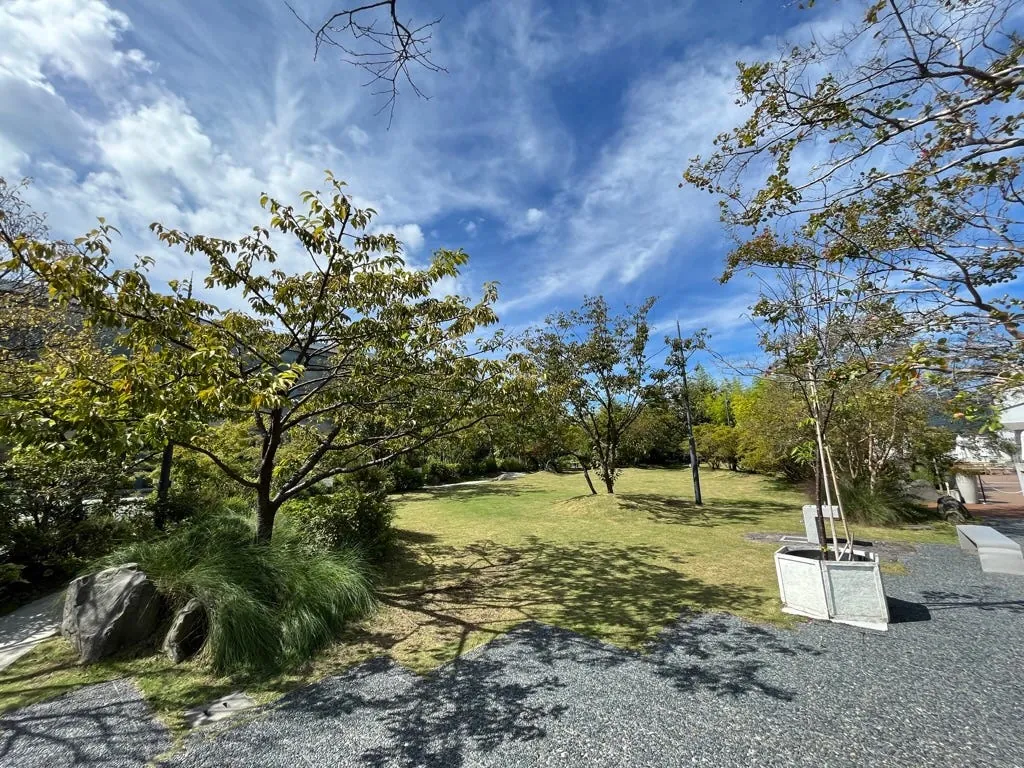
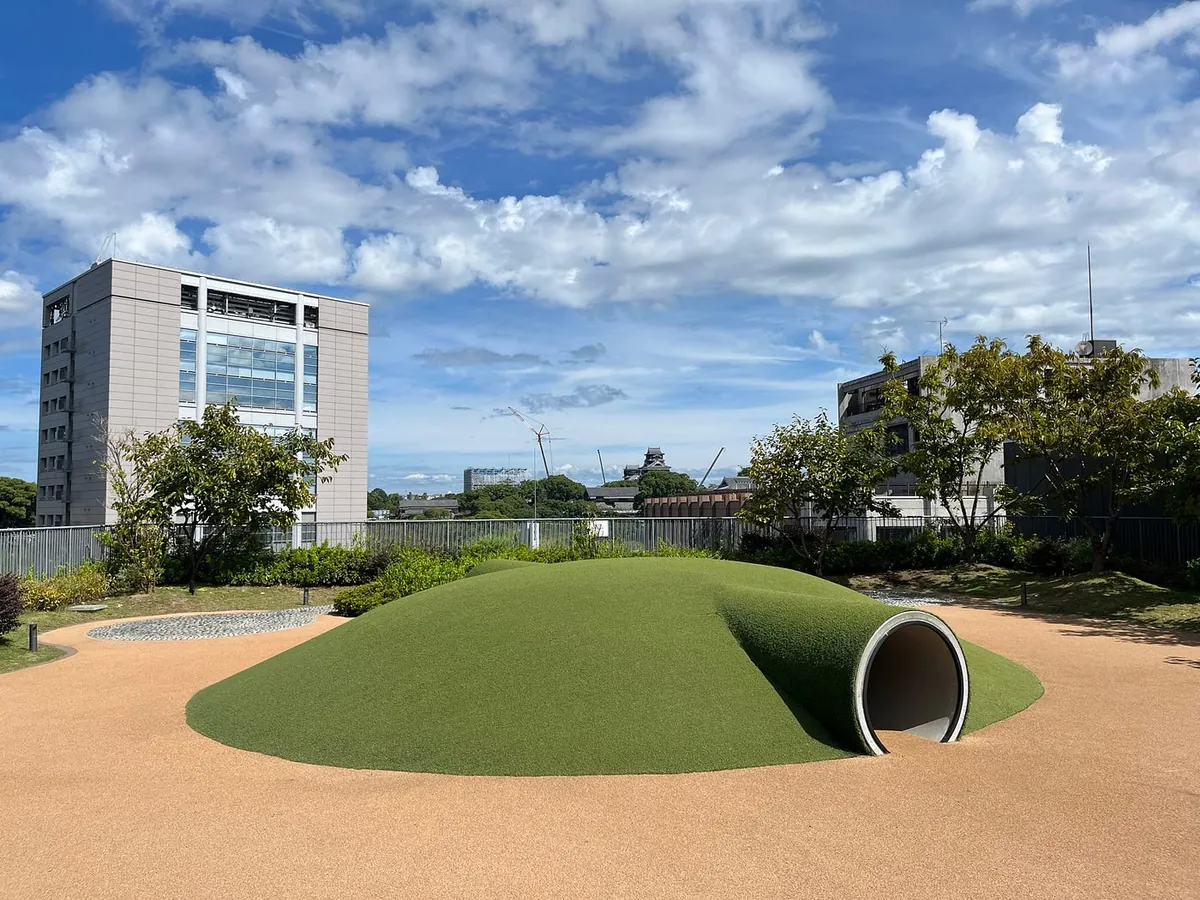
There is a large garden on the rooftop and a pool where kids can play if you bring them along.
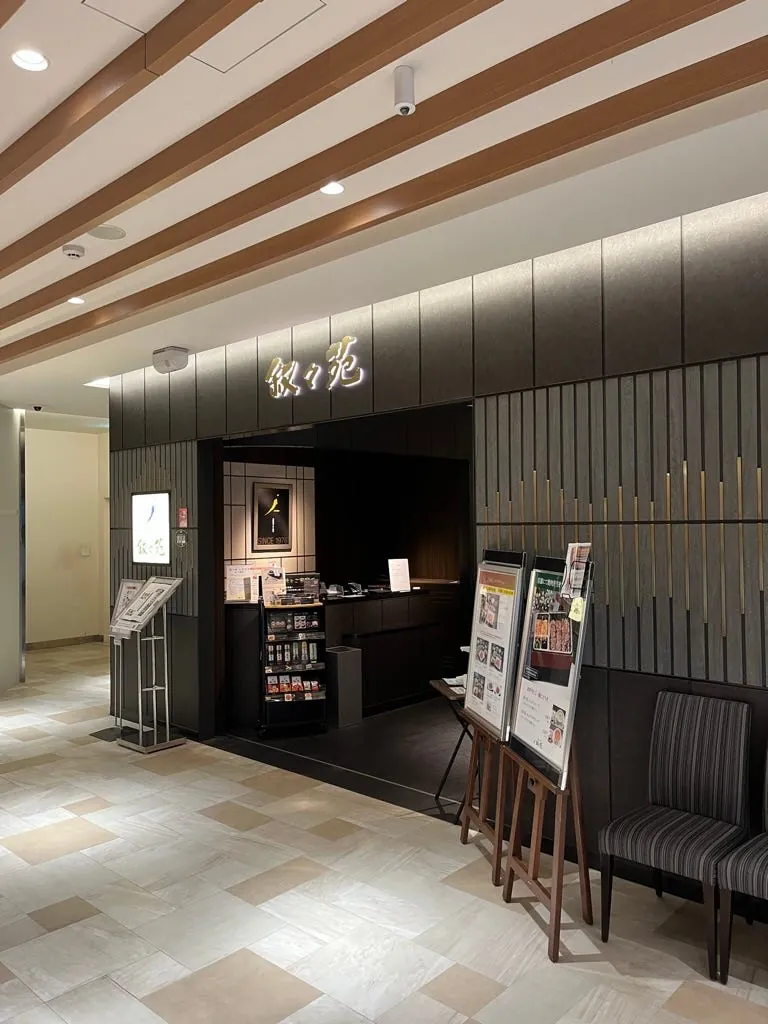
You can also take the escalator from inside. From the third floor’s Shusyu-en (which was completely empty), you can find the escalator going up to the rooftop.
I personally think Sakura Town Shopping Center is newer and more enjoyable to shop at than Tsuruya Department Store.
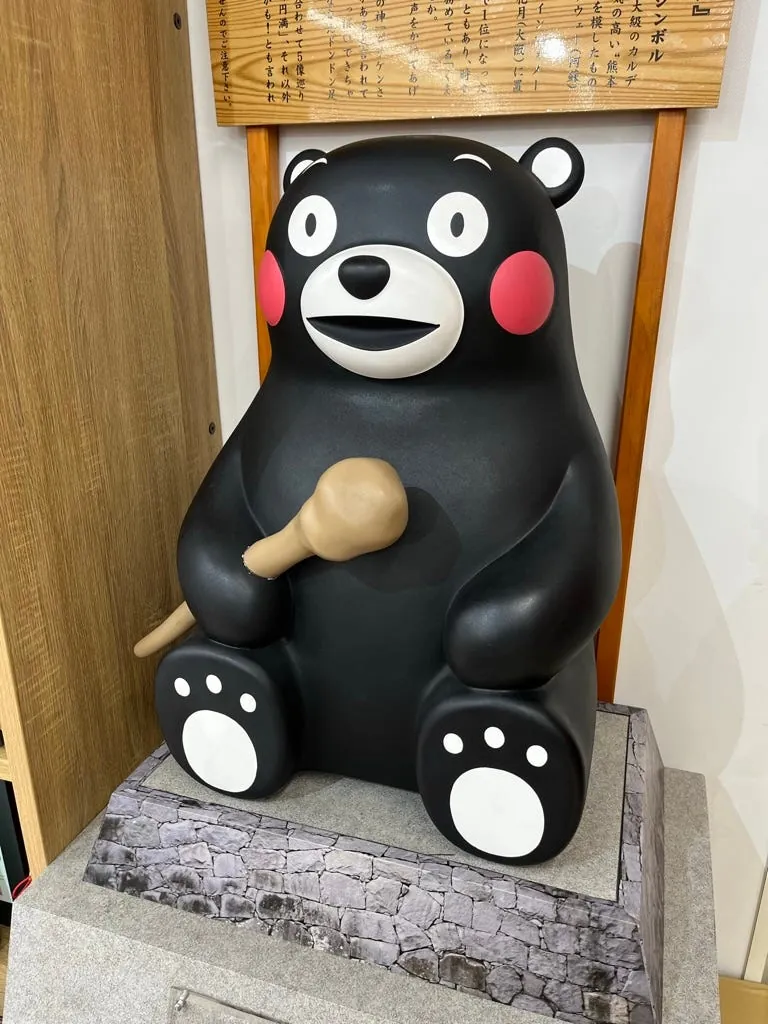
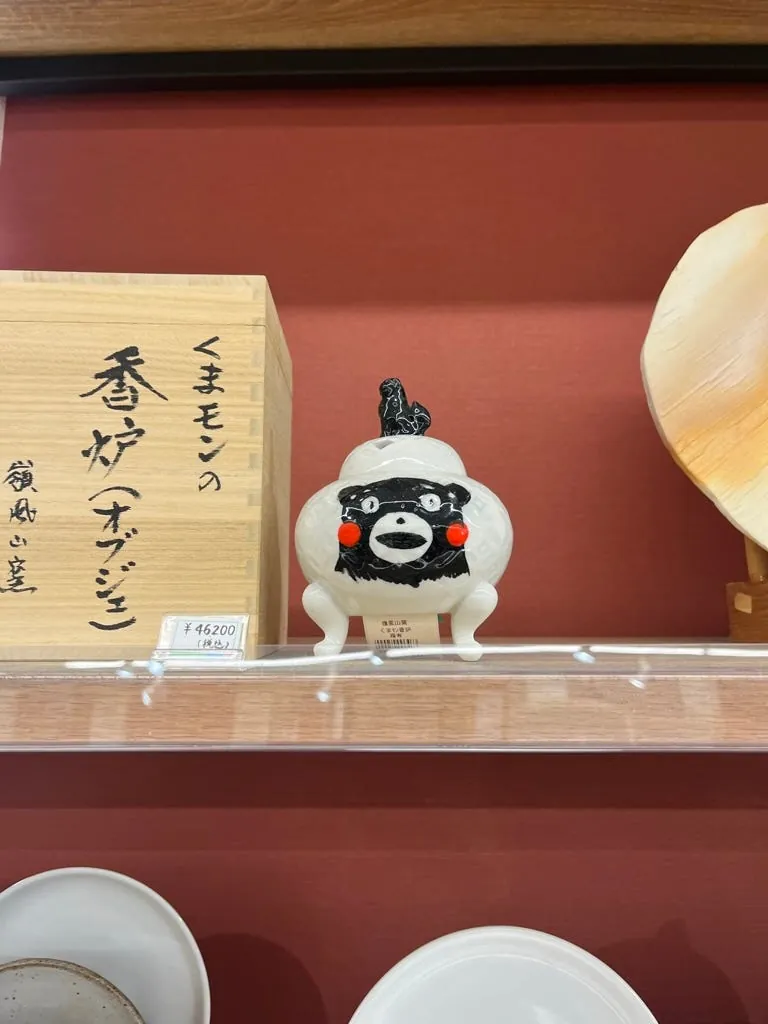
Right next to Sakura-machi Shopping Center is the Kumamoto Prefecture Product Hall. Besides local specialties from Kumamoto, there are also some Kumamon merchandise (e.g., Kumamon incense burner XD).
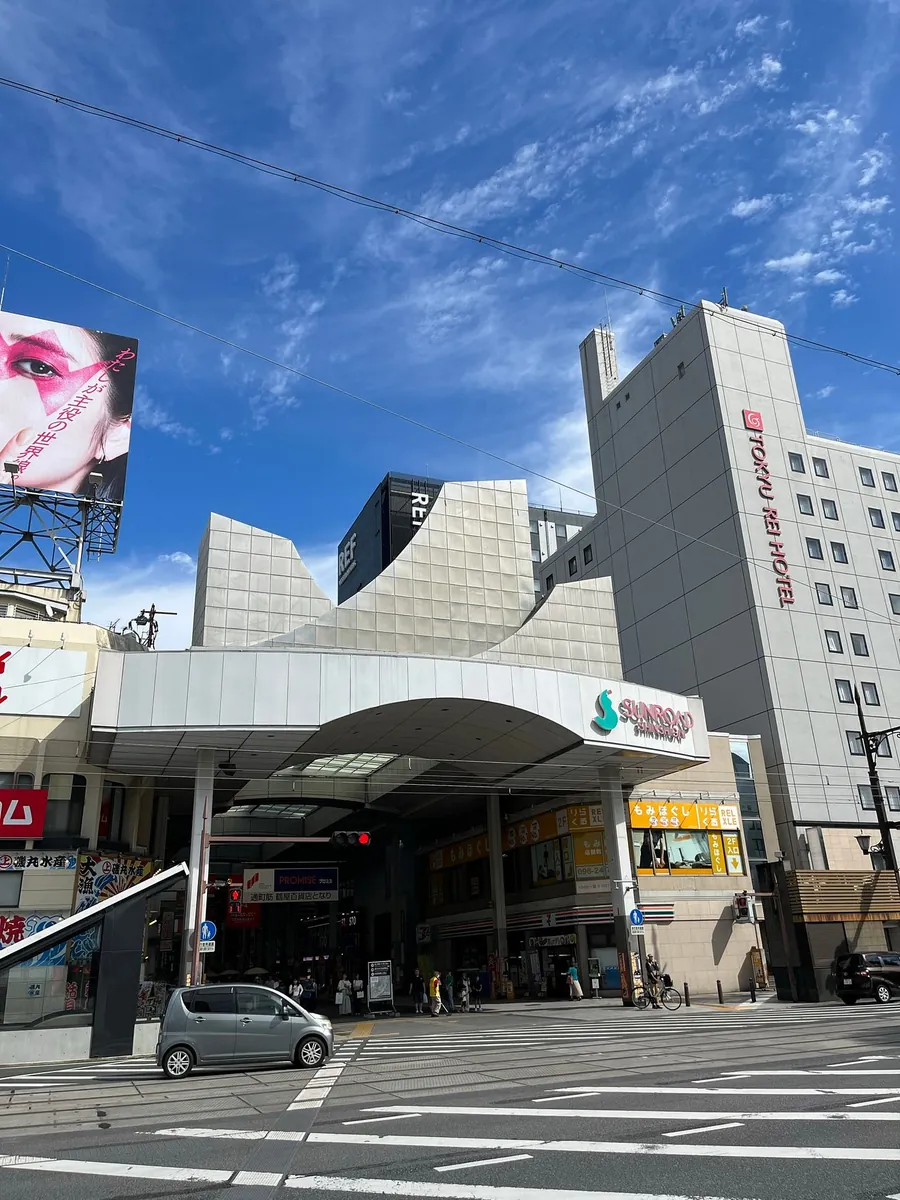
On the way back, I walked through the Kamitori and Shimotori shopping streets again.
Went to MUJI to buy clothes and miscellaneous items, and restocked cosmetics and health products at Matsumoto Kiyoshi (for some reason, my Visa card was declined at Matsumoto Kiyoshi, just like in Tokyo before; this time in Kumamoto, it also didn’t work, so I had to use cash in yen).
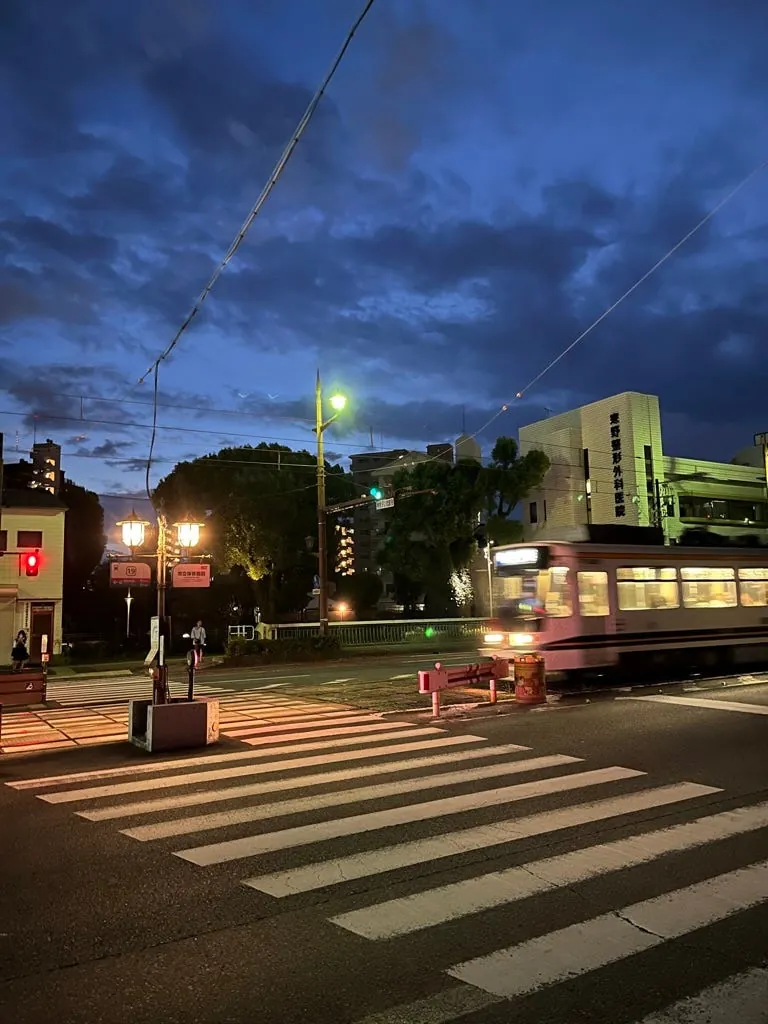
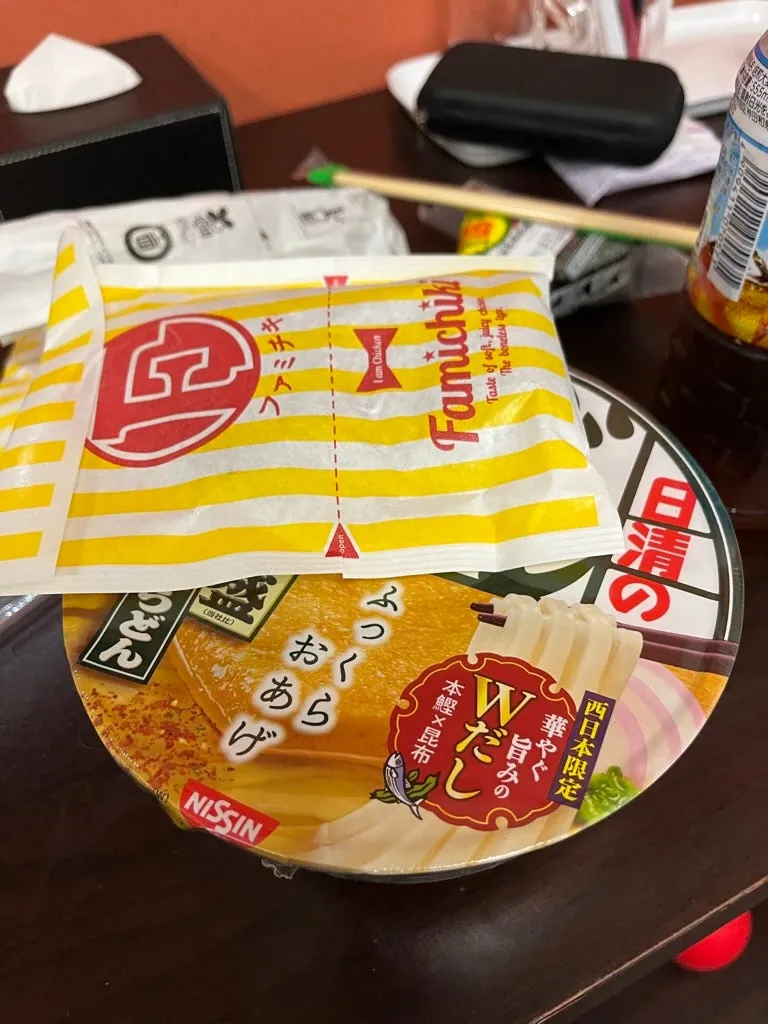
Arrived at the hotel near evening, had a quick dinner from Lawson on the way, and went to bed early to prepare for tomorrow’s trip to Mount Aso!
Day 7 Aso Volcano, Kusasenri, Aso Shrine, Kumamoto Station AMU PLAZA KUMAMOTO
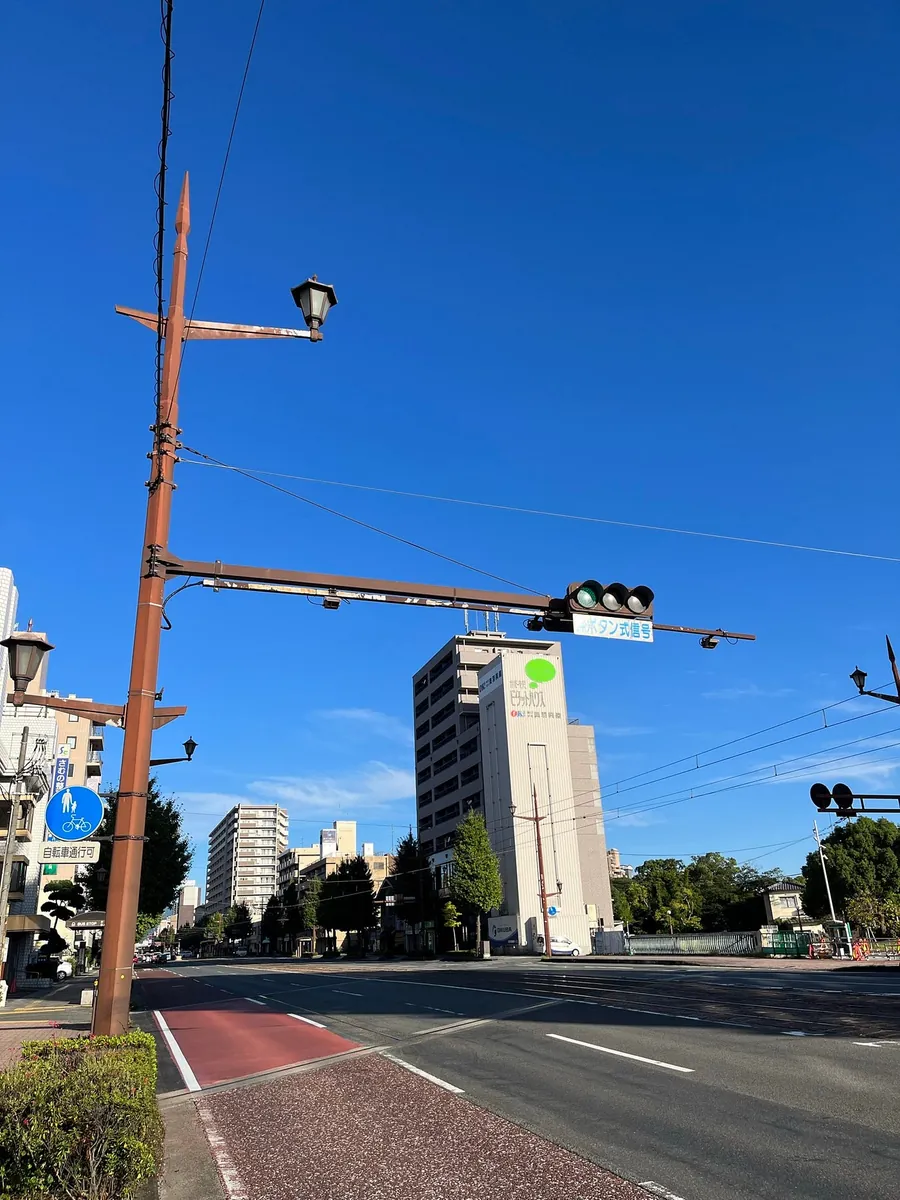
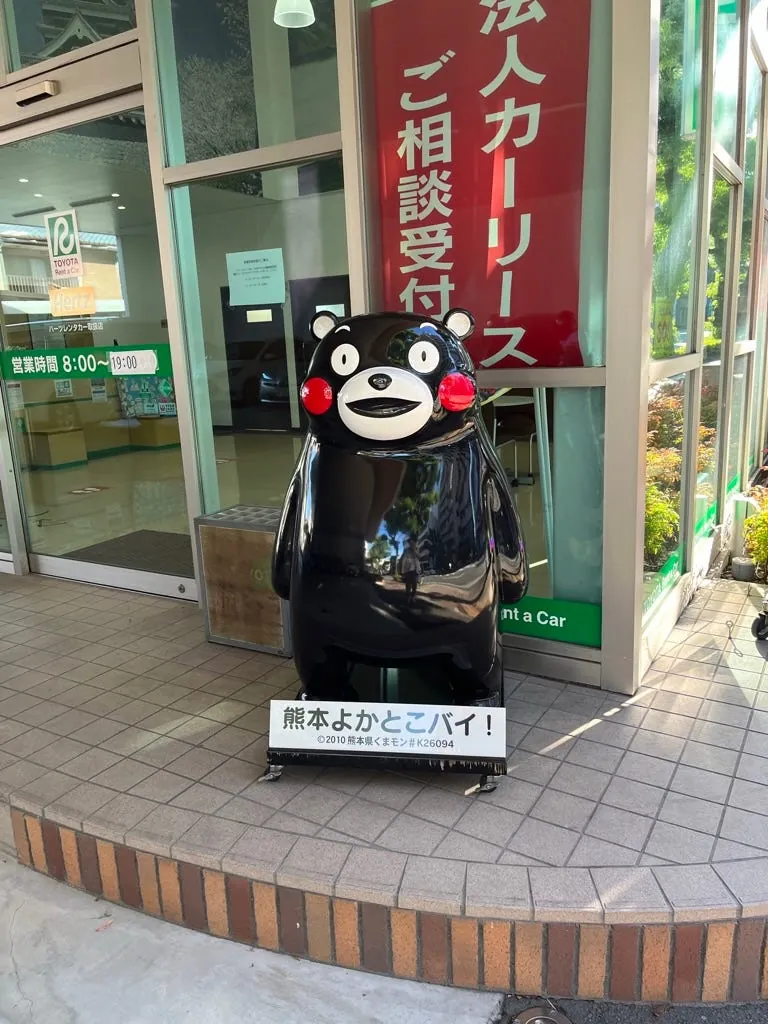
Early in the morning, I walked to the bus stop to take the bus to Aso Station; while waiting, I saw Kumamon again.
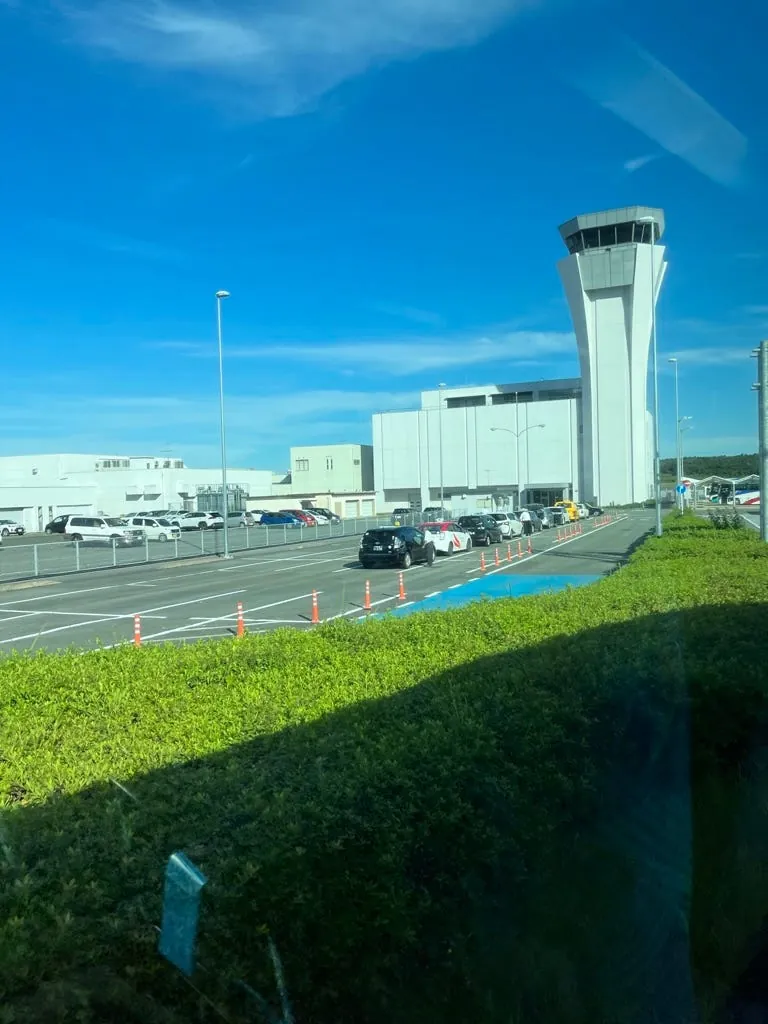
Will first pass through Aso Airport (coming the day after tomorrow Orz).
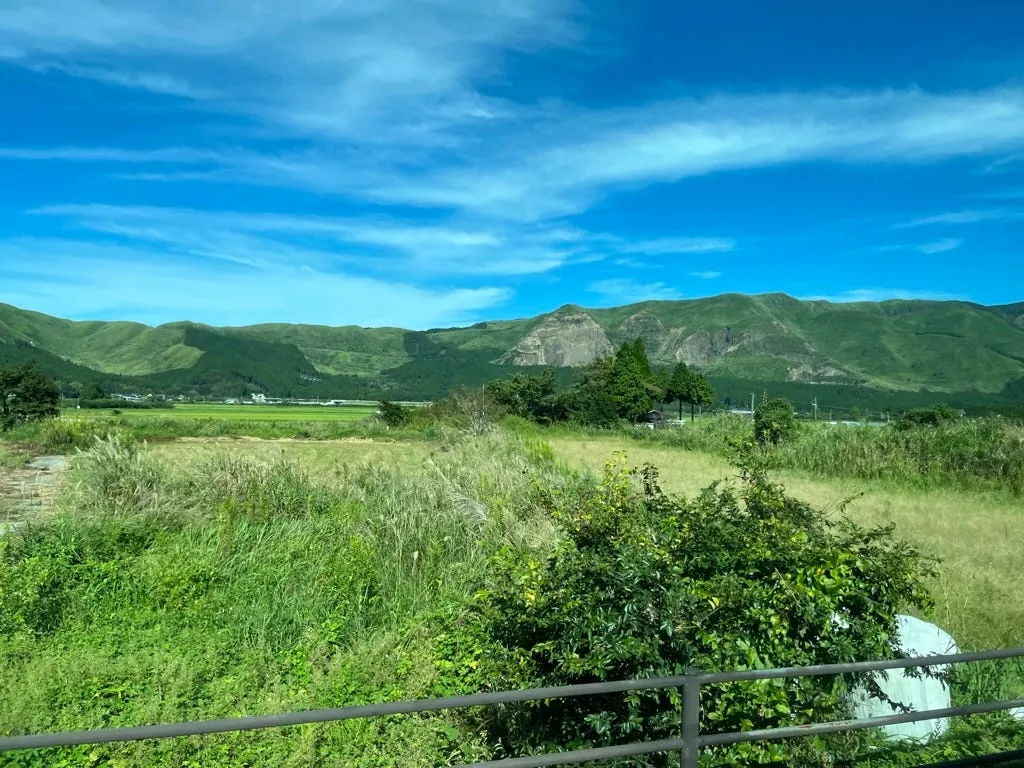
A unique experience was when entering the Aso Volcano area; the bus provided an introduction to the volcano and played local mountain songs, inviting passengers to imagine strolling through the Aso volcanic grasslands.
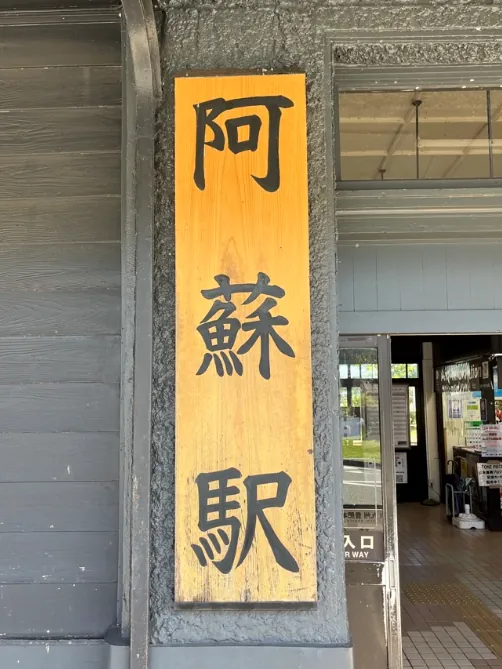
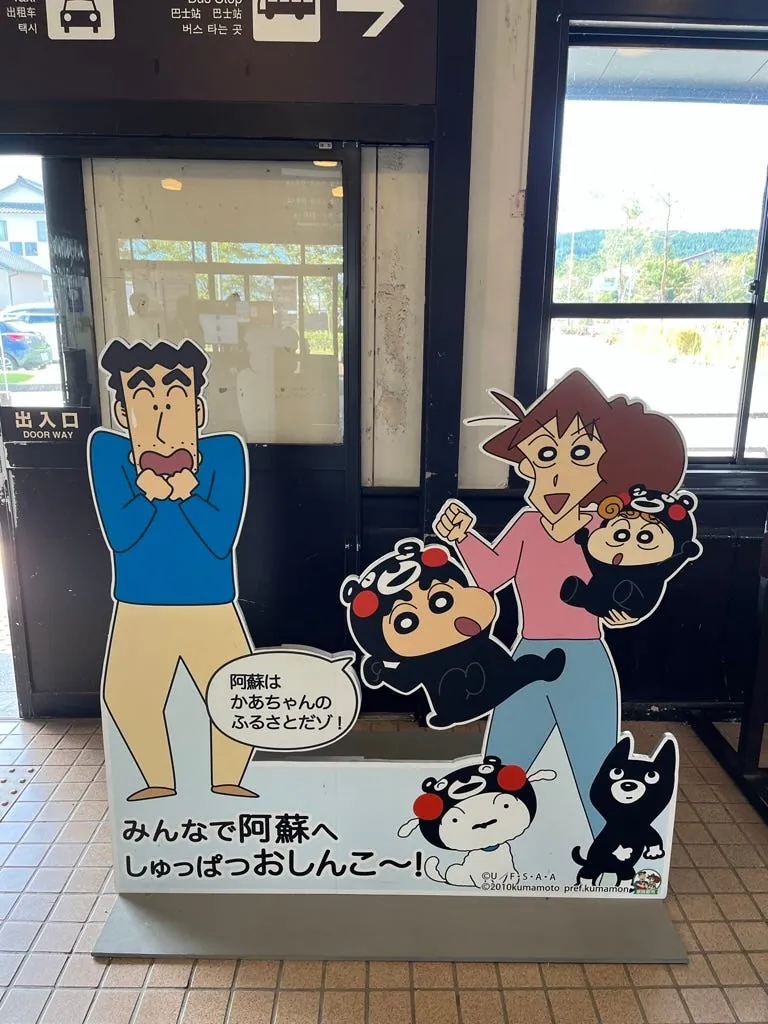
Arriving at Aso Station, there is a One Piece Usopp statue outside the station for photos (I forgot about it).
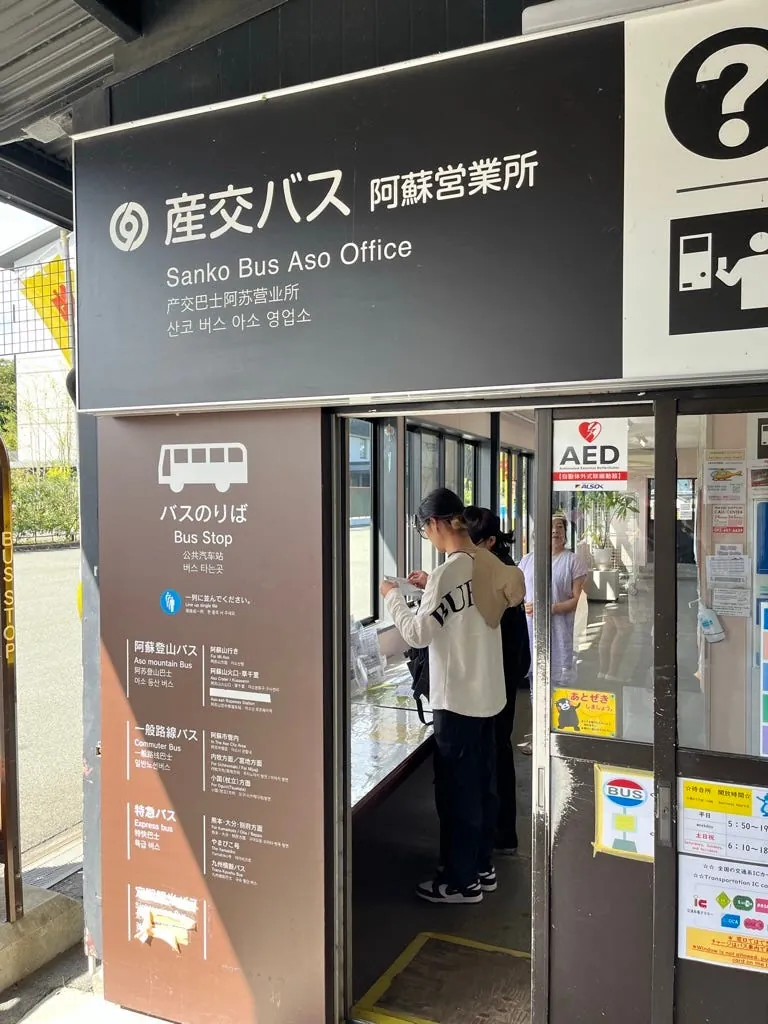
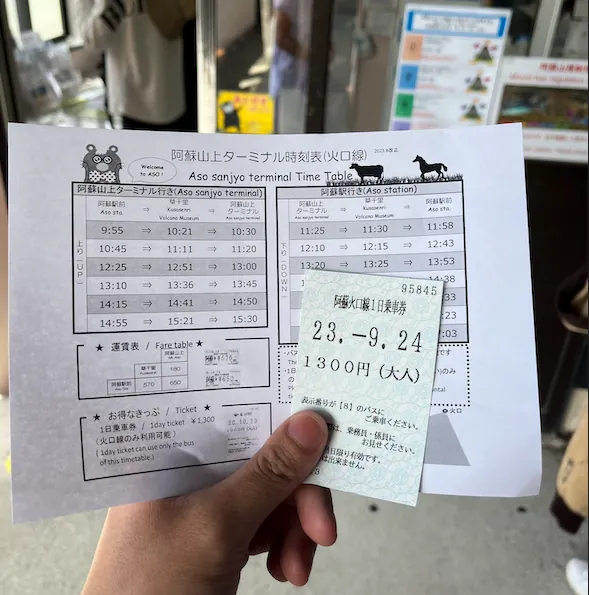
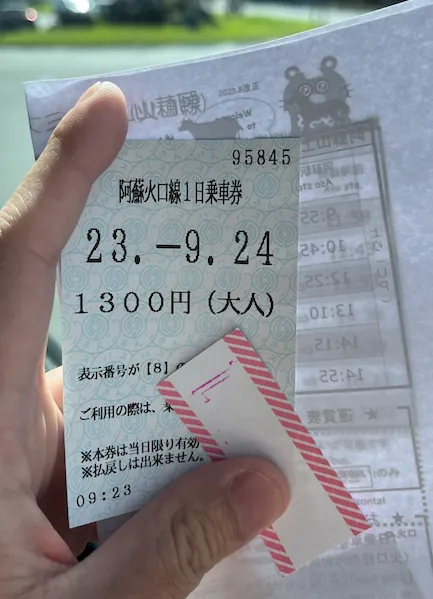
You can buy the Aso Volcano One-Day Pass here from the vending machine (about a few hundred yen cheaper) and get the timetable. The one-day pass is only valid for boarding and alighting at the three stations listed on the timetable, and you need to take a numbered ticket when boarding; it seems you cannot use it at other stations.
I will take bus route 8, departing for the mountain at 10:45.
Ascent travel time: approximately 40 minutes.
There weren’t many people, and as the time approached, we queued briefly before boarding. Everyone seemed to get on; however, probably for safety on the mountain road, there were no standing spots. Also, those prone to motion sickness should take medication.
There is also a helicopter tour at Aso, where you can see the volcano from the air. Those interested can look it up.
Mount Aso Volcano
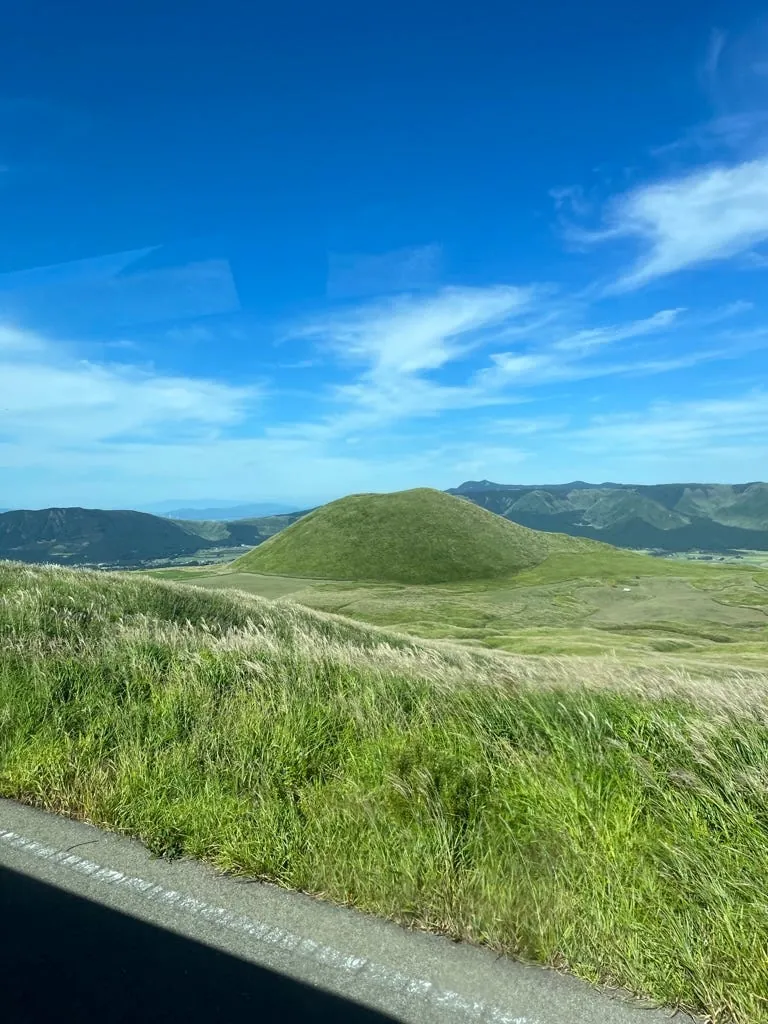
Kami-komezuka
On the way up the mountain, you will first pass Kusasenri before reaching the mountain terminal. From the mountain terminal, transfer to another bus for about 10 minutes to reach the volcanic crater at the top.
Coincidentally, I met a TSMC guy next door who was also traveling alone (on a business trip XD) and visiting Aso for the first time, so we teamed up to explore the itinerary together.
At the mountain terminal, we needed to transfer buses again, but we were too lazy to wait in line, so we chose to walk up the mountain instead (about 15–20 minutes).
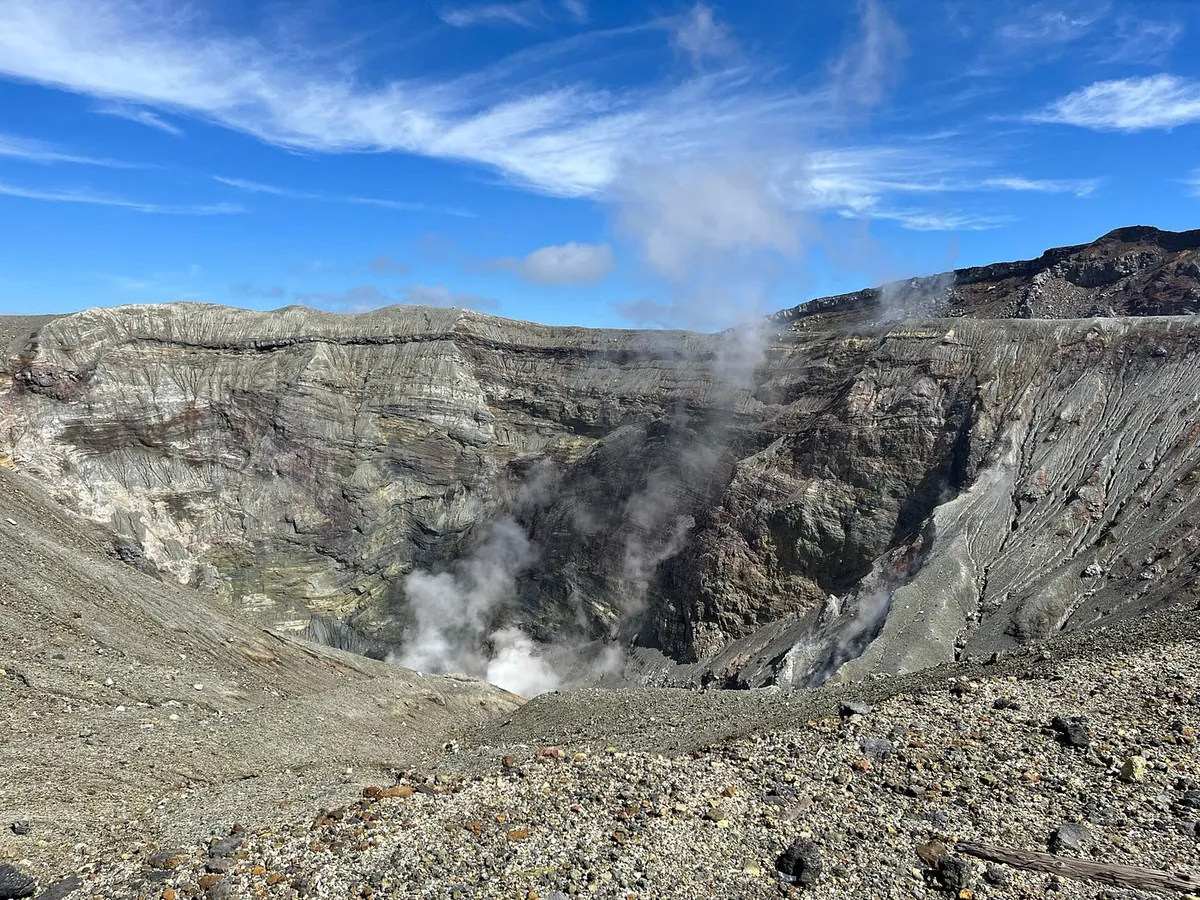
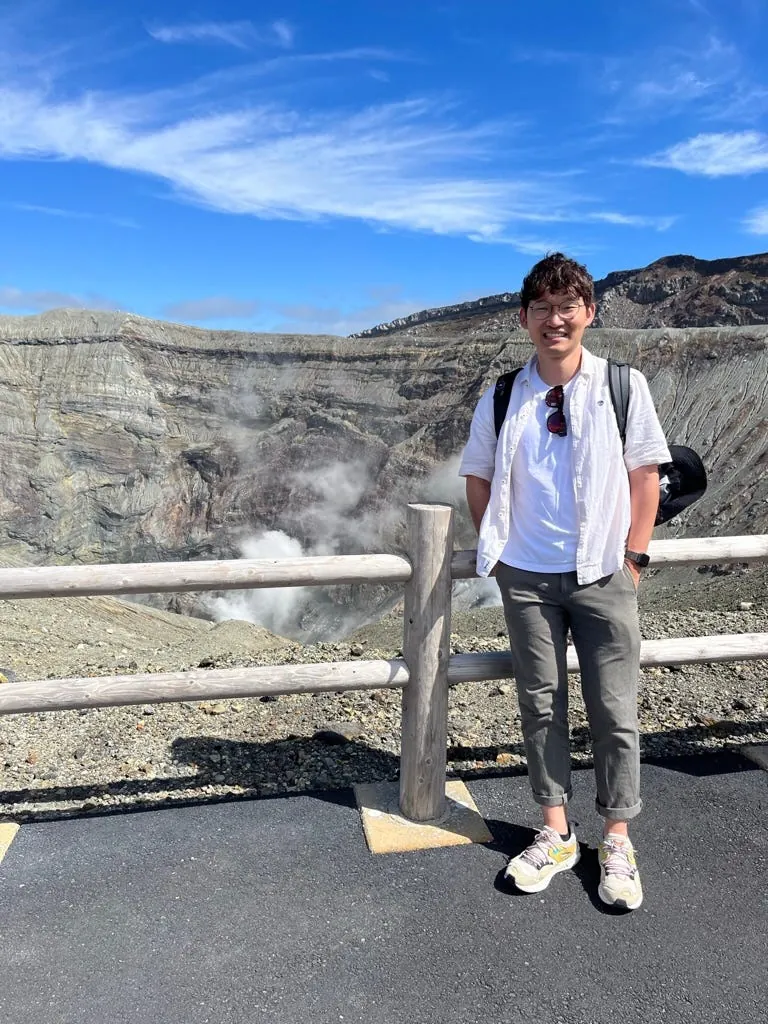
Walk to the mountain plaza, and you will arrive at the fourth crater of Aso Nakadake.
Having a travel companion means no problem with taking photos!
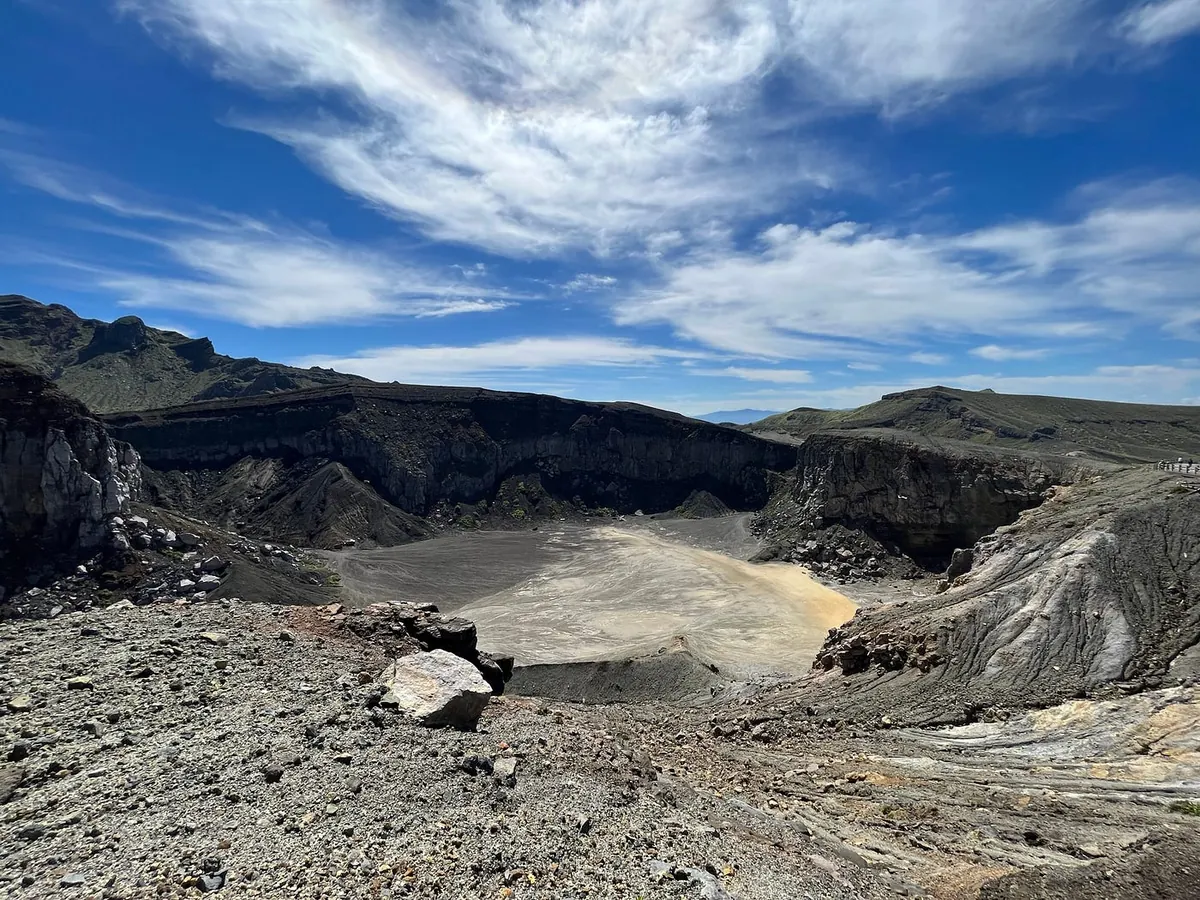
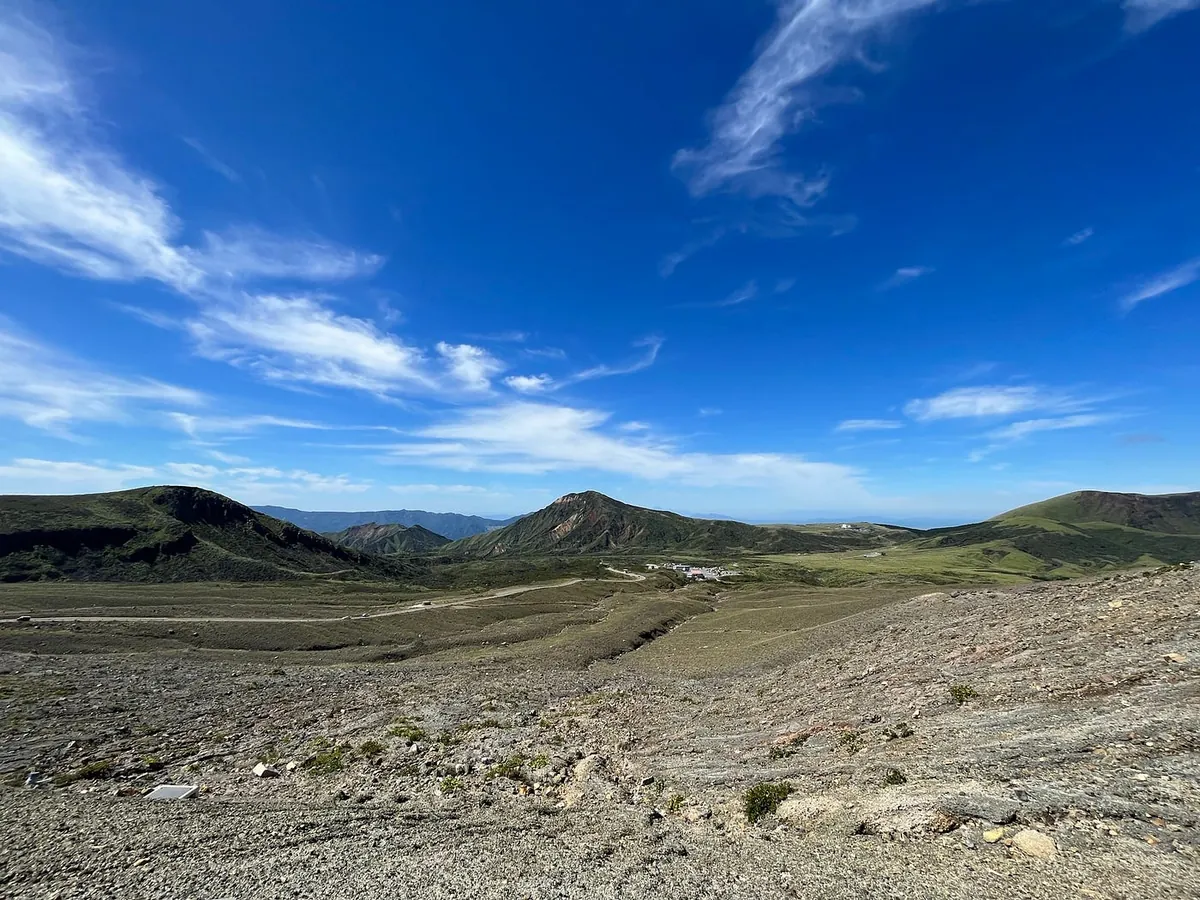
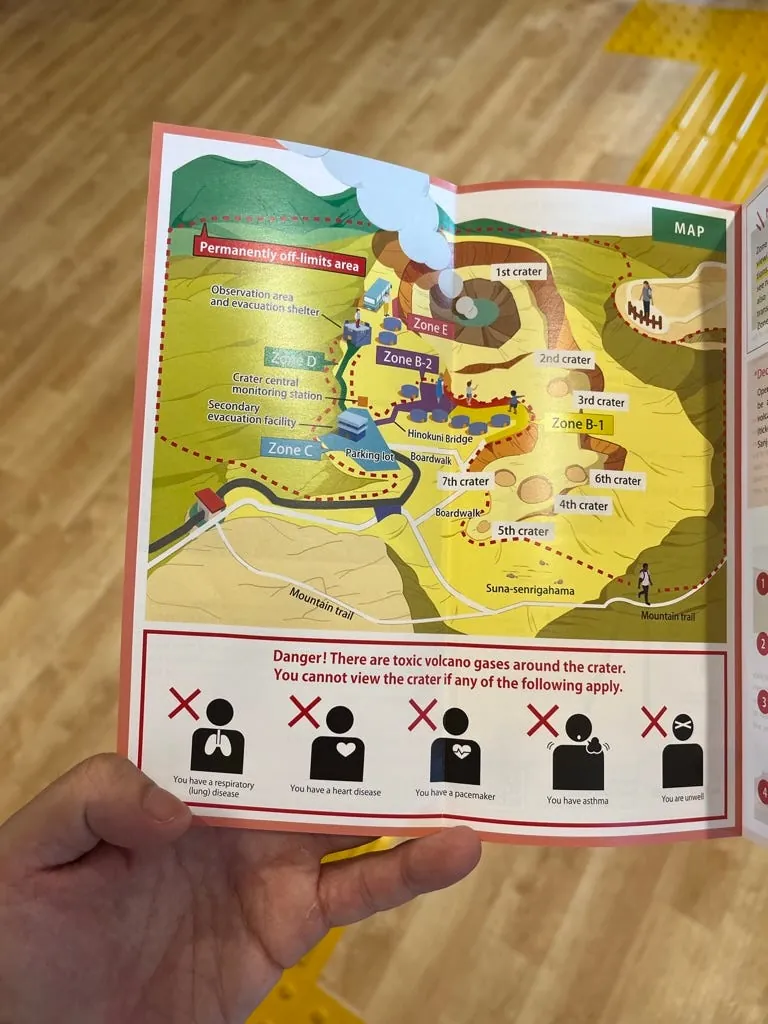
The mountain is very cool and not hot at all, filled with the smell of sulfur. If you have the condition shown in picture three, you should consider your health status.
Just a quick visit, I didn’t go down to the Aso Nakadake volcanic crater; I just came up to take a look and then went back down the mountain.
A Little Incident
We were having such a great conversation along the way that I didn’t pay attention to the bus direction. When it was about to depart, I hurriedly got on, only to be taken back up again. So, I had to walk the route once more XD
After arriving at the mountain terminal, this time clearly look for bus route number 8, bus route number 8, bus route number 8, heading downhill to Aso Station; get off at Kusasenri.
Kusasenri
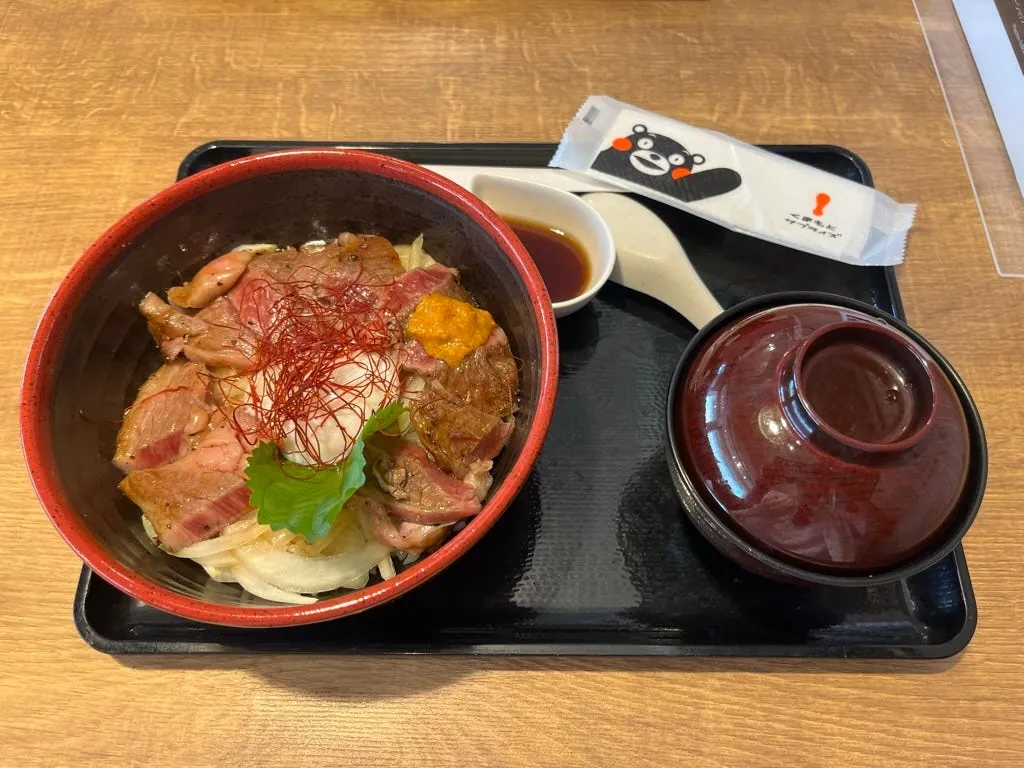
Tried the famous おか牛丼 (Oka Beef Bowl). It was crowded but had plenty of seats, and the food was served quickly with almost no wait.
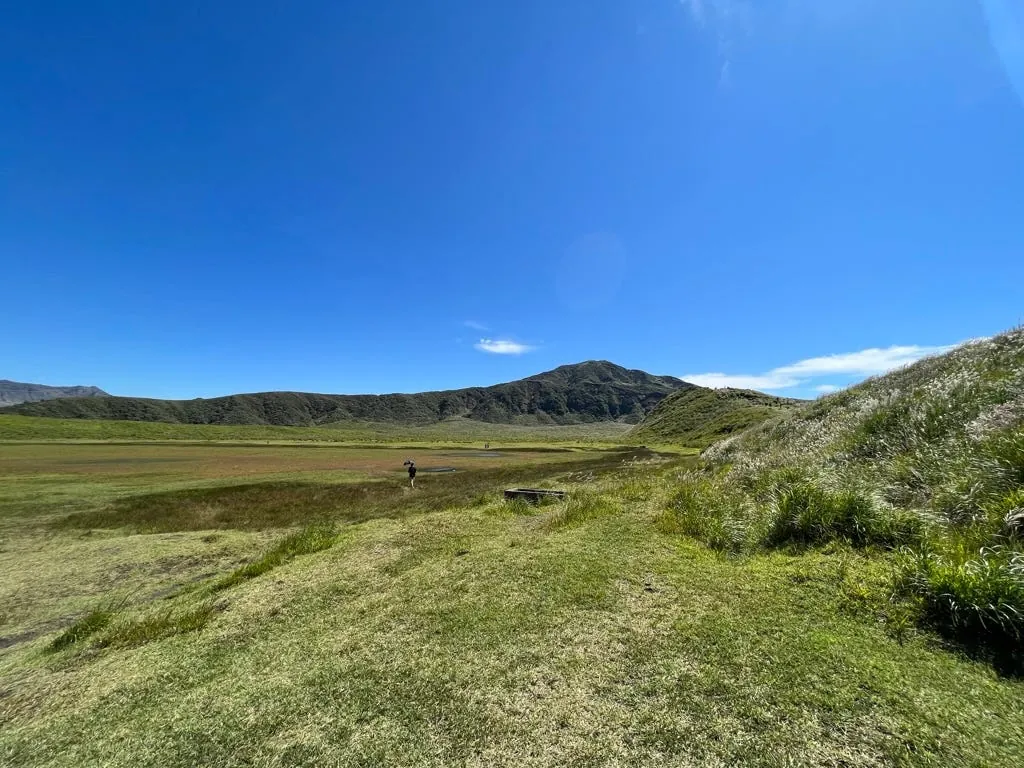
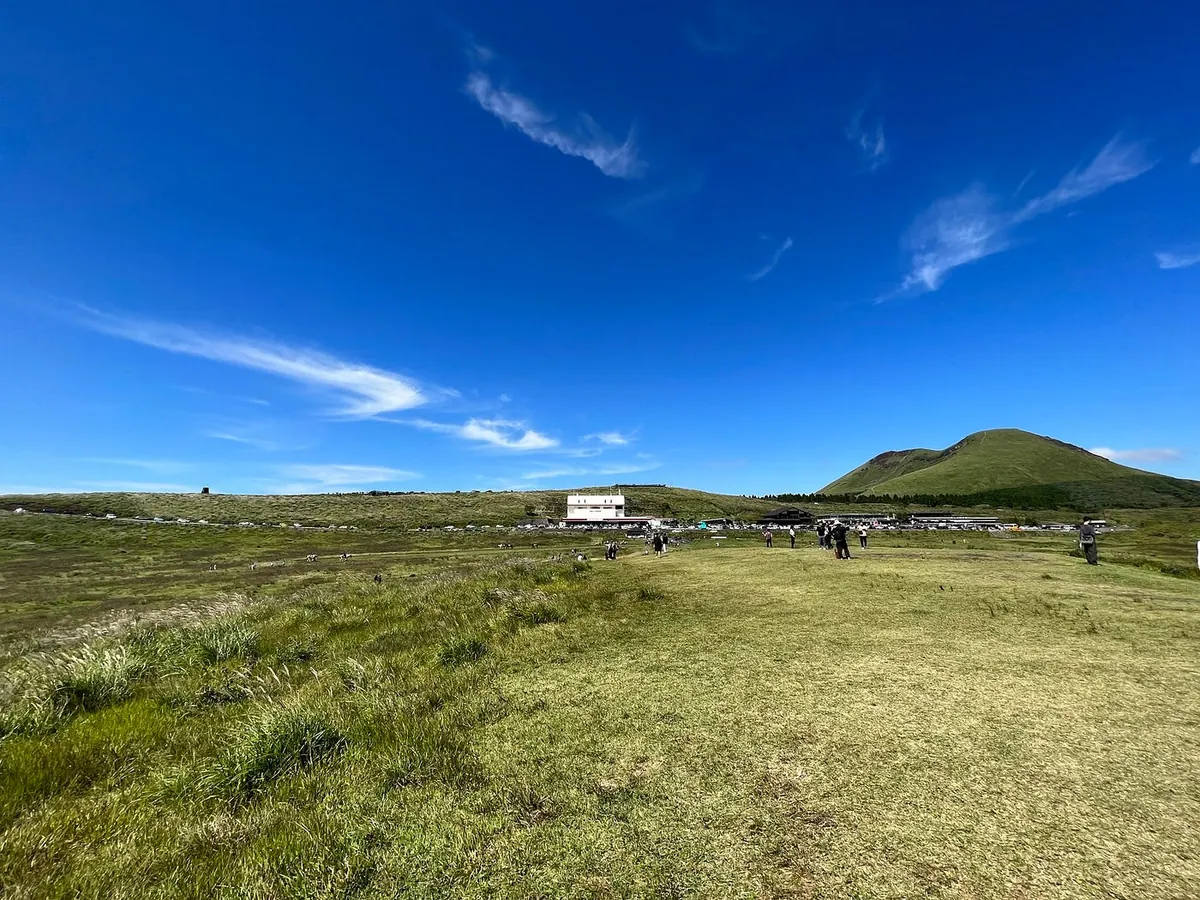
After eating, we went out to explore Kusasenri (it has a vibe similar to Qingtian Gang). There is also a horseback riding experience available.
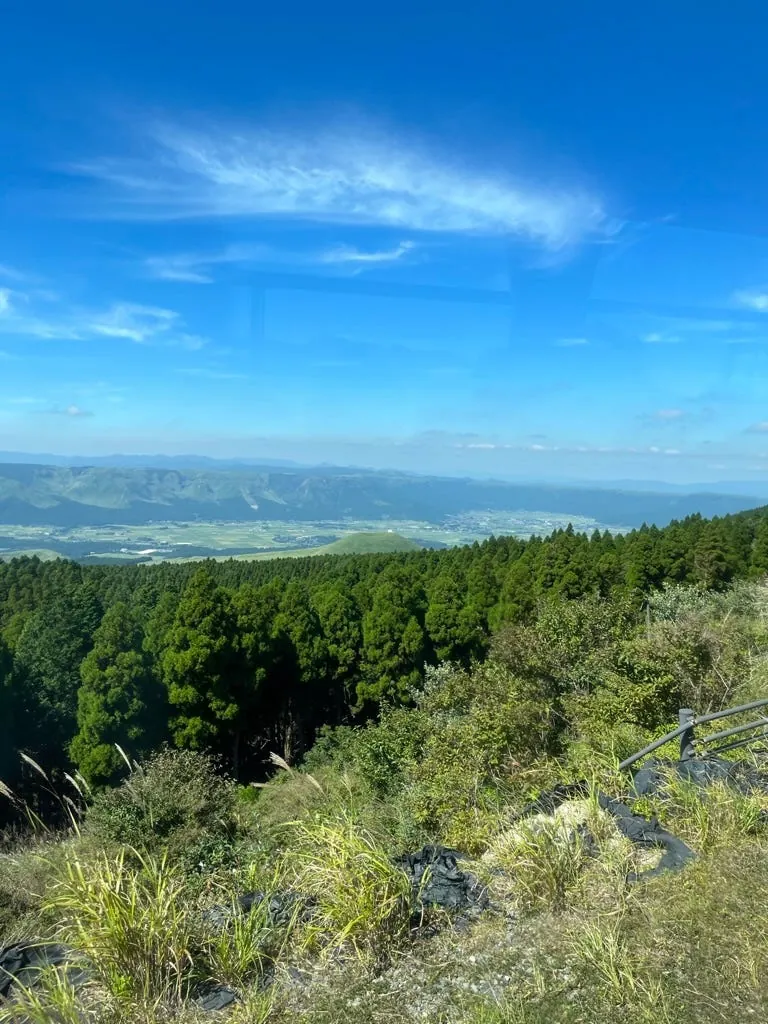
After eating, take the same No. 8 bus to Aso Station and descend the mountain the same way.
Aso Shrine
When I arrived at Aso Station, the JR train to Aso Shrine (Miyaji Station) was leaving in three minutes. If I missed it, I would have to wait another hour. I ran to the platform and then encountered Aso being a small station without electronic payment. I had to buy a ticket and hurriedly purchased it from the vending machine before boarding.
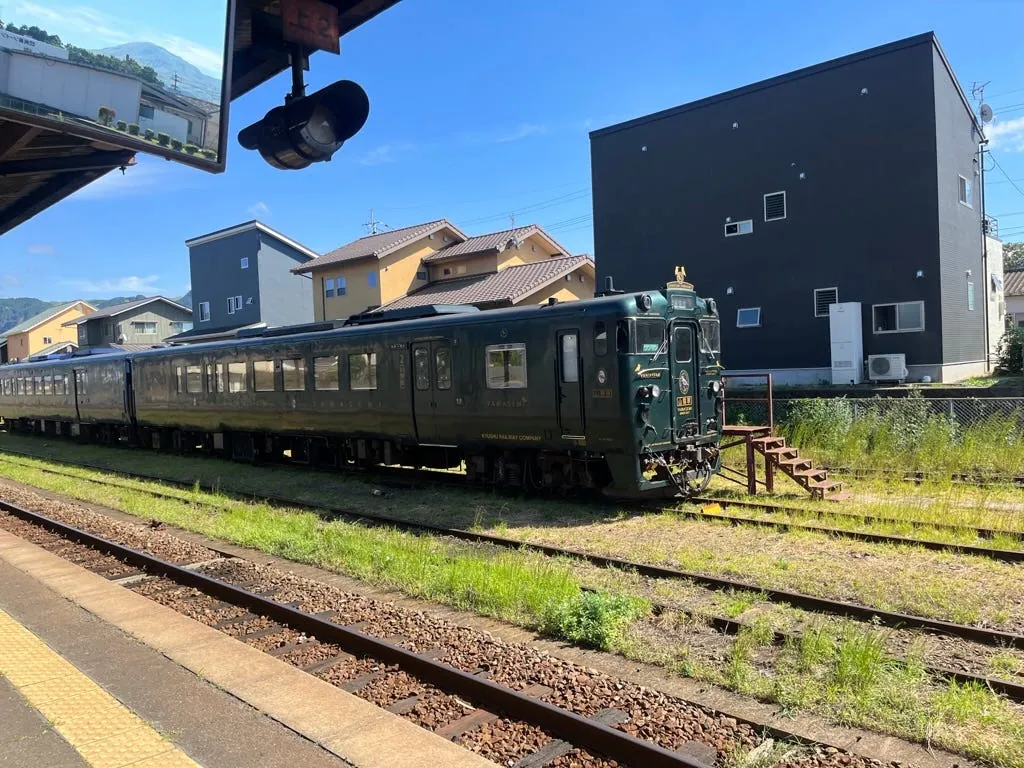
Aso Station has only one platform, so you can simply board the train without worry. Later, I found that if you’re really pressed for time to buy a ticket, you can board first and pay upon exiting.
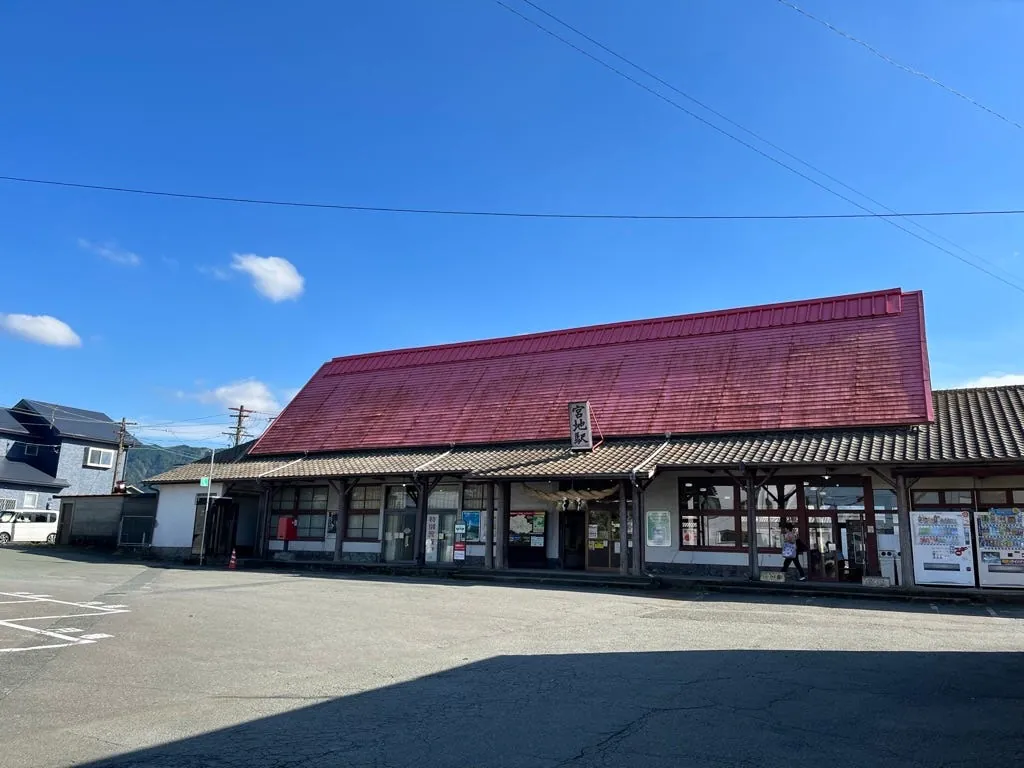
After exiting Miyaji Station, it takes about a 20-minute walk to reach Aso Shrine (just walk straight, but it’s a bit far).
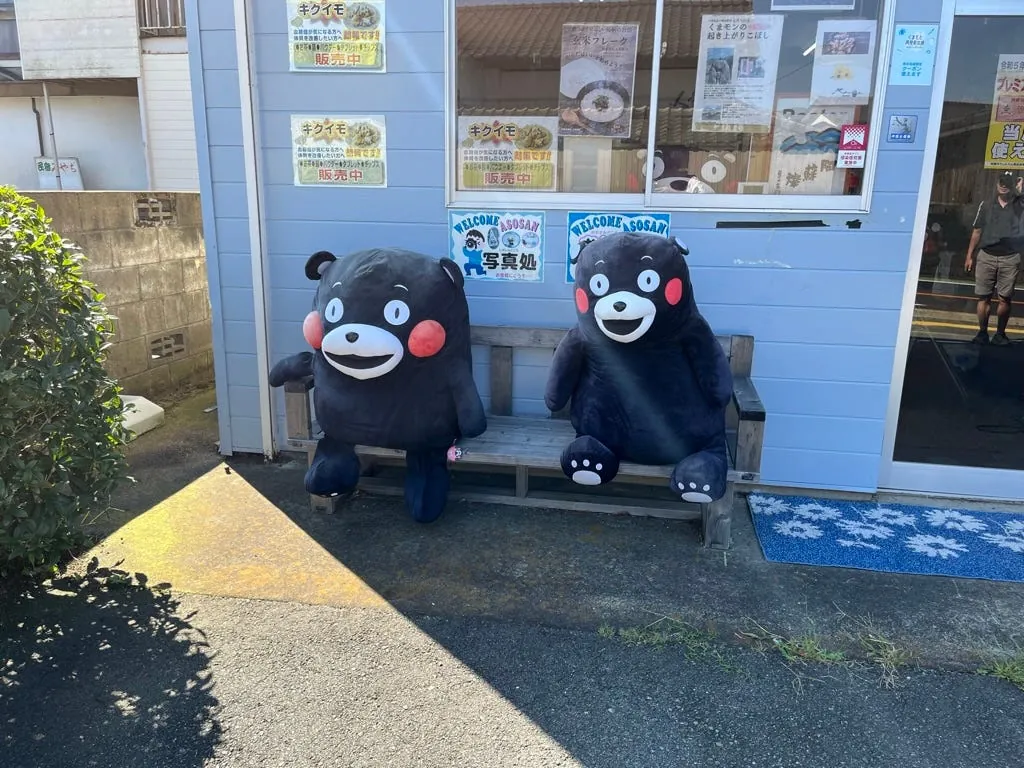
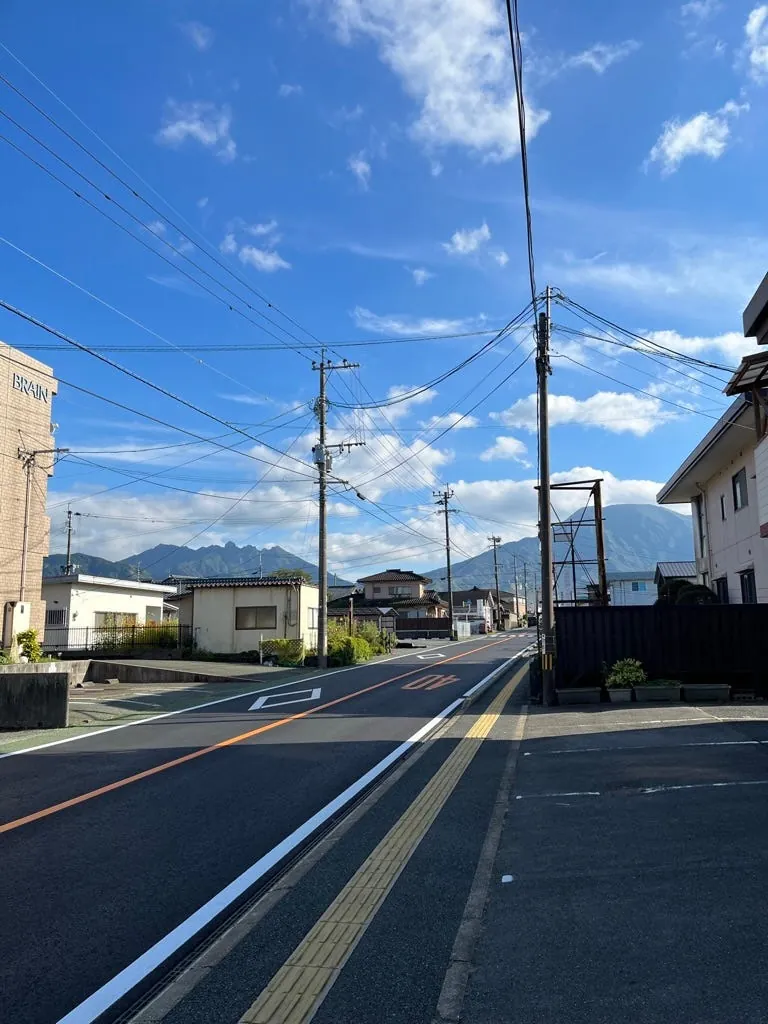
Encountered a wild Kumamon on the road again.
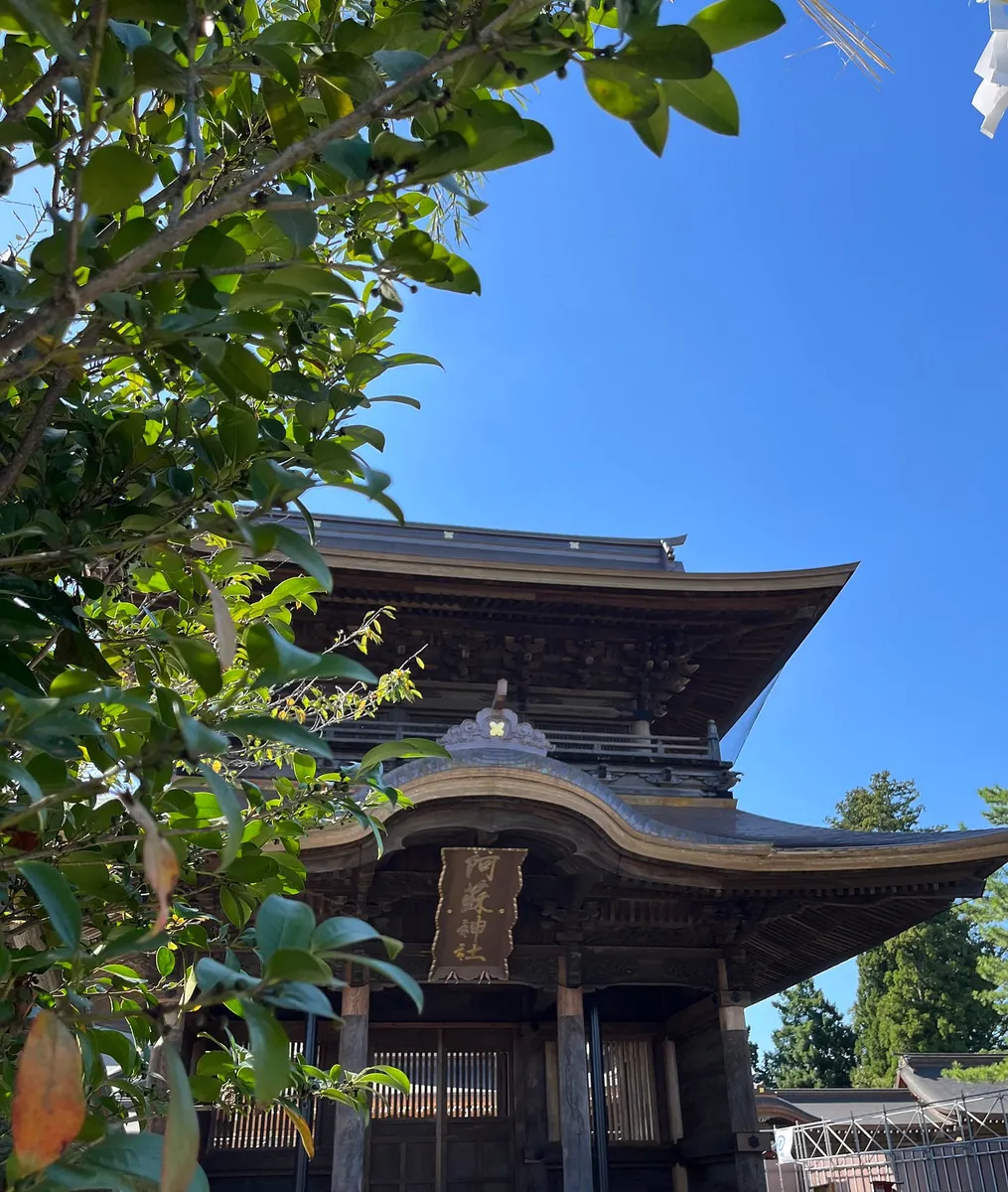
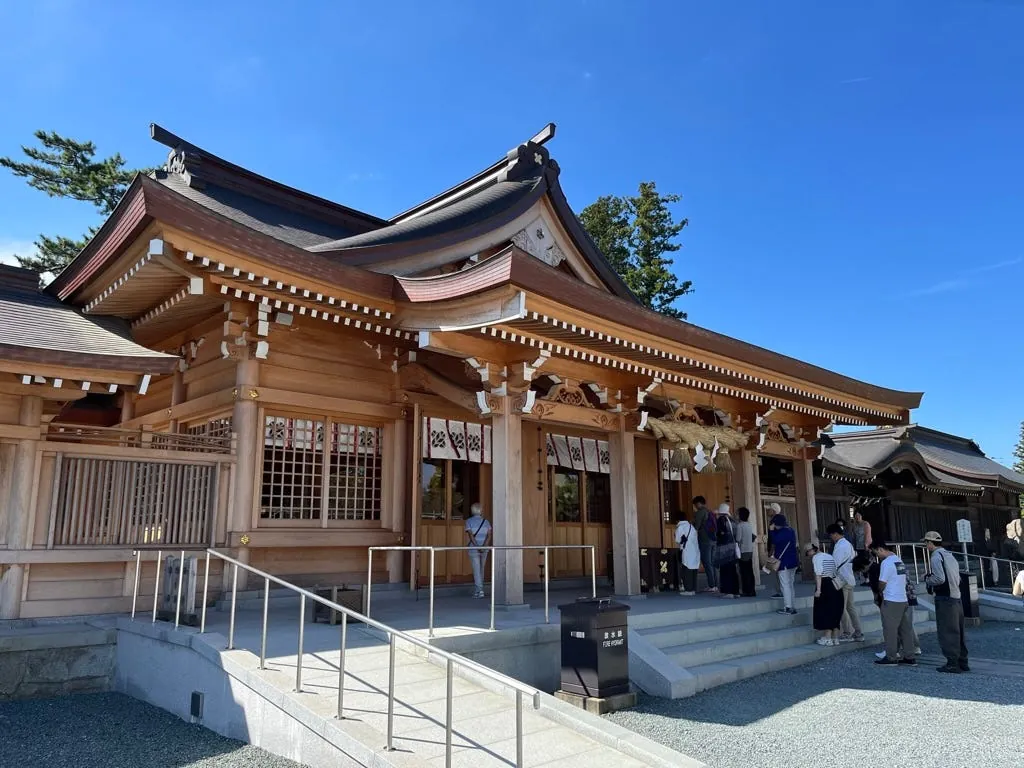
The shrine is small and can be visited quickly; part of the shrine is also under renovation.

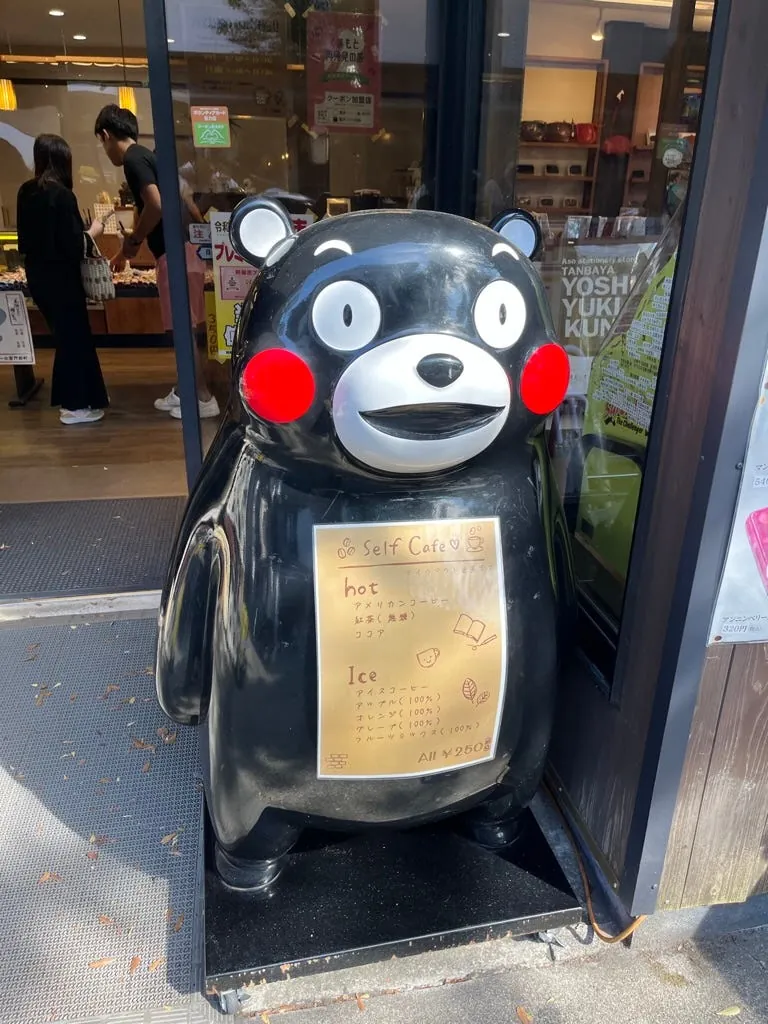
After exiting, there is a small Omotesando shopping street nearby where you can buy some food and take a short break.
Thanks, big brother, for treating me to the fried beef and potato cake.
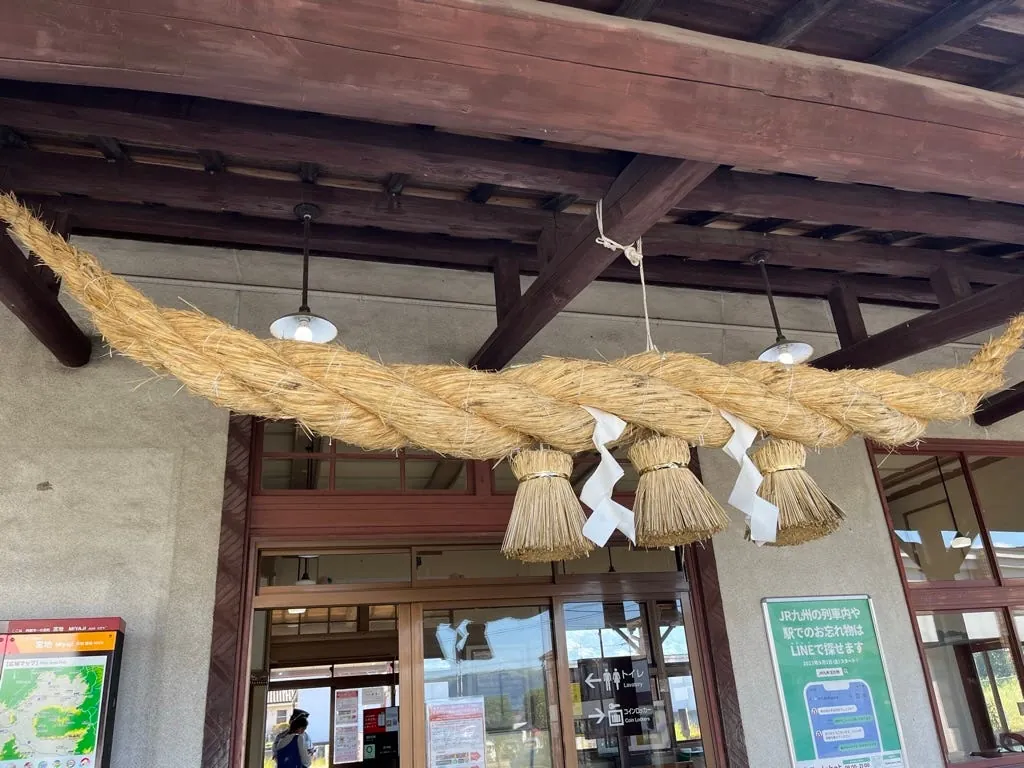
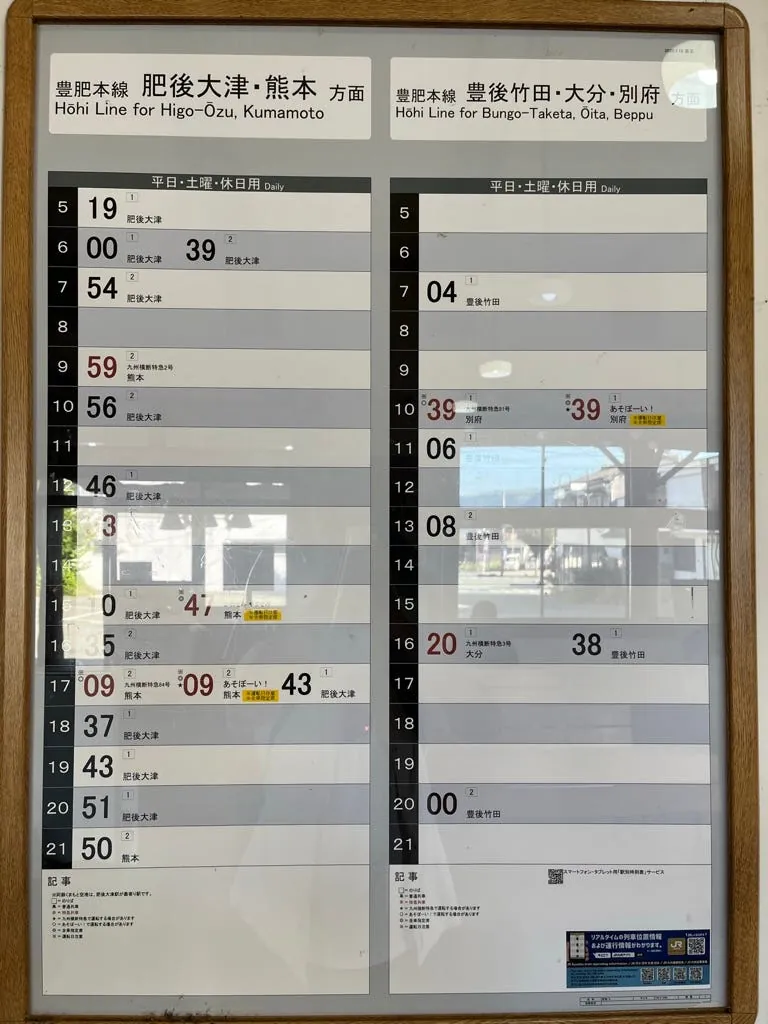
After finishing all the sightseeing, I started walking back slowly. I originally planned to take the 15:47 JR train back to Kumamoto, but when I got to Miyaji Station, I found out that train was all reserved seating, with no unreserved seats available, and it was fully sold out, so I couldn’t board.
Attach the timetable, or please check the schedule in advance; otherwise, like us, you might have to wait an hour for the next local JR train back to Kumamoto at 16:35.
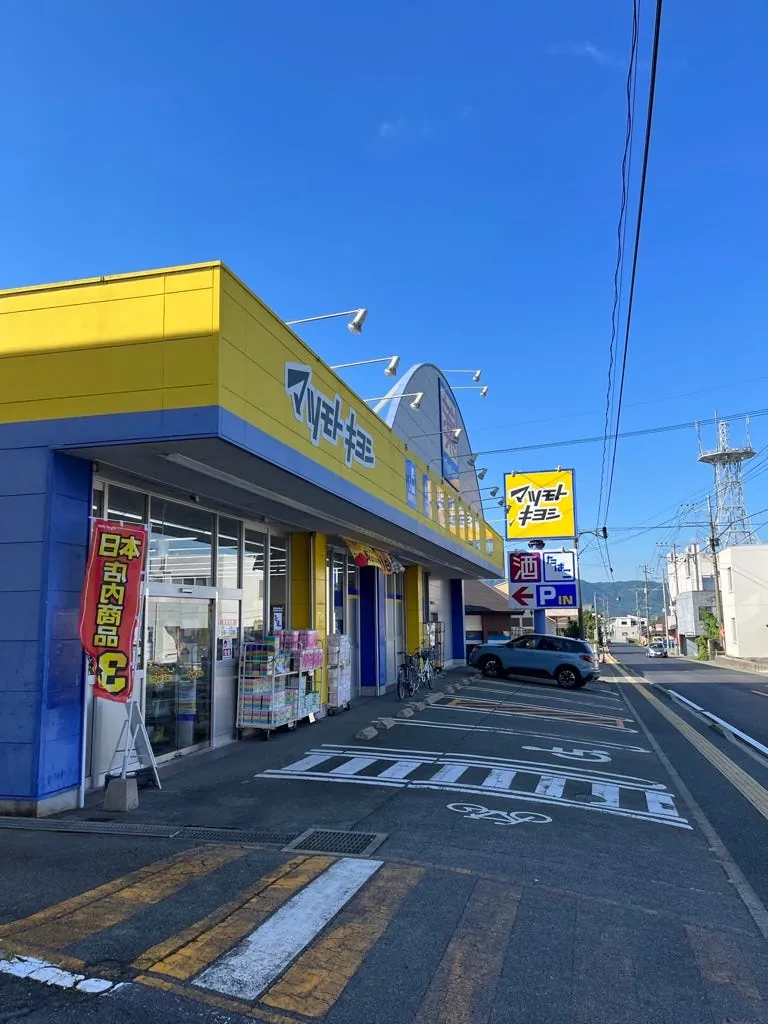
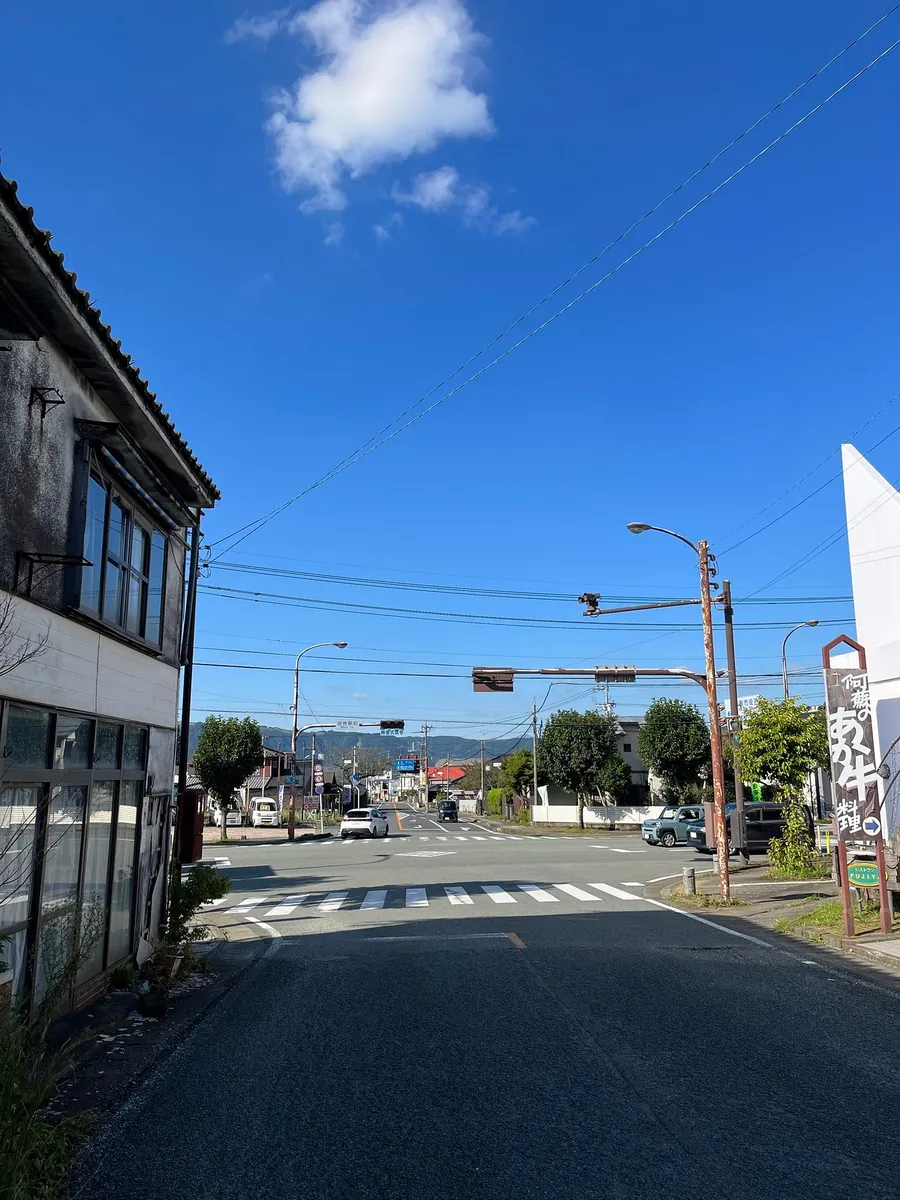
There was still plenty of time, so we walked back together and browsed Matsumoto Kiyoshi on the way. (Actually, it’s quite far, about a 10-minute walk).
A final look at the peaceful Aso.
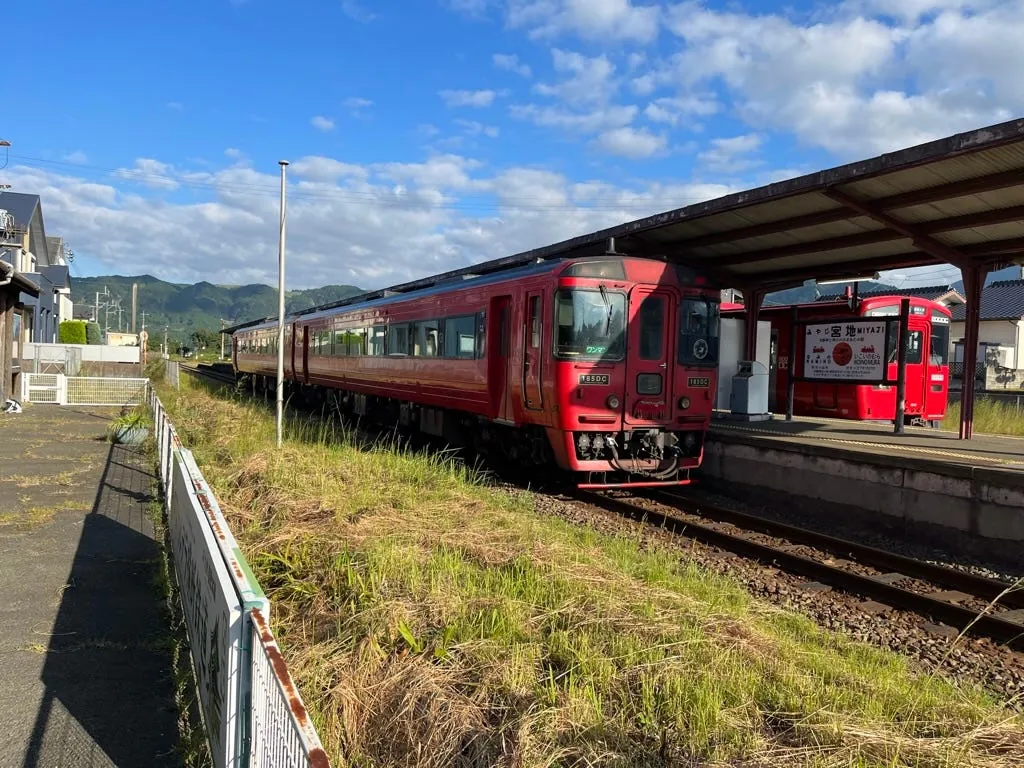
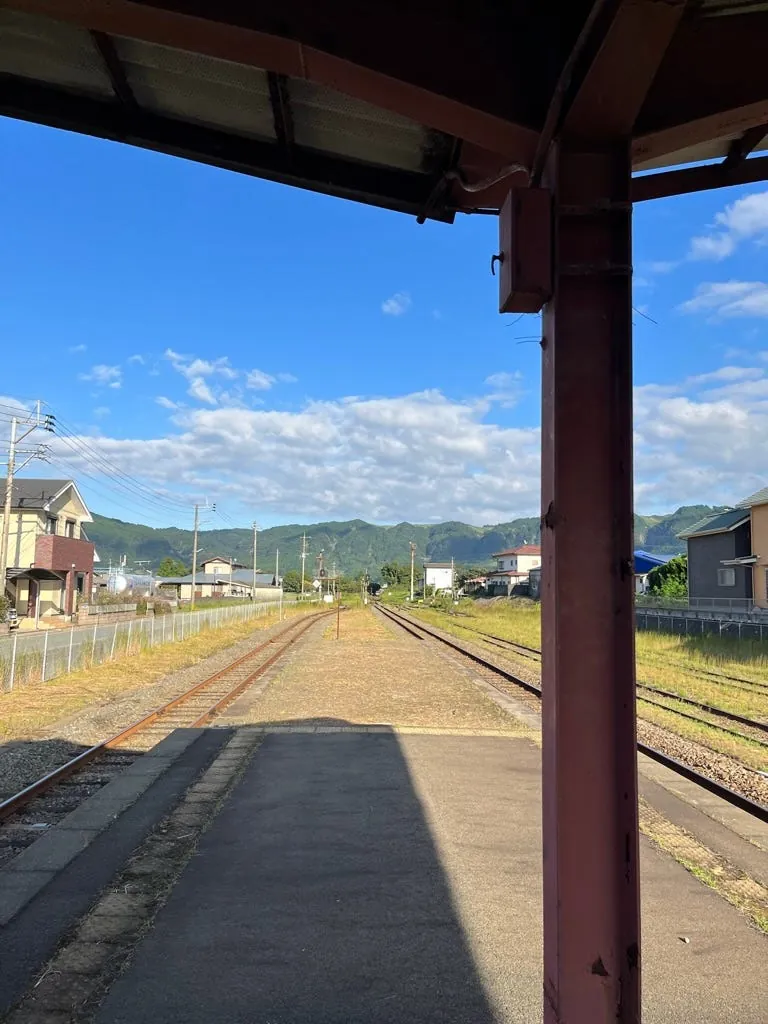
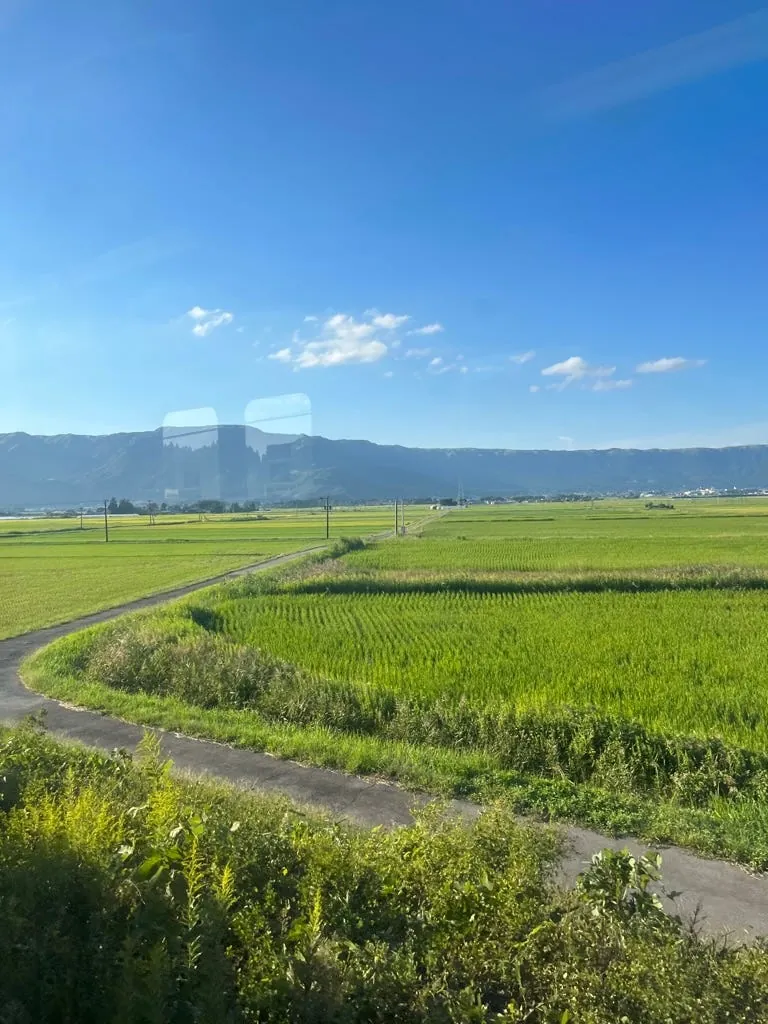
The local train slowly headed back to Kumamoto, taking about 1 hour and 45 minutes to arrive.
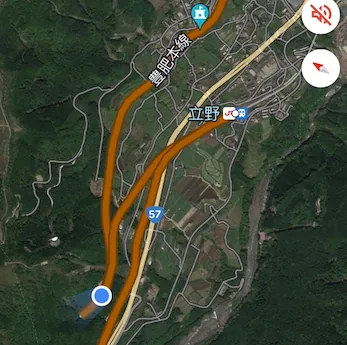
There is a zigzag section on the route where the train reverses direction. Don’t worry, you haven’t boarded the wrong one!
Kumamoto Station AMU PLAZA KUMAMOTO
Back at Kumamoto Station, I said goodbye to my big brother, hoping we will meet again.
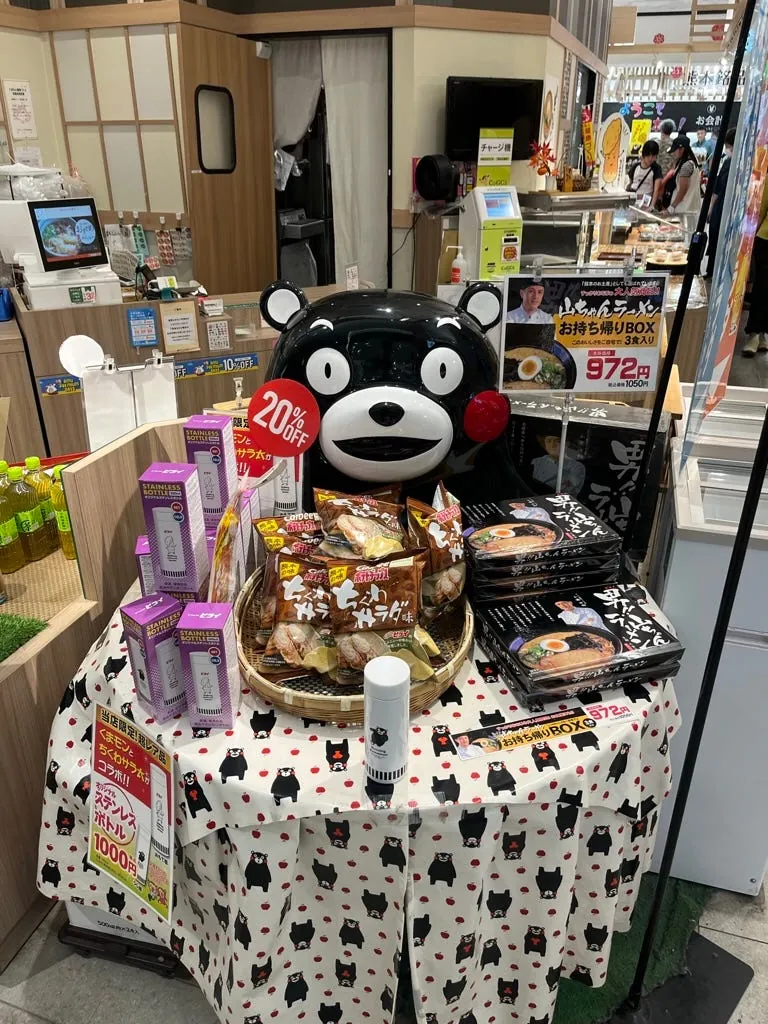
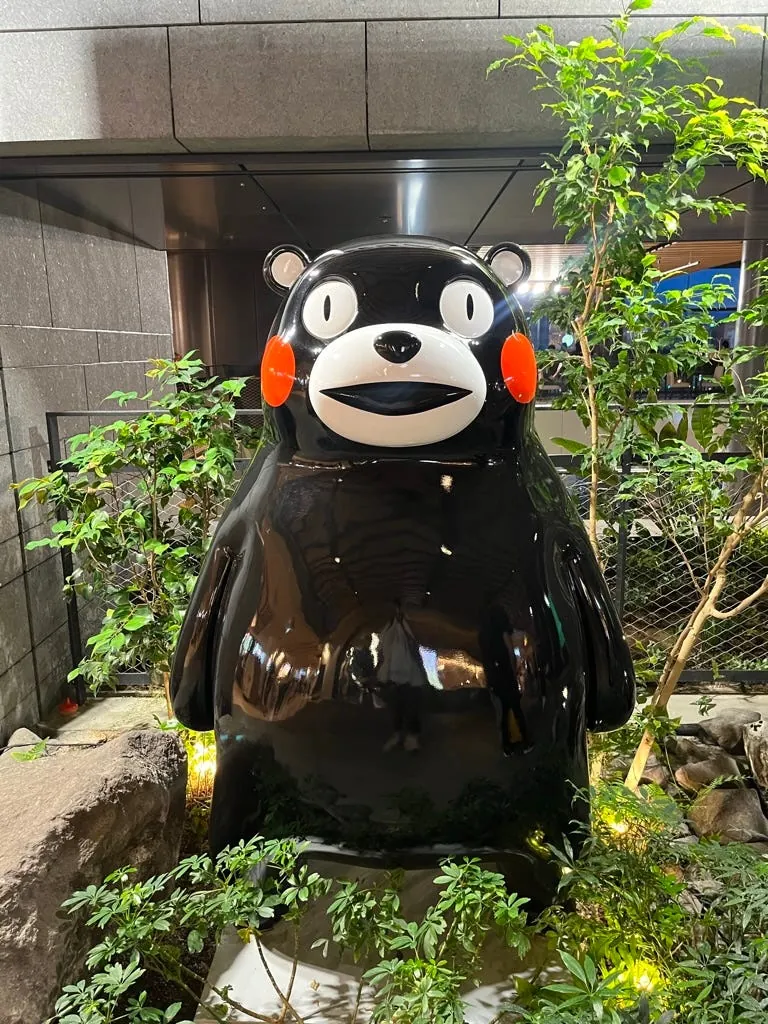
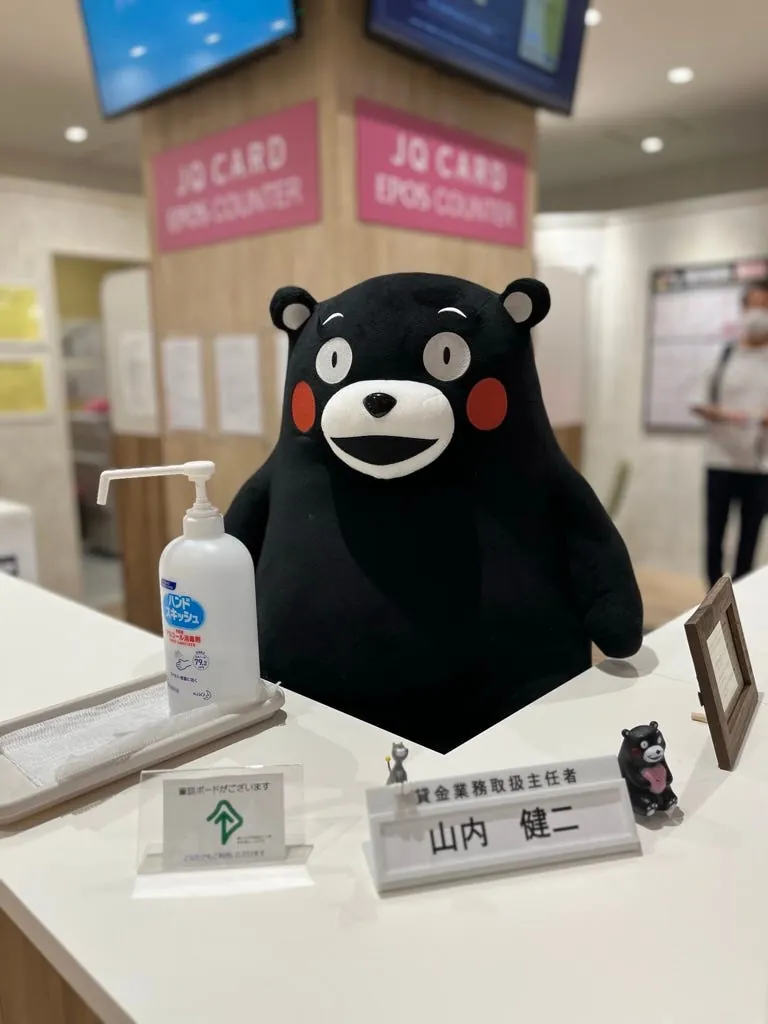
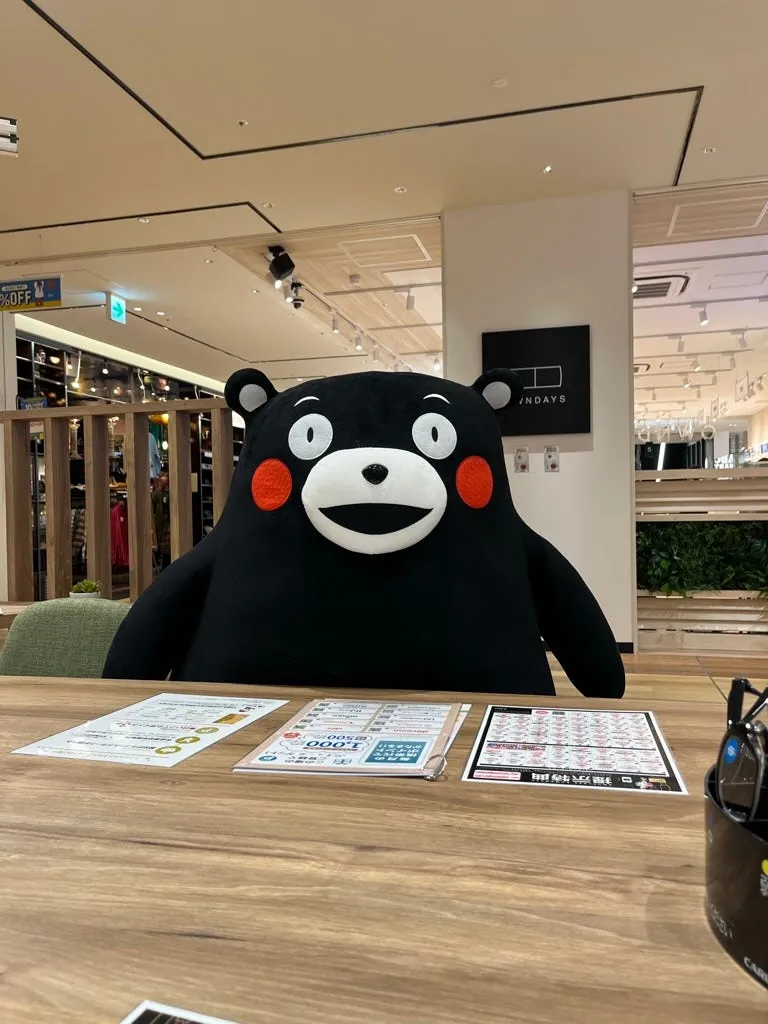
At Kumamoto Station, I visited the newly opened AMU PLAZA KUMAMOTO department store (larger and more diverse than Sakura-machi Shopping Center) and the nearby Higo Market (selling food).
Also spotted many Kumamon XD.
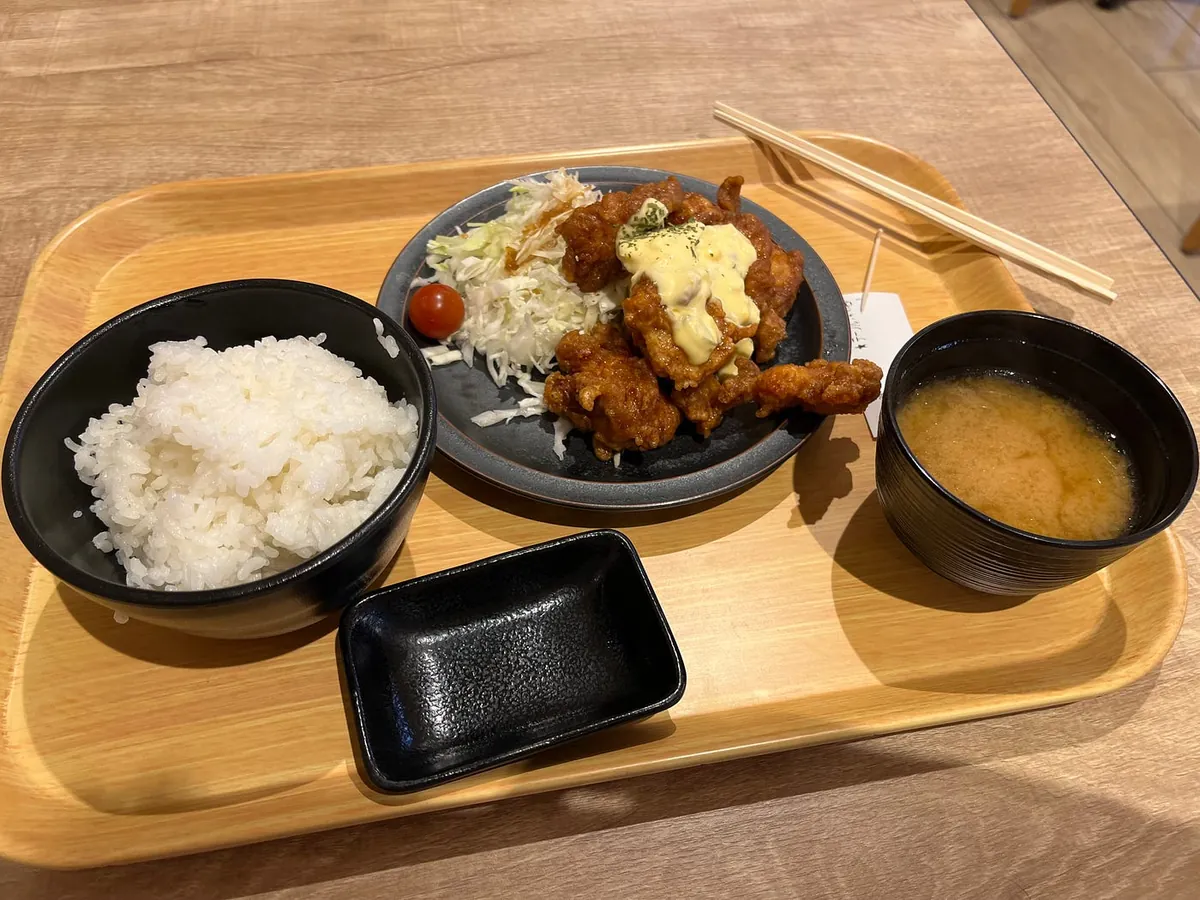
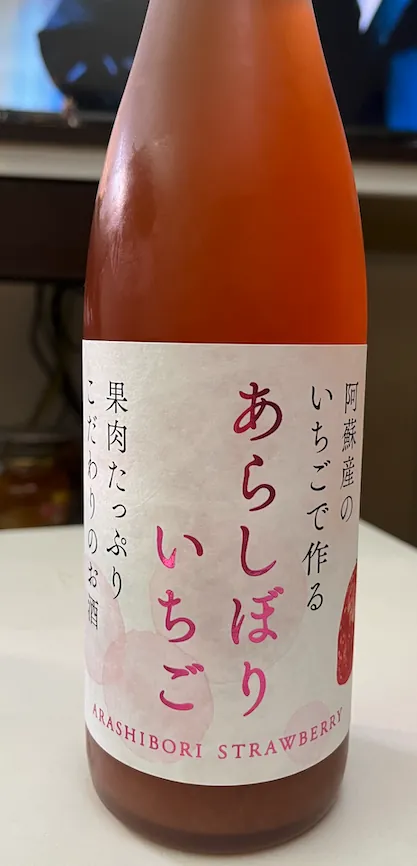
Had a casual dinner of Miyazaki chicken (just average) at the food court. After walking through the entire building, bought some late-night snacks and strawberry wine from Kumamoto (tasted good, planning to bring it back to Taiwan). Returned to the hotel.
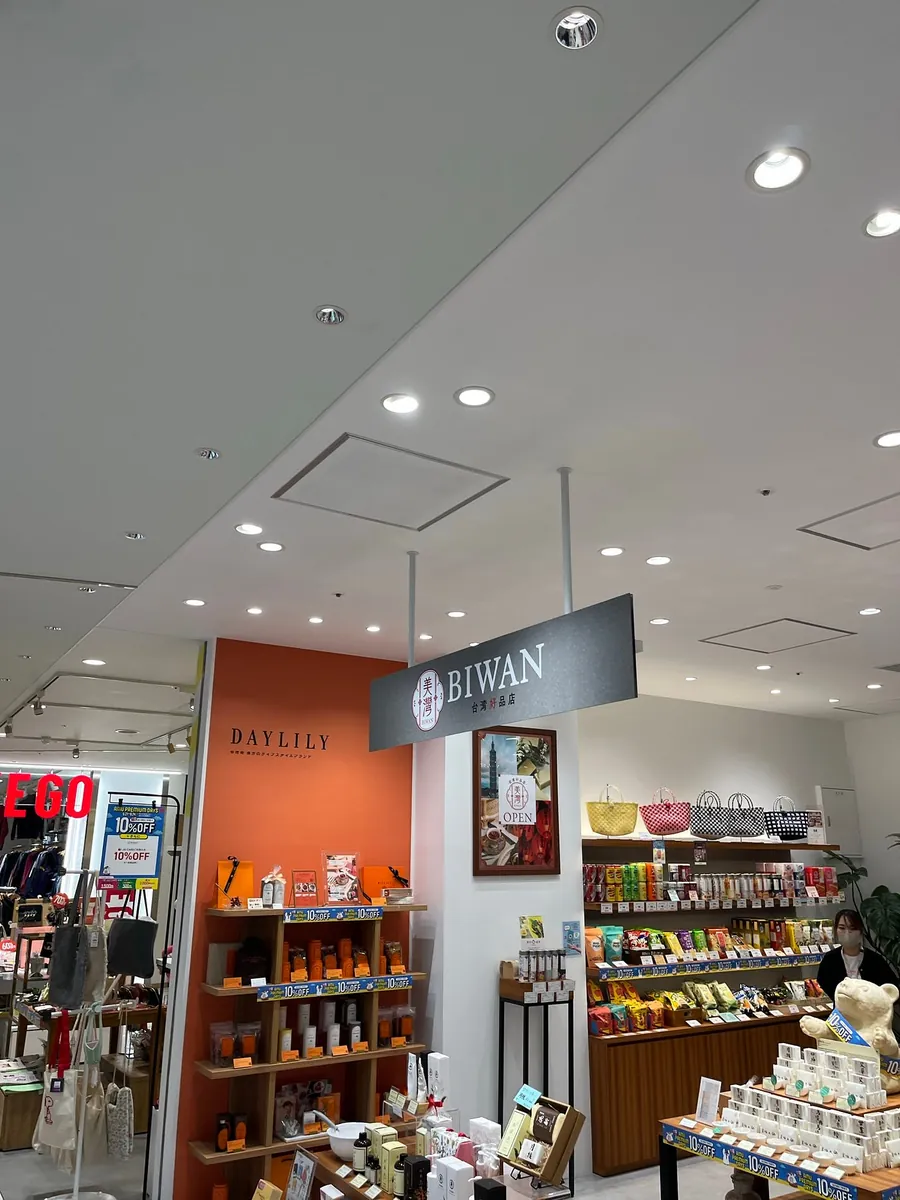
There is a unique shop called “BIWAN 美灣” that sells Taiwanese food (I even saw Kuai Kuai XD). I looked it up and found it is run by Taiwan’s Ayuan Soap.
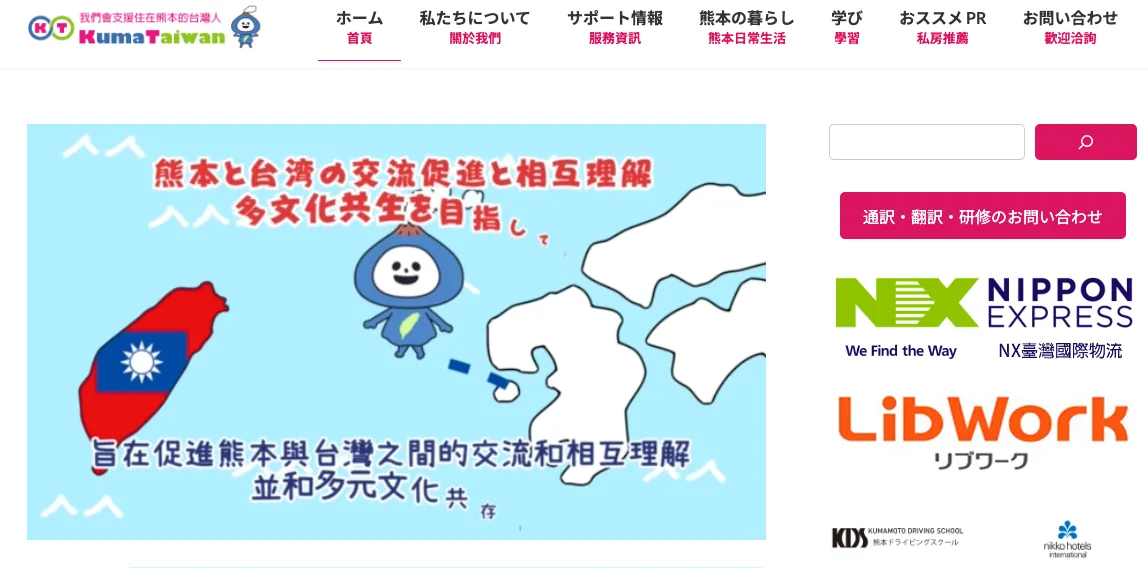
While researching, I also found a cool website — https://kumataiwanlife.com/ which has the latest news, events, and trivia about Kumamoto in Chinese (for example: Kumamoto’s “OK bandage” is called “LIBATAPE”) and more.
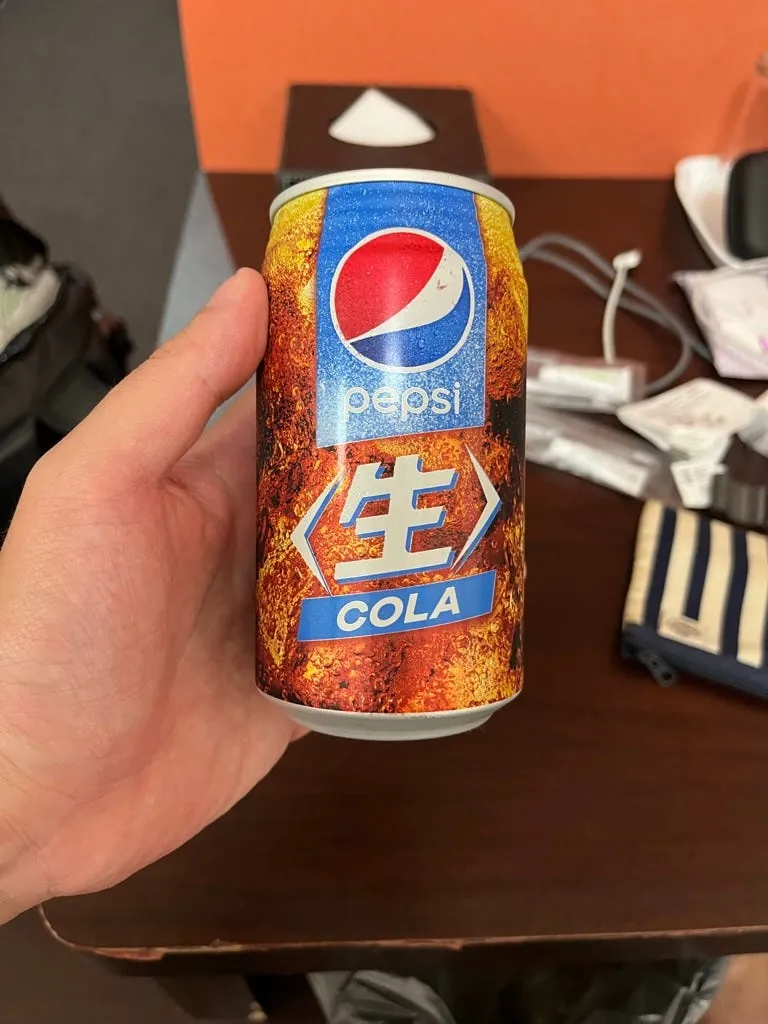
I just found out today that the hotel vending machine sells canned draft cola, which I couldn’t find at the three major convenience stores.
It is a product jointly released by Suntory and Pepsi, not available in Taiwan. Made using the same method as draft beer, this cola has strong carbonation and is not overly sweet like syrup-based sodas. I usually end up pouring out regular cola because it gets too cloying, but I can finish this draft cola!
After a satisfying meal, I went to bed early, ready to迎接 the final day in Kumamoto (excluding the return flight day).
Day 9 Wandering Around Kumamoto and Shopping
By the third day in Kumamoto, it actually got quite boring. I had already visited all the main attractions, so I just tried to find some places to explore and buy souvenirs and cosmetics.
Originally planned to go to Shimabara City, but the trip was too long (2 hours 45 minutes one way), and the JR Pass had already expired, so buying a long-distance ticket would cost extra. Gave up; Oita and Yufuin were also too far, gave up; South Aso Village, too lazy to go, saved for next time; so just wandered around the city and did some shopping, taking it slow.
Kumamoto Inari Shrine
Early in the morning, I arrived at Torichōsuji again and first visited Kumamoto Inari Shrine, which I missed on the first day.
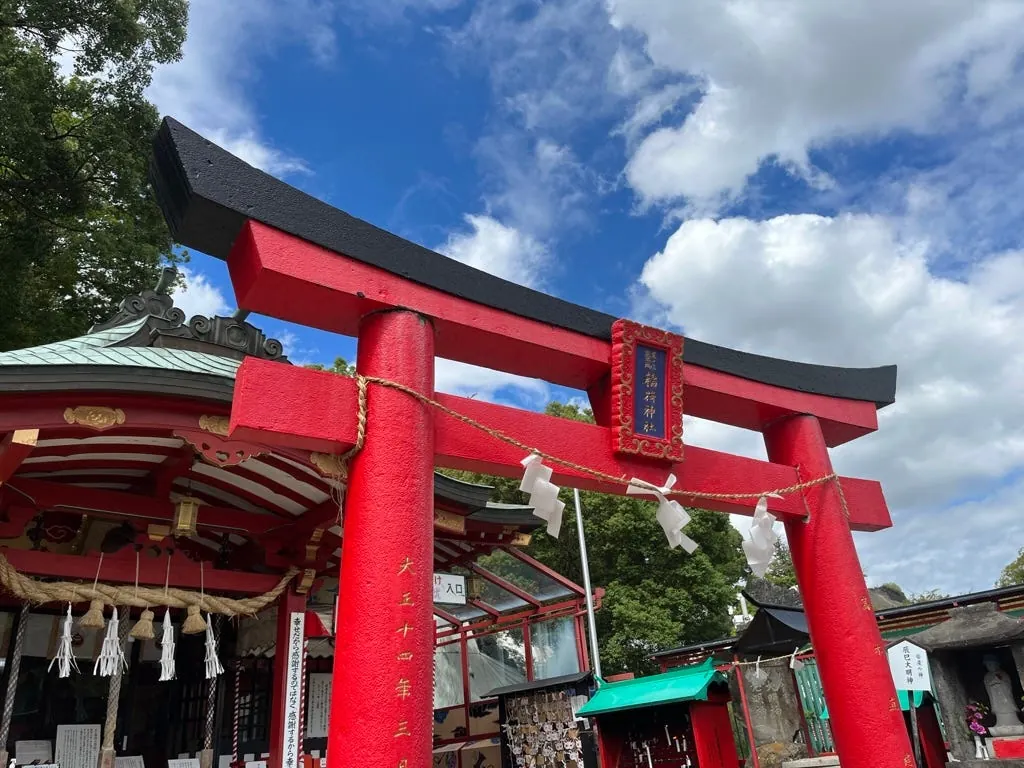
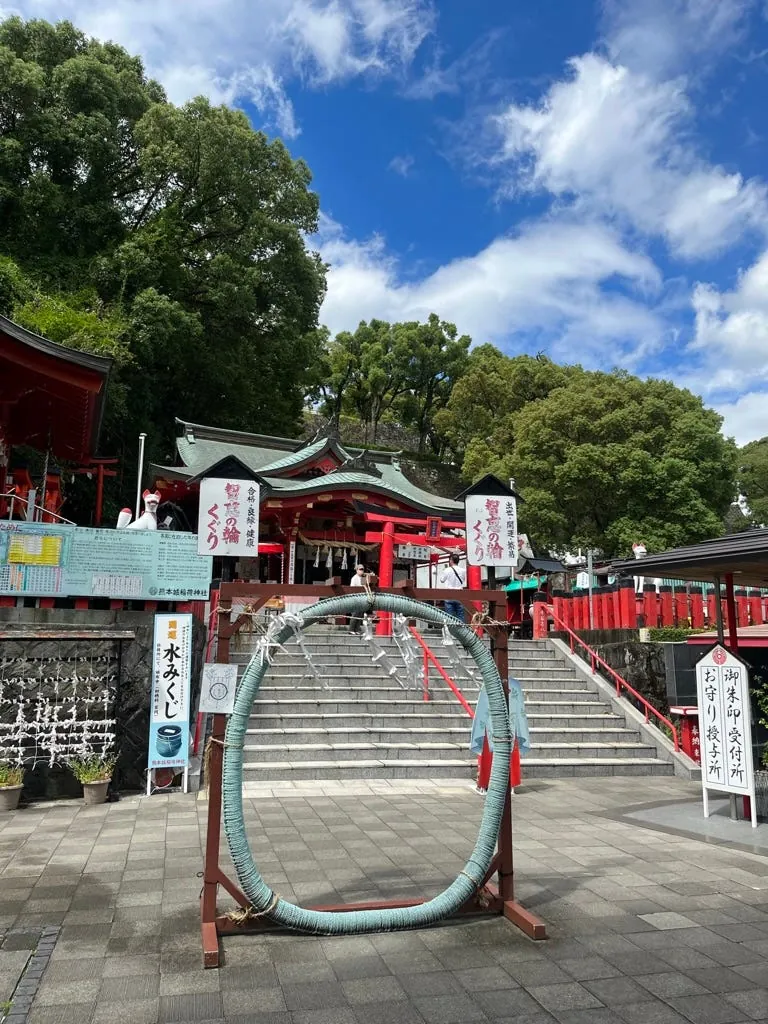
Kato Shrine
Walk all the way to Kato Shrine (it’s quite far, about a 20-minute walk with uphill paths).
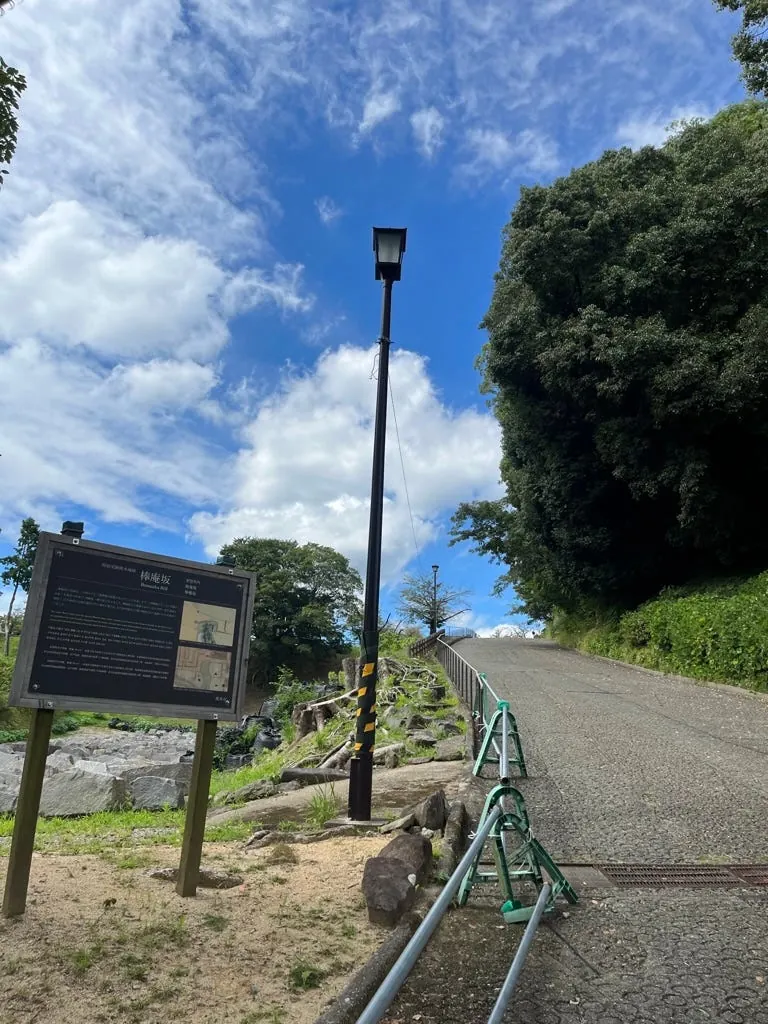
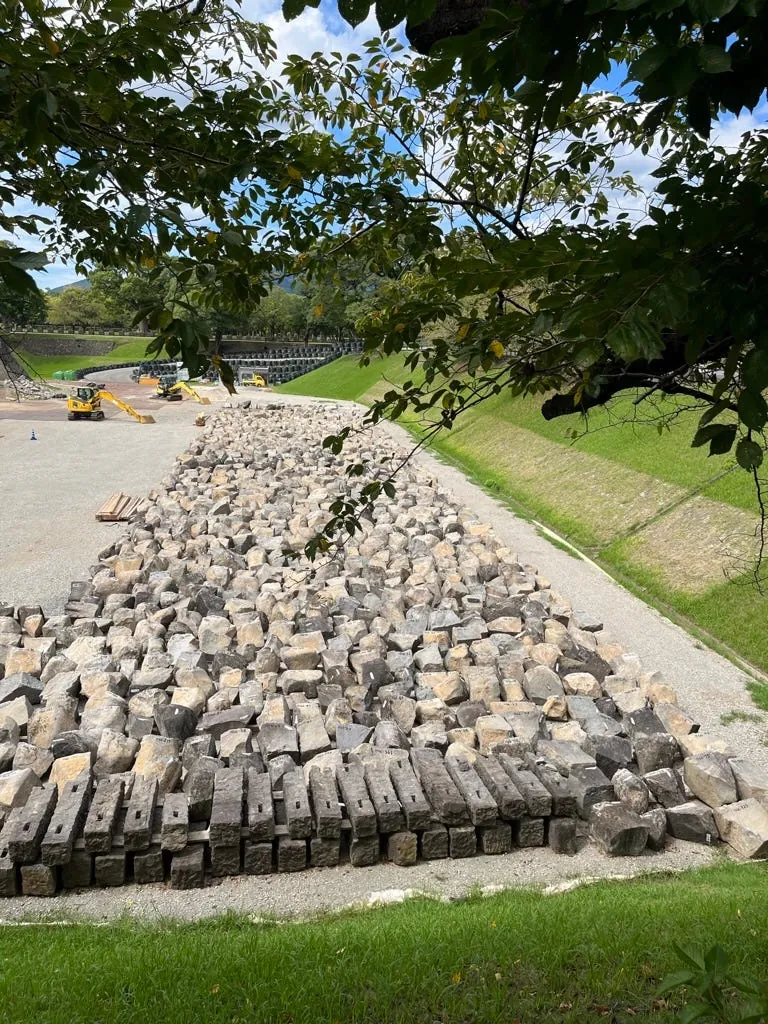
You can see the slope leading up to Kato Shrine. From the castle keep on the first day, you can also see the area under repair in the back, along with many scattered castle walls that need to be restored one by one.
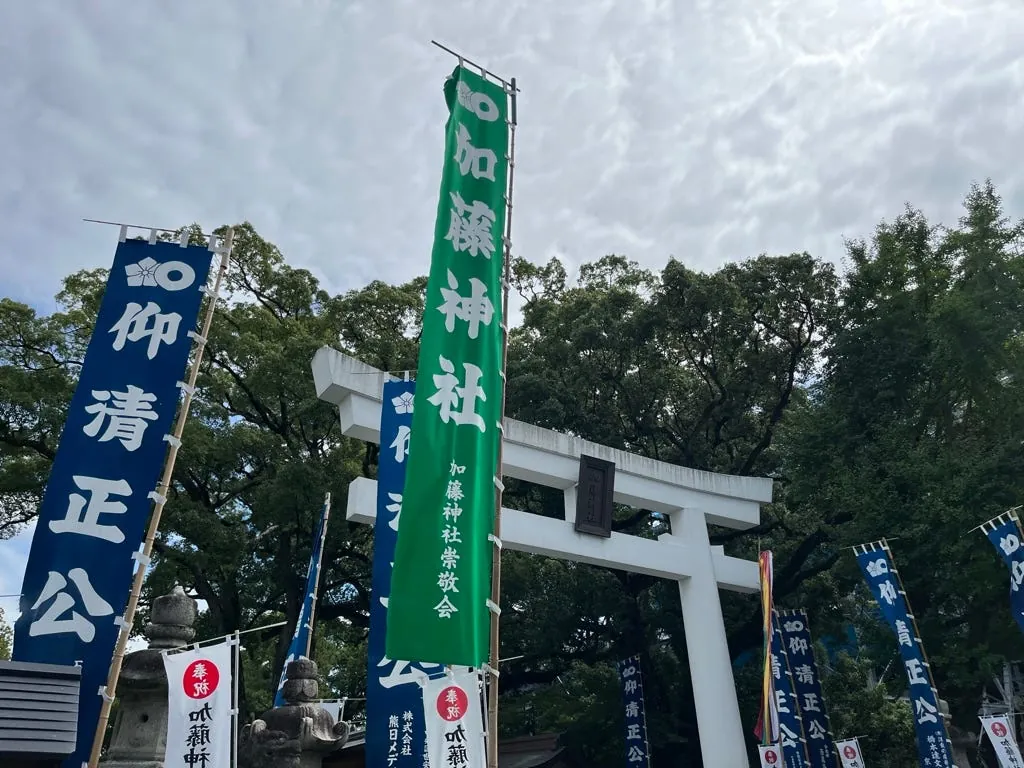
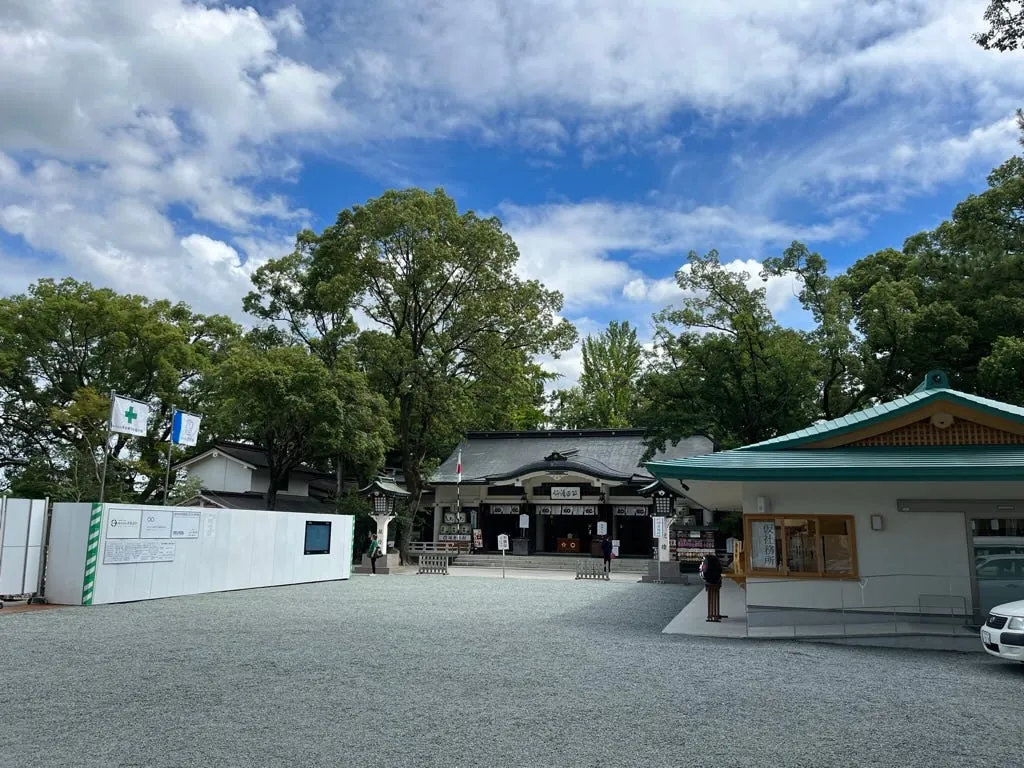
It’s small, and half of it is still under renovation.
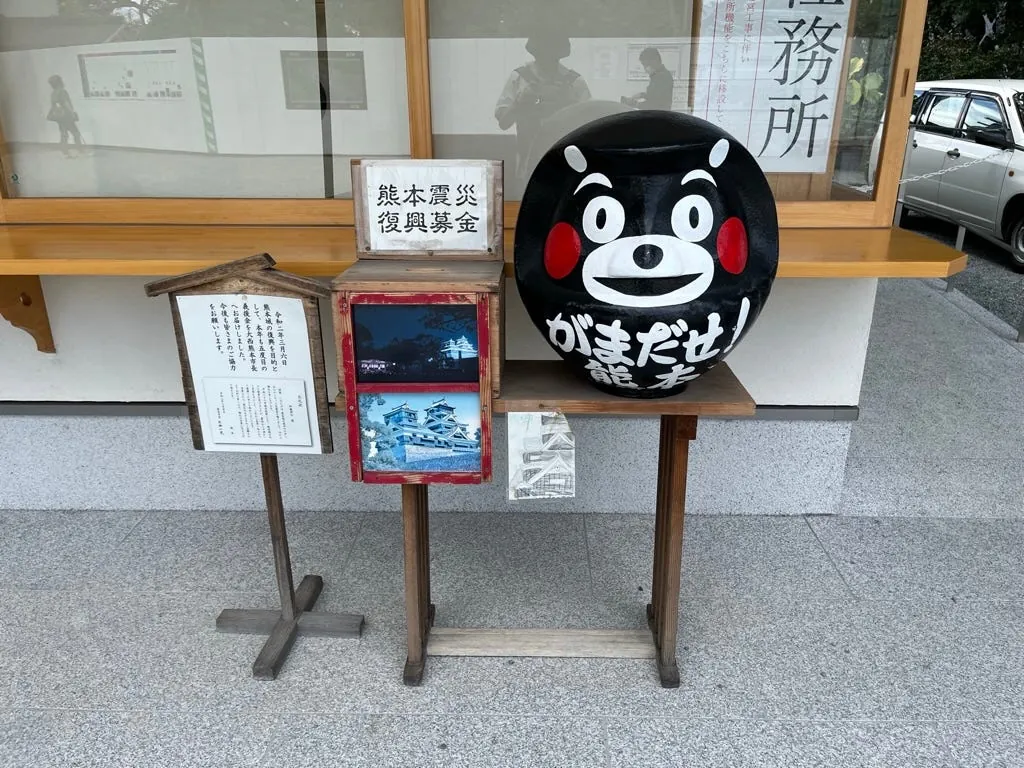
There was a small Kumamoto earthquake donation box at Kato Shrine, so I skipped the worship and donated instead.
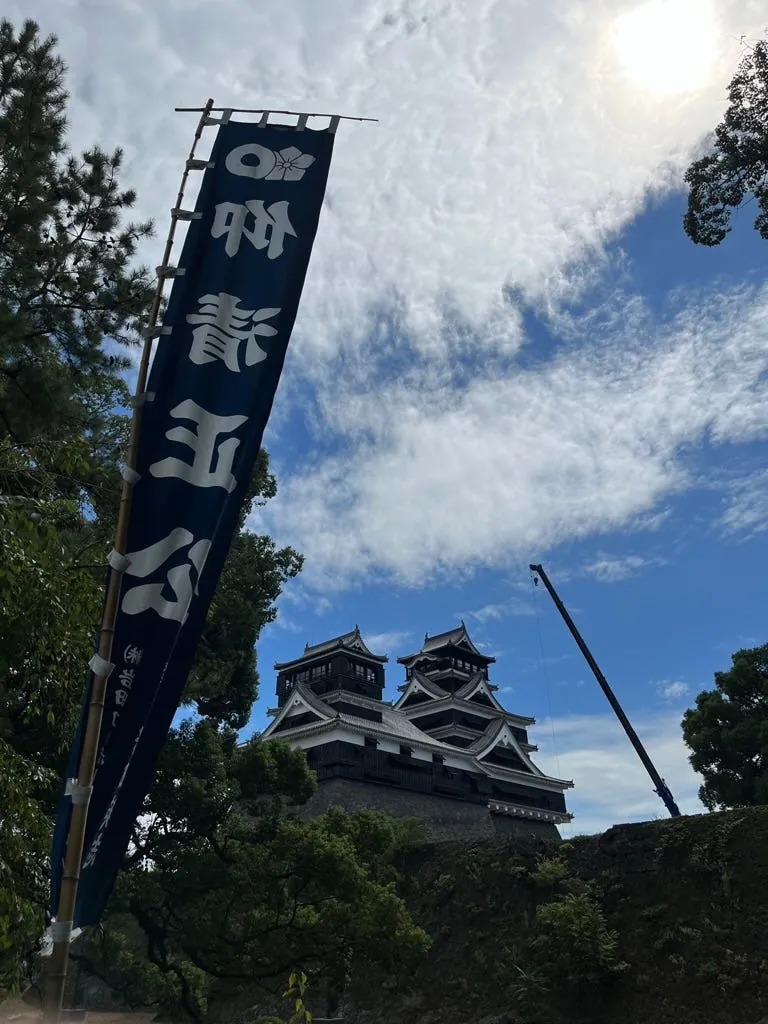
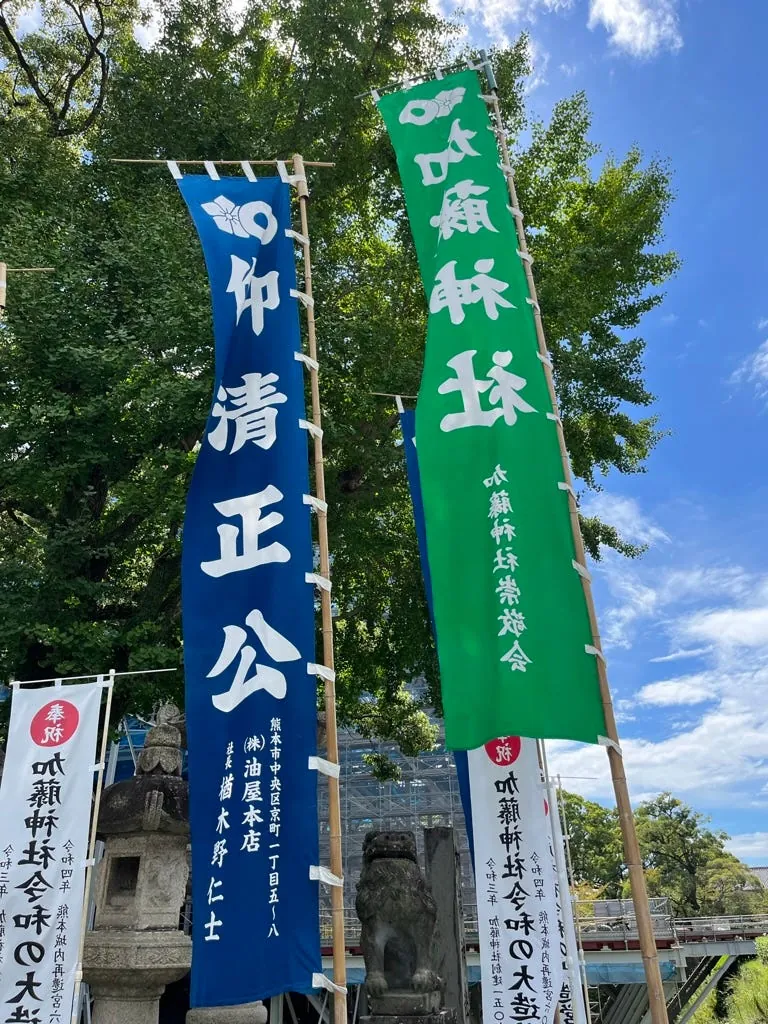
You can see Kumamoto Castle from the back here.
Return the same way and head to Kumamoto City Hall (14th floor has a free observation deck). The walk to Kato Shrine is quite long, so taking a bus is recommended.
Originally planned to visit Kumamoto Art Museum, Handicraft Center, etc., but they are all closed on Mondays!
Kumamoto City Hall
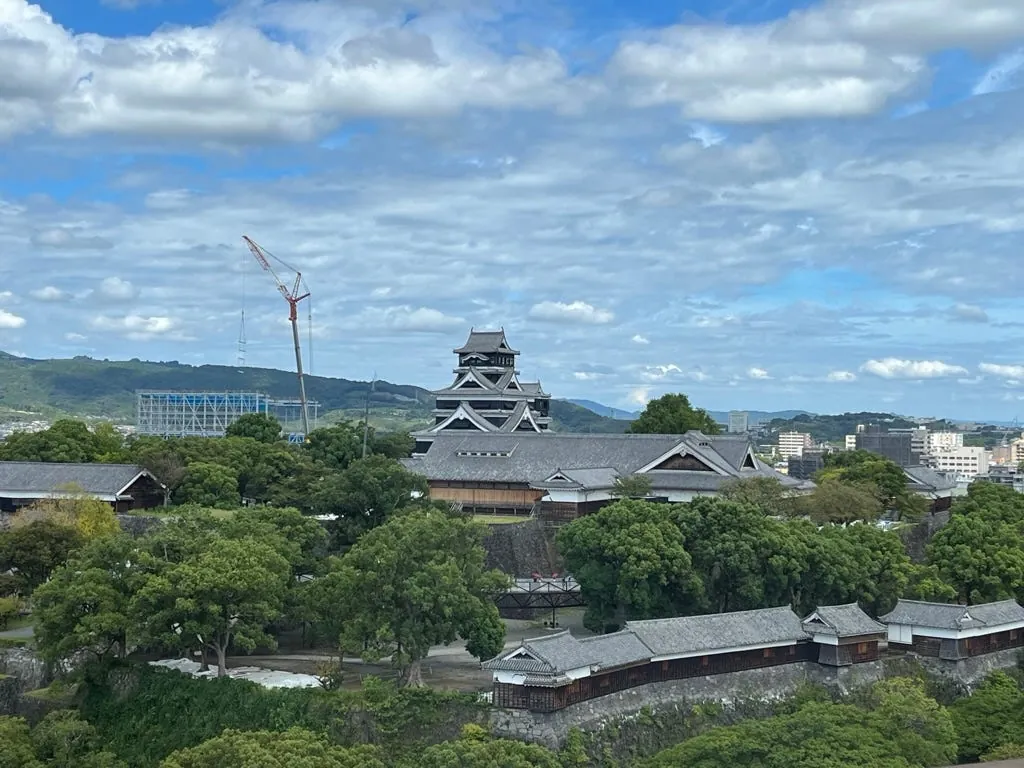
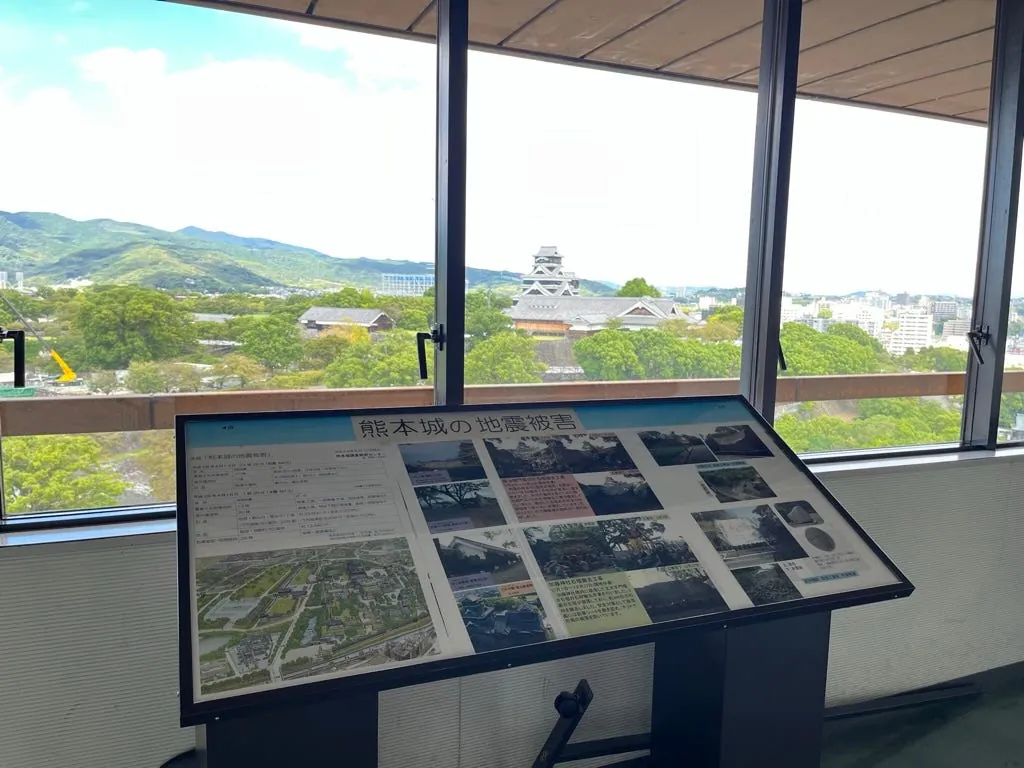
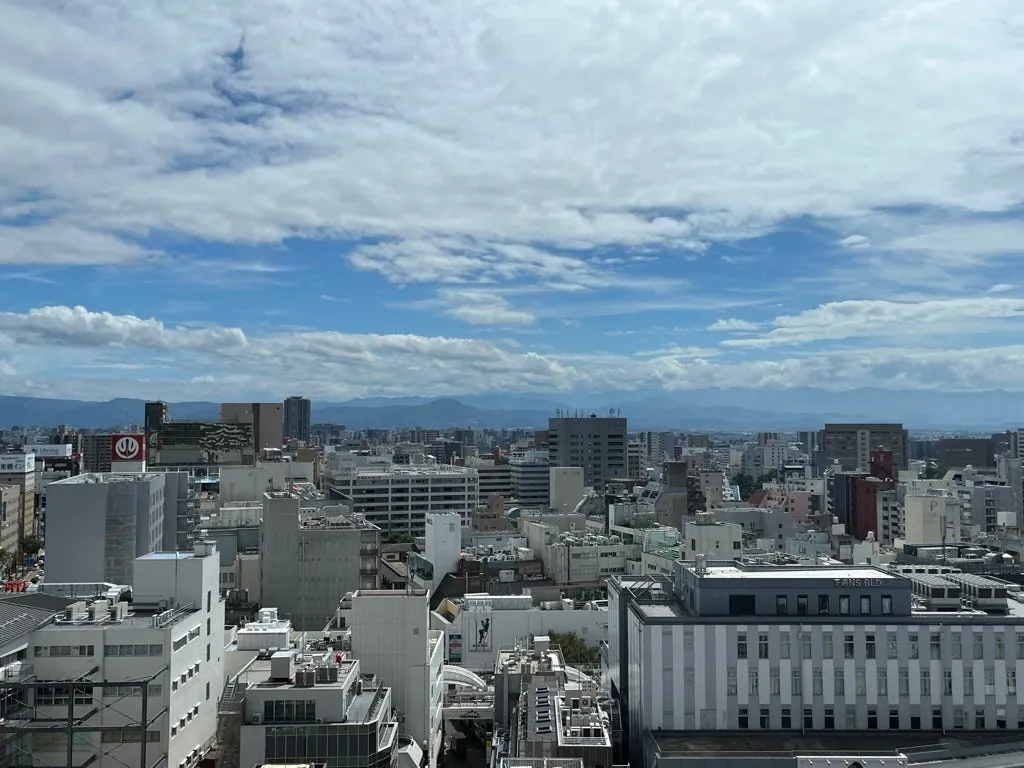
From the 14th floor of Kumamoto City Hall, you can get a bird’s-eye view of the entire Kumamoto city and Kumamoto Castle.
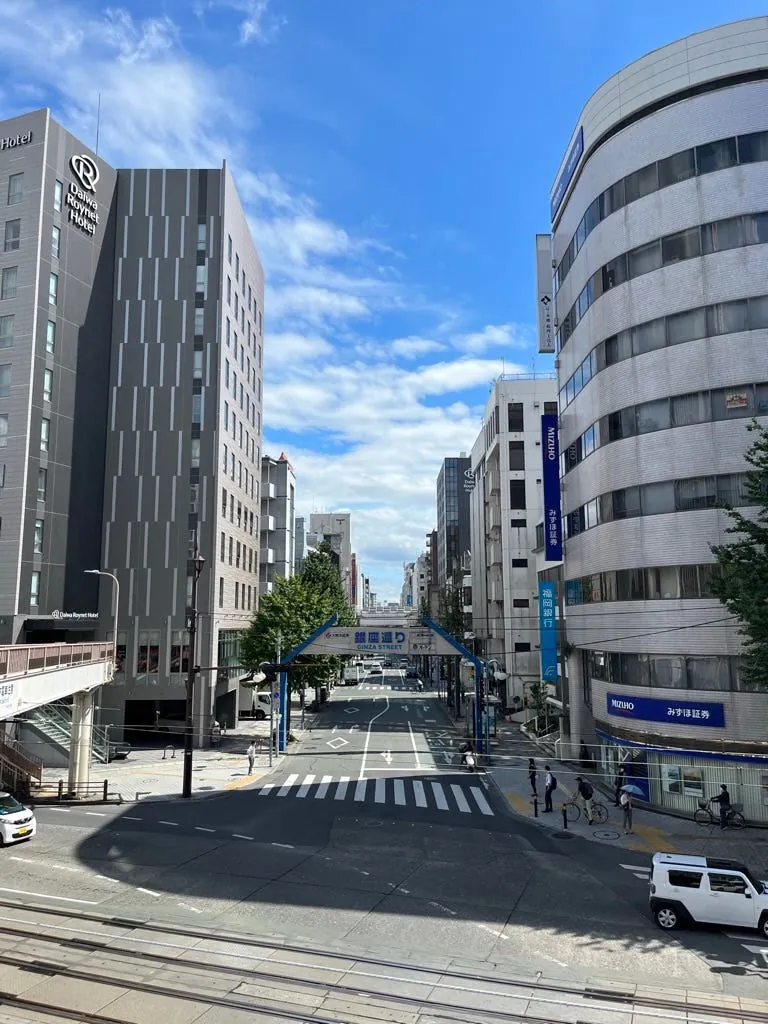
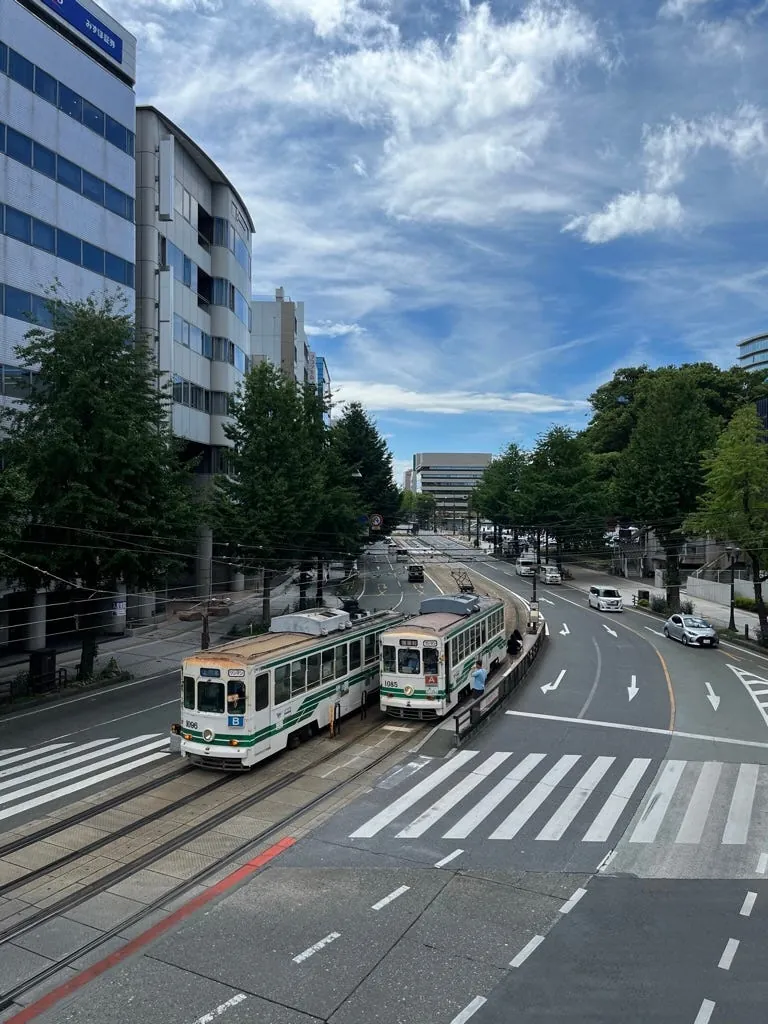
After leaving the City Hall, head towards Sakura-machi Shopping Center. You will pass a pedestrian bridge, which is a great spot to take photos of the Kumamoto tram.
This intersection is Kumamoto Ginza Street. A few days ago, I mentioned that there are also many free information centers here.
Sakuramachi Shopping Center
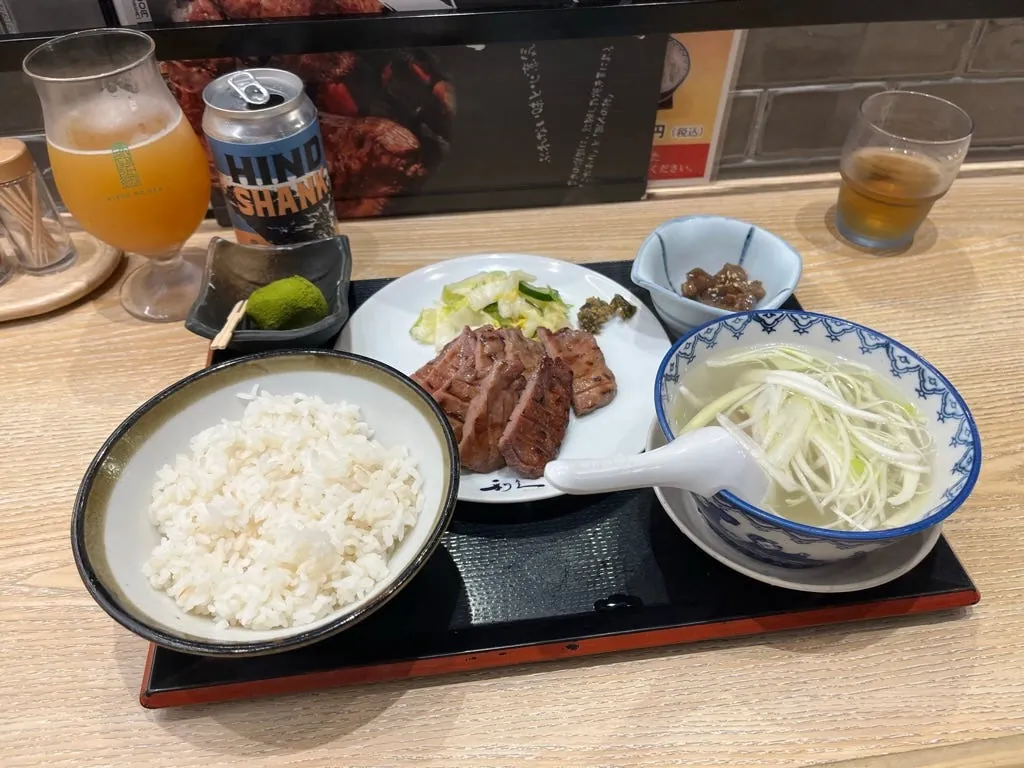
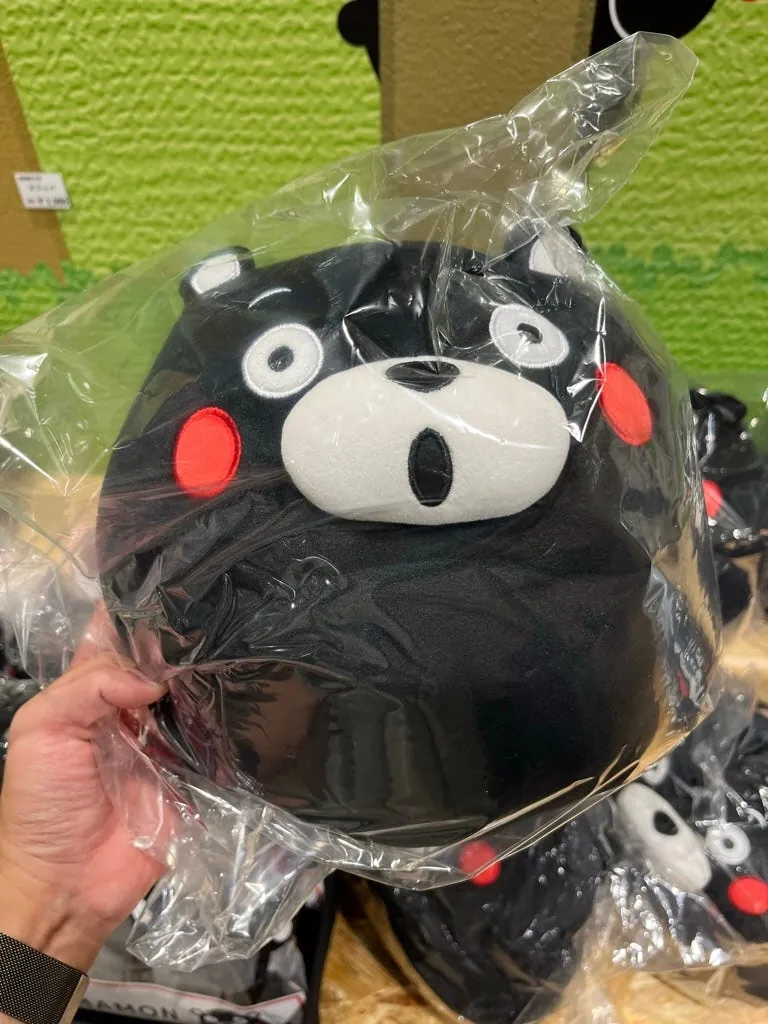
Went shopping at Sakura Town Shopping Center, then had Miyazaki beef again paired with beer from Kumamoto; before leaving, bought a Kumamon daifuku to bring back to Taiwan as a souvenir (so cute).
Don Quijote
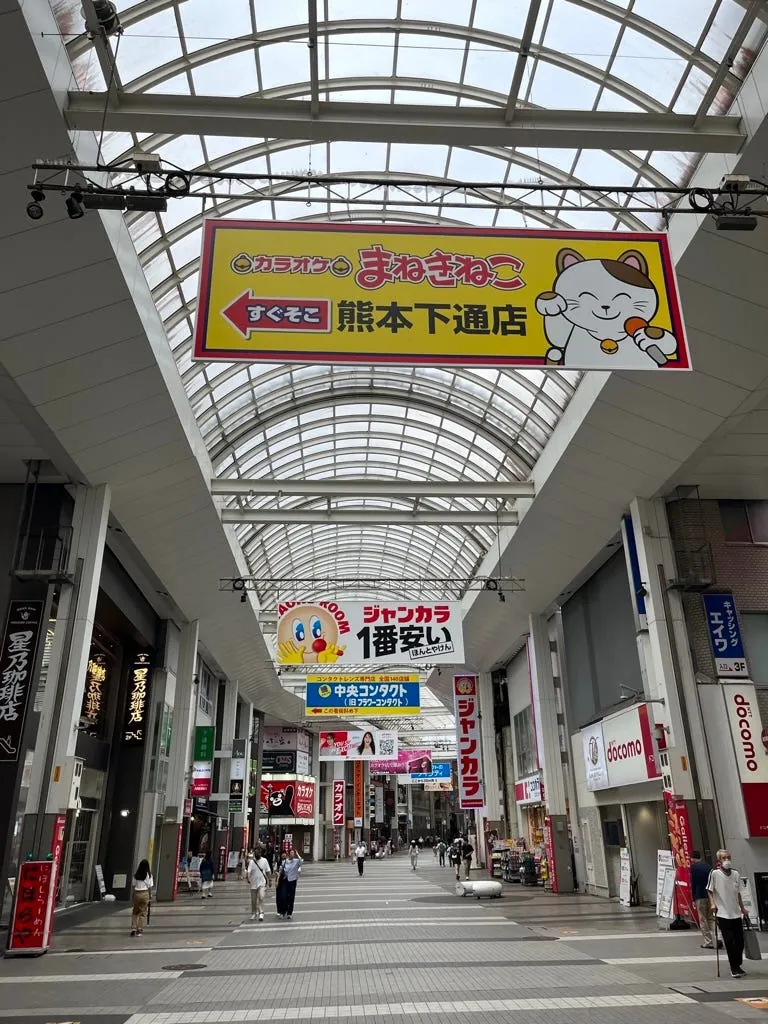
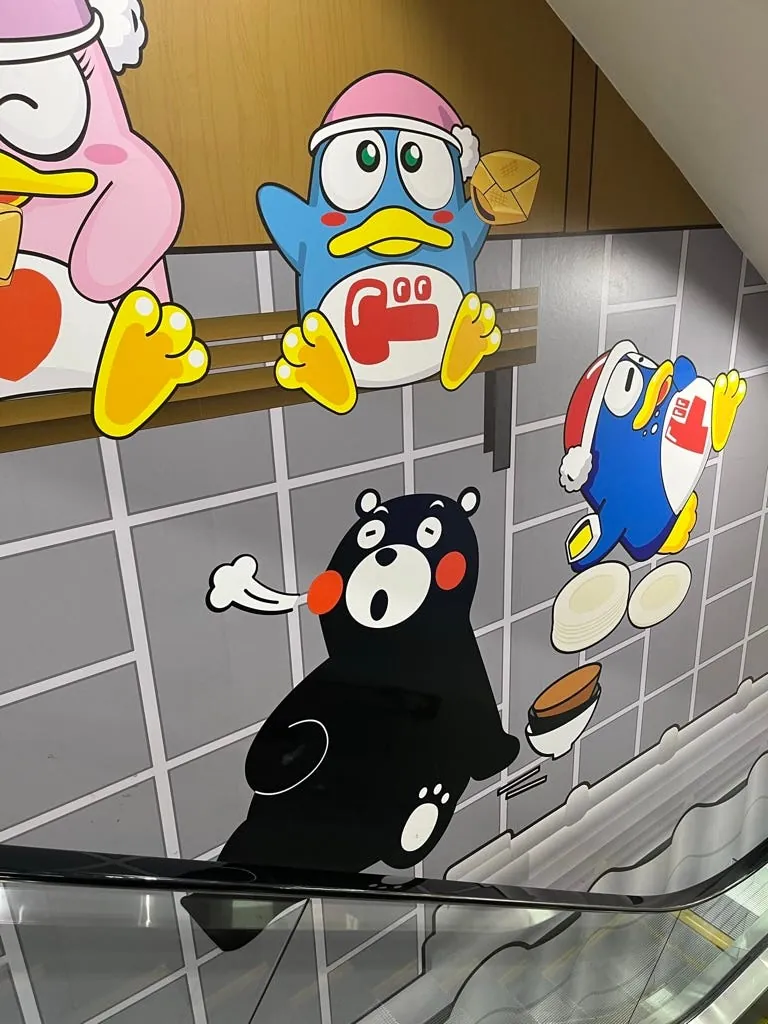
Walk all the way from Shimo-Tori to Kami-Tori and back to Tsuromachi-suji. Along the way, stop by Don Quijote for shopping (the tax-free counter for this store is on the second floor at checkout).
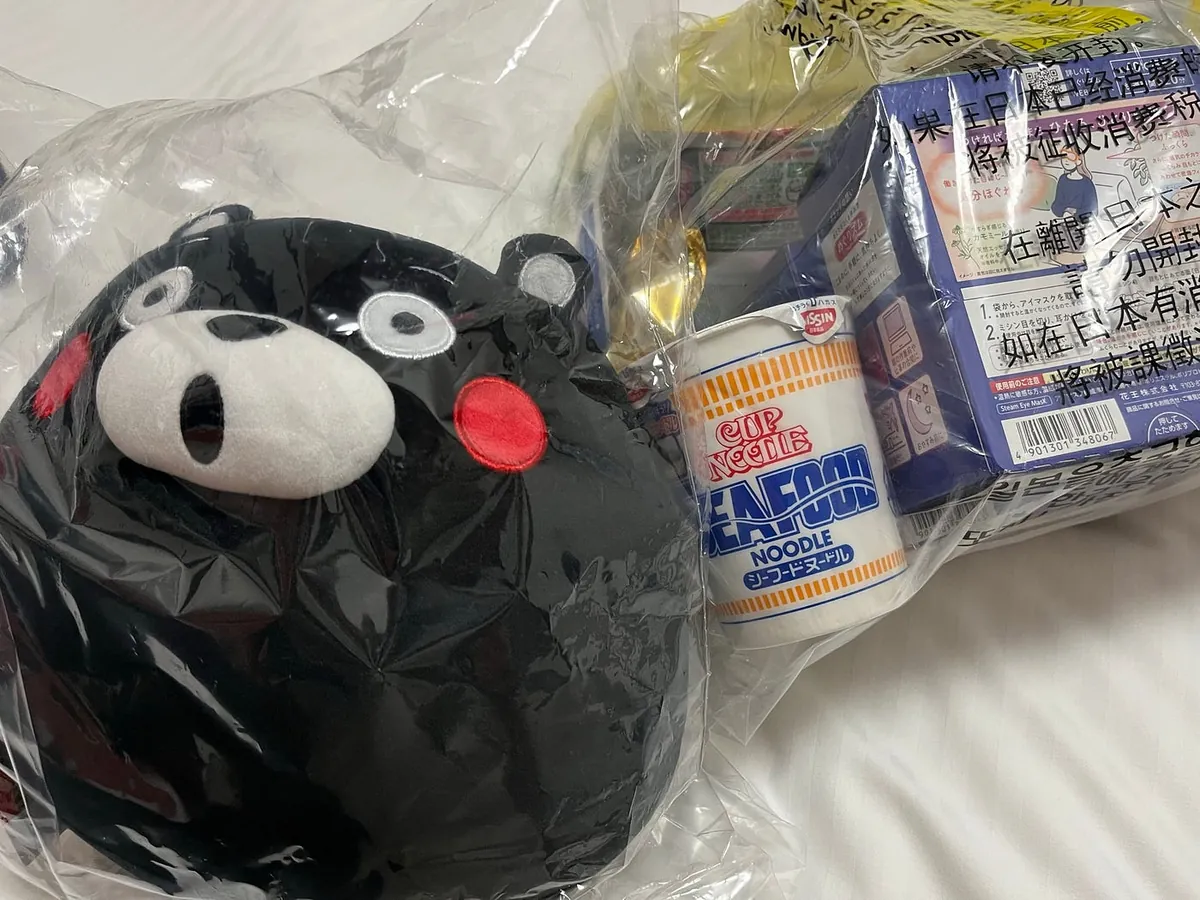
After shopping, I decided to return to the hotel first to rest and drop off my things.
A Little Episode
On the streetcar, I met a cute elderly couple from Kumamoto. They pointed at the transparent bag of tax-free Nissin instant noodles and said, “So good, ne~.” I replied, “Good! Good@” Then I took out a Kumamon daifuku I just bought and said to grandma, “Kawaii ne~.” She gave a thumbs up and said, “Kawaii, arigato.” I then said, “私は台湾人です” (I am Taiwanese). Grandma seemed to greet me or say something (my Japanese is too poor to understand, but I caught something about energy). I responded politely. When I got off, I also said goodbye to the elderly couple.
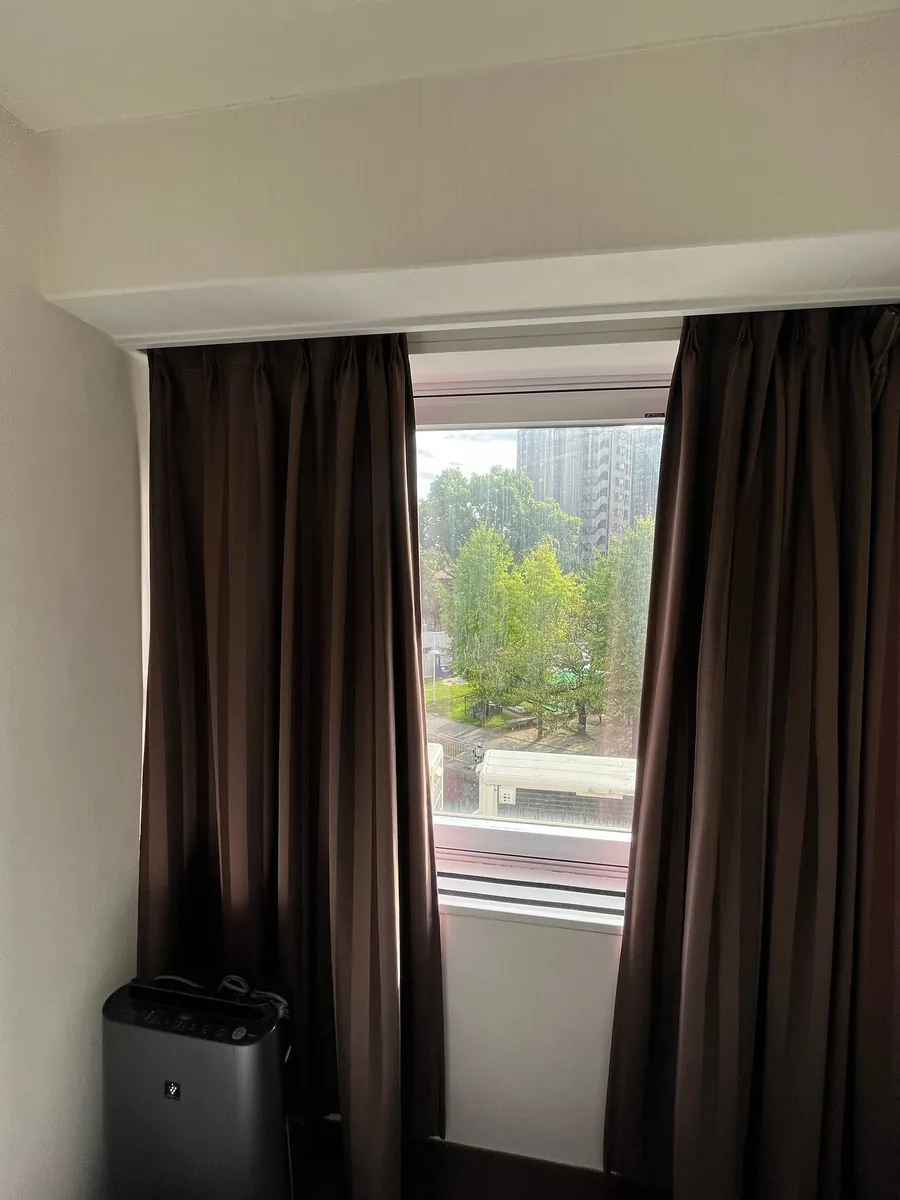
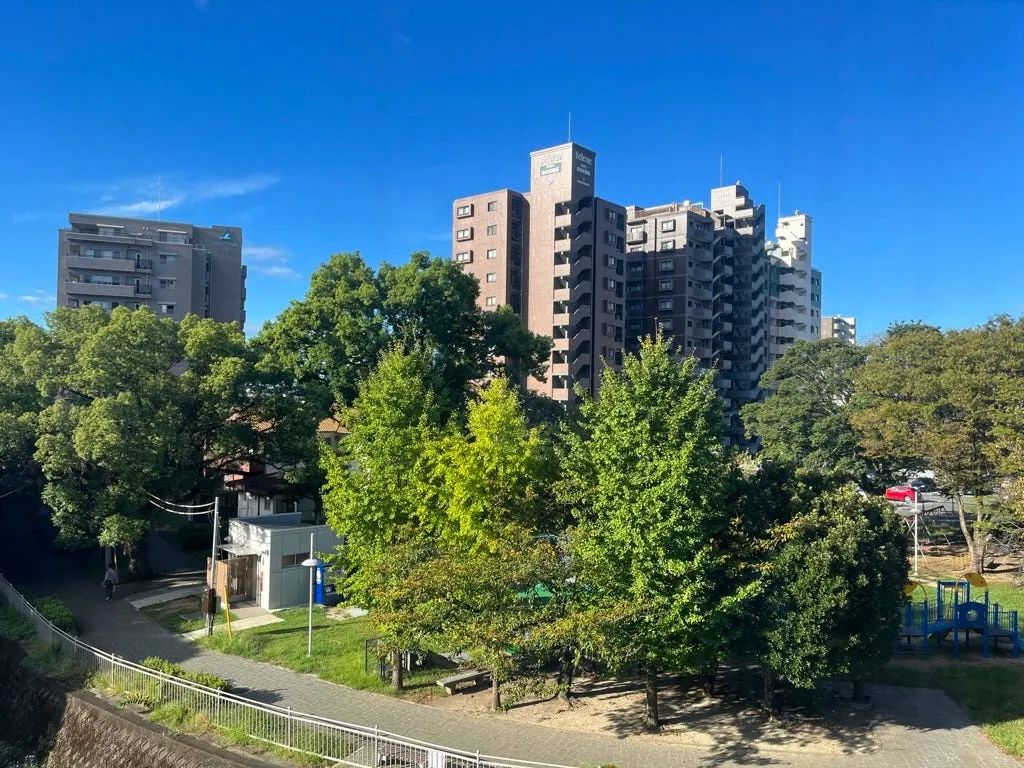
After returning to the hotel, I opened the curtains for the first time and saw the Suizenji basin right outside; the view was actually nice, and I could hear insects chirping at night.
After a short break, there weren’t many places to go in the afternoon, so I just randomly picked spots on the map to wander around.
Luffy Statue
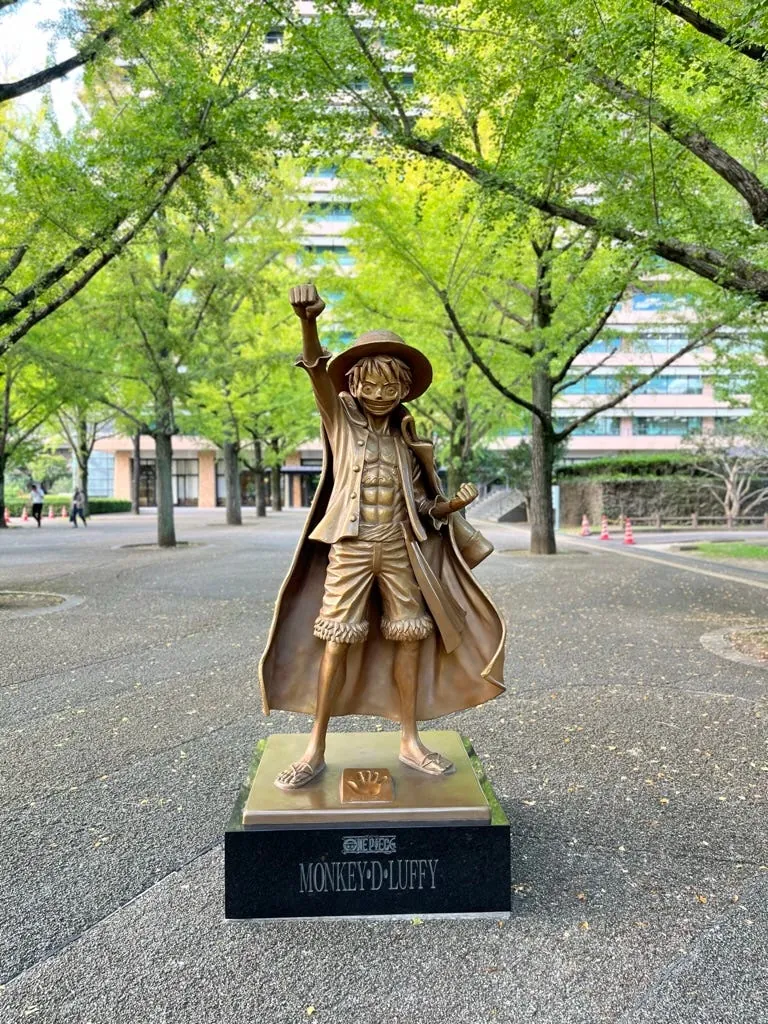
First, walk to the front of Kumamoto Prefectural Office to find the Luffy statue.
Kengun Shrine
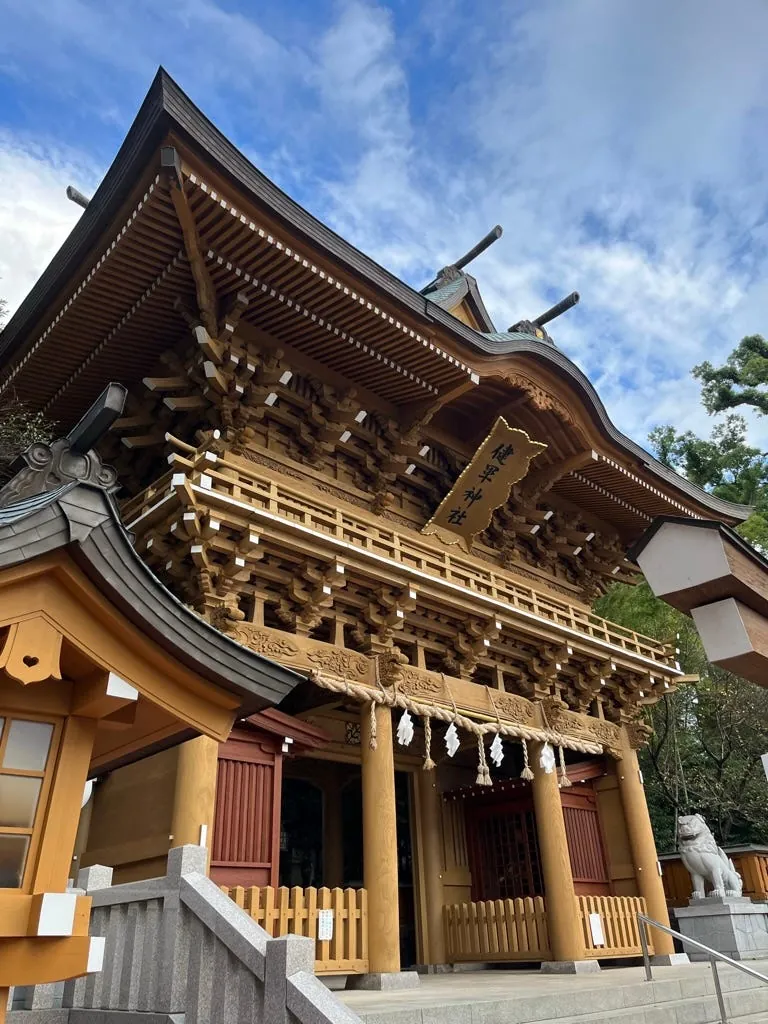
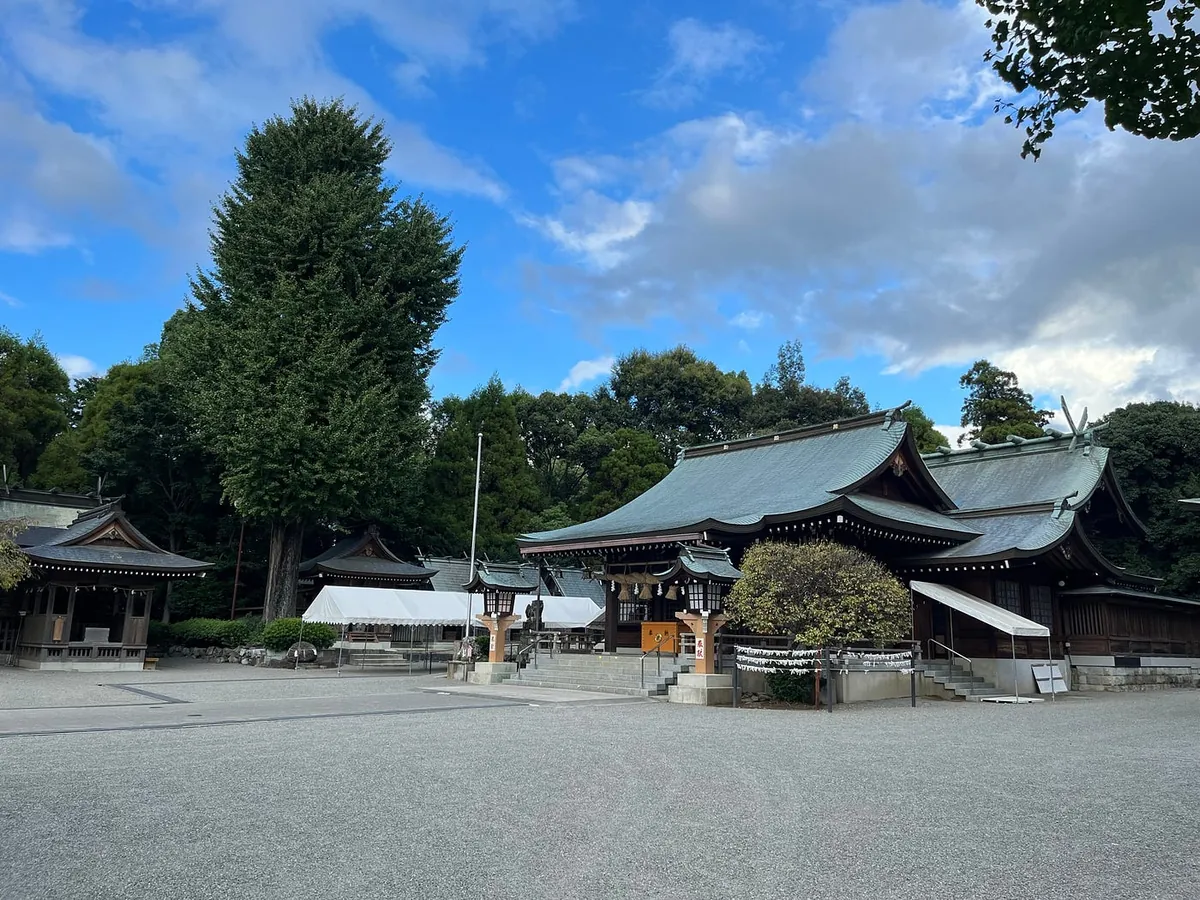
Then took the bus plus walked to Kengun Shrine; a small shrine, almost empty as it was close to closing time.
There is no direct bus here, so you need to walk a short distance (about 15 minutes); after leaving the shrine, continue walking toward “Kumamoto Zoo” (about 20–30 minutes) to find the Chopper statue.
Chopper Statue
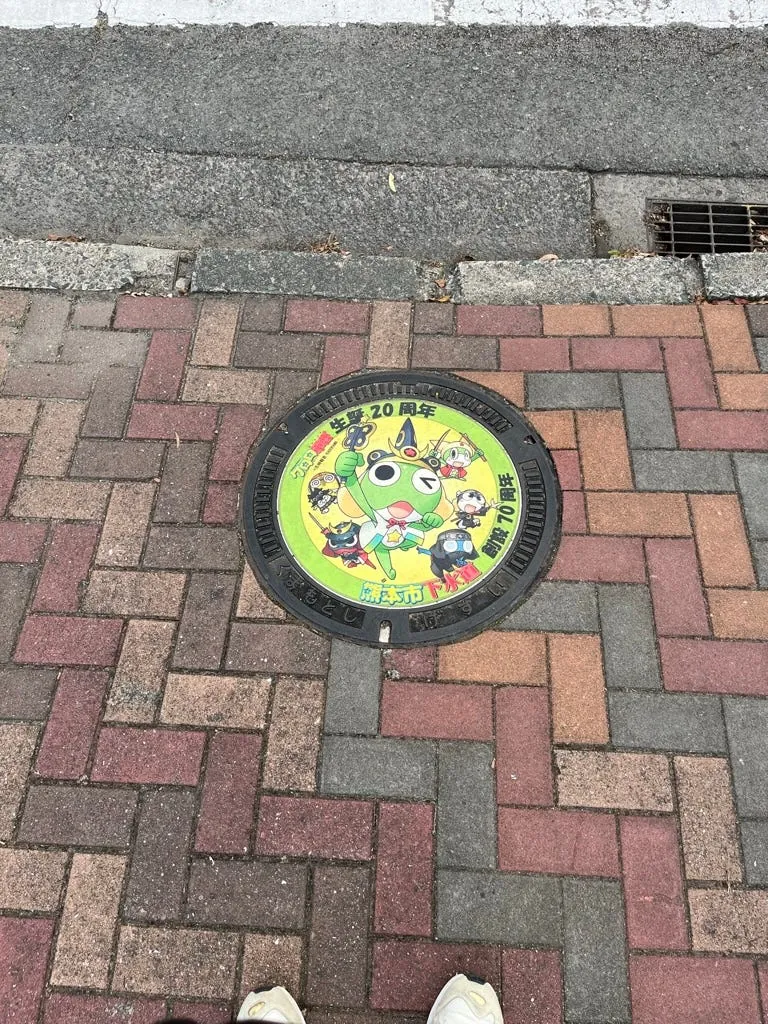
Saw a Sergeant manhole cover on the street (seems like it was from a previous event).
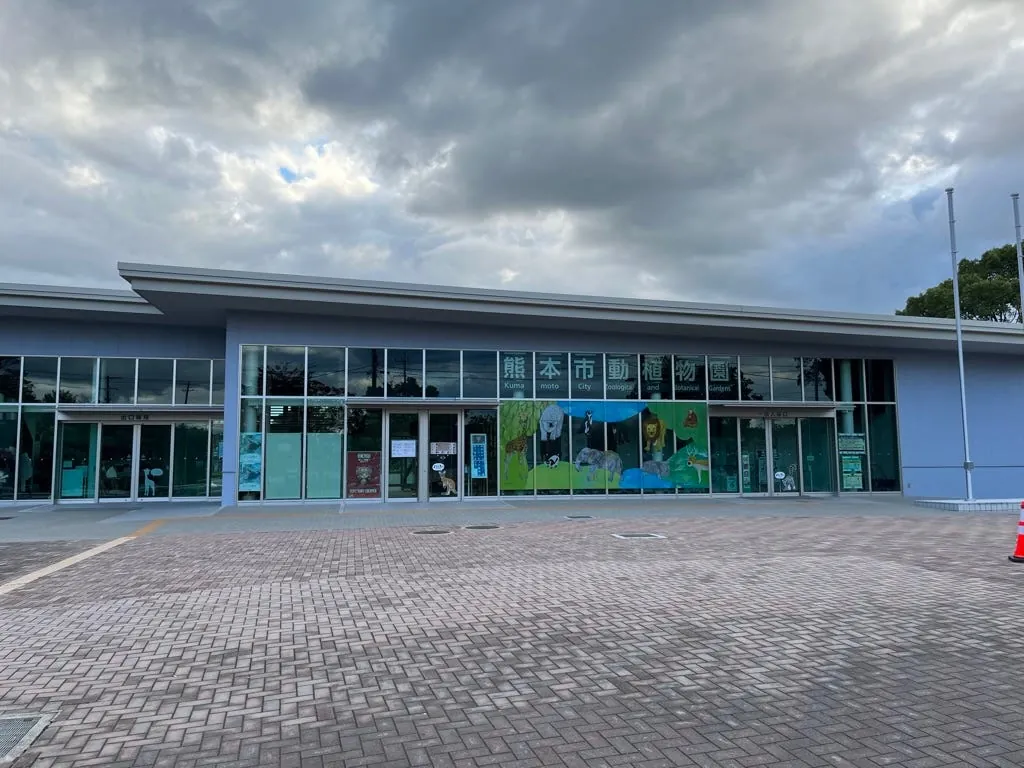
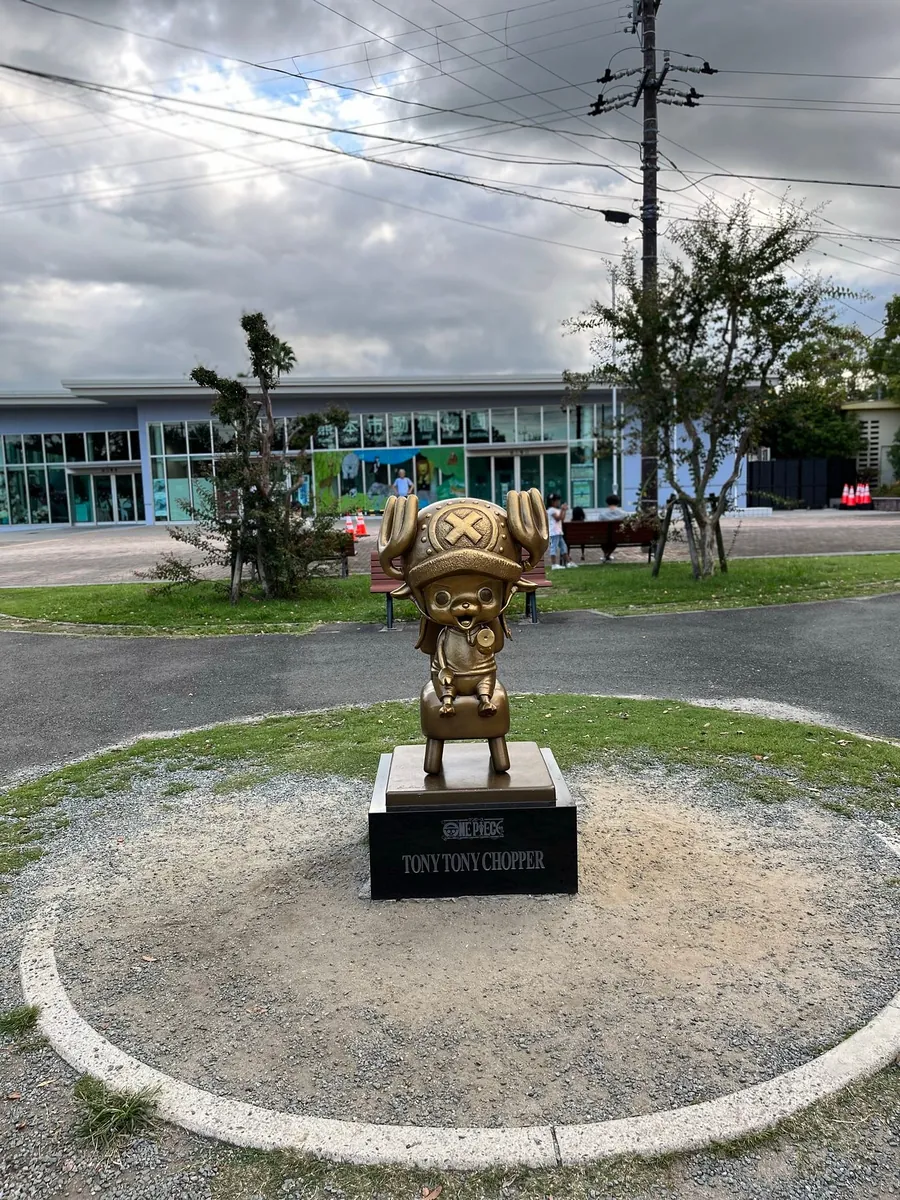
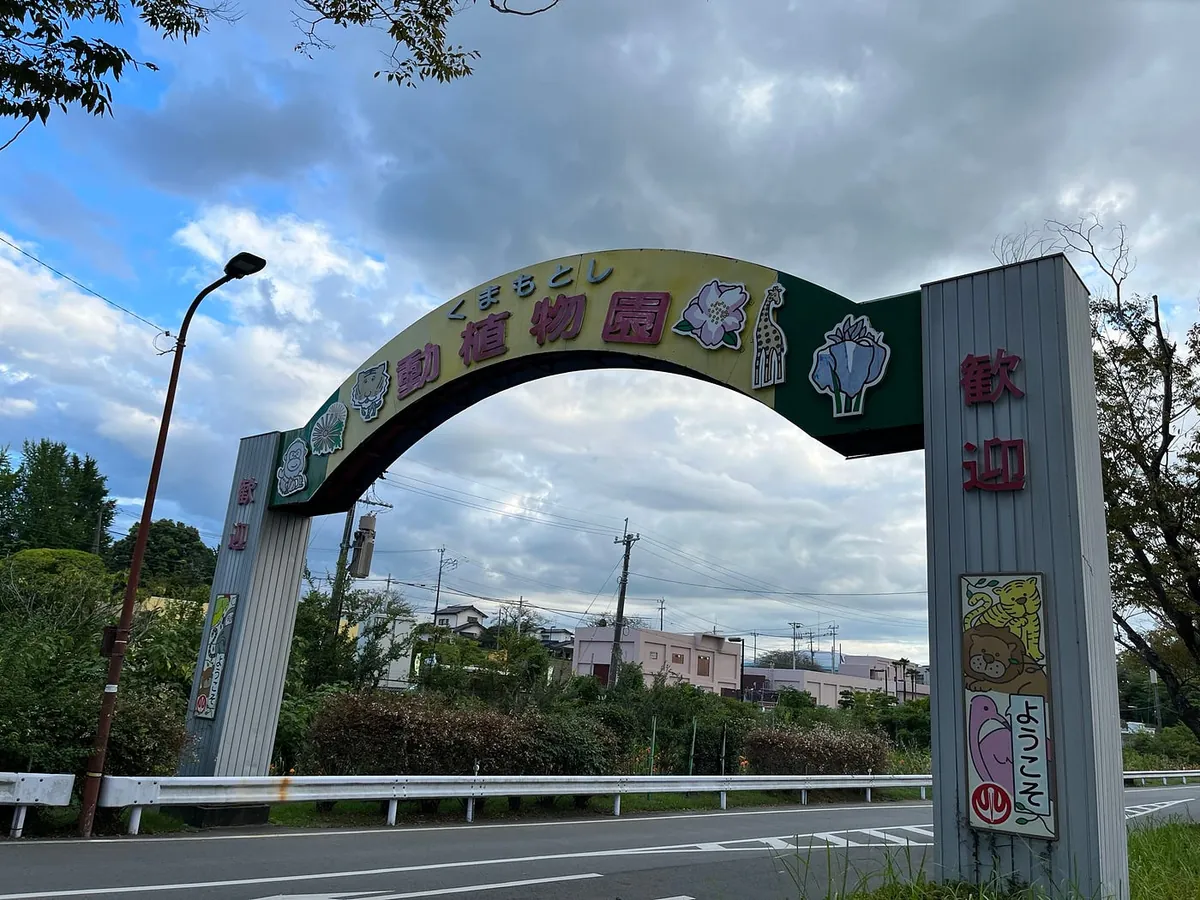
Found the Chopper statue at the zoo entrance.
I had checked before and the Kumamoto Zoo seemed quite boring, so I didn’t plan to go in; by the evening, it was already closed.
A Little Incident
At the zoo entrance, I met a Taiwanese family who wanted to take photos, so I helped them take pictures. The next day at the airport, I ran into them again and took another photo with the airplane. The younger brother called me the “photo brother” XD.
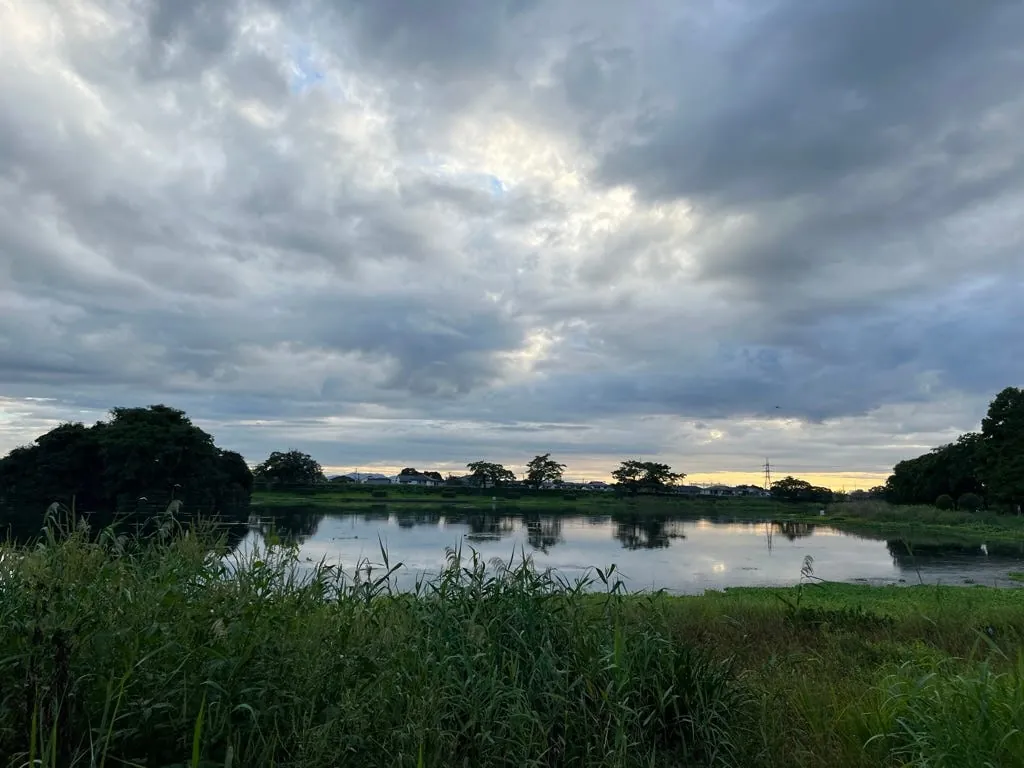
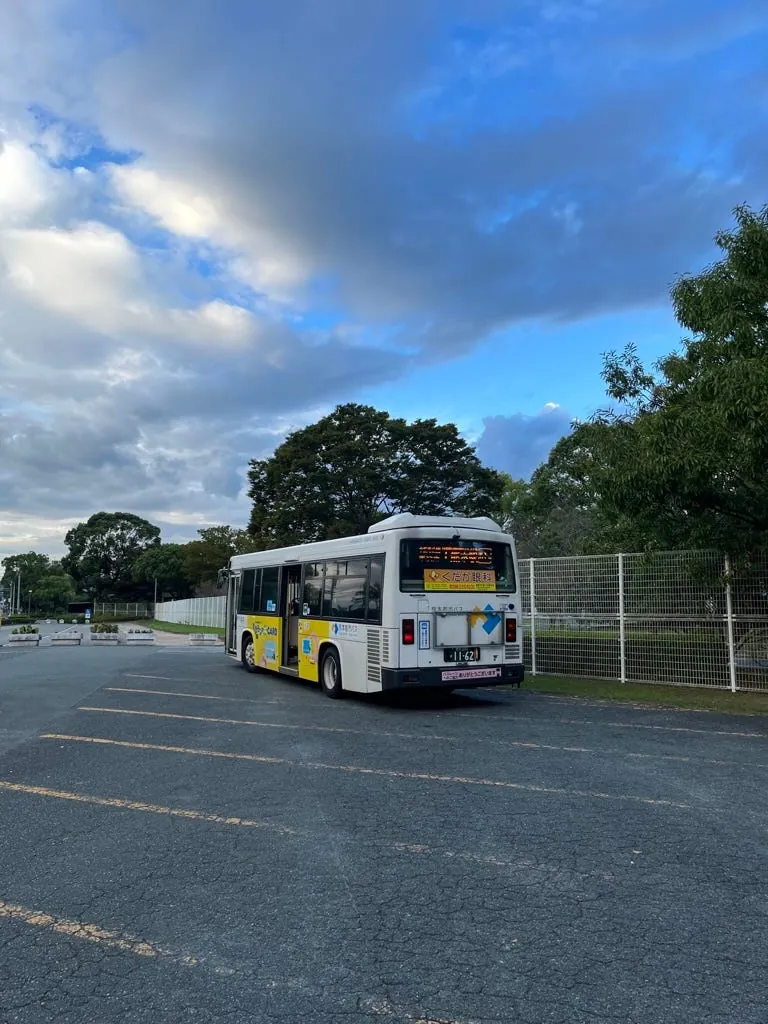
Check the map and walk further to Ezu Lake Park in the Suizenji River Basin; since it’s on the way, I decided to take a look. I found it was just a riverside park where locals exercise, so I took the bus straight back to the hotel (the bus stop was also the starting point).
Ashizen Ramen
Went to an izakaya near Shin-Suizenji Station for dinner.
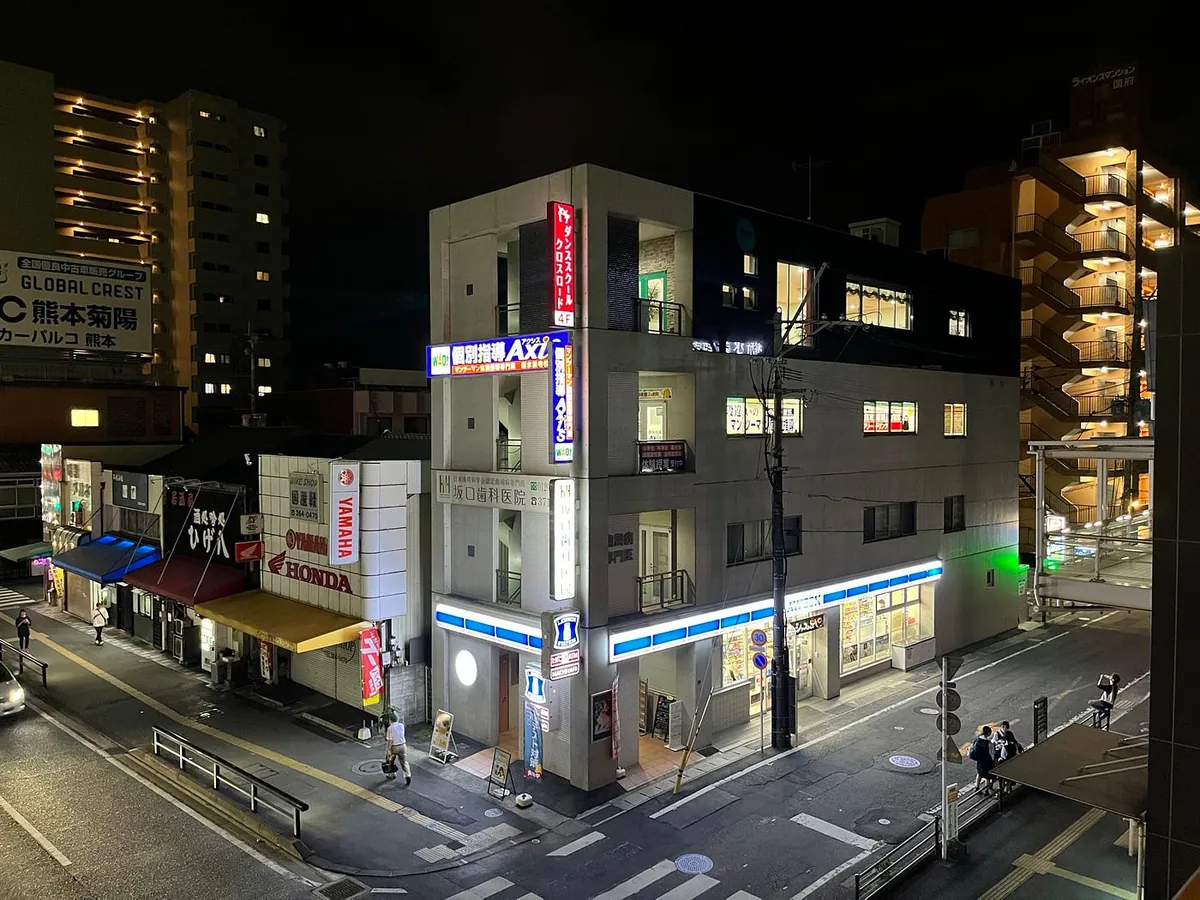
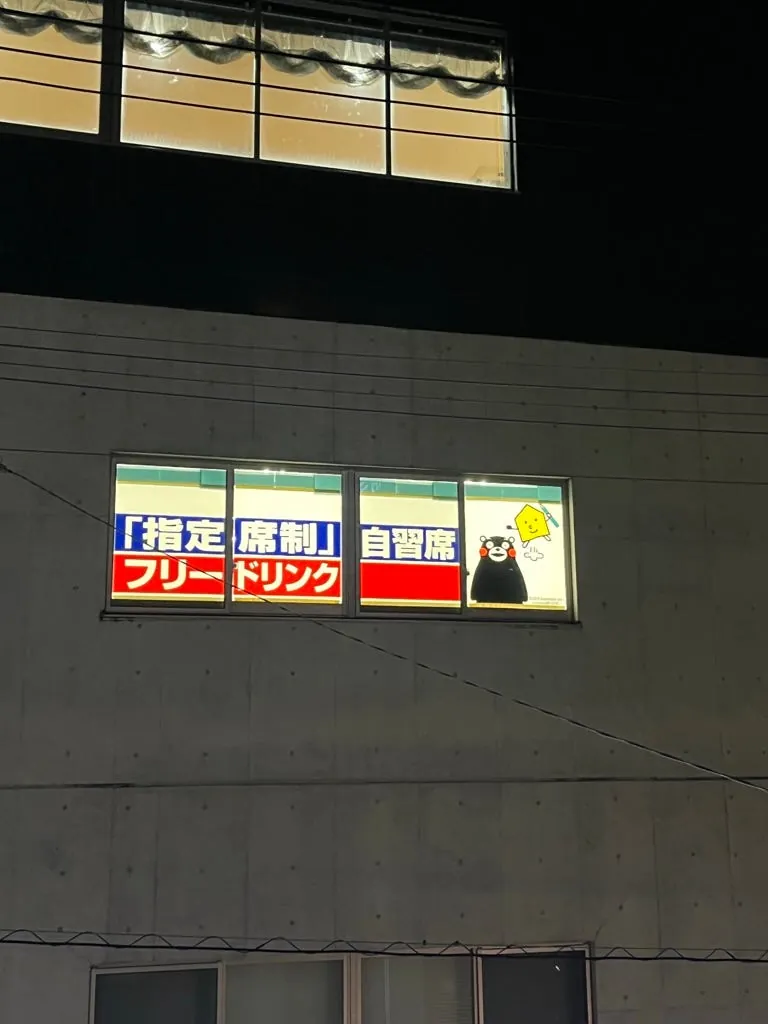
Had a meal with former colleagues from Digital China, including Irene Yu, who later appeared on Line News cover and is also known as the “Books.com Goddess.”
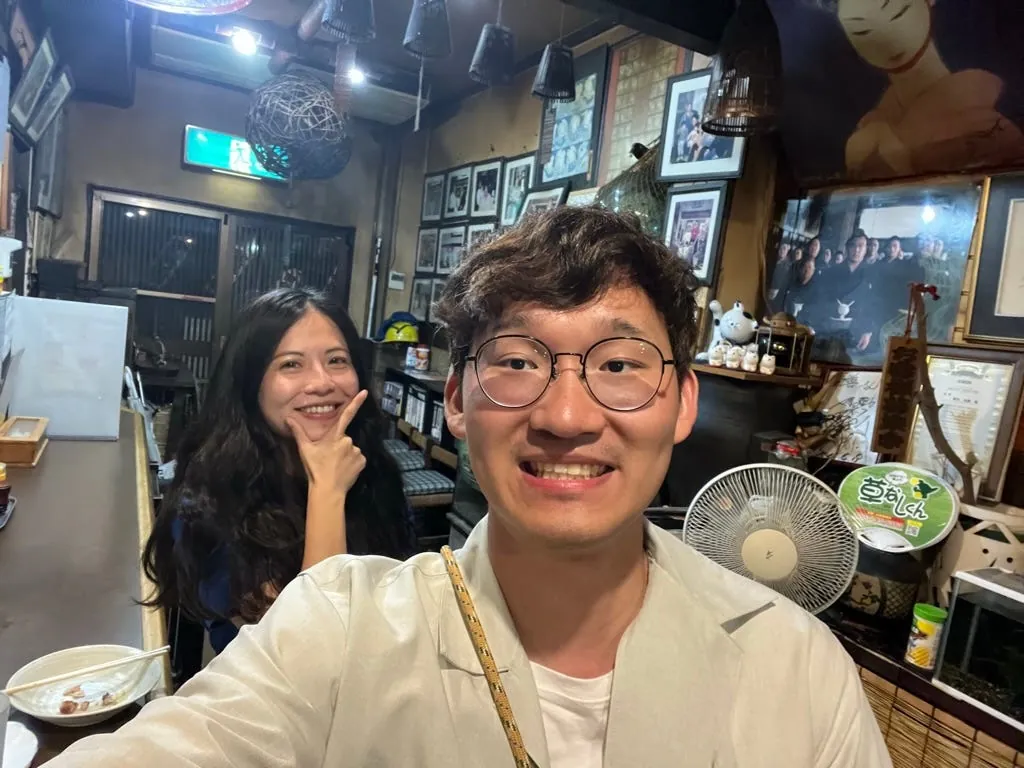
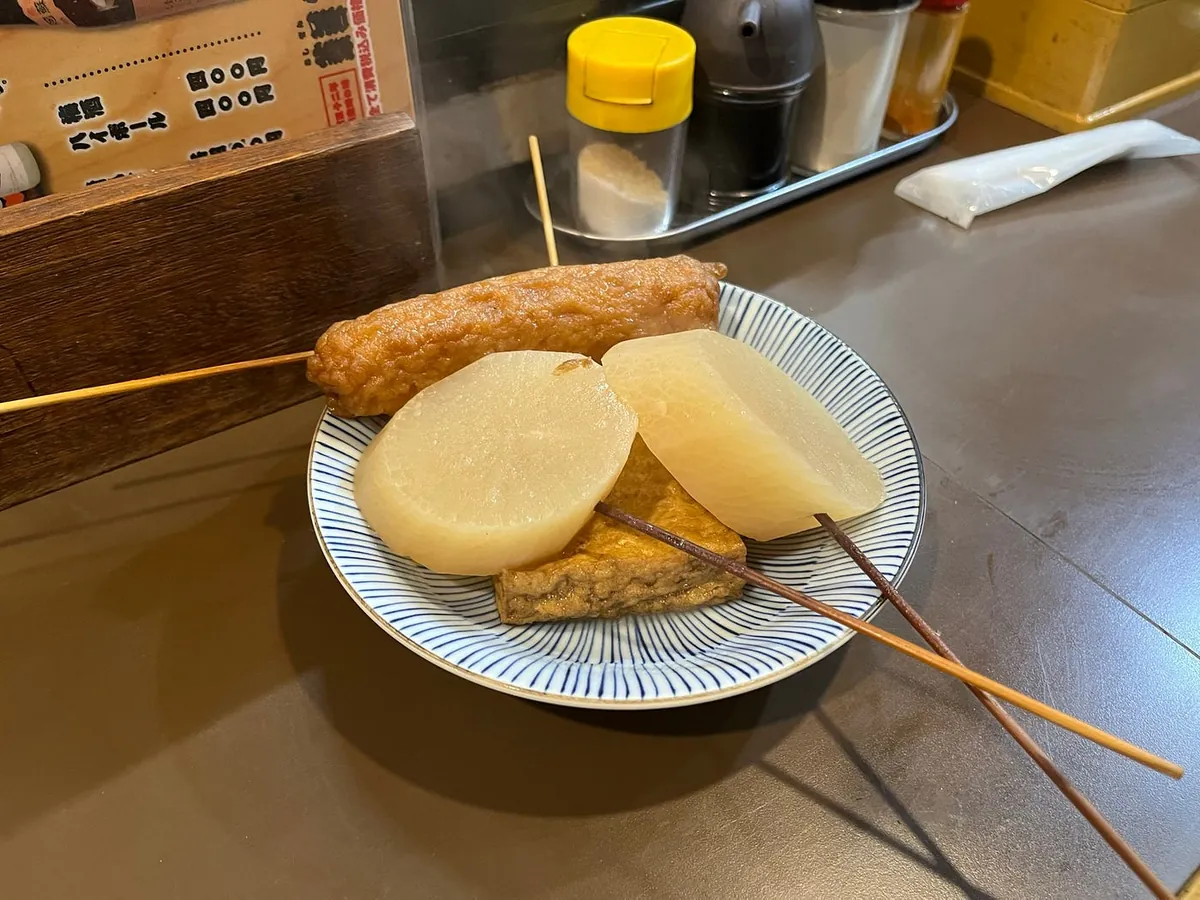
It was so touching to have a meal with familiar people while away from home. After all, I had been quite withdrawn for several days (not understanding Japanese and barely speaking). In the end, I even received a souvenir from Beppu 😭.
Ate too fast, only remember the chicken wings were delicious. Also tried horse meat skewers (Kumamoto is famous for horse sashimi, but I couldn’t try it). The owner’s wife was very friendly, but the menu was all in Japanese and the characters were hard to read with translation apps, so I had to guess XD
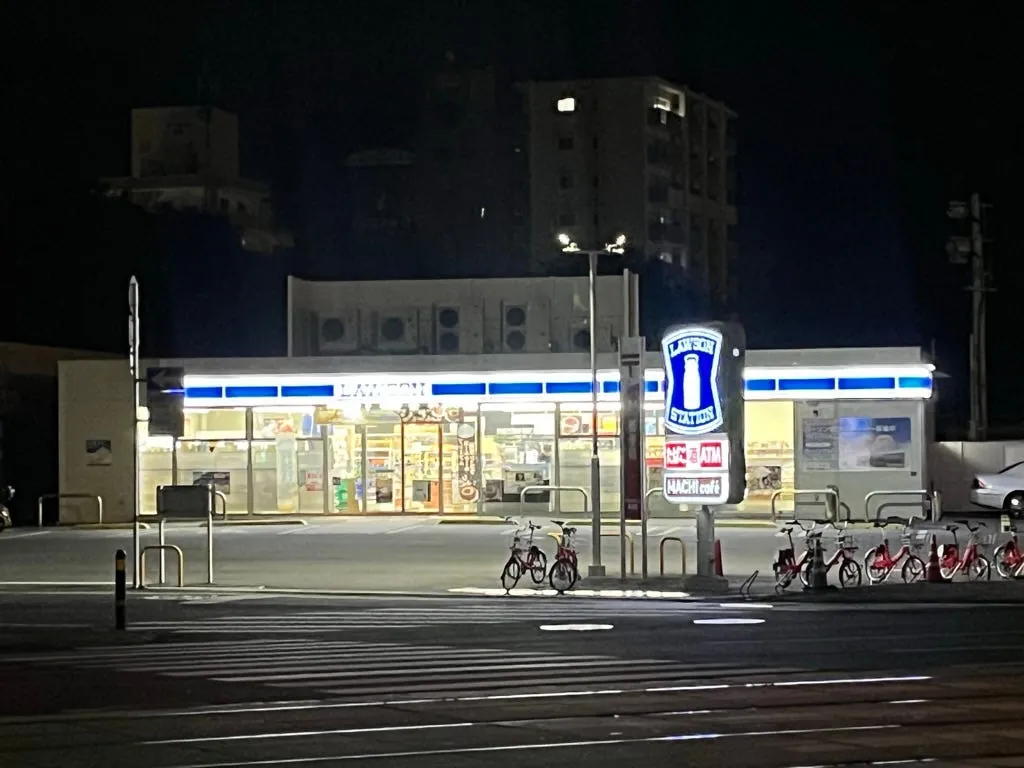
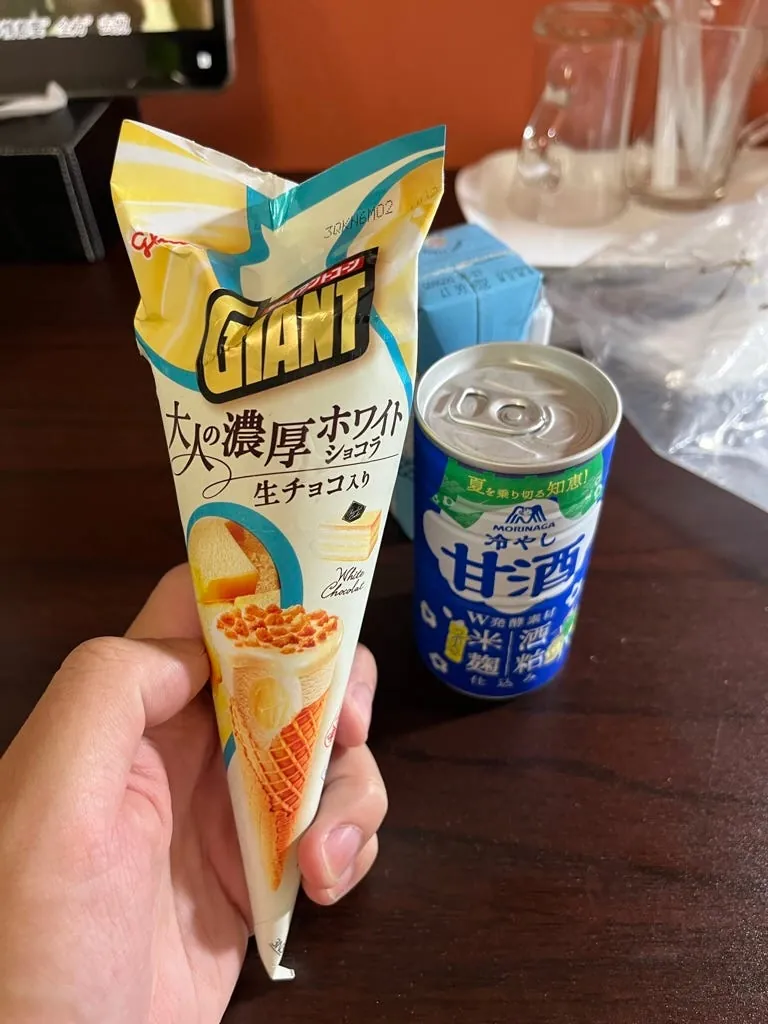
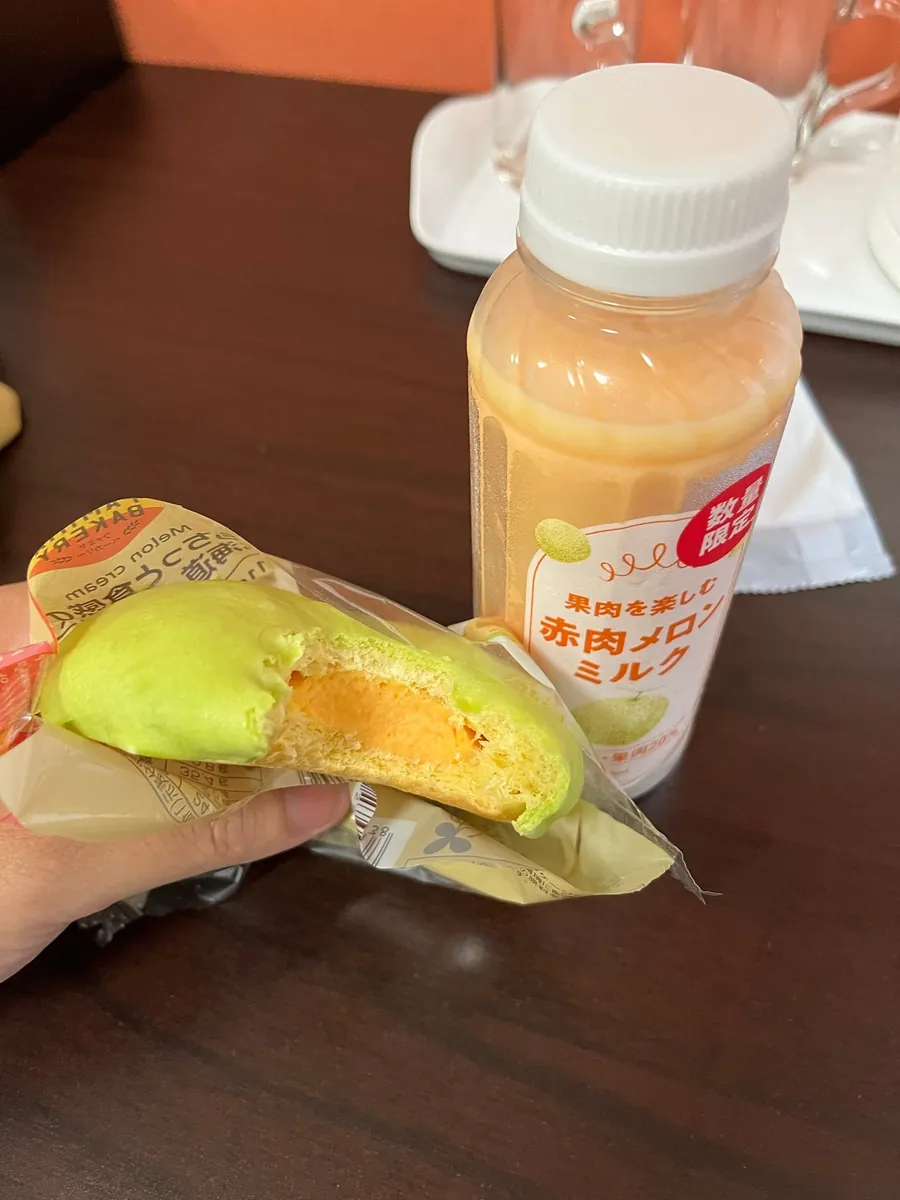
After dinner, I walked back to the hotel (about 15 minutes). Finally, I strolled around the streets of Kumamoto, stopping by Lawson and FamilyMart to buy ice cream and amazake (I originally thought it was sake, but amazake is not alcohol; it’s a nourishing summer drink).
Also picked up breakfast for tomorrow morning (melon bread + juice). FamilyMart’s fruit juice with pulp (melon, strawberry, etc.) is really delicious. I almost always buy it when I see it. The juice contains sweet fruit pulp and tastes great.
Day 10 Return Trip
I have been wandering alone in Japan for 10 days and am starting to feel homesick, missing Taiwan’s delicious food and my friends in Taiwan.
The only advantage of this hotel is that the airport shuttle stops right across the street.
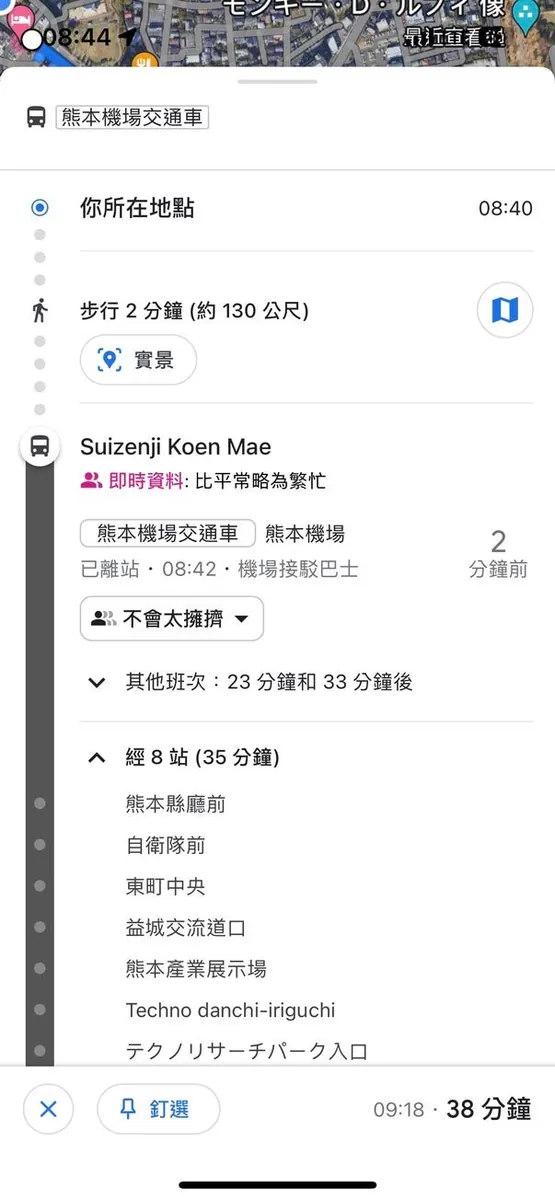
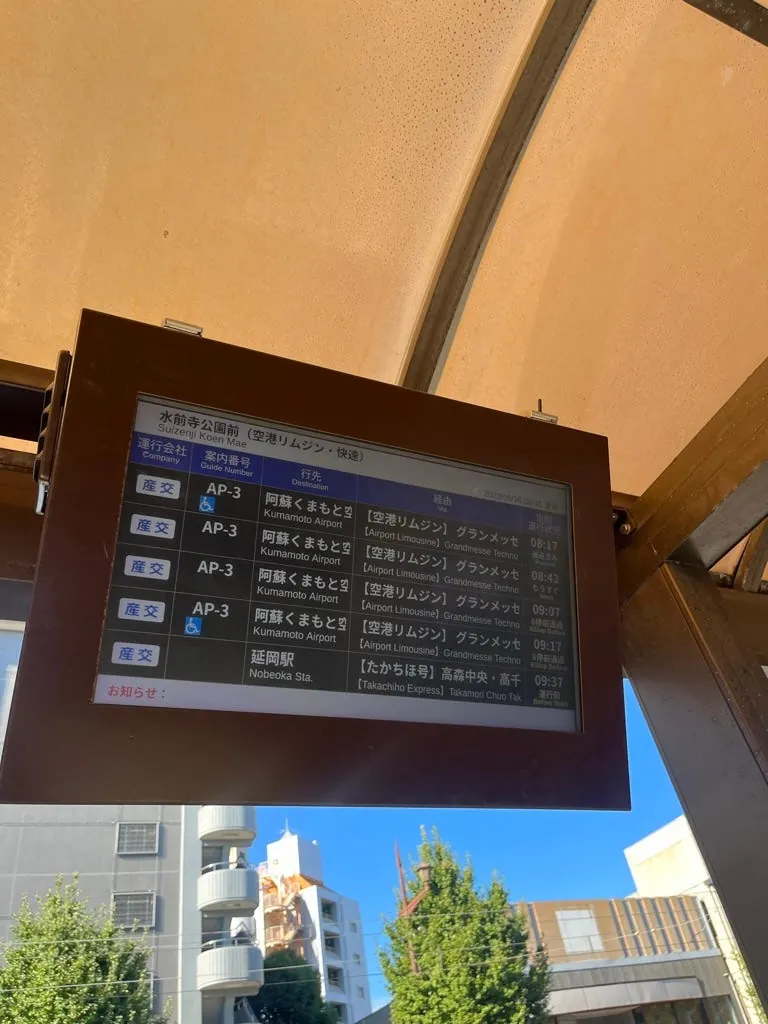
Also encountered an actual delay where Google Maps showed the train had already passed; fortunately, thanks to the experience in Nagasaki and the electronic display, I patiently waited. The train arrived about 10 minutes late.
The driver will help place your suitcase in the luggage compartment under the bus. Just remember to take it when you get off.
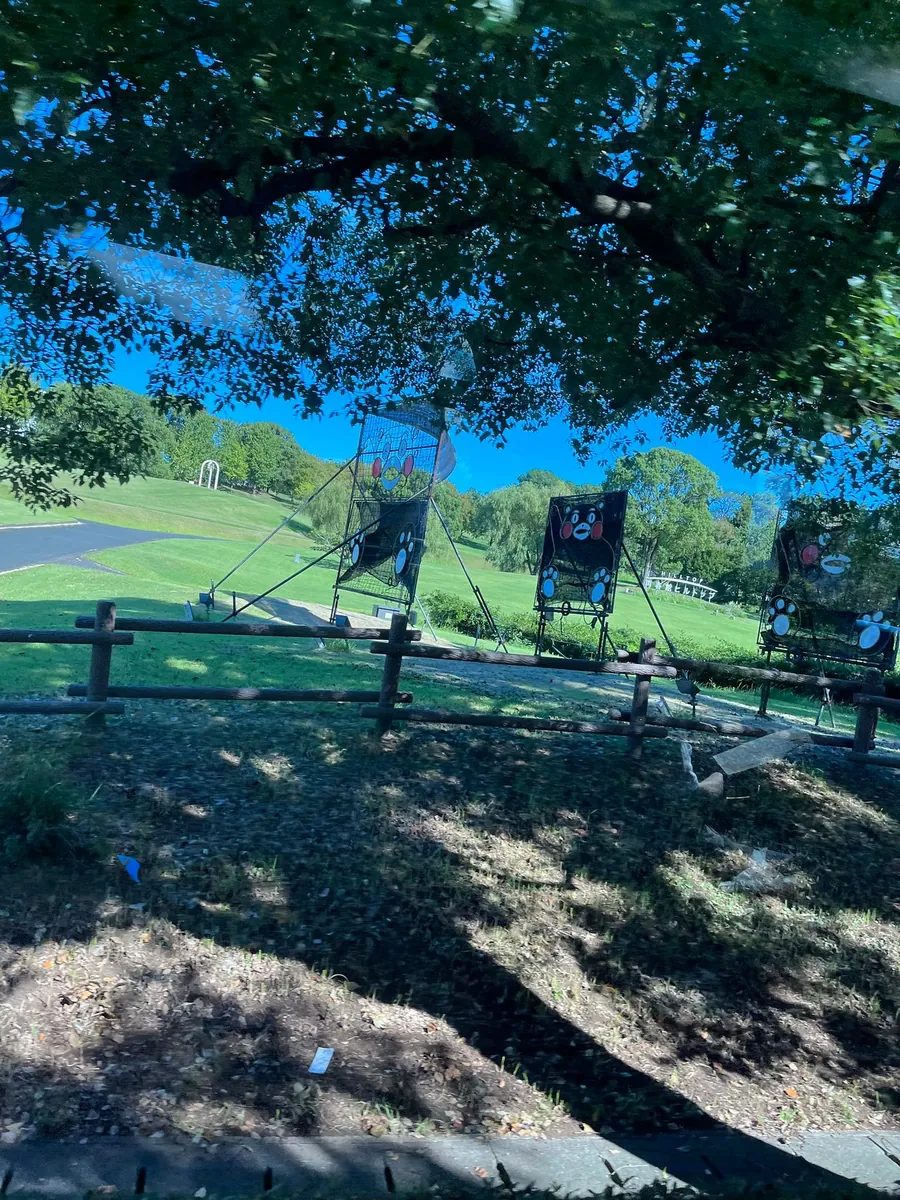
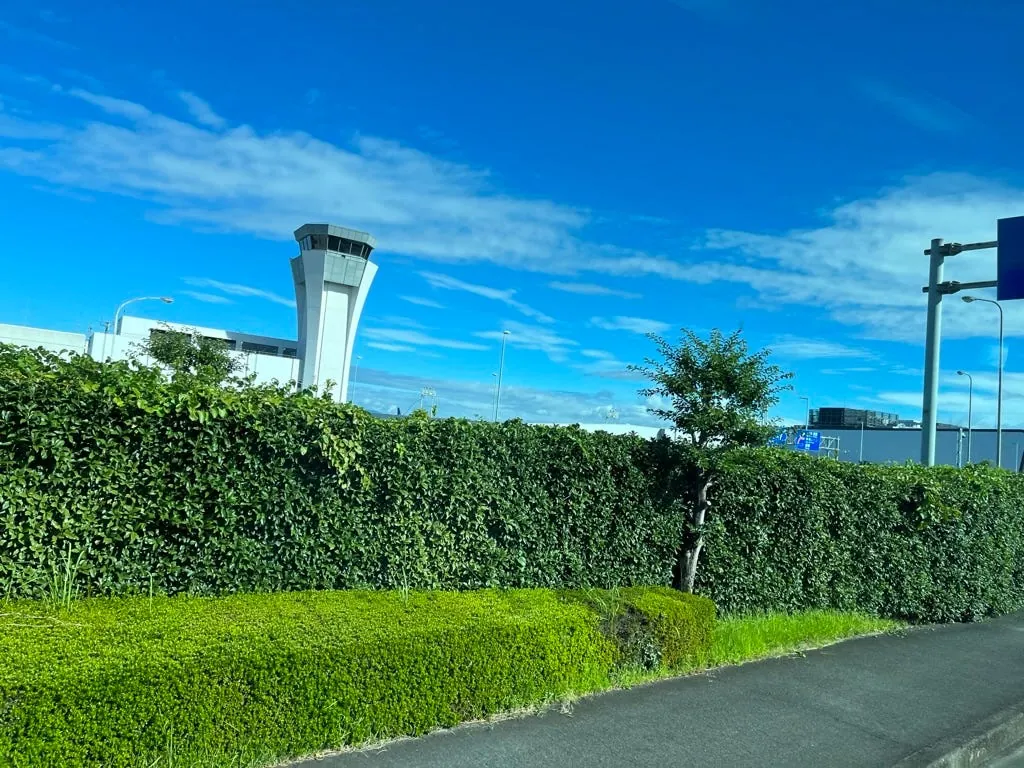
On the way, I encountered a wild Kumamon fence XD Kumamoto really has Kumamon everywhere!
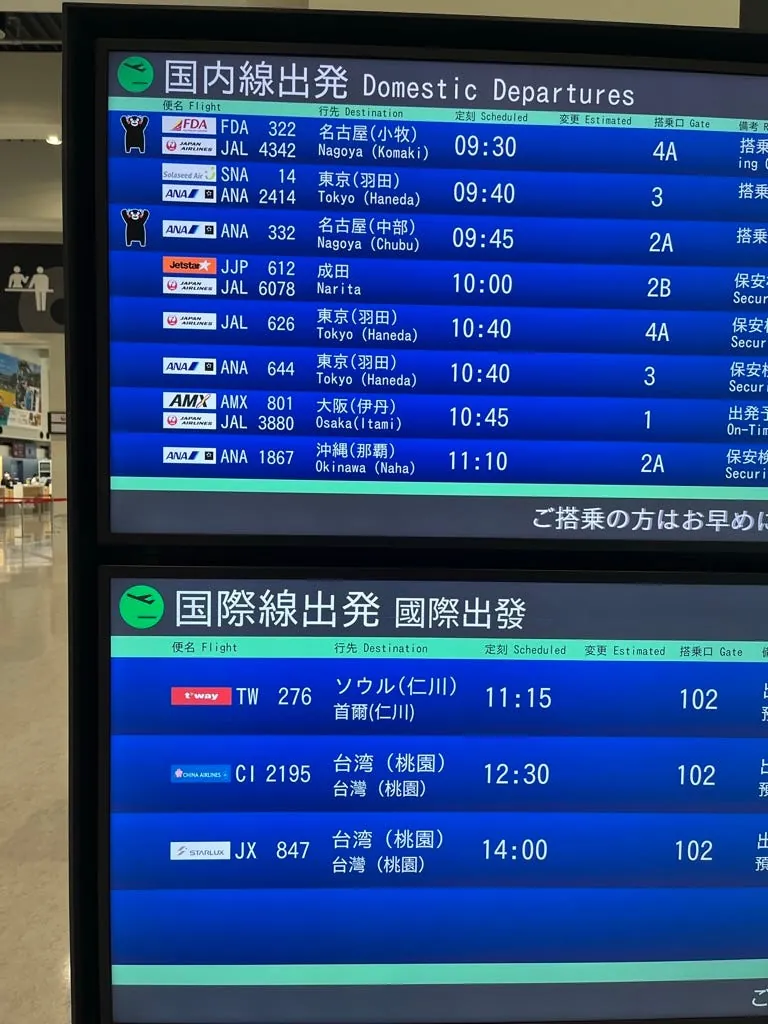
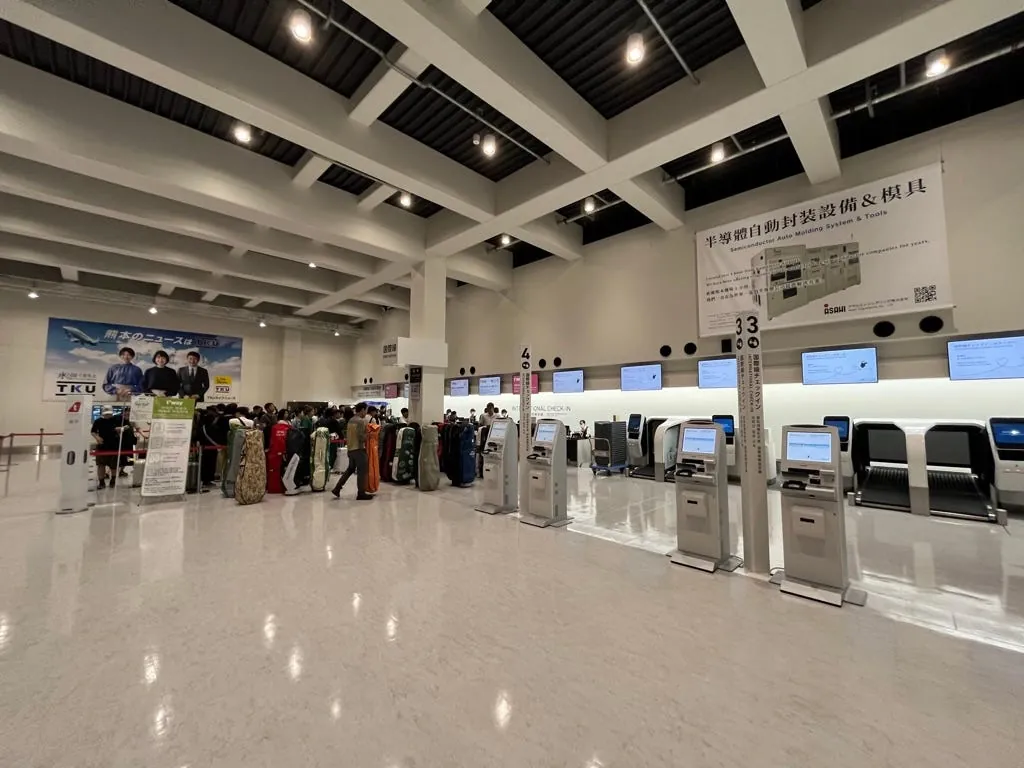
Arrived at the airport early around 9 AM (since there was nowhere else I wanted to go, staying at the hotel longer would just mean waiting before heading out).
Aso Kumamoto Airport (KMJ) is very new and small, with limited flights; there are only three international flights today, and the international terminal has just three counters, all shared in rotation.
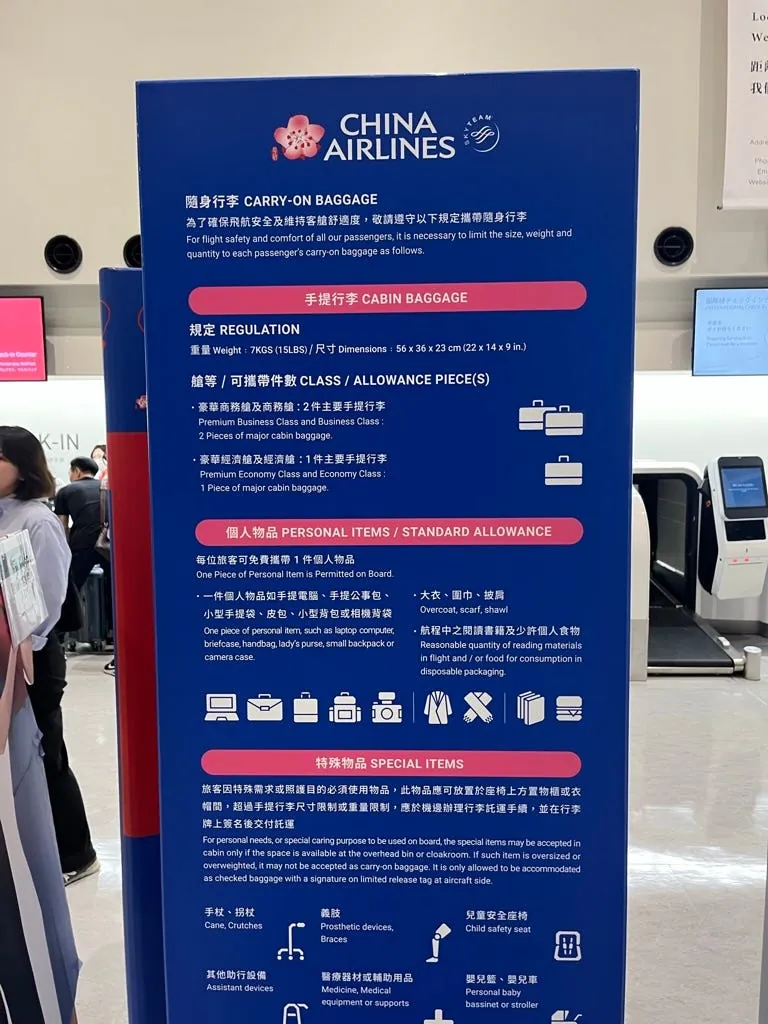
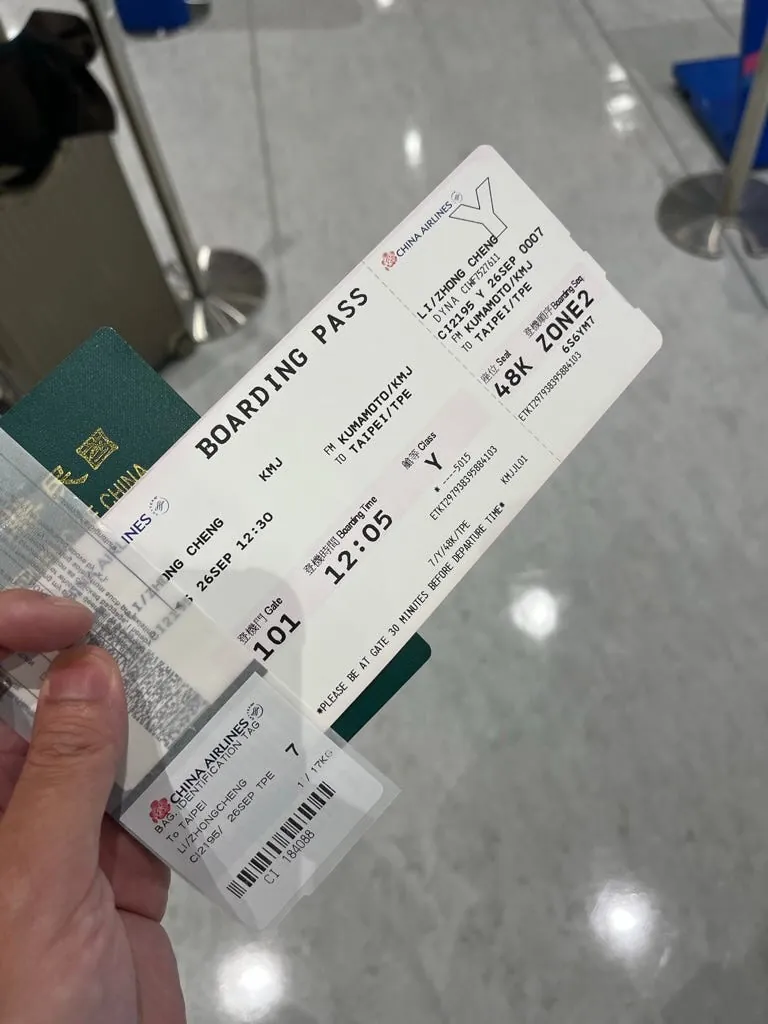
Check-in and baggage drop-off only opened around 10:20. Previously, I flew EVA Air (allowed two carry-ons), but this time flying China Airlines, I found out only one carry-on is allowed, so I quickly compressed my items into one bag on site.
The ground staff said not to leave immediately after checking in the luggage. Wait on-site for about 5 to 10 minutes. If there is any issue with the luggage, they will call your number to handle it (the airport is small and has no electronic display, so you just have to wait).
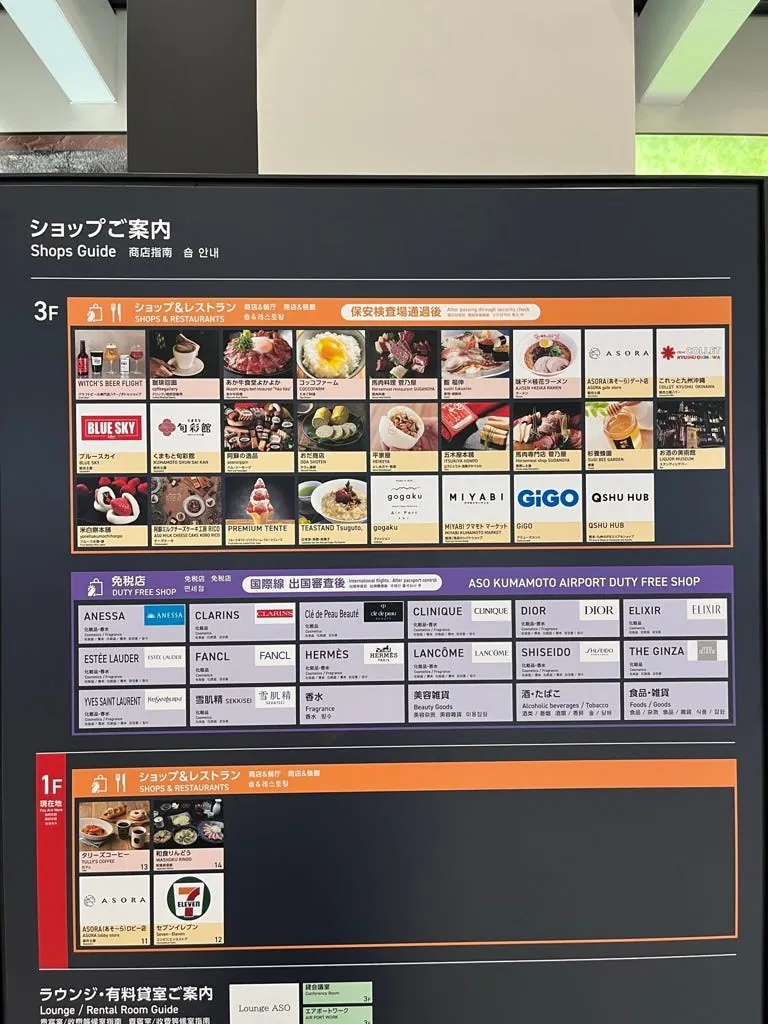
After clearing security, head towards the international departures area; I originally planned to arrive early to explore the airport, but there wasn’t much to see.
I was probably really tired at the time. Later, I found out there is actually an observation deck for plane watching. After checking in luggage, you can take a walk there without rushing through immigration.
Note that all the food on the 3rd floor is located “after security check” before departure. You can turn left to the dining area, but you must go through security again to return; once you have completed departure, there are no food vendors, only duty-free shops.
There was almost no one until the exit inspection, and I had the security check all to myself.
Since I wasn’t very hungry, I didn’t go to any restaurant and went straight to the international departure lounge.
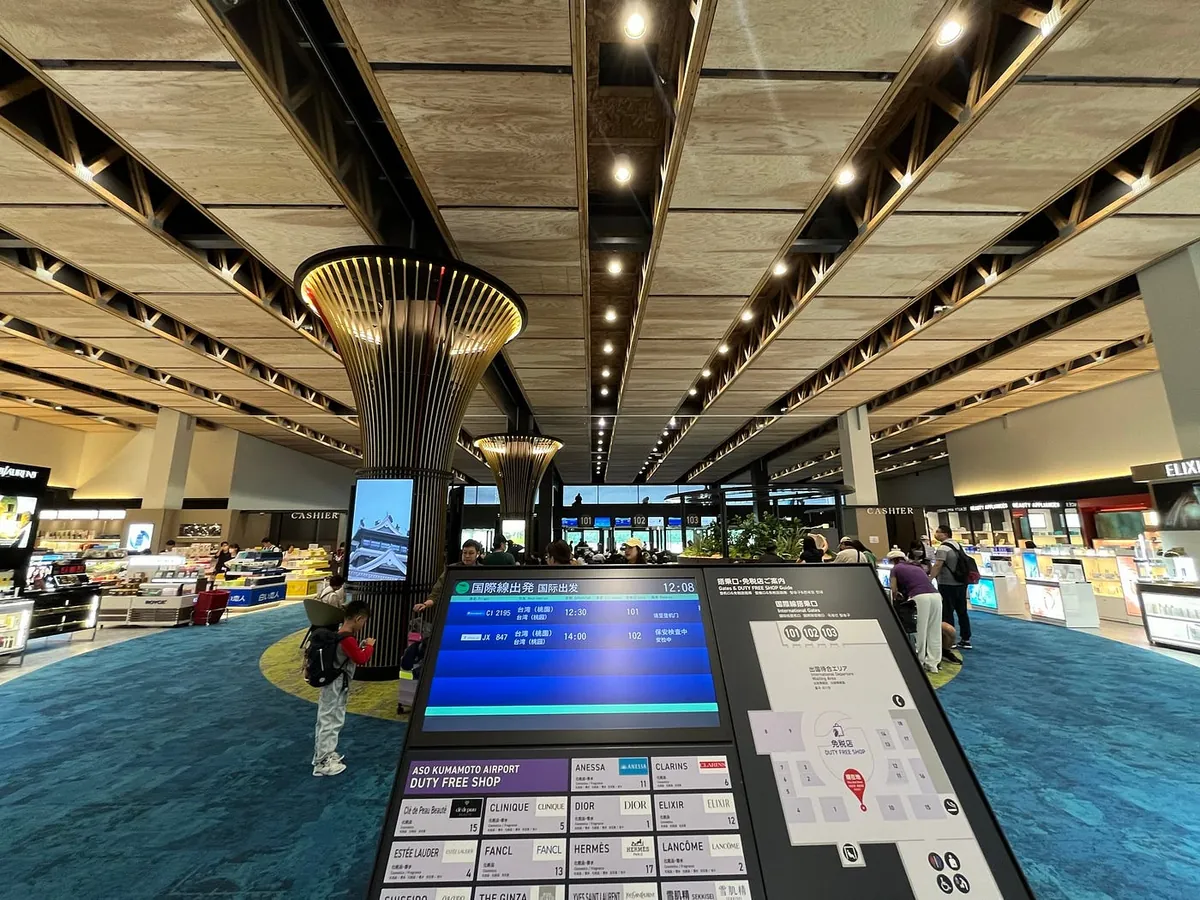
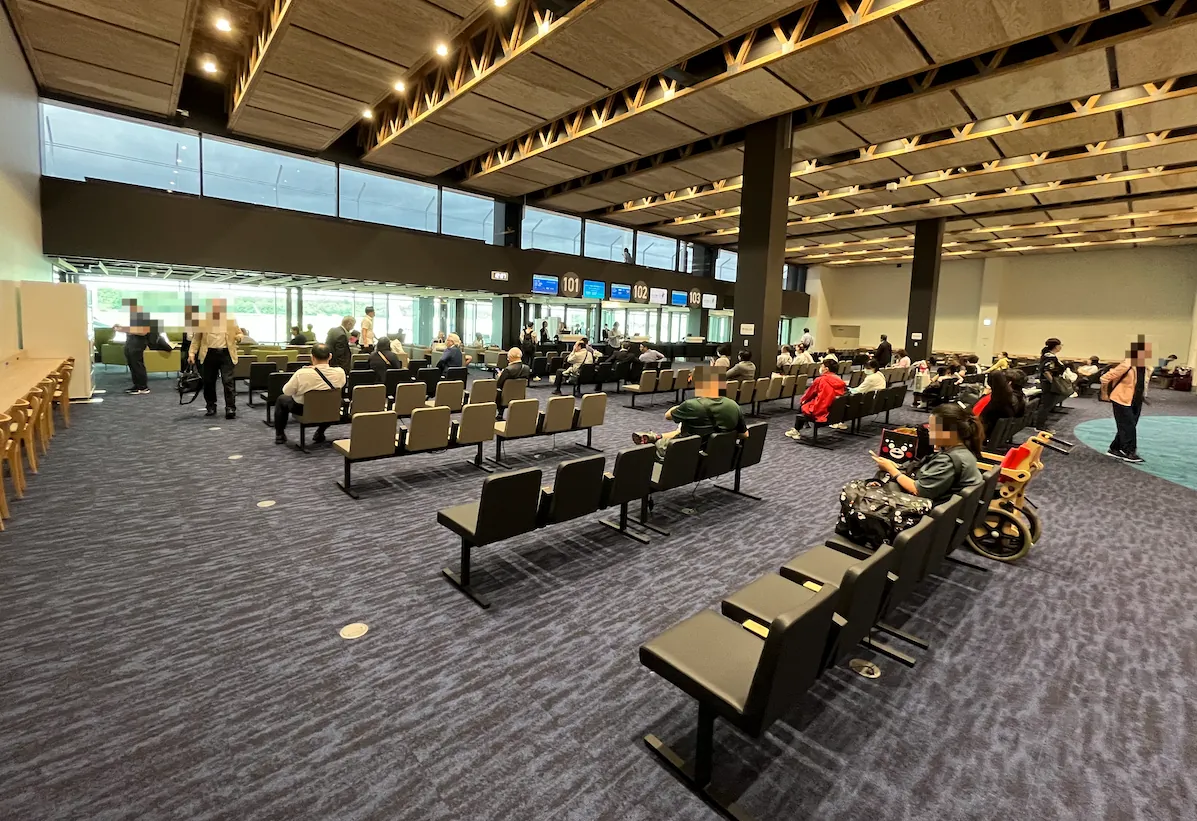
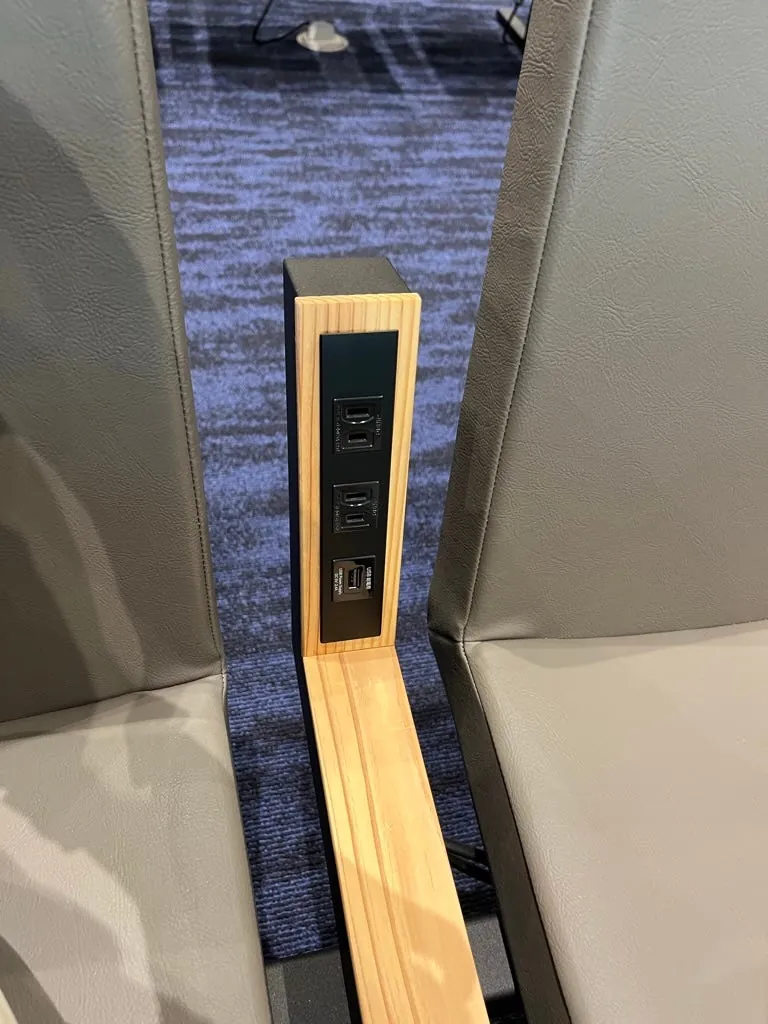
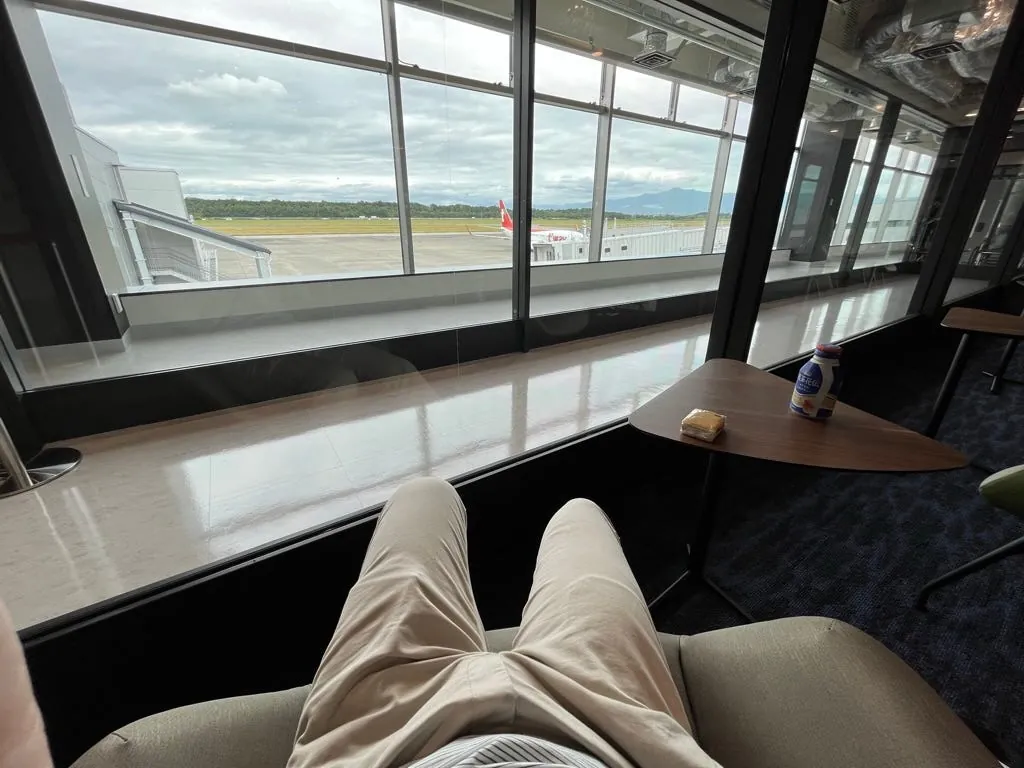
The waiting lounge and duty-free shops are small but new, and all have USB charging ports; the observation deck mentioned earlier offers a view (those people on the 2nd floor are there).
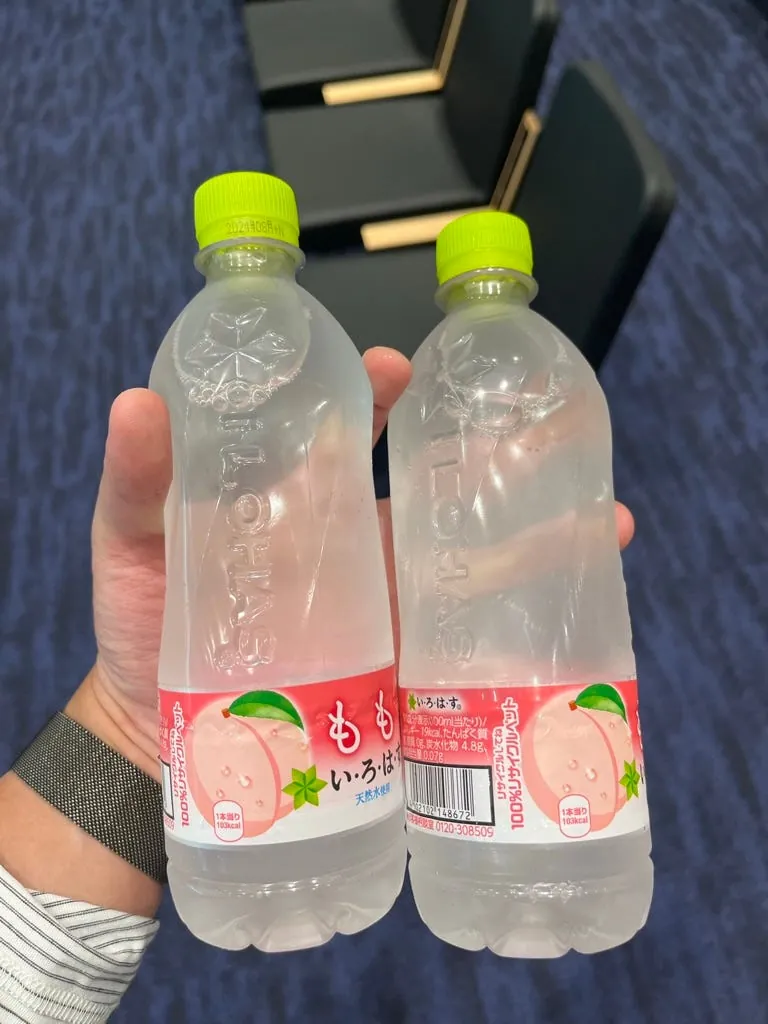
Didn’t buy much, just used up the Suica balance on my Apple Watch and bought two bottles of peach water to bring back to Taiwan.
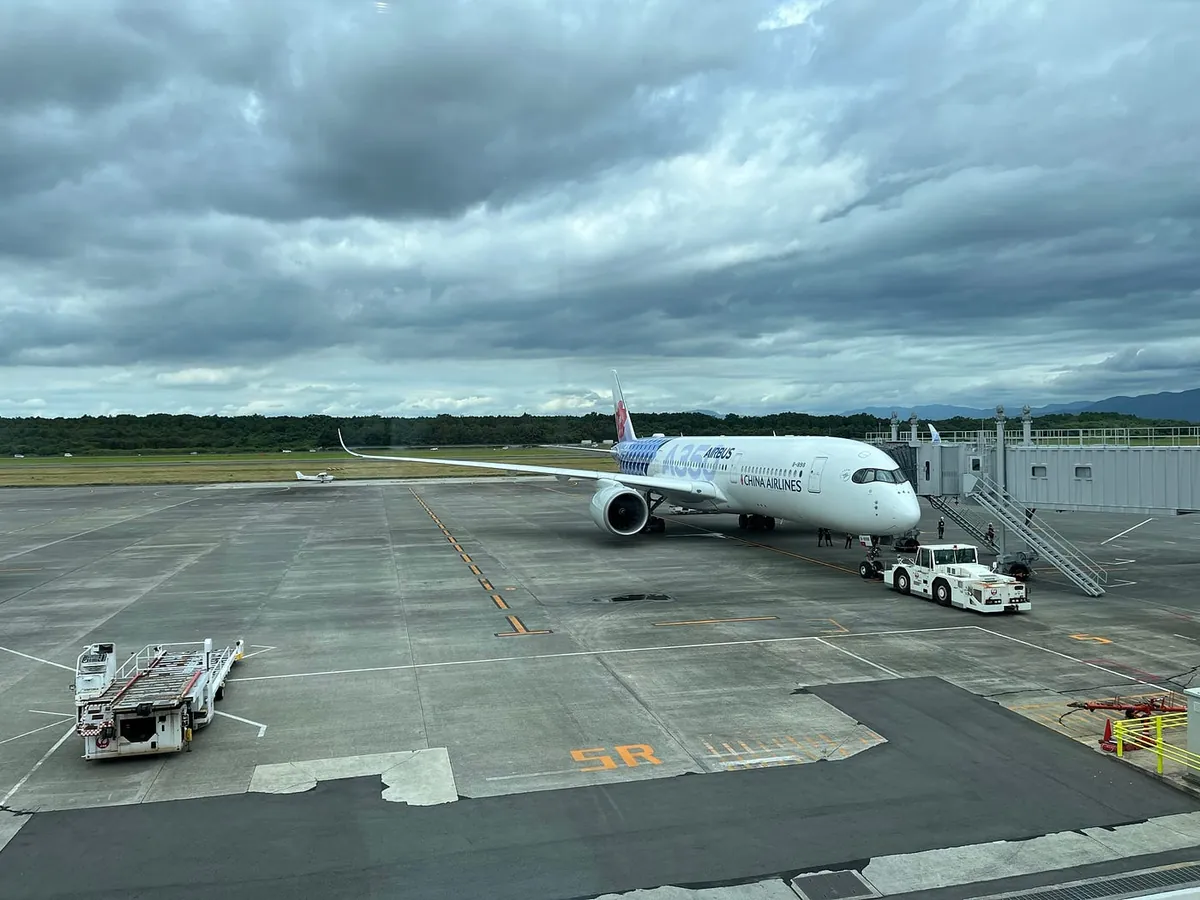
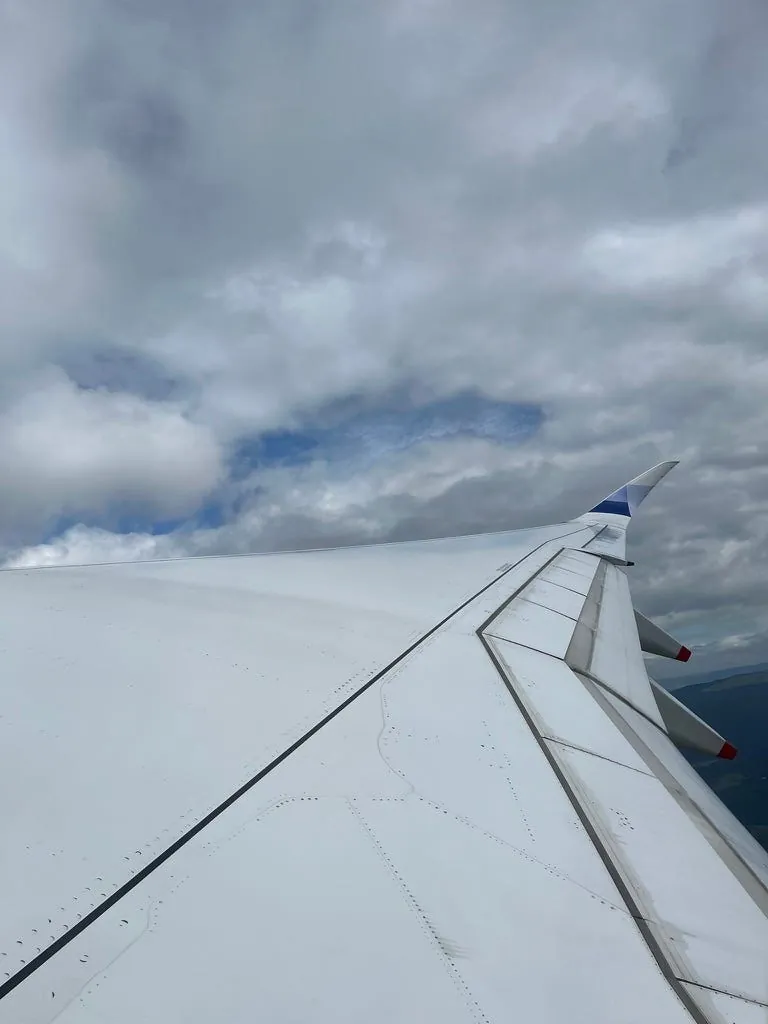
12:30 Departure on time, Bye Kyushu, Bye Kumamoto.
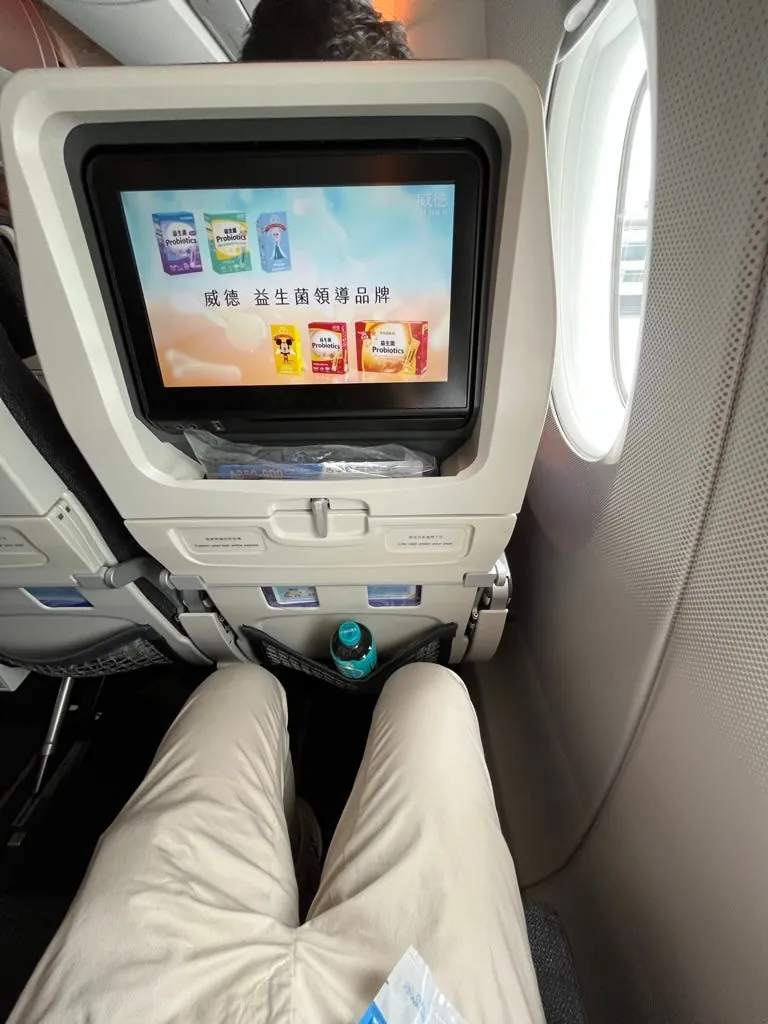
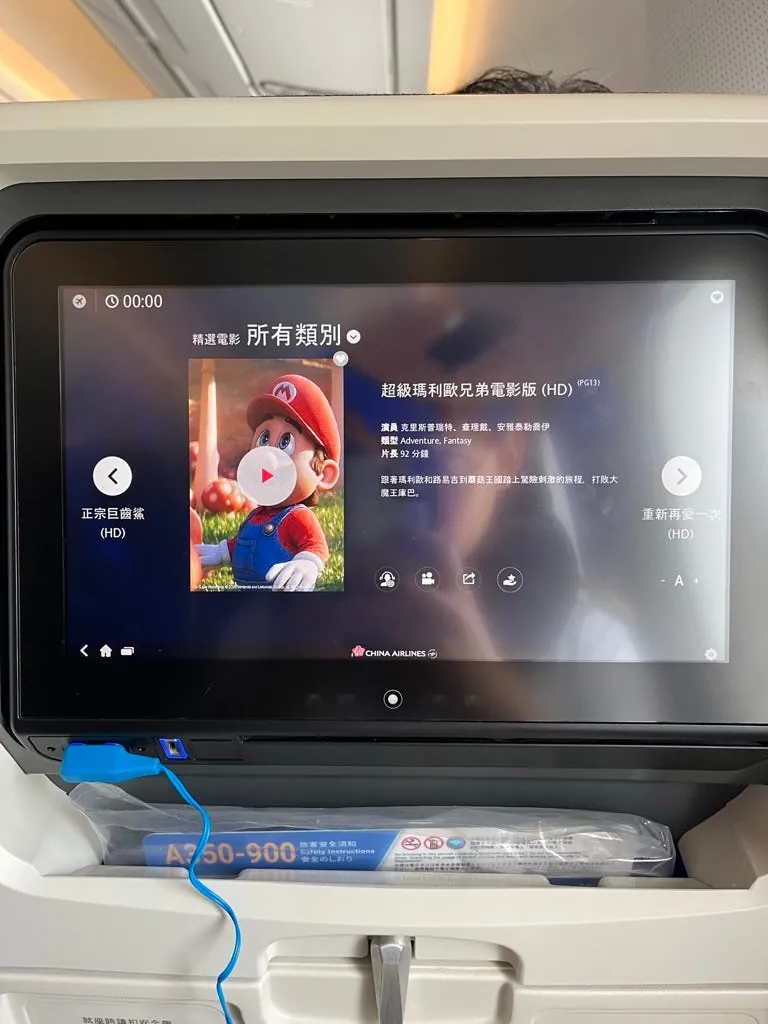
The return flight was on a newer plane, and they had the Super Mario Bros. movie. By the time it finished, we arrived in Taiwan. The seats weren’t fully occupied, so I enjoyed having an entire row to myself!
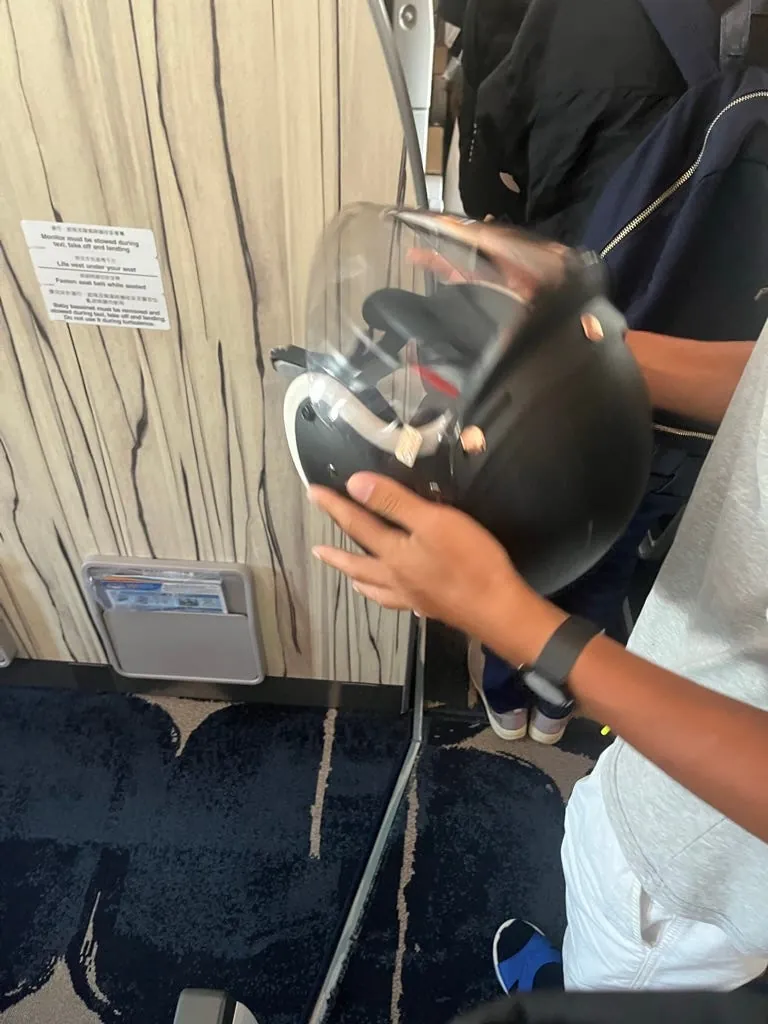
When getting off the plane, I noticed the person in front of me was carrying a helmet. Did they ride a scooter to catch the flight? 🤣
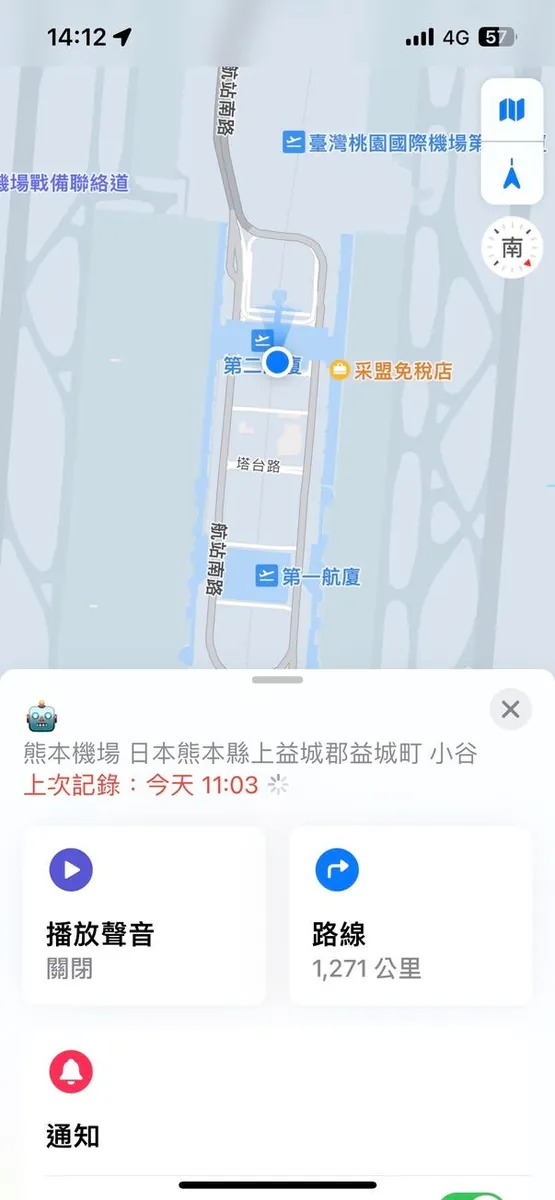
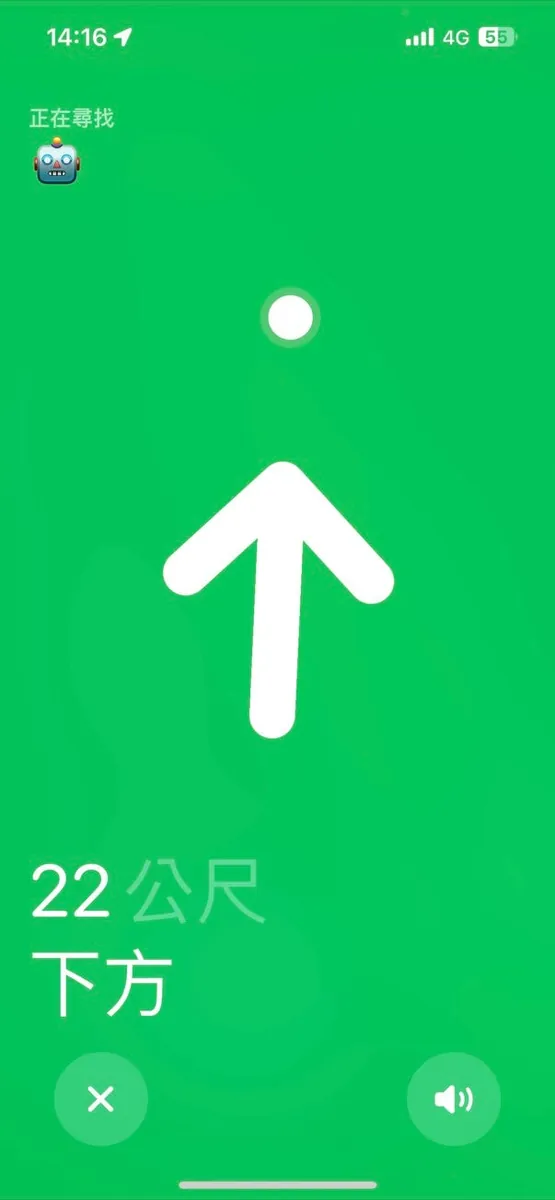
Arrived at Taoyuan Airport, heading home!
When picking up the luggage, maybe because it was checked in too early, I waited for a while before it arrived. I also tested the Airtag tracking feature, and it alerted me when the luggage got close!
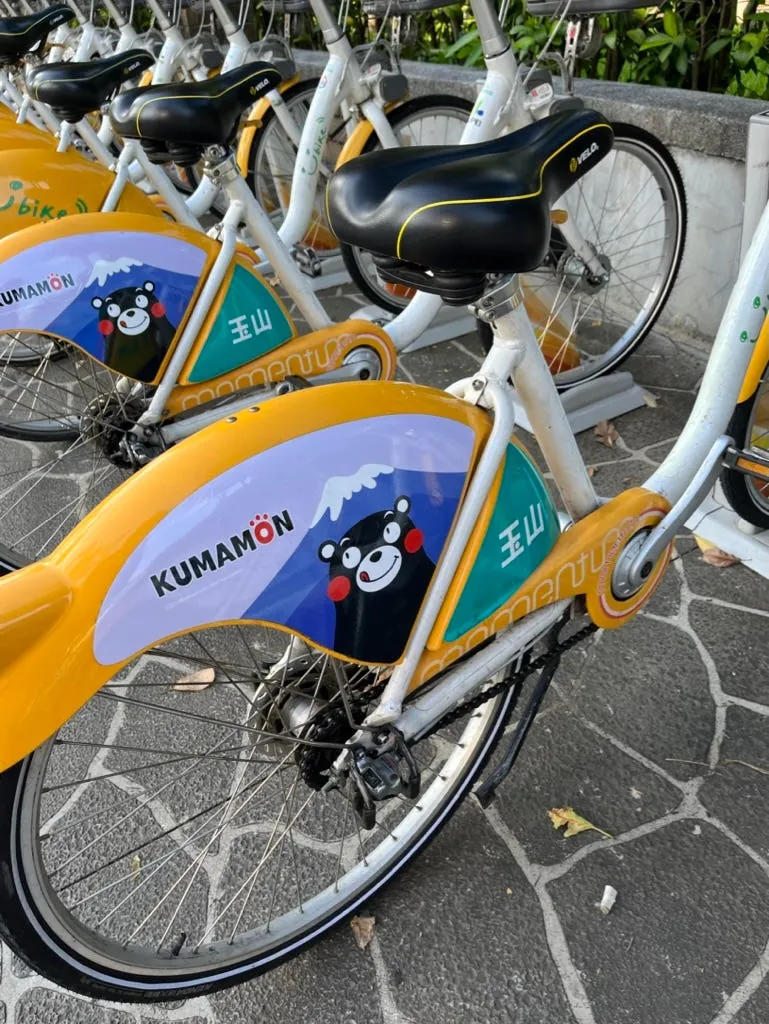
Back in Taiwan, I saw Kumamon again on the street XD (seems like a new card campaign by E.SUN Bank).
Additional Notes on Riding Japanese Buses and Trams
-
Numbered ticket = When boarding, there is a small machine at the door to take a ticket (similar to taking a numbered queue ticket).
-
Some flat fare routes may not use numbered tickets.
-
If you pay with an electronic card (Suica), you don’t need to take a numbered ticket, but be careful that the balance cannot go negative (different from Taiwan).
-
Buses and trams do not give change, but you can first exchange money using the coin changer on the vehicle (near the driver’s payment area).
-
Mostly board from the back, exit from the front.
-
Japanese buses wait for passengers and only depart after everyone is seated or has gotten off; so just stand up when the bus reaches your stop, no need to push forward before the stop (different from Taiwan).
-
When getting off the bus, check the ticket number in your hand against the corresponding fare to pay:
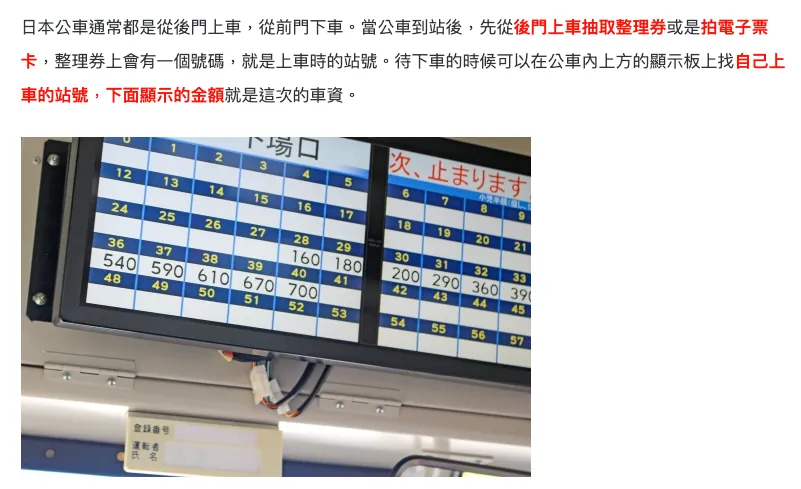
No Fear Taking Buses in Japan! Complete Guide to Bus Riding Rules
This concludes the entire record and experience of my 10-day solo trip to Kyushu. The summary/retro is written above. Thank you for reading.
KKday Promotion
-
Japan JR PASS|Kyushu Area Rail Pass|Northern Kyushu & Southern Kyushu & All Kyushu|E-ticket
-
Japan eSIM Card|Daily High-Speed, Total Data, Unlimited Data Plans
Comments